
Intimacy in the wild
The most romantic safari lodge is rarely the one with the longest list of honeymoon gestures. It is the place where two people can follow the wildlife without being rushed, return to a suite that feels genuinely private and share days shaped by an exceptional guide. The reserve, vehicle policy, camp rhythm and journey between lodges matter more than petals on the bed.
Romance begins with how the days feel
Safari romance is built in the quiet between sightings: coffee before dawn, the first track in sand, lunch after a morning with no clock and an evening when the fire does not lead to another scheduled performance. A good camp creates room for that intimacy while respecting that wildlife, weather and other guests have their own rhythms.
Begin with the couple’s preferred day. Do they want long wildlife drives, slow mornings, walking, photography or time alone at the suite The answer changes the right lodge more than a honeymoon package does.
Reserve, private vehicle and camp size come before the suite
A beautiful suite cannot compensate for hours spent reaching productive wildlife areas or joining a queue of vehicles. Examine the concession or reserve, seasonal habitat, traversing rights, vehicle density and the relationship between camp and landscape. A private area may allow off-road viewing or flexible timing, but rules differ and must be confirmed rather than inferred from the word “private”.
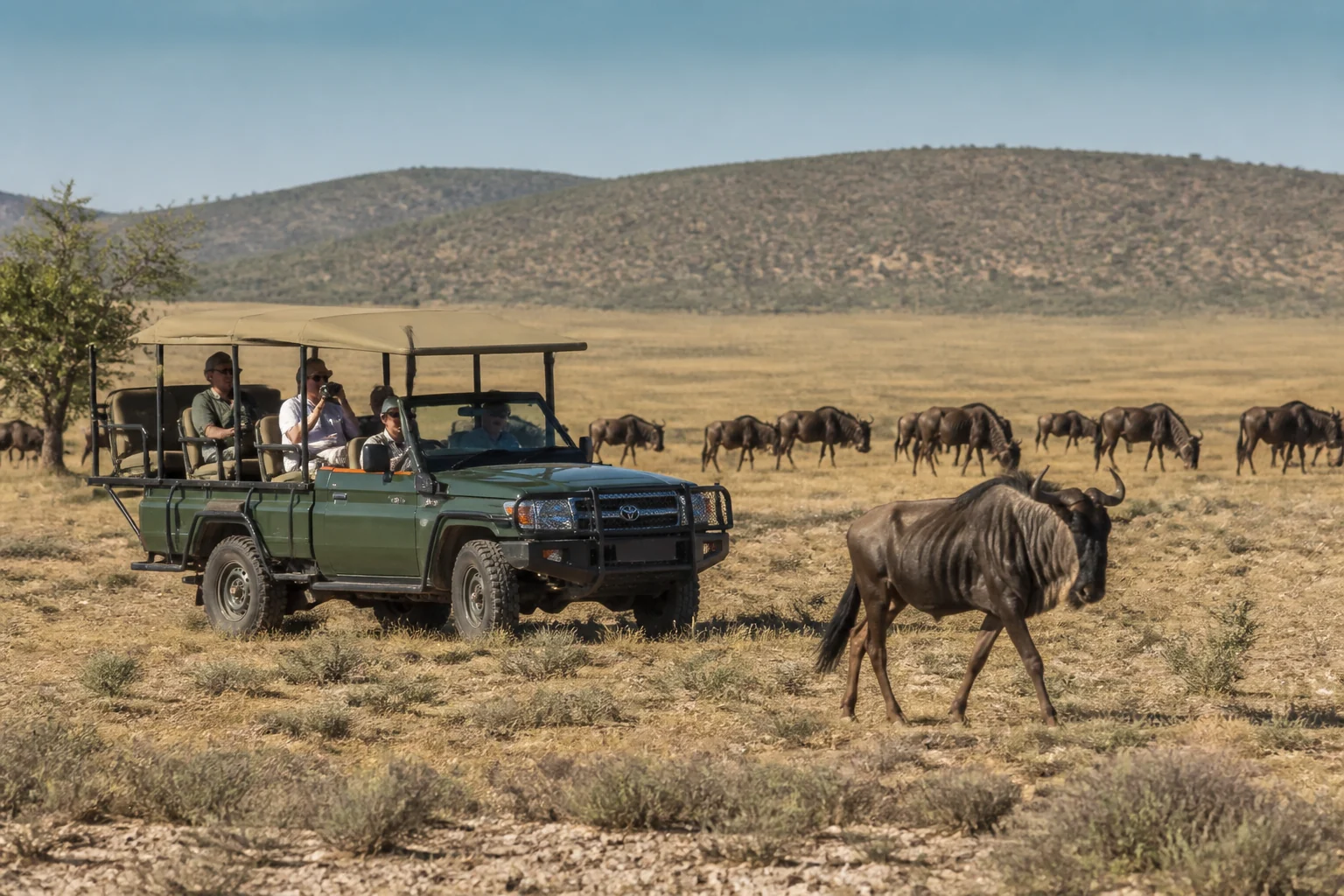
The right location also depends on what the couple hopes to see. Big-cat intensity, wetlands, desert species and migration landscapes create very different honeymoons. None is universally superior.
Sharing a vehicle works beautifully when guests have similar interests and an excellent guide. It becomes frustrating when one couple wants to photograph a leopard for an hour while others want breakfast. A private vehicle gives control over pace, departure and time at a sighting, subject to reserve rules and safety.
Ask whether it is included, guaranteed at a supplement or merely requested. Confirm whether the same guide stays with the couple and how airport transfers affect the first or last drive. “Private safari” can otherwise describe the journey while the daily game drives remain shared.
Six rooms can still feed every guest into two vehicles, one dining table and a tightly fixed schedule. A larger lodge may offer more vehicles, flexible meals and a suite far from communal areas. Camp size is therefore only the beginning. Ask about maximum guests, vehicle seating, table arrangements, pathways and how often non-resident visitors use the facilities.
For some couples, a convivial fire and shared stories are part of safari’s magic. Privacy should mean freedom from friction, not isolation imposed for its own sake.
Sightlines, pool and architecture shape intimacy
Request a camp map. A suite facing a waterhole can deliver extraordinary viewing and regular vehicle or animal activity; another at the far end may feel calmer but require escorted walks after dark. Look for views from bed and deck, visibility from neighbouring units, staff paths, generator or kitchen noise and distance to the main area.
Wild camps are not conventional hotels. Animals may move through unfenced grounds, so walking rules and escort times are part of the experience. True luxury is an honest description of that relationship.
A private plunge pool photographs well, yet cold mornings, wind, shade or wildlife-safety procedures can limit its use. A deep veranda with a daybed may deliver more time together than a pool visited once. Ask about orientation, sun, heating, insects and whether the deck remains private from vehicles or walking routes.
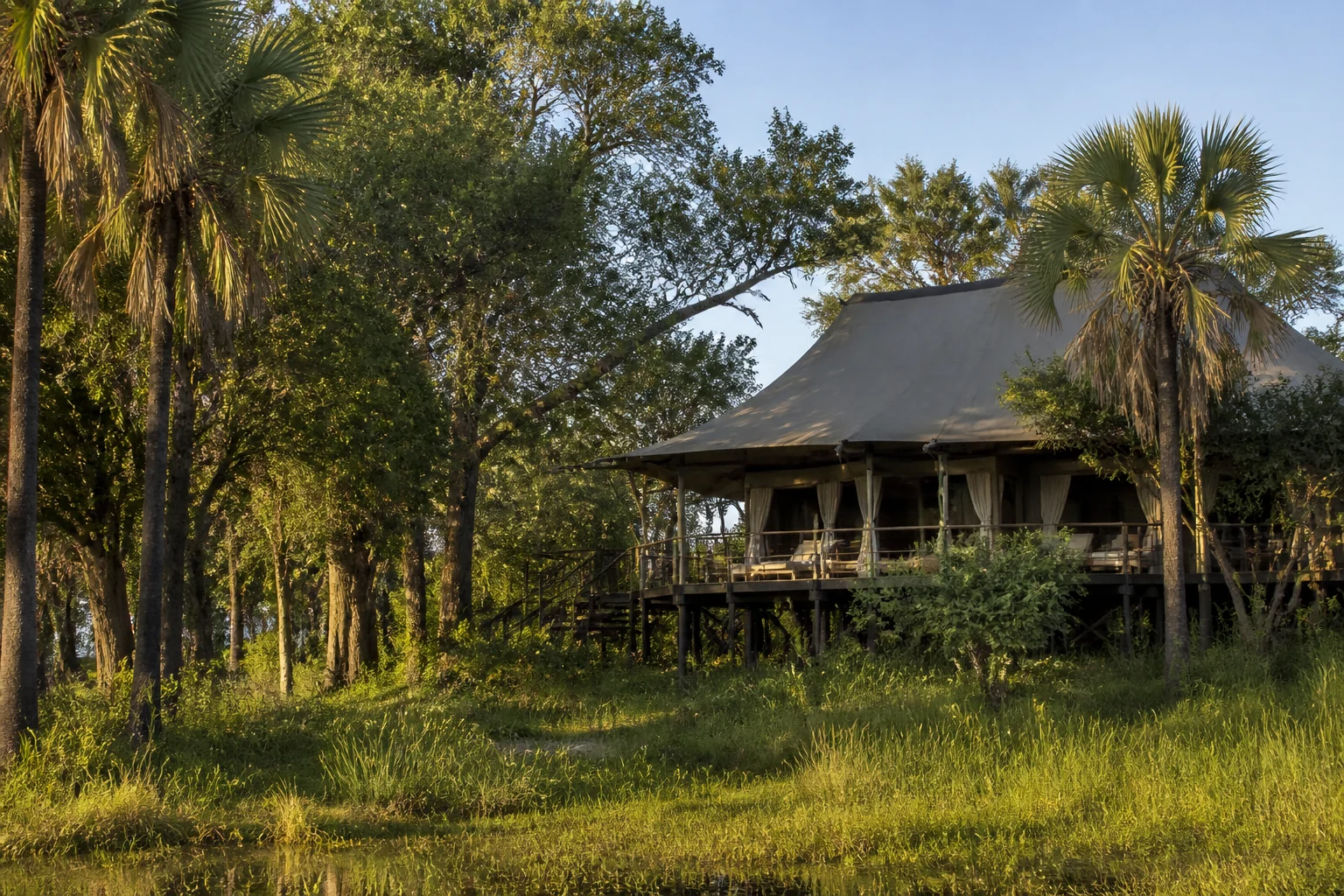
The best outdoor space works as a second room: comfortable between activities, close enough to the landscape and usable in the actual month of travel.
Canvas carries sound and temperature and can make the wilderness feel immediate. Glass brings views and acoustic separation but may feel more architectural. A private safari home adds dedicated living, dining and service, yet can remove the social energy some guests love. Neither format is inherently more romantic.
Discuss sleep, fear of insects, need for air-conditioning, bathroom privacy and tolerance for night sounds. The right design lets the couple relax rather than perform bravery for the idea of safari.
Four lodges for four kinds of honeymoon
Wilderness places Mombo in Botswana’s Okavango Delta within Moremi Game Reserve, overlooking a wildlife-rich floodplain. Its current official page describes access to more than 45,000 hectares of exclusive private wilderness, strong predator-prey viewing and suites with plunge pools, outdoor showers and panoramic windows.
This is compelling for a couple whose definition of romance is waking to the landscape and spending serious time with wildlife. It is not chosen merely for a private pool; its value begins with the location. Seasonal rates and inclusions must be quoted for the exact dates.
Singita describes Sabora in Tanzania’s Grumeti wilderness, with nine self-contained tented suites. Current official information names private pantries, dining and fitness areas, meditation decks and secluded outdoor salas. The design allows daily life to extend beyond a bedroom without turning the stay into a private villa detached from the camp.
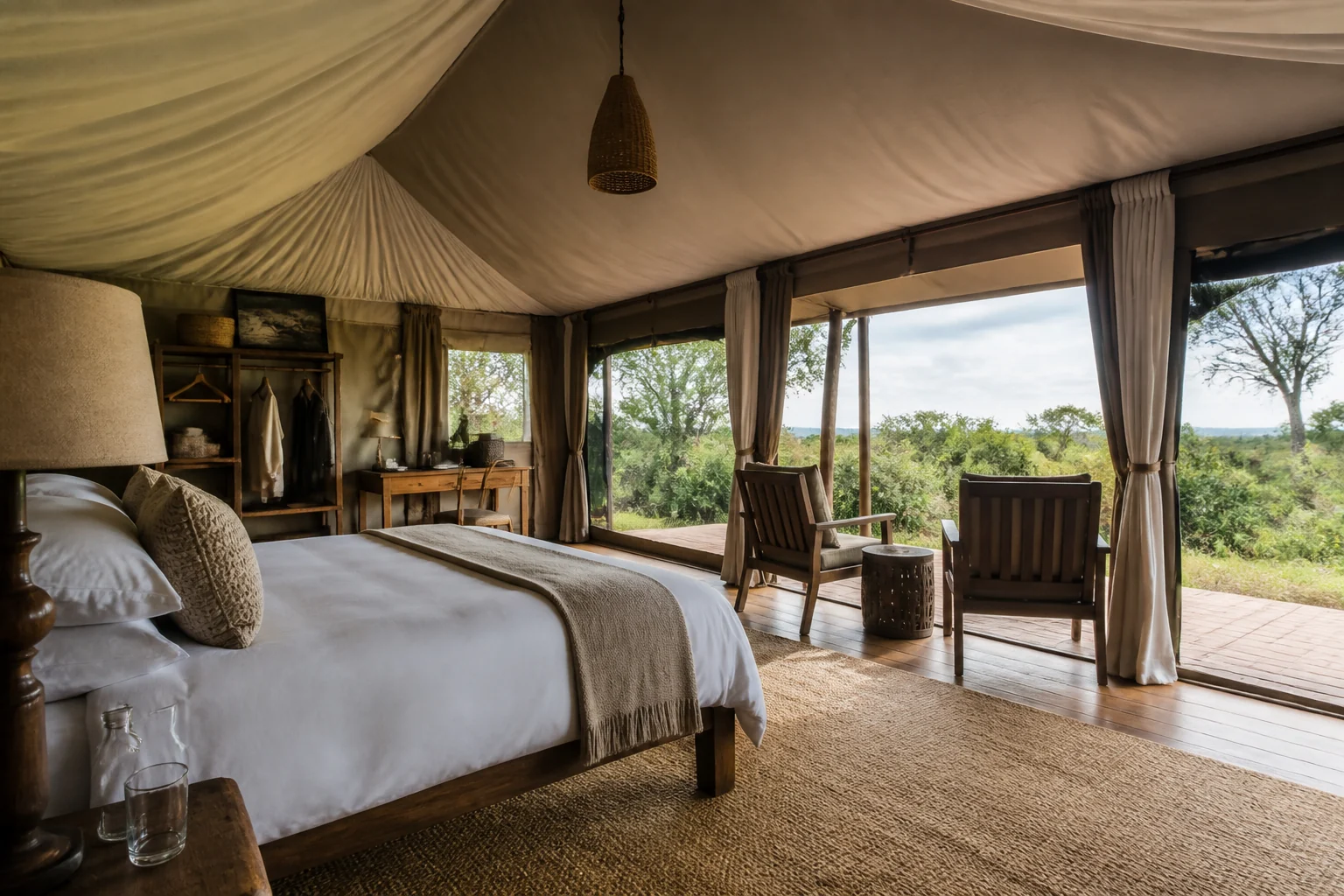
Sabora suits couples who want the atmosphere of canvas, large private living spaces and access to the Serengeti–Mara ecosystem. Migration timing should never be sold as a fixed performance outside the tent.
Angama’s official page describes tented suites of more than 100 square metres, with floor-to-ceiling glass and Mara views from bed, bath, sitting area and shower. Decks support in-tent dining and massage. The same page identifies accessible and interconnected configurations, useful evidence that romance and practical needs can coexist.
The lodge’s attraction is scale, outlook and access to the Mara Triangle, not a promise of seclusion in every moment. Current inclusions and exclusions—park fees, selected premium drinks, ballooning and gratuities among them—need to be read in the dated quotation.
Tswalu describes Loapi as six exclusive-use safari homes in the secluded Bruwer Valley: four one-bedroom and two two-bedroom homes, set against open Kalahari grasslands and the Korannaberg. This format is designed for private living rather than merely a private sleeping tent.
It can be a powerful honeymoon choice for couples drawn to desert light, rare-species tracking and a slow, self-contained rhythm. It should not be substituted for classic migration or Delta expectations. The landscape is the point, not a compromise.
Botswana, East Africa and South Africa answer different desires
Botswana’s fly-in camps, Delta waterways and private concessions can create a sense of remoteness and low-density travel. Kenya and Tanzania offer vast savannah, cultural context and seasonal herd movements, with a broader range of camp styles and access patterns. The decision is not “exclusive versus spectacular”; both regions can be either.
Match dates, preferred species, tolerance for small aircraft, landscape and desired tempo. A truthful advisor explains what may vary rather than promising the iconic photograph.
Excellent road and air access, private reserves, varied lodge formats and the possibility of pairing safari with Cape Town or the Winelands can reduce logistical strain. Some reserves also offer malaria-free contexts, but medical advice and current area-specific guidance must come from competent sources rather than a lodge label.
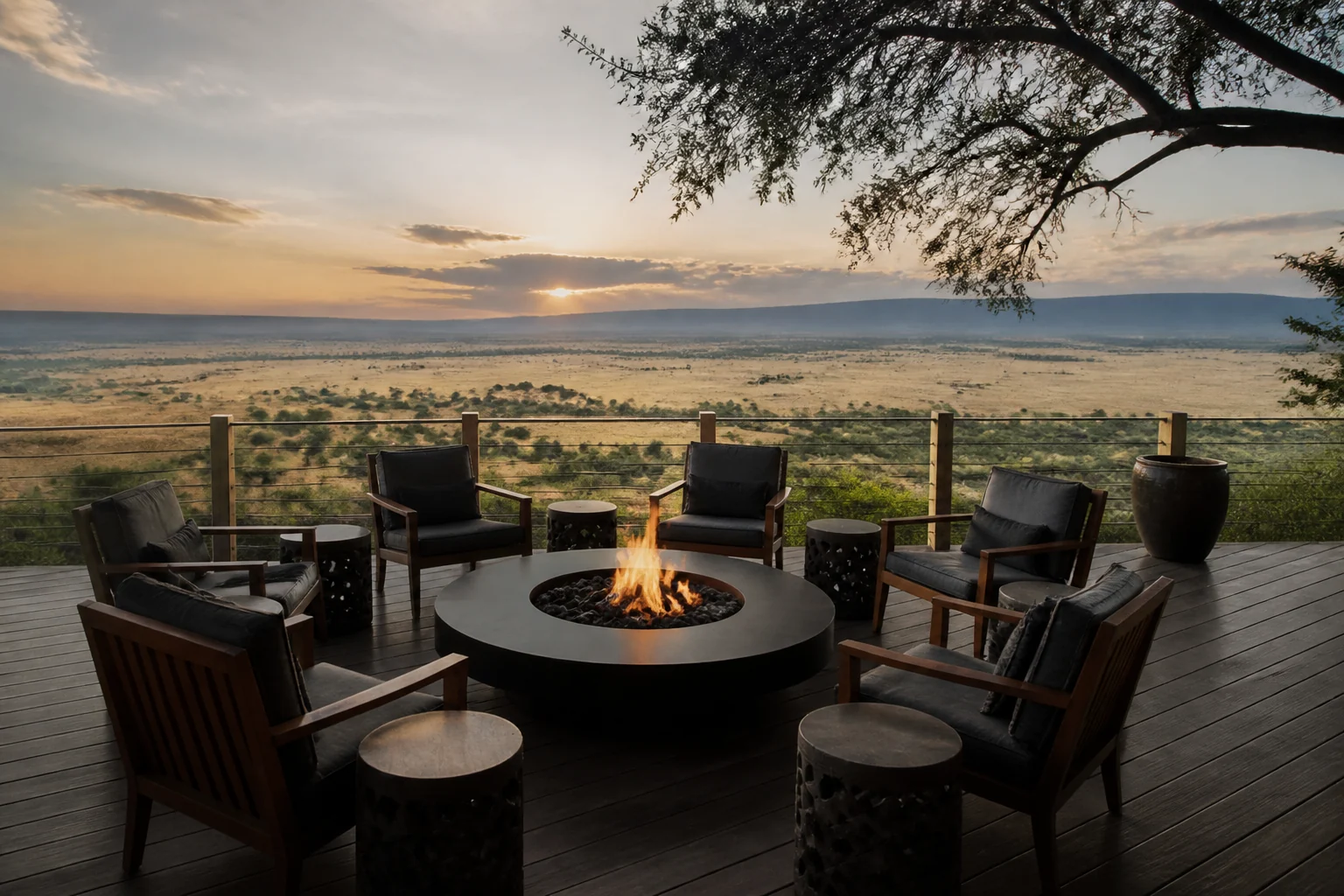
Ease does not mean less wild. It means the route may be better suited to a short honeymoon, an anxious first-time traveller or a couple who wants gastronomy and city life beside wildlife.
Night count and camp combination create rhythm
Two nights often produce one full safari day between arrival and departure. Three nights allow weather, fatigue and one quiet period at the lodge without feeling that a drive was sacrificed. Four can be right when the area is rich, the guide relationship develops and the suite itself is part of the experience.
Count usable drives, not calendar nights. Flight schedules and airstrip transfers can remove the first afternoon or final morning. A celebrated camp deserves enough time to become a place rather than a stop.
A wetland and a dry-land camp, or a predator-rich reserve followed by a walking-focused area, can give the journey a narrative. A third and fourth camp may add species but also packing, light-aircraft sectors and repeated briefings. Honeymoons benefit from continuity because familiarity with a guide and team creates ease.
Contrast should be deliberate. If two camps offer the same habitat and schedule, staying longer at the stronger one may feel more luxurious.
Migration is not a theatre with fixed performance times
Rain, grazing and river conditions influence animal movement. Historical patterns guide planning, but no lodge can guarantee that a herd or crossing will be in one place on a particular day. Crowds around famous crossings can also conflict with a couple’s idea of intimacy.
Choose an area that remains rewarding without the headline event. A good honeymoon safari has landscape, resident wildlife, guiding and camp life strong enough to carry the trip when nature writes a different script.
Dining, guides and camp teams carry the experience
A bush breakfast, lantern-lit dinner or sundowner can be memorable when it grows from the day. It becomes awkward when staged at the wrong temperature, surrounded by staff waiting for a photograph or timed against wildlife viewing. Ask what is private, weather-dependent and included, and whether the couple can decline without losing value.
The most romantic meal may be an unplanned late lunch after an exceptional sighting. Flexibility matters more than the number of setups promised.
Suite architecture disappears when the vehicle leaves camp. The guide reads tracks, manages distance, interprets behaviour and understands when silence is better than commentary. Back at the lodge, a team that remembers pace and preferences can create intimacy without over-servicing.
Ask about guide allocation, private-guide options, staff continuity and whether specialist interests—photography, birds, walking or conservation—can be matched. Expertise is often the most valuable honeymoon upgrade.
Transfers, baggage and arrival windows
Small aircraft may impose strict weight and soft-bag requirements; details vary by operator, route and aircraft. Internal flights can involve stops, schedule changes and luggage travelling separately. Record exact allowances, dimensions, camera equipment and what happens to excess bags before international tickets are issued.
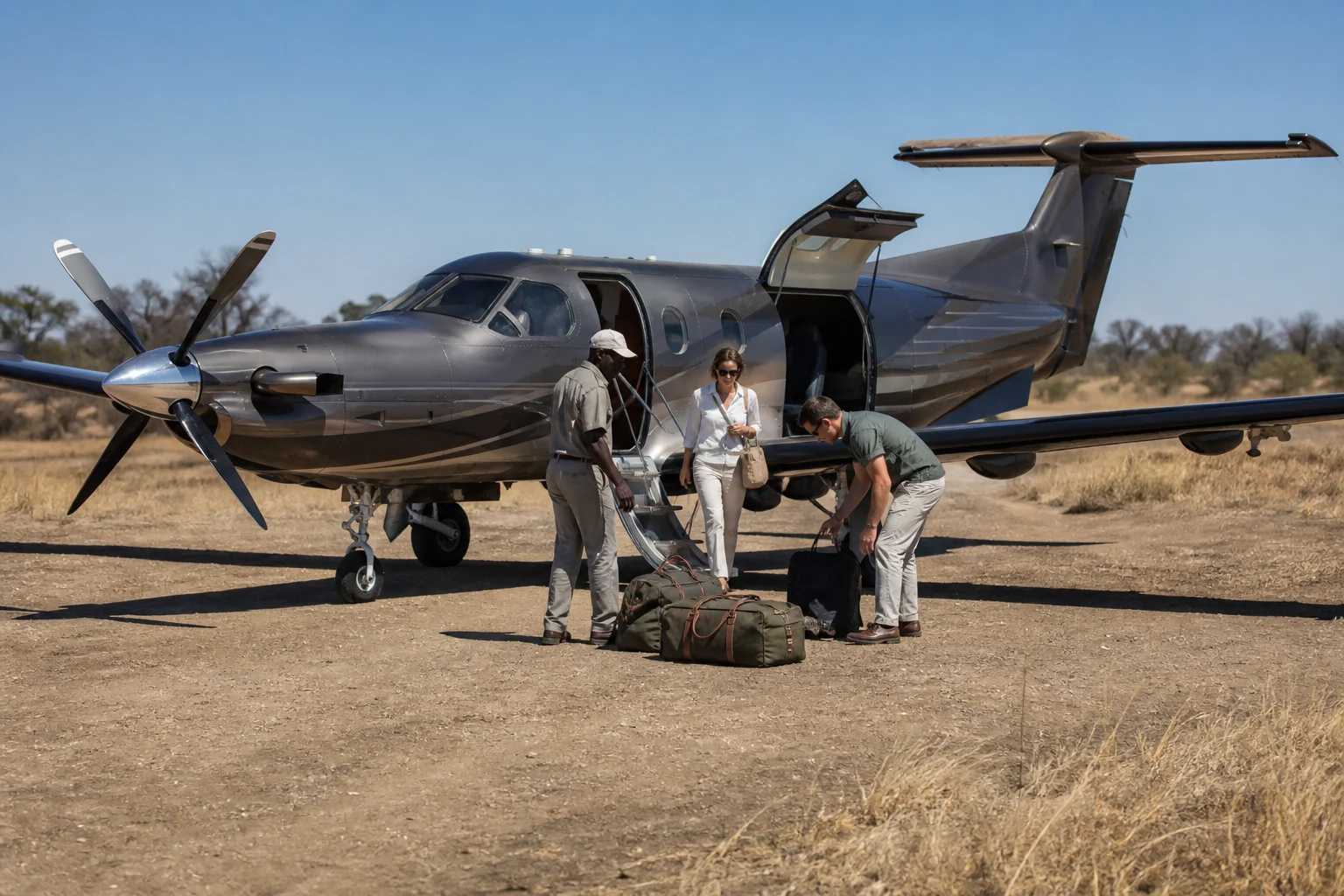
The itinerary also names meet points, airstrips, road times and the last viable arrival. A beautiful camp reached in stress is not a romantic beginning.
Safari and beach only with a clean transition
Zanzibar, the Seychelles, Mauritius or a quieter mainland coast can provide rest after early mornings. The combination succeeds when flights are sensible, the beach season is suitable and the second hotel changes the rhythm rather than continuing a full activity programme. A complicated transfer can consume the calm it was meant to create.
Sometimes the better ending is a private house in the Winelands or several empty nights at the safari lodge. “Beach” is not mandatory honeymoon punctuation.
A honeymoon safari is wrong for some couples
Early starts, dust, insects, uneven paths, small aircraft and unpredictable wildlife are not decorative details. A couple who wants late nightlife, guaranteed pool weather or complete freedom to walk alone may be happier elsewhere. Different appetites for wildlife can also become visible when every day is built around it.
The answer may be a short safari within a broader trip, a private reserve with flexible scheduling or no safari at all. Honesty protects the occasion better than persuasion.
The final lodge brief fits on one page
For each shortlisted camp, record reserve and traversing access, suite position, maximum guests, vehicle policy, private-guide cost, activities, usable outdoor space, operating season, transfers, baggage, inclusions, exclusions and cancellation exposure. Add what the lodge cannot guarantee. Place beside it the reason the couple would choose that particular landscape.
The most romantic lodge is the one whose daily reality matches two people—not the one that photographs most like a honeymoon.