
Island hopping sounds richer than staying put: another horizon, another hotel, another boat cutting across blue water. Yet every move spends something scarce — time, attention and ease. The intelligent luxury itinerary does not count islands. It counts complete days, meaningful contrasts and transfers that deserve their place in the journey.
Count usable days, not islands
A twelve-night trip split across three islands does not provide four days on each. Arrival afternoon, departure morning and every transfer day are partial days, often with luggage open, clocks visible and decisions pending. Start with a simple ledger: nights, full mornings, full afternoons and dinners enjoyed without packing for the next move. Then subtract the recovery time after a long international journey.
An island earns its place only if the resulting stay feels inhabited rather than sampled. For most travellers, three unhurried days in one landscape create more memory than six photogenic hours between two checklists.
A “15-minute flight” may require a hotel departure two hours earlier, a road transfer, check-in, security, waiting, baggage collection and another drive or boat at the far end. A ferry crossing begins at the port, not at the moment the ship moves; a seaplane connection can include a shared lounge, routing stops and daylight limits.
Calculate door to door: last comfortable moment in the first room to first comfortable moment in the next. Add packing, repacking and the mental friction of watching the weather. That complete interval is the true price of an island change.
The best combinations are not two versions of the same beach. They reveal a genuine shift in scale, landscape or rhythm: granite coves followed by a remote coral island; an inhabited port with strong local life followed by a private atoll; a diving base followed by a quiet botanical retreat. Contrast can also be experiential — serious surf,
then protected lagoon; food-led hotel, then wildlife-led lodge. If the second property offers the same view, cuisine and daily pattern with different cushions, the transfer has bought novelty rather than depth. Luxury begins with the confidence to remove a redundant stop.
How many islands genuinely fit the journey
A five-night stay often contains only four useful days, and fewer after jet lag or an awkward connection. The first evening may be devoted to arrival; the final morning to bags and departure. This matters when activities depend on tides, weather or fixed operating days. One cancelled boat can erase the only diving day;
a closed restaurant can remove the dinner around which the stay was planned. Build enough slack for the island to reveal itself beyond the forecast. In practice, five nights is a comfortable minimum for a long-haul beach destination, not an extravagant amount of time.
Two well-chosen islands create a clear narrative without turning the holiday into a relay. The first can absorb jet lag and provide movement; the second can deepen the sense of retreat. One transfer becomes a hinge rather than a recurring interruption. On a ten- to fourteen-night journey, this usually allows four to six nights in each place,
depending on arrival logistics. It also leaves room to select hotels for different strengths instead of asking one resort to perform every role. The combination succeeds when either island would be worth visiting alone and the route between them is operationally clean.

A third island is defensible when the trip is long enough, the contrasts are substantial and the route moves forward rather than repeatedly returning through a hub. As a working principle, consider three islands only when roughly two weeks on the ground remain after international travel. Even then, examine the weakest link: the infrequent flight,
the weather-sensitive boat or the forced overnight near an airport. Open-jaw tickets, through-checked baggage and coordinated transfers can improve the design, but they do not create more hours. If one connection requires perfect timing, the whole itinerary is brittle.
Four archipelagos, four logistical systems
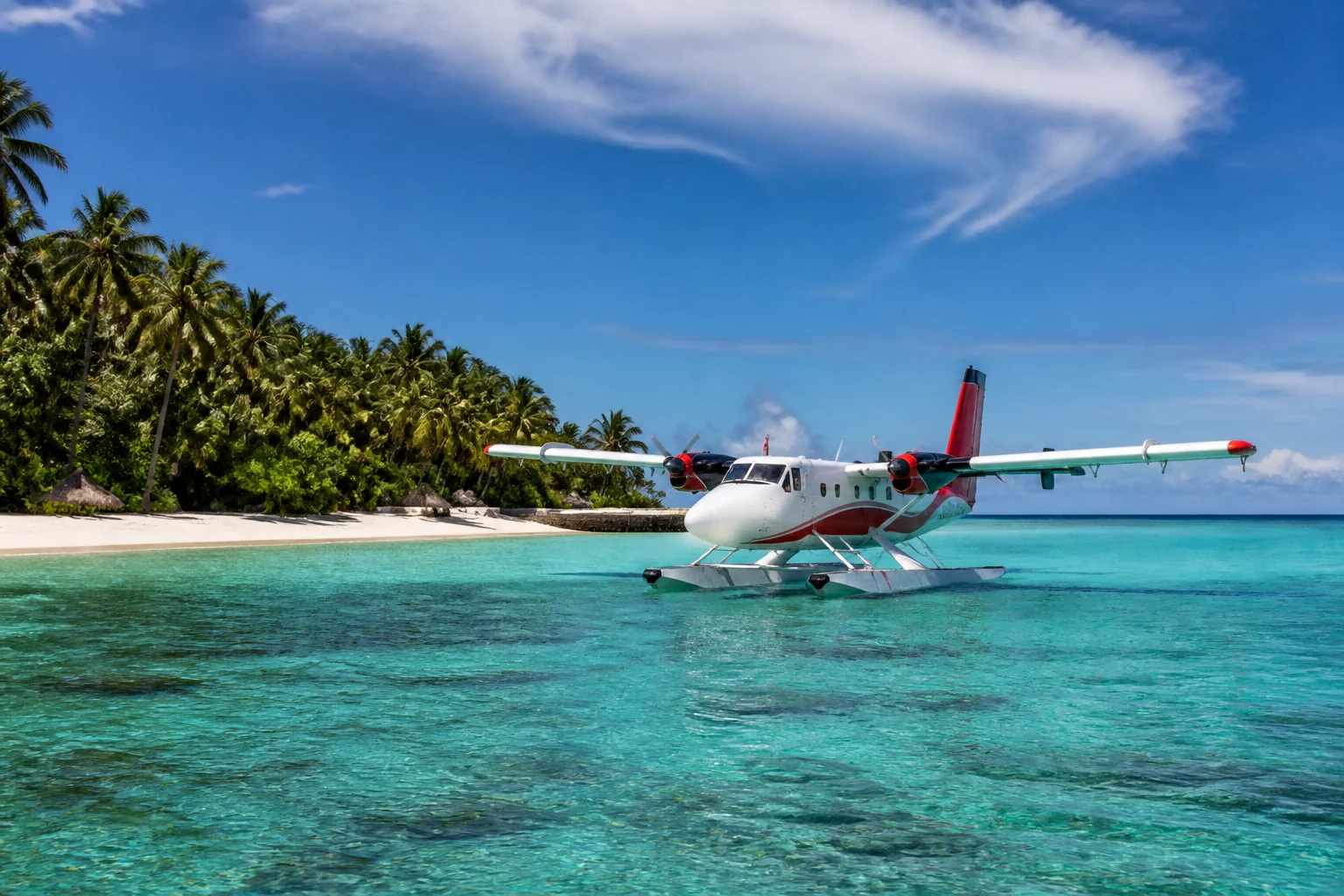
The Maldives is not one transport system. A resort may use speedboat, domestic flight plus boat, or seaplane, and the international arrival time can decide whether guests reach it the same day. Trans Maldivian Airways currently states that seaplanes operate from sunrise to sunset and advises planning an international arrival by 15:30 for a same-day resort connection.
The operator also publishes specific baggage limits and notes that luggage can exceptionally follow later. These rules must be reconfirmed for the booking. Pairing two resorts works best when they share a practical transfer logic, not merely neighbouring dots on a map.
The Seychelles rewards combination because its principal islands feel distinct. Mahé has scale, mountain roads, beaches and the international gateway; Praslin brings a slower geography and access to the Vallée de Mai; La Digue is smaller, bicycle-paced and visually immediate. Air Seychelles describes the Mahé–Praslin flight as about 15 minutes and the terminals as close,
but the full connection still includes formalities and onward transport. Ferry sailings are date-specific and must be checked in the live system. A three-island route works when the order respects flight times, sea conditions and the location of each hotel.

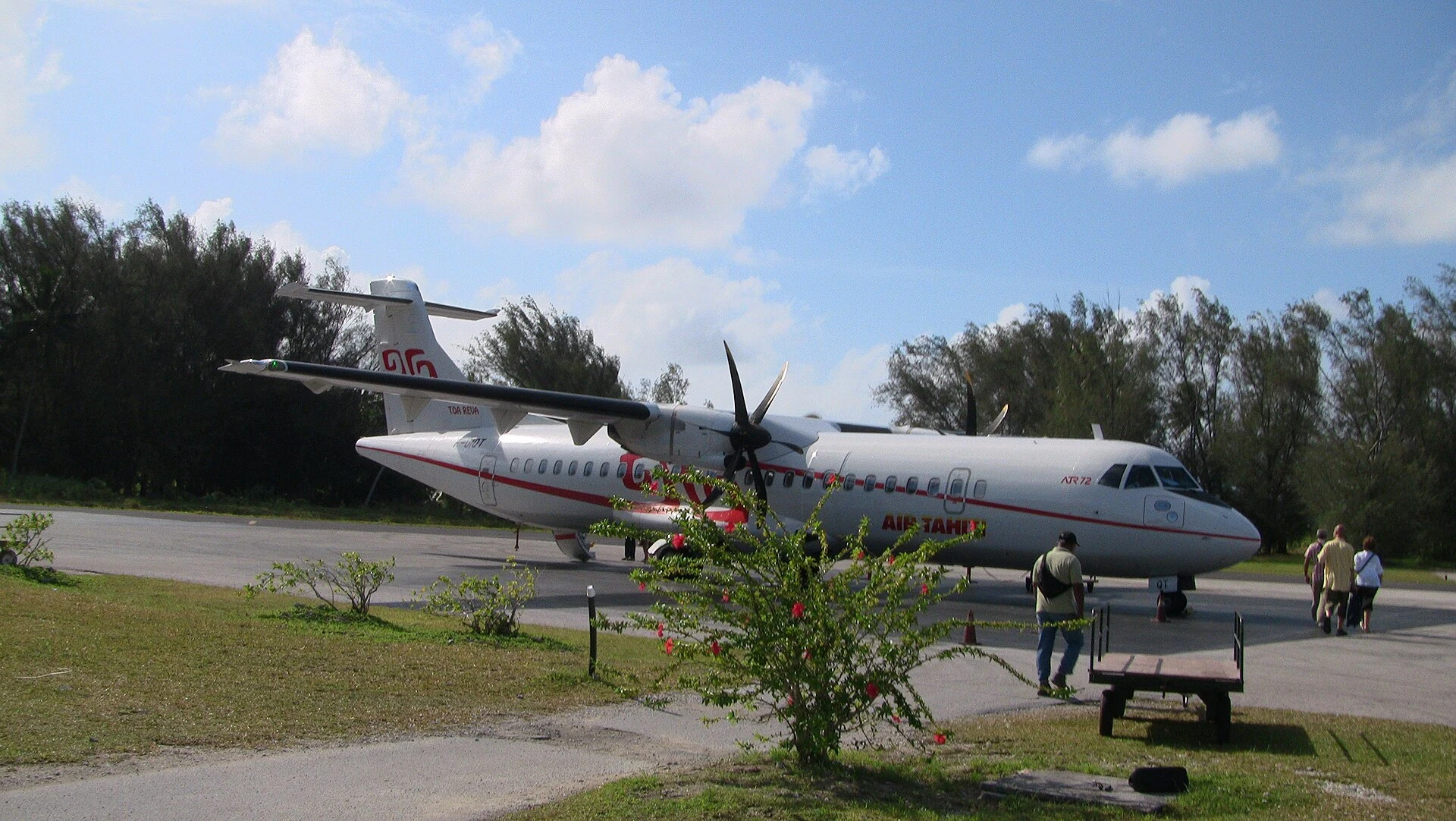
Distances across French Polynesia make flying central to most multi-island plans. Air Tahiti offers multi-island passes with eligible sequences and conditions; its current standard pass information sets a maximum journey duration from first departure. The pass can make a broader route coherent, but it is not a blank cheque for any order. Fare family,
baggage, aircraft and operating day matter, especially with diving equipment or substantial camera kits. Choose islands for complementary character — perhaps volcanic drama, lagoon life and Polynesian culture — then test that story against the actual pass rules. The timetable, not the mood board, has the final word.
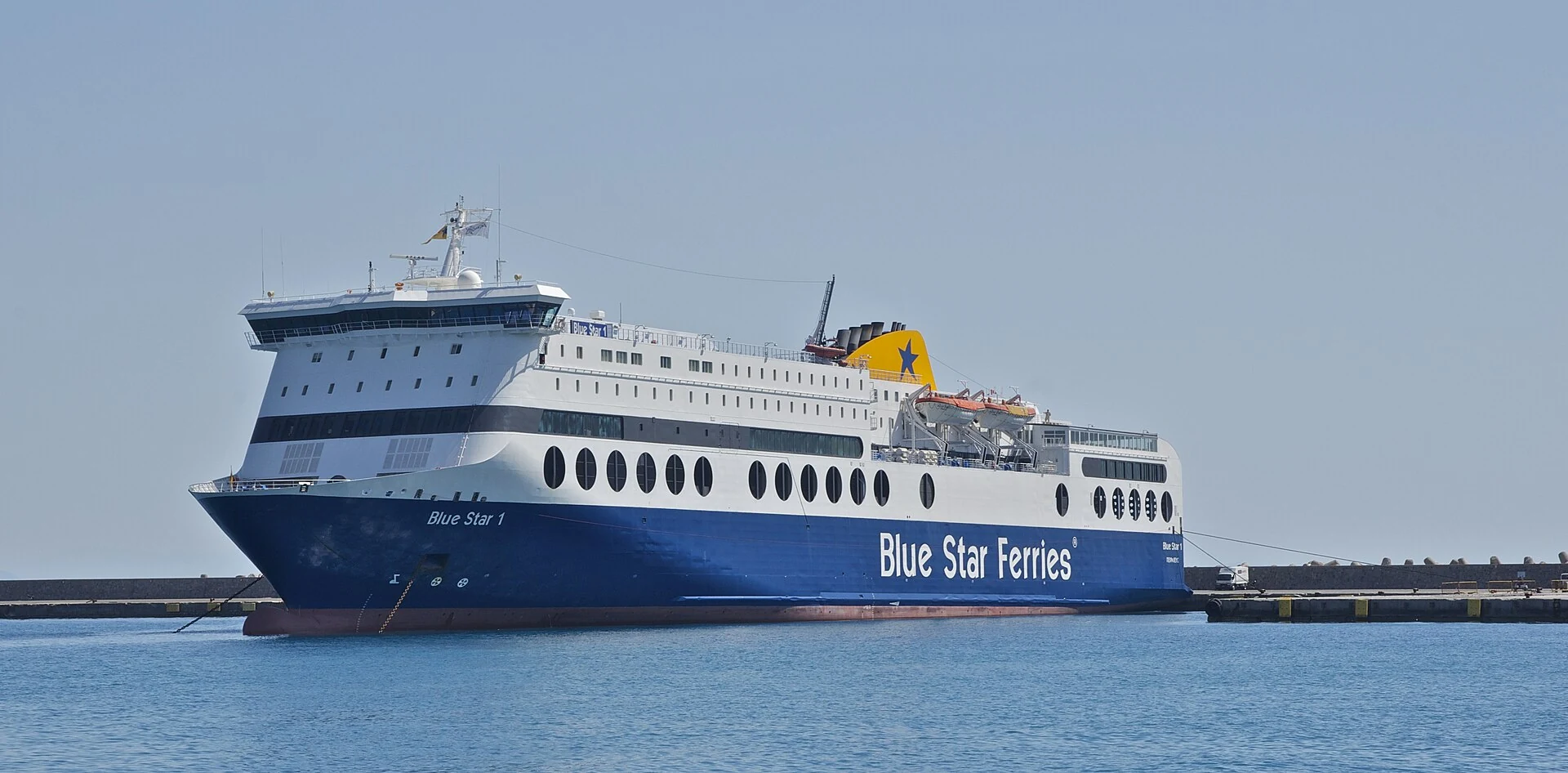
Crossing the Aegean by ferry can be part of the pleasure: open decks, changing light and the gradual appearance of a harbour. It can also mean a distant port, summer crowds, a fast vessel in rough water or a revised schedule. Blue Star publishes route-specific conditions, while actual sailings remain seasonal and operationally exposed.
Avoid pairing islands simply because they belong to the Cyclades. Check whether they connect directly on the relevant date, which port is used and how far the hotel sits from it. A graceful sequence follows a real ferry corridor and keeps a protected final night before the international flight.
Two Caribbean islands may look close yet belong to different countries, aviation regimes and immigration systems. A short hop can involve an airport transfer, exit formalities, a small aircraft, customs and a separate hotel transfer. Ferries are useful only on certain island pairs; private aviation shortens some waits but cannot remove border requirements or weather.
Design the combination around a dependable gateway and verify whether tickets are on one contract. A missed self-connection may have little protection. The most elegant pairing often combines one well-connected island with one more secluded destination, with generous time between the final island and the long-haul departure.
Boat, seaplane, scheduled flight or charter
The fastest-looking option is not always the most luxurious. A boat can provide privacy and scenery, but sea state may make it tiring. A seaplane offers an extraordinary view but has daylight and baggage constraints. A scheduled flight is usually the most structured, though departure times may dictate the stay. A charter can align with the itinerary and avoid queues,
yet still depends on aircraft availability, airfields, weather and permits. Compare reliability, total door-to-door time, luggage handling and physical comfort before price. The right transfer should suit the traveller as closely as the hotel does; spectacle is only one criterion.
International business-class allowances can create false confidence. The smallest aircraft or seaplane on the route may govern what can travel, how it is packed and whether excess is accepted. Air Seychelles currently differentiates domestic allowances by fare and through-ticket status; Air Tahiti and Maldivian operators publish their own conditions. These details can change and must be reconfirmed.
Soft bags may be preferable, while diving, surf and photographic equipment require advance agreement. Keep medication, documents, swimwear and one evening outfit in hand luggage where permitted. A beautiful itinerary fails quickly when bags and passengers follow different routes without a prepared plan.
Luxury hotels can coordinate transfers beautifully and still be unable to promise an early room or late departure. A guest may leave one villa at 11:00, travel for an hour and wait until mid-afternoon for the next. That gap feels longer in heat, formal clothes or with children. Ask what is actually confirmed:
private departure lounge, shower room, day villa, lunch access, changing facilities and luggage supervision. Status and advisor relationships can help, but “subject to availability” is not a plan. When possible, select a transfer time that aligns with room access or pay for the previous or next night when seamlessness matters.
A private yacht can turn the transfer into the experience
In the right geography, a yacht changes the equation because the journey stops being dead time. Guests swim, lunch and watch the coastline rather than queue at a terminal. This works particularly well where distances are manageable and suitable harbours exist. It does not work everywhere: open-water exposure, embarkation points, tender access, crew hours and weather remain decisive.
Verify the vessel, stabilisation, cabin and shade, not merely a generic “luxury yacht” label. A well-designed one-way cruise between hotels can justify two islands; an uncomfortable speedboat sold as private transport can undermine both. Privacy alone does not guarantee grace.
Weather is not a footnote on an island itinerary; it is part of the operating architecture. Wind can change ferries, visibility can affect small aircraft, and swell can close a landing place while skies remain blue. Before paying, identify the alternative: later sailing, domestic flight, different port, extra night or complete reroute. Decide who monitors conditions and who has authority to rebook.
Keep the final international connection protected by time, especially when separate tickets are involved. Good planning does not promise that nature will cooperate. It creates a calm decision tree so a disruption becomes an adjusted journey rather than an emergency.
Children, mobility and motion sensitivity change the answer
A transfer described as effortless may include steep ferry steps, wet tender landings, a long walk across an apron or limited space in a small aircraft. Families must consider car seats, naps, feeding, heat and how often bags are reopened. Travellers with reduced mobility need precise information on gangways, assistance, vehicle access and room-to-vessel distances.
Motion sensitivity may favour a short flight over a fast boat, or a larger conventional ferry over a smaller vessel. Ask operational questions without euphemism. The best itinerary is not the most ambitious one a healthy adult could complete; it is the one every member can enjoy with dignity.
Resort packages are often priced by night, not by hours used. Leaving after breakfast can sacrifice lunch, dinner, spa credit or a final day of all-inclusive benefits; arriving late may do the same at the next hotel. Half-board rules, transfer inclusions, taxes and minimum stays may differ across sister properties. Request a night-by-night value map before choosing the split.
Sometimes a longer stay unlocks a stronger rate or benefit that is worth more than the novelty of another hotel. The objective is not to extract every included meal, but to avoid paying twice for a transfer day that delivers neither a full resort experience nor a memorable journey.
A split stay within one resort can replace island hopping
Many resorts contain more variety than their aerial photograph suggests. Moving from beach villa to overwater villa, or from a lively family zone to a secluded residence, can change the experience without an airport or ferry. The move still needs management: confirm the transfer time, interim facilities and whether unpacking twice is worthwhile.
A split stay is strongest when the room types offer different relationships with the place rather than a simple upgrade in size. It can also solve competing preferences within a couple or family. Before adding an island, ask whether the desired contrast already exists on the same property or within the same archipelago base.
A well-positioned base can open neighbouring islands, reefs and villages while the guest returns to the same room, wardrobe and restaurant team. Private day boats allow routes to respond to weather and interest, and there is no check-out gap. The limitation is range: long return crossings waste time and repeat rough water. Examine realistic cruising distance,
harbour access and the quality of experiences available without an overnight stay. Day trips are ideal when the neighbouring island is compelling for a walk, lunch or dive but lacks a hotel worth changing for. They preserve continuity while still widening the geography of the holiday.
Stay on one island when the trip is short, the arrival is demanding, the hotel already supports varied days or the second stop repeats the first. Stay when weather risk makes a tight sequence fragile, when a child needs routine or when the purpose is recovery rather than discovery. Remaining in place allows the staff to understand preferences,
the body to settle and the landscape to become familiar at different hours. It also creates room for spontaneity: a second dive, a slow lunch, a storm watched from the veranda. Luxury is not measured by movement. Sometimes its clearest expression is having nowhere else to be.
The island-hopping brief on one page
For each island, record the reason it belongs, minimum useful stay and experience unavailable elsewhere. For each move, list the confirmed operator, ticket contract, door-to-door duration, baggage rule, assistance, weather threshold and fallback. Add check-out, room access, meals lost, transfer inclusions and the party’s physical needs.
Protect the last long-haul flight with adequate time and insure the real value of prepaid arrangements. Then remove the weakest island and read the itinerary again. If the journey becomes calmer without losing its central promise, leave it out. A refined island itinerary is not the longest possible chain; it is the shortest route to genuine contrast.