
The quality of a tailor-made journey is often decided before the first hotel appears. A useful brief is neither a parade of famous names nor a form filled with every possible preference. It turns occasion, taste, daily rhythm and limits into a hierarchy—specific enough to guide good decisions, yet open enough for a gifted advisor to introduce an idea the traveller did not know to request.
A brief is a decision system
“We like beautiful hotels, excellent food and authentic experiences” could describe almost every sophisticated enquiry. It does not decide between a city palace and a rural retreat, an early market and a late breakfast, or an ambitious circuit and one quiet base. A strong brief identifies what the trip must achieve, which friction it should remove and where curiosity remains.
The best version is rarely the longest. It arranges information so that advisor, hotel and local operator share the same picture of a successful day.
A single sentence gives every later choice a standard: “After a relentless year, we want ten unhurried days together, excellent meals and a real understanding of one region without moving constantly.” That is more useful than a list of sights. A family celebration, confidential board retreat, first long-haul journey with children or return to a beloved place creates different priorities. If several purposes compete, choose a primary one. The others may enrich it, but should not quietly take control.

Four headings prevent every observation from becoming a demand. “Essential” contains true conditions of travel: two bedrooms, step-free access or a fixed return date. “Strong preference” influences selection but can be traded for a better whole. “Curious” invites invention. “Never” may save the greatest time: no overnight flights, no large groups, no visible resort entertainment.
A hierarchy of ten points is more valuable than twenty equal preferences. It also helps the advisor explain where one non-negotiable changes price, geography or timing.
Describe the people, daily rhythm and privacy
Age and family role reveal little about how someone travels. Experience, energy, interests, independence and group dynamics are more telling. Who makes decisions spontaneously Who needs advance detail Who values time alone in the morning An “active seventy-year-old” may hike for hours yet struggle with repeated stairs; a teenager may love museums and reject children's clubs.
For multi-household groups, identify who pays, who confirms and which information remains private. A rooming list then becomes a portrait of a travelling party.
“What do you want to see?” generates a route. “How would you like to feel at four in the afternoon?” generates a rhythm. State usual waking time, preferred length of breakfast, appetite for guided concentration, need for lunch and tolerance for late dinners. A practical sentence might say: no more than four structured hours, nothing before nine,
then an independent walk and time at the hotel. Such detail determines whether three experiences inspire or deplete. It also shows when a transfer should become the day's main event.
“Private” may mean a secluded villa, an exclusive guide, a discreet entrance or simply freedom from constant conversation. Some travellers enjoy being recognised by management; others emphatically do not. A lively bar can be welcome while a perfectly quiet room remains essential. Describe social energy and visibility separately. Security or profile requirements should be operational rather than theatrical:
alias, staff list, vehicle access, photography protocol and who may know the itinerary. These are working conditions, not ornamental VIP signals.
Choose hotel, room and sleep functionally
A brand name alone does not reveal the attraction. Is it formal calm, an assured concierge, the bed, the architecture or the location Two loved hotels and one disappointment, each with reasons, create a remarkably precise taste profile. Phrases such as “classic without stiffness”, “contemporary without a cold lobby” or “a resort without dependence on buggies” are useful.
They allow an advisor to suggest an unfamiliar property that fits better than the expected flag. Loyalty status belongs elsewhere in the brief; it does not prove suitability.
“Best available suite” is rarely a complete room instruction. Connecting access, a true second bathroom, distance from lifts, afternoon sun, noise above a bar, steps to a terrace or pool privacy may matter more than category. Families need to know whether children's rooms connect internally; working travellers may need a door between sitting and sleeping areas.
Rank view against space: sea may matter more than size, or not at all. A diligent advisor verifies the exact configuration instead of trusting a category name that varies by property.
King or twin, mattress feel, separate duvets, total darkness, allergies, sound sensitivity and preferred temperature should enter the profile early. So should the trade-off between short lift access and complete quiet. “Light sleeper” is less useful than naming the known triggers. No hotel can guarantee every variable, but room assignment and prepared equipment can often be managed more successfully before arrival than after midnight. Sleep is not a minor amenity; it colours every judgement made on the following day.
Make food and accessibility concrete
“Food lovers” may mean tasting menus, markets, regional bistros or flawless room service. Specify favourite formats, tolerance for long dinners, alcohol preferences and the desired balance between reservations and spontaneity. Separate allergies and medically necessary restrictions from dislikes, traveller by traveller. Complex requirements need early dialogue with kitchens, though absolute guarantees may remain impossible.
One deliberately unbooked evening can be a pleasure when the neighbourhood offers real choice. A chain of formal dinners may be prestigious and entirely wrong for the journey.
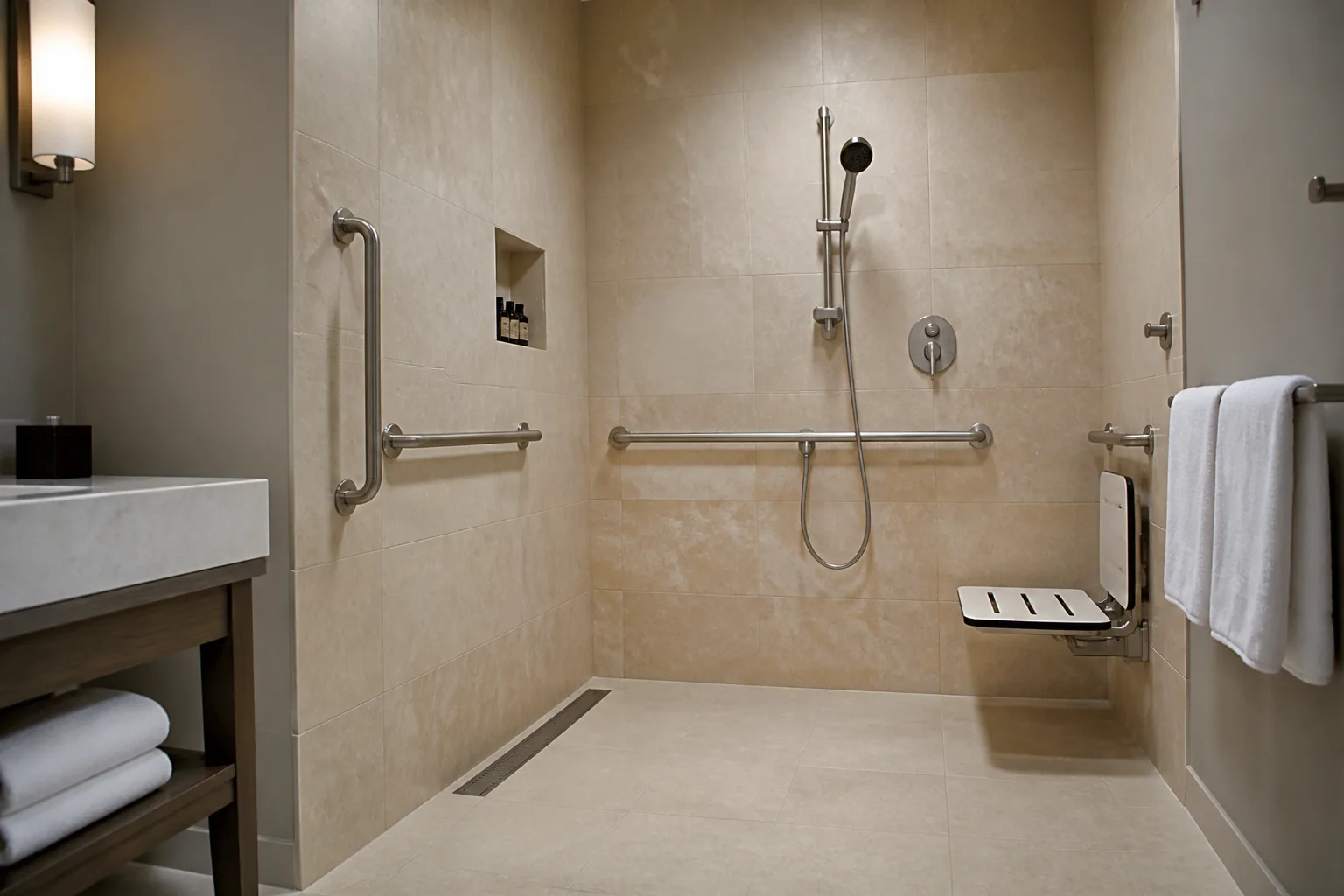
“Accessible” is not a universal room category. State the actual requirement: maximum walking distance, step-free route, doorway width, grab rails, roll-in shower, wheelchair turning space, transfer assistance or a seat during a visit. Accessibility runs through airport, vehicle, jetty, restaurant, room and activity. ISO 21902 therefore addresses the wider tourism supply chain. On European transport,
travellers with disabilities or reduced mobility have information and assistance rights, but suitability and notification procedures still need confirmation for the exact route and operator.

Prioritise flights and transfers
Nonstop service, departure time, cabin, airline, seat, connecting airport and fare cannot always be optimised together. Put them in order: nonstop before carrier, perhaps; an overnight flight only with a fully flat seat; no arrival before six. State the party's real connection tolerance. A legal short transfer may be unsuitable with young children, terminal changes or mobility assistance.
Separate tickets introduce another layer of risk. The advisor should show which preference changes cost or elapsed time rather than silently choosing what looks most luxurious.
After an overnight flight, the most impressive limousine matters less than a punctual driver, adequate luggage space, correct child seats and an unmistakable meeting point. Longer drives need decisions about comfort stops, vehicle type, road conditions and driving style. Some guests work or eat in transit; others need silence. A scenic detour can be an elegant first chapter,
but only when chosen knowingly. Changes between car, boat and helicopter require a plan for luggage, weather and the moment the glamorous link cannot operate.
Define the guide, experiences and occasions
There is no abstract “best guide”. The right person may offer academic depth, vivid stories, access to ateliers, patience with children, photographic awareness or the judgement to end a visit early. Name language, pace and conversational style. Travellers who dislike continuous company may prefer a specialist for two concentrated hours rather than a full-day escort.
On sensitive histories, the guide should handle complexity without turning the journey into a lecture. Chemistry, timing and discretion are part of the service, not incidental personality.
“Something authentic” is vague and can invite staged intimacy. Explain the desired encounter instead: reading a city with an architect, understanding a collection after hours or discussing soil rather than labels with a winemaker. State what would feel wrong—costumed performance, forced participation or an activity built only for a photograph. Exclusive access is worthwhile when it improves content,
time or calm. A locked door opened especially for the guest is not automatically an interesting experience; meaning remains more important than scarcity.
A birthday, proposal or anniversary needs a date, participants and desired visibility. “Surprise” could mean a handwritten note, an intimate table or a large production. Say what would embarrass: singing staff, rose petals, a name banner or public attention. A secret trip also requires a safe communication channel and clarity over who may see charges.
The finest gesture is often personal and restrained. Give it a separate budget so that its importance does not disappear among transfers and room rates.
Relate family, budget, dates and status
For every child, provide age at travel, sleep pattern, swimming ability, interests, eating reality and experience with care. “Family friendly” is insufficient. Parents should explain whether shared discovery is the priority or occasional childcare is wanted, who may babysit and whether grandparents need short distances. Confirmed beds and connecting doors matter more than a photogenic kids' club.
In blended and multigenerational families, payment, consent, surnames and documents need early attention without broadcasting personal details through every supplier.
A budget is not an instruction to spend every pound, dollar or franc. Give a target range, an absolute ceiling and exclusions such as international flights, shopping, gratuities or one-off experiences. Then identify where value truly sits. An exceptional room may matter while private aviation adds little; a remarkable guide may be worth more than a suite.
Ask for taxes, resort fees, likely incidentals and cancellation terms to be visible. If aspiration and means conflict, the trade-off should be discussed before the proposal becomes emotionally expensive.
Distinguish a fixed event from a preferred window and genuine flexibility. School holidays, wildlife, weather, festivals and minimum stays affect both availability and price. “Sometime in October” can produce three different journeys. State earliest departure, latest return, preferred number of nights and acceptable movement. When dates are constrained, rank exact week, particular hotel and best season.
The advisor can then show the conflict before any non-refundable element is secured, rather than forcing an elegant itinerary into the wrong calendar.
List airline, hotel and card status, memberships and benefits already held. They may improve the trip, but should not pull it into the wrong property. Advisor programmes can include breakfast, credit, upgrade priority or added attention; the exact benefit depends on hotel, rate and stay and should be confirmed in writing. Total value remains the test:
location, room, conditions and service. A guaranteed layout that suits the family is worth more than a vague possibility of an upgrade after arrival.
Handle risk and sensitive data responsibly
Nationality, residence, passport, visa position, medicine, insurance and risk appetite can change the route. Official advice, local law and entry requirements must be checked for the actual travellers and dates. Switzerland's FDFA recommends suitable cover for medical treatment, rescue and repatriation, among other risks; the specific policy remains the traveller's responsibility.
Emergency contacts and key information need a backup that still works if a phone is lost. No amount of high-touch service replaces these foundations.
An initial preferences brief rarely needs passport scans, complete diagnoses or birth certificates. Start with the operational fact: nationality for an entry check, a functional mobility requirement or a precisely named allergy. Documents should be requested only when required for booking or delivery, then transferred through an agreed secure channel. Within a group, clarify who may see which information.
Discretion is not the concealment of a need that a supplier must meet; it is the purposeful, controlled handling of that information.
Useful feedback explains why
“We don't like it” leaves an advisor guessing. Give the reason: too formal, too remote, too many rooms, wrong stretch of coast or a timetable without autonomy. Approval also needs context. “This hotel for its garden and small bar, not its design” prevents the wrong lesson. The first proposal is therefore a calibration instrument,
not a finished product. Two precise feedback rounds are usually more productive than simultaneous proposals from five agencies, each working with fragments and none able to refine a shared understanding.
An experienced advisor should be able to say that three countries in ten days will destroy the desired rhythm, that a celebrated suite is noisy or that a fashionable retreat does not work in this season. The brief defines the outcome, not every solution. Ask for a recommended version, a credible alternative and the reasons between them.
Expertise is not agreement with every initial idea; it is selection, judgement and a willingness to protect the trip. A well-reasoned no can be one of the most valuable services.
The one page that changes the proposal
The final brief fits on one page: purpose; travellers and decision path; essentials, strong preferences, curiosities and refusals; ideal day; hotel and room logic; food, access and sleep; flight and transfer priorities; occasion; dates; budget; risk and document notes. Add two sentences on previous journeys that delighted and disappointed. Deluxetargets can test that profile against season,
route, room, operating partners, benefits and Plan B. Only then does availability become a recommendation—and a collection of wishes become a journey with a point of view.