
A journey is not bespoke because a favourite restaurant has been booked or a name embossed on a travel wallet. Real personalisation alters the architecture itself: how quickly the route moves, what is omitted, which rooms connect, when a guide waits and where an empty afternoon is worth more than another celebrated sight.
Personalisation begins with friction and a thesis
Most briefs collect desires—landscape, art, safari, food, beach. Better planning first asks what makes travel difficult. Early departures, long drives, small aircraft, stairs, heat, crowds or constant hotel changes can quietly undo a dream. Identifying those points of friction creates not only stronger highlights but a workable daily life between them. Luxury then appears as energy, composure and freedom to choose rather than the number of appointments confirmed.
The test: a tailor-made route should contain decisions that would differ for another guest. A different gateway, fewer stops, a larger vehicle, connecting rooms, the right specialist, later mornings or a deliberate free day all qualify. A standard programme with a substituted hotel and personalised welcome has been adjusted; it has not been designed anew.
“See Japan” or “experience South Africa” is too broad. A compelling route follows an idea: contemporary architecture and craft, landscape and wine, wildlife with long stays, or a family's history across two regions. That thesis determines which places belong together and which famous name can be left out. Without it, the itinerary becomes a catalogue. With it, each transition has purpose and the final day answers the opening one.
Flights, elevation, climate, weekdays, closures, ferries and traffic direction determine when a stop works. A logical line on a map can be operationally poor; a short flight may occupy most of a day once transfers and formalities are included. Good architecture measures the entire journey from room door to room door. It places intensity beside stillness rather than sorting attractions geographically. The route should move without requiring guests to feel permanently in motion.
Two guests may request identical places and need completely different journeys. One gains energy from daily discovery; the other becomes receptive only on the second morning. Jet lag, fitness, children, photography, work calls and dining habits all alter pace. Ask not just how many days exist, but how many transitions remain pleasurable.
A shorter list of regions can reveal more because attention is no longer broken repeatedly by packing, waiting and learning another room.
What must not happen No departure before eight, no buffets, no light aircraft, no permanent guide, no room without a lift, no staged folklore. Such red lines are more useful than adjectives like authentic or luxurious. They prevent proposals that photograph impressively but fail in daily use. Priorities also need rank: some wishes are essential and others merely attractive. When weather, availability or budget intervenes, the planner must know what to protect first.
An anniversary, graduation, period of grief, family reunion or first major trip after illness calls for different emotional pacing. A birthday may deserve one crescendo without turning every evening into theatre. Recuperation needs medical confidence and few moves. A honeymoon can value privacy without sealing guests away from the destination. The occasion is not personalised through cake and flowers alone, but through emotional load, social rhythm and the memory travellers hope to carry home.
The people belong in the route architecture
Who rises early, needs privacy, decides, pays or is easily overruled These questions may feel personal, yet solve more than another hotel shortlist. A private guide can support split interests; a vehicle with spare seats softens long drives. Room distribution and parallel activities prevent togetherness becoming an obligation. The best group journey plans shared peaks while explicitly granting permission to miss an excursion, dine separately or spend an afternoon alone.
Grandparents, adult children and grandchildren bring different sleep, meal and movement patterns. A villa offers community but may introduce stairs, service gaps and dependence on cars. A resort enables spontaneous separation but needs the correct room geography. Plan rendezvous rather than permanent programming: breakfast, one strong experience and a free afternoon. Accessibility, childcare and medical needs require granular verification. “Suitable for everyone” is never an operational specification.
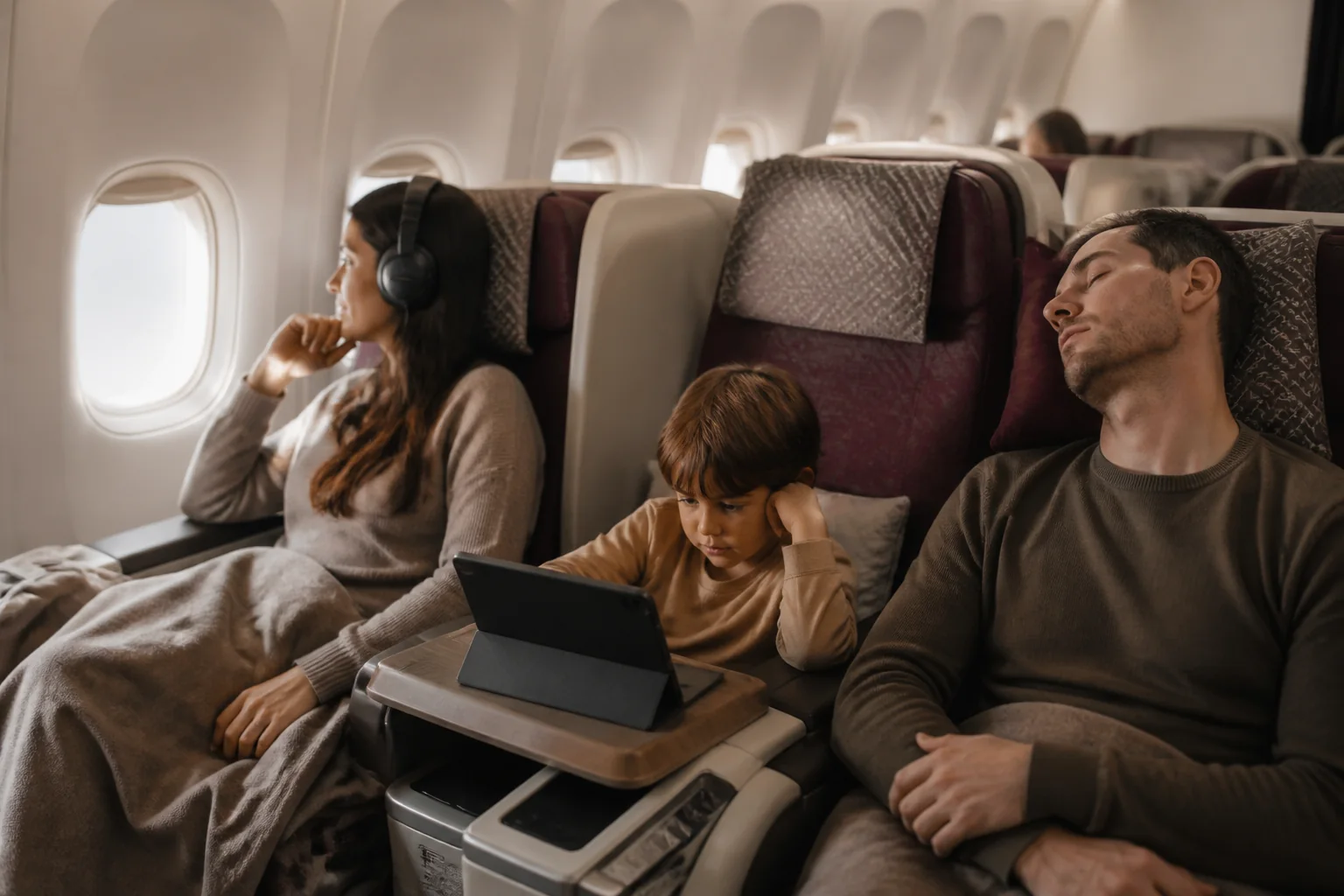
Naps, car seats, connecting rooms, early meals, laundry, pool protection and school interests belong beside safari or museum choices. Teenagers need autonomy and credible options; toddlers need short transitions and familiar patterns. Family luxury is not an adult trip with children's entertainment attached. It appears when vehicle, hotel, guide and timetable work together so that parents are not required to repair every practical gap themselves.
ISO 21902 frames accessible tourism across the tourism value chain. A suitable hotel room is insufficient if the vehicle, platform, landing, restaurant or attraction remains unusable. Replace “wheelchair accessible” with dimensions, thresholds, rails, shower seat, gradients and transfer method. Temporary injuries, hearing or visual needs and fatigue matter too.
Dignified design asks specific questions and secures written detail rather than confusing good intention with an experience that can actually be used.
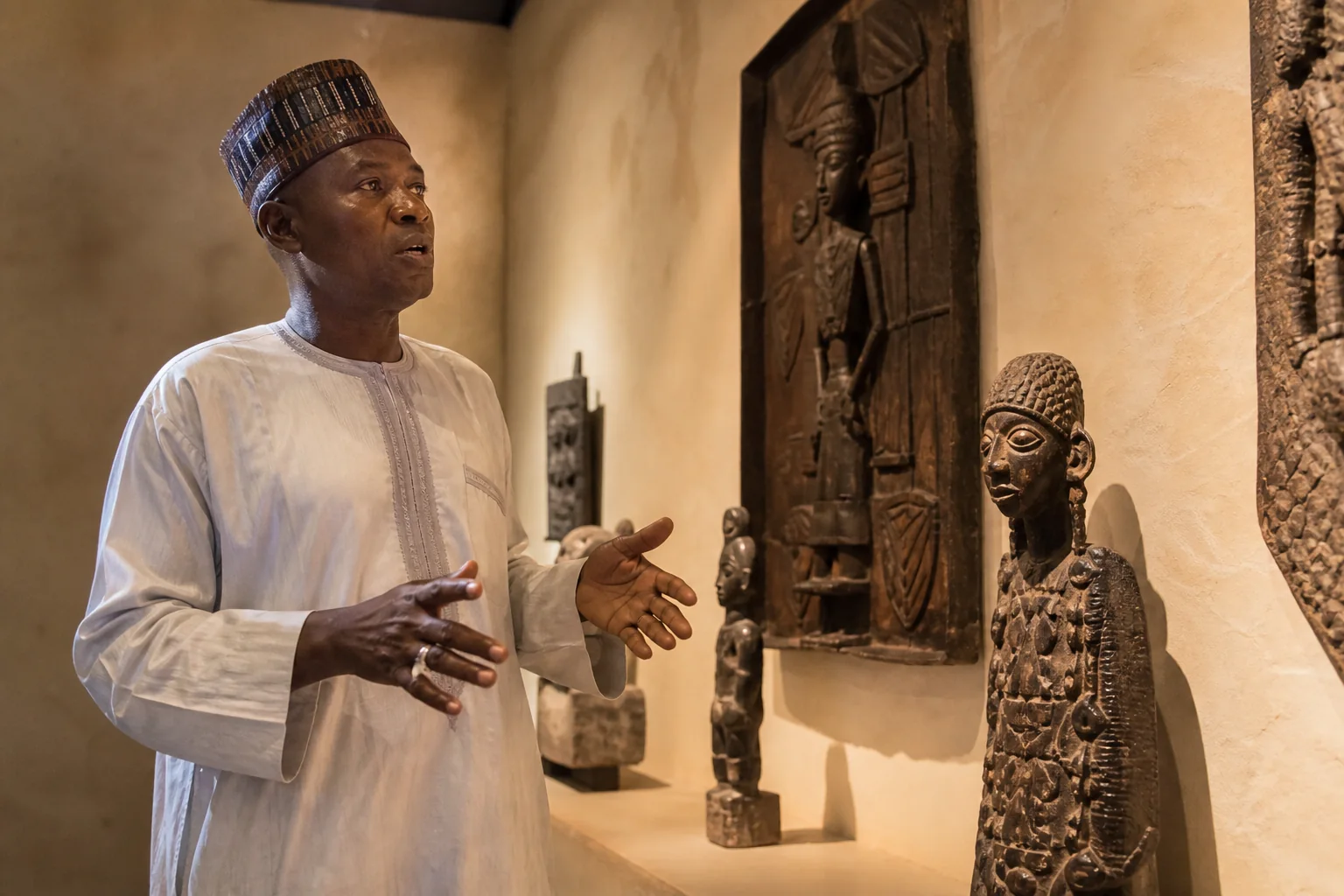
Category reveals little about connection, true bed count, bathroom privacy, lift journey, noise, outlook or distance between generations. The same suite label can mean something different in every hotel. Families need plans; couples may favour the quieter position over additional floor area. Nor should every property play the same role. Room selection follows each chapter:
restorative arrival sleep, landscape, a social centre or retreat. The famous view is useful only if its operational trade-offs suit the guest.
Hotels, arrival and transfers carry the rhythm
An exceptional property deserves time. Used for one night between late arrival and early departure, its spa, gardens and service become expensive scenery. City hotel, lodge, resort and country house solve different problems. The best hotel carries location, pace and guest profile. A less celebrated address may win through walkability or a calmer room configuration.
Brand loyalty can be respected, but personalisation must still explain honestly what its location and operating style do to the itinerary.
Every move includes packing, accounts, luggage, driving, waiting and orientation. Two nights do not necessarily create two full days. Over short distances, a day trip may be easier; on a long road, an additional stop can restore the route. The answer depends on landscape, road and the worth of the intermediate place. Good planning counts usable mornings and evenings, not nights alone. Repetition is not a failure of imagination but the beginning of belonging.
After an overnight flight, a shower, guaranteed early room, light meal and low cognitive demand may matter more than the first guided visit. The final day needs room access, luggage certainty and a dependable transfer. An immediate domestic connection looks efficient but can overburden the body. Personalisation links flight time to sleep rather than timetable alone. The journey's first impression begins between aircraft and hotel, long before the headline attraction.
A “one-hour flight” may consume six hours with check-out, road transfer, security, baggage and arrival. Two hundred kilometres mean different things across motorway, border, ferry or mountain road. Vehicle, seating, comfort stops, luggage volume and driver hours all belong in the calculation. A good lunch can transform a transfer; another attraction can simply extend it. Each movement day requires an honest time account rather than optimistic mileage.
The right guide changes access and understanding
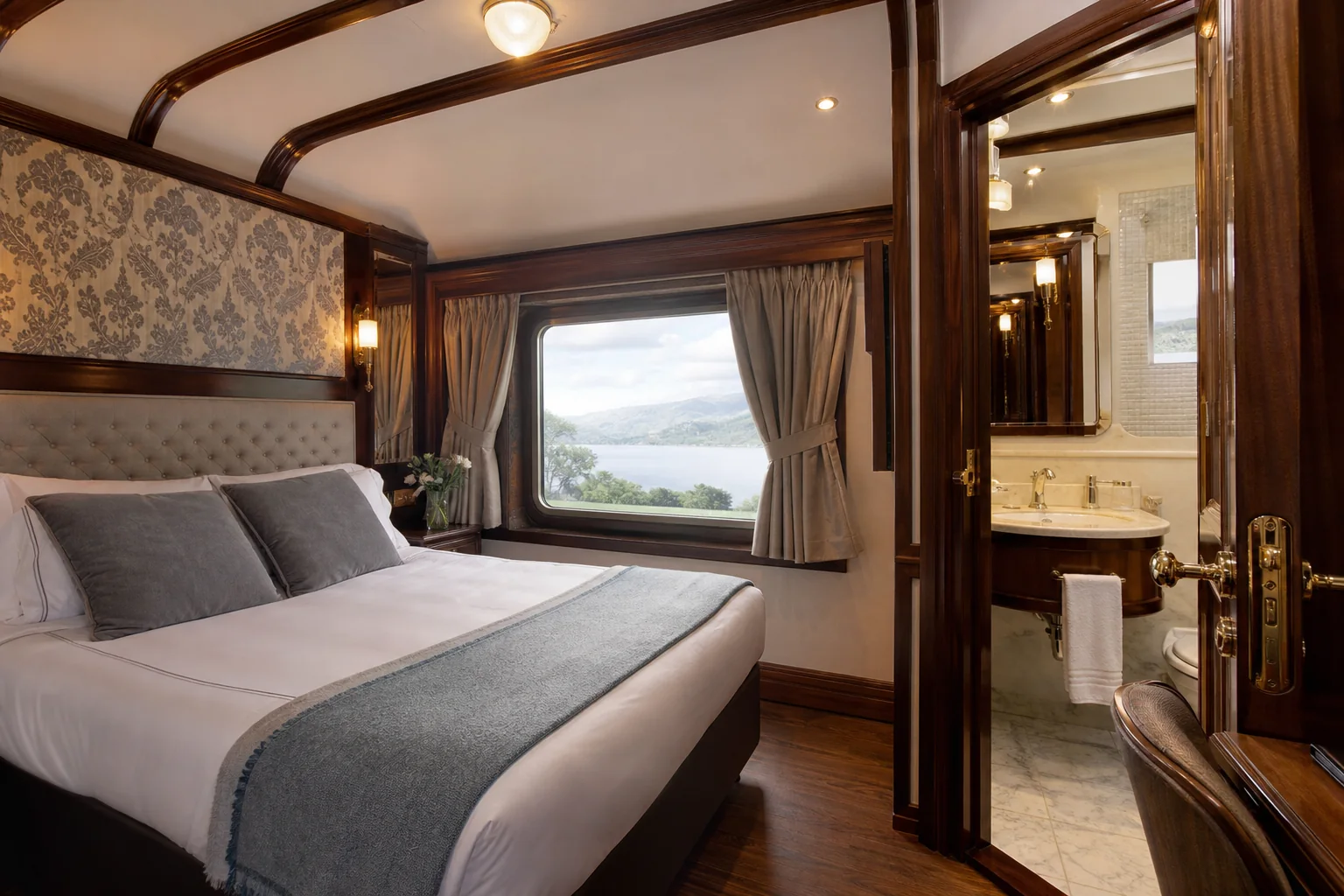
A driver-guide combines transport and interpretation; a separate team can bring greater depth and composure in complex cities or long days. Titles, licensing and permitted work differ by country. What matters is language, expertise, personality and an ability to read pace. A celebrated scholar who does not listen is a poor fit; a charming generalist may not satisfy a serious architectural interest. Role and credentials need local confirmation for the actual service.
An excellent guide does more than recite. They sense when one explanation is enough, when a detour deserves time and when guests want silence. Art, history, nature, food and politics may require different specialists. Continuity over several days builds trust; changing local experts adds depth. The brief should describe prior knowledge, interests and conversational style. “English-speaking” and “private” are technical prerequisites, not the casting decision for a journey.
A private studio, kitchen or conversation has value when hosts participate willingly, are compensated fairly and retain control over their routine. GSTC principles place local socioeconomic benefit and cultural impact within responsible tourism practice. Exclusivity should neither turn communities into scenery nor displace public access. A small place open in the ordinary way, interpreted by the right person, may feel more genuine than a supposedly authentic encounter staged solely for visitors.
Season, climate and documents co-author the route
Markets, museums, restaurants, parks and trains follow their own calendars. A holiday may animate a city or close it; monsoon, heat, migration and harvest alter what can be seen. A route must be designed for exact dates rather than copied from a timeless template. Season also changes pace—earlier starts in heat, longer midday pauses, less driving in winter. Personalisation works with the destination instead of forcing it into a universal daily timetable.
Heat, humidity, cold and elevation affect people differently. A beautiful camp may lack cooling, a historic house a lift, or a mountain destination may be medically unsuitable. Travel-health advice belongs to qualified professionals; the itinerary gives them an accurate description of the route. Acclimatisation, water, clothing and retreat time can then be built in.
The landscape may remain the ambition, but planning has to find a safe and enjoyable form in which to experience it.
Passport, visa, transit, duration, nationality, minors and health requirements interact. IATA therefore describes its Travel Centre information as personalised to personal details and itinerary. A generic country note is not enough. Official authorities and relevant professional advice must be checked for every current routing, including transit points. Travellers remain responsible for valid documents; the planner should nevertheless reveal where a particular order or connection introduces an extra requirement.
Budget, comparability and Plan B
Not every night needs the top category. The best guide, private transfer, additional free day or room held from arrival can create more value than a suite upgrade. Elsewhere, one lodge or train may be the reason to travel. Budget follows experiential weight and risk. Personalisation also means declining expensive elements whose benefit is slight for these guests. Transparent advice explains what each premium changes instead of treating a higher price as evidence of a better journey.
A lower total may omit domestic flights, park fees, guide admissions, baggage, meals, taxes, resort charges or flexible terms. Vehicles, rooms and service hours can differ too. Build a line-by-line view of inclusions, payment schedule, currency, cancellation and responsible contact. Only then is price comparable. A beautiful proposal is not proof of operational depth. Every transition should be named, costed and clearly owned by someone capable of resolving it.
Weather, illness, delay, strike or closure can alter any route. Bespoke travel does not need a duplicate booking for every hour, but it needs a governing logic: what is protected, who decides, which alternatives fit and how guests are reached. Flexible nights and excellent local partners create margin. The fallback should share the original journey's character. An arbitrary shopping afternoon does not replace a lost nature experience merely because it is available indoors.
Allergies, health, passport information, children's ages and habits may be essential to delivery, yet remain sensitive. Collect only what is needed, share it for a defined purpose and use suitable channels. A preference for silent breakfast does not need every supplier; a severe allergy must reach the relevant kitchens. Good personalisation feels attentive rather than intrusive. Guests should understand what information is being used, by whom and for which part of the journey.
After two days it becomes clear whether guests sleep later, want more history or need fewer restaurant bookings. Guides and local support can relay observations respectfully, with changes subject to availability and terms. The route should learn without losing its identity. This separates responsive service from a PDF performed unchanged after payment. The best spontaneous suggestion often honours the original brief more closely than the scheduled item it replaces.
When complete custom design is genuinely worthwhile
Some journeys improve when one chapter is not a conventional road tour. A safari lodge reduces moves, a train turns distance into experience and a yacht connects coasts without daily packing. Each has rules, cabins, schedules and weather dependencies. It should solve a route problem rather than appear as a spectacular attachment.
The question is whether the form serves these travellers and joins the chapters naturally, not whether it produces the most dramatic sentence in the proposal.
A week in one resort, a dependable point-to-point train or a strong small-group programme may need little complexity. Modular arrangements can be efficient, better value and equally refined. Full design earns its place across multiple regions, unusual interests, family structures, mobility needs or rare occasions. Luxury advice also proves itself by refusing to build expensive complexity where it provides no gain. Bespoke is a method, not a status symbol.
Why travel now Which three memories should remain What made previous journeys tiring How much driving, how many hotel changes and how early a departure feel comfortable Who needs which room, support and privacy Which interests are shared and which belong to one person What is essential, excluded or financially flexible Only after these answers does an itinerary begin. Before them, there is merely a collection of possible places.
Tailor-made does not mean more; it means more exact. The route follows an occasion, protects energy, allocates budget by effect and treats transitions with the same care as hotels. Guides are cast, rooms verified, local encounters handled respectfully and uncommitted time preserved. Deluxetargets recognises personalisation in the decisions another traveller would make differently. The result feels neither assembled nor decorated, but written specifically for the people undertaking it.