
Italy does not reveal itself through the longest possible list of celebrated hotels. Rome needs urban rhythm, Tuscany needs space, Venice needs a precise arrival, Lake Como needs access to the water and Capri needs patience with its geography. A great Italian journey chooses regions for the part they play in the narrative, not for the number of recognisable names they add.
Italy needs a clear journey axis first
Climate, architecture, food, language and landscape shift across the country. Italy’s official tourism portal presents the same breadth, from Alps and cities to lakes and coasts. The planning consequence is simple: book a limited combination, not an abstract idea of “Italy”. Rome, Venice, Tuscany, Lake Como and Capri in ten days may produce an impressive reservation file, but almost no sense of Italian daily life.
A northern line can link Milan, Lake Como and Venice. Central Italy might combine Rome, Florence and a country property. Naples, the Amalfi Coast and Capri form a southern system. Each axis has different airports, transport and seasonal pressure. Hotels come after direction. A domestic flight is justified when it unlocks a meaningful change of place, not when it merely adds another famous destination to the list.
In a city, access, guides and walking shape the day. In the country, drivers, distances and the return to the hotel matter. At a lake or on the coast, boats, weather and harbours become part of movement. Three equally luxurious hotels can therefore demand entirely different behaviour. A coherent itinerary uses contrast deliberately—intellectual density followed by space, or the reverse—without changing operating systems every other morning.
City, country, lake and coast keep different time
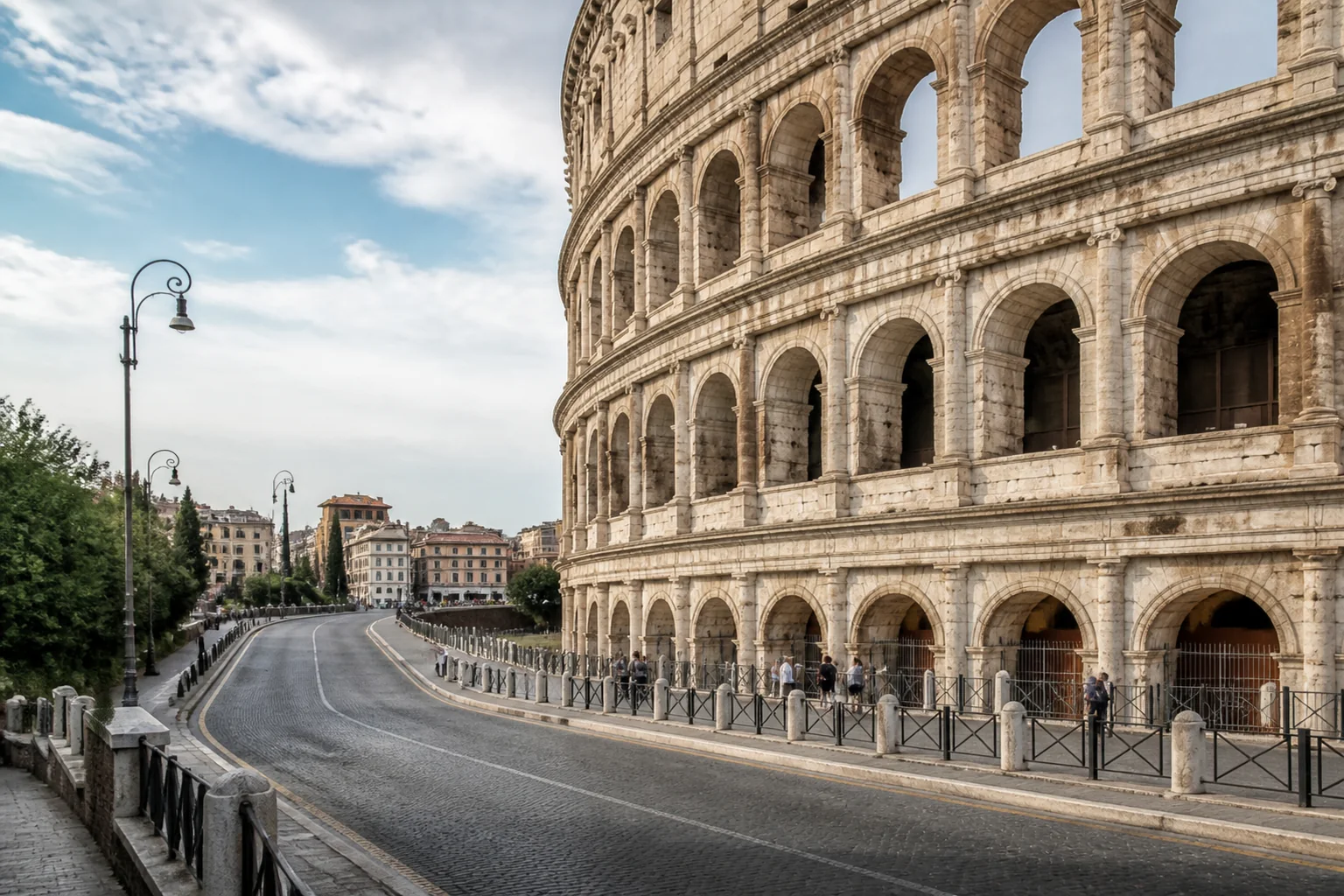
Rome deserves several days because antiquity, Baroque, the Vatican, neighbourhood life and the contemporary city cannot fit into one guiding session. Hotel position decides whether early access and late dinners feel easy or require constant driving. Plan one principal focus per half-day and allow the streets to connect it. A retreat outside the centre may offer garden and calm, but needs a transport strategy. Prestige cannot compensate for the wrong address.
The Uffizi, Accademia, churches, palazzi and workshops invite an impossible timetable. Choose one or two deep encounters, a guide whose knowledge suits the guest and unassigned time between them. Confirm closing days, entry windows and current rules directly with each institution. A central hotel supports spontaneous walking; a villa in the hills provides retreat but makes every return a deliberate journey. Neither is inherently more luxurious—the correct one fits the intended Florence.
Florence, Chianti, Val d’Orcia, Maremma and the coast answer different desires. Visit Tuscany presents art cities, long history, wine, villages and varied landscapes rather than one continuous postcard hill. Decide whether culture, vineyards, thermal water, riding, food or stillness leads. A country hotel becomes a useful base only when the chosen places can be reached without daily long-distance driving. The view from the terrace is not a route plan.
South of Siena, the UNESCO cultural landscape brings together Pienza, Montalcino, San Quirico d’Orcia, vineyards, olive groves and long sightlines. Its beauty lives between the named stops. Two villages, lunch and a thoughtful wine visit often create a better day than five appointments. Self-drivers must reconcile tasting, parking and narrow approaches. A local driver adds freedom when the person understands the area rather than merely charging distance from Florence.
Its position between Florence and Siena makes vineyards and villages easy to include, which can also produce crowded schedules. Select producers for style, conversation and hospitality, not label recognition alone. Small estates require appointments and respectful timing. A cellar visit with lunch may be the day’s programme. Adding Siena,
Florence and a tasting menu afterwards turns the countryside into a transfer corridor and the wine into another box to tick.
Maremma is Tuscany at a lower frequency. In the southwest, coast, Etruscan places, vineyards and nature reserves create a less manicured landscape. It suits travellers who value space and independence over daily museum density. Access and excursions require more preparation, while an isolated hotel may depend entirely on its own kitchen at night. Maremma should not be sold as an “undiscovered” slogan.
It is a deliberate choice for longer roads, fewer high-profile addresses and a more private relationship with the region.
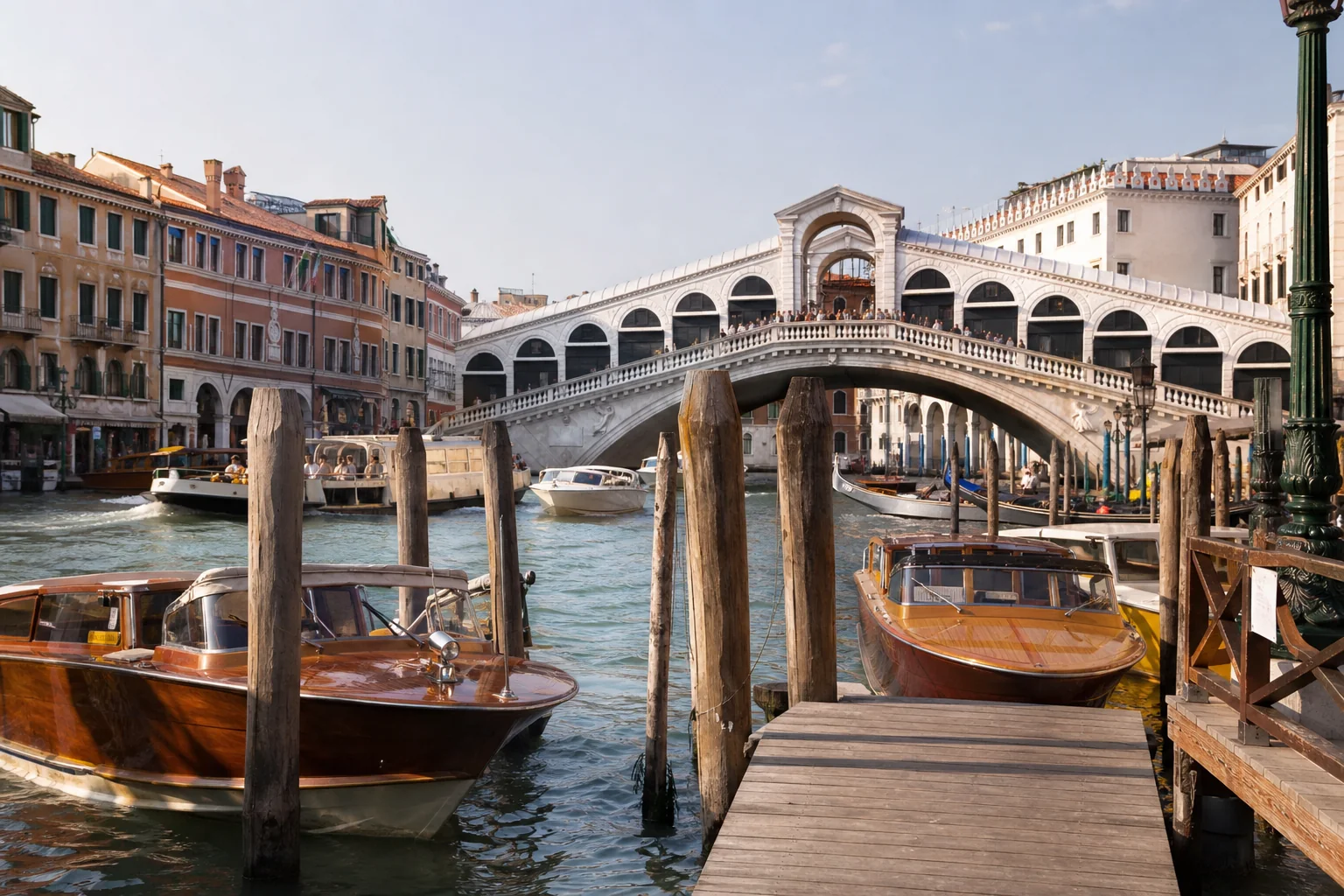
Airport, station, Piazzale Roma and private water-taxi landing produce different handovers. Luggage, tide, jetty and the exact hotel door belong to one plan. Arriving well in Venice is part of experiencing it well. The city also changes rules governing day visitors and access schemes; the Comune di Venezia’s official portal must be checked for each trip. Old blog posts are not an operational source, and a boat reservation without a landing plan is incomplete.
San Marco puts icons close and visitor flows closer. Dorsoduro, Cannaregio and other districts create a different daily texture but require longer walks to some appointments. A Grand Canal palazzo can be spectacular without every room being quiet. Ask about landing, bridges, steps, lift, canal noise and the exact view. Early morning and evening often contain the city’s most valuable hours, once the timetable of day visitation begins to loosen.
Shore roads are neither the only nor always the most elegant way between towns. Public vessels, hotel boats and private charters change the radius, but remain subject to weather and timetables. Choose a hotel for both land and water access: which villages are practical, where does a boat land, and what works when wind intervenes A lake view is not a mobility strategy. The right shore may be worth more than a larger suite.
Marina Grande receives services from Naples, Sorrento and Ischia. By day, visitors concentrate around the port, Piazzetta and famous viewpoints; mornings and evenings create more space. Staying overnight matters when that quieter rhythm is the purpose. Hotel, port assistance and luggage transfer must work together. Capri town and Anacapri are not interchangeable: social proximity and greater remove occupy different sides of the same island.
Sea conditions, demand and operations determine whether a visit is possible or worthwhile. Do not build a Capri day around one weather-dependent attraction. A private circumnavigation can reveal coves and geology, but it requires a sound operator, an experienced captain and explicit cancellation terms. Crossing from the mainland solely for a photograph often means experiencing logistics more than place. Capri is stronger when the day remains complete without the grotto.
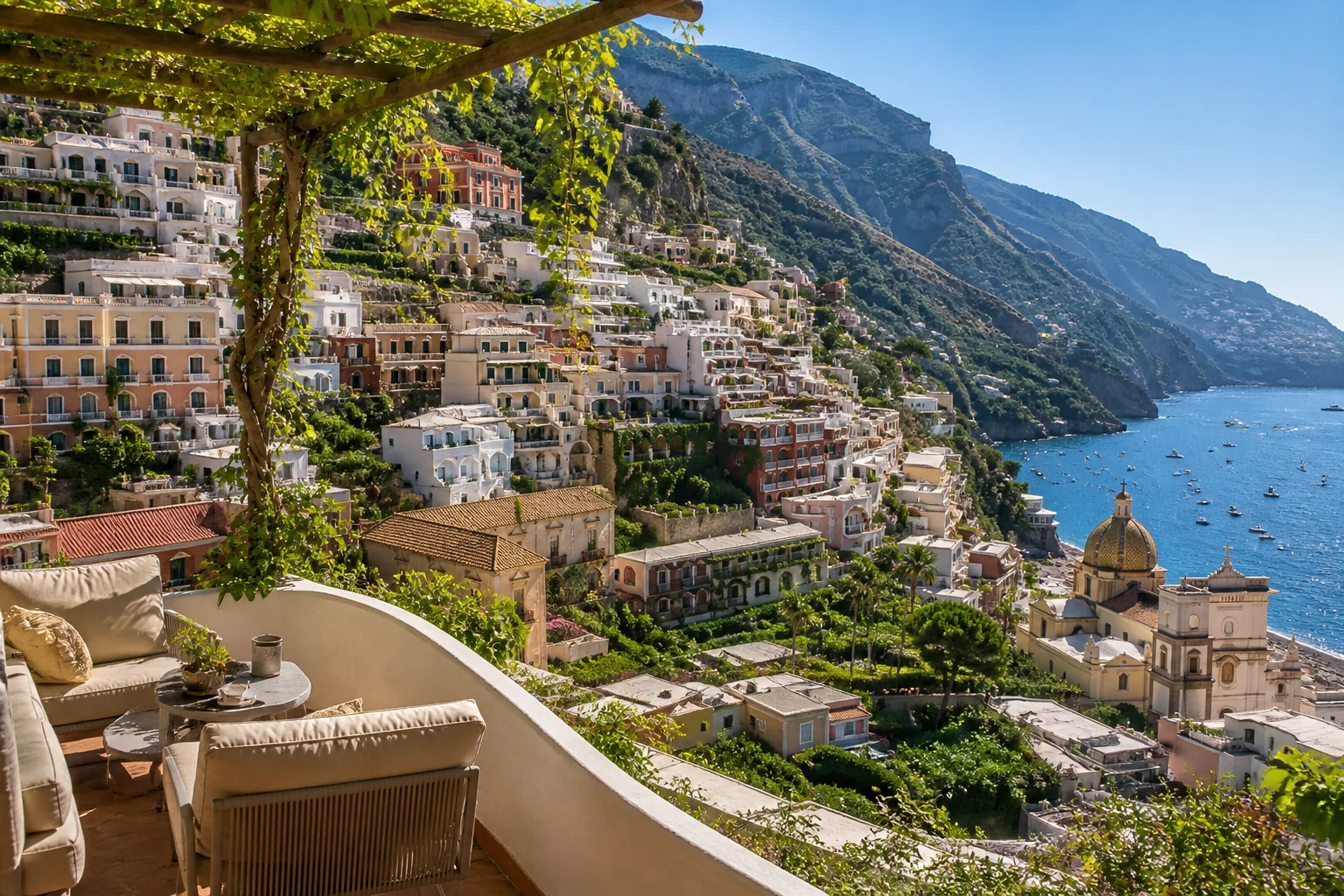
The UNESCO cultural landscape joins cliffs, small coves, terraces, towns and one constrained road. Positano, Amalfi, Ravello and Praiano offer different perspectives rather than casual neighbouring stops. Examine stairs, traffic, landing and the true distance to the intended daily life. A hotel high above the coast may provide silence and view while making a spontaneous swim difficult. One base with selective excursions frequently outperforms a second hotel change.
On the Amalfi Coast, water can reduce road time and make sense of the landscape. Wind, swell and seasonal schedules limit that elegance. A road alternative is still required, including provisions for luggage, traffic and a late dinner. A private boat guarantees neither a particular landing nor a dry passage. Price both versions and define the decision point. Luxury is the ability to change method without diminishing the day.
Masserie, olive country, Baroque towns and two coasts create a rhythm unlike Capri or Tuscany. Distances among Valle d’Itria, Lecce and Salento are easily underestimated. A car or driver is normally fundamental, and a remote hotel needs genuine culinary depth. Puglia rewards longer stays and villa living.
It is less persuasive as a three-night appendix to Rome when another flight consumes much of the time it was meant to add.
Sicily should not be attached as an afterthought. Palermo, the southeast, Etna, the islands and archaeological landscapes could support several independent itineraries. Adding Sicily after Rome and Tuscany reduces the island to an airport and a hotel. Select one area rather than the whole island and take driving and heat seriously. Sicily offers the essential counterargument to this article:
the best Italian holiday may not run from Capri to Tuscany at all, but remain for two weeks inside one complex region.
Seven, ten or fourteen nights
A week can hold Rome and Tuscany, Florence and a country hotel, Naples and Capri, or Milan and Lake Como. It rarely supports three transport systems and four checkouts. International flight times reduce the complete days further. Do not divide the trip automatically into two-night units. Give more nights to the place where restaurants,
pool, landscape or local life sustain staying. Omitting a destination is often the point at which the holiday becomes luxurious.
Four city nights followed by six in the country or on the coast create a decisive change. Three city, four rural and three lake or sea nights can also work when transfers remain direct. Test whether the middle move sacrifices a full day. The best combination does not escalate fame with every stop; it changes the body’s tempo—walking and thinking first, then swimming, eating and remaining still.
Two weeks allow Rome, Florence and Val d’Orcia, or Milan, Lake Como and Venice, to become stays rather than sightings. Naples, Capri and the Amalfi Coast likewise cease to be a chain of operational tasks. Three principal bases are usually enough. Give each at least three full days and the slowest location the most nights. Before adding another region, ask which existing chapter it will actually improve.
Rail, driver and restricted access
Trenitalia’s Frecciarossa network links, among others, Venice, Bologna, Florence, Rome, Naples and Salerno. Between major cities, rail often feels calmer than flying or driving when luggage and station transfers are planned. In rural areas, a driver creates access. One continuous chauffeur is not automatically more luxurious: the car may wait expensively while a point-to-point transfer and local guide perform better. Match the transport to the chapter.
Historic centres commonly restrict vehicles through locally governed traffic zones. Satellite navigation and a hotel address do not automatically prevent a fine. Self-drivers must confirm permits, registration of the number plate, garage, one-way approaches and handover with the hotel or municipality. A rental car is valuable in the countryside and often a liability in the city. Collect and return it where its usefulness genuinely starts and ends.
Season and August reshape several worlds at once
Italy’s tourism authority rightly frames every region and season around different activities. April in Venice, May on Lake Como and October in Val d’Orcia are not the same promise. Holidays, fairs, harvest, water level, heat and hotel operations change the experience. Define the desired event—gardens, swimming, opera, vintage or quieter streets—and test it locally. “Shoulder season” is a search term, not a guarantee of weather, price or calm.
Heat, domestic holidays, intense coastal demand and seasonal closures can make the same month both crowded and restricted. Lakes and seaside addresses need early planning; some urban businesses operate differently from spring. An August itinerary uses shade, early cultural visits, midday rest and fewer transfers. Air conditioning in the room is insufficient if terrace, pool and afternoon return are physically uncomfortable. The route must respect how the day feels.
Hotel, room, restaurants and daily movement
A city hotel saves walking, a country hotel carries food and stillness, a lake hotel organises boats, and a coastal hotel resolves vertical geography. Judge each property by its job. Fame may bring access and service expertise, but also events, visitors and a substantial premium. Ask what the hotel improves on an ordinary Tuesday: breakfast timing, concierge judgement, driver handover, garden, pool, restaurant or the ability to spend an entire day there.
“Sea view”, “garden view” and “historic room” say little about floor, noise, light or walking distance. Palazzi vary in stairs and plan; at lakes the road and water may sit on opposite sides; on Capri the view may mean many steps. Confirm position, lift, bed, bathroom, connecting door, balcony and renovation state in writing. A smaller quiet category can be more valuable than a suite above a busy landing.
Italian food does not improve when every evening becomes a three-hour tasting menu. Set two or three priorities, secure the difficult tables and leave room for a trattoria, a hotel dinner and a spontaneous recommendation. Beach clubs, vineyards and famous terraces have their own cancellation and transfer logic. A wine lunch should not precede an ambitious driving plan. Good advice connects table time, journey home and human energy—not just restaurant names.
Connecting rooms, villas, pool oversight, cots, meal times and short transfers often outweigh the highest formal category. Venetian bridges, Capri steps and long coastal drives reshape family days. Confirm child seats with every car and boat provider, not only the airport transfer. A kids’ club matters only when age, hours and language fit. The best family luxury is a daily plan that does not pull adult interests and children’s logistics apart.
Cobbles, steps, water landings, steep sites and historic buildings can limit easy movement. Disclose equipment and assistance needs before selecting hotels. Confirm the arrival route, lift dimensions, shower, restaurants, pool and emergency path. “Accessible” without detail is meaningless. A modern property in the correct position may offer more dignity than a famous palace; a private landing may solve more than a larger room. Every handover must work.
The true budget sits in the logistics
Beyond rooms, Italy adds drivers, boats, luggage porters, guides, admission, beach clubs, parking, visitor taxes and cancellation flexibility. Include nights that protect connections or prevent an overfilled day. A cheaper country hotel may cost more after daily long drives. A central city rate can look different once transfers disappear. Compare complete travel days and label each amount as confirmed, estimated or variable on site.
The one-page Italy brief
Record duration, preferred axis, no more than three principal bases, the city-country-coast balance, mobility, heat and driving tolerance, children’s ages, dining style and two essential experiences. Add flights, rail, drivers, boats, luggage, seasonal operation and a departure buffer. State what the journey will deliberately omit. Only then select hotels. Each celebrated property will serve the itinerary, rather than the itinerary serving a list of celebrated properties.