
An opening is a news date, not proof of quality. Architecture may be ready for photography while teams, room technology, restaurants and gardens are still finding a rhythm. A new property can be the most exciting choice in a journey — or the moment when the guest funds its learning curve. The decisive measure is not age, but readiness.
New is a condition, not a rating
Fresh materials, untouched rooms and an original concept have real appeal. They reveal little about sleep, service flow, acoustics or recovery when something fails. An established hotel can be tired; a new one brilliant from day one. The fair question is not new versus old, but which parts of the promised experience are open, tested, staffed and stable in ordinary use.
Announced, bookable, soft-open and fully operational are easily blurred. A reservation calendar proves only that rates are being sold. A soft opening may involve selected rooms, one restaurant or limited hours. Fully operational should mean the essential advertised facilities are genuinely available. The exact state needs written confirmation for the stay date.
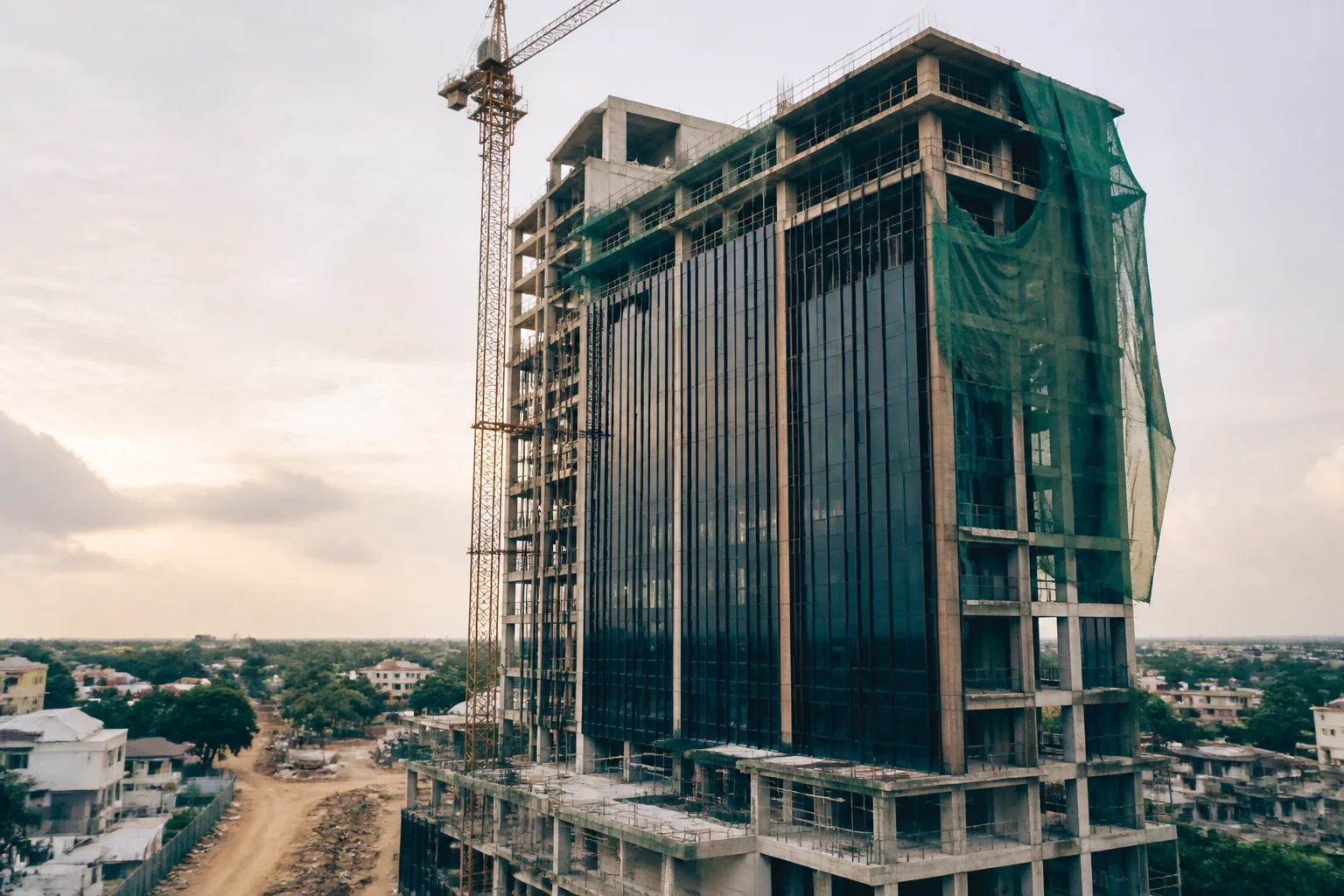
Three months may be sufficient for a small property and barely a beginning for a complex resort. Scale, restaurant count, spa, villas, beach operation, season, labour market and neighbouring construction alter the curve. A fixed rule to wait six months is as crude as blind opening enthusiasm. Current operating evidence and the importance of the trip matter more.
Architect, designer, brand and setting can be narrated long before the first check-in. Press photography shows controlled rooms in ideal light without normal occupancy. That is legitimate communication, not yet reporting on operations. The earlier an article appears, the more clearly it should distinguish concept, rendering, preview and service personally experienced.
Visualisations may make view, vegetation, proportion or privacy more optimistic than the finished place. Check image credit and phrases such as artist impression or computer-generated imagery. Current guest photographs, maps and room plans add reality. A rendering is not evidence against a project; using it as documentary fact is the problem.
The hero suite, lobby and signature pool are produced first. Standard rooms, connecting doors, service-side views, approach and technical areas appear later. Ask about the exact category, plan position, balcony direction and proximity to work or service zones. A hotel's quality is not decided only in its most photogenic villa.
Forbes Travel Guide inspects anonymously in person and emphasises service alongside facilities because memory extends beyond surroundings. A new team must translate standards into real situations: early arrival, missing luggage, allergy, weather change, full pool. Scripts are learned quickly; judgment, coordination and quiet anticipation require shared practice.
A crowded opening lobby can look reassuring. Experienced department heads, clean handovers and clear ownership matter more. Who knows repeat guests, local suppliers, room differences and emergency routes Brand task forces can strengthen a launch, then depart. Ask which leaders and critical roles are permanently based at the property.
The room at night reveals operating maturity
Address, road, signs, luggage, valet, security and reception must connect. New resorts sometimes retain a temporary entrance or map pin that navigation services have not yet corrected. A beautiful lobby cannot repair a chaotic transfer. The adviser confirms meeting point, final approach and day-of-arrival contact.
By day, stone, glass and view impress. At night, blackout, door noise, control lights, cooling, mattress and the route to the bathroom decide comfort. New properties often learn under occupancy where doors slam, light leaks or equipment hums. Ask about experience in the booked position rather than materials and square metres alone.

Lighting, curtains, temperature, audio and do-not-disturb can be beautifully integrated or needlessly complex. Is there a simple night mode Does temperature hold without studying a tablet Can staff resolve a failure quickly Luxury is not maximum automation. It is intuitive control with an analogue path when the system is not yet stable.
Shower, drain, hot-water pressure, pool, seal and irrigation reveal under occupancy whether design and construction agree. Small defects become tiring when repeated. Rather than ask for an abstract snagging list, confirm that every room in the category is released, how maintenance responds and whether affected inventory is removed from sale.
Restaurant terrace, bar, lift, delivery zone, pool plant and connecting doors create sound that appears harmless on plan. A new hotel learns its acoustic patterns only across full evenings. Travellers who protect sleep need exact room position and honest information about music, events and morning operation. A quiet category should be a location, not an adjective.
Cleanliness, timing, linen stock, turndown and minibar join many departments. At opening, supply volume, room status and guest preference may not yet align. ISO 22483 includes staff, service, maintenance, cleanliness, supply management and guest satisfaction among hotel requirements. This invisible chain determines whether a beautiful room remains effortless.
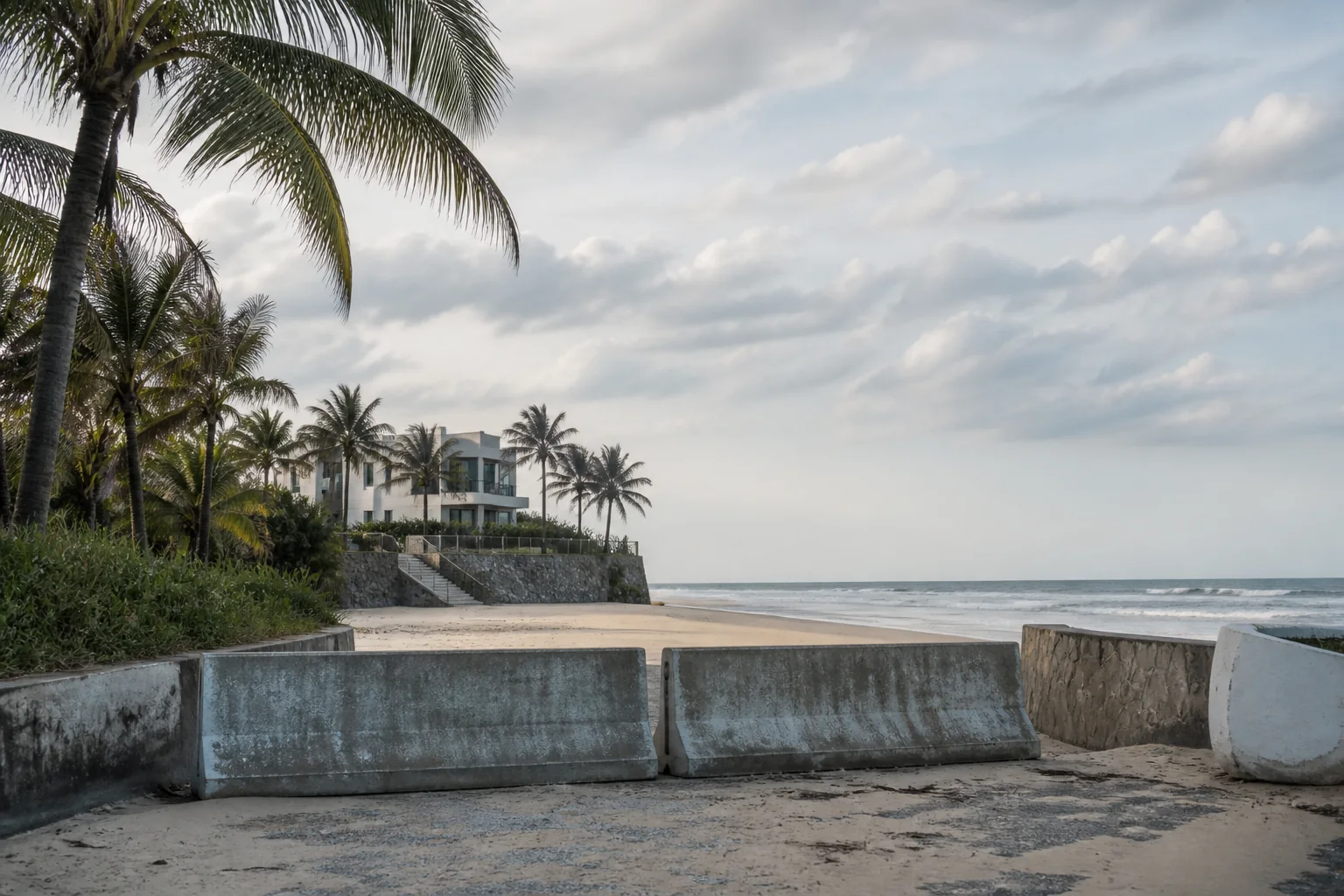
Restaurants, spa and outdoor spaces mature separately
A resort may start with the main restaurant while signature dining, beach club or rooftop follows later. Breakfast may already excel while room service remains limited. Verify every advertised outlet, operating days, reservations and season. On a short resort stay, a closed core venue matters more than at a city hotel with excellent neighbours.
Opening menus can be ambitious but must work across changing occupancy, allergies and local deliveries. One press dinner does not prove daily cooking. Breakfast consistency, temperature, pacing, wine service and response to special requests are more revealing. A smaller stable offer can feel more luxurious than five concepts rehearsing simultaneously.
A spa needs therapists, products, water, quiet and reliable hours. A pool needs temperature, shade, seating and service flow; a beach needs permits, safety and season. “Facilities available” says little about capacity. Confirm treatment menu, child rules, heated areas, access and any work for the actual dates.
New gardens can look mature in visualisations. On site, shade, screening and wind protection may still be young, affecting privacy and temperature. A sea view can remain outstanding while the landscape grows; it should simply be represented accurately. Current dated photographs from the booked zone are stronger than a general rendering.
The hotel may be complete while a neighbouring project, approach road, beach section or public infrastructure remains active. Noise, dust and sightline depend on distance, hours and room position. “No work inside the hotel” does not answer the surrounding question. An adviser checks mapping, current partner information and, where necessary, a written statement for the booked location.
Opening rates may compensate for limited facilities. Sometimes the hotel charges established-top-tier pricing while spa, second restaurant or planting is unfinished. The guest is then paying for novelty. That can be a conscious choice when design or access is exceptional, but price, available experience and flexibility must correspond.
The higher category can be larger yet closer to work, public pool or prevailing wind. Some wings open earlier and have been tested more thoroughly. Compare position, outlook, access and operating history rather than square metres. During opening, the known stable category may be more valuable than a suddenly available prestige upgrade.
Brand, owner and building history
A strong brand brings standards, systems, training and launch teams. Owner, operator, local leadership and labour market still determine delivery. A new property may reinterpret the flag or open under deadline pressure. Experience at sister hotels is an indicator, never a guarantee. Judge this team, at this address, in this phase.
The owner may fund completion and rectification; the operator runs service and brand. When budgets, handover or responsibility are unclear, guests see delay. Public speculation adds little. Confirm what is finished, who operates, which leadership is present and how defects are handled.
A new build tests every system at once. A renovation may retain an experienced team and established logistics while carrying old services, unequal rooms or phased works. Heritage structures add planning constraints. “New” should specify new property, new brand, total conversion or cosmetic refresh.
A palace, monastery or industrial building can be restored beautifully. The difficult questions concern cooling, sound, accessibility, escape routes and modern services inside old fabric. Strong projects resolve tension without turning history into decoration. Ask which spaces are original, inserted or newly built and what that means for comfort.
At opening, materials, solar, local art and plastic reduction are easy to promote. Land use, energy, water, wastewater, staff and procurement matter more. Many performance figures need a credible operating period. An honest new hotel separates design intention, installed technology and measured result.
Early reviews are useful and distorted
First guests may be unusually delighted by novelty or unusually alert to defects. Some travel hosted; others use an opening rate. Read patterns rather than averages. Do hot water, noise, service or closed spaces recur Do date and room category match Several specific observations outweigh one ecstatic or furious review.
A first-week failure may be fixed by month two; an initially quiet hotel may later face full occupancy. Sort by recent, read management response and seek updates. A good reply explains action without dismissing criticism. During opening, direction of travel is more useful than a static score.
Independent ratings need an opening, inspection and award cycle. Their absence soon after launch is not a negative judgment. A design prize, meanwhile, does not prove service. Forbes Travel Guide visits anonymously and assesses on site; a press release cannot pre-empt that lived evaluation. Until credible assessments exist, advisers use current operating evidence.
Trip purpose determines risk tolerance
A spontaneous city weekend may carry an opening experiment easily. Honeymoon, milestone birthday, multigenerational trip or once-in-a-lifetime journey needs greater stability. The hotel's share of the experience matters too: cities offer alternatives, private islands do not. The harder a failure is to replace, the stronger the proof of readiness should be.
Connecting rooms, children's pool, club, babysitting, flexible food and medical procedures must be staffed and tested, not merely announced. Partial operation may charm a couple and exhaust a family. Confirm ages, hours and occupancy in writing. A large family pool without shade or service is not yet a family concept.
A new hotel offers exclusivity and the pleasure of being early. It may also consume romantic time through construction, training and improvised process. Guests who enjoy pioneering can book consciously. Those expecting a seamless milestone should choose a demonstrably stable opening phase or wait. That is fit, not fear.
Small properties with an experienced core team, bounded offer and careful pre-opening can feel personal from day one. Low occupancy brings calm and senior leaders are often visible. The opportunity is strongest when every core service is open, trusted partners have visited and terms remain flexible. Novelty then adds value instead of replacing it.
Seven questions and one final check
Which facilities are fully operating on the stay date Is there work within the hotel or visible surroundings Since when have all rooms in this category been occupied Which restaurants and spa services run normally Is senior leadership permanent What changed after soft opening What flexible remedy applies if a material service is unavailable
Opening dates move. Planned, expected and anticipated are not confirmations. For decisive facilities, obtain a current written statement from hotel or partner. It may still change, but establishes a clear basis for rebooking or goodwill. The adviser records date and contact.
Where uncertainty remains, cancellation, later payment or a clear alternative can be more valuable than a small discount. Check what happens after delayed opening, partial operation or substantial works. A non-refundable launch rate can be sensible when status is firm; otherwise the guest assumes project risk without compensation.
Two weeks or several days before travel, reconfirm transfer, address, category, restaurants, spa, pool, beach and works according to destination and importance. Add current weather or season. This is not distrust. New operations change quickly, and good hotels appreciate exact expectations.
Recent personal or trusted visits, precise supplier replies, repeated guest patterns and trip fit matter. Renderings and press coverage explain concept; operational data provides confidence. Advisers should say what they know firsthand, what is confirmed and what remains open. That honesty is stronger than pretending every launch has already been judged.
We test six fields: hardware, service, complete offer, surroundings, current evidence and client relevance. No single score decides. An architecturally exceptional property may carry minor launch issues if transparent and immaterial to this journey. A critical sleep, construction or service failure outweighs novelty.
Waiting is not rejection. It can mean choosing the right season, finished spa, grown privacy and a settled team. Equally, an early stay may be perfect when pioneering spirit and flexible travel align. Luxury advice does not remove excitement from an opening; it separates excitement from avoidable risk.