
Virtuoso Hotels
Virtuoso Hotels in Hangzhou, China
2
2
Hotels
Virtuoso hotels in Hangzhou: West Lake, tea landscapes and considered Jiangnan culture
Hangzhou is often reduced to West Lake, yet the city joins a UNESCO cultural landscape. Buddhist sites, Longjing tea country, historic waterways and a large contemporary technology economy. Its two listed hotels support different rhythms. Four Seasons Hotel Hangzhou at West Lake gives immediate lake-oriented luxury and formal gardens. Amanfayun sits in a wooded heritage village near temples and tea slopes, trading urban convenience for seclusion and a more dispersed resort layout.
A strong visit uses early hours, qualified interpretation and realistic transport. West Lake paths, temples and tea villages can become crowded. While heat, rain, air quality and public holidays reshape movement. Digital payment, mapping and ticket systems also require preparation. Verify access, reservations and conditions after this editorial review of 4 August 2026, especially where an official passport or timed-entry rule applies.
Choose lakeside formality or wooded seclusion
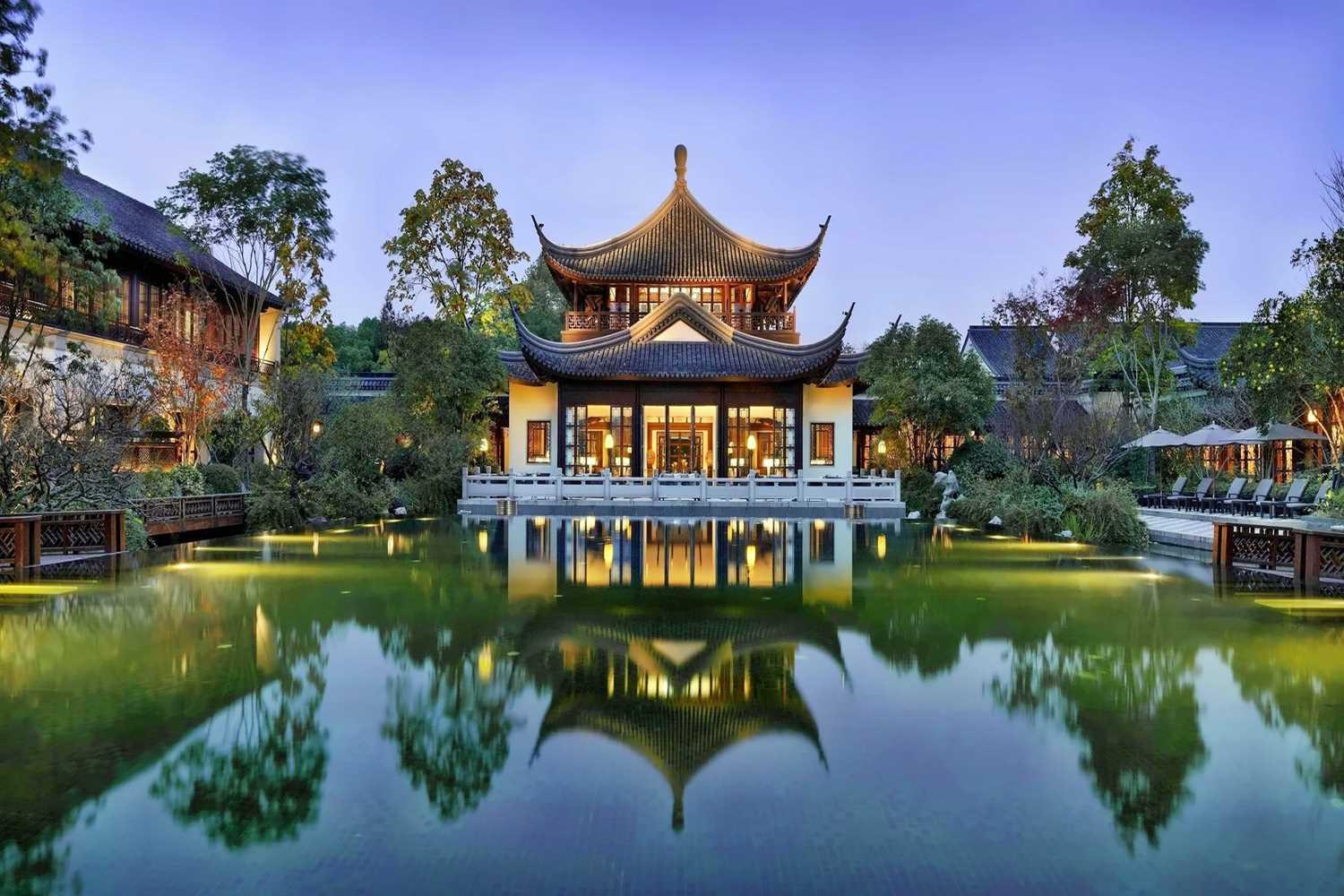
Four Seasons Hotel Hangzhou at West Lake suits travellers who value direct access to the lake's western landscape, refined gardens and a contained hotel rhythm. Amanfayun occupies restored village-style buildings among woodland, temples and tea country, appealing to guests who want stillness but requiring attention to paths, steps and distances. Ask each property for the exact building,
floor, buggy or lift support, breakfast route and room orientation. Lake view, garden privacy and quiet temple-side atmosphere are distinct requests. Confirm how drivers reach the entrance during congestion and which restaurants operate on the stay dates. Mobility needs should be matched to the specific room, not the broad resort category.
Read West Lake as a designed cultural landscape
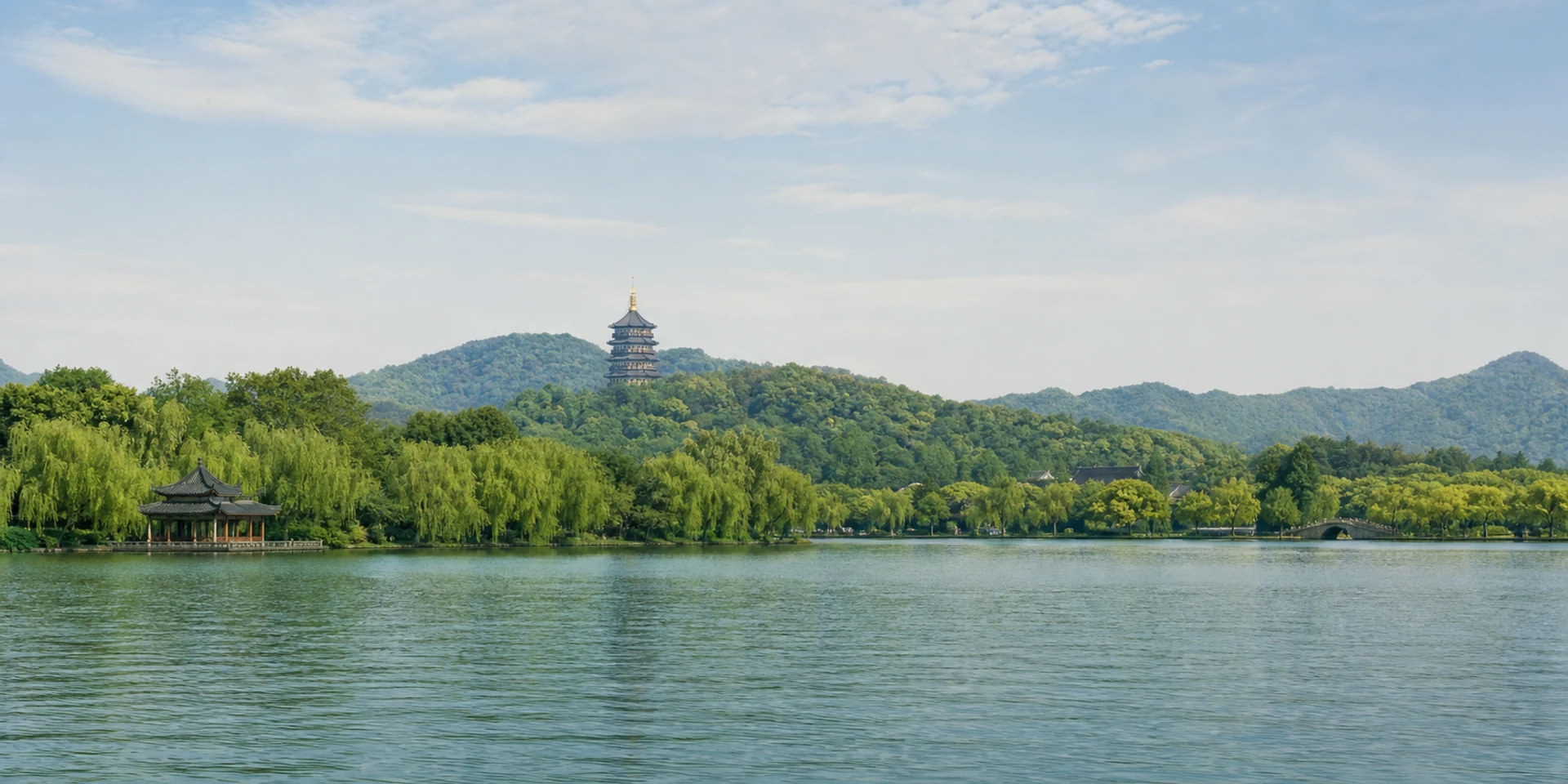
The West Lake Cultural Landscape of Hangzhou is a UNESCO World Heritage property shaped by causeways, islands, temples, pagodas, gardens, poetry and centuries of human intervention. It is not simply natural scenery. Begin with a qualified guide who can connect Bai and Su causeways, Leifeng Pagoda. Seasonal planting, imperial patronage and literary traditions without turning every view into legend.
Walk one coherent sector early rather than circling the entire lake in crowds. Check current closures and accessible surfaces. Respect worship, private gardens and planted edges. And never step around barriers for a photograph. A museum or garden stop gives evidence and rest when weather or visibility reduces the panorama.
Approach Longjing tea through agriculture
Longjing tea is both a protected product and a working agricultural system. Visit with a reputable local specialist or through the hotel, asking which village, harvest period, cultivar and processing method are being discussed. Do not assume every roadside shop sells the same grade or that a high price proves authenticity. A tasting should compare water,
temperature, leaf and infusion without pressure to purchase. Seek consent before photographing workers or entering fields, remain on paths and avoid touching fresh leaves. Spring harvest is busy and weather-dependent. Tea contains caffeine. So disclose sensitivities and pace repeated cups. Buying a modest quantity from a traceable producer is more responsible than collecting anonymous luxury packaging.
Give Buddhist sites quiet and context
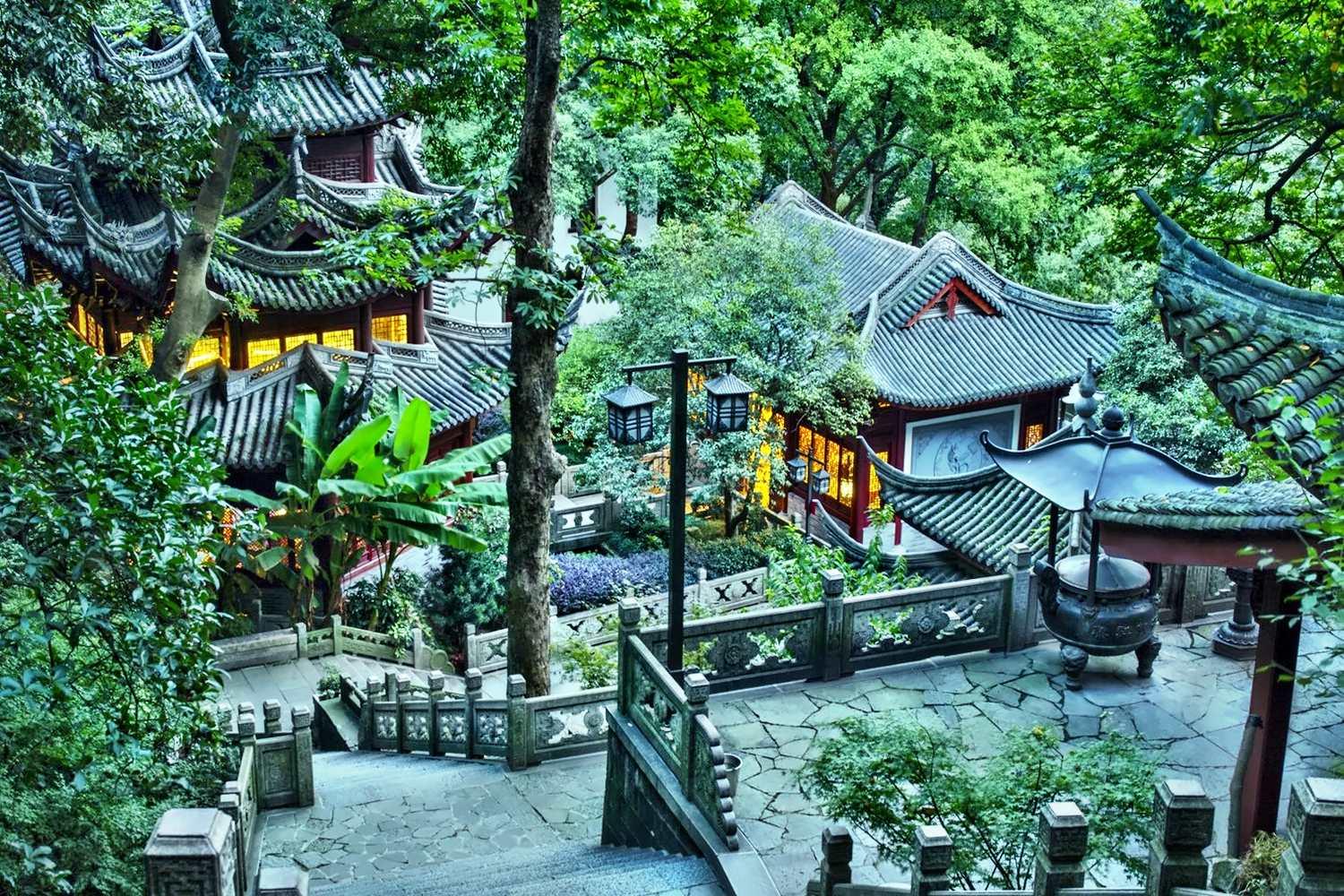
Lingyin Temple and nearby religious landscapes remain active places of worship as well as major visitor sites. Verify ticket and reservation requirements, dress modestly, speak quietly and follow rules on incense, photography and restricted halls. A guide should explain Buddhist practice, monastic life, sculpture and historical change rather than treating every figure as decoration. Feilai Feng carvings require time and responsible distance.
never touch stone surfaces. Arrive early. But do not expect solitude on weekends or national holidays. Amanfayun's proximity does not guarantee private access. Combine one substantial temple visit with a calm tea or garden period instead of rushing through multiple sanctuaries. Donations and commercial offerings should be distinguished clearly and handled respectfully.
Plan city history beyond the lake
Hangzhou served as the Southern Song capital and developed through canals, commerce, craft and regional food. Museums, archaeological interpretation and historic streets can connect that history to the present city. Choose institutions by subject and verify opening days, passport requirements, timed tickets and language support. Hefang Street is busy and commercial. a specialist guide can separate surviving urban fabric,
reconstructed frontage and current retail. The Grand Canal landscape offers another geographical axis. But it should not be compressed into the same half-day as distant tea hills. Buy from identified makers and ask about production rather than accepting a demonstration as proof of heritage. Contemporary Hangzhou also deserves acknowledgment beyond an imagined ancient city.
Treat weather, heat and air quality as variables
Hangzhou has hot humid summers, a rainy plum season, changeable spring and cool damp winters. Consult the China Meteorological Administration and a reliable local air-quality source. Schedule long lakeside walks and exposed tea slopes early in hot periods, carry water and sun protection and use an indoor alternative at peak heat. Heavy rain can make stone paths slippery and complicate driving.
In winter, damp cold feels sharper beside water. While spring pollen affects some guests. Air quality can alter views and outdoor intensity. respond by shortening exertion rather than chasing a photograph. Ask the hotel for current path conditions and transport backup. Never let a prepaid outing override a storm, heat or official closure.
Reserve regional food with translation support
Hangzhou cuisine is associated with delicate freshwater, pork, bamboo, tea and seasonal vegetable preparations. But famous dish names do not guarantee quality or historical purity. Ask the concierge for kitchens that explain sourcing and regional style. Reserve important hotel and city tables before public holidays and weekends. State allergies in writing in Chinese and English,
since soy, sesame, nuts, shellfish, alcohol and shared oils may not be visible. Freshwater fish requires careful bone handling. And uncooked items need informed judgment. Balance a formal meal with a noodle shop or bakery recommended by a trusted local. Tea-infused dishes should serve flavour rather than novelty. Confirm payment methods and safe transport after alcohol.
Prepare digital, rail and road logistics
Hangzhou is connected by high-speed rail to Shanghai and other Chinese cities. But station choice, passport-linked ticketing and security time matter. Use official railway information and arrive with the same identity document used for booking. Hangzhou Xiaoshan International Airport is east of the centre. transfer times expand with traffic. Ask the hotel for the exact pickup point,
driver contact in Chinese and a backup phone number. Prepare accepted digital payment and translation tools before travel. While keeping some compliant alternatives. International mapping services may differ in China. So save hotel names and addresses in Chinese offline. Do not assume a foreign mobile service will access every app. On departure, protect generous margins around holidays.
Shape four nights and a China journey
Four nights allow a West Lake landscape day, tea and temple day, city-history day and flexible weather or resort period. Five nights reduce the urge to combine distant areas. Switching between the two hotels can make sense only if the contrast between lakeside and wooded heritage is central. otherwise packing consumes time. Hangzhou pairs naturally with Shanghai,
Suzhou or another region by rail. But every station and ticket needs real planning. The existing China round-trip link can support a broader tailor-made route. Avoid treating Hangzhou as a day-trip photograph between trains. Keep the final morning geographically simple, reconfirm the passport-linked ticket and let the hotel write the destination in Chinese for the driver.
Five practical Hangzhou planning tips
- Choose Four Seasons or Amanfayun by daily geography, paths and desired seclusion.
- Walk one West Lake sector early with a guide instead of attempting a crowded full circuit.
- Visit Longjing through a traceable producer and ask about village, harvest and processing.
- Save hotel names, tickets and driver instructions in Chinese for offline use.
- Check official weather, air quality and timed-entry rules before leaving the hotel.
Hangzhou hotel and itinerary FAQ
Which hotel is directly associated with West Lake
Four Seasons Hotel Hangzhou at West Lake offers the more immediate lakeside position.
Where is Amanfayun
It occupies a wooded heritage-village setting near temples and tea landscapes west of the lake.
Is West Lake purely natural
No. UNESCO recognises a designed cultural landscape shaped over centuries.
How many nights are useful
Four provide a sound minimum. While five allow better weather and distance flexibility.
Do rail tickets use passports
International travellers should expect identity-linked booking and carry the matching original document.
Can I visit tea fields independently
Yes where public access permits. But a traceable guide or producer improves context and purchasing.
Can Hangzhou join a China journey
Yes. the existing China link supports a tailored rail route with realistic station margins.
Are Virtuoso benefits guaranteed
No. confirm the eligible rate and written benefits, with upgrades subject to availability.
Combine your hotel stay with a privately designed journey through China, with hotels, transfers and experiences planned as one seamless itinerary.