
Virtuoso Hotels
Virtuoso Hotels in China
40
40
Beijing · 9Chengdu · 1Shangri-La · 1Hangzhou · 2Hong Kong · 10Lijiang · 1Macao · 1Shanghai · 12Xiamen · 1Xi'an · 2
Hotels








Virtuoso Hotels in China: gateways, distances and a resilient itinerary
China requires decisions at national scale. The local collection lists 40 hotels in 10 destinations, led by Beijing. Shanghai and Hong Kong and extended through Hangzhou, Chengdu, Xi’an, Lijiang, Shangri-La, Xiamen and Macao. These places do not form a casual hotel-hopping route: entry rules. Flight and rail times, digital access, altitude and major holiday demand all shape the stay. Begin with the experiences that matter. Then choose the gateway and hotel cluster that protect them.
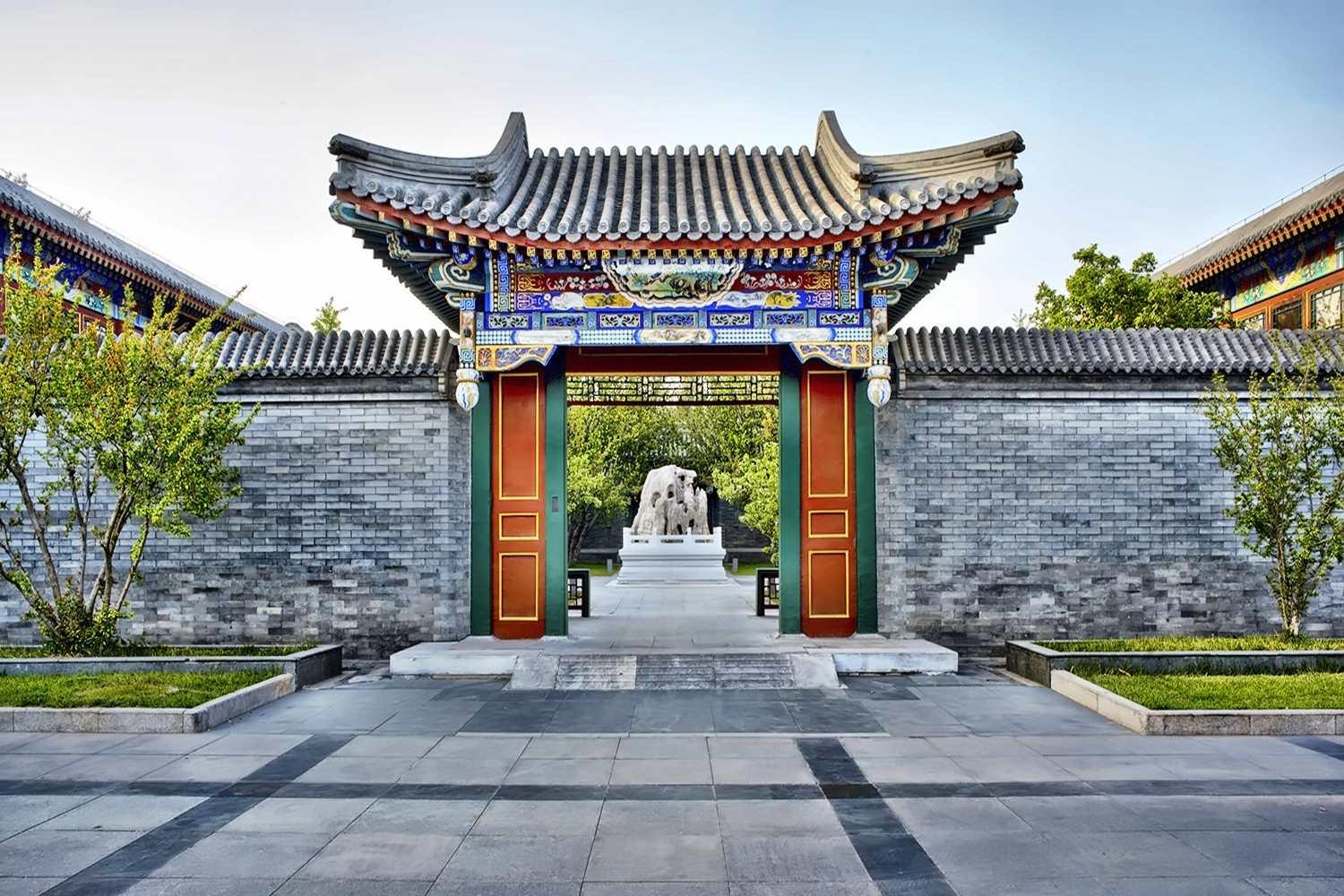
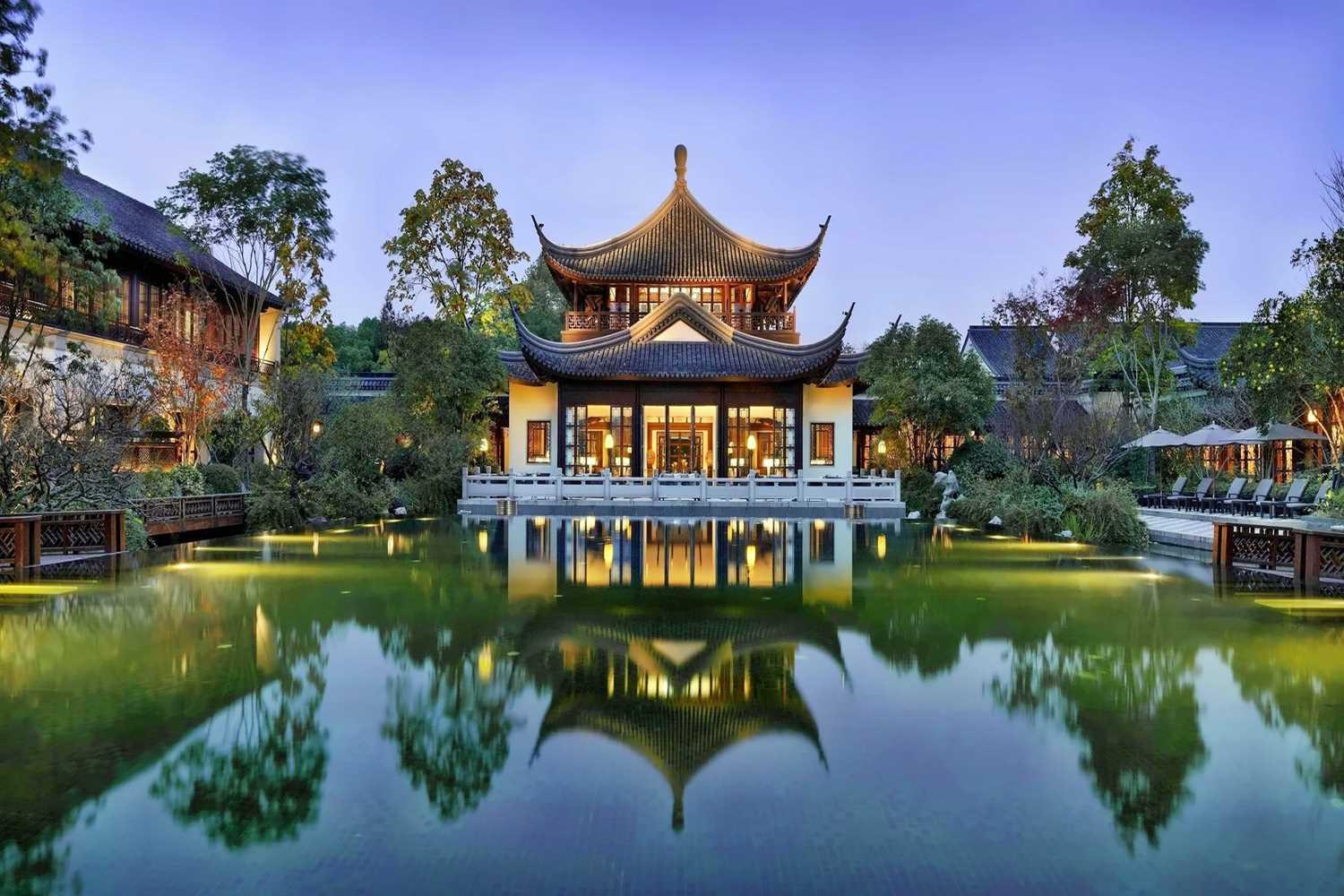
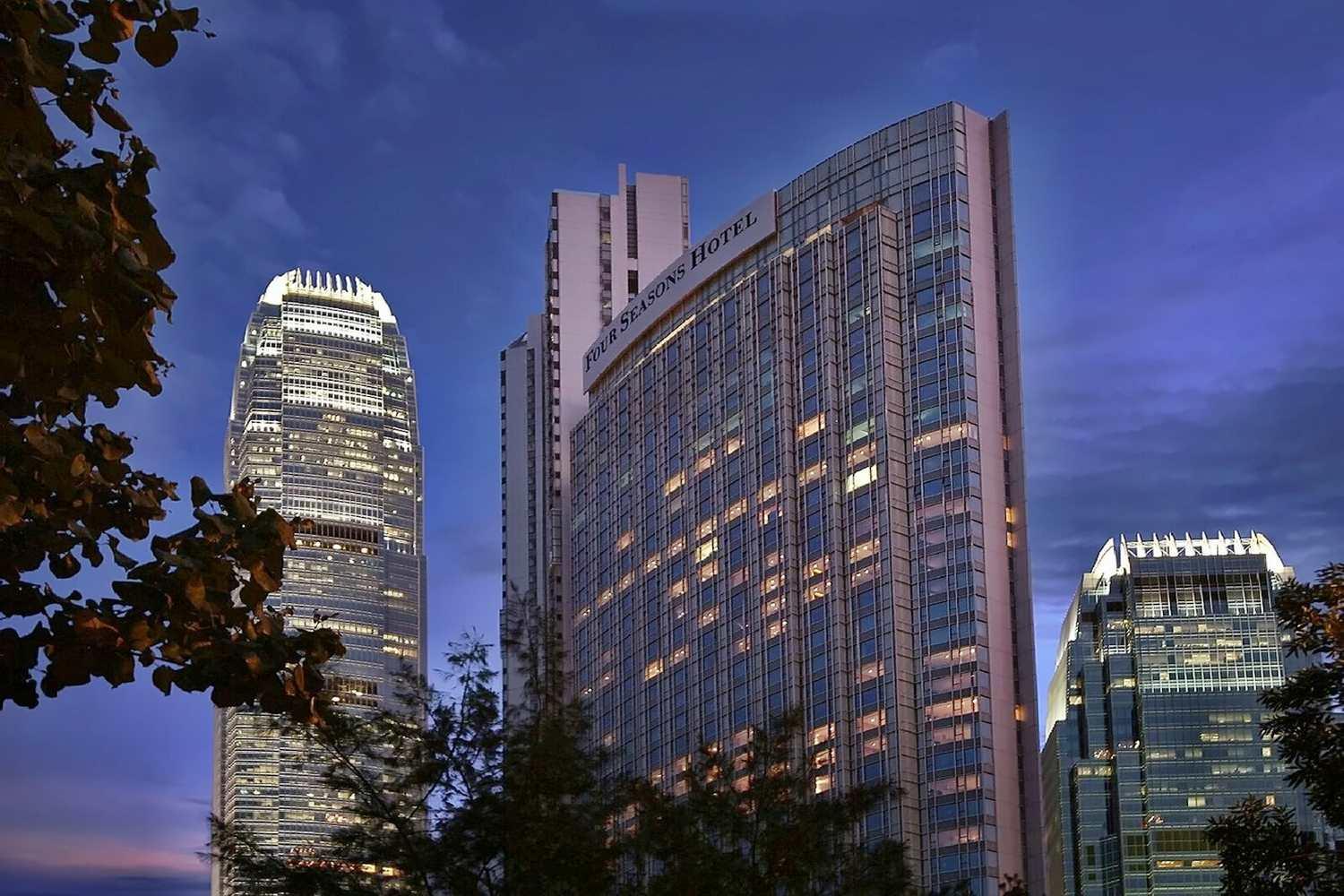
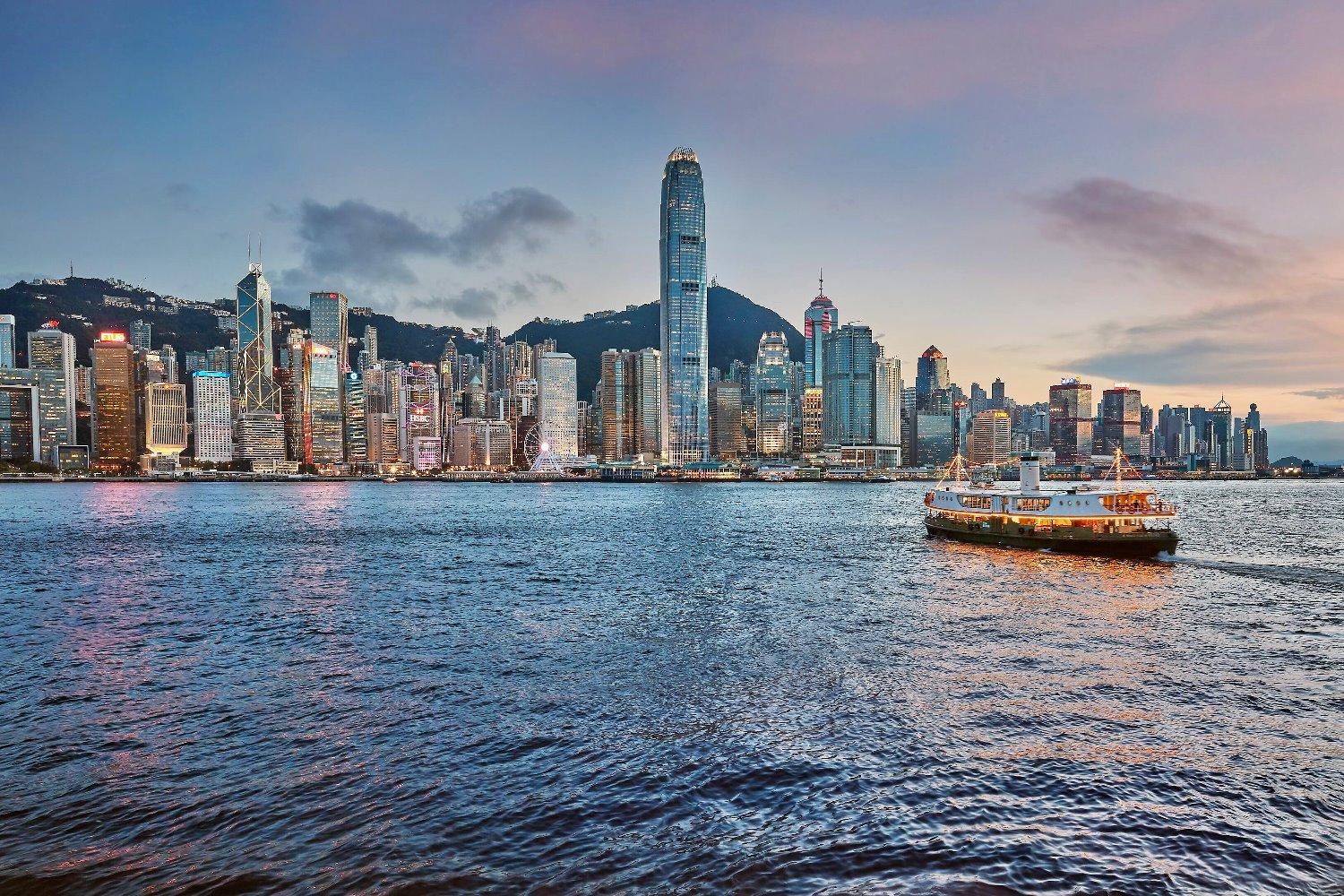
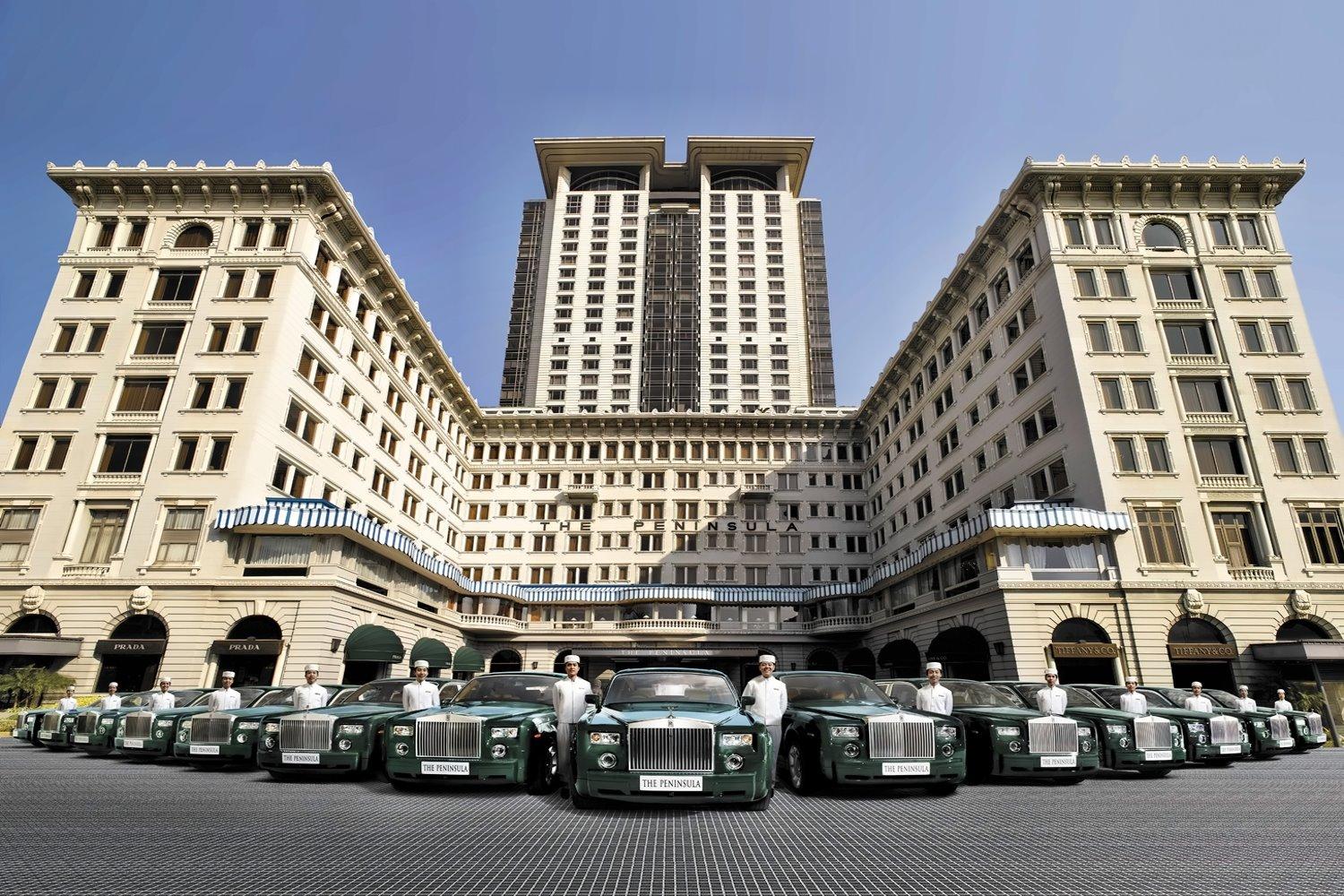
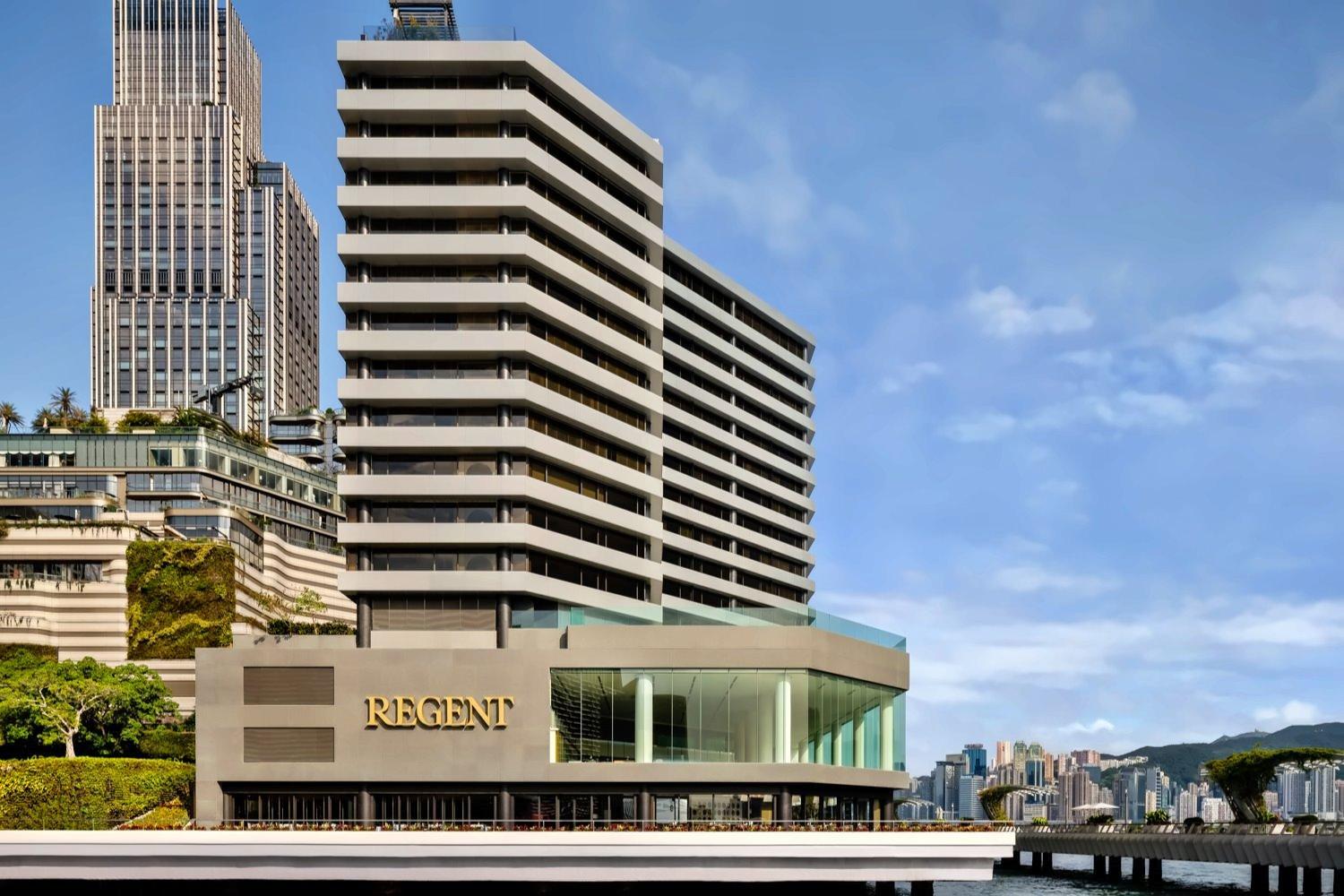
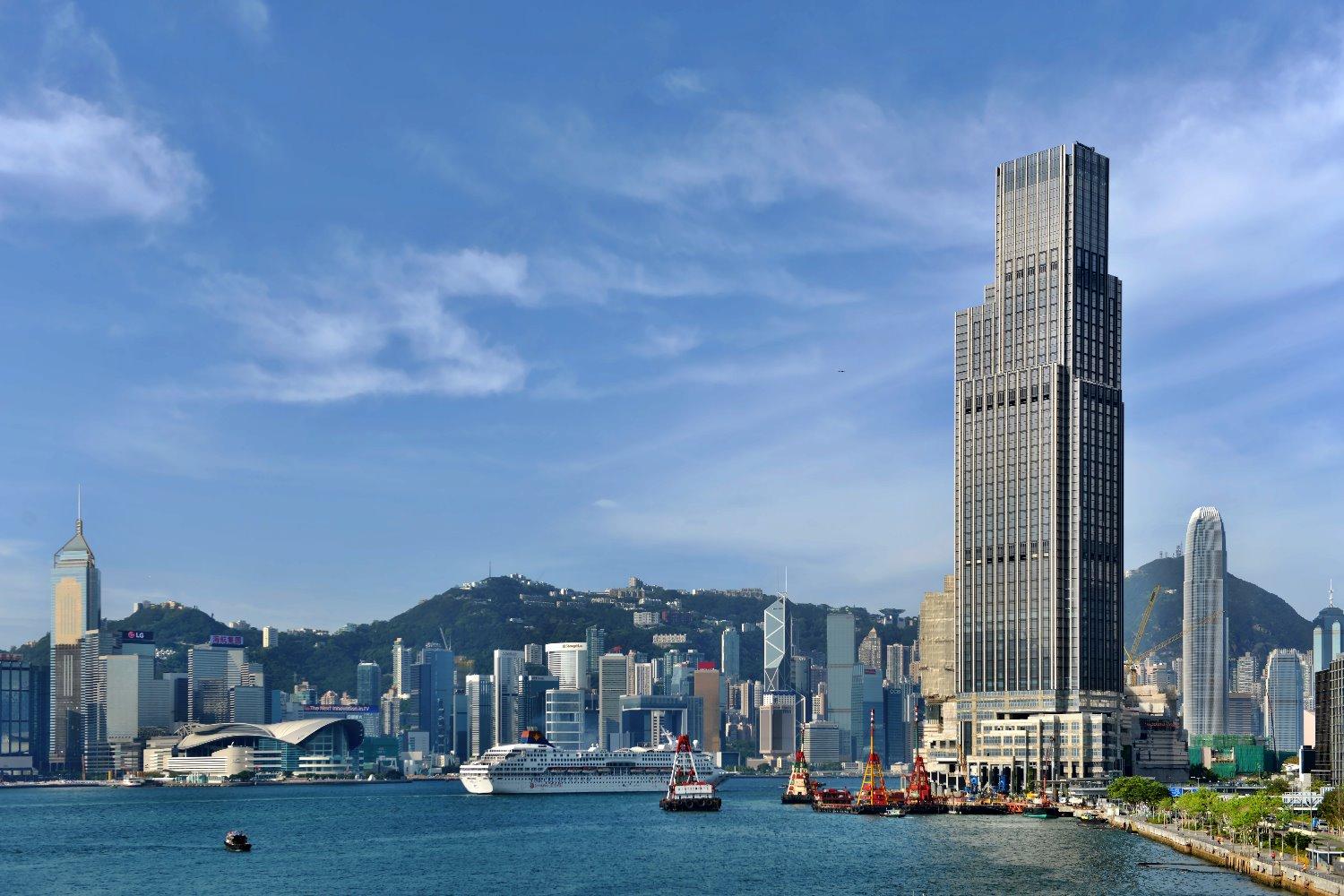
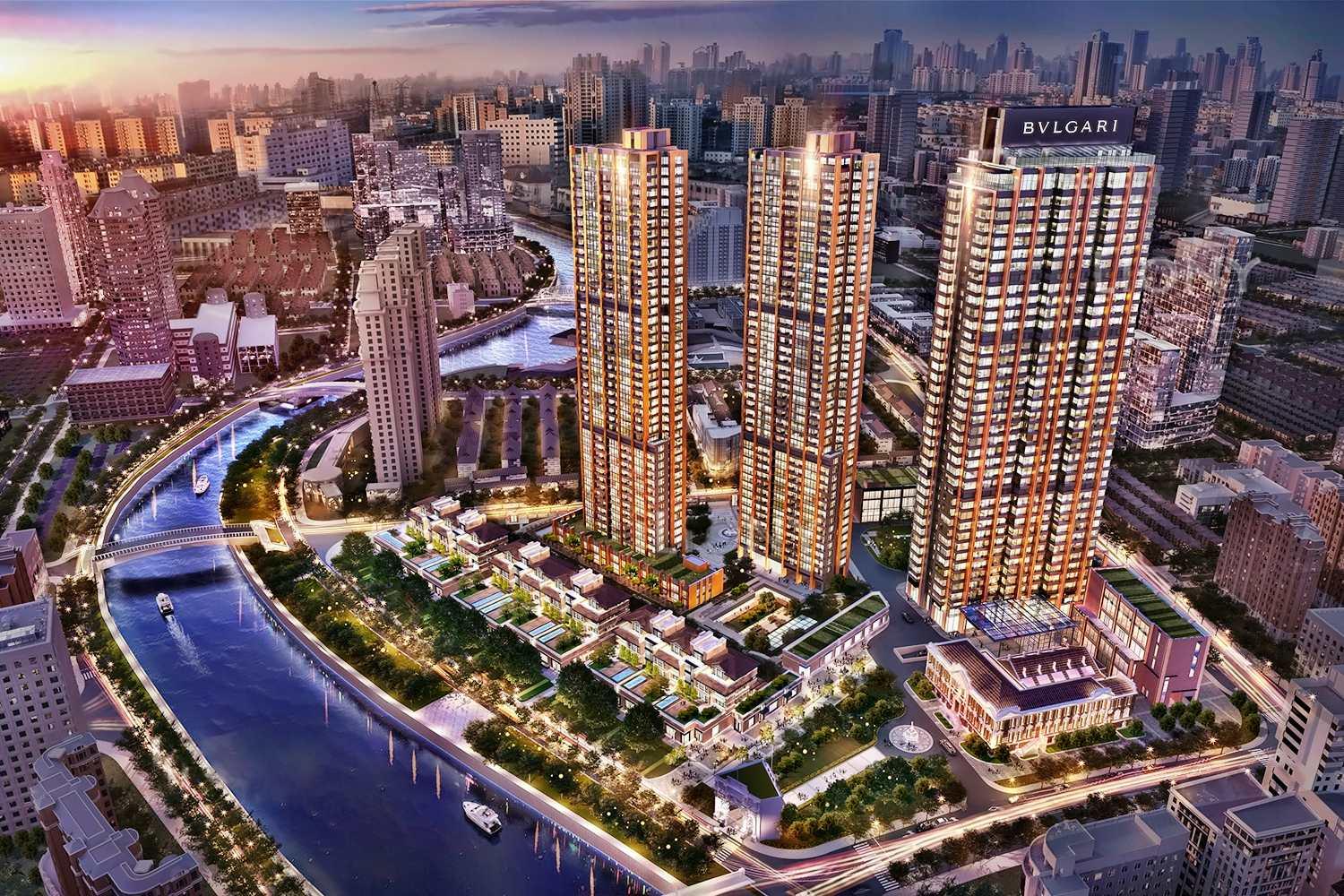
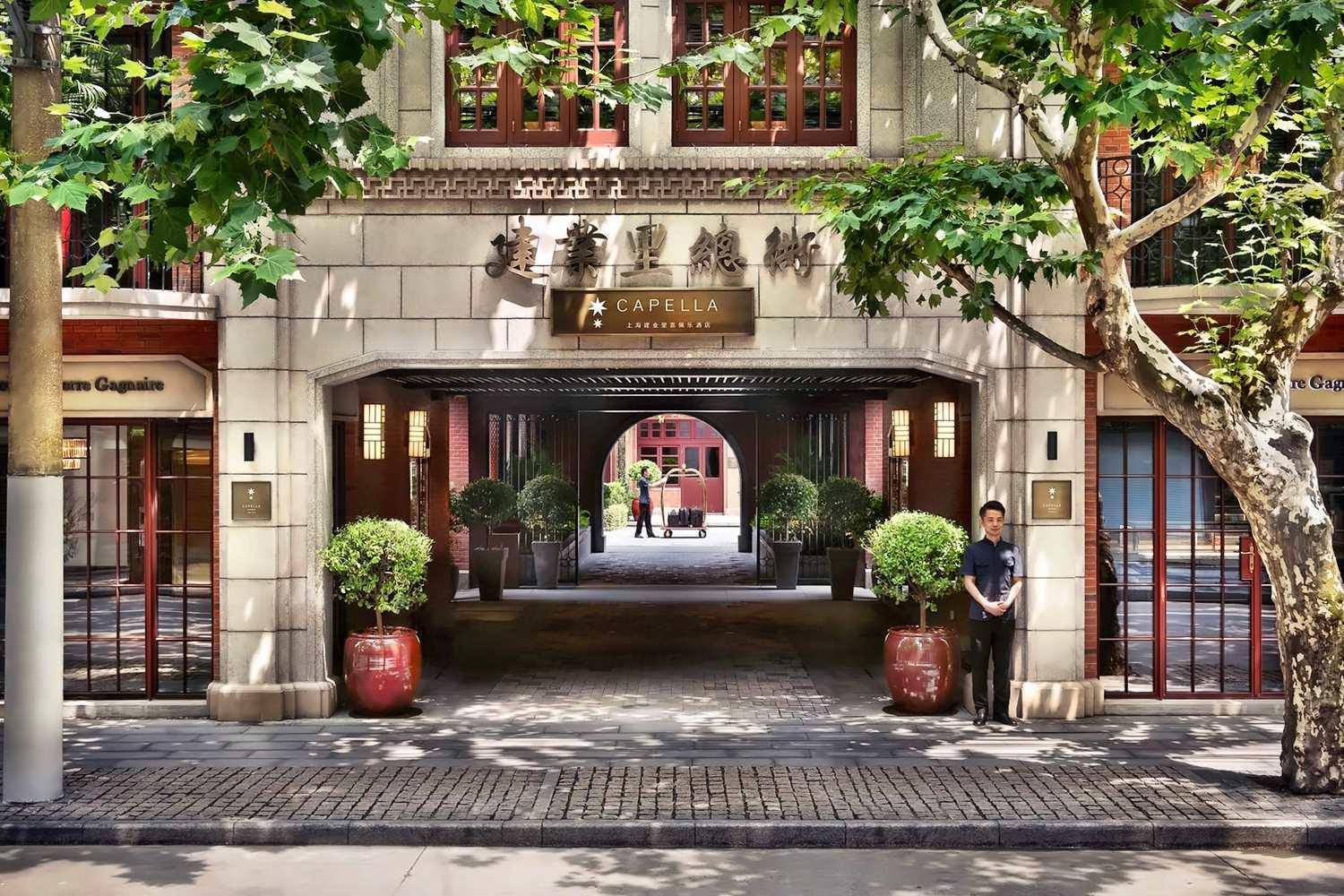
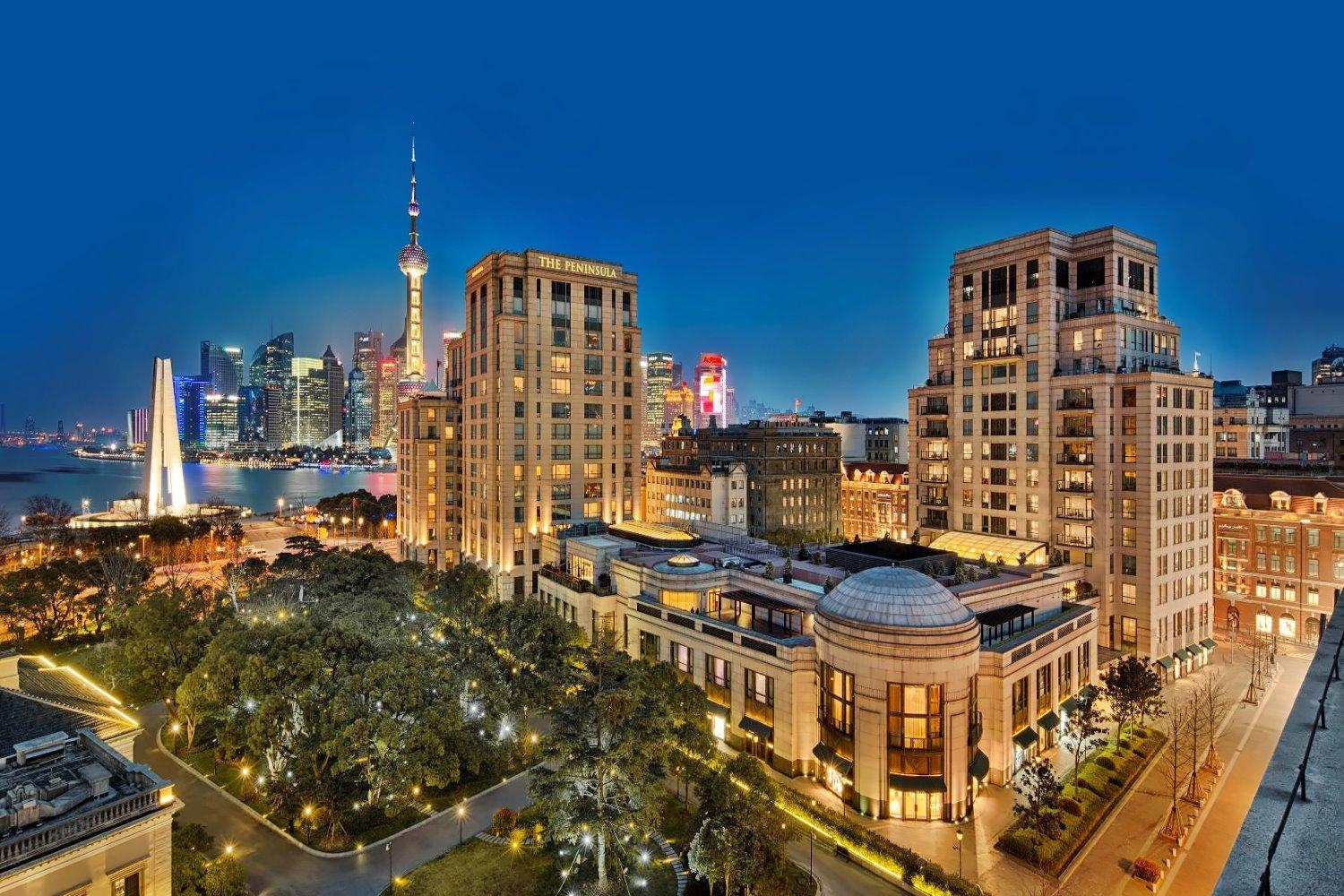
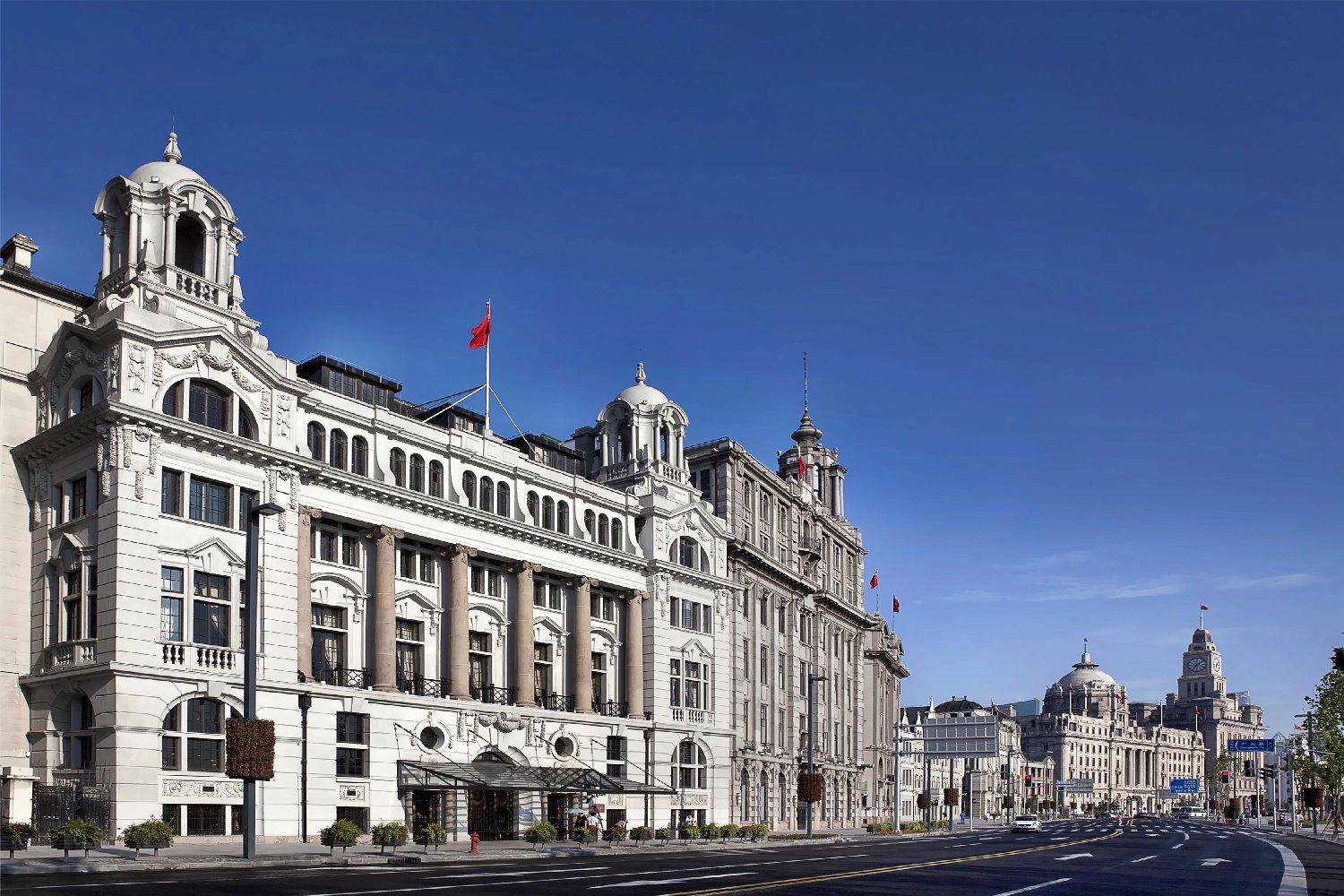
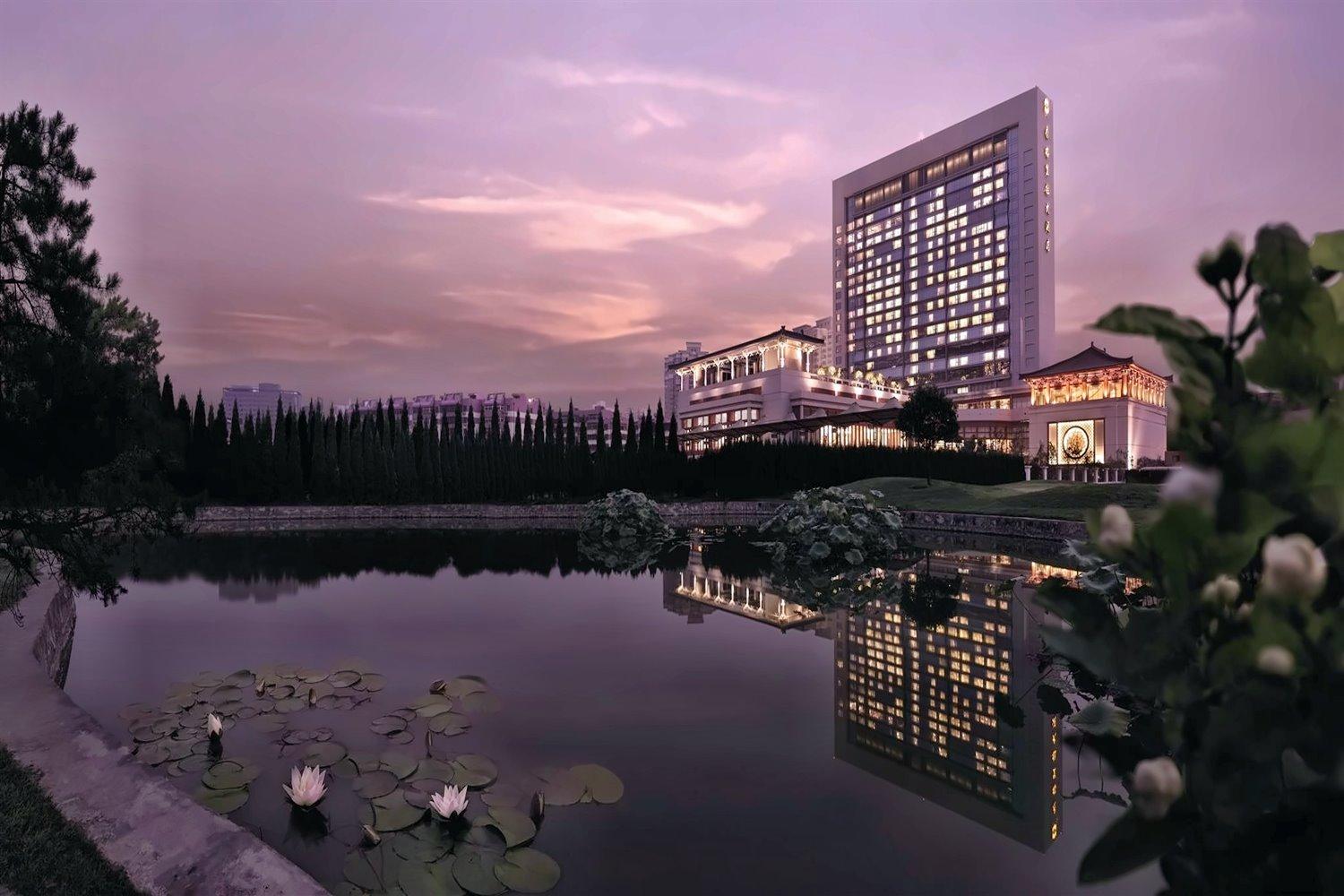
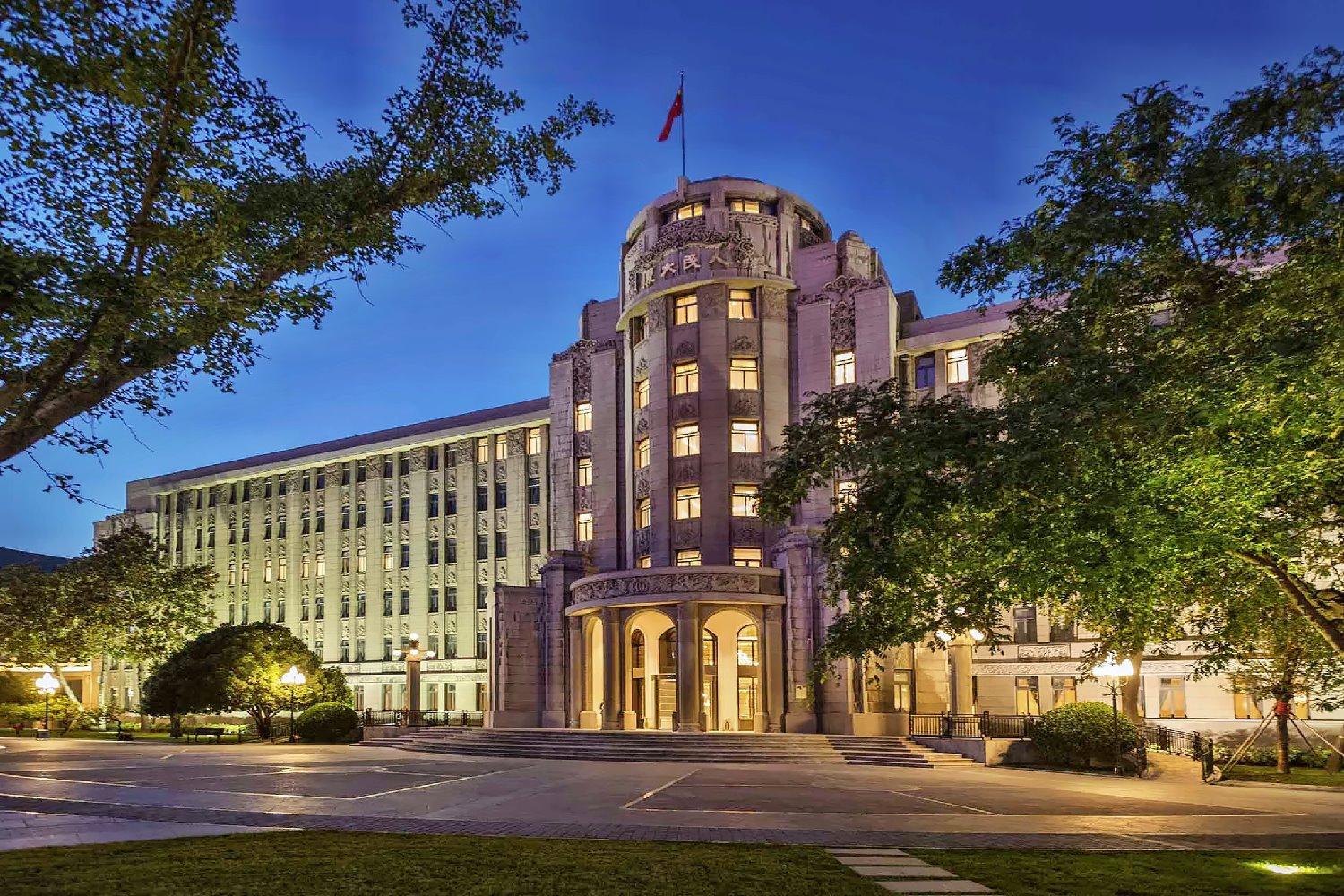
This guide treats city icons and destination retreats as different tools. Aman at Summer Palace can turn Beijing heritage into an immersive stay. The Peninsula Shanghai and Capella Shanghai Jian Ye Li frame the city differently. Four Seasons Hong Kong and Rosewood Hong Kong favour harbour access. Amanfayun in Hangzhou, Amandayan in Lijiang and Banyan Tree Ringha require deliberate routing. The best itinerary is selective, documented and technically prepared.
Map the country before choosing a hotel
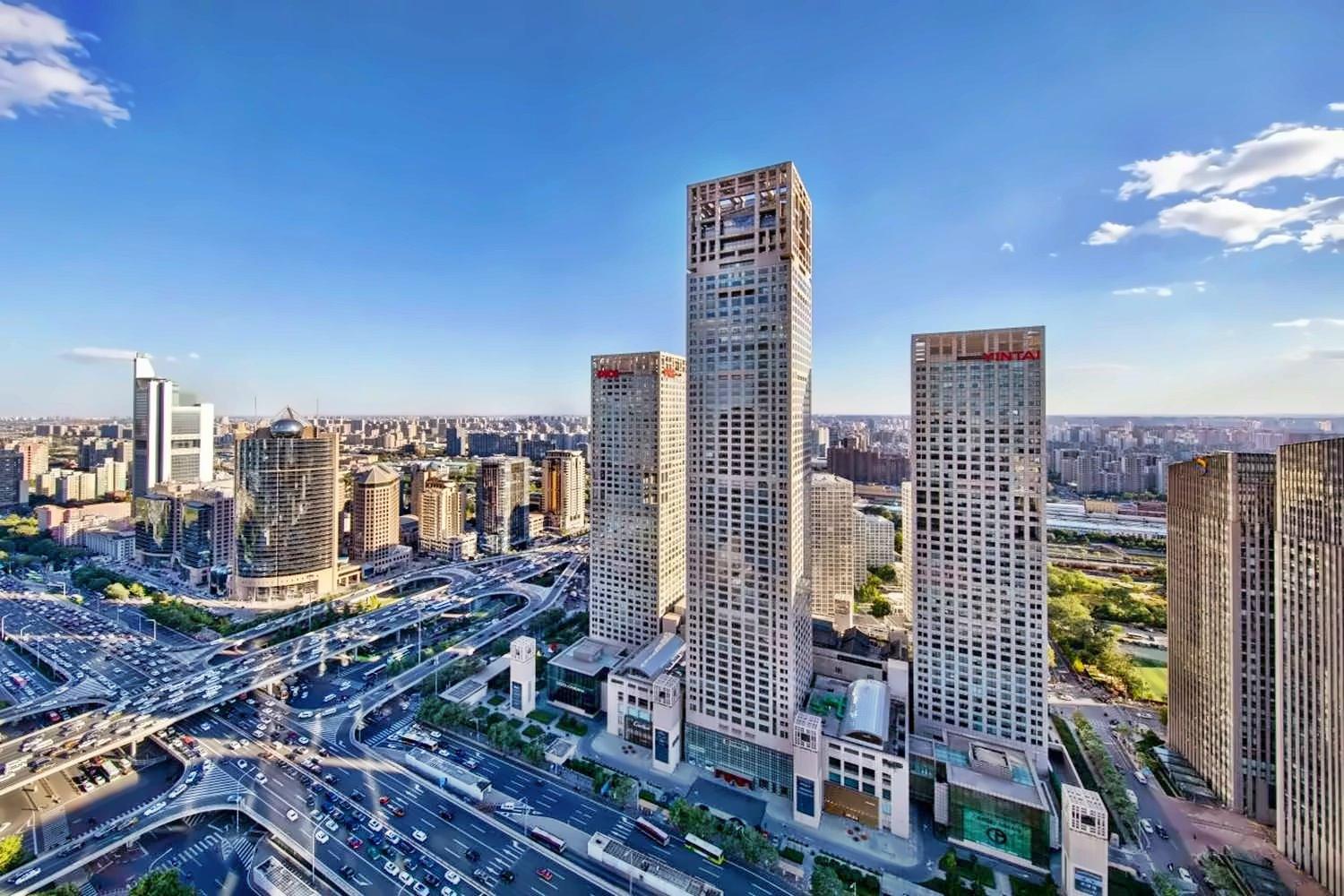
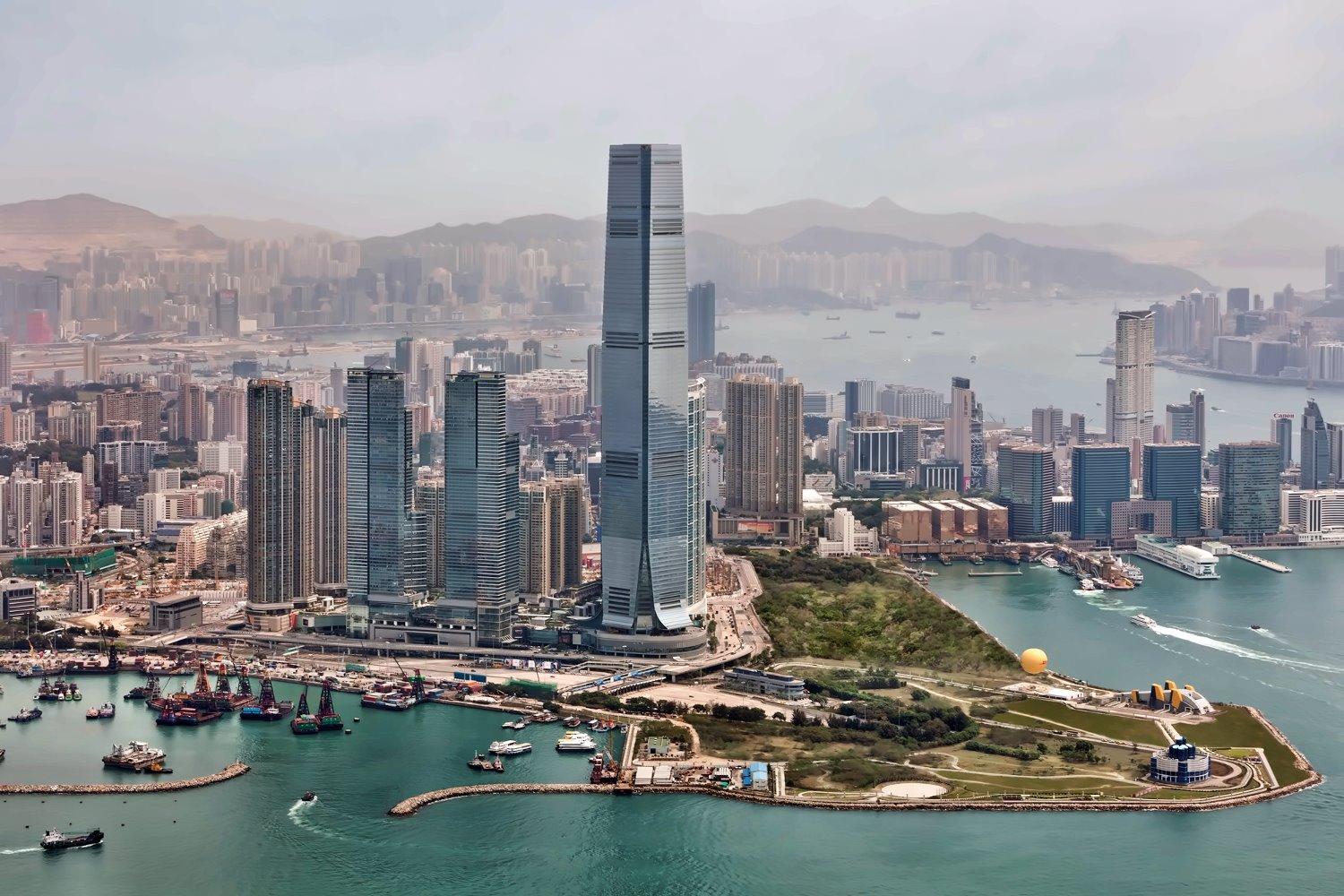
Beijing anchors imperial history and national institutions. Shanghai combines Bund heritage, contemporary commerce and strong rail links. Hong Kong and Macao operate as distinct gateway environments. Hangzhou offers West Lake and a slower landscape close to Shanghai. Xi’an supports the Terracotta Army, Chengdu Sichuan culture and panda research. While Lijiang and Shangri-La introduce Yunnan heritage,
mountain roads and altitude. Xiamen provides a southern coastal pause. Translate the map into a shortlist with one clear role per hotel: gateway, cultural base, recovery stay or remote retreat. Compare travel time door to door, not straight-line distance. And test whether the next transfer still works after a delayed arrival.
A prestigious property that forces repeated backtracking is weaker than a less famous hotel in the correct cluster. Before payment, write a one-page route showing nights, airports or stations, transfer ownership and the experience each stop protects.
International arrival and movement within the country
International access is strongest through Beijing, Shanghai and Hong Kong. High-speed rail is excellent on selected corridors such as Beijing–Shanghai and Shanghai–Hangzhou. But stations are large and passport checks require margin. Domestic flights remain useful for Yunnan, Chengdu and long cross-country legs. Confirm current entry, transit and registration rules from official sources.
Pre-arrange airport or station transfers in Chinese and keep hotel names and addresses offline. Build arrival day with enough slack for immigration, baggage, traffic and an unfamiliar payment or communications environment. Ask the hotel to state the meeting point, emergency number, vehicle size, journey time and waiting policy. For internal moves. Compare air, rail,
ferry and private road transfer on total time and failure points. Keep the final night near a reliable gateway whenever the preceding leg is weather-sensitive, remote or dependent on a limited schedule.
Season, weather and demand
China’s climate varies sharply. Beijing has cold, dry winters and hot summers. Shanghai and Hangzhou are humid with a summer rain season. Hong Kong and Xiamen face heat, typhoon exposure and subtropical humidity. Yunnan changes with elevation. Spring and autumn are popular but not universally ideal. Lunar New Year and the early-October National Day holiday can transform transport and availability.
So verify dates rather than relying on a generic shoulder-season rule. Season should be evaluated locally rather than through one national average. Record temperature, rainfall, wind, daylight, sea conditions and the events that matter to the planned region. Then match room features to those conditions: shade and ventilation in heat, reliable heating at altitude,
sheltered outdoor space in wind. Flexible cancellation has greater value during transition periods. In peak weeks, secure the scarce room or transport component first and avoid non-refundable secondary arrangements until the route is stable.
Build a coherent route
For a first journey, Beijing, Xi’an and Shanghai create a coherent heritage-to-modernity line. Hong Kong may be a separate entry or finale. Hangzhou adds easily to Shanghai if enough time remains. Chengdu deserves more than a panda stop. And Yunnan should not be compressed into Lijiang plus Shangri-La without acclimatisation and road margins.
Two well-connected regions generally deliver more than four distant highlights joined by airports. Limit the number of bases and protect at least one unscheduled half-day after a demanding move. A multi-centre itinerary succeeds when each stop changes the experience enough to justify packing and transit. Place the most important cultural reservation after a normal night,
not directly after arrival. And avoid two early departures in succession. If a route depends on perfect traffic, weather and punctuality, simplify it before choosing a more expensive hotel.
Room and resort strategy
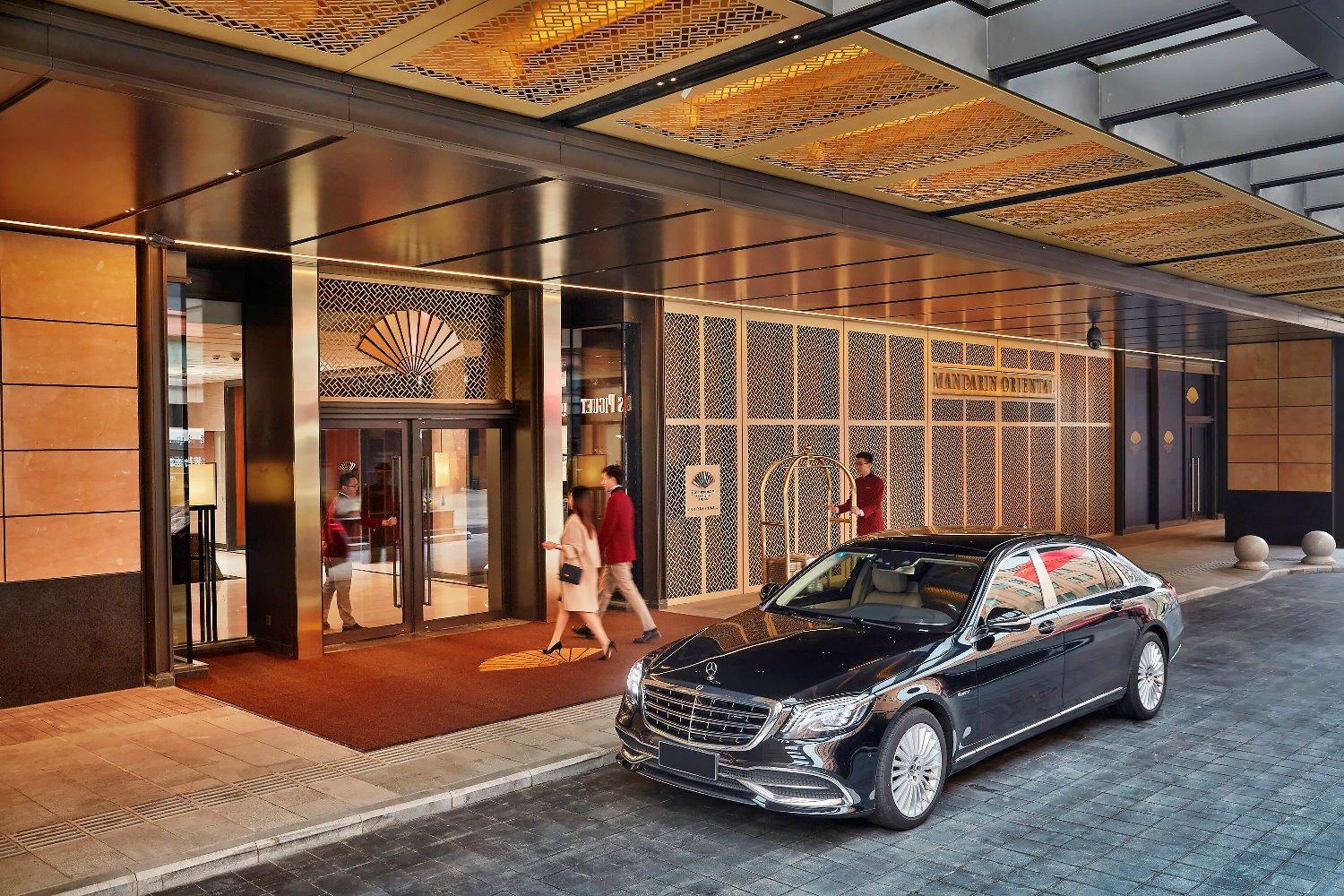
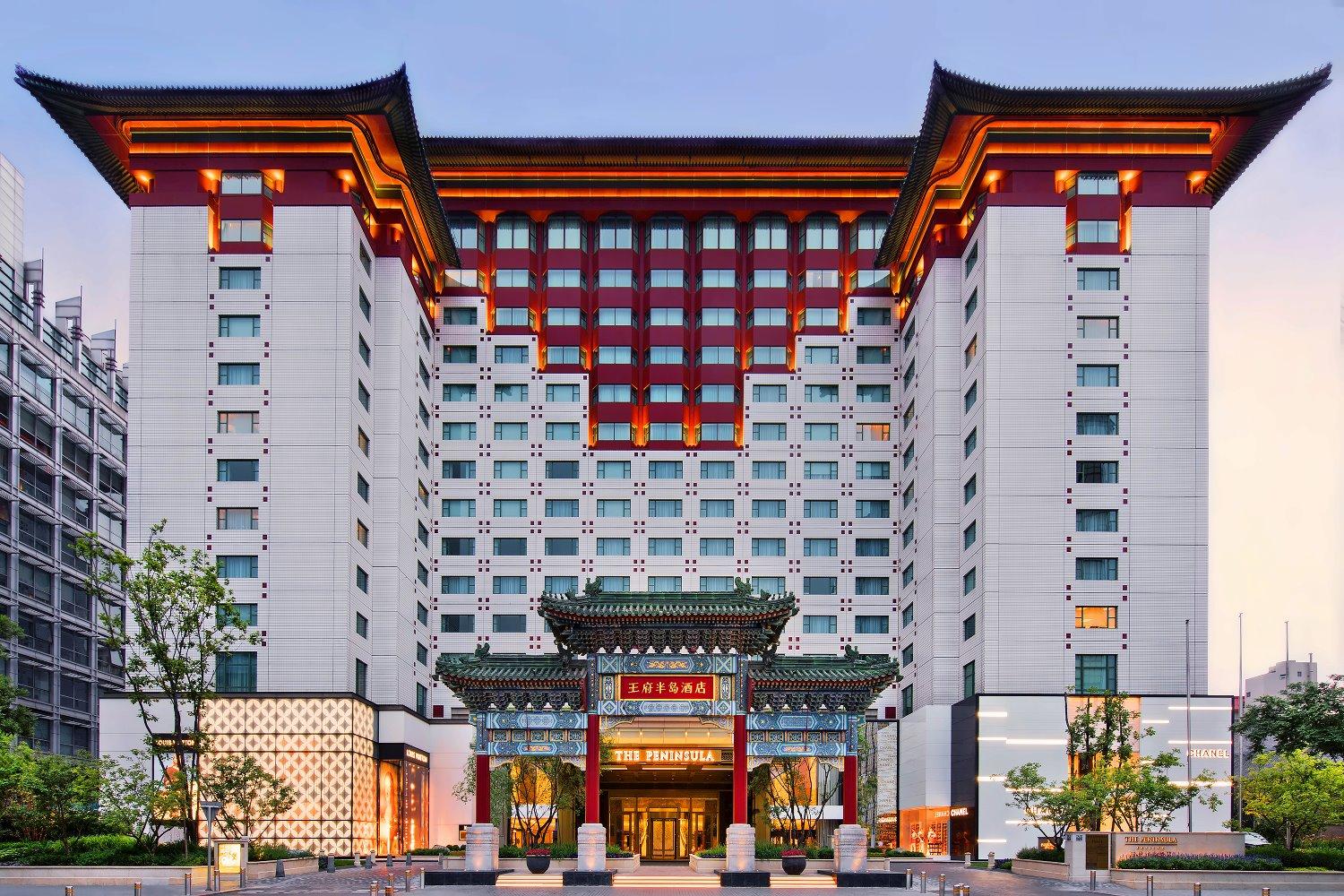
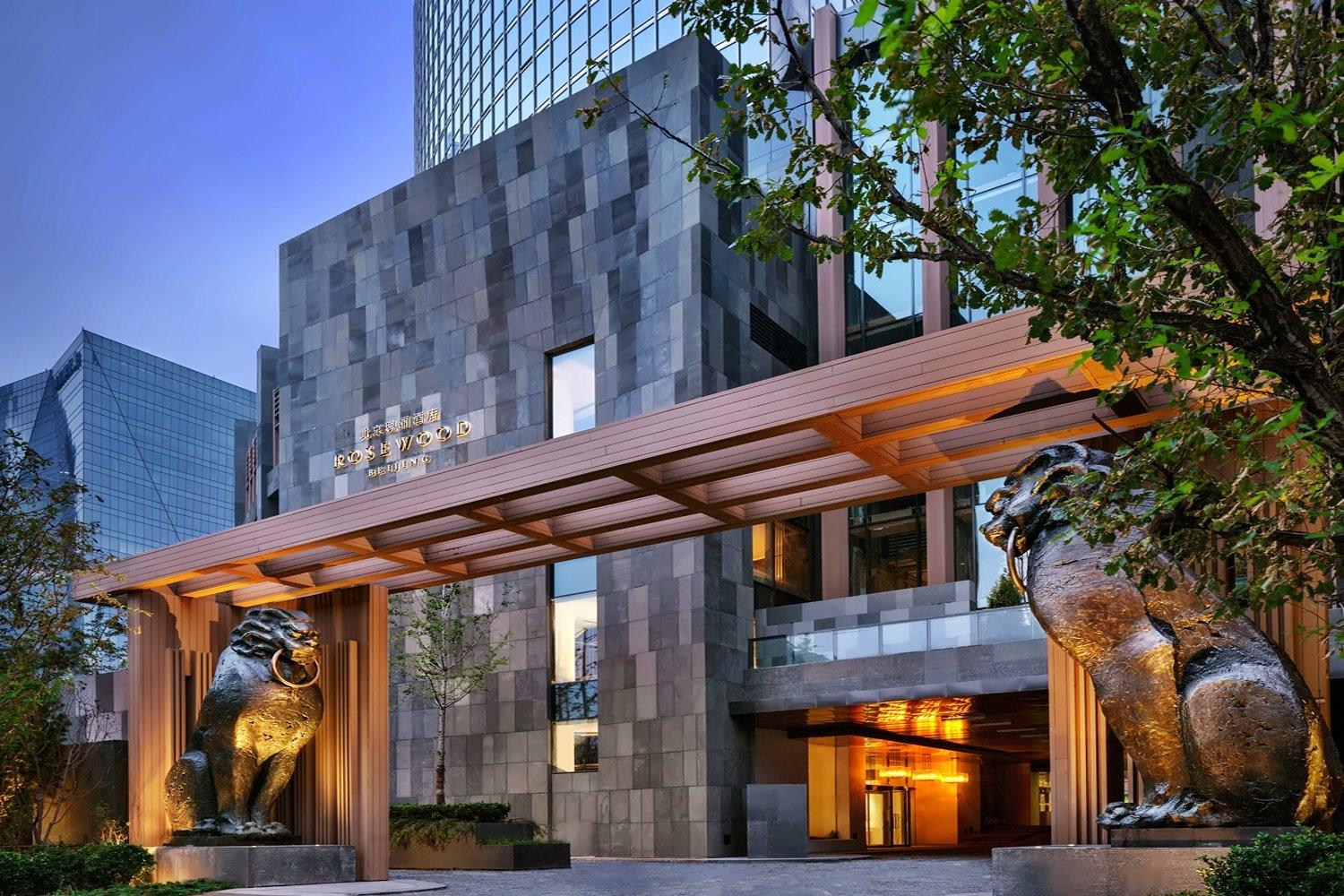
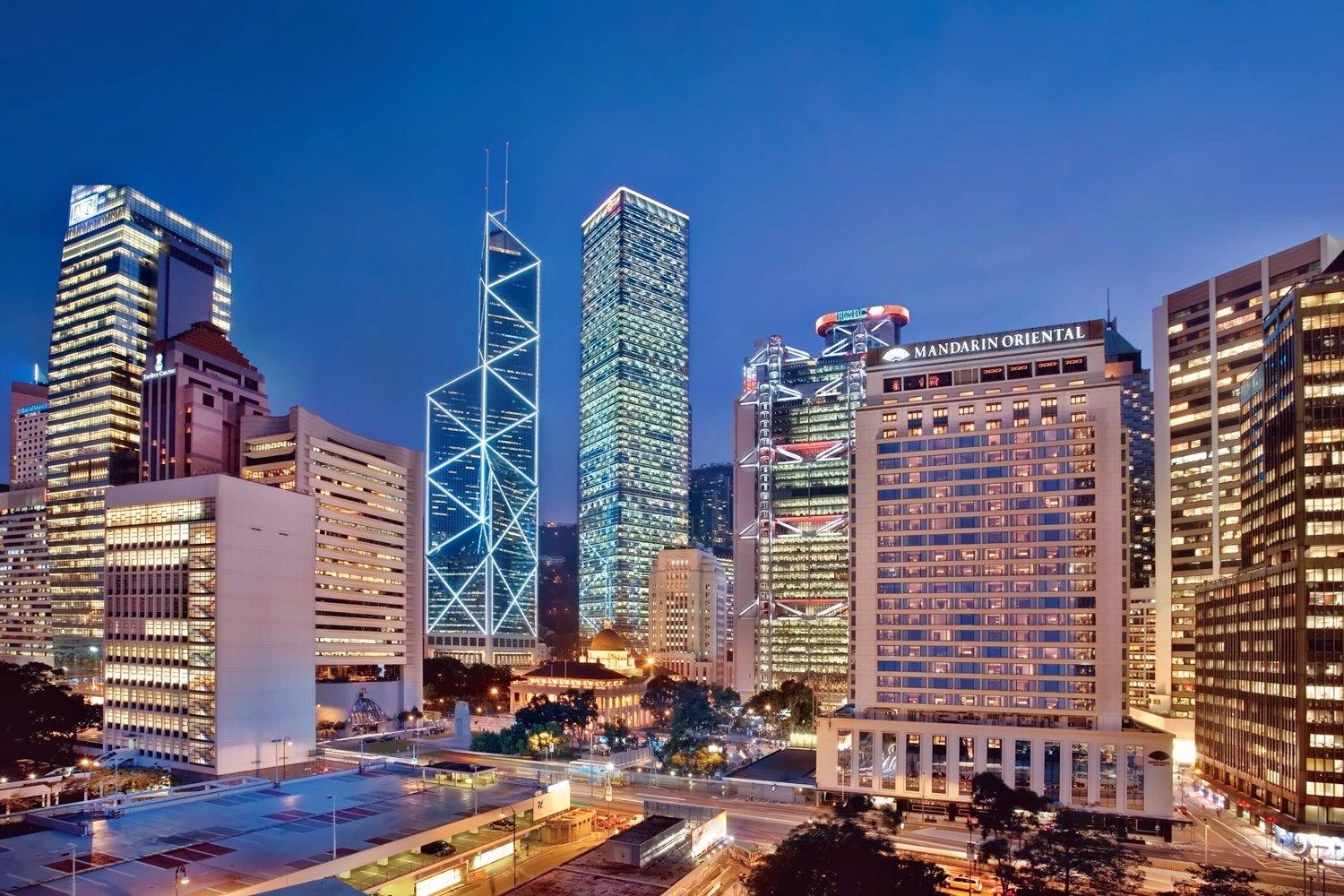
In Beijing and Shanghai, specify district, view, room orientation and distance to lifts. city size makes location a daily operational choice. At The Peninsula Beijing, Rosewood Beijing or Mandarin Oriental Beijing. Compare access to planned sights rather than brand alone. In Hong Kong, harbour view, height and side of the building change the experience. At Amanfayun,
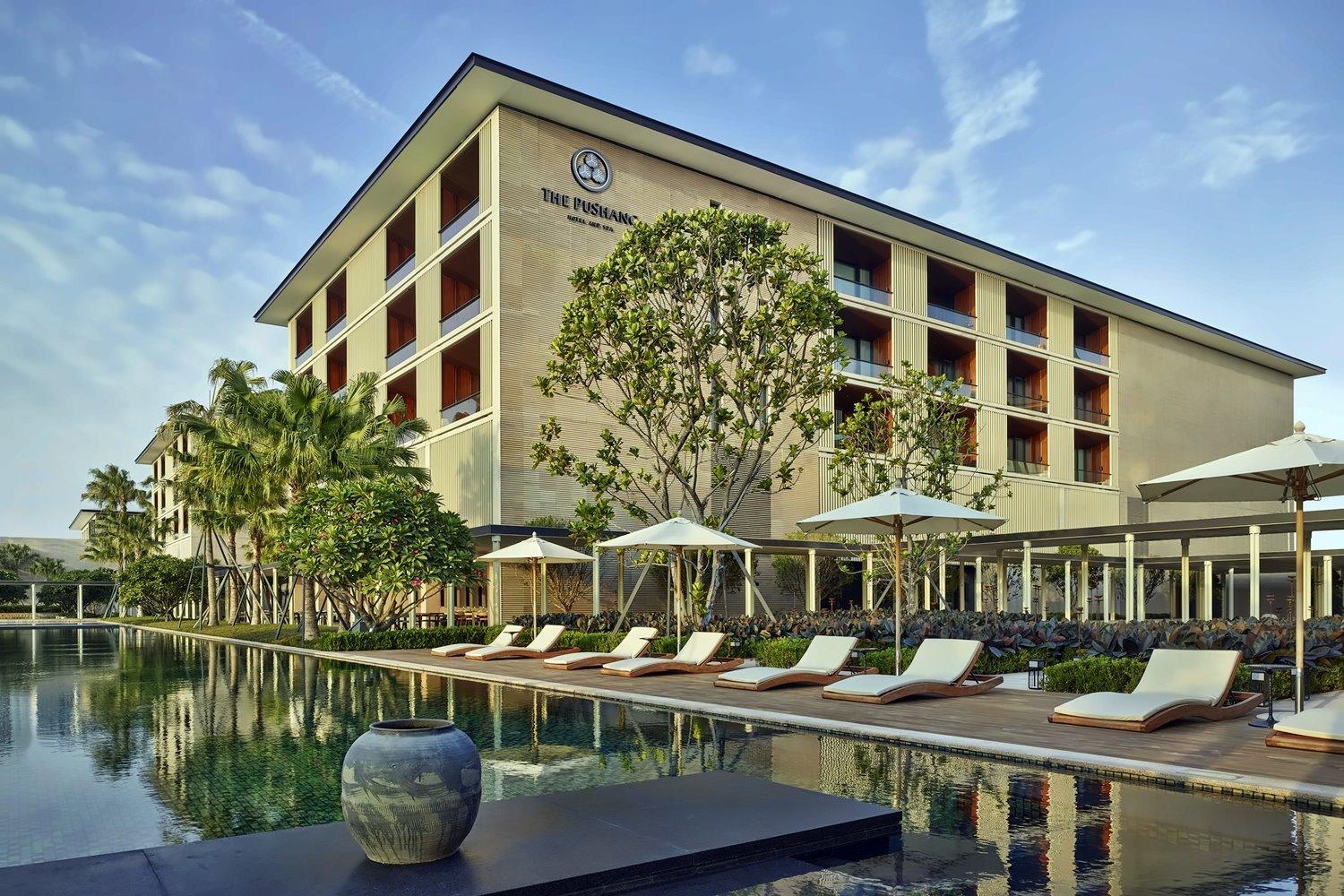
Amandayan or Banyan Tree Ringha, heating, steps, altitude support and transfer conditions matter more than square metres. Request the hotel’s own category description and floor plan where layout matters. Confirm bedding, maximum occupancy, connecting configuration, bathroom privacy, accessibility, view obstructions and renovation or construction exposure. At resorts. Ask how long it takes to reach the beach,
restaurants, children’s facilities and spa without relying on marketing terms such as “steps away”. Families should confirm supervision rules and pool safety. couples should check event noise and shared-space privacy.
Virtuoso booking logic and proof
Virtuoso benefits depend on the booked property, qualifying rate and confirmed dates. Obtain written details for breakfast, credit, upgrade priority, arrival, departure and exclusions. A credit at Four Seasons Hong Kong may support dining. While an early room after a long-haul arrival at Park Hyatt Shanghai may carry more practical value.
Ask how the hotel records preferences in local systems and retain bilingual confirmation for transfers and special arrangements. Compare the qualifying Virtuoso rate with the best flexible public rate on the same room, meal basis, tax treatment and cancellation deadline. Benefits are valuable only when usable: establish where breakfast is served, what the credit excludes.
Whether an upgrade is at arrival and how late checkout is prioritised. Have the advisor or hotel record every essential request. But distinguish a request from a guarantee. Recheck the confirmation after any date, room or guest-name change.
Food, culture and the daily rhythm
Food is central to regional understanding. Beijing brings imperial and northern traditions. Shanghai and the lower Yangtze favour nuanced, often sweeter profiles. Chengdu opens Sichuan cuisine beyond heat alone. Xi’an reflects wheat, lamb and Silk Road histories. Yunnan contributes mushrooms, herbs and diverse ethnic traditions. Hong Kong and Macao have distinct Cantonese and colonial layers.
Use specialist guides and hotel concierges to translate context, dietary needs and reservation systems. A high-quality schedule alternates major visits with meals and neighbourhood time instead of treating culture as a checklist. Reserve capacity-constrained museums, monuments, guides and restaurants. While leaving ordinary meals open to local advice. Discuss allergies and dietary restrictions in the local language before arrival.
Hotel dining can be strategically useful after a transfer or before an early departure. But it should complement rather than replace the destination’s independent kitchens, markets and producers.
Responsible and resilient planning
Resilient planning includes current payment options, connectivity, translation and offline copies of every essential document. Digital services familiar elsewhere may not operate in the same way. So prepare approved local alternatives before arrival. In Yunnan, respect altitude and local communities. at heritage sites, avoid peak bottlenecks and follow conservation rules. Keep medication documentation, insurance, emergency contacts and one flexible block after any critical domestic connection.
Create a compact travel file with passports, insurance, medical details, confirmations, local emergency numbers and offline addresses. Review official advice shortly before departure because entry rules, strikes, weather alerts and transport schedules can change. Use licensed operators, respect water and energy constraints and avoid activities that damage wildlife, heritage or residential communities. The final test is simple: one delayed flight, closed road or cancelled boat should inconvenience the trip, not dismantle it.
Planning tips for Virtuoso hotels in China
- Choose the China route before the hotel: record every airport, station, port and realistic door-to-door transfer.
- Request the exact room location, bedding, view limitations, access conditions and connecting configuration in writing.
- Compare the qualifying Virtuoso rate with the equivalent flexible public rate, including taxes, meals and cancellation terms.
- Protect the final international departure with a buffer whenever the previous leg depends on weather or limited transport.
- Keep official entry guidance, insurance, local contacts and all essential addresses available offline.
Frequently asked questions about Virtuoso hotels in China
How many Virtuoso hotels are represented
40 hotels across 10 destinations are represented in the local collection. The number is a starting point, not a ranking: compare the relevant regional cluster, exact room and qualifying rate.
How should a first China itinerary be structured
Select one primary gateway and no more regions than the available nights can support. Allow several nights per base, protect the arrival day and remove any stop that exists only to add another hotel name.
Are Virtuoso benefits guaranteed
Only benefits attached to a qualifying booking apply. And upgrades, early arrival or late departure are commonly subject to availability. Obtain written confirmation for the exact hotel, room, dates and guests.
Should I book the hotel or transport first
Secure the scarcest component first. Then hold compatible flexible arrangements. On islands, remote routes or peak dates, a flight, ferry, train or transfer may determine which hotel is operationally sensible.
What room details matter most
Confirm location, orientation, noise, bedding, bathroom privacy, steps or lift access, connecting configuration and the real route to core facilities. A category name alone rarely answers these questions.
When is the best time to travel
There is no single national answer. Match the chosen regions to temperature, rainfall, wind, demand and seasonal openings. Then decide whether flexibility or peak-period certainty matters more.
How can the trip remain responsible
Use licensed local providers, respect water and heritage constraints, avoid exploitative wildlife activities and spend beyond the hotel through qualified guides, producers and independent restaurants.
What should be reconfirmed before departure
Recheck official entry rules, names and dates, cancellation deadlines, transfers, room requests, benefits, insurance, weather alerts and the emergency contact for every critical movement.
Combine your hotel stay with a privately designed journey through China, with hotels, transfers and experiences planned as one seamless itinerary.