
Virtuoso Hotels
Virtuoso Hotels in Hong Kong, China
10
10
Hotels
Virtuoso hotels in Hong Kong: harbour views, districts and the right side of the water
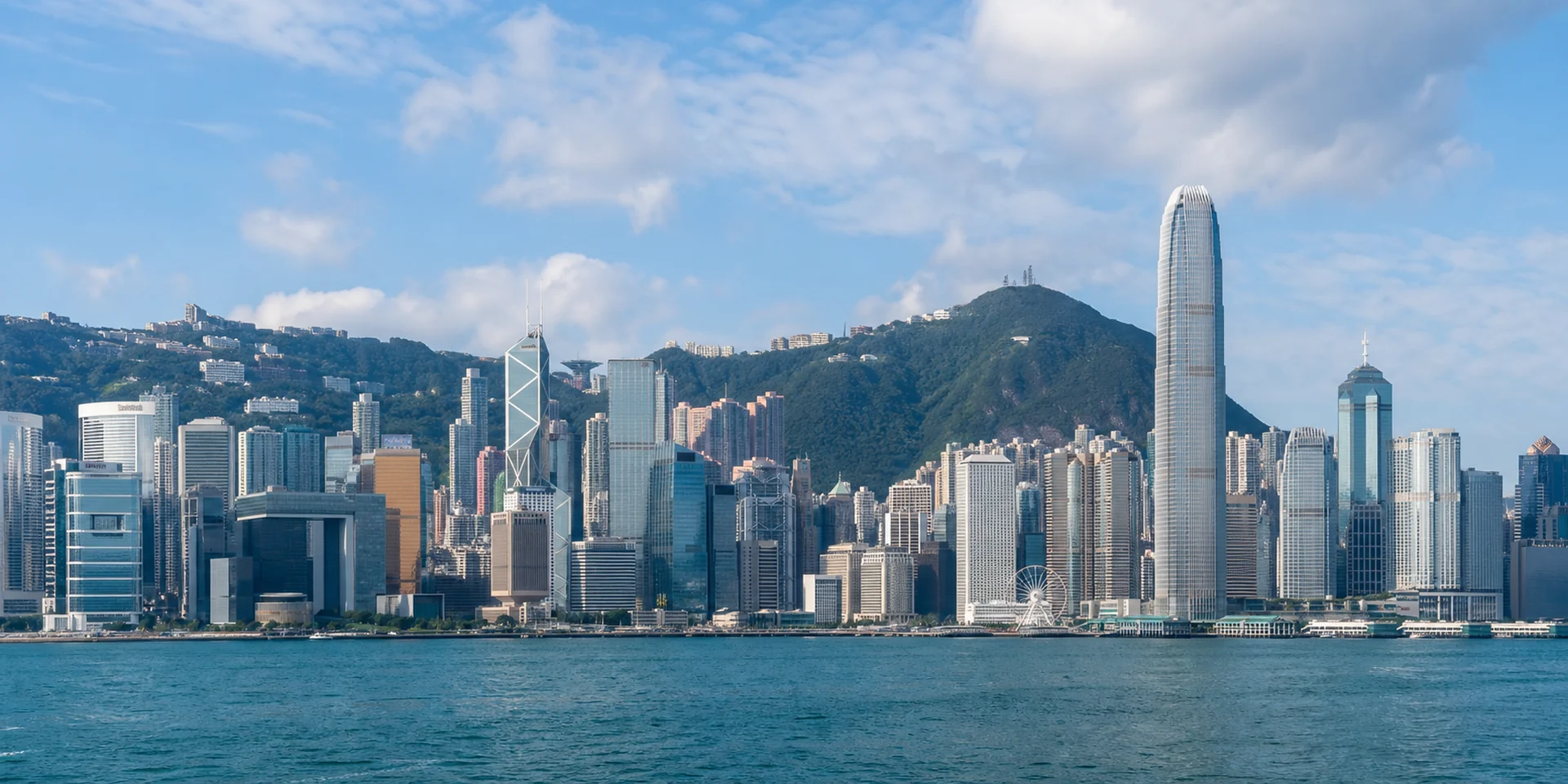
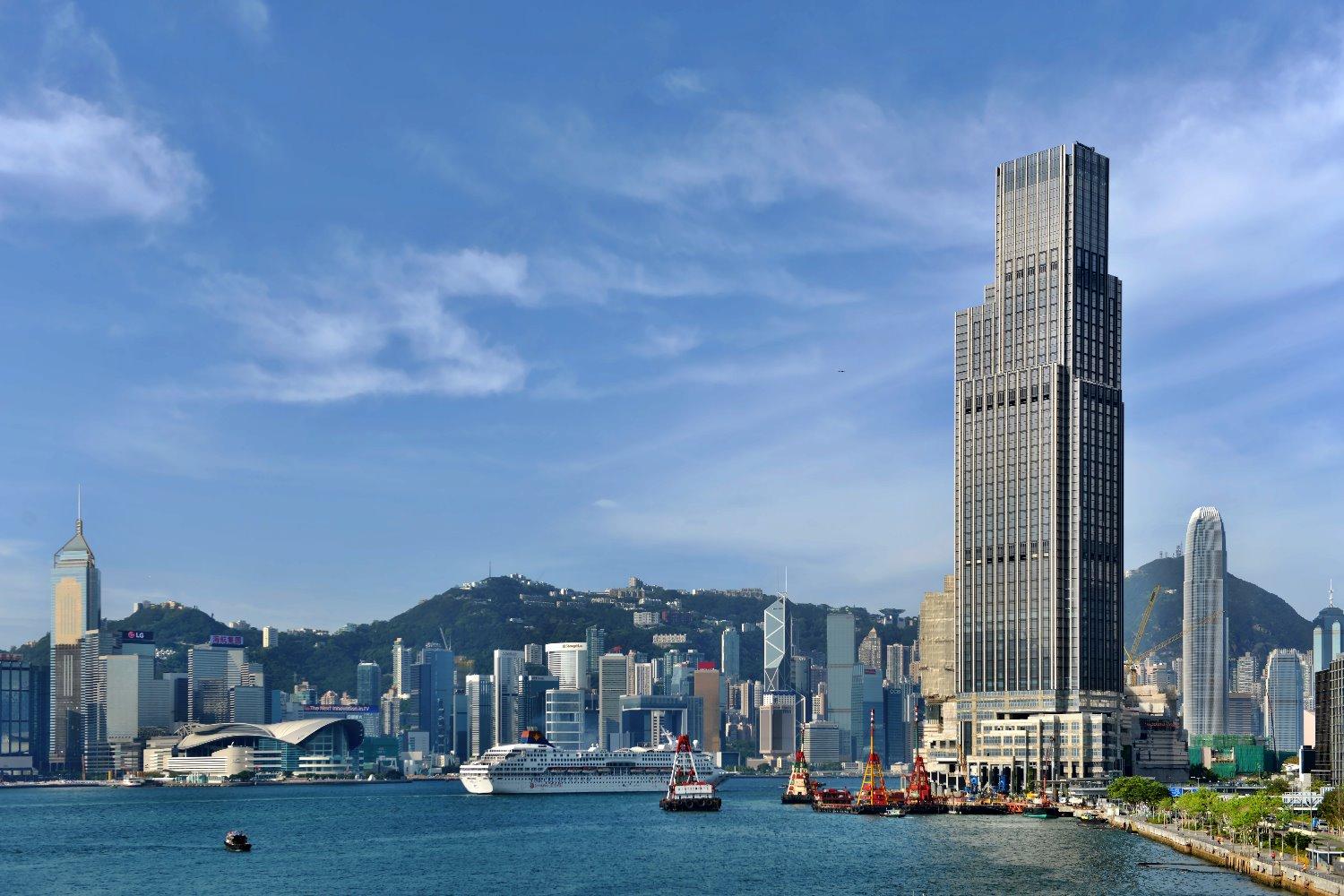
Hong Kong is defined by the relationship between Victoria Harbour, dense urban districts and green mountains. A room in Central gives a different rhythm from a framed harbour view in Tsim Sha Tsui. A high-altitude stay in West Kowloon or a quieter base in Admiralty. The first decision is not the hotel brand but which side of the water supports business, museums, restaurants, ferries and time beyond the skyline.
The current Virtuoso selection contains 10 hotels with some of Asia’s strongest dining rooms, service rituals and city views. This guide compares districts, outlooks and practical movement. Then adds culture, islands, hikes and seasonality without turning the stay into a checklist. Deluxetargets confirms the eligible Virtuoso rate, breakfast, 100 USD hotel credit or experience, upgrade priority and VIP recognition for the selected hotel and dates.
Choose Hong Kong by travel style
Decide first whether you want to look across the harbour at the skyline or live inside it. The answer affects views, ferry use and the natural route of every day.
Central
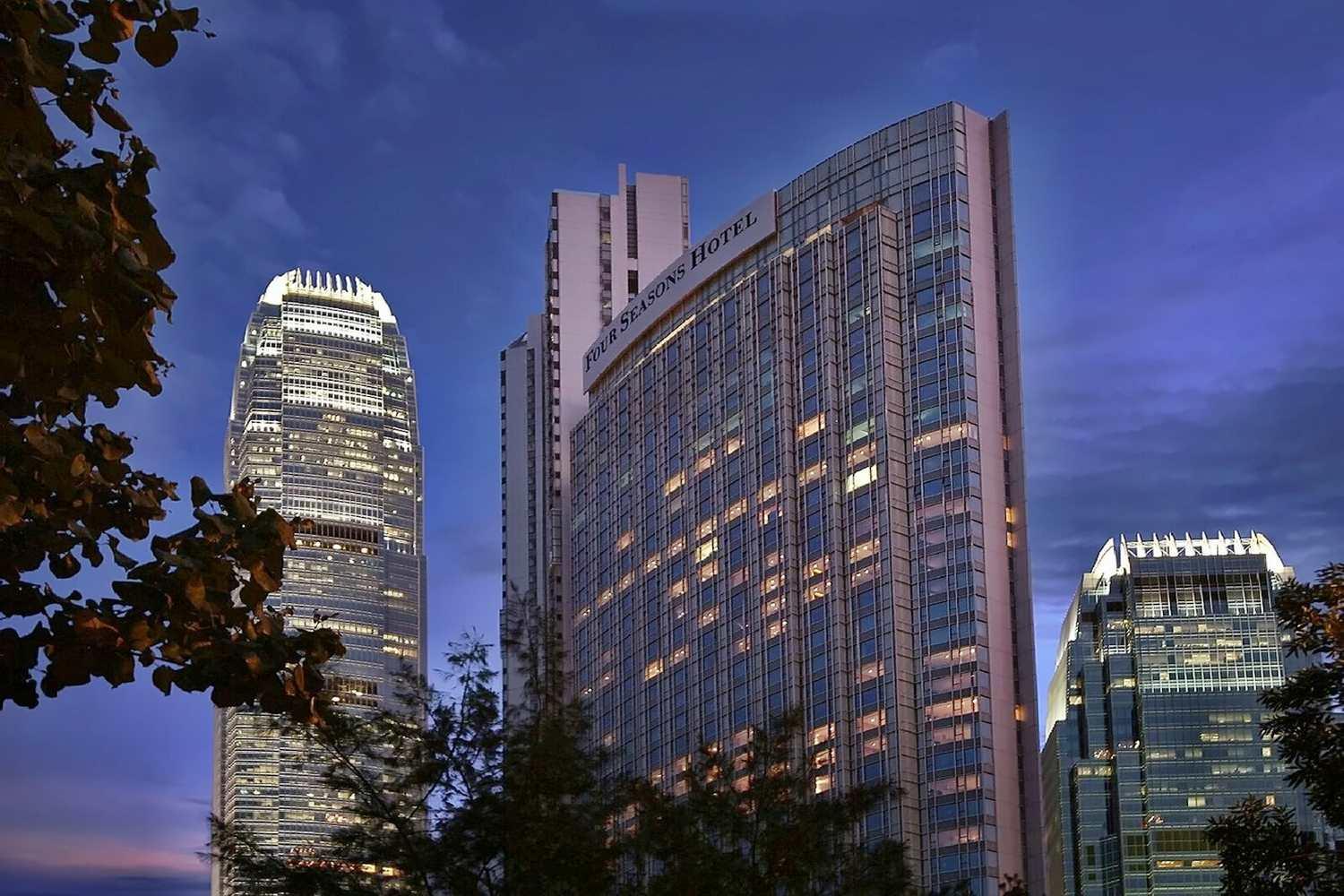
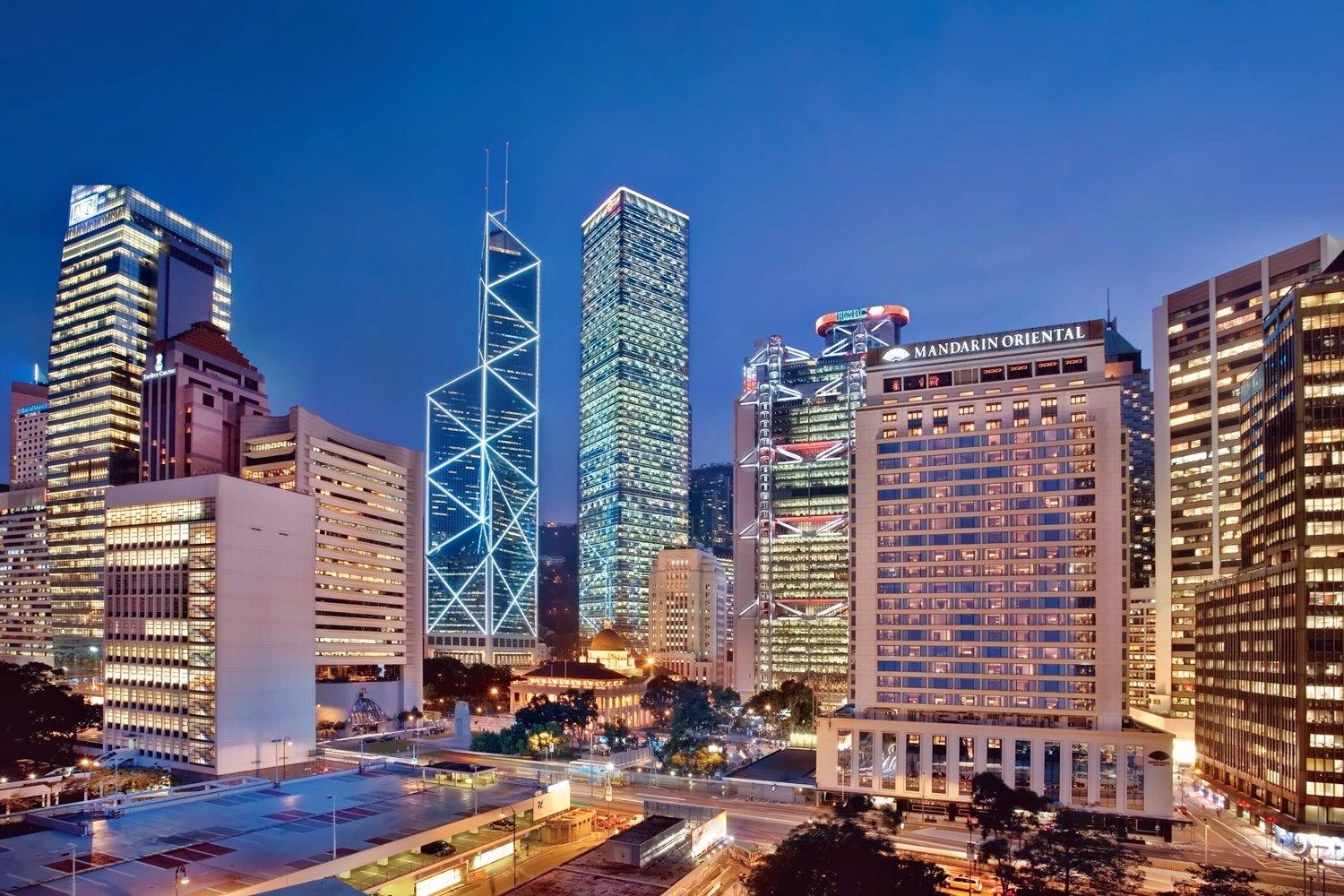
Four Seasons, Landmark Mandarin Oriental and Mandarin Oriental put IFC, Landmark, offices, restaurants and ferries close together. Central is efficient, vertical and intense, with excellent weather-protected connections.
Admiralty and Wan Chai
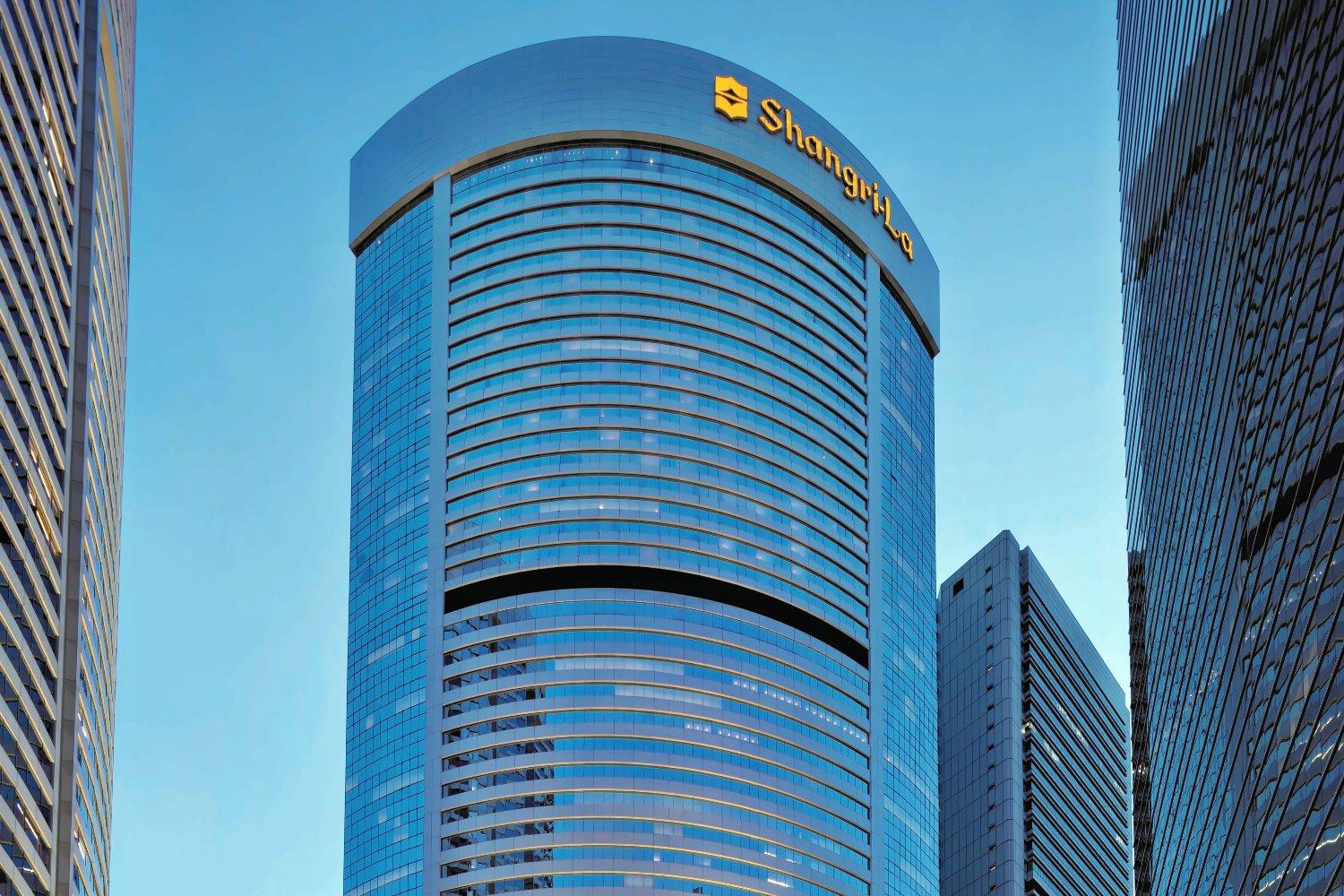
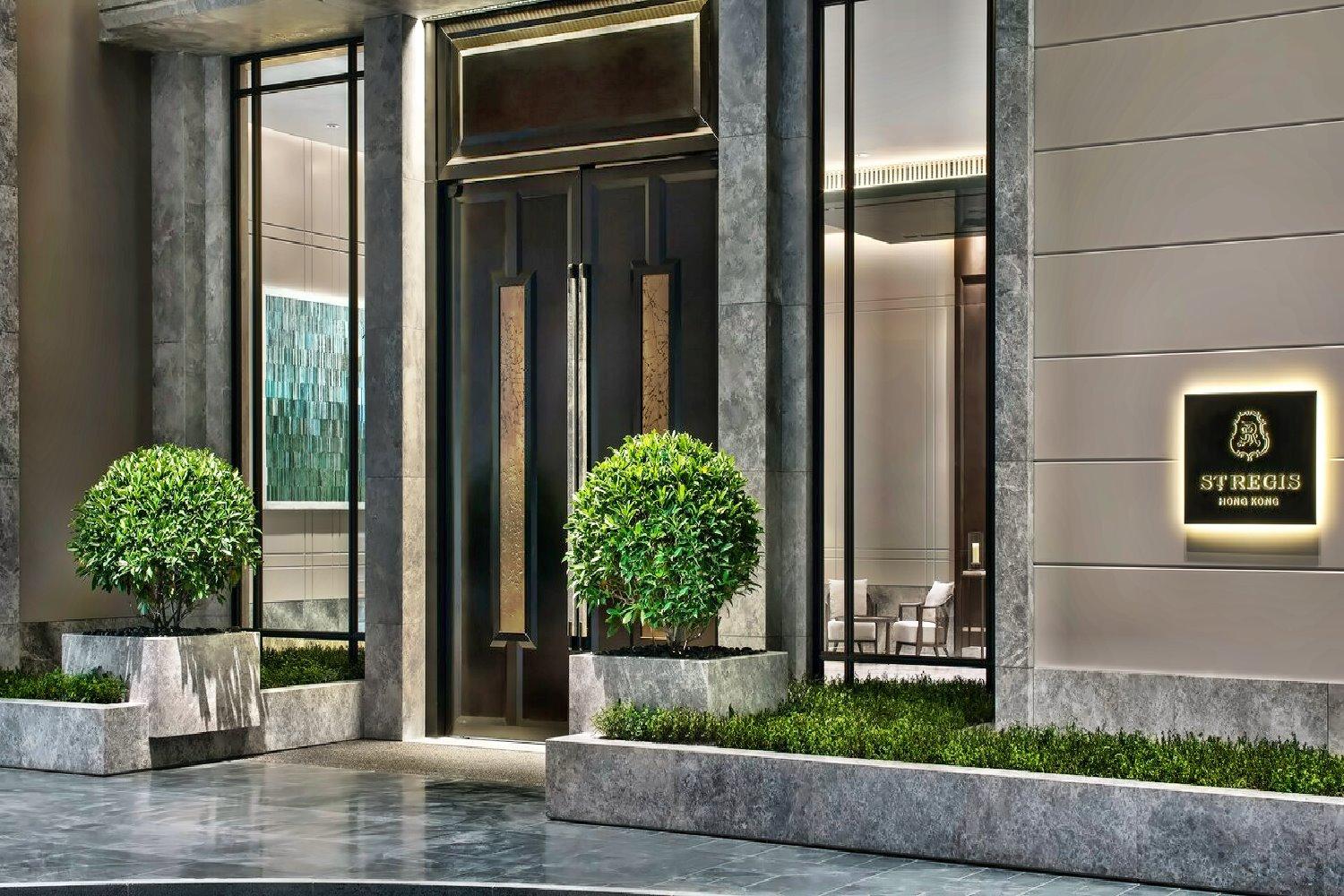
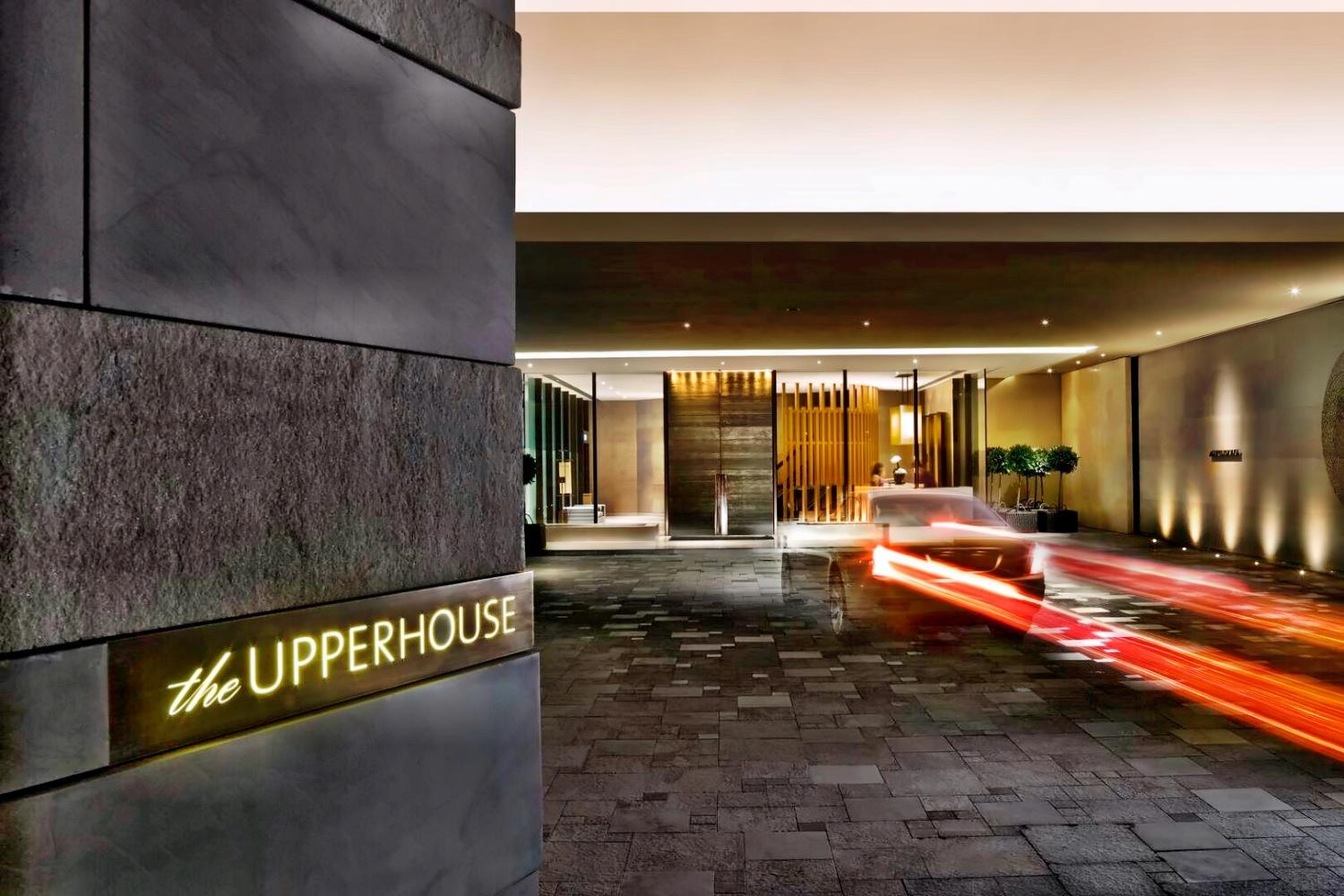
Island Shangri-La and The Upper House connect directly with Pacific Place. St. Regis serves Wan Chai and the convention area. These districts balance Central access with slightly more separation from its busiest streets.
Tsim Sha Tsui
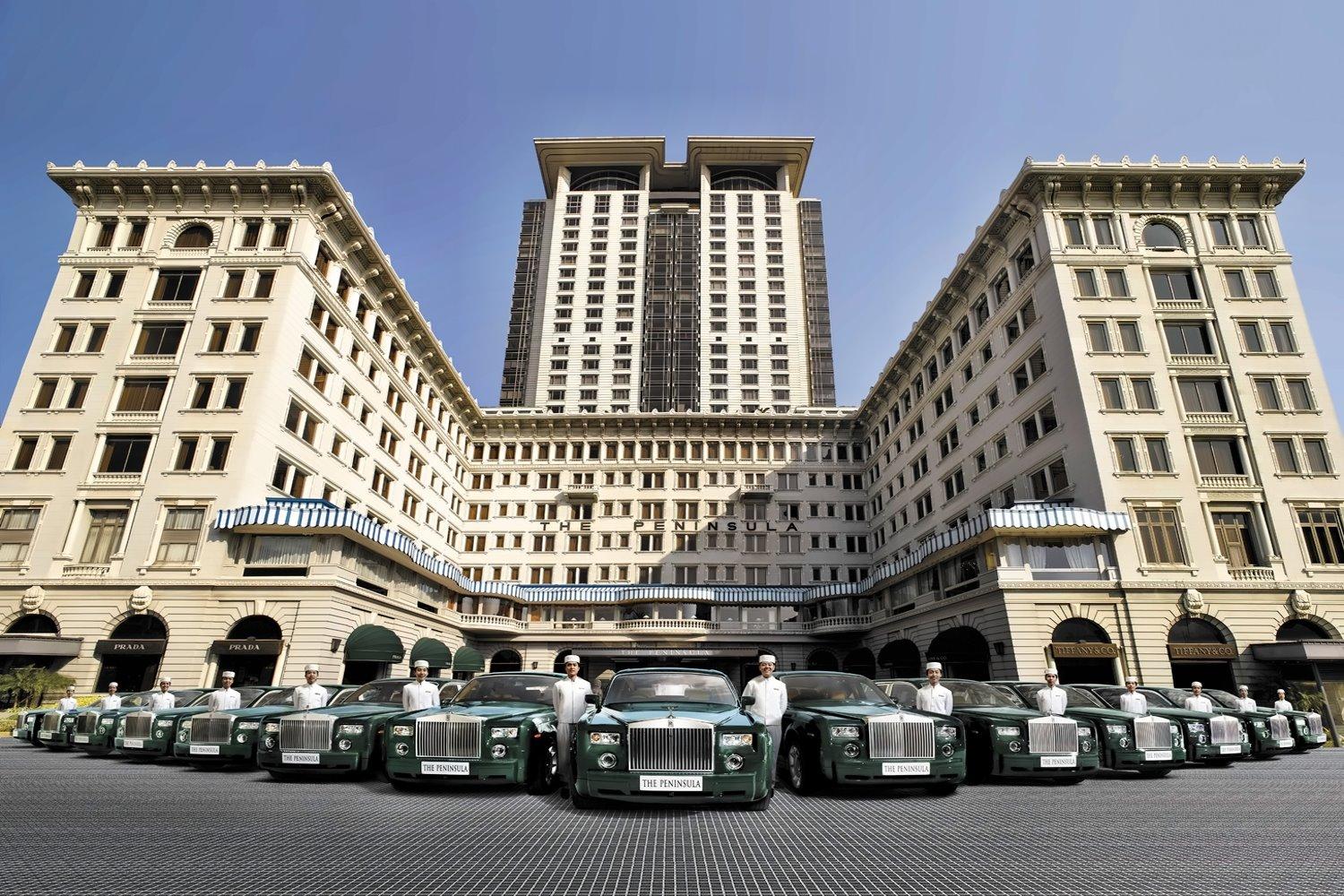
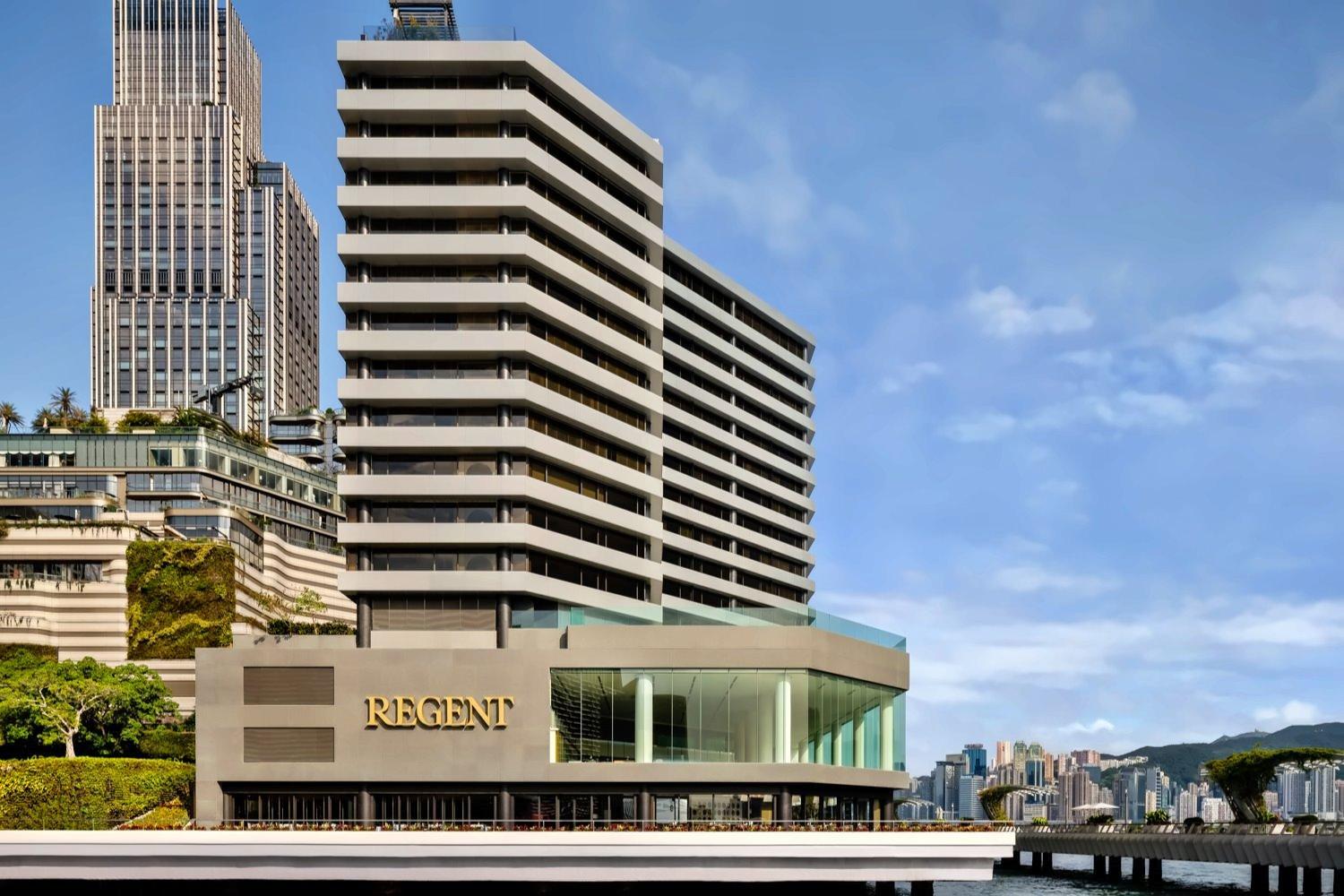
Peninsula, Regent and Rosewood face Hong Kong Island from Kowloon. They offer the most theatrical skyline perspective and easy access to the Star Ferry, museums and waterfront promenade.
West Kowloon
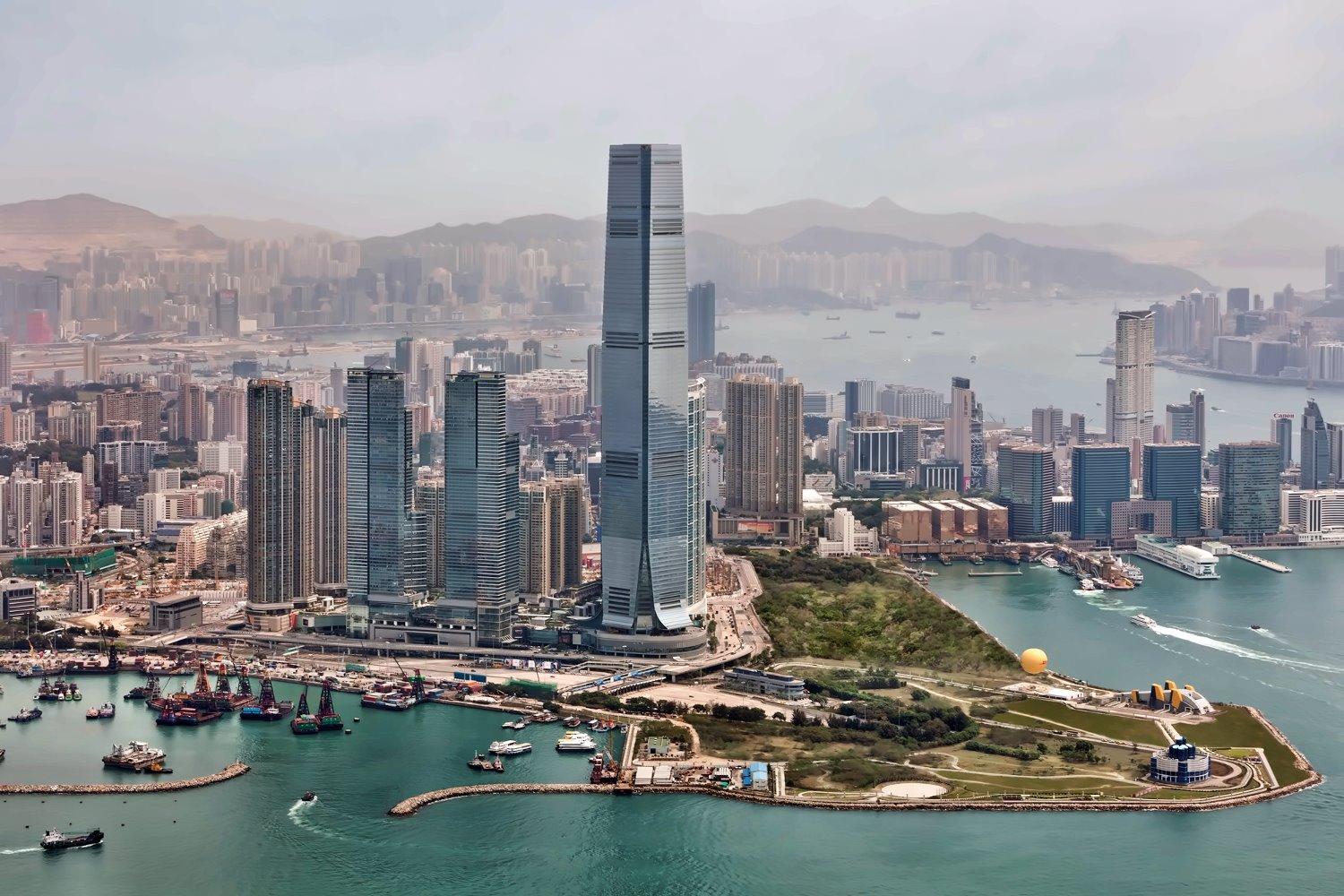
Ritz-Carlton occupies the upper floors of the ICC above Kowloon Station. It suits airport access, extreme-altitude views and the West Kowloon Cultural District. But feels different from walking out into historic Tsim Sha Tsui.
The principal luxury-hotel districts
Central – IFC, Landmark and the historic core
Four Seasons connects to IFC and the Airport Express environment, Landmark Mandarin Oriental sits within The Landmark. And Mandarin Oriental faces the harbour from a historic Central position. Covered walkways help in heat and rain. Soho, Tai Kwun, Central Market and ferries are accessible. But steep streets toward the Mid-Levels change walking effort.
Admiralty and Wan Chai
Island Shangri-La and The Upper House use the Pacific Place complex for shopping, dining and MTR access. St. Regis lies in Wan Chai closer to the convention centre and changing waterfront. Admiralty suits Central appointments and quick cross-harbour journeys. Wan Chai offers stronger street-level character and local dining.
Tsim Sha Tsui and Victoria Dockside
Peninsula represents historic Kowloon hospitality beside the Star Ferry. Regent and Rosewood occupy direct waterfront positions with framed or elevated Hong Kong Island views. The promenade, K11 MUSEA, Museum of Art and cultural venues remain close. Room orientation is decisive because city-facing and harbour-facing categories produce completely different stays.
West Kowloon
Ritz-Carlton rises above Kowloon Station with Airport Express access and views from the ICC. The West Kowloon Cultural District, M+ and Hong Kong Palace Museum are nearby. But the walkable street atmosphere differs from Tsim Sha Tsui. Use MTR or taxis for Central and traditional Kowloon neighbourhoods.
How the 10 Virtuoso hotels differ
The best hotel is determined by perspective, service style and the route through the city rather than a universal ranking.
History and established rituals
Mandarin Oriental and Peninsula make afternoon tea, bars, restaurants and long service traditions part of the stay. Choose them when the hotel’s history matters as much as the room.
Views as the main event
Four Seasons, Regent and Rosewood engage Victoria Harbour at different heights and angles. Confirm the exact category and protect clear daylight time for the view.
Design, space and connected complexes
Landmark Mandarin Oriental and The Upper House provide large rooms, strong design and covered access in Central or Admiralty. They suit repeat visitors who do not need a grand waterfront façade.
Altitude and changing weather
Ritz-Carlton, Island Shangri-La and St. Regis use height or vertical urban settings differently. Haze, rain and cloud affect views. So the complete hotel experience must remain strong when visibility changes.
Victoria Harbour in daylight
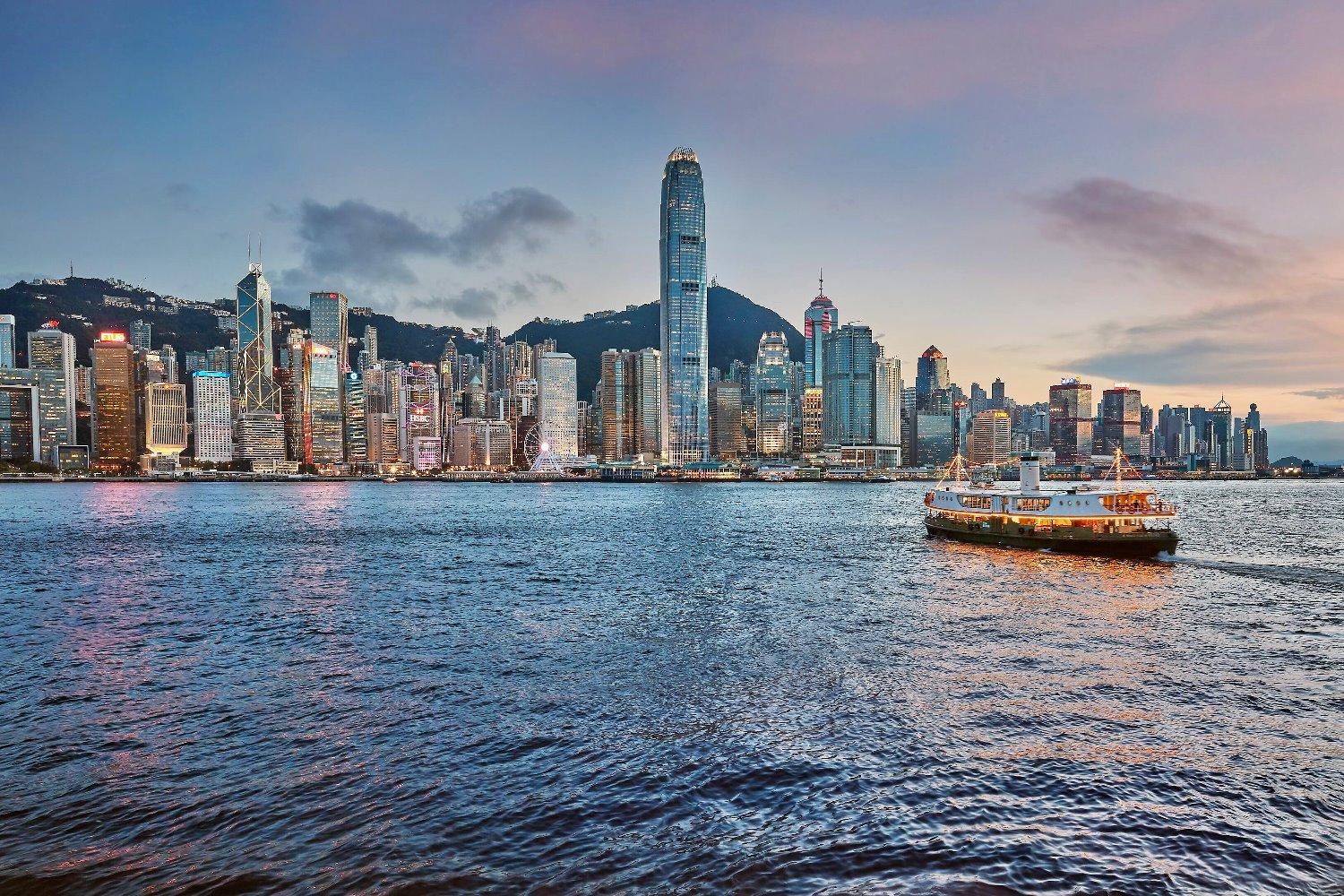
Victoria Harbour should be experienced from several levels: a hotel room, the Star Ferry, the Tsim Sha Tsui promenade and a hillside viewpoint. The Star Ferry is not merely transport. it gives scale to Central, Wan Chai and Kowloon in a short crossing. Walk the waterfront in clear morning light before heat and crowds build.
A private harbour cruise can add flexibility. But it should not replace public ferries and shore perspectives. ‘Harbour view’ can mean full frontal, partial, angled or high-altitude. confirm the room plan and floor rather than relying on one phrase.
- Cross once by Star Ferry in daylight even when MTR is faster.
- Walk the Tsim Sha Tsui promenade early for the clearest skyline reading.
- Confirm whether the room faces Central, eastern harbour or an angled water segment.
- Keep a second viewpoint for a clearer day if humidity or rain obscures arrival views.
- Use the harbour as a geographic guide instead of repeatedly crossing without purpose.
Peak, Central heritage and urban layers
Victoria Peak provides the classic high perspective. But weather determines whether the panorama is open or inside cloud. Check current visibility, travel early and allow for queues at the Peak Tram. Central is best explored as layers: colonial and civic buildings, temples, markets, contemporary art at Tai Kwun and the steep streets toward the Mid-Levels.
The Central–Mid-Levels escalator is useful but directional at different times. A guide adds context to finance, migration, architecture and food, turning a sequence of towers into a more coherent city story.
West Kowloon, museums and contemporary culture
The West Kowloon Cultural District has changed the cultural geography of Hong Kong. M+ focuses on visual culture, design, architecture and moving image. Hong Kong Palace Museum presents Chinese art and culture through major collections and exhibitions. Both require time and should not be rushed into the same morning. Across the harbour,
Hong Kong Museum of Art and heritage institutions around Tsim Sha Tsui add another chapter. Check official opening days and timed admission. Then pair one major museum with the waterfront rather than stacking multiple interiors on a clear day.
Neighbourhood food, markets and hotel dining
Hong Kong moves easily between refined Cantonese dining, dim sum, roast meats, seafood, tea houses and international kitchens. Reserve signature hotel restaurants such as Caprice, Lung King Heen, Amber, Man Wah. Lai Ching Heen, CHAAT, L’Envol or Rùn when they influence the hotel choice. Then protect room for neighbourhood food rather than eating every meal in a tower.
Central and Sheung Wan, Wan Chai, Sham Shui Po, Yau Ma Tei and Mong Kok each offer different textures. A food guide is most valuable for context and ordering, not simply for visiting the longest possible list.
Islands, trails and the green side of Hong Kong
A large part of Hong Kong is mountain, country park or coastline. Dragon’s Back offers an accessible ridge experience. While more demanding routes require heat, footwear and navigation planning. Lantau combines villages, trails, monasteries and airport geography. Lamma offers car-free paths and seafood. Sai Kung opens a different coastal landscape. Choose one outing that matches season and fitness.
Begin early, carry water and sun protection. And never treat humid subtropical hiking like a short urban stroll. A private vehicle may shorten access. But ferries and public transport are part of the landscape.
Best time to visit Hong Kong
October to December
Autumn into early winter often brings lower humidity, clear views and comfortable walking conditions. It is one of the strongest periods for harbour panoramas, hiking and outdoor dining, with correspondingly high demand.
January to April
Winter is generally mild but can feel cool and damp indoors and out. Spring humidity, fog and rain gradually increase. Views may be softer. While museums, restaurants and city exploration remain rewarding.
May to September
Summer is hot, humid and rainy, with tropical cyclone risk. Indoor links, early starts and flexible plans are essential. Follow Hong Kong Observatory warnings and never schedule exposed hikes or boat trips against official weather advice.
Hong Kong in three, four or six nights
Three nights – harbour and one district on each side
Combine Central and the Peak, Tsim Sha Tsui and one major museum. Then reserve one neighbourhood or island chapter. Keep the arrival evening close to the hotel and do not chase every viewpoint.
Four to five nights – the ideal first balance
Extra time supports West Kowloon culture, a food-focused walk, one hike or island and slower hotel rituals. Use weather forecasts to move the Peak and outdoor day to the clearest window.
Six nights or more – beyond the skyline
A longer stay opens Sai Kung, Lantau, specialist museums, markets and several neighbourhoods without sacrificing the hotel. A split between Island and Kowloon can create contrast. But only when the move removes repeated crossings.
Airport, MTR and efficient movement
Hong Kong International Airport connects to Central and Kowloon by Airport Express, with hotel transfers completing the final segment. Private cars are comfortable with luggage but road traffic can erase the apparent time advantage. MTR is fast and reliable for most urban journeys. While trams on Hong Kong Island and ferries provide a slower geographic understanding.
Taxis remain useful for hills, formal evenings and awkward cross-district routes. Covered walkways are valuable in rain but can confuse first-time navigation.
- Choose Airport Express or private transfer from arrival time, luggage and exact hotel entrance.
- Use an Octopus payment solution for MTR, ferries and everyday transport where appropriate.
- Take trams and ferries when the journey itself adds orientation.
- Allow extra time during heavy rain, tropical warnings and major conventions.
- Share the hotel name and address in Chinese with drivers when useful.
Combining Hong Kong with a wider journey
Hong Kong works as a standalone city or a gateway in Asia. Macau is reached by ferry or bridge and deserves a planned cultural stay rather than a rushed casino visit. Greater Bay Area links can continue to Shenzhen or Guangzhou subject to entry requirements and the traveller’s documentation. Regional flights connect naturally with Japan,
Southeast Asia and island destinations. Visa, border and health rules must be checked for every passport and onward point. We connect hotels, flights, rail or ferry transfers and confirmed Virtuoso benefits as one itinerary.
What to decide before booking
Confirm Hong Kong Island or Kowloon, exact harbour orientation, floor, desired neighbourhood and importance of pool, spa and signature restaurants before comparing rates. Full harbour, partial harbour, peak and city views are not interchangeable. Book a room that already meets essential requirements. upgrade priority remains valuable but availability-dependent. Evaluate the eligible Virtuoso rate through total value:
breakfast, 100 USD hotel credit or experience. VIP recognition, arrival and departure priority and Deluxetargets support with restaurants, transfers and the wider Asian journey.
Our Hong Kong planning recommendations
- Choose Hong Kong Island, Tsim Sha Tsui or West Kowloon before comparing brands.
- Confirm full, partial or angled harbour view as an exact room category.
- Reserve signature hotel restaurants and major museum entries early.
- Move the Peak, hiking and harbour plans to the clearest weather window.
- Use MTR for speed and ferries or trams when the journey adds perspective.
Frequently asked questions about Virtuoso hotels in Hong Kong
Hong Kong Island or Kowloon for a first visit
Choose Central or Admiralty for business, dining and living inside the skyline. Choose Tsim Sha Tsui for the classic view across Victoria Harbour and easy waterfront access.
Which hotel area has the best harbour view
Tsim Sha Tsui provides the most direct Hong Kong Island panorama. While Central looks back toward Kowloon. West Kowloon offers greater altitude. Exact room category remains decisive.
How many nights should I plan
Four to five nights give the best first balance. Three cover central icons with discipline. six allow an island, hike and deeper neighbourhood exploration.
Is the Peak view guaranteed
No. Cloud, humidity and rain can obscure the panorama. Keep the timing flexible and check current conditions before travelling uphill.
Is public transport practical with luxury hotels
Yes. Airport Express, MTR, ferries and trams are efficient and often faster than cars. Private transfers remain useful with luggage, hills and formal schedules.
Do I need restaurant reservations
For signature hotel dining, tasting menus and sought-after Cantonese restaurants. Reserve early. Keep some meals flexible for neighbourhood discoveries.
Are Virtuoso benefits identical at all 10 hotels
No. Breakfast, VIP recognition and upgrade priority are typical with the eligible rate. the 100 USD credit or experience and its permitted use are confirmed for each property.
Can the hotels be booked online
Yes. Each hotel card opens the corresponding PrivateUpgrades page with current rates, availability and confirmed benefits for the selected stay.
Combine your hotel stay with a privately designed journey through China, with hotels, transfers and experiences planned as one seamless itinerary.