
Virtuoso Hotels
Virtuoso Hotels in Shanghai, China
12
12
Hotels
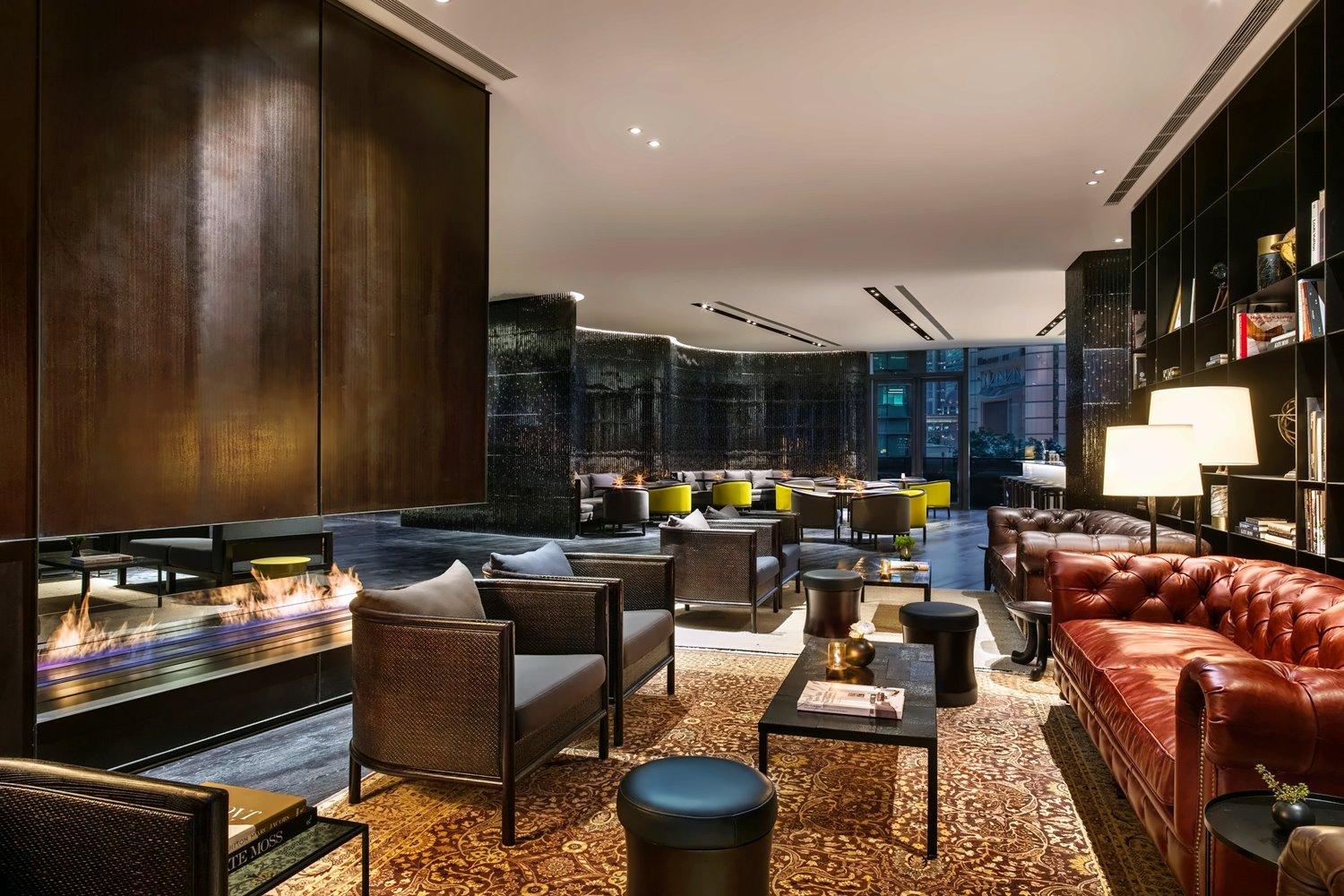
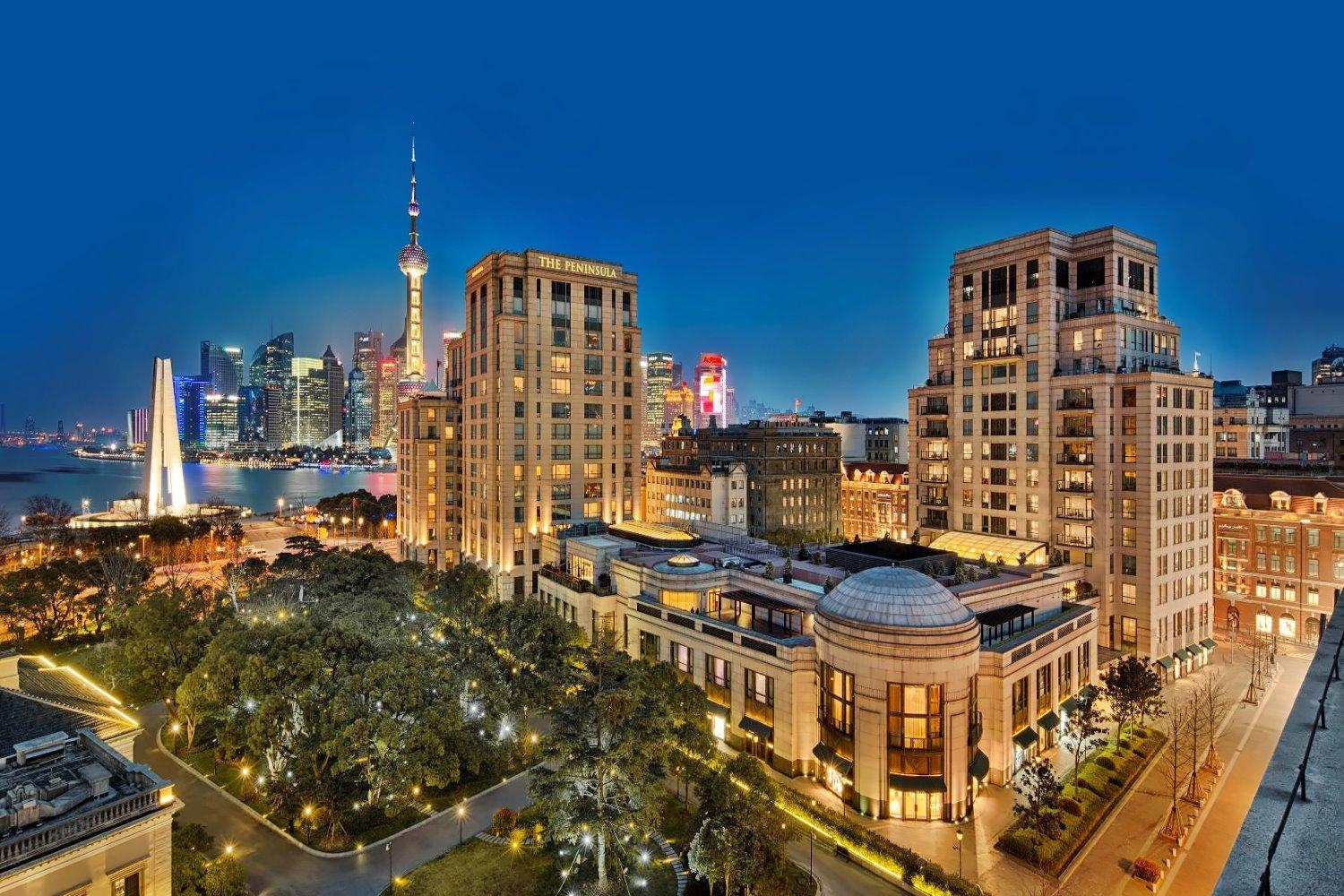
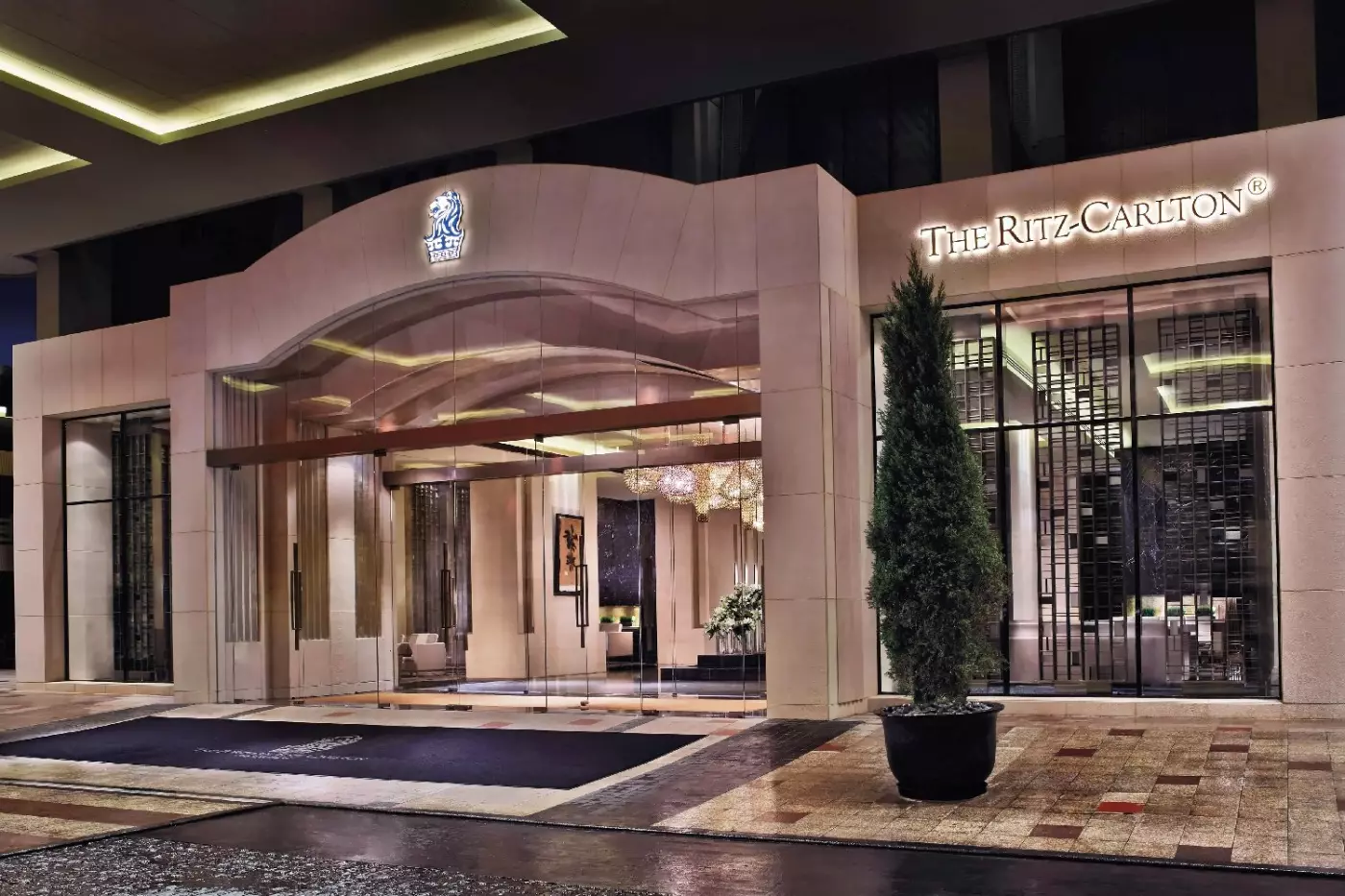
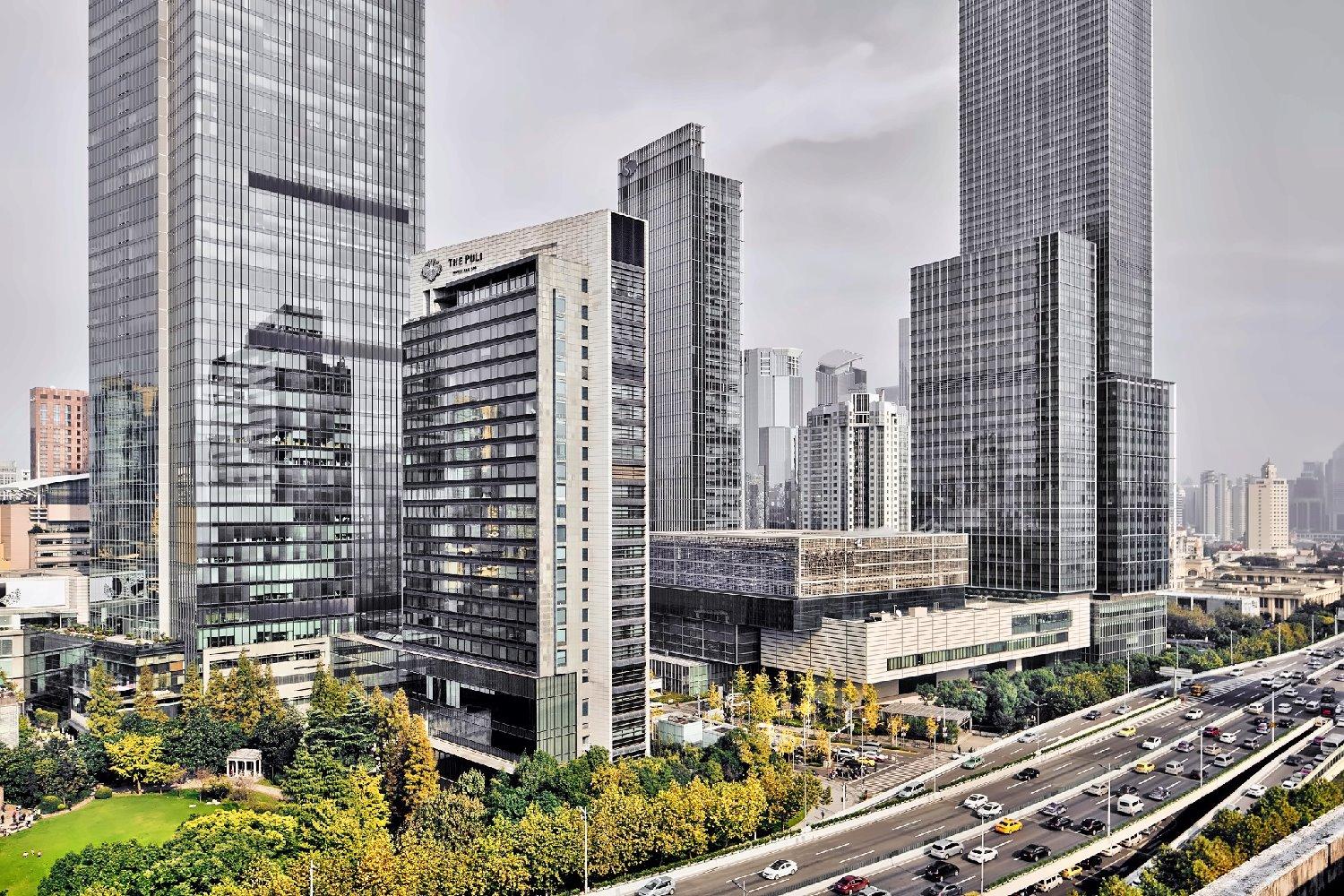
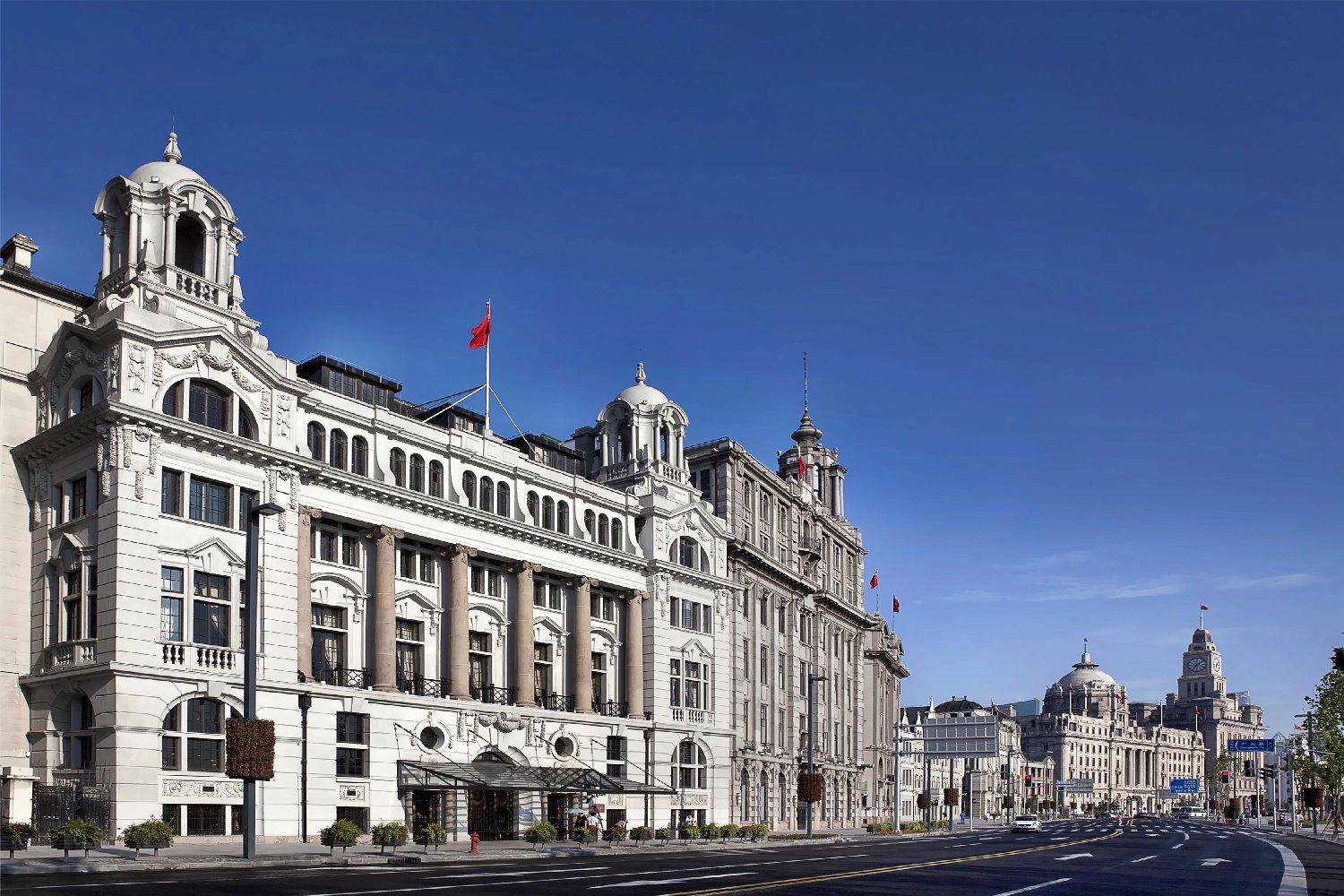
Virtuoso hotels in Shanghai: Bund, Pudong and the right address
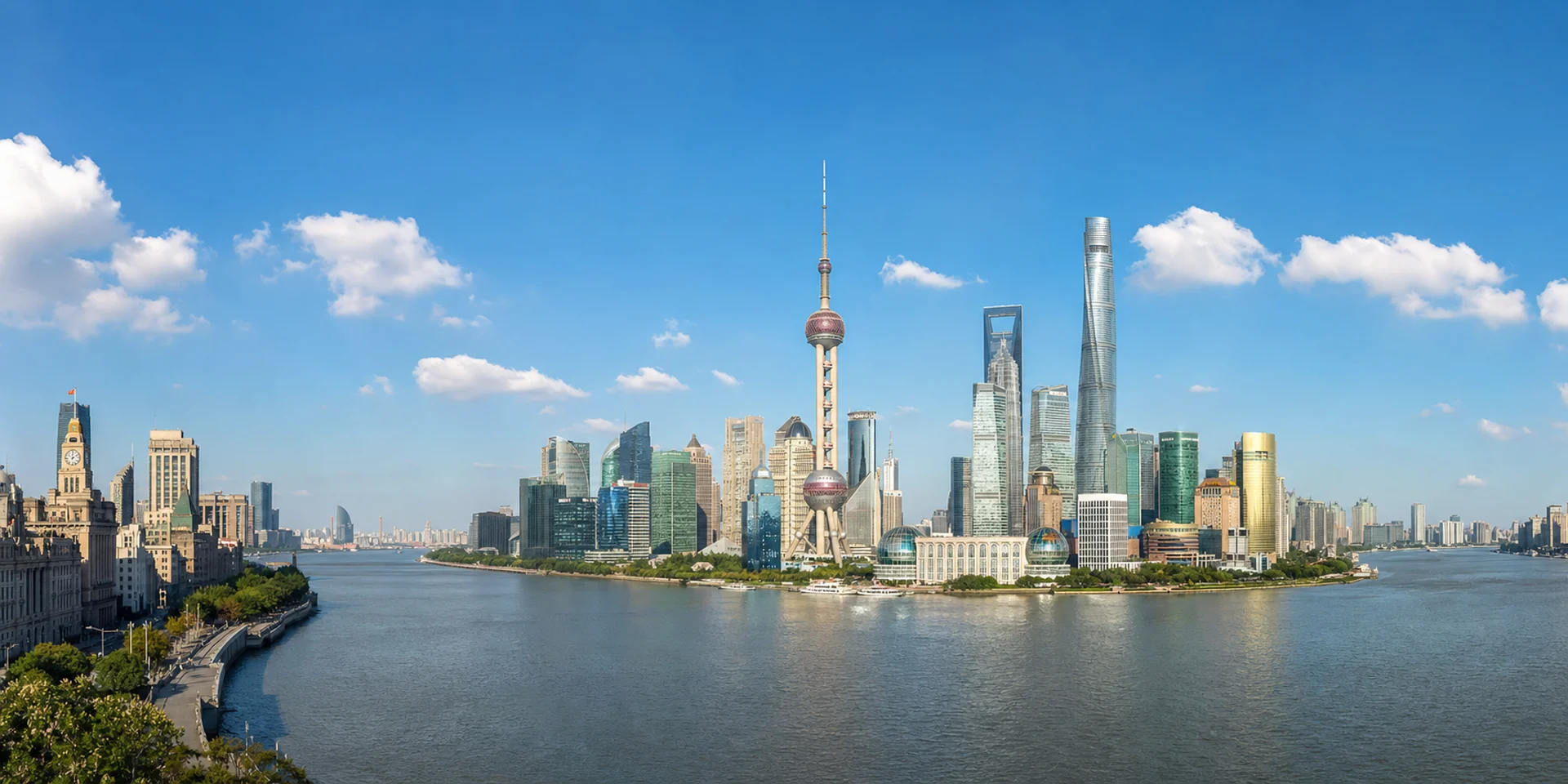
Shanghai is best understood as several cities facing one another across the Huangpu. The Bund’s stone façades, Pudong’s vertical skyline, Jing’an’s design and business district. And the tree-lined former French Concession create distinctly different daily rhythms. A hotel selected only for its star rating can leave a guest crossing the river at the wrong hour. the right address turns daylight, museums, restaurants and meetings into a coherent programme.
The Virtuoso collection ranges from historic Bund landmarks and high-rise Pudong hotels to contemporary houses in Jing’an. Preserved shikumen lanes and a heritage retreat beyond the centre. This guide compares those settings, explains how to plan art, architecture, shopping and gastronomy. And shows when Shanghai should be a focused city stay or the gateway to Suzhou, Hangzhou and a wider journey through China.
A quick choice by travel style
Choose the Shanghai you need each day before comparing individual hotel names.
The Bund and historic waterfront
Stay here for early promenade walks, heritage architecture and a direct visual relationship with Pudong. Museums, Yu Garden and central restaurants remain accessible. While Lujiazui meetings require a river crossing.
Pudong and Lujiazui
High-floor hotels create spectacular views and efficient access to the financial district. Choose Pudong for appointments or a vertical city experience, not for intimate lane-house atmosphere.
Jing’an and Nanjing West Road
Contemporary hotels, shopping, galleries, restaurants and strong Metro links make Jing’an the most balanced choice for repeat visitors. The river is not at the door. But movement across central Shanghai is efficient.
Former French Concession and Amanyangyun
Capella places guests inside restored shikumen lanes. Amanyangyun offers an entirely separate heritage resort beyond the centre. One rewards walking, the other protected time away from the city.
The principal luxury-hotel districts
The Bund – architecture, river and ceremony
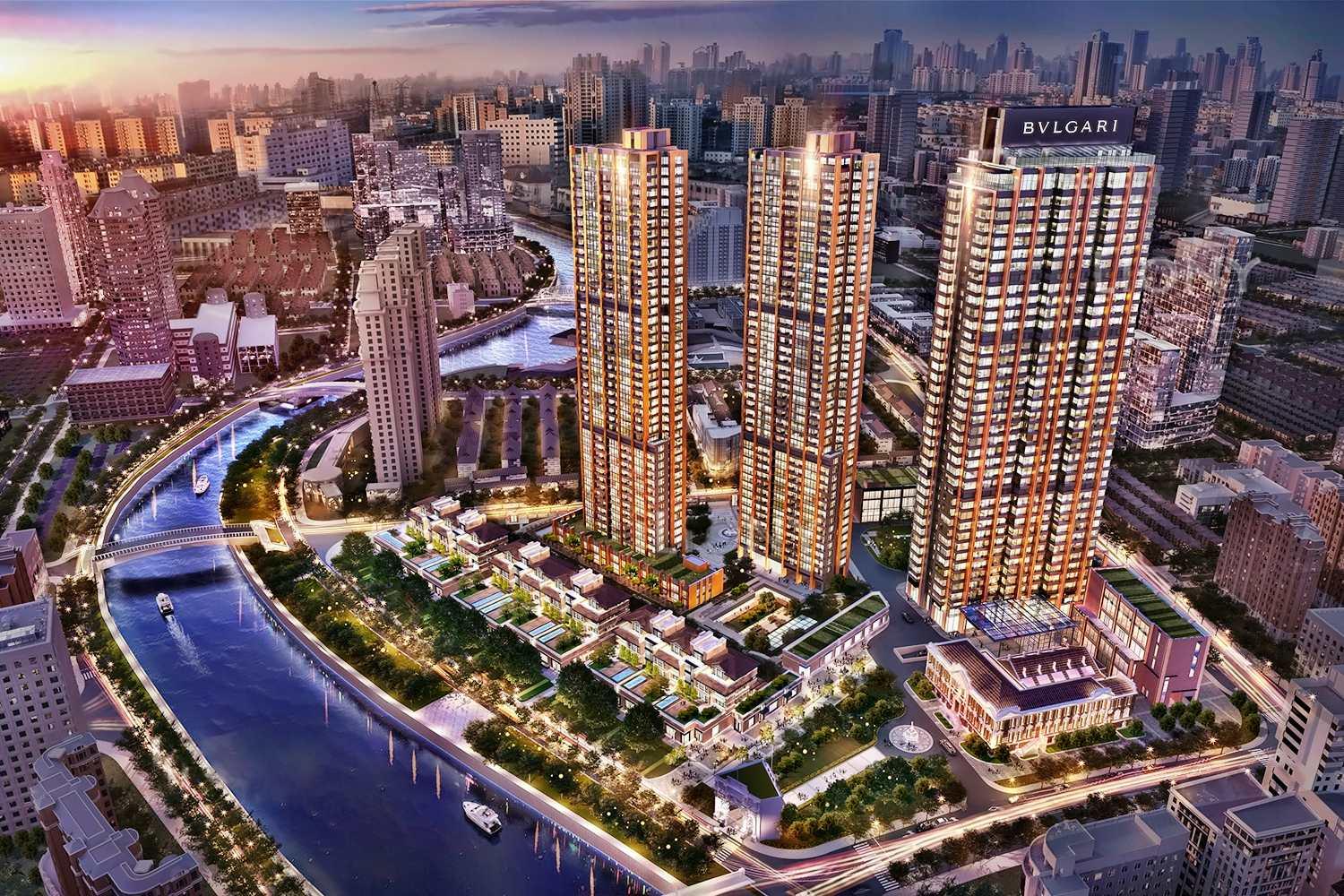
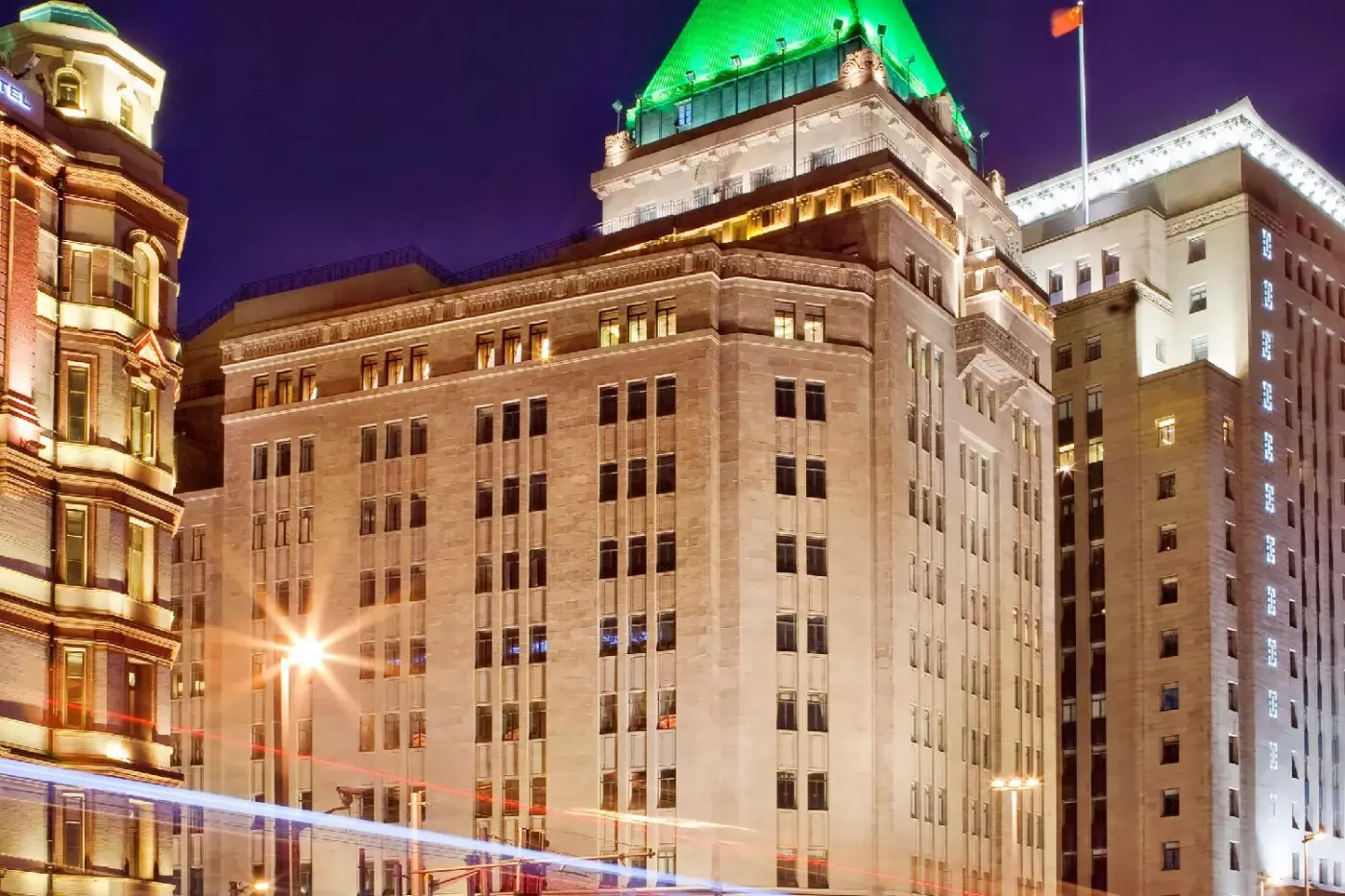
Fairmont Peace Hotel, The Peninsula and Waldorf Astoria occupy the historic waterfront. While Bulgari sits farther north near Suhe Creek with a broad city perspective. The Bund is strongest at the beginning of the day, when façades and Pudong towers are visible in clear light. Confirm whether the room truly faces the river. city, courtyard and partial-view categories feel very different.
Lujiazui – Shanghai in the vertical dimension
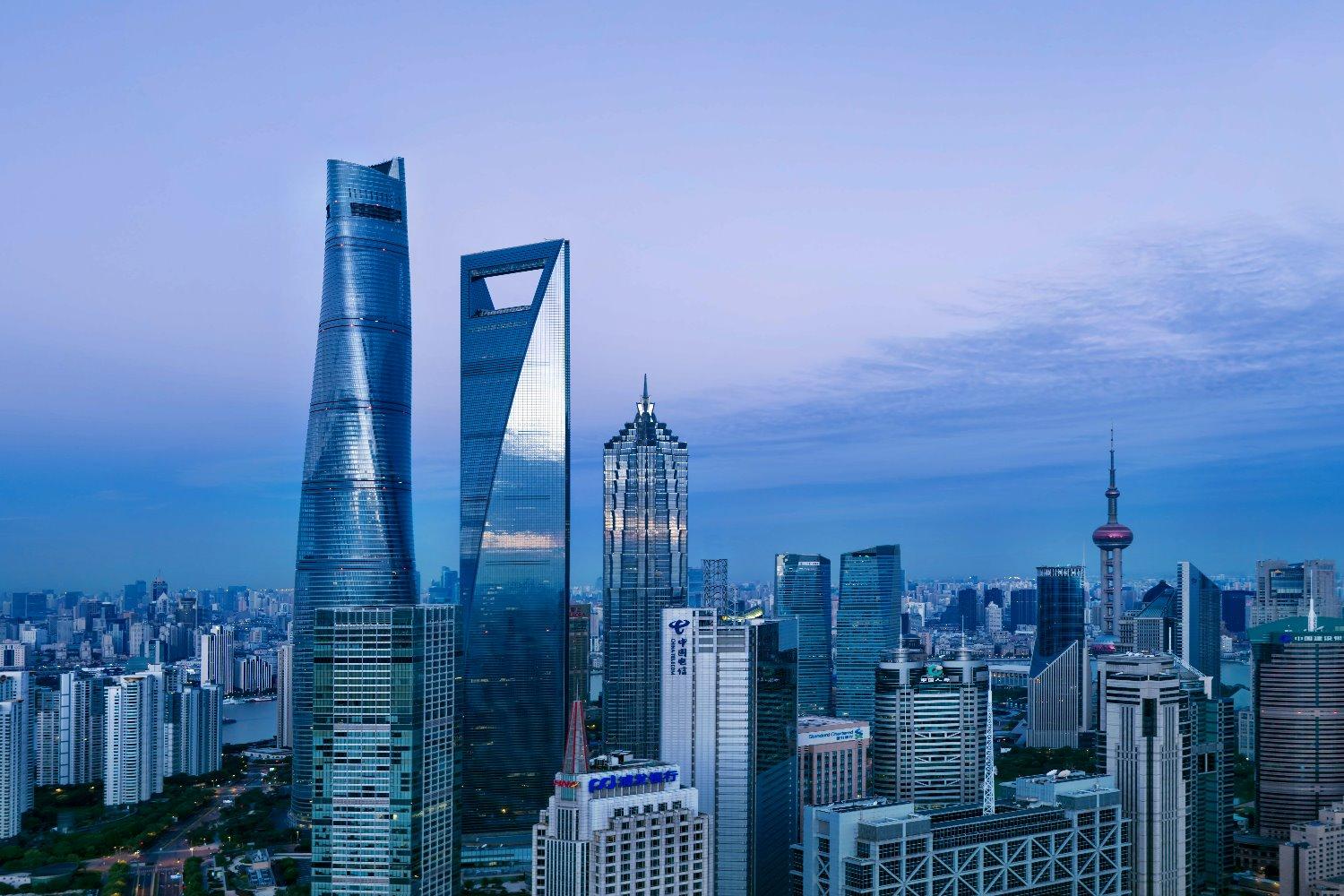
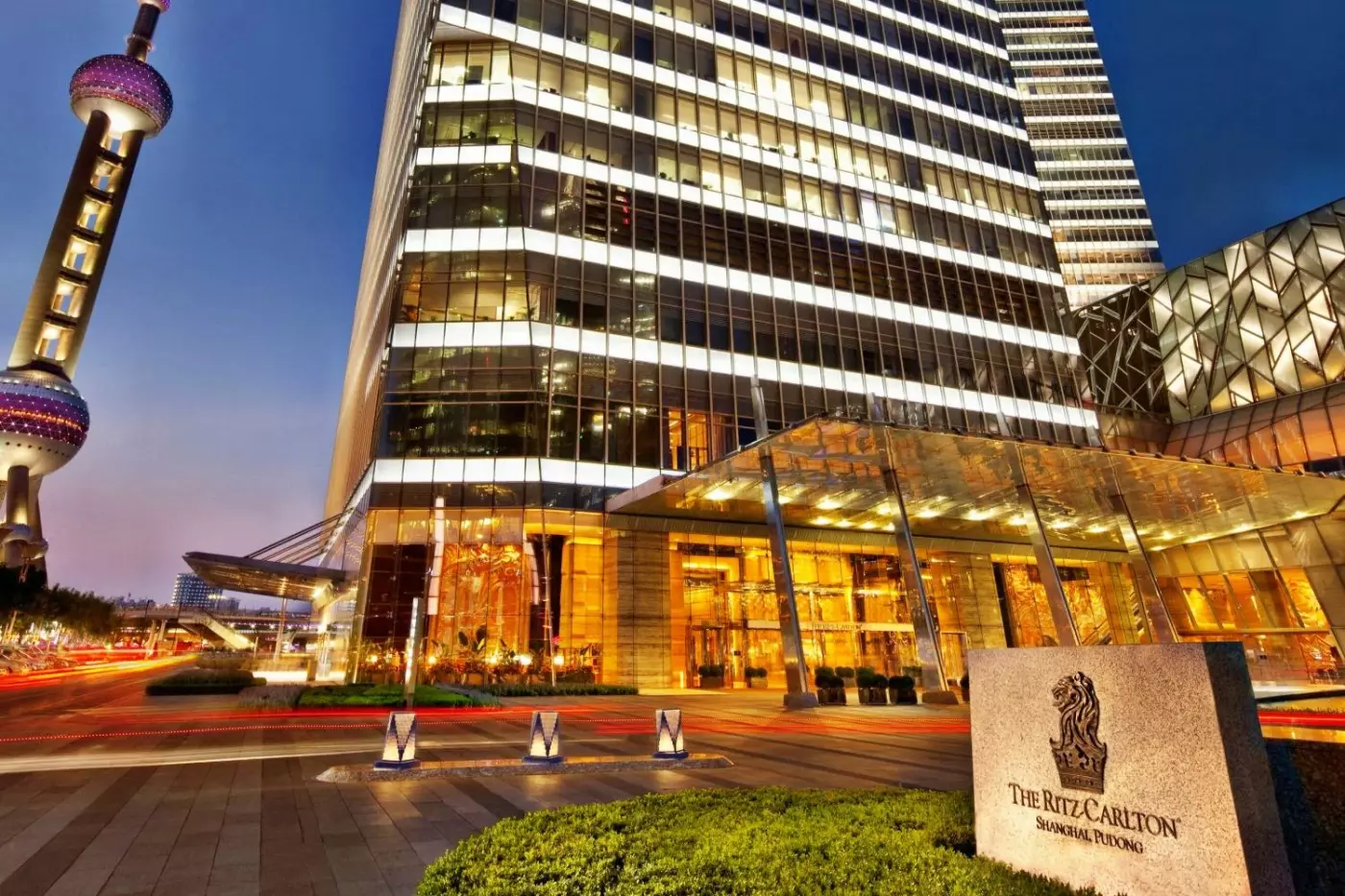
Park Hyatt and The Ritz-Carlton Shanghai, Pudong place guests high above the financial district. The advantages are views, business access and destination restaurants. the compromise is a weaker street-level neighbourhood experience. Visibility changes with weather. So a skyline view should never be treated as a guarantee of clear conditions every day.
Jing’an and Nanjing West Road
Jing An Shangri-La, The Middle House, The PuLi and The Portman Ritz-Carlton serve the central-western city. Shopping, business, Zhangyuan, Jing’an Park and Metro connections are close. This area suits longer stays and mixed programmes because guests can reach the Bund, former French Concession and West Bund without living in a tourist corridor.
Former French Concession and Xuhui
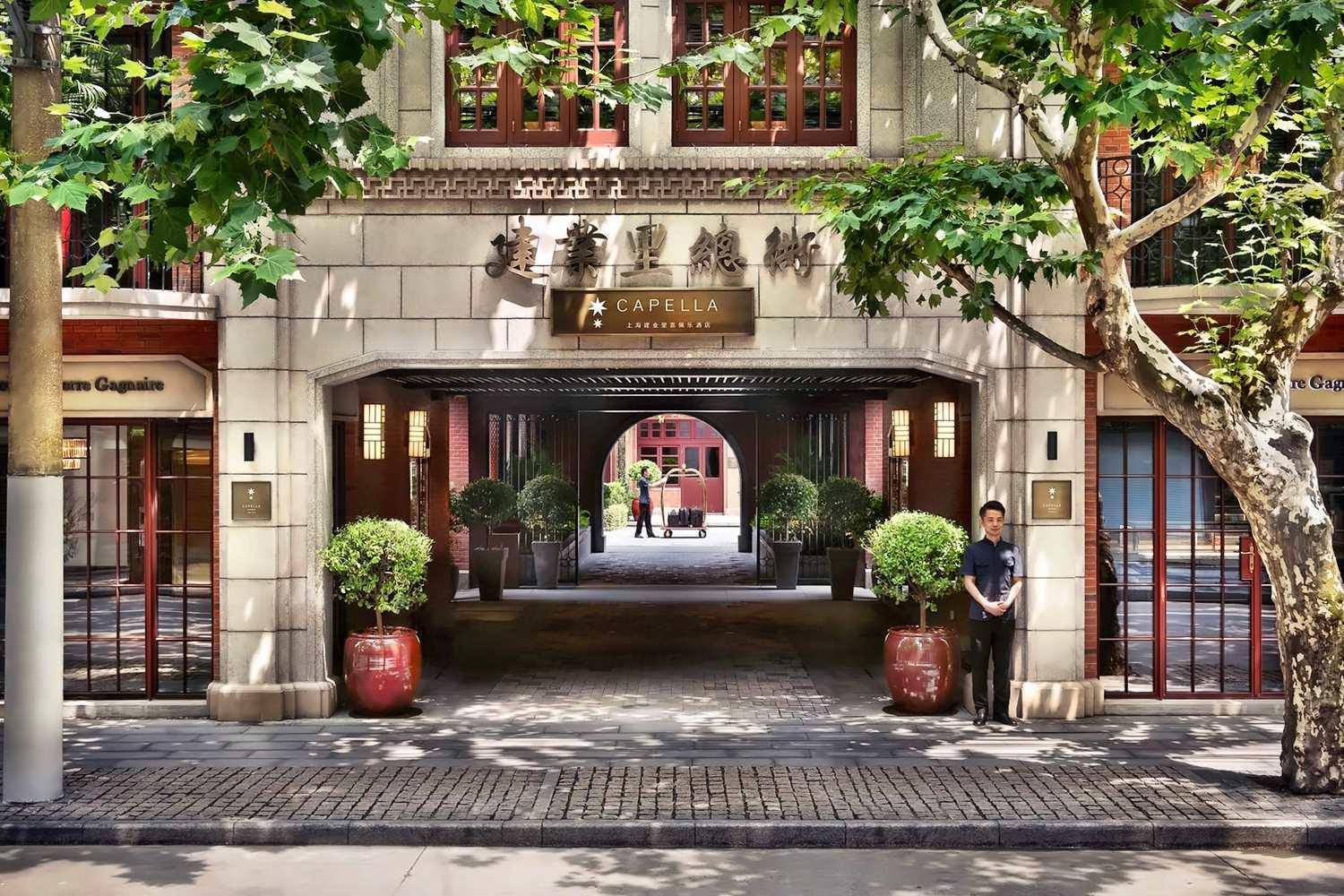
Capella Shanghai Jian Ye Li occupies restored shikumen housing and offers a residential scale. Tree-lined streets, independent shops, cafés and historic villas make the wider district ideal for walking with a guide who can explain urban change. Traffic still matters. But the reward is texture rather than a panoramic skyline.
Beyond the centre
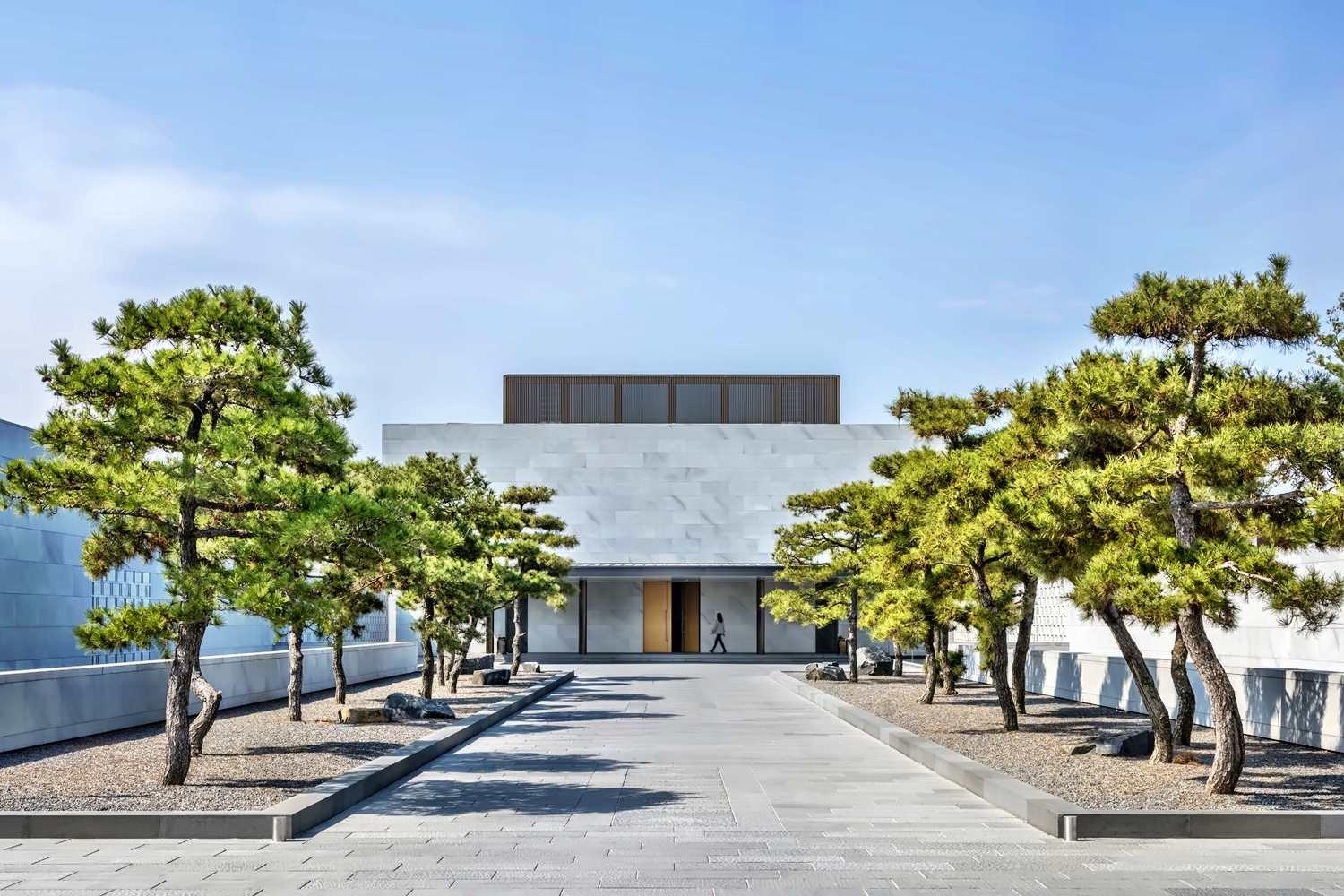
Amanyangyun is a destination in its own right, built around relocated historic houses and a preserved camphor grove. It should be scheduled as a retreat at the beginning or end of Shanghai, with airport and city transfers coordinated once. Repeated daily journeys to the Bund would remove the property’s purpose.
How the Shanghai Virtuoso hotels differ
The correct comparison is not old versus new. But the type of Shanghai each hotel makes possible.
Historic Shanghai with modern service
Fairmont Peace Hotel and Waldorf Astoria make heritage architecture part of the stay. The Peninsula offers a contemporary grand-hotel interpretation with direct river presence.
Views, height and business efficiency
Park Hyatt and Ritz-Carlton Pudong are strongest for financial-district appointments and panoramic rooms. Exact orientation matters as much as floor level.
Design and a calmer social rhythm
The Middle House, The PuLi and Bulgari combine strong interiors, wellness and destination dining. They work for guests who want a present-day Shanghai rather than heritage alone.
Lanes, villas and cultural context
Capella and Amanyangyun reduce the sense of scale. One belongs to urban shikumen life. the other requires deliberate separation from the city programme.
The Bund, Pudong and the value of daylight
Shanghai’s most legible urban story is the view across the Huangpu: treaty-port façades on one bank and a late-twentieth- and twenty-first-century skyline on the other. Walk the Bund early, when stonework, river traffic and the towers retain detail. Cross by ferry, Metro or car according to the programme rather than treating the river as a decorative backdrop.
An observation deck can be worthwhile in clear weather. But a high-floor hotel room may provide a more private perspective. Night illumination is dramatic. daylight reveals the architecture and scale more accurately. Build one river chapter that includes the promenade, selected interiors, a Pudong viewpoint and a meal, instead of crossing repeatedly during peak traffic.
Museums, architecture and contemporary art
Shanghai Museum publishes current information for its venues and collections. check the official site because exhibitions, reservation systems and opening arrangements change. Decide whether Chinese bronzes, ceramics, painting, calligraphy or a broad introduction matters most. The city’s contemporary-art geography extends from People’s Square to the West Bund and converted industrial spaces. So group institutions by district.
Architecture deserves equal attention. Bund façades, shikumen housing, Art Deco interiors and new towers describe successive layers of the city. A specialist guide is valuable when these periods are connected rather than presented as isolated photo stops. Allow one major museum per half day and verify photography, bag and identification rules before arrival.
Former French Concession, lanes and local texture
The former French Concession is a broad historical area rather than a single attraction. Streets in Xuhui and Huangpu reveal plane trees, villas, lane houses, contemporary cafés, boutiques and the traces of changing urban life. A carefully designed walk might connect Wukang Road, selected residential architecture, a small museum and lunch, without pretending every lane is open to visitors.
Respect private homes and avoid turning residential courtyards into photo sets. Zhangyuan near Nanjing West Road provides another restored shikumen context with a more commercial character. The strongest experience balances preservation with an honest account of redevelopment. And leaves time to sit rather than continually moving between landmarks.
Shopping, design and food
Shanghai shopping ranges from international houses on Nanjing West Road and Huaihai Road to Chinese design, galleries, ceramics, tea and contemporary fashion. Private appointments are useful when they introduce a designer or clarify quality. otherwise, carefully selected independent stores provide more insight than a generic mall tour. The restaurant landscape is equally broad. Shanghainese classics,
regional Chinese cuisines, ambitious tasting menus and international hotel dining all deserve space. Reserve destination tables early, especially for private rooms or weekend evenings. Ask about spice, texture and sharing style rather than assuming a familiar Western sequence. A food-focused walk works best at breakfast or lunch, followed by a lighter dinner. Hotel concierges should confirm addresses in Chinese for drivers and current opening information.
Best time to visit Shanghai
Spring
March to May generally brings comfortable temperatures and gardens, with changing rain and busy holiday periods. Pack layers and keep one indoor alternative for each day.
Summer
June to August can be hot, humid and wet. Begin outdoor architecture early, use museums and the hotel at midday. And protect transfer buffers during heavy weather.
Autumn and winter
September to November often offers the clearest balance of temperature and visibility, though major events affect demand. Winter is cooler and can feel damp. But works well for museums, dining and fewer leisure visitors.
Shanghai in three, four or six nights
Three nights – a disciplined first view
Give one day to the Bund and Pudong, one to museums and central Shanghai. And one to the former French Concession. Keep restaurant choices geographically aligned with each day.
Four to five nights – the ideal balance
Add West Bund art, deeper design or food appointments and genuine hotel downtime. This length allows weather flexibility without sacrificing the essential districts.
Six nights or more – city and region
A longer stay supports Amanyangyun, architecture research, business meetings or a separate Suzhou or Hangzhou chapter. Do not compress a regional excursion into the same day as a major Shanghai museum.
Airports, rail and movement across Shanghai
Pudong International Airport handles the broadest long-haul network and lies well outside the centre. Hongqiao combines an airport with a major high-speed-rail hub closer to western districts. Shanghai Airport Authority publishes current airport information. While Shanghai Metro provides network and service details. A private transfer is the most comfortable solution after a long flight.
But travel time varies sharply with traffic and hotel location. The Metro is efficient for many central journeys. taxis and chauffeurs remain useful for luggage, business schedules, evening dress and multi-stop days. Carry the hotel name and destination in Chinese, build buffers before timed admissions and avoid scheduling a cross-river transfer immediately before an important dinner or train.
Combining Shanghai with Suzhou, Hangzhou or a wider China journey
High-speed rail makes Suzhou and Hangzhou accessible. But each deserves more than a rushed collection of landmarks. Suzhou rewards classical gardens, silk and canal-side urban history. Hangzhou centres on West Lake, tea culture and a softer landscape. Water towns can be atmospheric but vary greatly in crowding and authenticity. So choose according to day,
season and access. Beijing creates the strongest historical contrast with Shanghai. While Yunnan, Guilin, Chengdu or Hong Kong require separate planning. Ticketing, local guides, luggage and transfers should be coordinated as one journey. Deluxetargets designs the sequence around geography and minimum stays rather than adding destinations simply because the rail map makes them possible.
What to decide before booking
Confirm which side of the river supports the main appointments, the preferred skyline or neighbourhood atmosphere. Exact room orientation, bed configuration and need for lounge or connecting rooms. Bund, river and Pudong views belong to specific categories and depend on weather. a high floor alone does not define the outlook. For heritage properties. Compare historic and contemporary wings.
The qualifying Virtuoso rate should be assessed by total value: breakfast, 100 USD hotel credit or an experience. Top priority for room and suite upgrades, top priority for early check-in and late check-out. And VIP status in the hotel.
Our Shanghai planning recommendations
- Choose the correct side of the Huangpu before choosing the hotel brand.
- Keep Bund architecture, Pudong views, museums and restaurants grouped by district rather than crossing the river repeatedly.
- Reserve major museums and destination restaurants early. And reconfirm current entry procedures before arrival.
- Confirm the exact river or skyline direction by room category, not only by floor height.
- Carry Chinese addresses. Allow traffic buffers and check public holidays, exhibitions and weather patterns before fixing flights and rail.
Frequently asked questions about Virtuoso hotels in Shanghai
Which area is best for a first visit
The Bund gives the clearest historical context and direct Pudong views. Jing’an is the most balanced base for shopping, dining and movement across a longer mixed itinerary.
Should I stay on the Bund or in Pudong
Choose the Bund for heritage architecture and waterfront walks. Choose Pudong for financial-district meetings, high-floor views and a strongly contemporary setting.
How many nights should I plan
Four nights provide a strong first balance. Three require disciplined priorities. five or six allow contemporary art, deeper neighbourhoods and weather flexibility.
Is a skyline view guaranteed
No. Views belong to precise categories and may face the Bund, Pudong or another city direction. Weather and visibility also affect the experience.
Do I need a chauffeur throughout
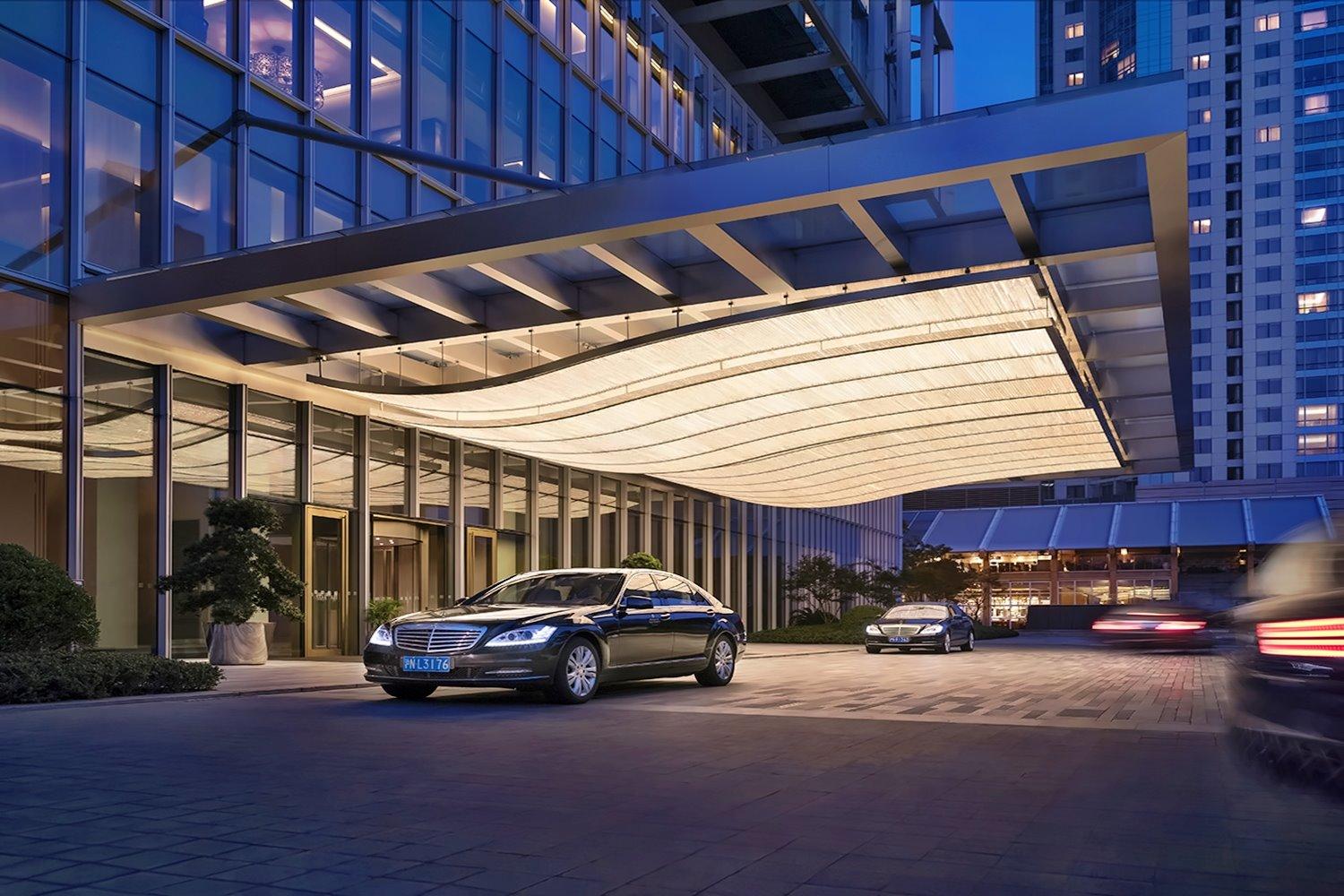
Not necessarily. Metro is efficient for many central trips. A chauffeur is valuable for airport transfers, business schedules, luggage, Amanyangyun and complex multi-stop days.
Can Suzhou or Hangzhou be visited from Shanghai
Yes, high-speed rail makes both accessible. But an overnight stay often provides a calmer and more meaningful experience than a compressed day trip.
Are Virtuoso benefits identical at every hotel
No. Benefits apply to the qualifying rate. the exact credit or experience and property-specific details are confirmed for the selected stay.
Can the hotels be booked online
Yes. The booking button opens the corresponding PrivateUpgrades page with live rates, availability and the confirmed benefits for the chosen dates.
Combine your hotel stay with a privately designed journey through China, with hotels, transfers and experiences planned as one seamless itinerary.