
Virtuoso Hotels
Virtuoso Hotels in Xi'an, China
2
2
Hotels
Virtuoso hotels in Xi'an: imperial archaeology, city walls and Silk Roads context
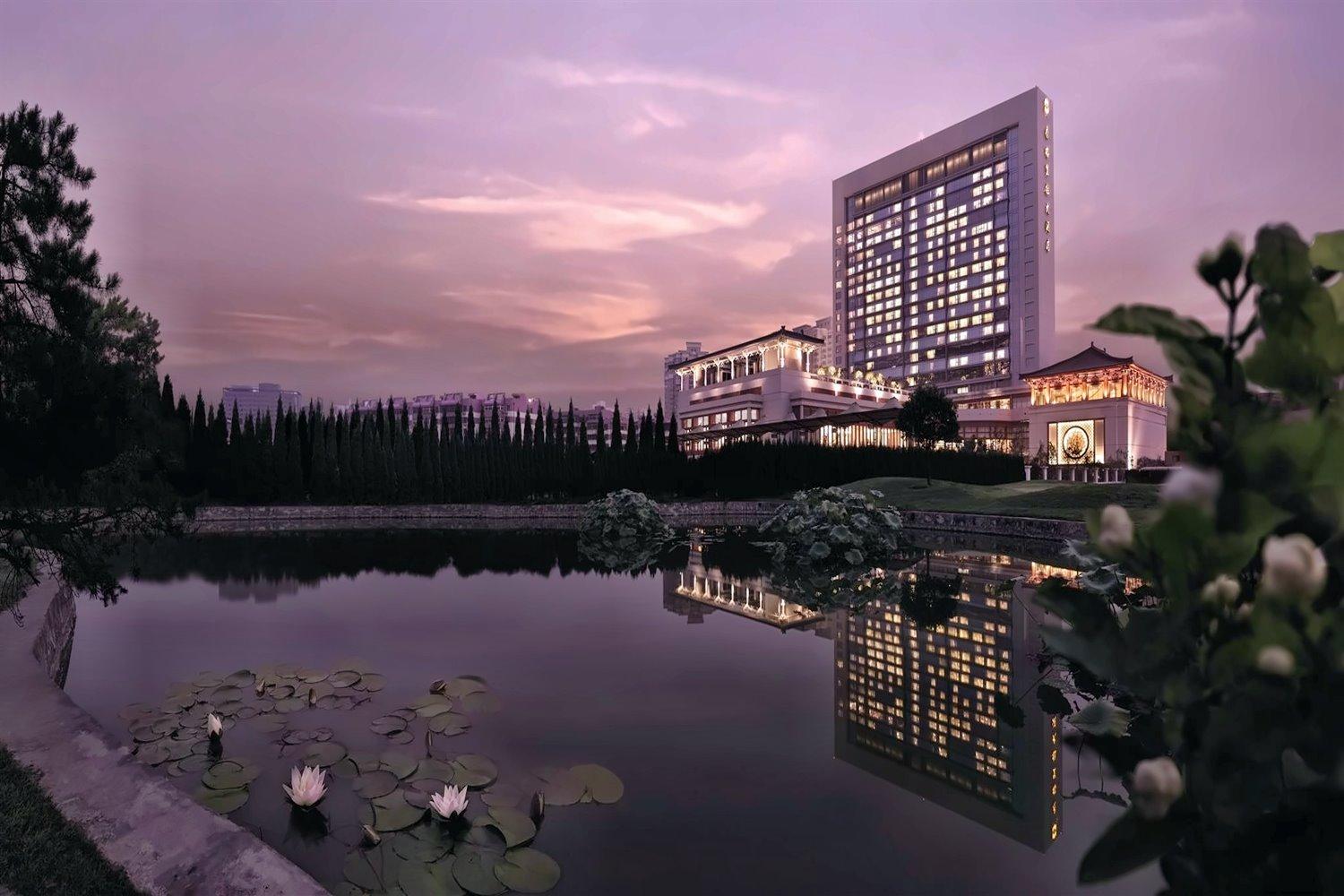
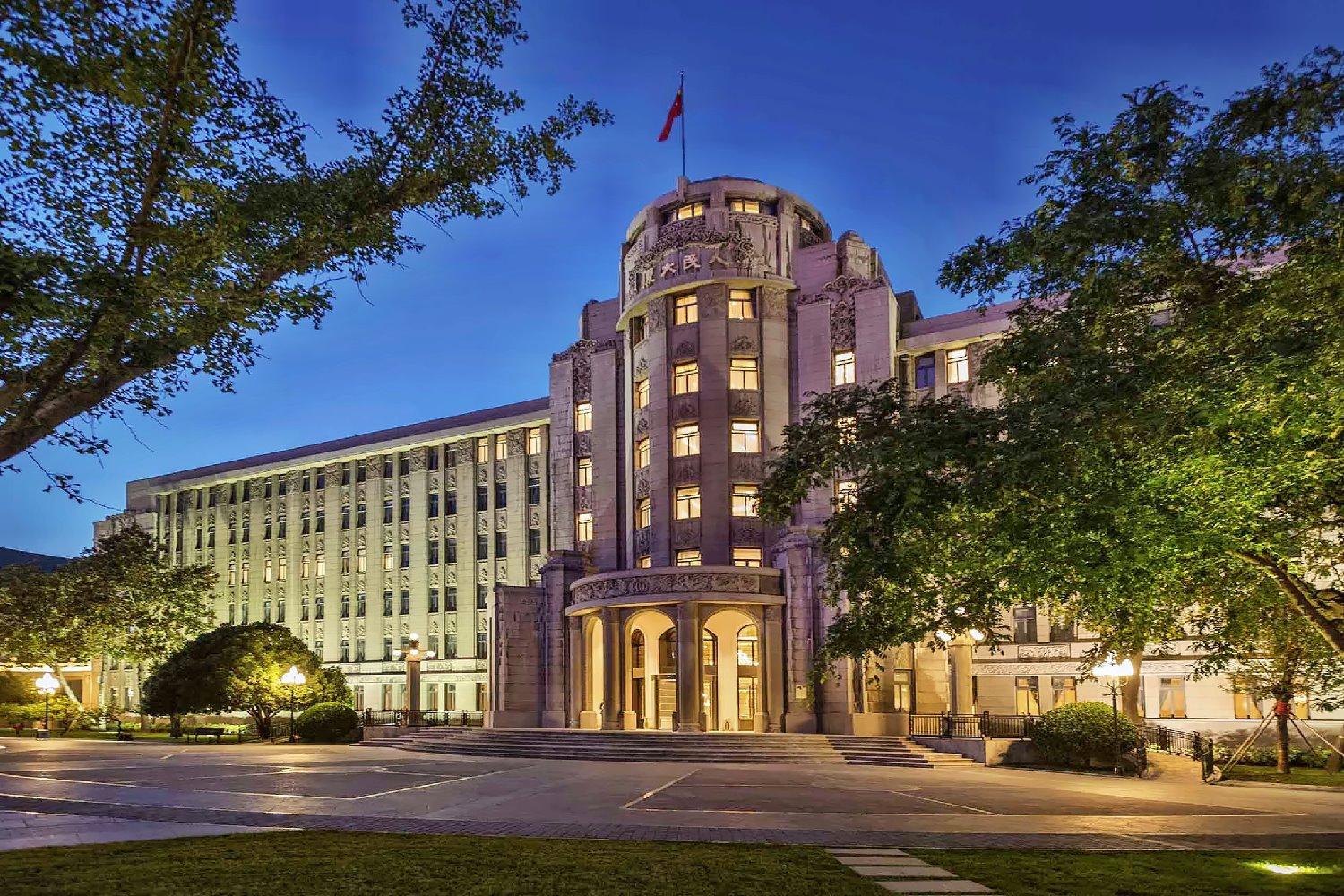
Xi'an was the capital of multiple Chinese dynasties and a major eastern node in networks now described as the Silk Roads. Its archaeology, city wall, pagodas, religious communities and contemporary scale cannot be compressed into the Terracotta Army alone. The two listed hotels serve different geographies. Sofitel Legend People's Grand Hotel Xi'an occupies a historic central compound inside the wall. While Shangri-La Xi'an sits in the modern Gaoxin district southwest of the old core.
Choosing the right base reduces repeated traffic and creates room for interpretation. Passport-linked tickets, museum capacity, air quality, heat, winter cold and public holidays all affect the visit. Prepare Chinese addresses, payment and translation before arrival. And verify official timed-entry and transport details after this editorial review of 4 August 2026. The visible name should always retain its apostrophe. Xi'an.
Choose historic core or Gaoxin by itinerary
Sofitel Legend People's Grand Hotel Xi'an supports early access to the walled centre. Bell and Drum Tower area and central museums, with a heritage-hotel atmosphere inside a larger hospitality compound. Shangri-La Xi'an suits travellers with business or modern-district priorities and can work for the Giant Wild Goose Pagoda side.
But transfers to the city wall and eastern archaeological sites must be planned. Ask for the exact building, floor, city orientation, acoustic exposure and distance from reception. Confirm breakfast, lounge and pool access for the booked category. Compare real travel times at planned hours. A central address does not eliminate traffic. And a modern district should not be described as culturally peripheral.
Give the Mausoleum of the First Qin Emperor a full day
The Mausoleum of the First Qin Emperor, including the Terracotta Warriors, is a UNESCO World Heritage property east of Xi'an. Reserve through an authorised channel, carry the passport used for booking and leave substantial road and security time. A qualified guide should explain the wider mausoleum landscape, excavation history, conservation and unresolved questions rather than presenting the warriors as a single hall of statues.
Do not touch barriers, use prohibited flash or repeat sensational claims as fact. Visitor volumes can be intense. an early timed entry helps but does not promise quiet. Plan a calm return and avoid adding another major museum. The unexcavated mound and surrounding sites deserve ethical restraint, not demands for spectacle.
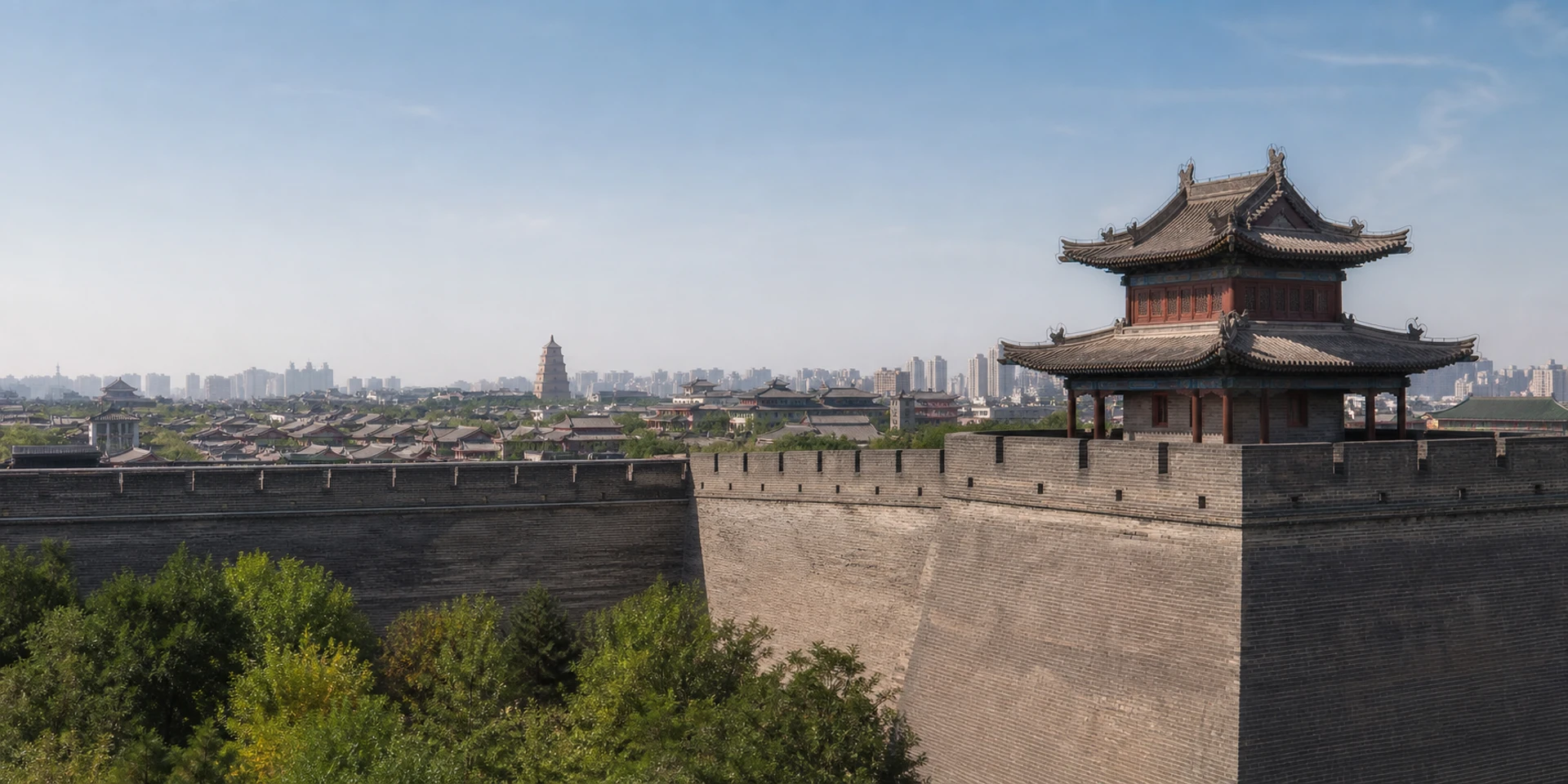
Walk the city wall as infrastructure and symbol
Xi'an's surviving Ming city wall defines the historic core and offers a powerful view of urban scale. Check current gate access, opening hours, weather and surface conditions before choosing a section. Walking a coherent stretch is often more informative than trying to complete the full circuit. Cycling is optional and requires honest balance,
helmet, controlled speed and attention to uneven paving. never assume availability. A guide can explain gates, defensive design, restoration and the relationship between wall and contemporary streets. Heat, wind and winter exposure are substantial on the rampart. Respect closed areas and do not climb masonry for photographs. Evening lighting can be popular. But this itinerary should remain safe and worthwhile in daylight.
Connect pagodas to Buddhist translation and exchange
The Giant Wild Goose Pagoda is associated with Buddhist texts, translation and the monk Xuanzang within a temple landscape altered over centuries. The Small Wild Goose Pagoda and nearby museum provide a different scale and context when open. Verify ticketing, worship access and any tower restriction. Dress respectfully, keep voices low and follow photography rules.
A knowledgeable guide should distinguish documented history from later legend and explain how religious, scholarly and diplomatic exchange moved across Eurasia. The Silk Roads were networks with many peoples and directions, not one simple route ending in Europe. Avoid collecting sites merely because they appear ancient. One well-interpreted pagoda and museum can be stronger than a rushed double visit.
Approach the Muslim Quarter as a living community
The lanes commonly called the Muslim Quarter combine Hui community life, mosques, commerce, food and intense visitor activity. Go with cultural awareness rather than treating the district as a night market theme. The Great Mosque remains a religious site. verify visitor access, dress modestly and never interrupt prayer or photograph people without consent. Ask a local specialist to explain Hui history,
architecture and food traditions without reducing identity to snacks. Crowded central lanes are not the whole community. Choose a few vendors with transparent preparation, discuss allergies and carry small purchases. Keep bags secure and agree on a meeting point. Avoid declarations that one stall is the only authentic version of a dish or that the district represents all Chinese Muslims.
Use museums for evidence, not only famous objects
Shaanxi History Museum holds nationally important material but often requires advance reservation and passport-linked entry. Confirm the official booking method, closure day, exhibition access and whether special galleries need separate tickets. Do not rely on unofficial resellers. The Xi'an Museum and specialised archaeological sites can provide alternatives when capacity is unavailable. A trained guide or curator-led visit should connect provenance,
excavation, conservation and changing interpretation rather than race between highlights. Photography and bag rules vary. Indigenous is not the appropriate generic frame here. name historical polities, communities and periods precisely. Allow rest after dense galleries and reserve lunch nearby. Reproductions in shops should be labelled honestly. And genuine antiquities must never be purchased illicitly.
Plan weather, air quality and seasonal comfort
Xi'an has hot summers, cold dry winters, dusty periods and variable air quality. Use the China Meteorological Administration and a reliable local air-quality source. Schedule the exposed city wall and large archaeological grounds early in heat, carry water and sun protection and use museums at peak temperature. In winter, wear layers, gloves and footwear suitable for cold stone surfaces.
Poor air quality may justify reducing outdoor exertion or using an appropriate mask according to personal medical advice. Rain makes walls and stairs slippery. Public holidays create extreme demand and slower roads. Ask the hotel for current conditions and a realistic alternative. Never let a fixed photo or prepaid tour override official closure, heat warning or physical symptoms.
Prepare food, digital payment and transport
Xi'an cuisine includes wheat noodles, breads, dumplings, lamb and complex Hui and Shaanxi traditions. Ask what regional or community context a dish has instead of using one label for everything. State allergies in Chinese and English in writing. sesame, nuts, soy, wheat, meat stocks and shared oil may be unclear. Choose busy reputable kitchens with visible turnover and drink safe water.
Digital payment and local mapping should be prepared before travel, with compliant alternatives. High-speed rail stations and Xi'an Xianyang International Airport require exact Chinese destinations, passport-linked tickets and security time. Save hotel cards offline and keep driver contacts. Traffic to the Terracotta Army must never be estimated from distance alone. Protect large holiday margins.
Shape four nights and a China journey
Four nights allow a full mausoleum day, wall and central-history day, pagoda or museum day and one flexible food, modern-city or weather period. Five reduce pressure when museum tickets shift. Switching between the two hotels rarely helps a short stay. select central heritage or Gaoxin according to the majority of planned days.
Xi'an connects by air and high-speed rail to other Chinese regions. But long station transfers and identity checks require margin. The existing China round-trip link supports a broader tailor-made route. Xi'an deserves more than one overnight between Beijing and another city. Keep departure morning simple, reconfirm the correct station and passport-linked ticket and have the hotel write the complete destination in Chinese.
Five practical Xi'an planning tips
- Choose the walled centre or Gaoxin by the majority of planned days and real traffic time.
- Reserve the Terracotta Warriors and major museums through authorised passport-linked channels.
- Walk one city-wall section early and check heat, wind and surface conditions first.
- Visit the Muslim Quarter with community context and ask before photographing anyone.
- Save Xi'an hotel, station and driver details in Chinese for offline use.
Xi'an hotel and itinerary FAQ
What is the correct visible spelling
Xi'an is correct and should retain its apostrophe in every language.
Which hotel is closer to the historic core
Sofitel Legend People's Grand Hotel Xi'an occupies a central compound inside the wall.
Is Shangri-La Xi'an inside the city wall
No. it is in the modern Gaoxin district southwest of the old core.
Do the Terracotta Warriors need a full day
Allow most of a day for road travel, entry, interpretation and the wider mausoleum context.
How many nights are useful
Four are a sound minimum. While five provide better museum and traffic resilience.
Can I buy museum tickets from any reseller
Use authorised channels and the passport that matches the reservation.
Can Xi'an join a China journey
Yes. the existing China link supports a tailored route with realistic rail or flight margins.
Are Virtuoso benefits guaranteed
No. confirm the eligible rate and written benefits, with upgrades subject to availability.
Combine your hotel stay with a privately designed journey through China, with hotels, transfers and experiences planned as one seamless itinerary.