
Virtuoso Hotels
Virtuoso Hotels in Mumbai, India
2
2
Hotels
Virtuoso hotels in Mumbai: Colaba heritage, Marine Drive and exact sea views
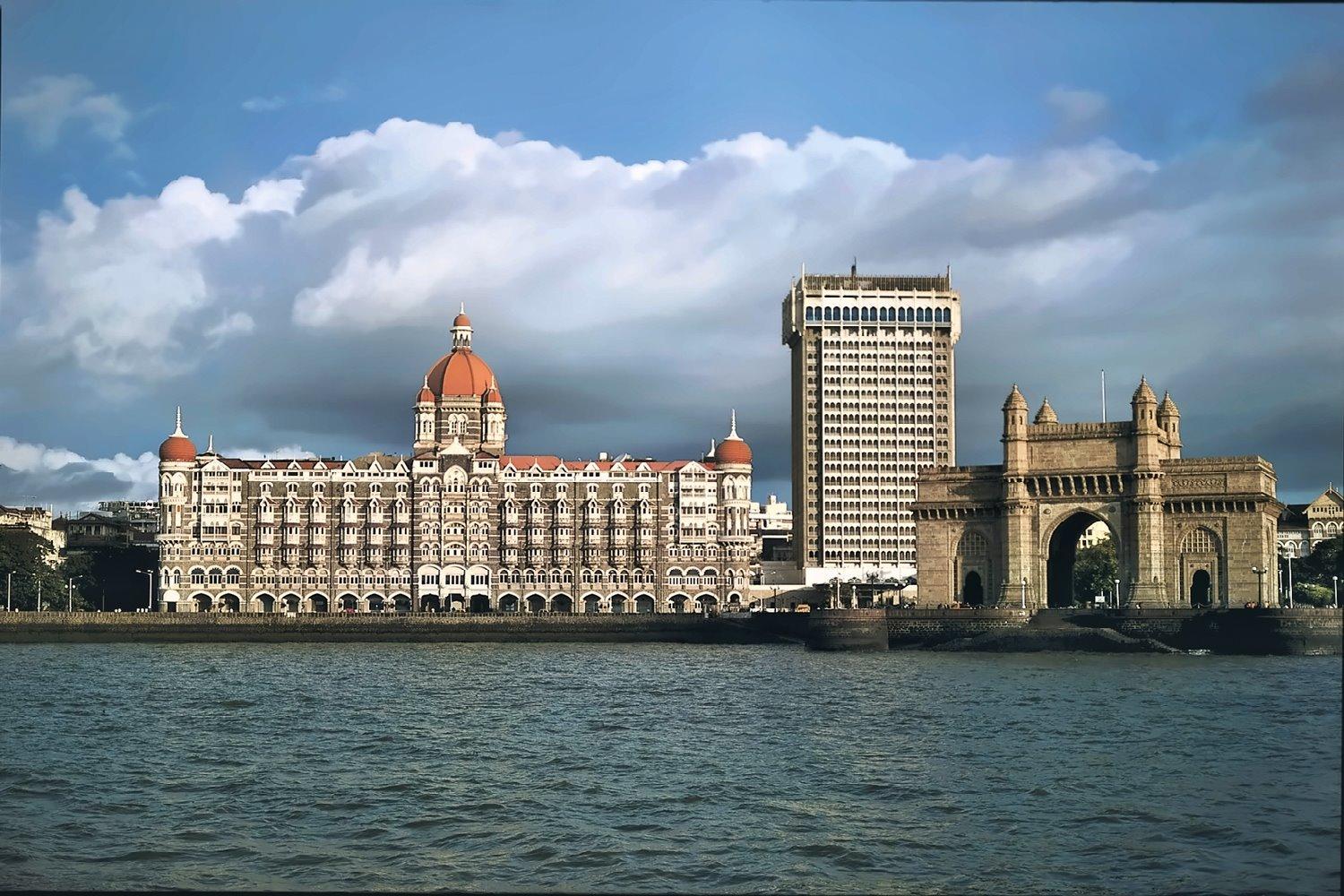
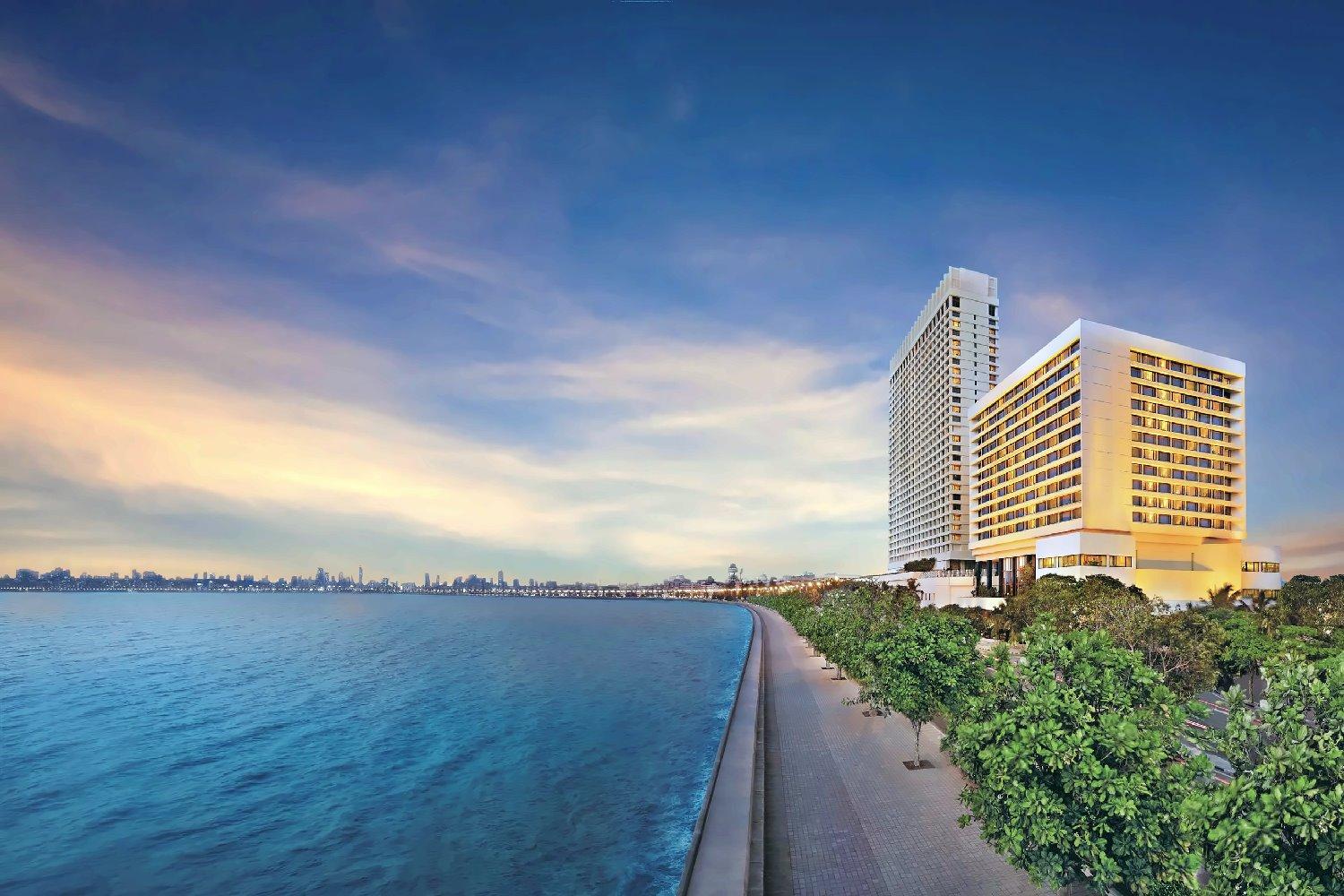
Mumbai cannot be planned from distance alone. The Taj Mahal Palace stands at Apollo Bunder opposite the Gateway of India, placing Colaba and Kala Ghoda within the strongest heritage circuit. The Oberoi rises at Nariman Point above Marine Drive, trading doorstep access to those streets for high-floor Arabian Sea perspectives. Contemporary scale and a calmer return from the business district.
Both hotels occupy South Mumbai, yet traffic, heat and security procedures make careless backtracking expensive. A strong first stay groups architecture, collections and food by neighbourhood, reserves one early start for the waterfront and treats Elephanta as weather-dependent. This guide compares the two addresses, explains precise view categories and uses Mumbai’s existing India itinerary mapping without inventing a new route.
Choose Colaba immediacy or Nariman Point perspective
Choose The Taj Mahal Palace, Mumbai when the Gateway of India, Colaba Causeway, CSMVS and Kala Ghoda should begin at the door. Its heritage story and Palace Wing can become the principal experience. But the busy monument precinct requires acceptance of screening and public activity outside. The Oberoi, Mumbai suits travellers who prefer a modern high-rise,
broad Marine Drive outlooks and Nariman Point’s business address. Colaba remains close on a map, though traffic can make each transfer meaningful. Decide whether early heritage walks or open sea views matter more before comparing price. A split stay is rarely necessary for a short visit. one carefully chosen base and geographically disciplined days are more efficient.
Confirm wing, floor and the real direction of the view
At the Taj, Palace Wing, sea view, city view, pool outlook and club access describe different decisions. Ask for the exact building, floor, bed, bay-window orientation and whether the Gateway is actually visible rather than assuming every Arabian Sea category frames the monument. At The Oberoi, many rooms and suites face the Arabian Sea.
While others look across the city. high floors alter scale but can increase haze on humid days. Confirm smoking preference and interconnecting rooms in writing. If Taj Club privileges or suite butler service determine value, have the current inclusions attached to the booking. Compare total rate value only after taxes, breakfast, transfer, credit and upgrade priority are clear for the precise dates.
Begin with Gateway of India and Colaba before the heat
The Gateway of India is both an architectural landmark and an active public gathering place. Arrive early with minimal belongings, expect security controls and keep the promenade clear for local movement. The monument’s basalt arch and its relationship with The Taj Mahal Palace are best understood from several landward angles before crowds intensify.
Continue through Colaba with a licensed guide who can distinguish historic institutions, contemporary galleries and residential streets. Dress respectfully near places of worship. Ask before photographing people and do not block shop entrances for portraits. Taj guests can return easily for breakfast or a pause. Oberoi guests should complete the whole Colaba chapter before driving back rather than making two traffic-dependent transfers.
Build a serious Kala Ghoda museum half day
Kala Ghoda rewards focus rather than a rapid list. Chhatrapati Shivaji Maharaj Vastu Sangrahalaya publishes current visiting information and presents Indian sculpture, decorative arts and wider collections in a landmark building. Check the official programme, select two or three galleries and allow time for interpretation instead of treating the museum as a cooling stop. Add one contemporary gallery only after confirming its opening day,
since private spaces often follow different schedules. Walk the heritage streets with attention to pavements, crossings and intense traffic. The Taj is the natural base for this half day. from The Oberoi, combine the museum, Gateway and a reserved Colaba lunch into one continuous outing.
Read two UNESCO architecture stories together
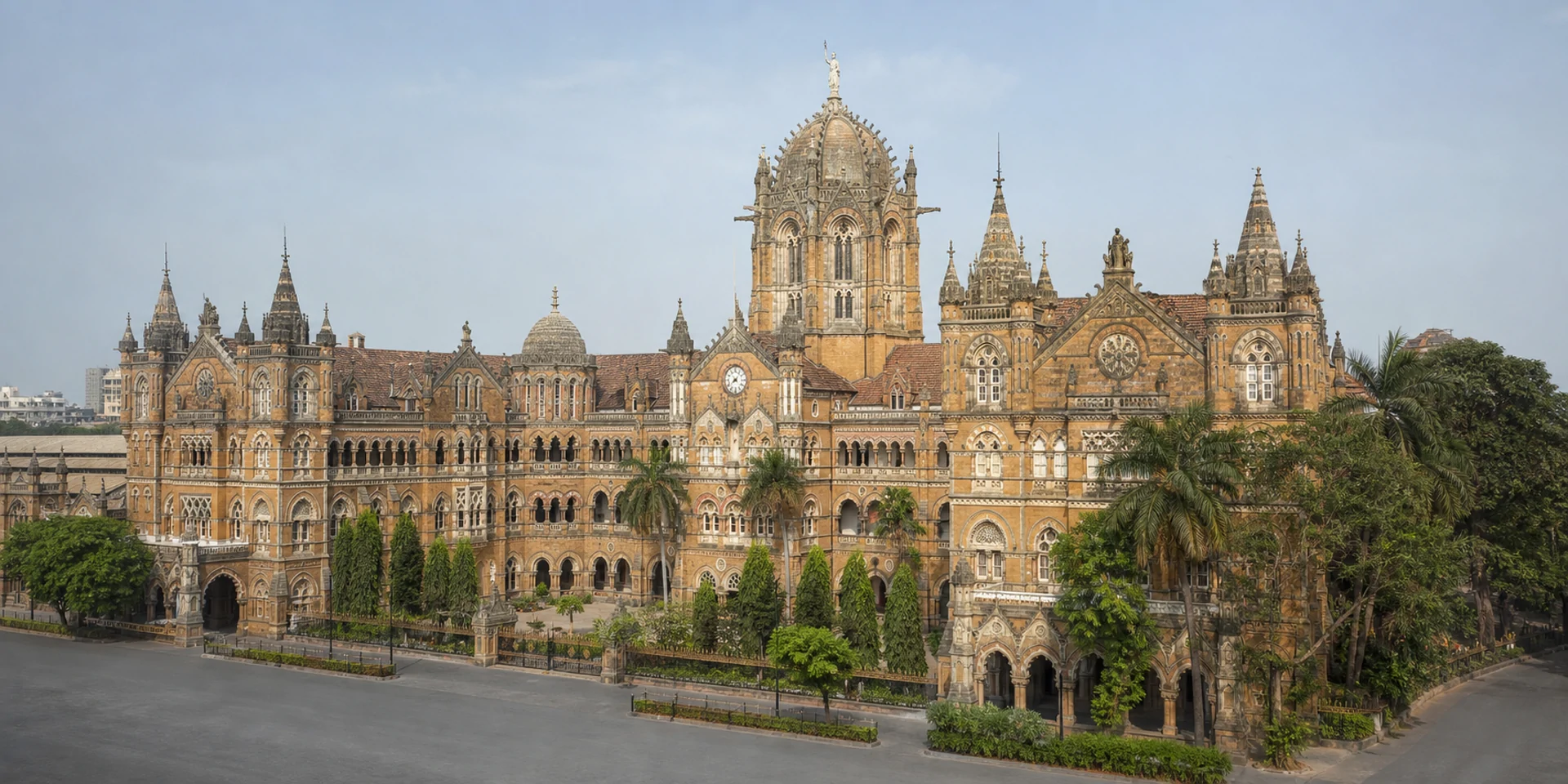
Chhatrapati Shivaji Maharaj Terminus is a functioning railway station as well as a UNESCO property. Recognised for its fusion of Victorian Gothic Revival and Indian architectural traditions. Observe the exterior without obstructing commuters, follow all restricted-area rules and use a guide if access to interpreted heritage spaces is offered. The separate Victorian Gothic and Art Deco Ensembles inscription explains another Mumbai dialogue:
nineteenth-century public buildings around the Oval face twentieth-century Art Deco residential and cinema architecture. Walk that urban sequence in morning light, not at midday. A car should drop and collect only where legal. The value lies in comparing craft, institutions and changing city identity, not photographing façades through moving traffic.
Treat Elephanta as a conditional full chapter
Elephanta Caves are a separate UNESCO site on an island and require a ferry from the Gateway precinct, followed by an exposed approach and steps. Confirm official opening, ferry operation, tide and weather information on the day. monsoon conditions can disrupt or make the journey uncomfortable. Wear secure shoes, carry water and sun protection. And respect the sacred meaning and fragile stone sculpture.
Do not add another major museum that afternoon. Travellers with limited mobility, motion sensitivity or a tight flight schedule should choose an in-city heritage day instead. The caves are not essential to validating a Mumbai stay. And a cancelled crossing should never trigger an improvised, unsafe alternative on the waterfront.
Approach markets and food with a trusted local plan
Mumbai’s food culture deserves more than an unstructured street-food crawl. Use a knowledgeable guide or hotel concierge to select vendors with strong turnover and appropriate hygiene, state allergies clearly and drink sealed or safely filtered water. Markets are working environments: keep bags compact. Ask before photographing traders and avoid peak loading areas.
A morning route can connect a produce or flower market with neighbourhood breakfast. While an evening should remain near the chosen hotel or a reserved restaurant. The Taj publishes multiple dining venues across Indian and international traditions. The Oberoi offers Ziya, Fenix and other rooms at Nariman Point. Reserve priority tables early and let one hotel meal absorb a traffic-heavy evening.
Use Marine Drive without promising a perfect sunset
Marine Drive curves from Nariman Point along Back Bay and provides Mumbai’s broadest everyday public horizon. Walk a manageable section early or late, remain behind barriers and expect heat, humidity, spray or haze to change the view. The Oberoi gives direct access and high-level perspective.
Taj guests should combine the promenade with Oval Maidan and the Art Deco ensemble rather than drive solely for a photograph. A sunset can be atmospheric but is never guaranteed, especially in monsoon or polluted conditions. Check air quality if respiratory sensitivity matters and move exercise indoors when advised. The point is to see residents using the waterfront, not to turn the entire evening into a staged scenic appointment.
Plan monsoon, heat and hotel recovery time
November through February generally supports longer walks. While March to May brings rising heat and humidity. The June-to-September monsoon can deliver intense rain, waterlogging, delayed traffic and interrupted ferry plans. schedule fewer fixed crossings and carry waterproof footwear protection rather than only an umbrella. Festival dates, major events and wedding periods can tighten rooms and restaurants.
Build one indoor collection and one hotel interval into every day. The Taj’s J Wellness Circle and pool offer recovery in Colaba. The Oberoi’s official wellness page currently notes spa and fitness renovation arrangements. So verify what is operating and what adjoining facilities are offered before relying on them. A precise current answer is more valuable than an old amenity list.
Allow airport and city transfers generous margins
Chhatrapati Shivaji Maharaj International Airport lies far north of the two South Mumbai hotels. And journey time varies sharply with weekday, rain, construction and flight bank. Arrange a named hotel transfer for a first arrival, share the terminal and flight number. And avoid attaching a non-refundable dinner to landing time. Within South Mumbai, walking works only in coherent local clusters.
crossings, heat and pavement conditions demand attention. App-based cars and hotel vehicles are useful. But pickups need exact landmarks. Suburban rail is essential to local life yet unsuitable as an improvised luggage transfer for unfamiliar visitors at peak time. Keep original identification secure. Allow screening time at hotels and transport hubs. And reconfirm the airport departure margin locally.
Use three or four nights and the existing India itinerary
Three nights can hold Colaba and Kala Ghoda, the UNESCO architecture corridor and one food or Marine Drive chapter. Four nights are better when Elephanta, a second collection or genuine hotel time matters, because weather and traffic can move plans. This directory already contains an India roundtrip mapping in English, German and French.
the India itinerary link shown with Mumbai is therefore the correct existing resource, not a newly invented circuit. Use it to frame wider travel. Then confirm internal flights, rail and guides for the actual season. Mumbai often works well as an arrival or departure city. But do not schedule an onward flight immediately after an island outing or a distant cross-city appointment.
Deluxetargets advice for planning Mumbai
- Choose the Taj for walkable Colaba heritage or The Oberoi for a high-rise Nariman Point and Marine Drive rhythm.
- Have the exact wing, floor, sea or city direction, smoking preference and connections confirmed in writing.
- Group Gateway, Kala Ghoda and Colaba into one early outing instead of repeating traffic-dependent transfers.
- Treat Elephanta ferries as conditional on current weather and operation, with a complete in-city alternative ready.
- Use the existing India itinerary link for wider planning and reconfirm every seasonal flight, train and guide.
Frequently asked questions about Virtuoso hotels in Mumbai
Which Mumbai hotel is better for a first visit
The Taj gives the strongest doorstep access to Gateway, Colaba and Kala Ghoda. The Oberoi favours Marine Drive views and contemporary high-rise calm.
Does every sea-view room show the Gateway of India
No. Sea, city, pool, wing and floor differ. So the precise direction and landmark visibility must be confirmed.
How many nights should I book
Four nights best absorb traffic, a heritage day, museums and hotel time. three work with disciplined priorities.
Is Elephanta a guaranteed excursion
No. Ferry operation, monsoon weather, tides and site hours can change. And the exposed approach includes steps.
Can I walk everywhere in South Mumbai
You can walk within clusters such as Colaba or Kala Ghoda. But heat, crossings and distances make cars useful between districts.
When is Mumbai’s monsoon
The main monsoon is generally June through September, when intense rain can affect roads, walking and ferries.
Is The Oberoi spa fully operating
The official wellness page notes current renovation arrangements. confirm available facilities directly for the stay dates.
Is there an existing India roundtrip for Mumbai
Yes. The directory uses its established India mapping. actual seasonal transport between stops still needs confirmation.
Combine your hotel stay with a privately designed journey through India, with hotels, transfers and experiences planned as one seamless itinerary.