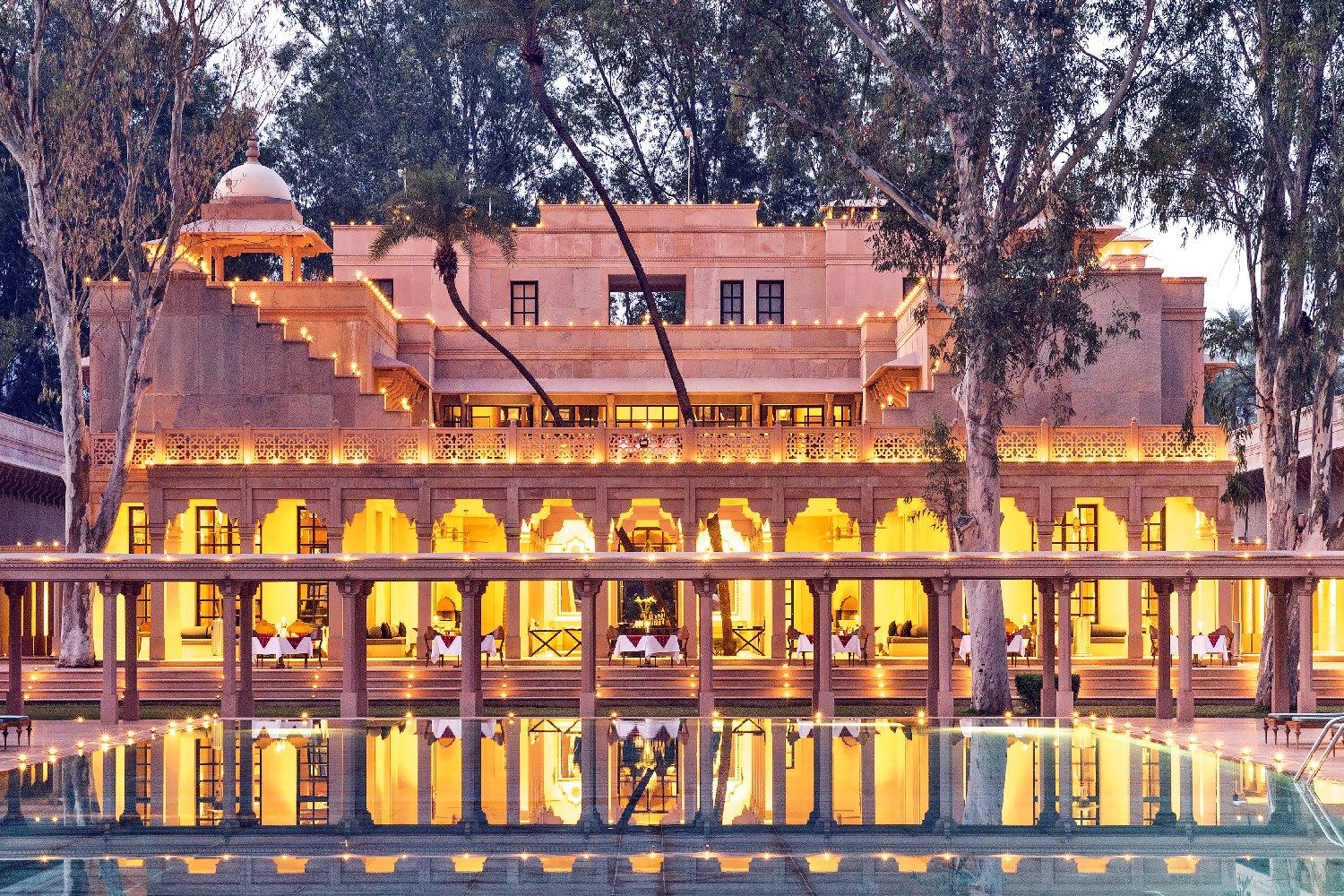

Virtuoso Hotels
Virtuoso Hotels in India
18
18
Ajabgarh · 1Hyderabad · 1Jaipur · 2Jodhpur · 1Mumbai · 2New Delhi · 6Ranthambore · 1Rishikesh · 1Udaipur · 3
Hotels
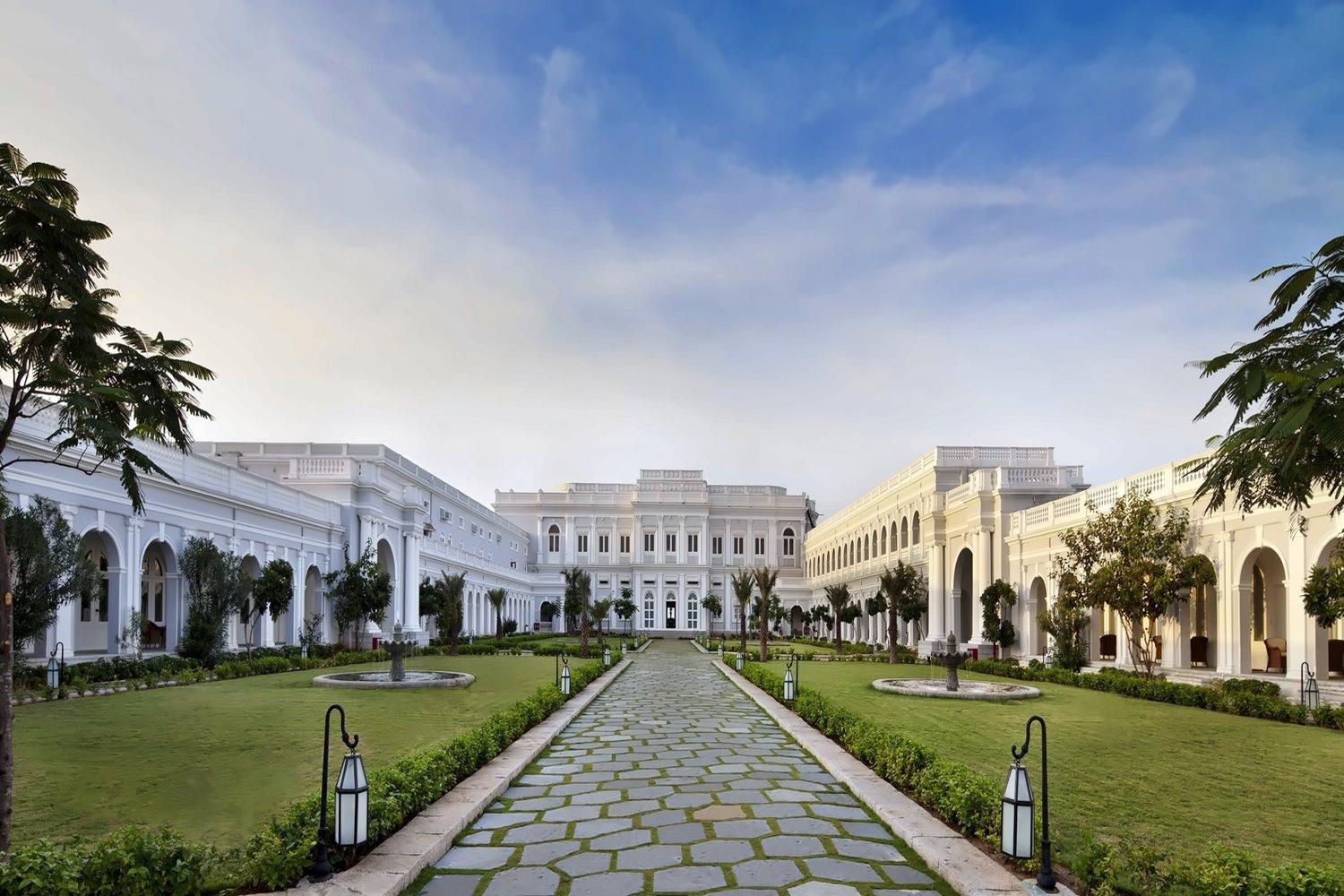
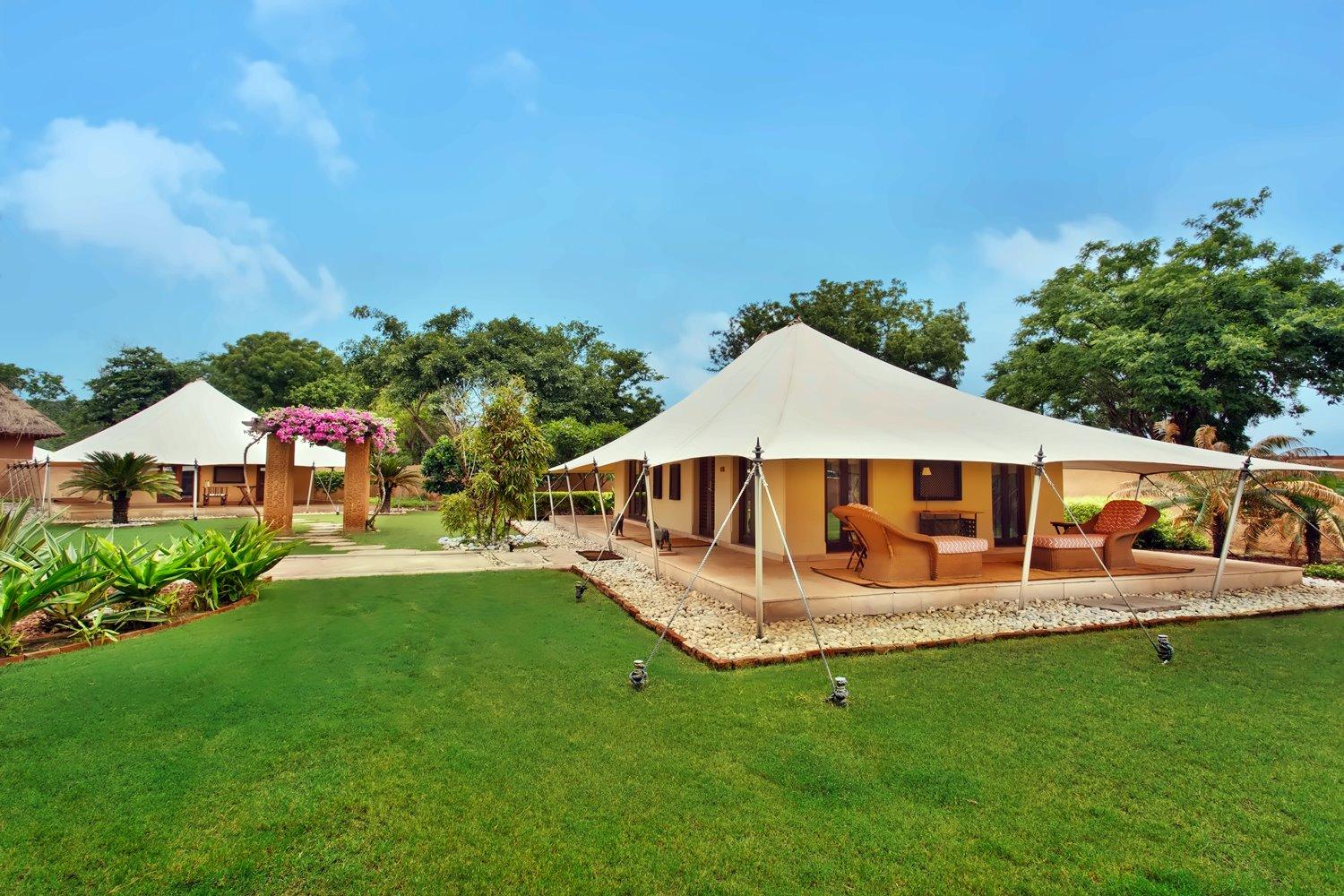
Virtuoso Hotels in India: a practical architecture for high-quality travel
With 18 listed Virtuoso hotels, India rewards travellers who design the route before comparing amenities. Delhi and Mumbai are major gateways. While Rajasthan links Jaipur, Jodhpur, Udaipur, Ajabgarh and Ranthambore across long road sectors. Hyderabad, Rishikesh and the Himalayan foothills require separate routing decisions. Use Delhi for the northern circuit and Mumbai for western connections.
Rail can be rewarding. But premium journeys need confirmed classes, station assistance and realistic road alternatives. domestic flights reduce distance without eliminating airport time. The essential decision is therefore not simply which property appears most luxurious. But which combination protects sleep, transfer reliability and meaningful time in each place. A strong plan sets the regional order, minimum stay lengths and fixed transport first. Then chooses rooms and benefits around that framework.
Luxury becomes useful when it reduces friction without insulating the traveller from place. In India, build enough margin for regional weather and operating changes, use qualified local expertise. And confirm every important inclusion in writing. The following framework connects hotel choice with season, culture, responsible access and realistic movement. So that an ambitious journey remains enjoyable rather than becoming a sequence of hurried check-ins.
Geography and hotel clusters
Delhi and Mumbai are major gateways. While Rajasthan links Jaipur, Jodhpur, Udaipur, Ajabgarh and Ranthambore across long road sectors. Hyderabad, Rishikesh and the Himalayan foothills require separate routing decisions. Treat these distances as a design constraint, not a detail to solve after booking. A successful itinerary limits each travel day to one meaningful transition, protects the first evening after a flight.
And places recovery time beside the most demanding sightseeing. Compare hotels by the journeys they simplify as well as by their facilities. This makes the route calmer, reduces exposure to delays. And leaves enough attention for the places that justify the trip.
Arrival and internal mobility
Use Delhi for the northern circuit and Mumbai for western connections. Rail can be rewarding. But premium journeys need confirmed classes, station assistance and realistic road alternatives. domestic flights reduce distance without eliminating airport time. Confirm every airport, station, driver meeting point and realistic door-to-door duration before committing to a non-refundable rate.
Domestic schedules may look efficient on paper while check-in, baggage, traffic and weather add several hours. A private transfer is valuable when it removes uncertainty. But it should still include a named contact and contingency. Keep arrival day intentionally light and avoid connecting separate tickets without a generous buffer.
Seasons and booking windows
October to March is broadly comfortable across the north, Rajasthan and Mumbai, although winter fog can disrupt Delhi aviation and mornings. April and May bring severe heat in many interiors. the southwest monsoon affects regions differently from June onward. Season should be evaluated region by region rather than through one national label. Match temperature, rainfall,
daylight and local demand to the experiences that matter most. Then check whether the preferred room category is comfortable in those conditions. Shoulder periods can offer space and value, yet require flexible outdoor plans. During peak weeks. Reserve scarce guides, trains and internal flights before polishing restaurant reservations or optional spa time.
A route that protects the experience
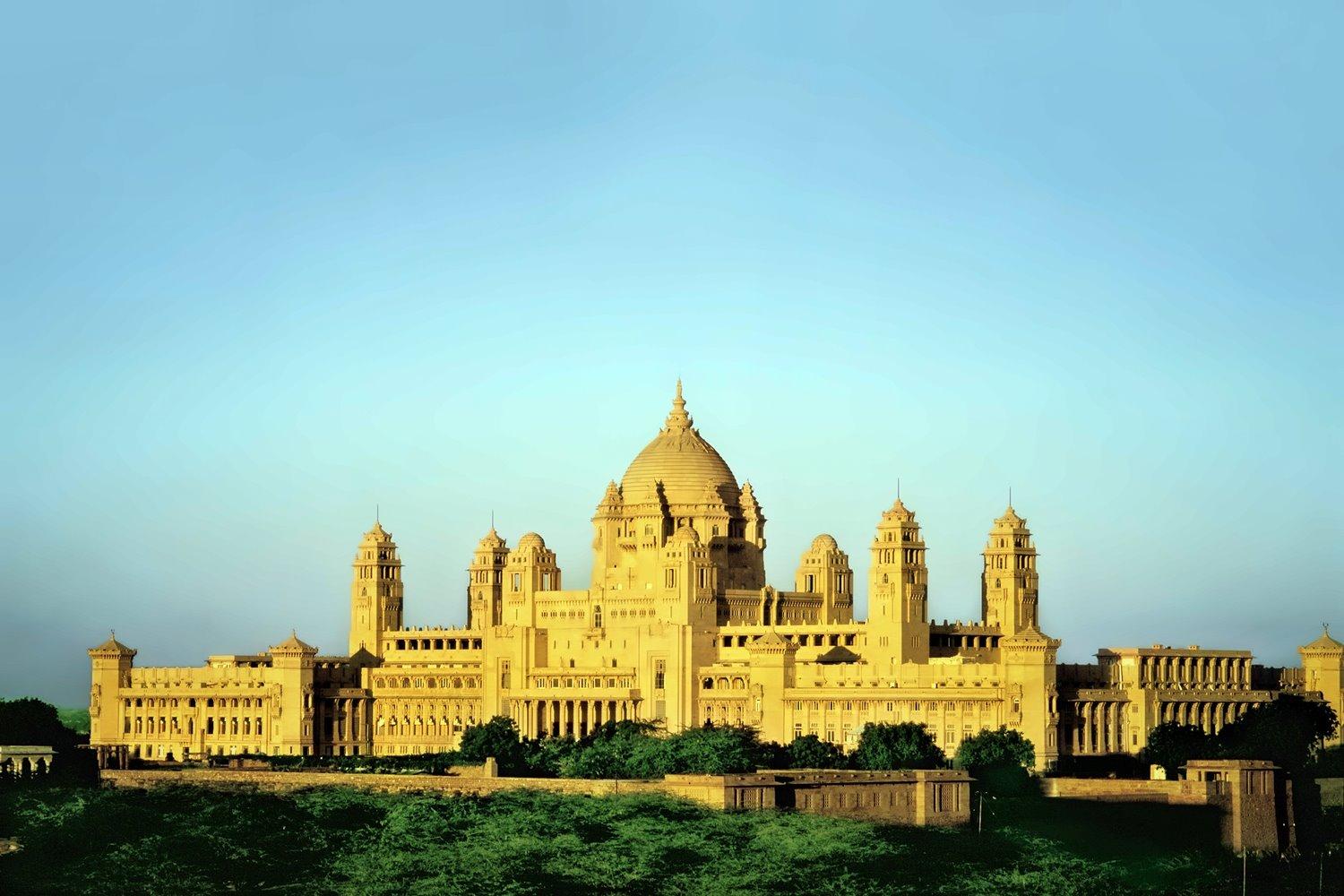
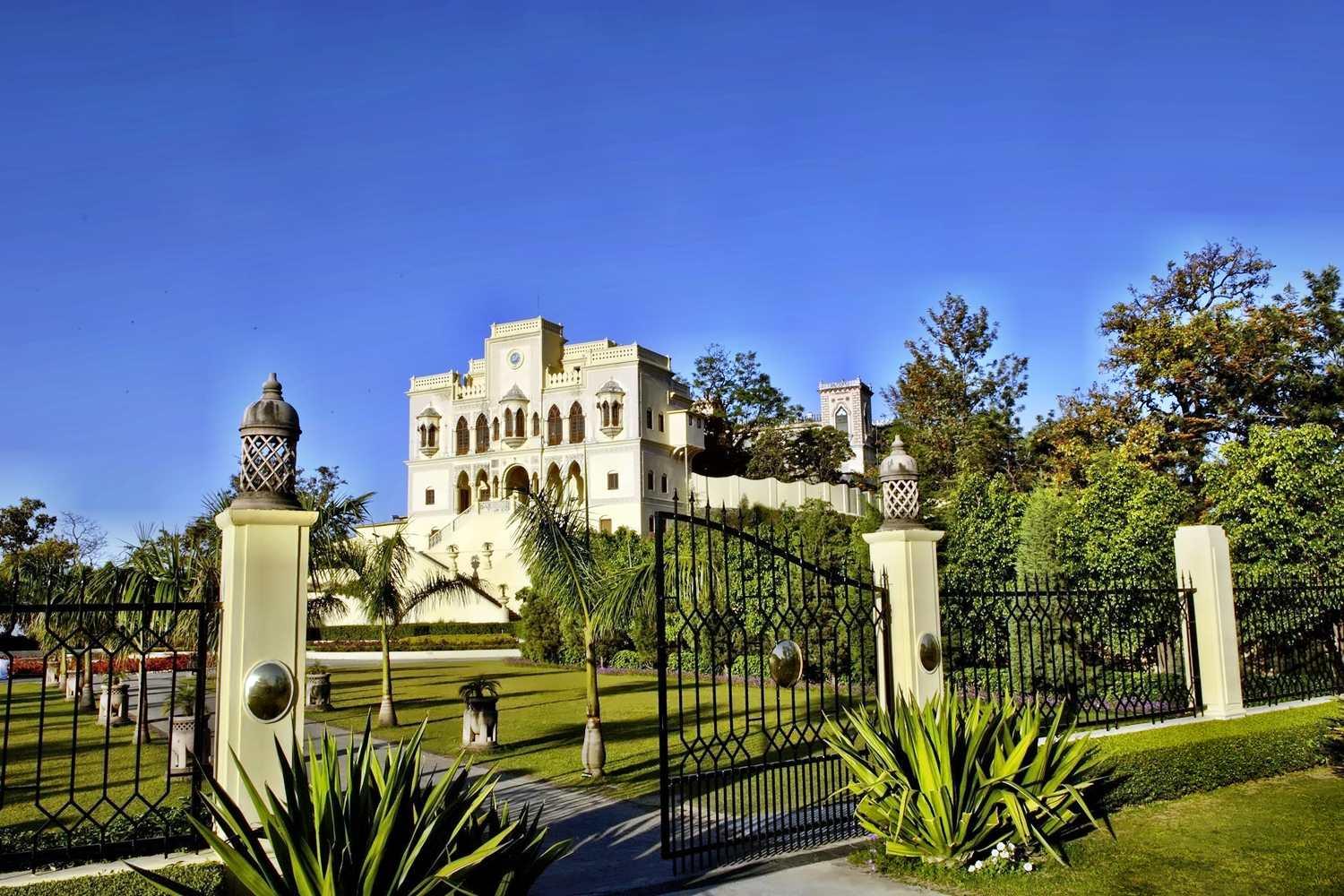
A coherent first journey might combine Delhi, Jaipur and Udaipur. Then add Ranthambore or Ajabgarh rather than every Rajasthan stop. Rishikesh and Hyderabad work better as dedicated extensions than as hurried detours. Build the journey as a sequence of distinct chapters instead of collecting famous names. Two or three nights usually form the minimum useful block where arrival effort is high.
a one-night stop is justified only when it solves transport. Alternate dense cultural days with slower landscape or resort days. This pacing supports better decisions on the ground and prevents an ambitious route from turning premium hotels into little more than expensive transit lounges.
Room and resort strategy
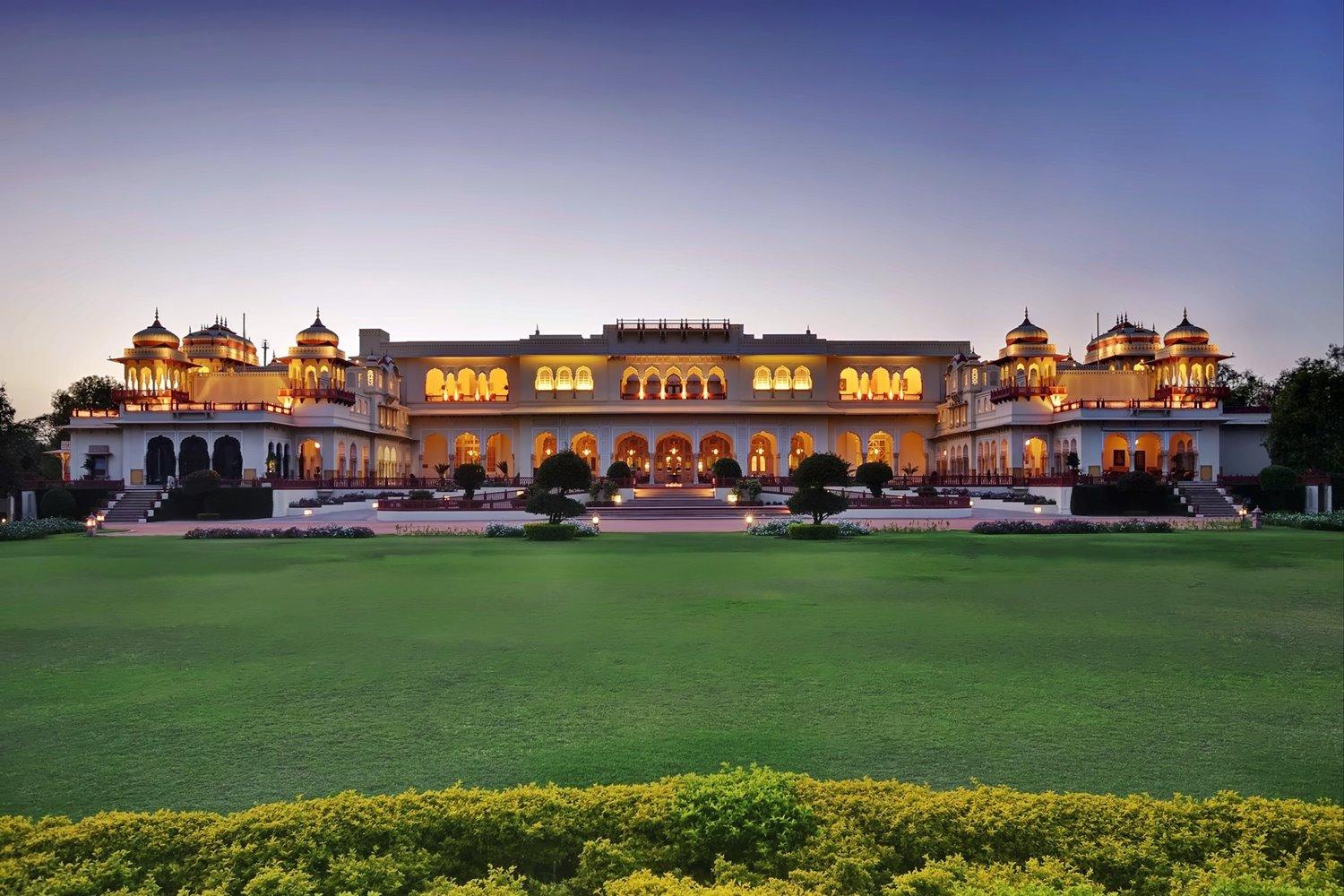
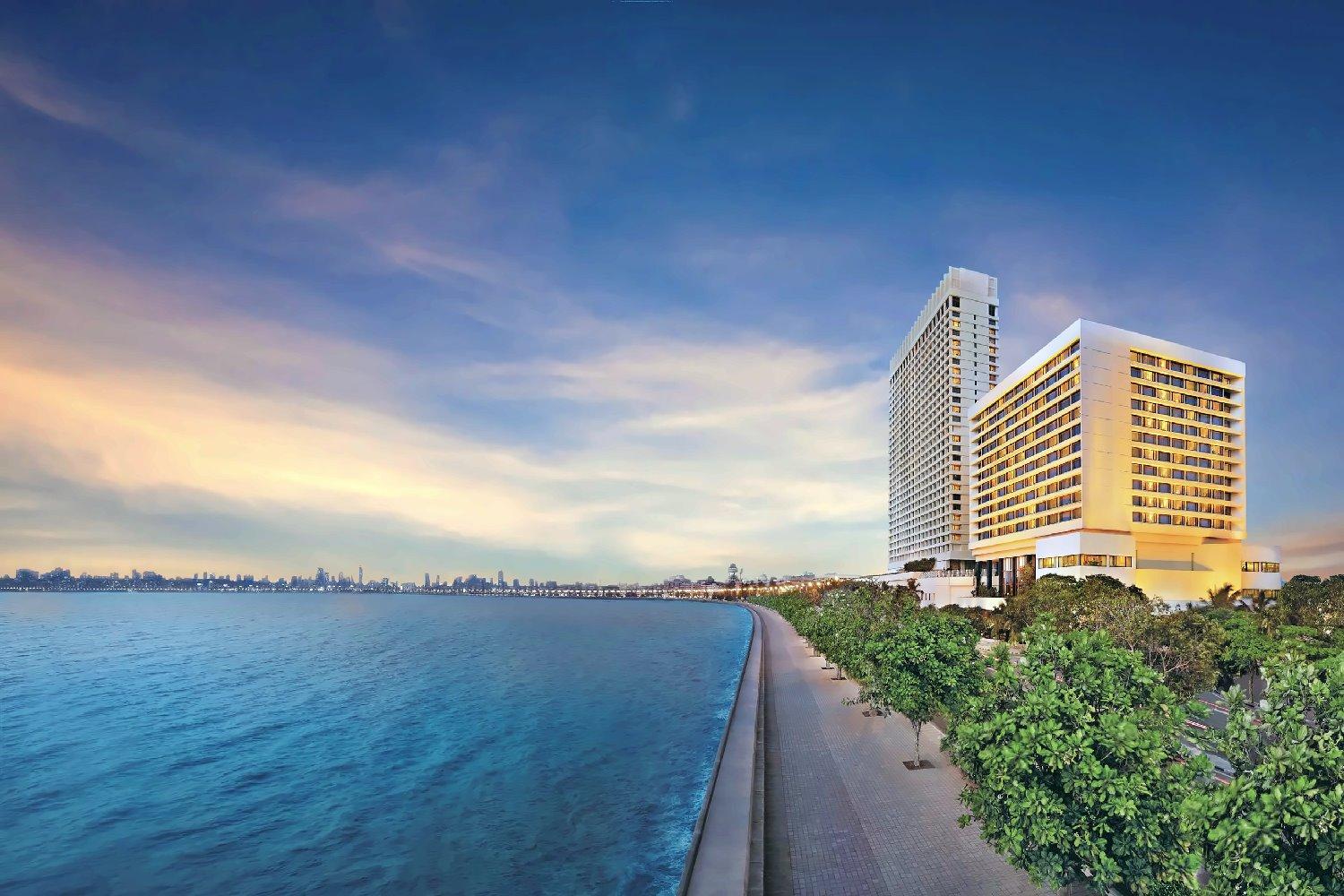
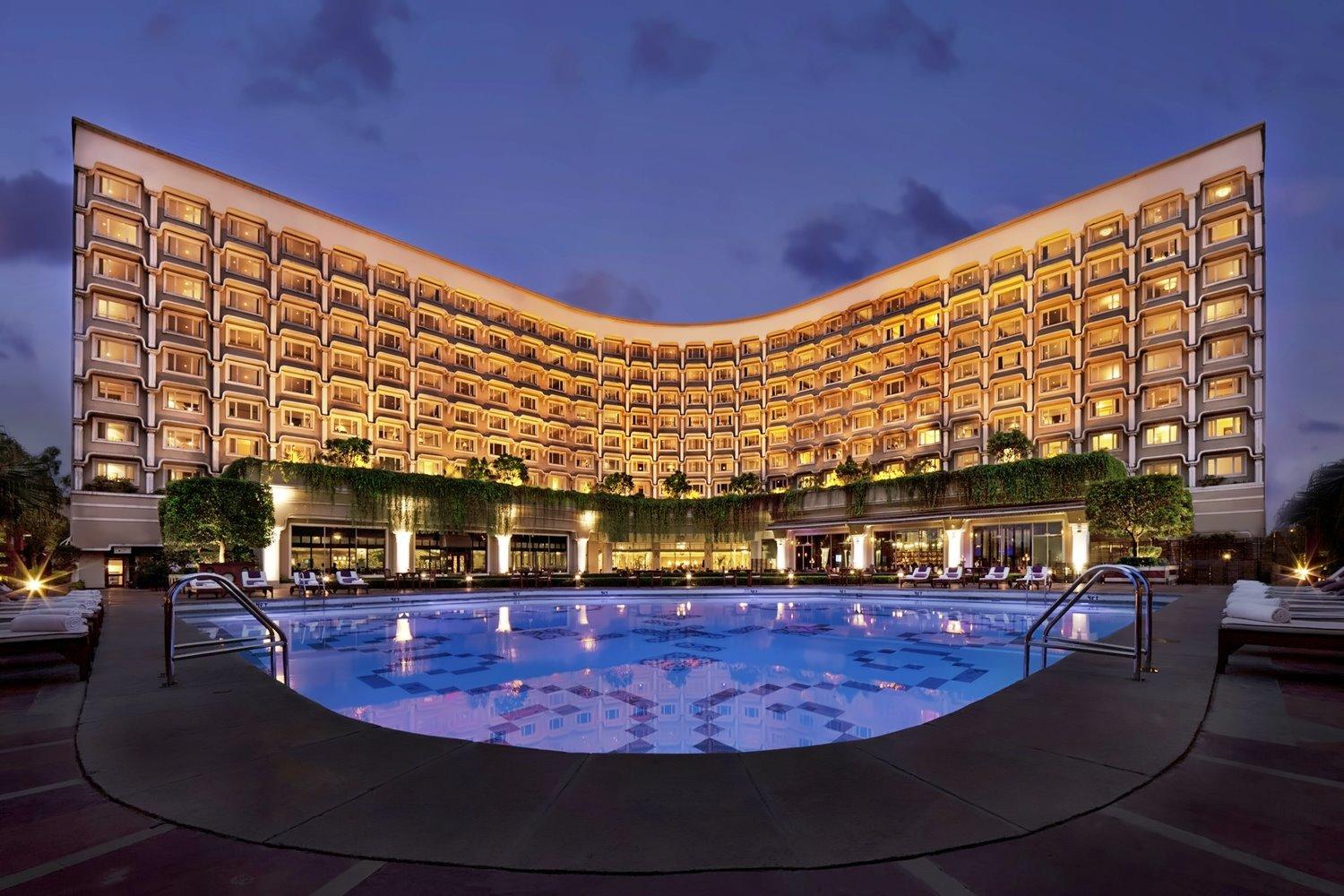
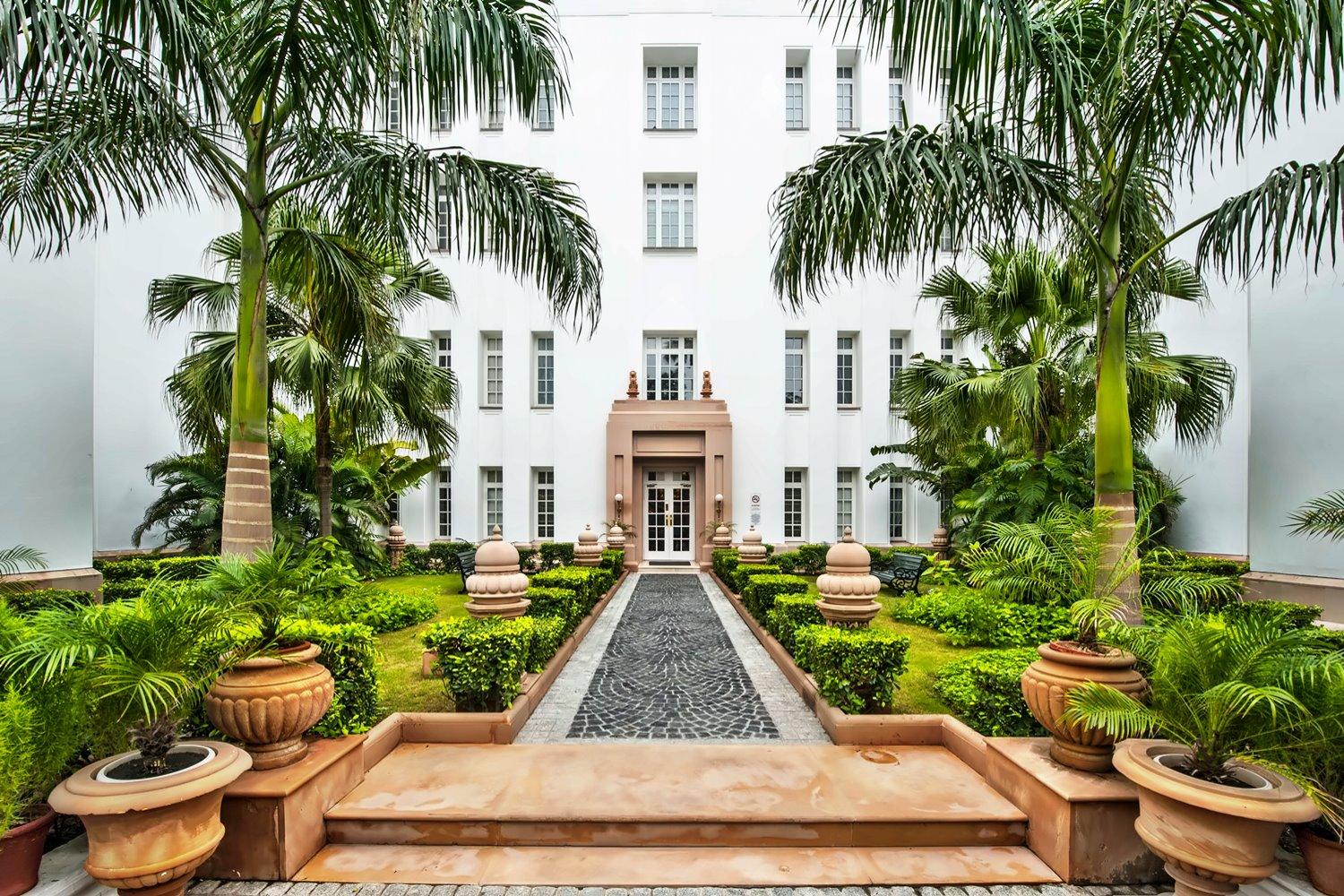
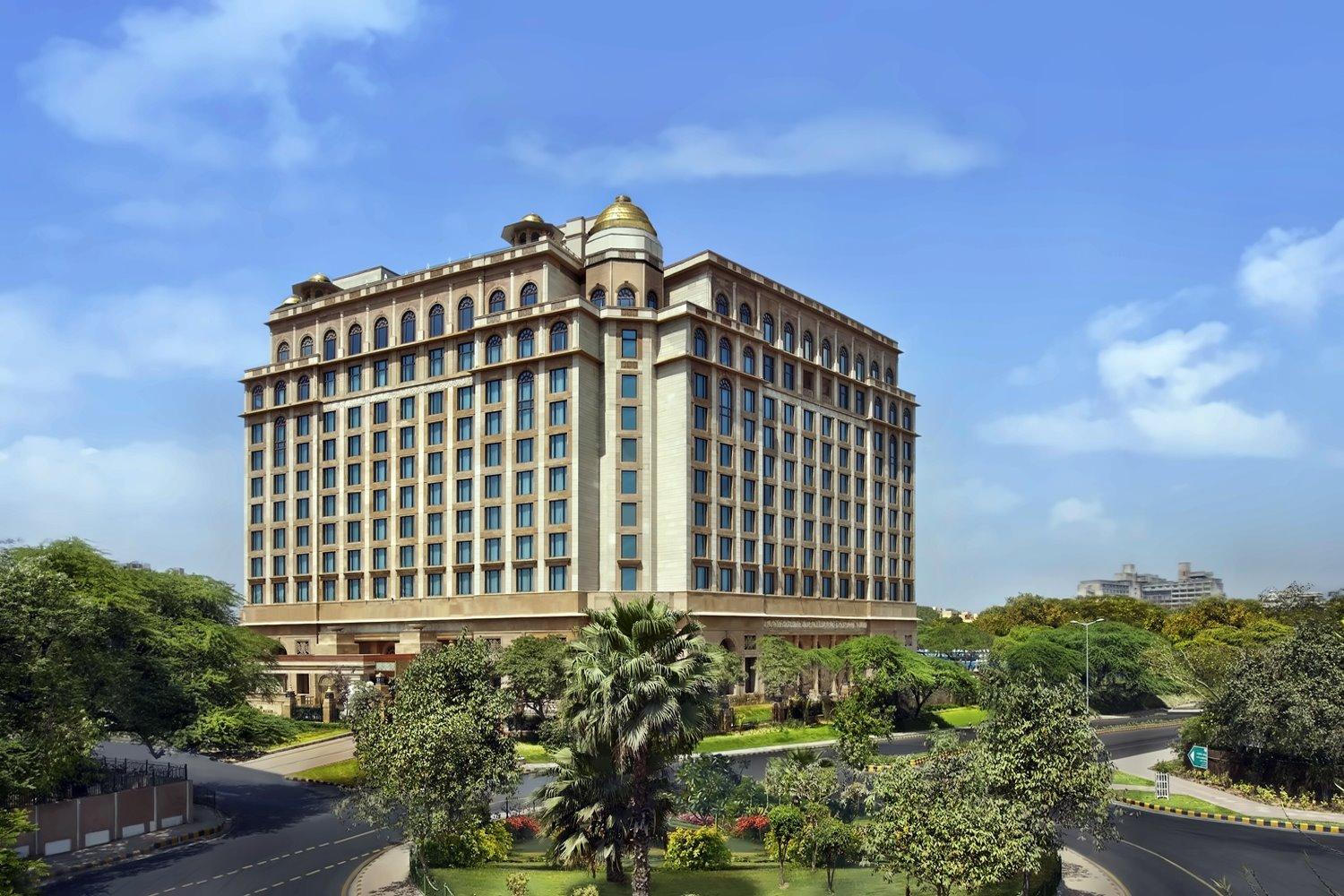
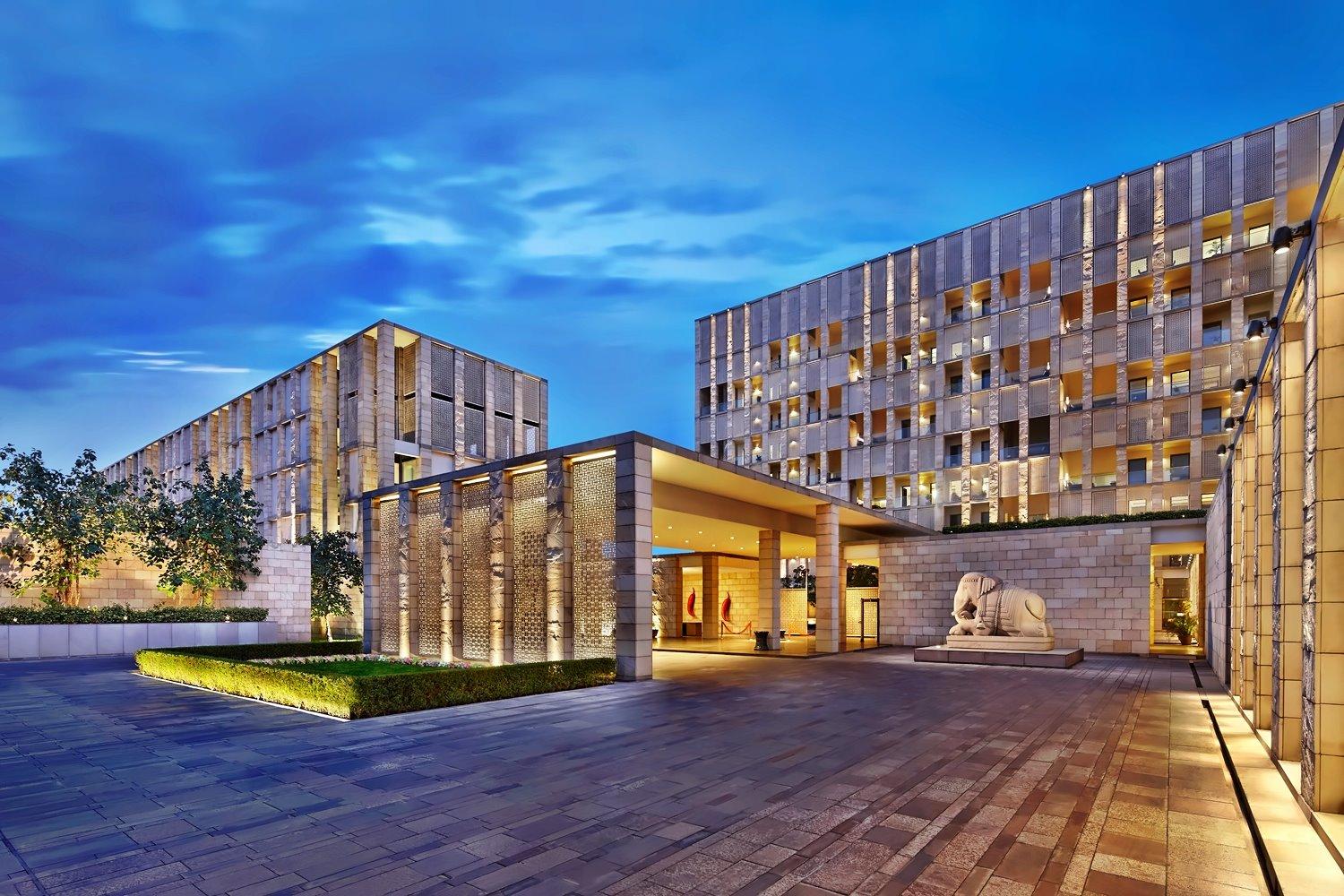
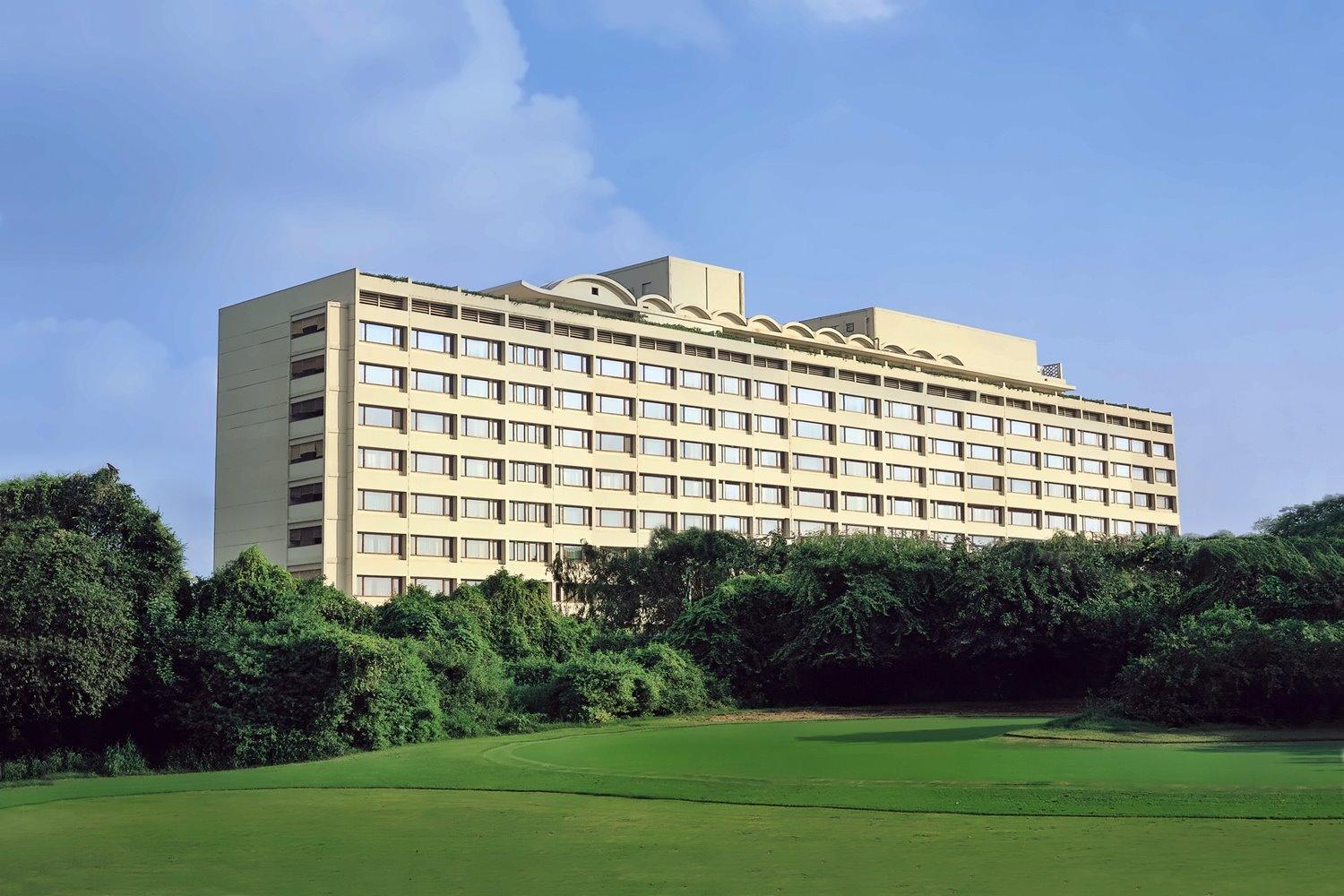
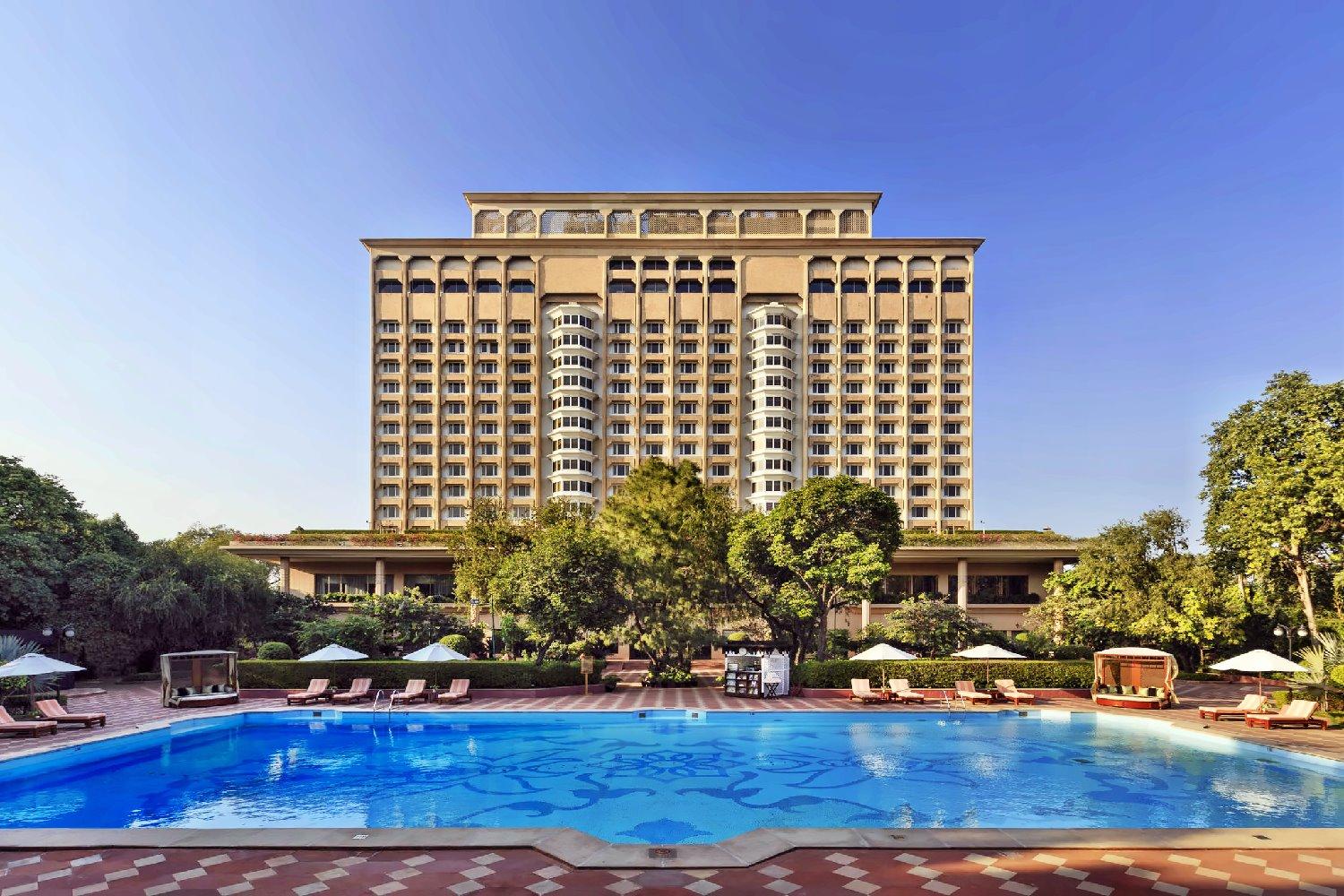
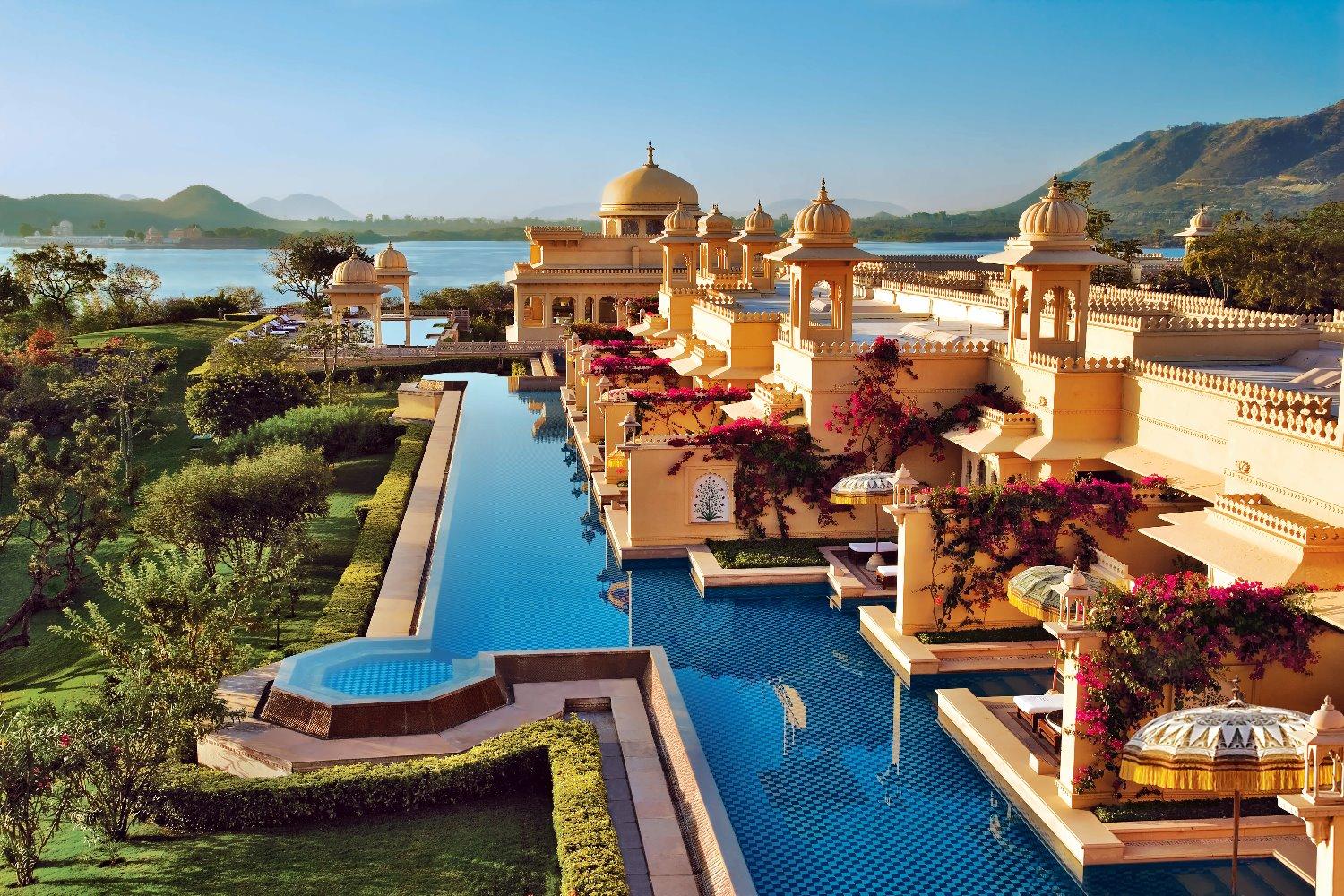
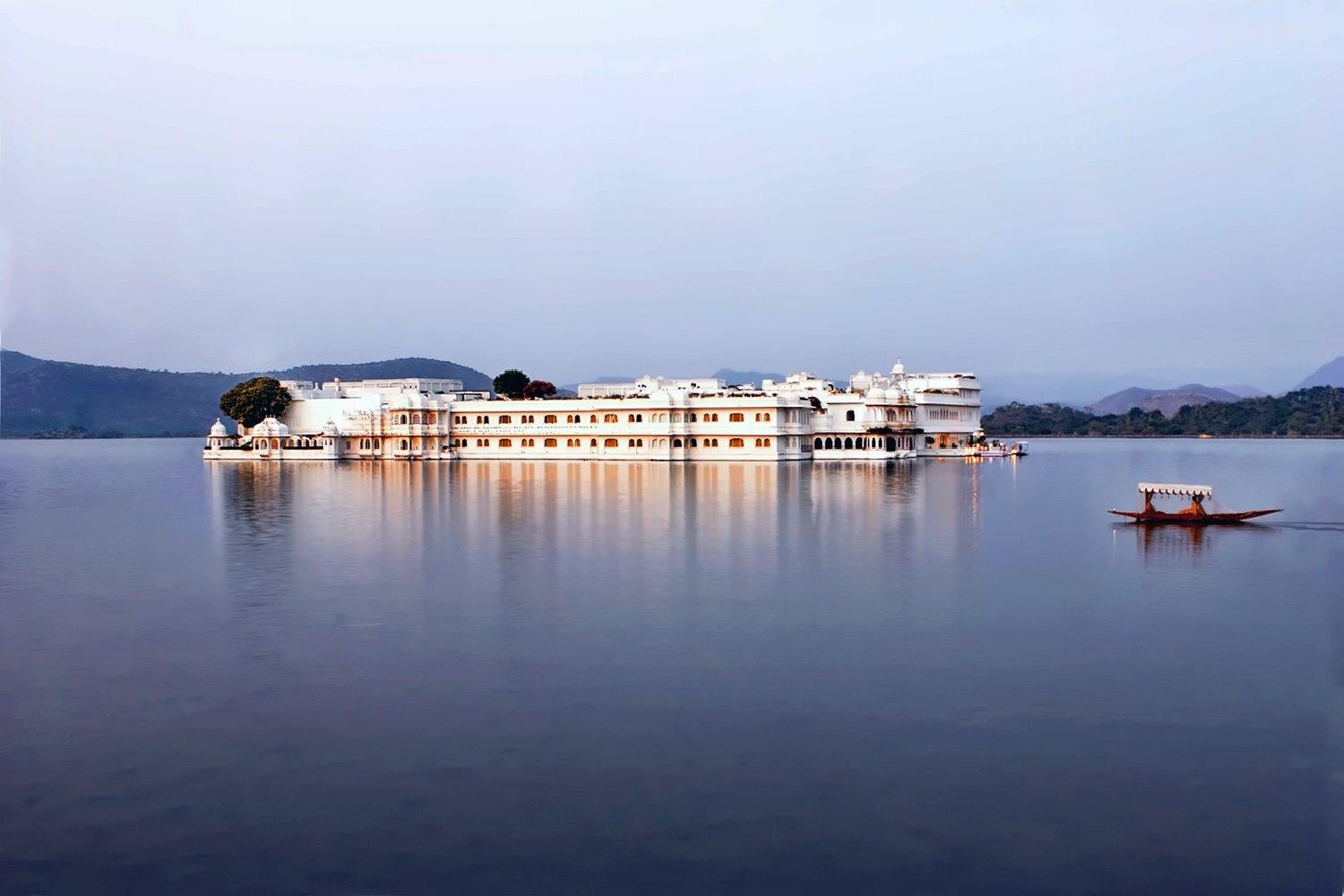
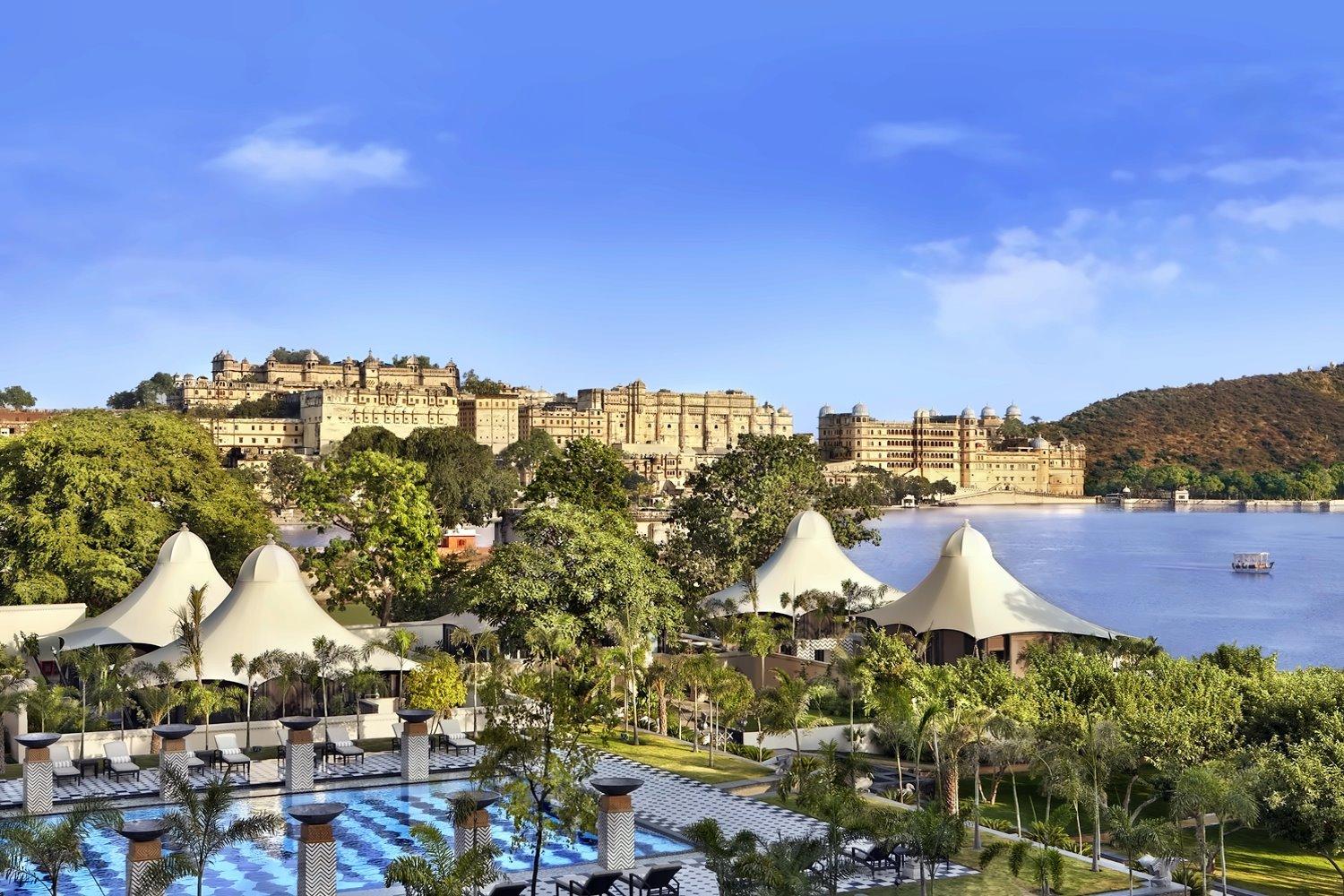
The Imperial, The Lodhi and The Oberoi offer different Delhi positions. Rambagh Palace and Oberoi Rajvilas contrast heritage and resort calm in Jaipur. Taj Lake Palace and Oberoi Udaivilas make location and boat access central in Udaipur. Room selection should answer a practical question: what will improve sleep, privacy and recovery at this exact stop Request written clarification on outlook,
floor, noise exposure, bedding, connecting configuration, climate control and renovation status. At resorts, distance from the main facilities may matter more than nominal size. in cities, orientation can outweigh a decorative upgrade. Never assume that a category name has the same meaning across unrelated hotel groups.
Virtuoso benefits with written proof
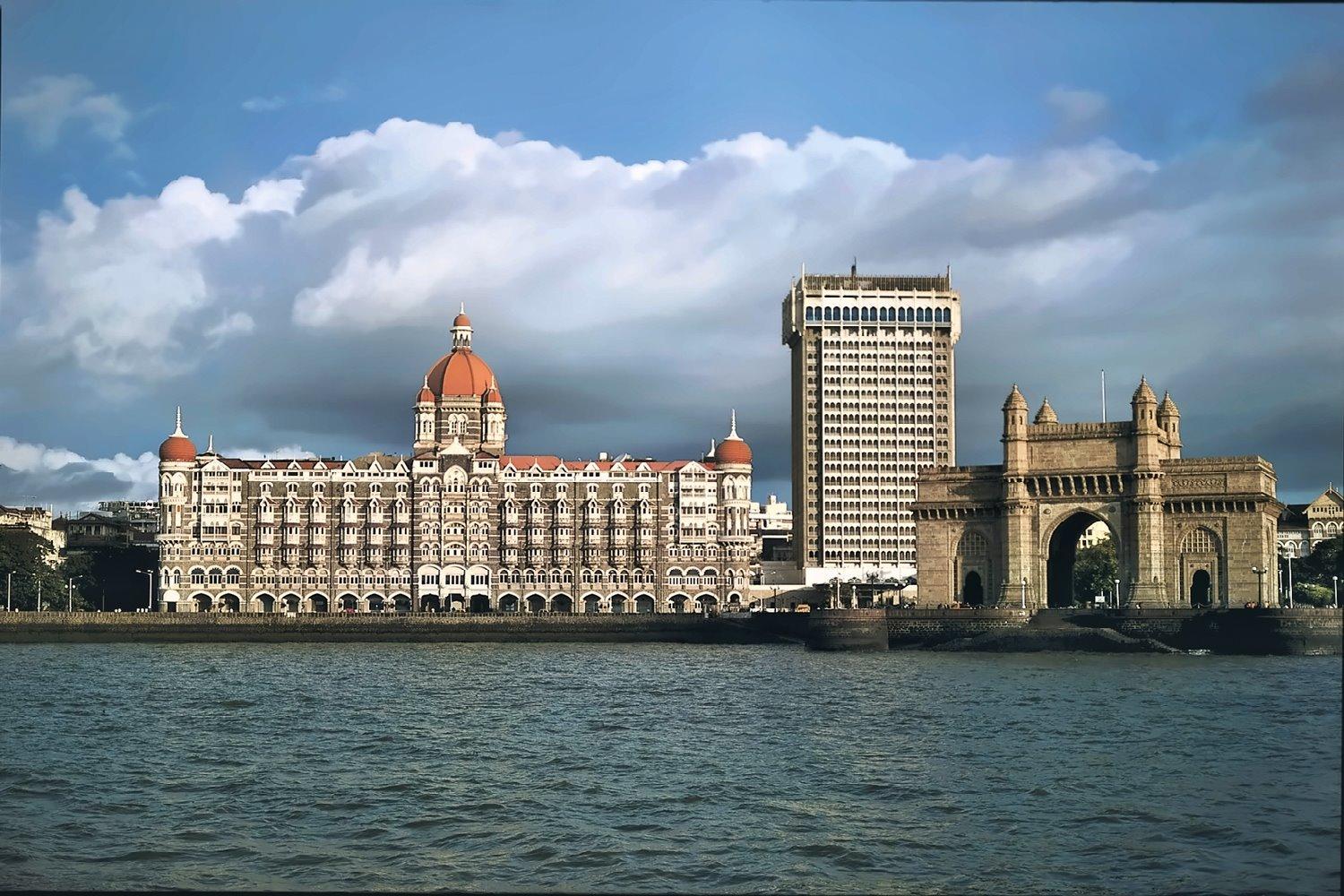
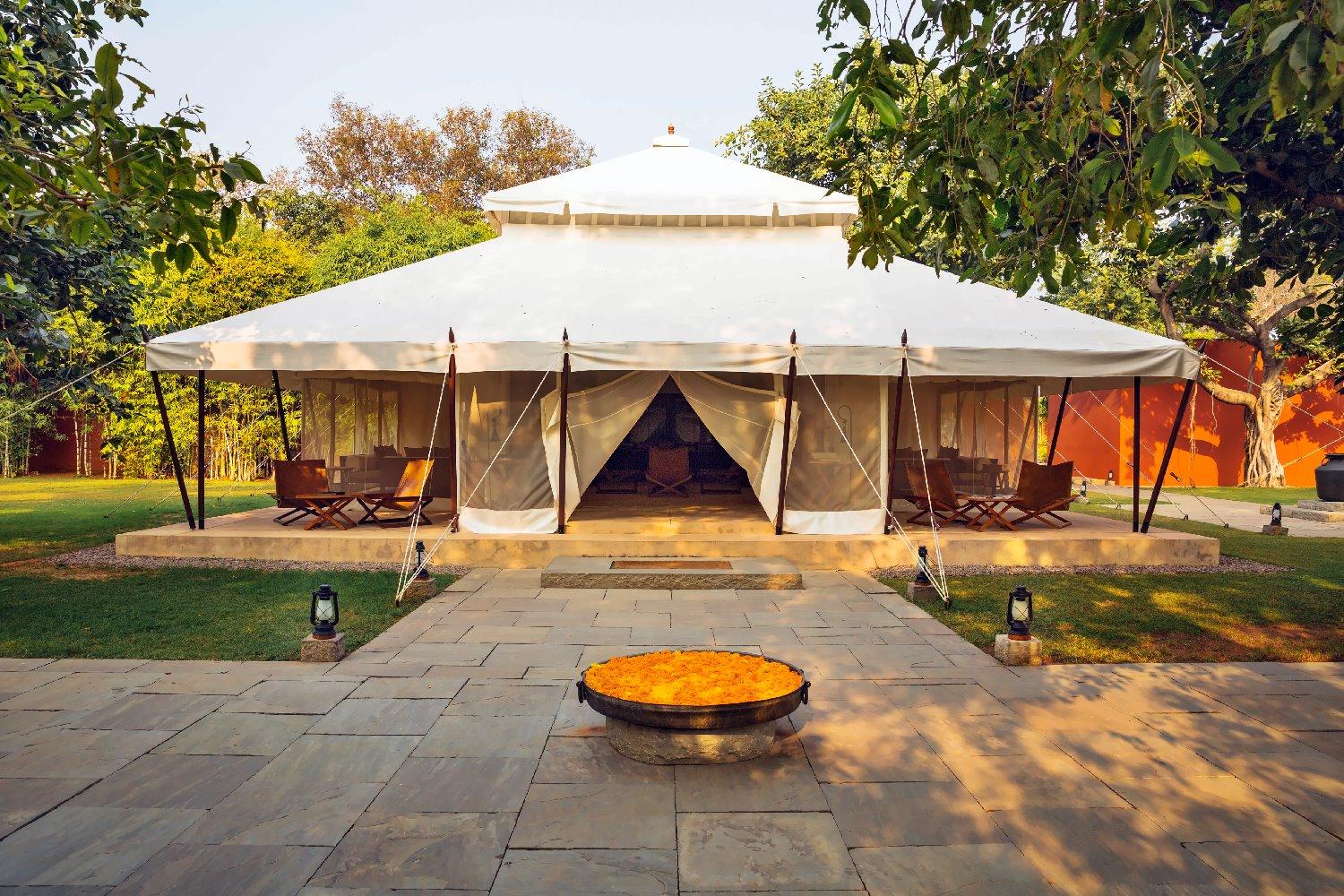
At Aman-i-Khás, Amanbagh and Ananda in the Himalayas, the experience depends on transfers, programme timing and retreat rhythm. In Mumbai. Compare harbour history at The Taj Mahal Palace with the business-district efficiency of The Oberoi. Virtuoso value depends on the eligible rate and the hotel confirmation, not on a general promise. Ask the advisor to record breakfast terms,
property credit, upgrade basis, early arrival, late departure and any exclusions for the precise dates. Compare the total stay value against flexible public rates, including taxes and cancellation rules. A possible upgrade is welcome. But the booked room must already meet the essential needs because availability-based benefits can never repair a poor base choice.
Food, culture and local context
Regional food is not one cuisine: contrast Hyderabadi biryani, Rajasthani thalis, Mumbai coastal cooking and Delhi’s Mughal traditions. Temple, palace and market visits require thoughtful dress, photography permission and guides who explain context. Use the hotel concierge selectively for reservations where timing, access or local context genuinely matter. Leave room for neighbourhood restaurants, markets,
crafts and regional cooking rather than scheduling every meal inside the property. Cultural visits benefit from qualified local guides and respectful timing around worship, community life and closures. Dress guidance, photography rules and tipping practices should be clarified quietly in advance, allowing encounters to feel informed rather than transactional.
Responsible planning and resilience
Verify current visa and health requirements, avoid wildlife interactions that compromise conservation. And use licensed naturalists in Ranthambore. Build buffers for fog, heat, monsoon rain and road variability, especially before fixed flights. Finish with a resilience review covering documents, health advice, insurance, payment access, connectivity and a 24-hour contact chain. Keep copies of confirmations offline and allow slack before the international departure.
Responsible planning also means choosing licensed guides and drivers, respecting protected landscapes, managing water and waste thoughtfully. And avoiding experiences that exploit people, wildlife or heritage. The best luxury itinerary is not the fullest one. it is the one that remains composed when conditions change.
Tips for planning Virtuoso hotels in India
- Map every hotel against the exact arrival terminal and the next departure. Use Delhi for the northern circuit and Mumbai for western connections. Rail can be rewarding. But premium journeys need confirmed classes, station assistance and realistic road alternatives. domestic flights reduce distance without eliminating airport time.
- Choose dates from regional conditions, not a country-wide average. October to March is broadly comfortable across the north, Rajasthan and Mumbai, although winter fog can disrupt Delhi aviation and mornings. April and May bring severe heat in many interiors. the southwest monsoon affects regions differently from June onward.
- Book the base room you would accept without an upgrade and confirm orientation, bedding and transfer inclusions in writing.
- Ask the Virtuoso advisor to price the eligible flexible rate beside public alternatives and itemise every date-specific benefit.
- Protect the final international departure with a generous buffer. Verify current visa and health requirements, avoid wildlife interactions that compromise conservation. And use licensed naturalists in Ranthambore. Build buffers for fog, heat, monsoon rain and road variability, especially before fixed flights.
Frequently asked questions about Virtuoso hotels in India
How many Virtuoso hotels are listed and where are they concentrated
18 hotels are listed. Delhi and Mumbai are major gateways. While Rajasthan links Jaipur, Jodhpur, Udaipur, Ajabgarh and Ranthambore across long road sectors. Hyderabad, Rishikesh and the Himalayan foothills require separate routing decisions. The useful comparison is by regional cluster and journey role. Because properties separated by a flight or long drive are not true alternatives for the same night.
What is the best way to structure a first journey
A coherent first journey might combine Delhi, Jaipur and Udaipur. Then add Ranthambore or Ajabgarh rather than every Rajasthan stop. Rishikesh and Hyderabad work better as dedicated extensions than as hurried detours. Start with the experiences that justify the trip, assign realistic travel days. And remove any stop that depends on a perfect chain of connections.
When should the hotels and transport be booked
October to March is broadly comfortable across the north, Rajasthan and Mumbai, although winter fog can disrupt Delhi aviation and mornings. April and May bring severe heat in many interiors. the southwest monsoon affects regions differently from June onward. Secure constrained internal transport, specialist guides and distinctive room categories as soon as dates are firm. flexible city inventory can follow after the route is stable.
How should room categories be compared
Compare the exact floor plan, outlook, noise, climate control, access and distance to facilities. The Imperial, The Lodhi and The Oberoi offer different Delhi positions. Rambagh Palace and Oberoi Rajvilas contrast heritage and resort calm in Jaipur. Taj Lake Palace and Oberoi Udaivilas make location and boat access central in Udaipur. Written confirmation matters more than a category label or a representative photograph.
Are Virtuoso benefits guaranteed
No. Breakfast, credits and other amenities apply only to eligible rates. While upgrades and timing benefits commonly depend on availability. The advisor and hotel should confirm the precise terms for each stay.
How much recovery time should the route include
Protect the arrival evening, avoid major touring immediately after altitude or long flights. And insert a slower block after two demanding movement days. A coherent first journey might combine Delhi, Jaipur and Udaipur. Then add Ranthambore or Ajabgarh rather than every Rajasthan stop. Rishikesh and Hyderabad work better as dedicated extensions than as hurried detours.
How can the journey support local culture responsibly
Regional food is not one cuisine: contrast Hyderabadi biryani, Rajasthani thalis, Mumbai coastal cooking and Delhi’s Mughal traditions. Temple, palace and market visits require thoughtful dress, photography permission and guides who explain context. Use qualified local guides, respect access and photography rules. And direct spending toward credible locally owned makers, restaurants and conservation initiatives.
What must be reconfirmed before departure
Reconfirm flight or train status, driver contacts, room configuration, dietary and accessibility needs, benefit eligibility and cancellation terms. Verify current visa and health requirements, avoid wildlife interactions that compromise conservation. And use licensed naturalists in Ranthambore. Build buffers for fog, heat, monsoon rain and road variability, especially before fixed flights.
Combine your hotel stay with a privately designed journey through India, with hotels, transfers and experiences planned as one seamless itinerary.