
Virtuoso Hotels
Virtuoso Hotels in New Delhi, India
6
6
Hotels
Virtuoso hotels in New Delhi: six distinguished bases for a layered capital
New Delhi is the planned capital district within the much larger territory of Delhi. And a successful stay must connect ceremonial avenues, diplomatic quarters, Mughal monuments, Old Delhi and contemporary neighbourhoods without pretending they are one walkable centre. Chanakyapuri suits embassies and resort-like hotel time. Janpath and Mansingh Road shorten central appointments.
the Lodhi and Nizamuddin side gives early access to gardens and Humayun’s Tomb. Traffic, heat, air quality and security closures make the right sequence as important as the right address.
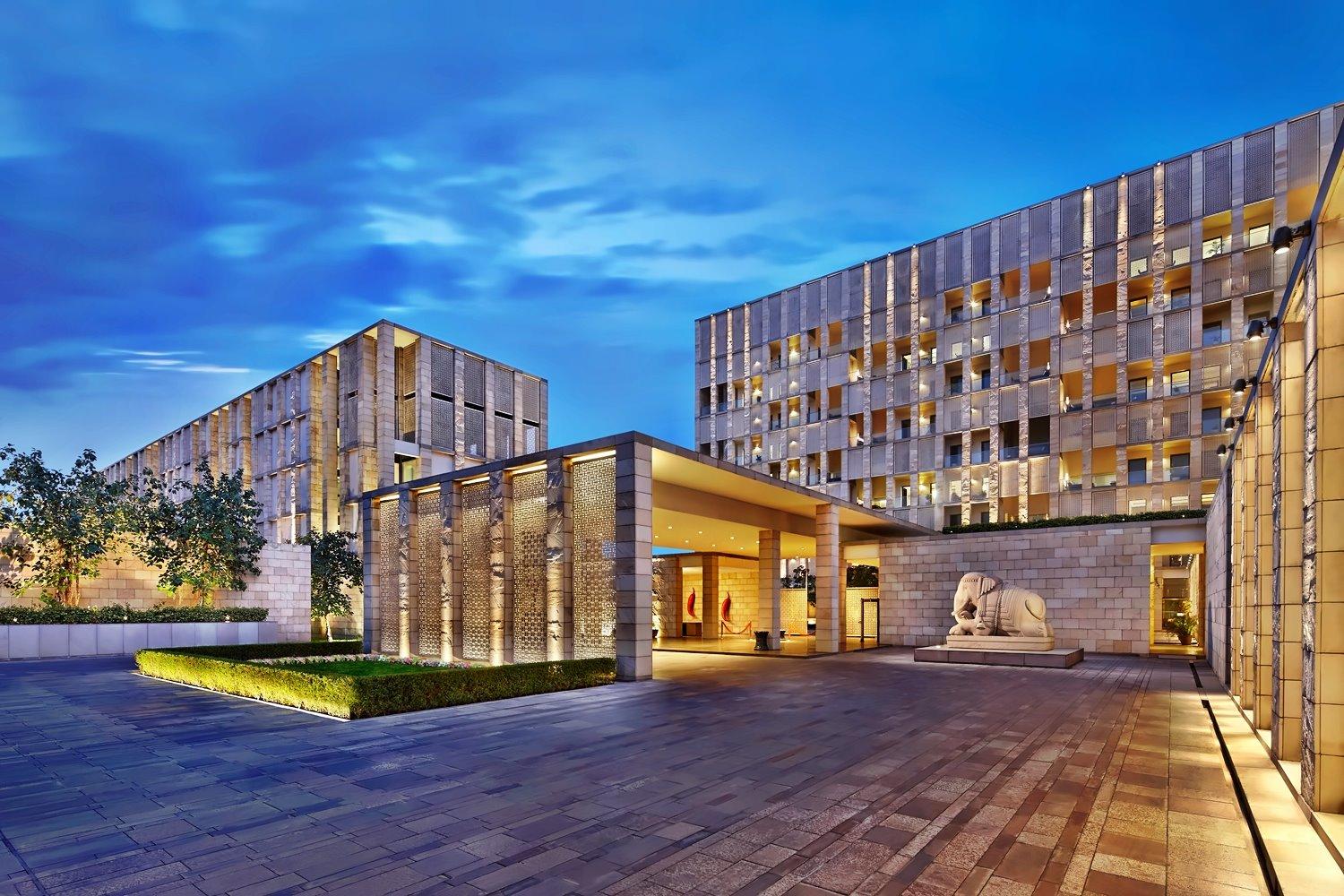
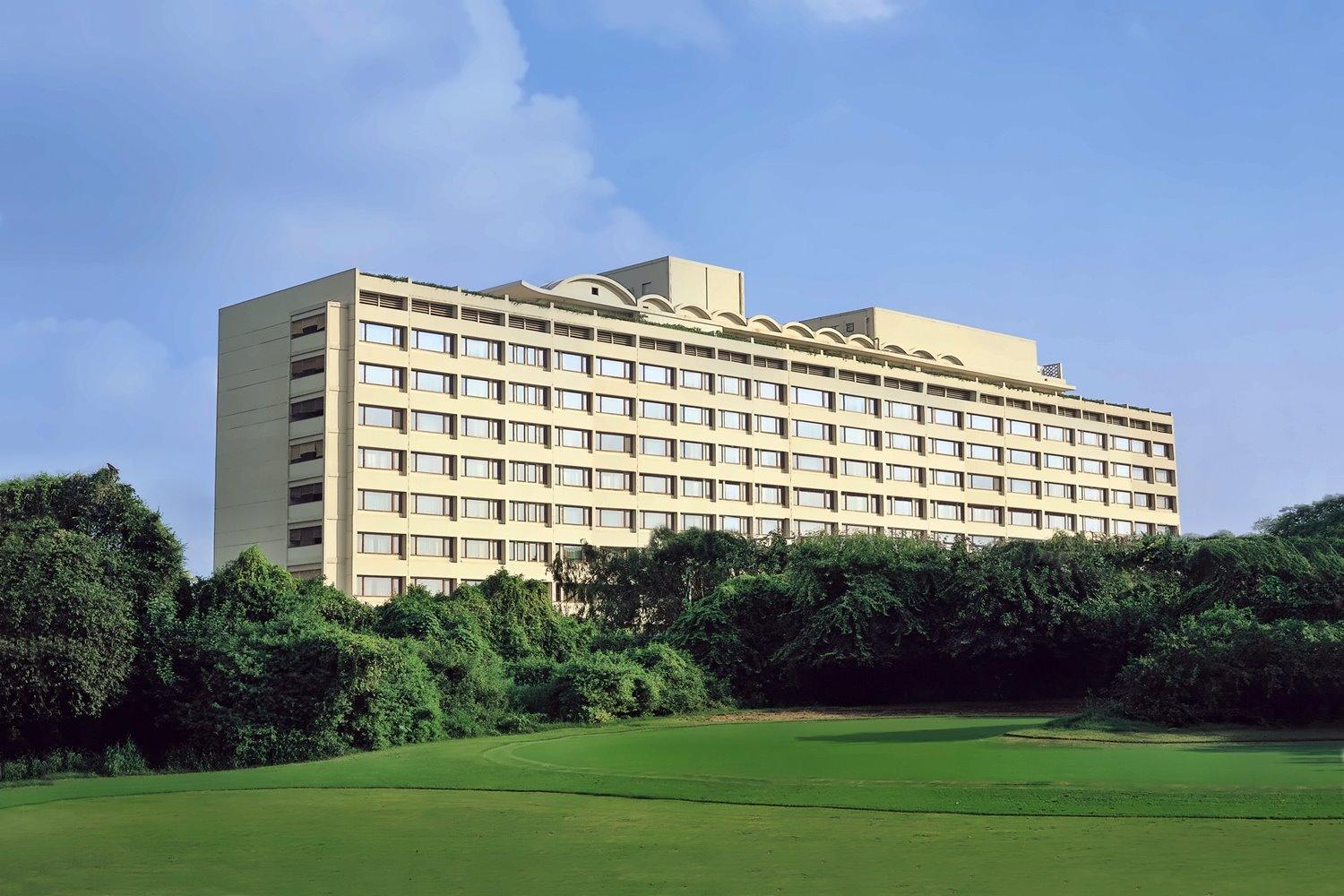
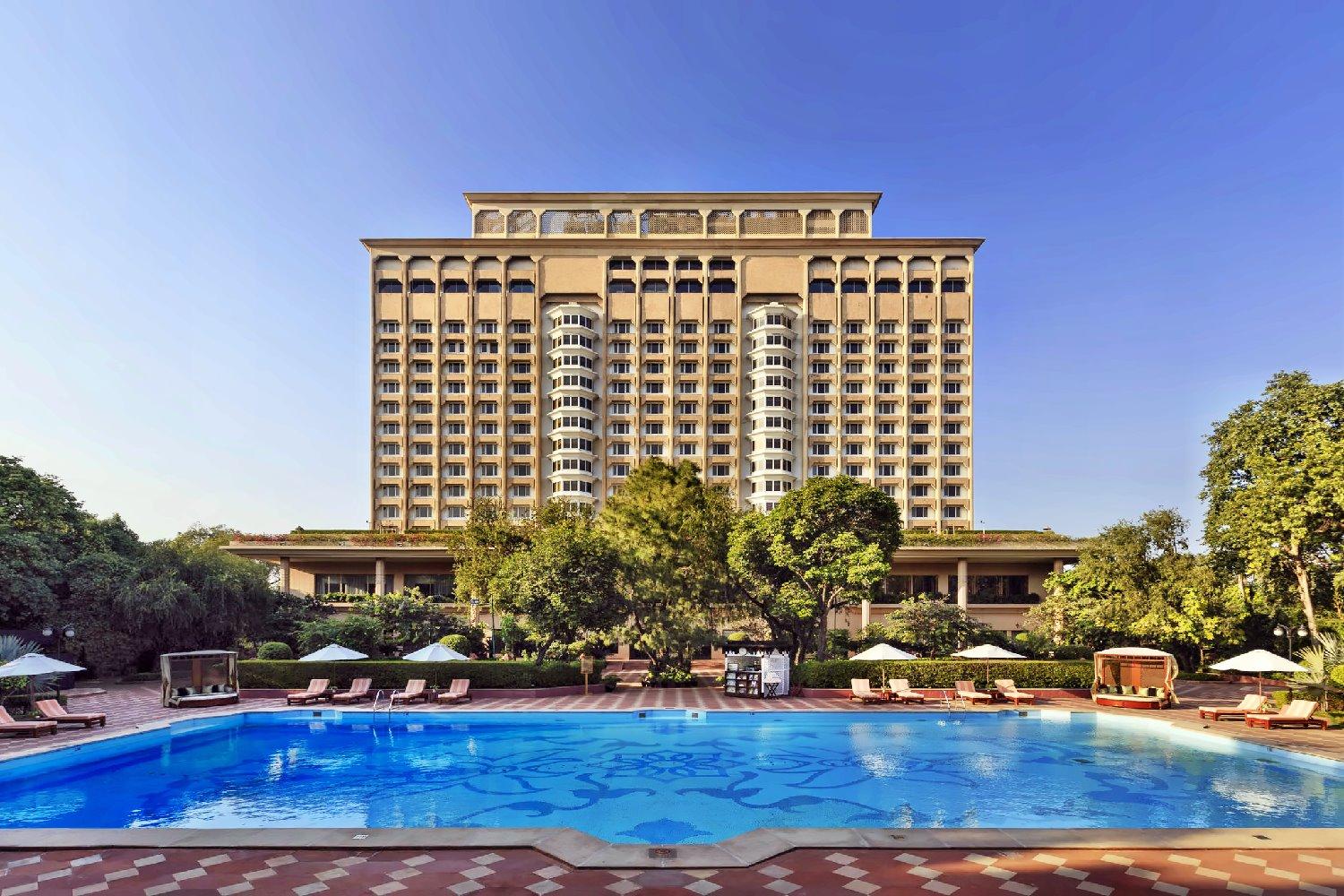
The active Virtuoso selection contains 6 hotels. Taj Palace New Delhi, The Imperial, The Leela Palace New Delhi, The Lodhi, The Oberoi New Delhi and The Taj Mahal Hotel. Their differences extend far beyond decor, from garden scale and diplomatic positioning to private plunge pools, monument views, historic interiors and restaurant depth. This guide builds a deliberate programme around the real geography. Deluxetargets then confirms the eligible rate and its current benefits for the chosen hotel, category and dates.
Choose the district before comparing marble and service
Taj Palace and The Leela Palace occupy Chanakyapuri, useful for diplomatic. Government and some business schedules, with enough dining and spa depth to support protected hotel time. The Imperial on Janpath and The Taj Mahal Hotel on Mansingh Road suit ceremonial New Delhi, Connaught Place and central cultural appointments. The Lodhi and The Oberoi sit closer to Lodhi Gardens,
Nizamuddin and Humayun’s Tomb, though each creates a different rhythm. None makes Old Delhi, Qutb Minar and every southern district simultaneously close. Mark fixed visits, dinners and meetings first. Then choose the base that removes the most repeated crossing.
Taj Palace
For a broad garden hotel, many restaurants, club options and practical Chanakyapuri appointments.
The Leela Palace
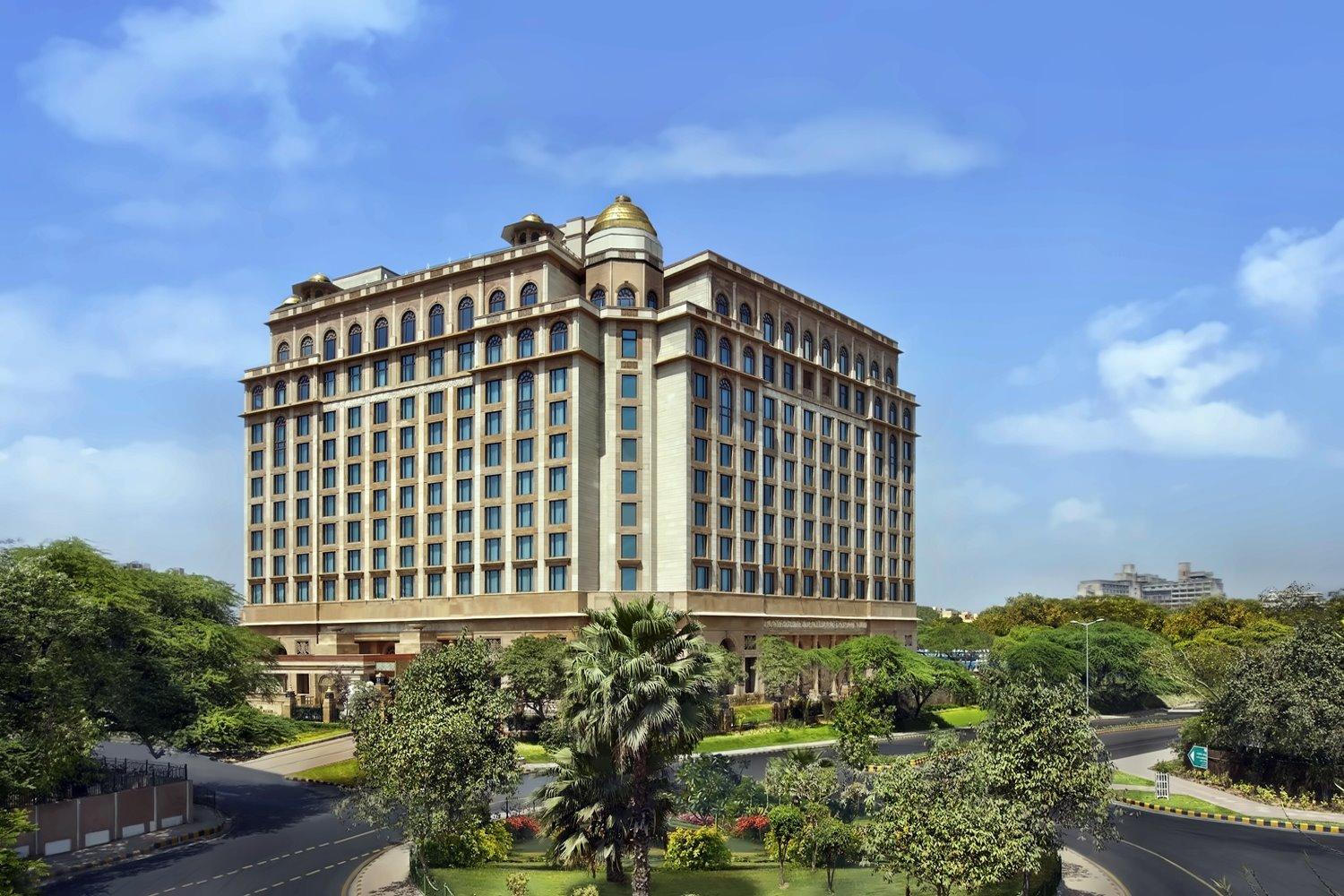
For ornate contemporary luxury, rooftop pool, spa and a hotel-led dining programme in Chanakyapuri.
The Imperial and Taj Mahal Hotel
Imperial foregrounds Janpath heritage and art. Taj Mahal Hotel gives Mansingh Road landmark access and refreshed rooms.
The Lodhi and The Oberoi
Lodhi offers large rooms and selected plunge pools. Oberoi brings refined views and controlled modern interiors.
How the six hotels genuinely differ
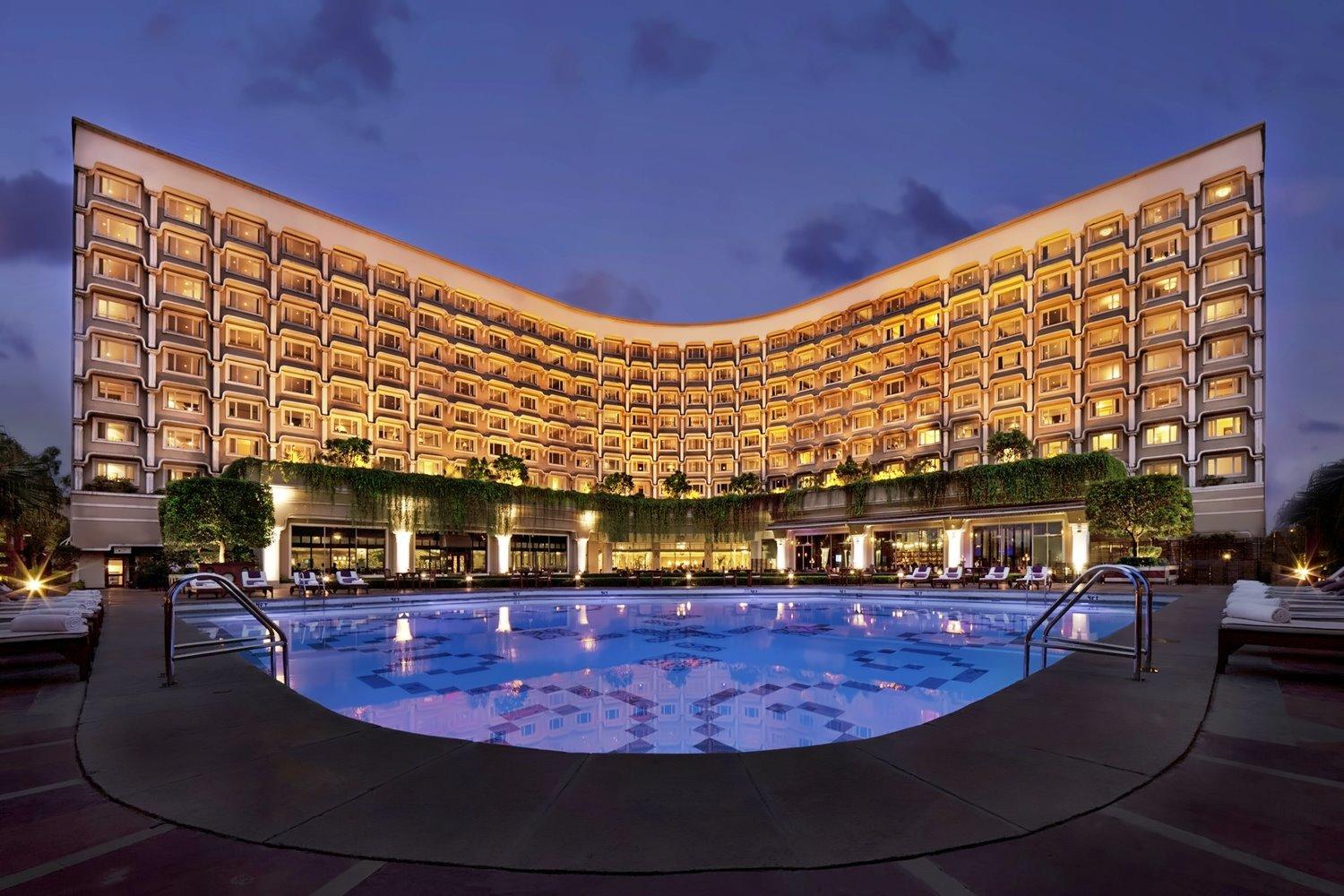
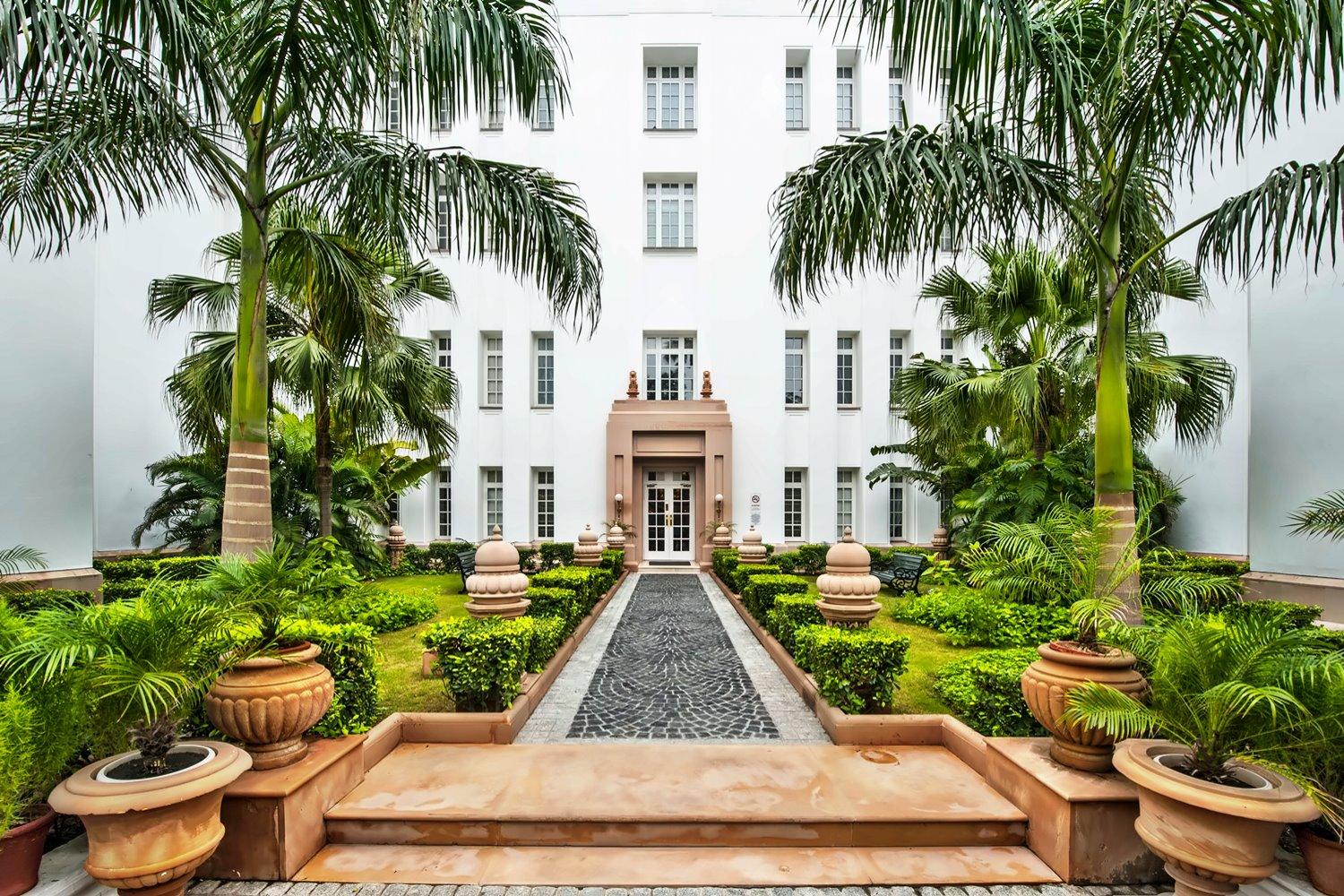
Taj Palace is a large, established diplomatic-quarter hotel with gardens, several serious restaurants and significant event capacity. The Leela Palace offers a more overt palace aesthetic, rooftop pool and restaurant choice that encourages remaining on property. The Imperial is a heritage address whose art, long corridors, gardens and Janpath position make the building part of the cultural stay.
The Taj Mahal Hotel is a central landmark on Mansingh Road, with refreshed rooms and reliable access to India Gate and government avenues. The Lodhi feels contemporary and residential, with unusually large rooms and private plunge pools in selected categories, plus Indian Accent. The Oberoi New Delhi is the most controlled modern refuge,
positioned beside the golf club with valuable outward views and strong indoor air management. The best choice follows purpose, not a single ranking.
Ceremonial New Delhi and the complexity of its history
The broad avenues around Rashtrapati Bhavan, Parliament, India Gate and the government district express imperial planning, post-independence statehood and continuing political life. They should not be presented as neutral monumental scenery. A knowledgeable guide can connect architecture, displaced settlements, colonial power, the transfer of the capital and how India repurposed these spaces after independence.
Security perimeters, official events, rehearsals and public ceremonies can close roads or change access without much practical warning. The Imperial and Taj Mahal Hotel provide the most efficient central bases. Chanakyapuri hotels remain logical for diplomatic schedules. Begin early for outdoor architecture, carry identification when advised and never promise entry into a functioning government building. Pair the avenue tour with a museum, archive or specialist conversation rather than a drive-by photograph.
Humayun’s Tomb, Nizamuddin and the garden-tomb tradition
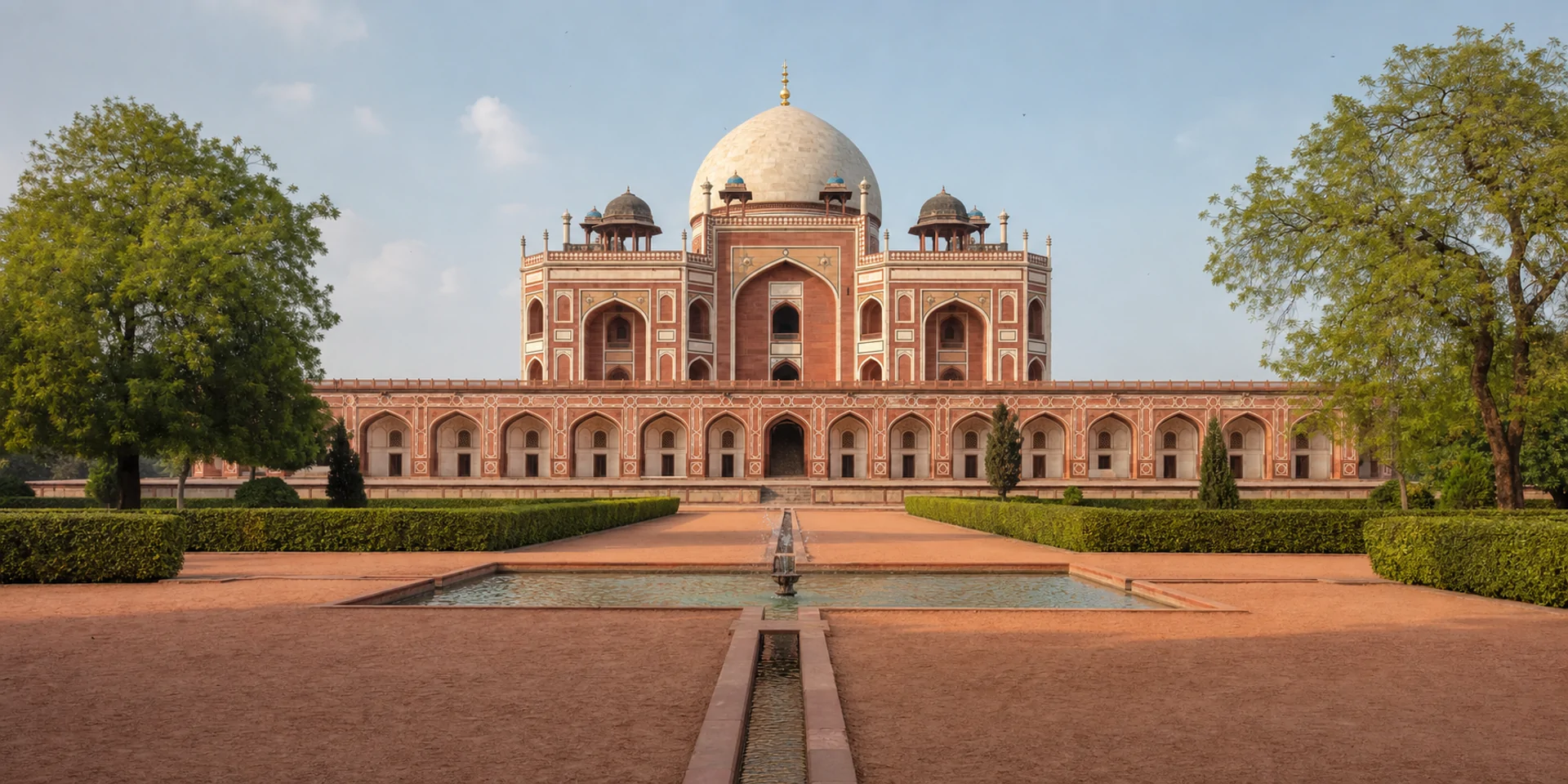
Humayun’s Tomb is a major Mughal garden-tomb complex and a UNESCO World Heritage site, not simply a visual prelude to the Taj Mahal. Its geometry, red sandstone, white marble, restoration and surrounding monuments deserve an early contextual visit before heat and visitor numbers build. Nearby Nizamuddin contains living religious, residential and musical traditions that require respectful dress,
behaviour and guidance. it is not an extension of the archaeological site. Sunder Nursery adds restored monuments, biodiversity and landscape space in the same broad area. While Lodhi Gardens belongs to another group of tombs and a different urban setting. The Lodhi and Oberoi are the most practical hotel choices for this chapter. Check official opening information and confirm ticket procedures and conservation closures before travel.
Old Delhi requires time, restraint and a precise meeting point
Shahjahanabad is a living historic city of markets, homes, workshops, religious places, food and intense movement. Red Fort, Jama Masjid, Chandni Chowk and specialist lanes cannot be responsibly reduced to a fast rickshaw circuit. Start with a guide who can establish an exact vehicle drop, walking route and reconnection point. cars cannot follow every turn.
Dress respectfully for sacred spaces, remove shoes where required and ask before photographing people, worship or work. Food walks need careful hygiene and allergy discussion rather than bravado. Morning reduces heat and some congestion, though market opening patterns vary. All six hotels require a transfer.
So protect a half or full day and do not place a formal hotel lunch immediately after a route whose ending time is uncertain.
Qutb, Mehrauli and southern Delhi
The Qutb complex layers early Sultanate architecture, reused materials, inscriptions, later additions and conservation questions within a site far south of central New Delhi. A specialist reading avoids simplistic conquest narratives and explains what is known, debated and visible. Mehrauli Archaeological Park and nearby neighbourhoods broaden the chronology. But scale, ground conditions and access require selective planning.
Combine one serious archaeological visit with a southern gallery, craft or meal rather than driving continuously between monuments. Chanakyapuri can be a useful starting point. Lodhi-side hotels also avoid some central backtracking. Leave before peak traffic when possible and carry water without treating monument precincts as picnic grounds. Official Archaeological Survey and Delhi Tourism information should determine current hours and restricted areas.
Food from hotel dining rooms to neighbourhood specialists
Delhi’s food culture includes Mughlai traditions, Punjabi cooking, regional cuisines from across India, vegetarian lineages, kebabs, breads, chaat, sweets and ambitious contemporary restaurants. One hotel can support several distinct evenings. Taj Palace has Loya and Orient Express among its choices. Leela offers Jamavar and MEGU. Imperial is associated with The Spice Route. Lodhi houses Indian Accent.
Oberoi includes Dhilli and Baoshuan. Taj Mahal Hotel offers Varq and House of Ming. Reserve difficult tables independently and confirm whether hotel guests receive priority. Outside the hotels, use a specialist who understands food history, sanitation and the exact district. Communicate allergies clearly, knowing that shared kitchens complicate guarantees. Alternate formal dinners with a focused market or neighbourhood meal instead of scheduling a tasting menu every night.
Air quality, heat and seasonal realism
October through March usually provides the most comfortable outdoor temperatures. But late autumn and winter can bring severe air pollution and fog that disrupts views, flights and health. April through June can be extremely hot, making early starts and protected midday hours essential. The monsoon changes humidity, road conditions and drainage from roughly July into September.
rainfall may be concentrated rather than continuous. Check the Central Pollution Control Board and weather authority close to travel and each morning. Especially for children, older travellers and anyone with respiratory or cardiovascular conditions. An air-managed hotel interior, flexible car and high-quality indoor programme have genuine value. Do not attempt to defeat hazardous air with a mask and a full outdoor itinerary. Shift to spa, dining, museum or rest when official readings or medical needs require it.
Arrival, drivers and why distance misleads
Indira Gandhi International Airport lies southwest of central New Delhi. Transfer time varies dramatically with terminal, hour, security controls, rain, fog and major events. So confirm the flight and terminal rather than quoting one standard duration. The Delhi Metro is extensive and useful for many residents and visitors. But luggage, interchange complexity, crowding and the final hotel approach determine whether it suits a luxury arrival.
A vetted driver is the most coherent solution for monuments spread across the city and allows an indoor pause between stops. Agree on the vehicle meeting point after every pedestrian route, keep the driver’s contact available and leave buffer before dinner. Walking works inside gardens, sites and selected districts, not as a universal method between the six hotels and Old Delhi.
Three nights, five nights or a wider North India journey
Three nights
Choose central New Delhi and one major historic chapter each day: ceremonial avenues, Humayun and Nizamuddin. Then Old Delhi or Qutb. Protect hotel afternoons for heat or air.
Four to five nights
Add Lodhi Gardens and Sunder Nursery, a serious museum or craft visit, one southern archaeology day and a more patient food programme without stacking regions.
Six nights and more
Use Delhi as the contextual opening for Agra, Rajasthan or another North India chapter. Build transfers around actual rail, road or flight departure rather than using the final morning for a distant monument.
What Deluxetargets confirms before booking
Rank district, room outlook, indoor-air priorities, pool purpose, spa time, restaurant plans, connecting rooms and fixed meetings before comparing prices. Private plunge pools at The Lodhi, monument or golf views at Oberoi, club access and particular renovated categories must be booked or confirmed explicitly. Deluxetargets then compares the eligible Virtuoso rate with breakfast, property credit or experience,
VIP recognition and priorities for upgrade, early arrival and late departure. Benefits vary by property and date. And upgrades remain subject to availability. So the minimum category must already work. We align airport transfer, vetted driver, monument sequence and dining with seasonal conditions. Creating a credible New Delhi stay rather than a famous hotel surrounded by improvised logistics.
Five precise tips for a considered New Delhi stay
- Choose Chanakyapuri, Janpath, Mansingh Road or the Lodhi side from fixed mornings and meetings. Then count the daily crossings removed.
- Visit major outdoor monuments at opening when possible and protect midday for a hotel pool, spa, restaurant or indoor cultural appointment.
- Use a specialist guide and exact vehicle reconnection point for Old Delhi, Nizamuddin and layered archaeological sites.
- Check official air-quality, weather and security information daily and reduce outdoor plans when conditions make them unsafe or unproductive.
- Book the exact view, renovated room, club access or plunge-pool category you need and treat any Virtuoso upgrade as additional value.
Frequently asked questions about Virtuoso hotels in New Delhi
Which New Delhi hotel is best for a first visit
The Imperial or Taj Mahal Hotel gives the most central ceremonial base. The Lodhi or Oberoi suits Humayun’s Tomb and gardens. Choose Chanakyapuri when diplomacy or hotel time dominates.
Which hotel has private plunge pools
The Lodhi offers plunge pools in selected room categories, not every room. Confirm the exact category, privacy and seasonal use before payment.
How many nights does Delhi need
Four nights allow ceremonial New Delhi, Humayun and Nizamuddin, Old Delhi and one southern or cultural day. Five nights adds weather and traffic resilience.
Can I explore Delhi without a driver
Metro and local transport cover much of the city. But a vetted driver simplifies a luxury itinerary across dispersed sites. Walking remains best within individual precincts and guided districts.
When is the best time to visit
October through March is generally coolest, although winter pollution and fog can be serious. Hot and monsoon seasons require early starts, indoor pauses and flexible road planning.
Can Humayun’s Tomb, Sunder Nursery and Lodhi Gardens be visited in one day
Yes, if the day starts early and remains focused. Humayun’s Tomb and Sunder Nursery form the natural first pair. While Lodhi Gardens requires a separate drive and should follow a protected lunch or rest break.
Are Virtuoso benefits identical at all six hotels
No. Eligible rates often include breakfast, VIP recognition and upgrade priority. While credit or experience and permitted uses differ. Deluxetargets confirms the current terms.
Can Deluxetargets arrange the wider India journey
Yes. We coordinate hotels, airport and rail transfers, vetted drivers, specialist guides, restaurants and onward travel to Agra, Rajasthan or another region.
Combine your hotel stay with a privately designed journey through India, with hotels, transfers and experiences planned as one seamless itinerary.