
Virtuoso Hotels
Virtuoso Hotels in Chugushi, Japan
1
1
Hotels
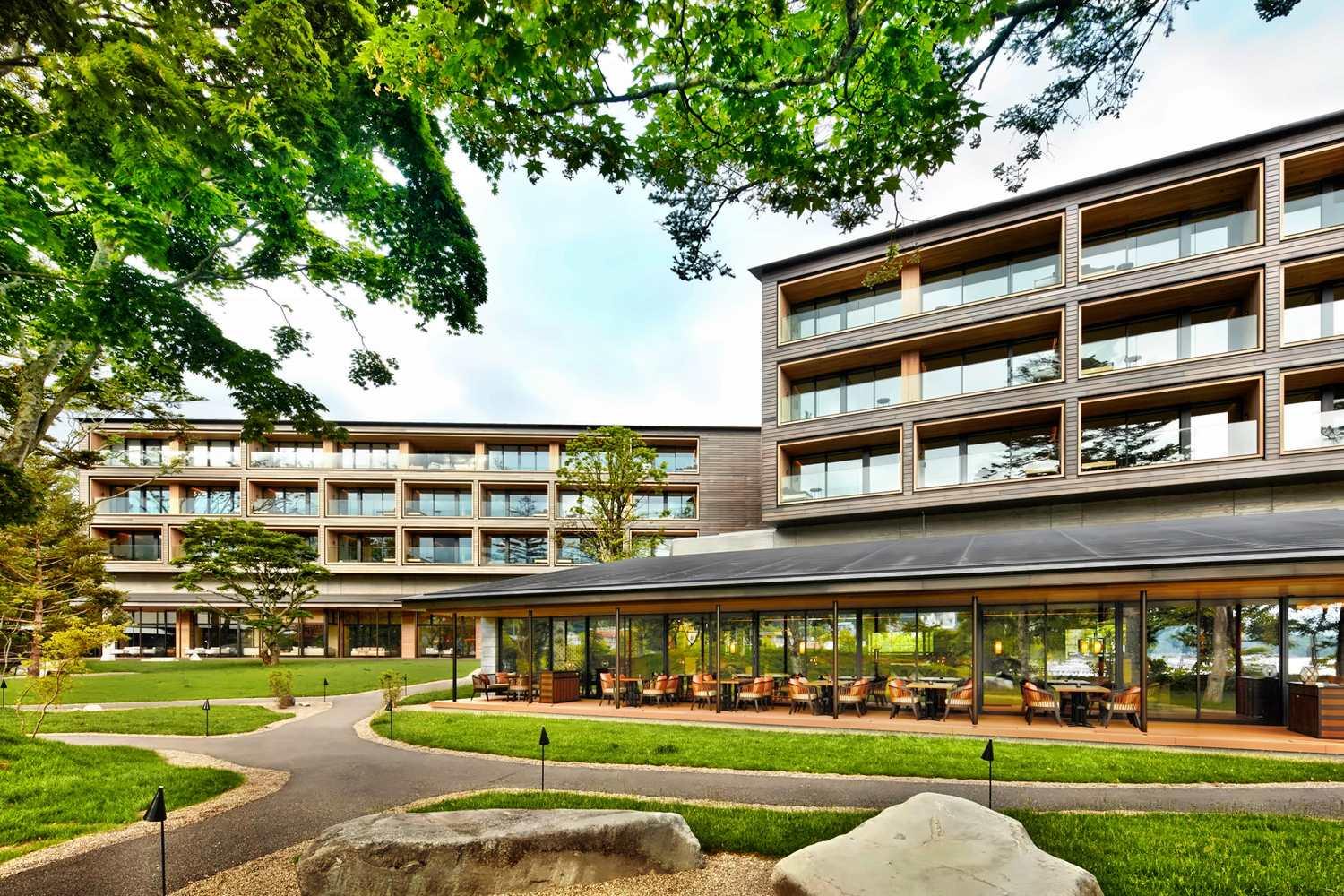
Virtuoso hotel in Chūgūshi: The Ritz-Carlton, Nikko
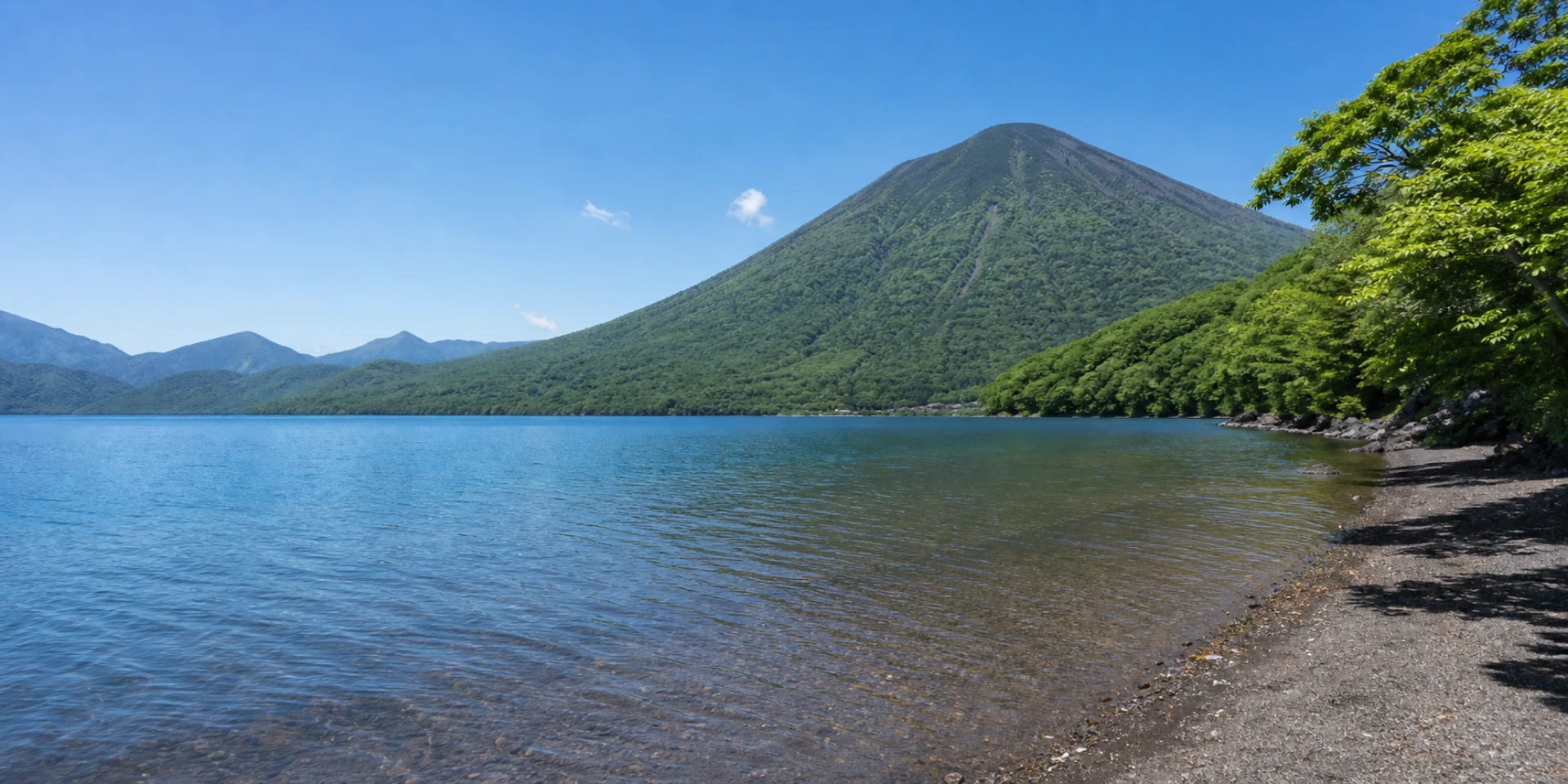
Chūgūshi is the lakeside district of Nikkō in Tochigi Prefecture. Written without macrons as Chugushi in the hotel's postal address and in some international listings. It lies in Oku-Nikkō within Nikkō National Park, around Lake Chūzenji beneath sacred Mount Nantai. The single Virtuoso hotel presented here is The Ritz-Carlton, Nikko,
a Marriott International property on the lake's eastern shore near Kegon Falls. This is not central Nikkō and not the UNESCO shrine-and-temple precinct by the railway stations. The highland road, altitude, forest, volcanic lake, weather and seasonal transport shape the stay as decisively as the hotel. Rooms face either Lake Chūzenji, Mount Nantai or another garden and riverside aspect. So a broad promise of 'Nikkō view&apos. is not precise enough.
Three nights give the minimum useful rhythm: one lake and waterfall chapter. One carefully paced World Heritage or Oku-Nikkō day and time for the onsen and hotel dining. Four add weather margin and keep arrival and departure from consuming the landscape. Deluxetargets confirms the exact eligible Virtuoso rate, paid room view, floor, balcony, bedding,
dining, onsen access, transfer and written benefits before payment. Autumn colour, snow, waterfall flow, clear mountain views and wildlife are natural conditions, never deliverables. Trains reach JR Nikkō and Tōbu-Nikkō, after which buses or a private vehicle climb the Irohazaka road to Chūzenji Onsen. timetables, congestion, snow and closures can change the journey. Every route and seasonal activity is checked again for the actual dates.
Select Lake Chūzenji or Mount Nantai as the paid view
The Ritz-Carlton, Nikko currently presents guest rooms and suites with distinct Lake Chūzenji, Mount Nantai and other garden or riverside orientations. Confirm the exact published category, floor, king or twin beds, balcony, sitting layout, bathroom, connecting possibility, accessibility and sightline before payment. A lake-facing room may frame water and distant forest but not necessarily the mountain cone.
a Mount Nantai category places the sacred volcanic profile at the centre. a suite adds living space without automatically solving every view priority. Cloud, mist, rain and snow can hide any landscape even when the category is correct. Reserve what the architecture can guarantee—the direction and room—while treating visibility as nature.
An upgrade remains subject to availability and should not be the sole strategy for foliage season, a honeymoon or a once-only stay.
Separate Chūgūshi, Oku-Nikkō and historic Nikkō
Chūgūshi is the district around the eastern Lake Chūzenji shore. Oku-Nikkō describes the wider highland area of lakes, marshes, waterfalls and onsen. Historic Nikkō with Tōshō-gū, Futarasan-jinja and Rinnō-ji lies lower down the mountain near the main stations. They belong to one city but not one walkable neighbourhood. A guest can walk from the hotel area toward Lake Chūzenji,
Kegon Falls and selected lakeside sites. Subject to route and weather, yet the UNESCO precinct needs a bus, car or carefully arranged transfer. Avoid scheduling a shrine opening immediately after a train arrival or a lakeside dinner immediately after a crowded autumn descent. Group highland nature on one day and the religious complex on another. This geographic discipline protects both experiences and prevents 'Nikkō&apos. from becoming a misleading label for widely separated places.
Visit Lake Chūzenji and Kegon Falls as changing natural systems
Lake Chūzenji is a high-elevation natural lake formed in a volcanic landscape. And Kegon Falls carries water from its eastern end into the gorge below. JNTO describes the main drop as approximately 97 metres, with a free upper viewing area and a paid elevator to a lower observatory. access and operating conditions must still be checked.
Water flow, spray, visibility, ice, foliage and crowd level vary with season and weather. No itinerary can guarantee the famous postcard view. Wear shoes with grip, respect barriers and do not approach an unofficial edge. A complete 25-kilometre lakeshore circuit is a serious undertaking, not a casual hotel stroll. Choose a short shoreline section,
temple, memorial villa or guided nature walk that suits daylight and fitness. If fog closes the view, the geology, forest and cultural history remain the subject rather than a failed photograph.
Treat the shrines and temples as active sacred places
UNESCO's Shrines and Temples of Nikko comprise Tōshō-gū and Futarasan-jinja shrines and Rinnō-ji temple in the historic precinct below the lake. Chūzenji Temple on the lakeshore is connected to Nikkō's sacred geography but should not be casually described as the whole World Heritage property. Confirm current opening, restoration, worship restrictions and transport before departure.
Dress and speak quietly, follow photography signs, do not cross closed thresholds and allow worshippers priority. A qualified guide can explain mountain veneration, Buddhist and Shinto relationships, Tokugawa history, architecture and continuing ritual without reducing the site to decorative carvings. One well-paced complex may be more rewarding than racing through every gate. Mount Nantai itself is sacred.
its summit route is seasonal and demanding. And a lakeside hotel stay does not imply that the climb is open or suitable.
Use the onsen with etiquette and individual judgement
The hotel's spa includes The Ritz-Carlton brand's first onsen, supplied with hot-spring water from Nikkō Yumoto Onsen. Confirm current opening, guest inclusion, gender arrangements, tattoo policy, age rules, private alternatives and maintenance dates before arrival. Wash thoroughly before entering, keep towels and phones out of the water, speak softly and follow staff instructions.
Heat affects people differently. Hydrate, keep the first soak brief and allow recovery before alcohol, a long meal, winter walking or driving. Pregnancy, cardiovascular concerns, recent treatment, medication and mobility questions require appropriate professional advice. historical onsen tradition or mineral content does not guarantee a medical result. Spa treatments have separate practitioner, preparation and contraindication requirements. The goal is a respectful, measured ritual, not endurance or a promise of cure.
Plan each season without promising foliage, snow or wildlife
At roughly 1,200 metres, Lake Chūzenji is cooler than Tokyo and central Nikkō, with pronounced seasonal change. Spring growth, summer relief, autumn colour and winter snow are useful patterns, not fixed appointments. Peak foliage timing moves with temperature and weather and can produce severe road and bus congestion. winter can bring ice, snow, reduced services and closed trails.
summer still needs rain and sun protection. Check the Japan Meteorological Agency, Nikkō National Park information, transport operators and hotel close to travel. Use appropriate layers, waterproof outerwear and footwear. Japanese macaques, deer, serow and bears live in the wider park. But sightings are never guaranteed and food must never be offered. Follow trail notices,
carry out waste and do not approach an animal for a photograph. A weather-flexible cultural or hotel day belongs in every season.
Reserve Japanese Restaurant and Lakehouse with itinerary context
The hotel currently lists The Japanese Restaurant by The Ritz-Carlton, Nikko, Lakehouse, The Lobby Lounge and The Bar. Reserve the principal dinner before arrival, especially during foliage weekends and holidays. And confirm opening, menu, dietary handling, dress and cancellation. The Japanese Restaurant can frame seasonal Tochigi ingredients through kaiseki, sushi or teppanyaki formats depending on the booked experience.
Lakehouse follows a Western-style approach with local produce and lake views. Do not assume every counter, course or seat operates daily. Communicate allergies directly, including dashi, soy, sesame, buckwheat and raw seafood. And distinguish preference from medical restriction. Yuba, the skin formed on heated soy milk, is a Nikkō speciality worth understanding in context. Keep one lunch flexible around weather and transport rather than forcing a distant reservation between mountain activities.
Design the mountain transfer as part of the stay
Tokyo-to-Nikkō rail options include Tōbu services from Asakusa and JR routes via Utsunomiya. But both end below the highland hotel. From JR Nikkō or Tōbu-Nikkō station, regular buses climb the Irohazaka bends toward Chūzenji Onsen. official guidance gives roughly 45 to 50 minutes in ordinary conditions, not a guarantee. Autumn queues, snow,
road controls, luggage and timetable changes can extend the journey. Confirm reserved rail seats where required, exact station, bus stop, hotel shuttle if offered, luggage handling and last practical connection. A private driver adds control but cannot bypass weather or congestion. Rental cars demand confidence with left-side driving, mountain bends, parking and winter equipment.
Keep arrival afternoon light, protect departure margin and never pair an international flight with an unbuffered descent from Oku-Nikkō.
Five practical tips for Chūgūshi and The Ritz-Carlton, Nikko
- Choose the named view — Book Lake Chūzenji or Mount Nantai orientation explicitly and let weather remain weather.
- Separate the two Nikkō zones — The lakeside highlands and UNESCO precinct need different time blocks and transport.
- Check the last connection — Confirm train, bus or hotel transfer and luggage plan before leaving Tokyo.
- Use the onsen briefly first — Learn the etiquette, hydrate and assess individual heat tolerance without medical assumptions.
- Carry a seasonal alternative — Fog, snow, crowds or closures should redirect the day, not force an unsafe plan.
Frequently asked questions about Chūgūshi and The Ritz-Carlton, Nikko
Are Chūgūshi and central Nikkō the same area
No. Chūgūshi is the Lake Chūzenji highland district above the historic shrine precinct.
What is the hotel's correct name
The current official name is The Ritz-Carlton, Nikko, part of Marriott International.
Can I walk to Kegon Falls
The falls are near the lake district. But the exact route and access should be checked locally.
Are the UNESCO shrines beside the hotel
No. the main World Heritage precinct is lower in historic Nikkō and requires transport.
Is autumn colour guaranteed on my dates
No. colour timing, visibility and leaf condition depend on live weather.
How many nights are sensible
Three provide lake, heritage and hotel time. four add valuable weather and transport margin.
Does the onsen guarantee health benefits
No. it is a cultural bathing experience. While suitability and response remain individual.
Do all rates receive Virtuoso benefits
No. the channel and rate must qualify. While upgrades and flexible times depend on availability.
Combine your hotel stay with a privately designed journey through Japan, with hotels, transfers and experiences planned as one seamless itinerary.