
Virtuoso Hotels
Virtuoso Hotels in Japan
23
23
Hotels
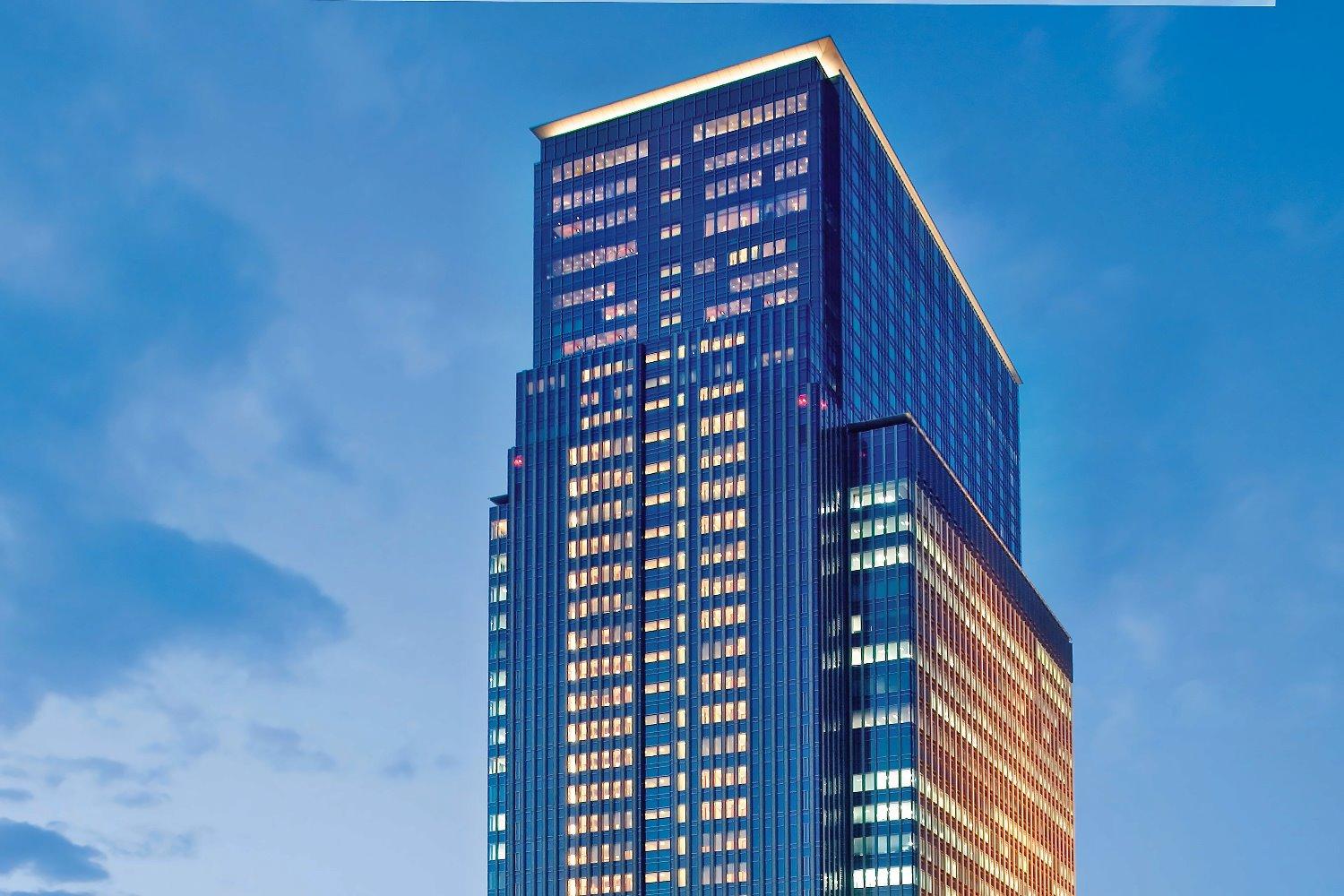
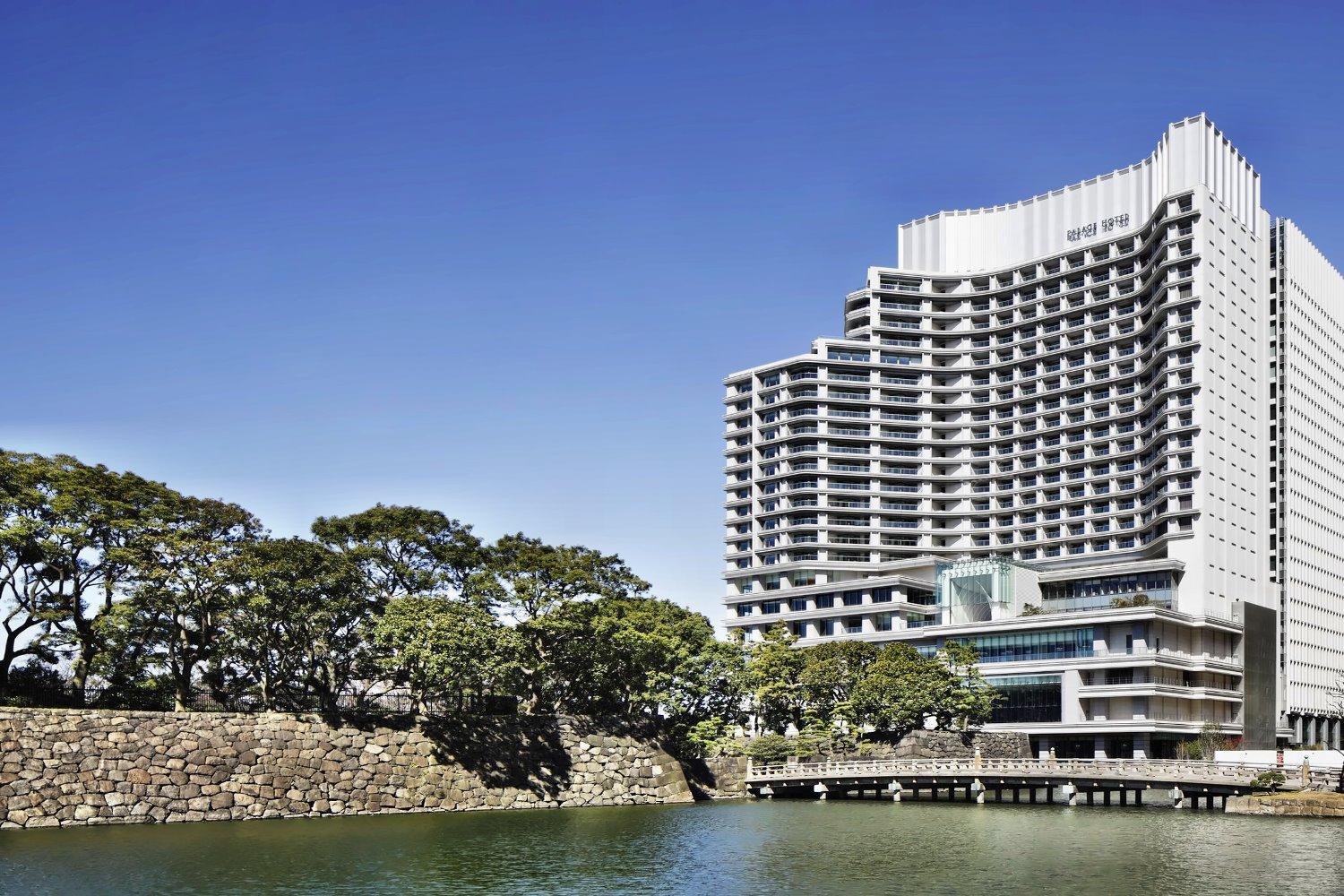
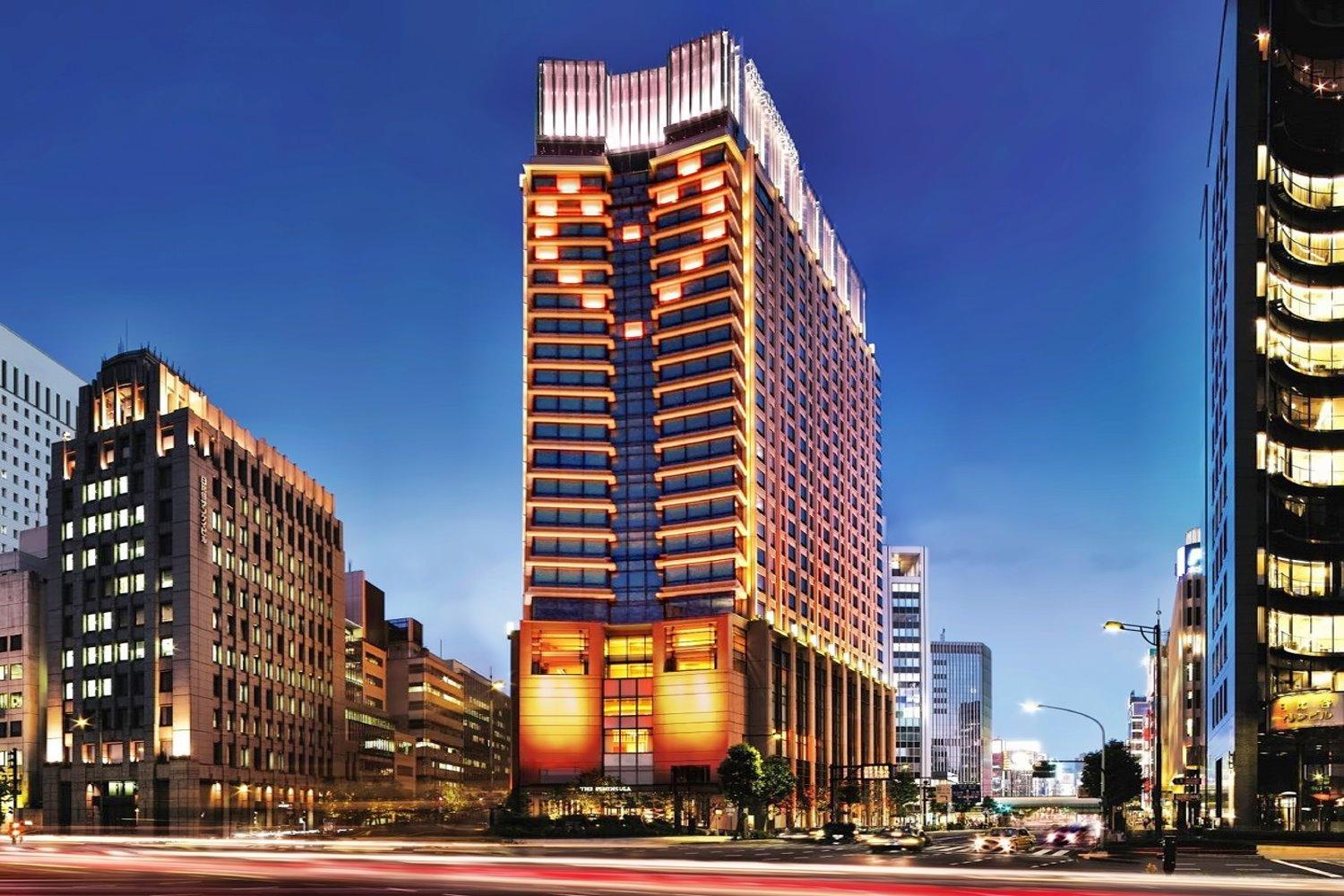
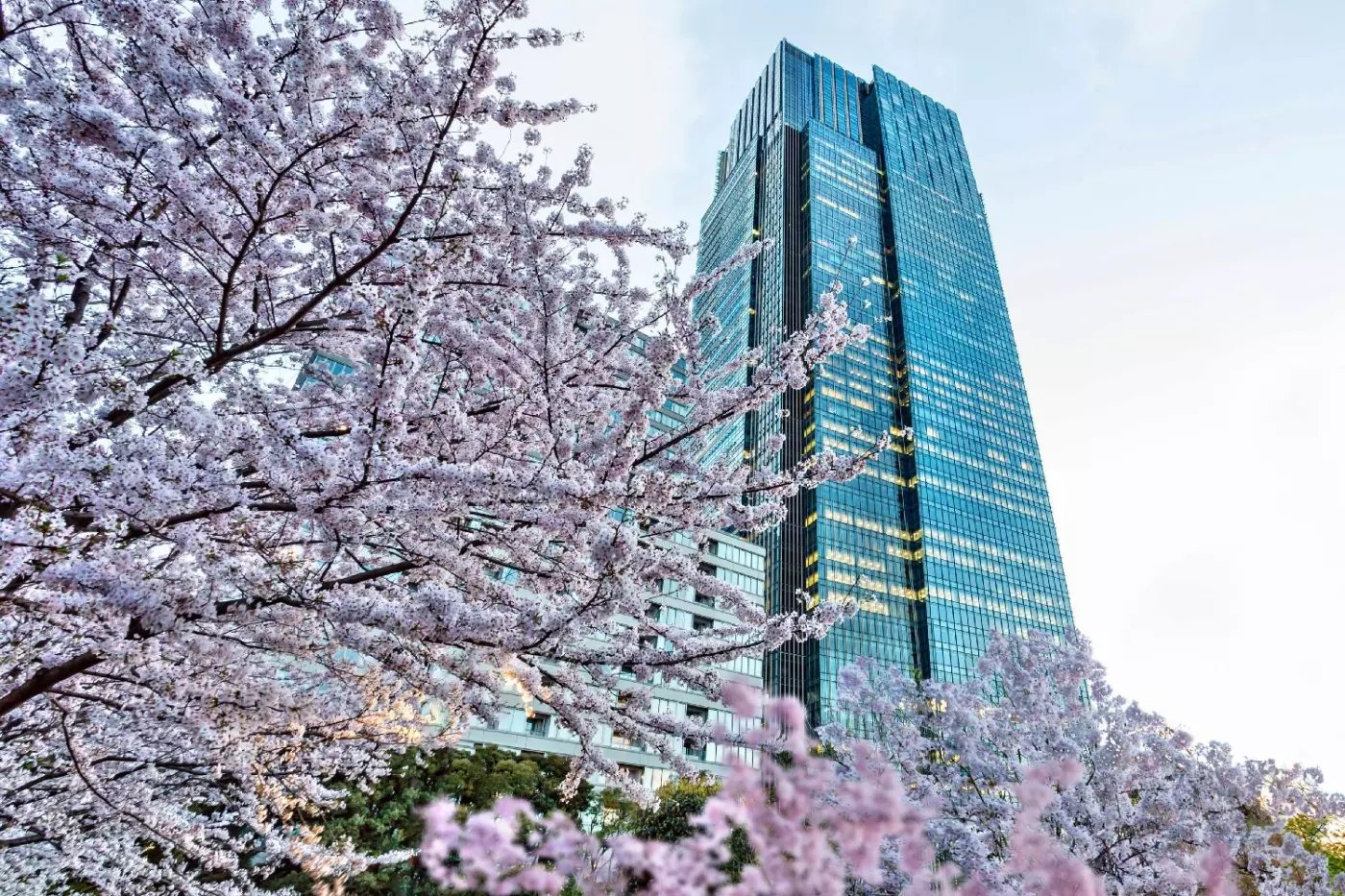
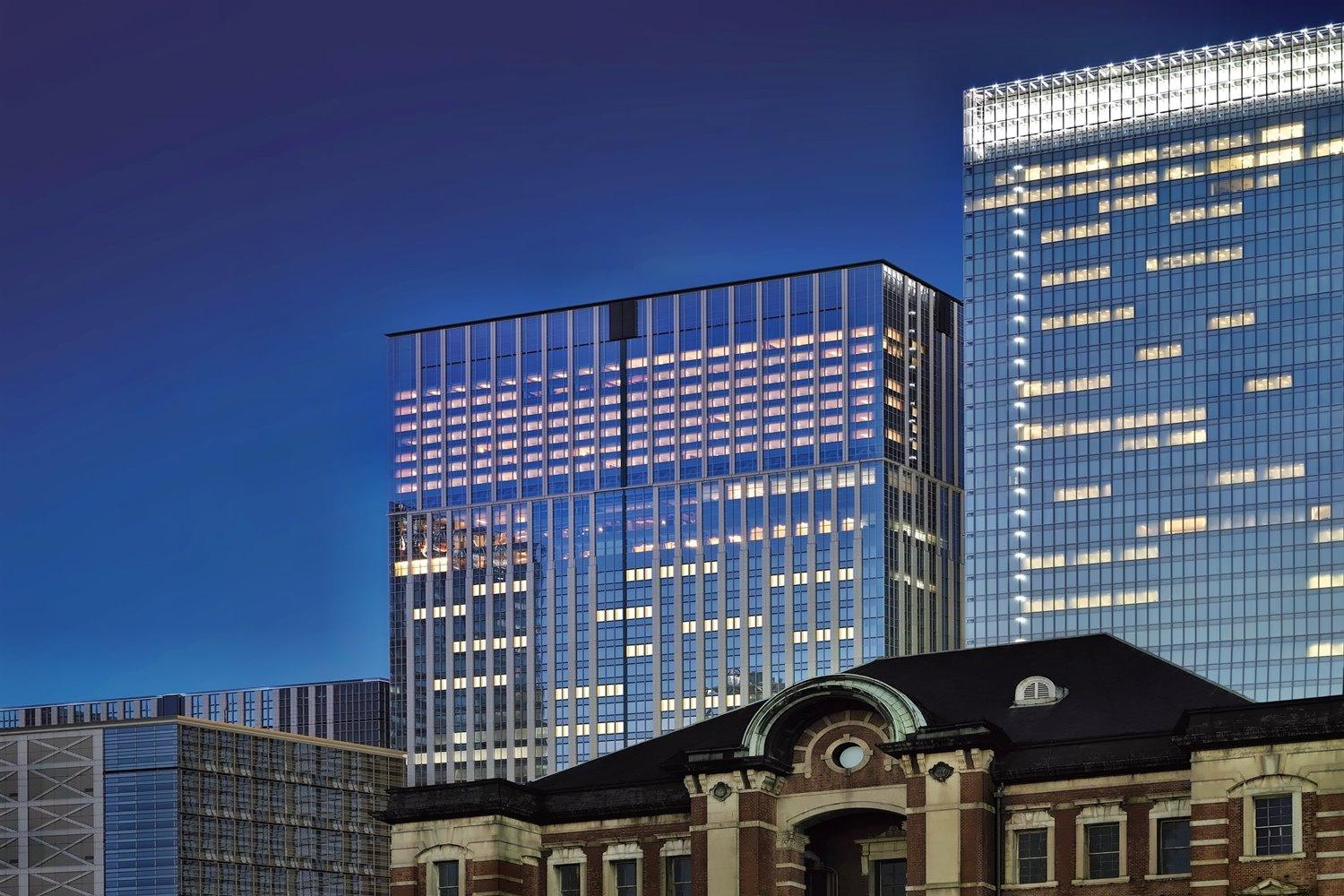
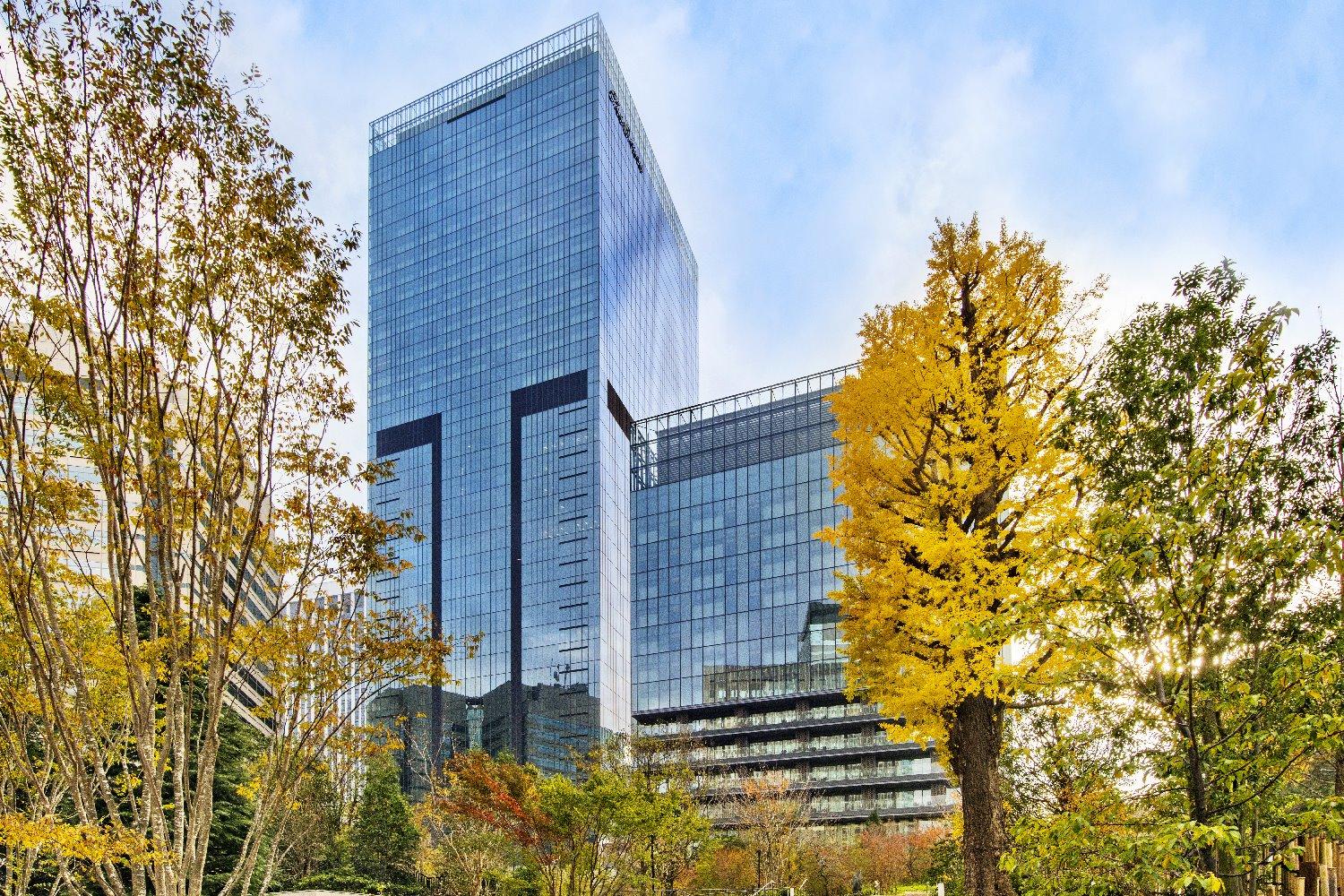
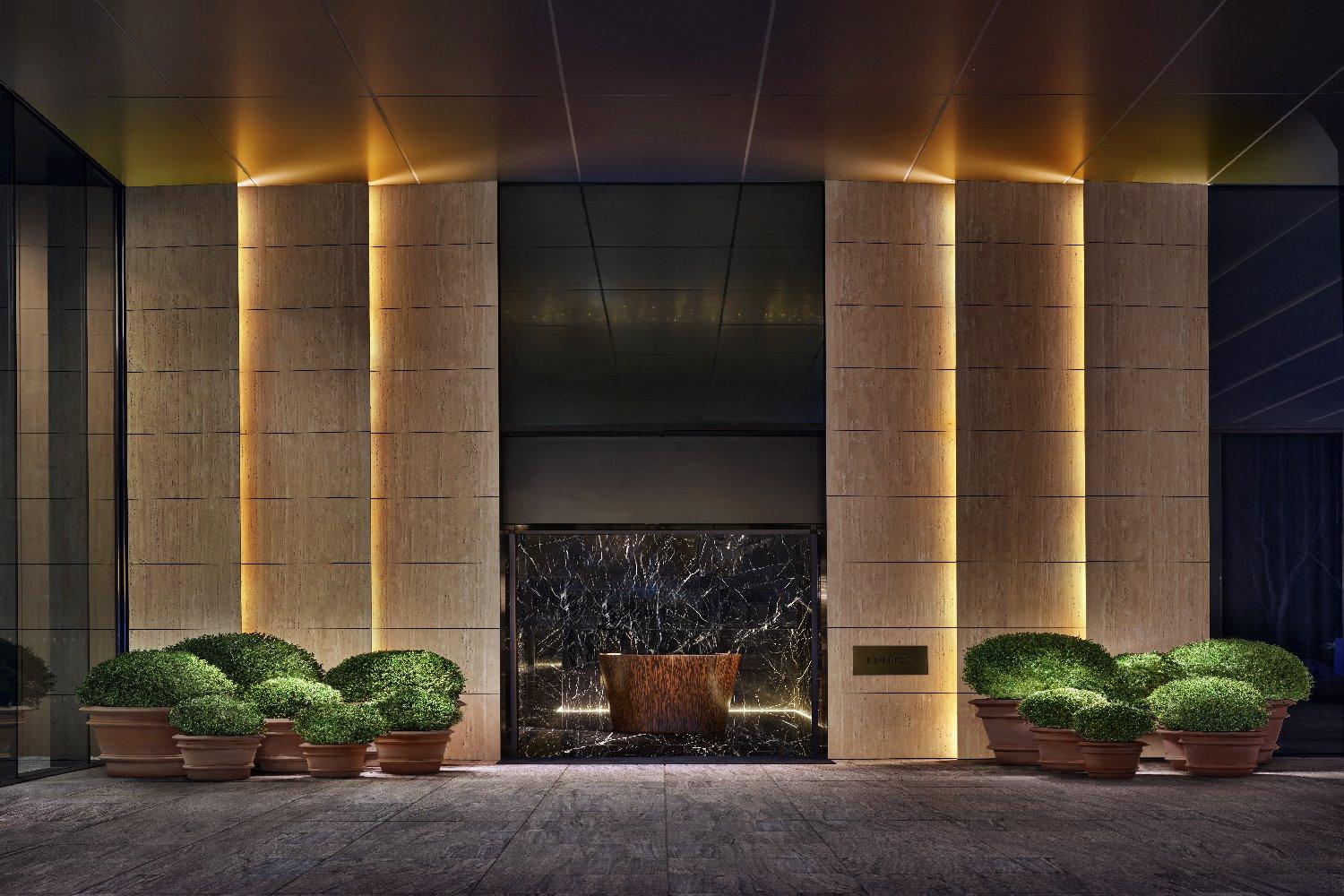
Virtuoso hotels in Japan: balancing great cities, ryokan and island retreats
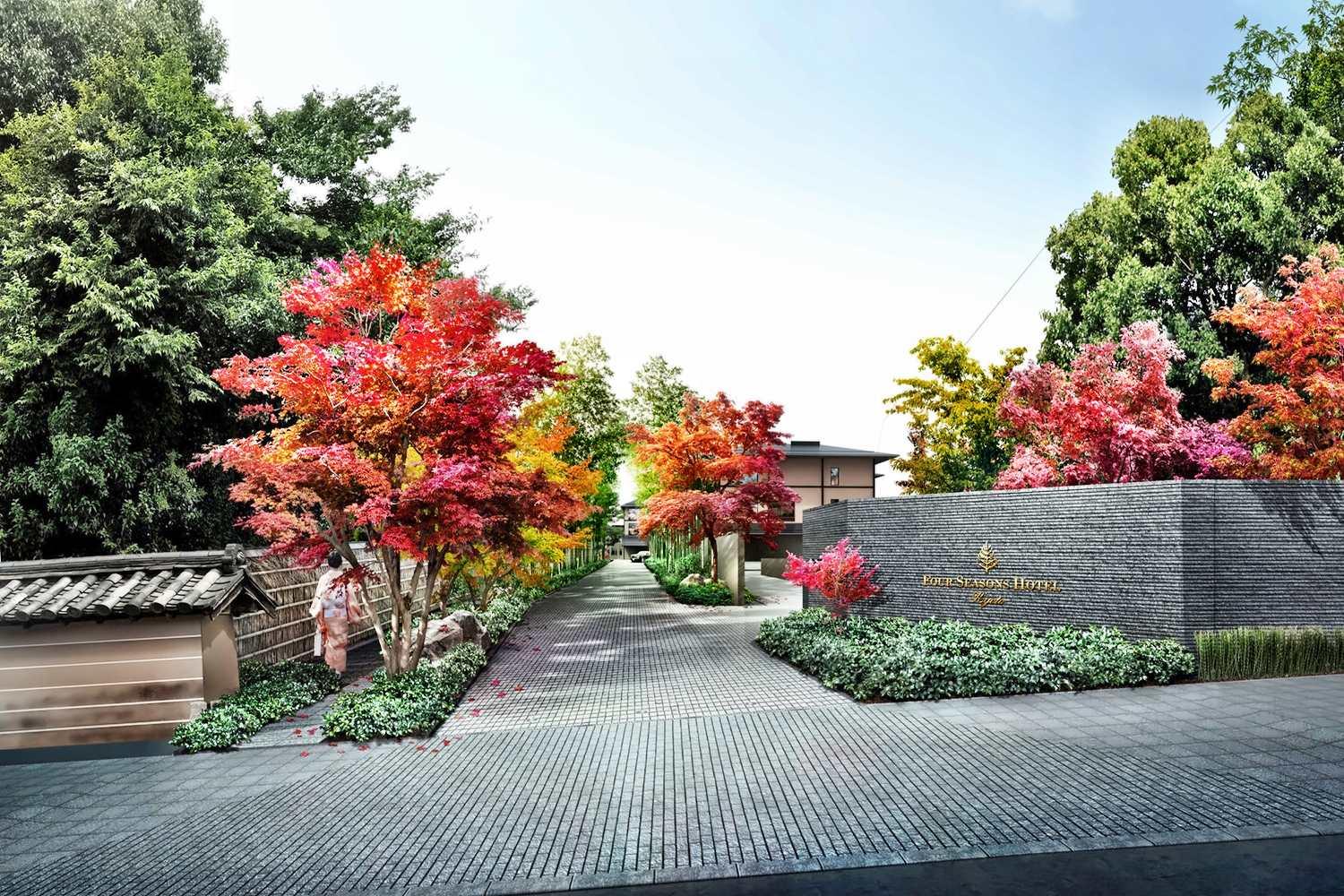
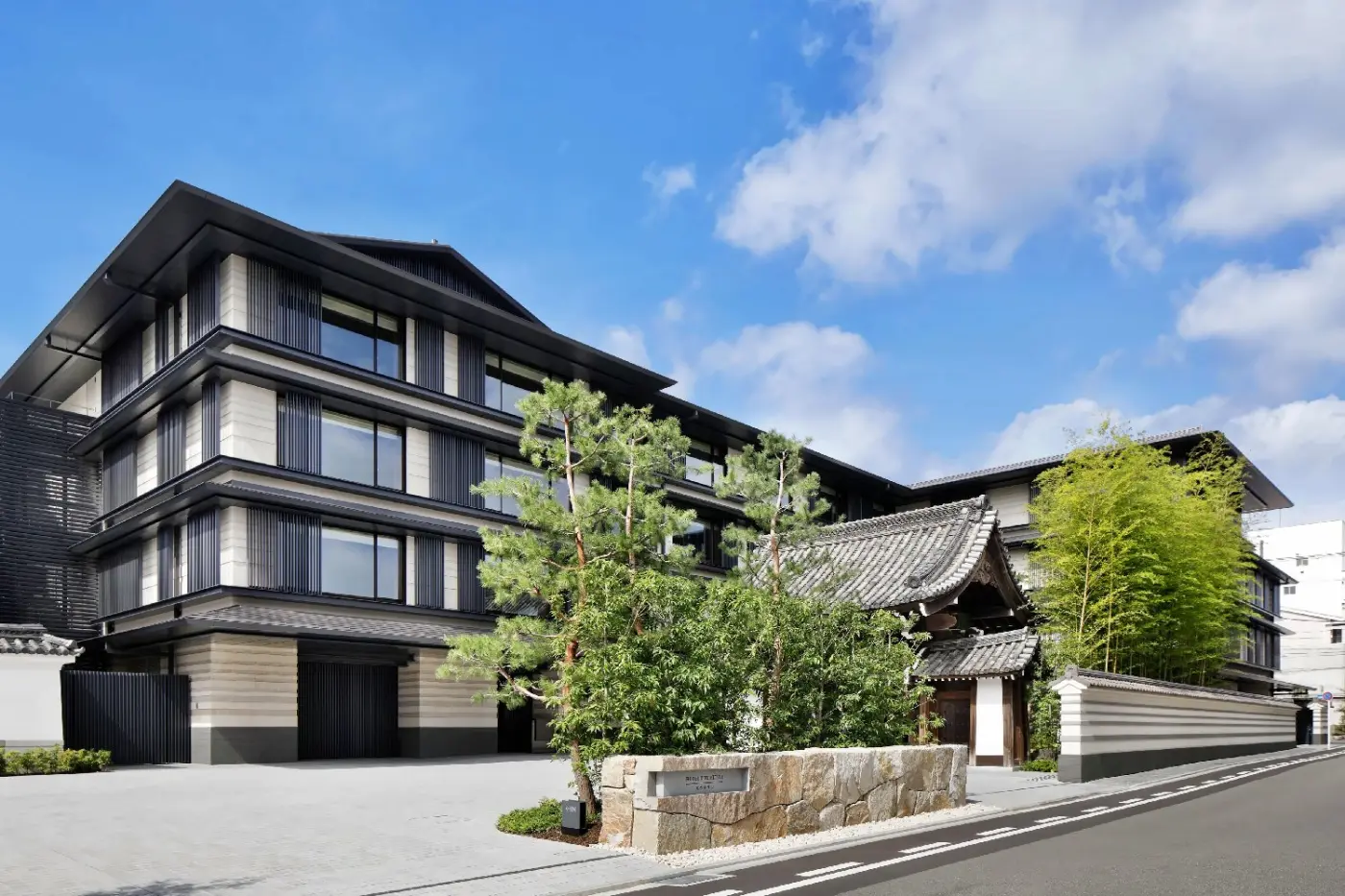
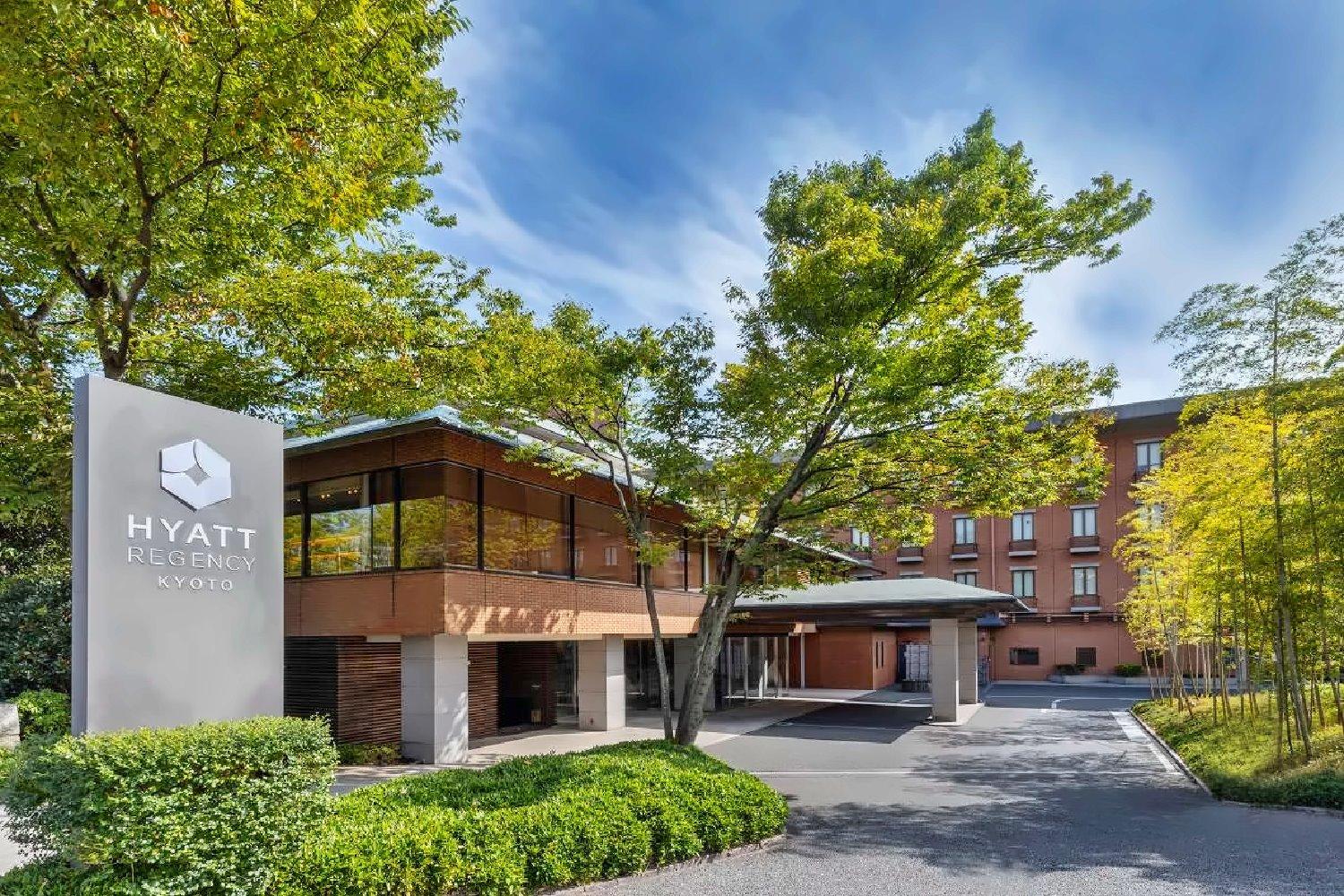
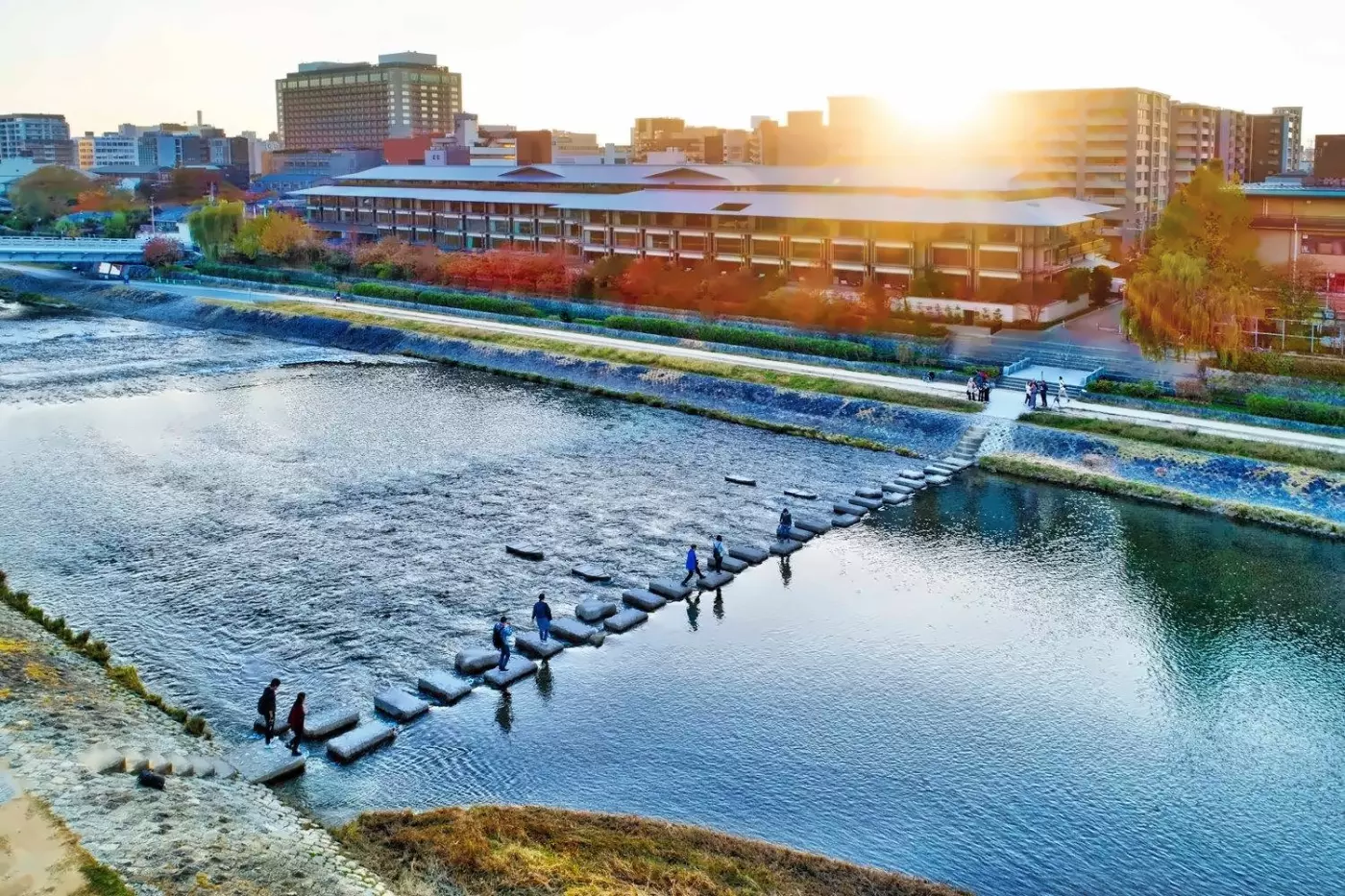
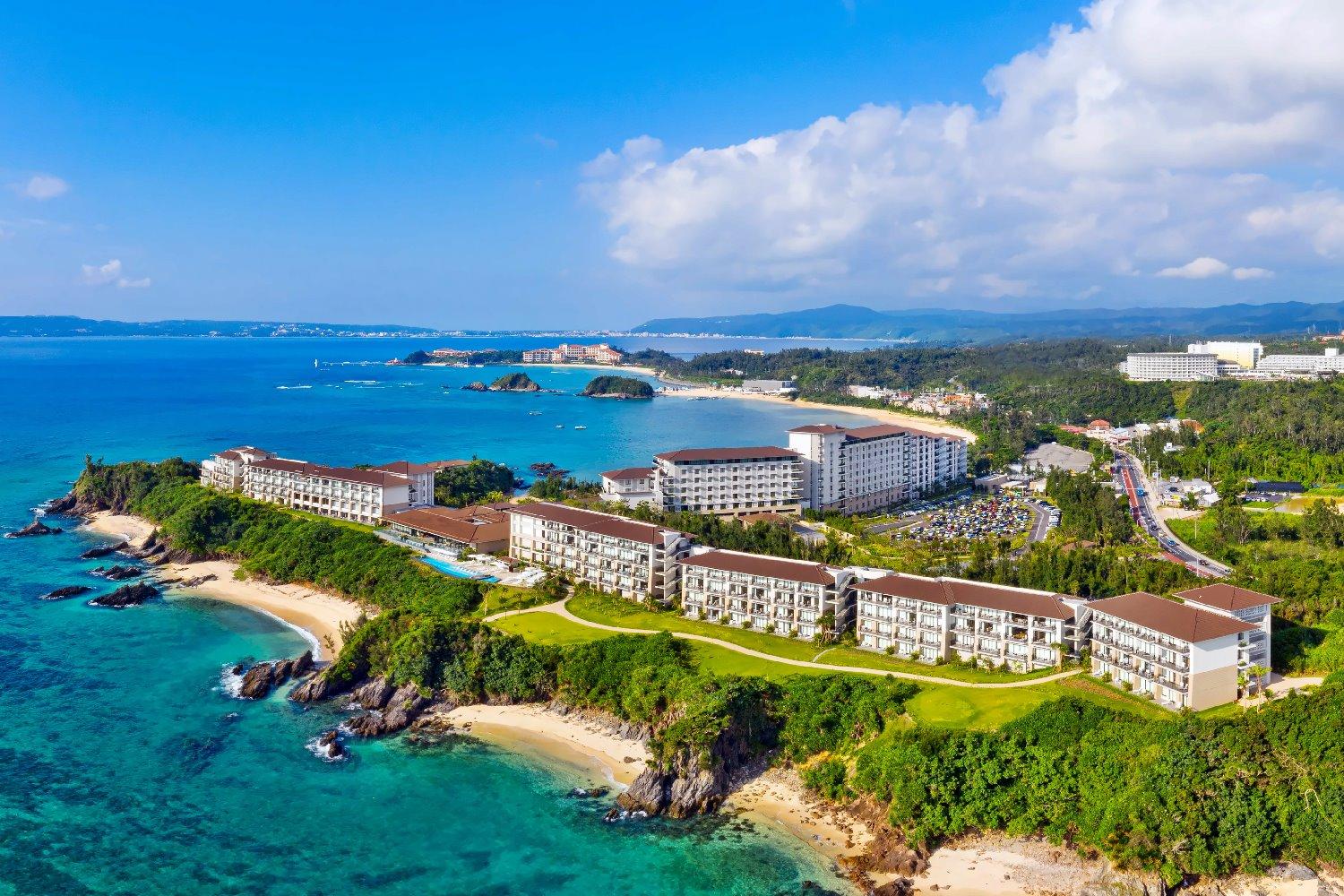
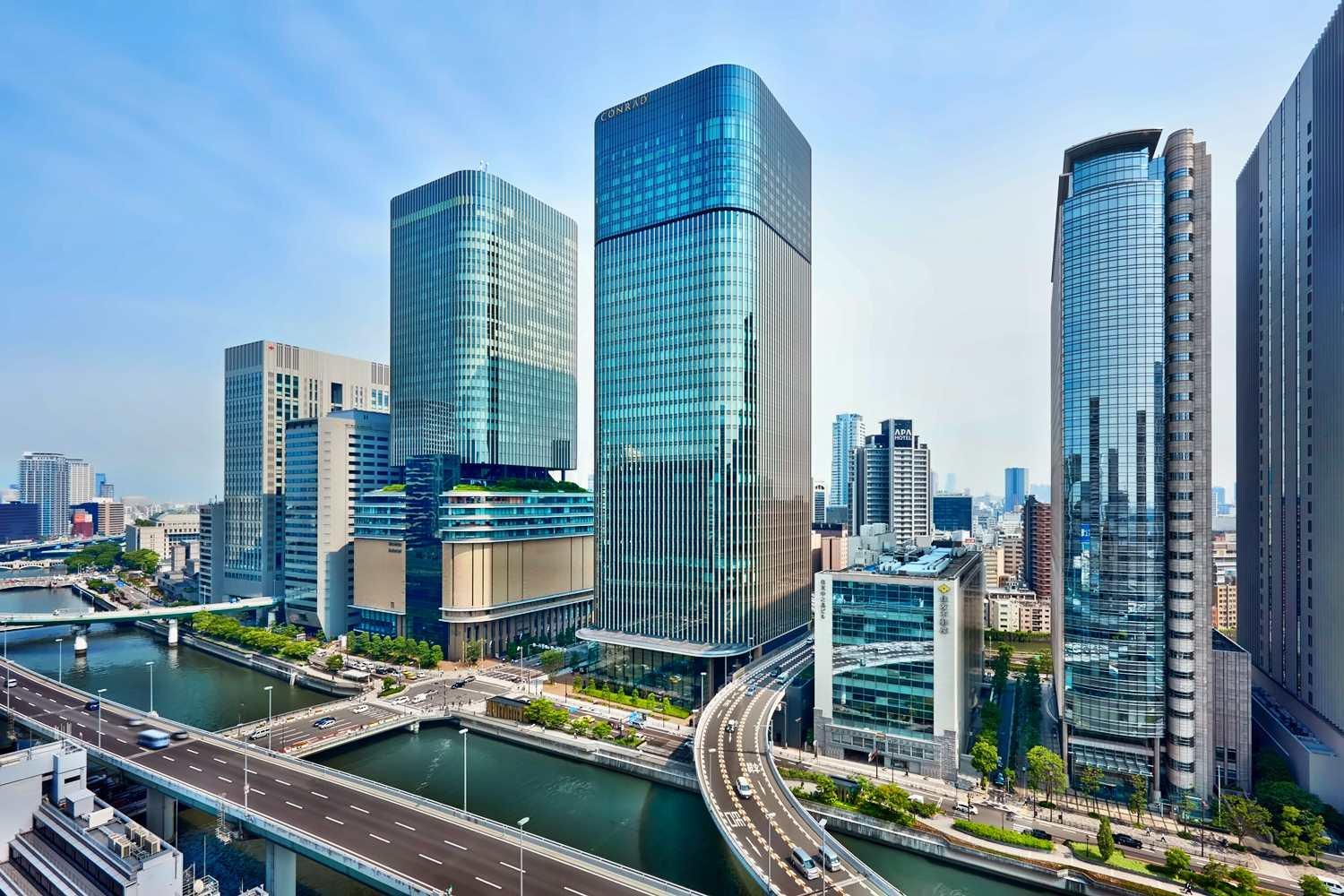
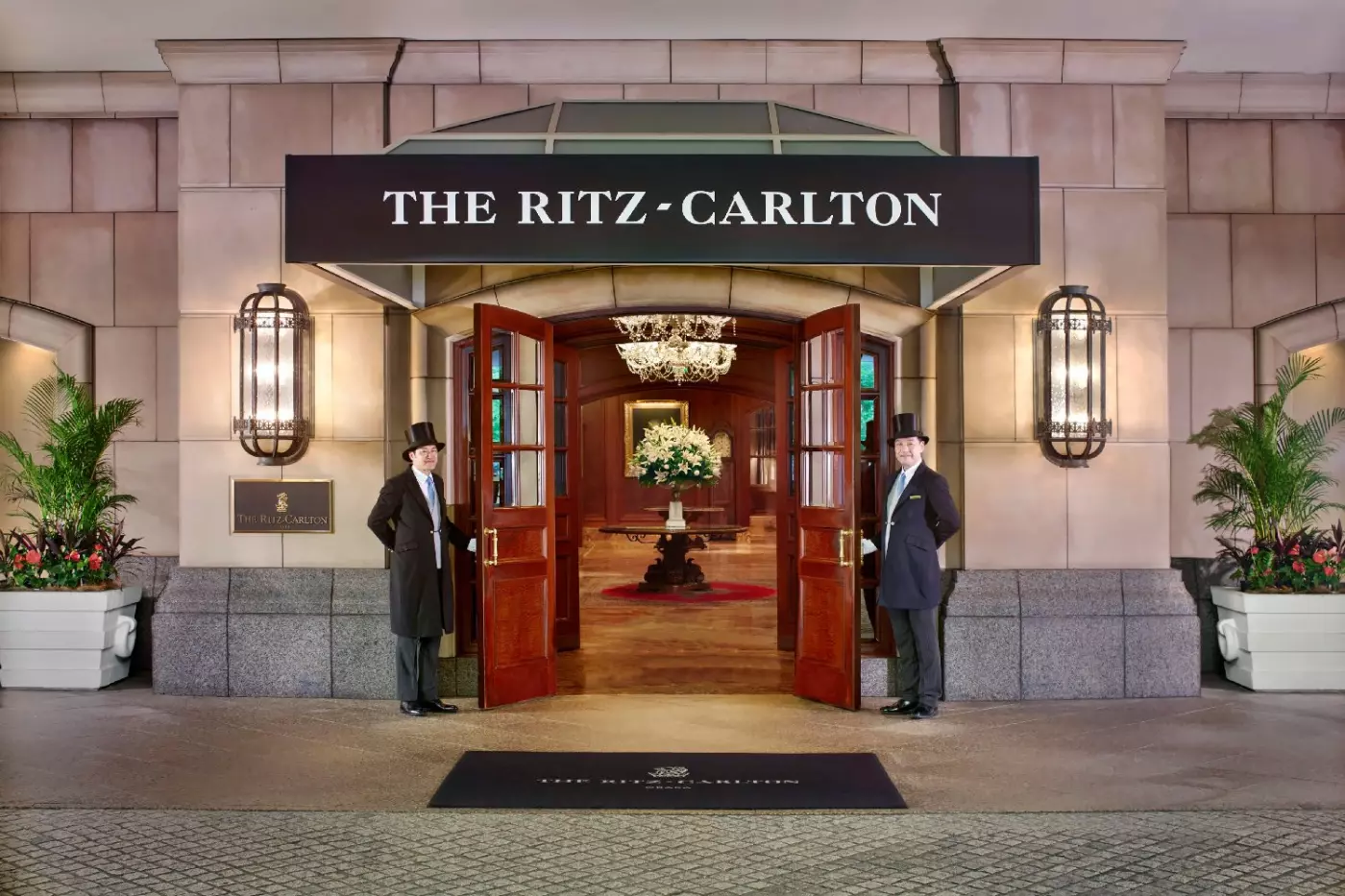
A considered journey through Japan begins with its real hotel geography. Tokyo with Aman Tokyo, Palace Hotel Tokyo and Four Seasons Otemachi. Kyoto with Aman Kyoto, The Ritz-Carlton Kyoto and Hotel The Mitsui Kyoto. Osaka with Conrad Osaka and The Ritz-Carlton Osaka. Hakone with Gora Kadan. Okinawa with Halekulani Okinawa.
The strongest route connects places with a purpose instead of treating the country as a checklist. City districts, regional retreats and transport hubs demand different room and timing decisions.
Luxury is measured by calm transitions and accurate expectations. International arrival, internal mobility, season, room detail and the exact preferred-partner benefits must support one another. Each exposed day receives a credible alternative. While culture and local etiquette shape reservations rather than being added as decoration.
Geography first
Geography first in Japan should be validated around real timing and not around marketing. Japan is structured for 23 hotels with measurable operational differences. Anchor your shortlist by Chugushi, Hakone, Hazako, Kyoto, Okinawa, mobility certainty and weather tolerance. Start with one transfer-first option. Then compare a quiet recovery option before finalising a room category.
If one choice looks perfect but creates avoidable friction, it is not the best destination option. Keep a practical sequence where every hotel supports a clear step in the trip flow and preserves energy for key experiences. Japan’s luxury map combines dense metropolitan districts, historic capitals, hot-spring towns, ski regions and subtropical islands.
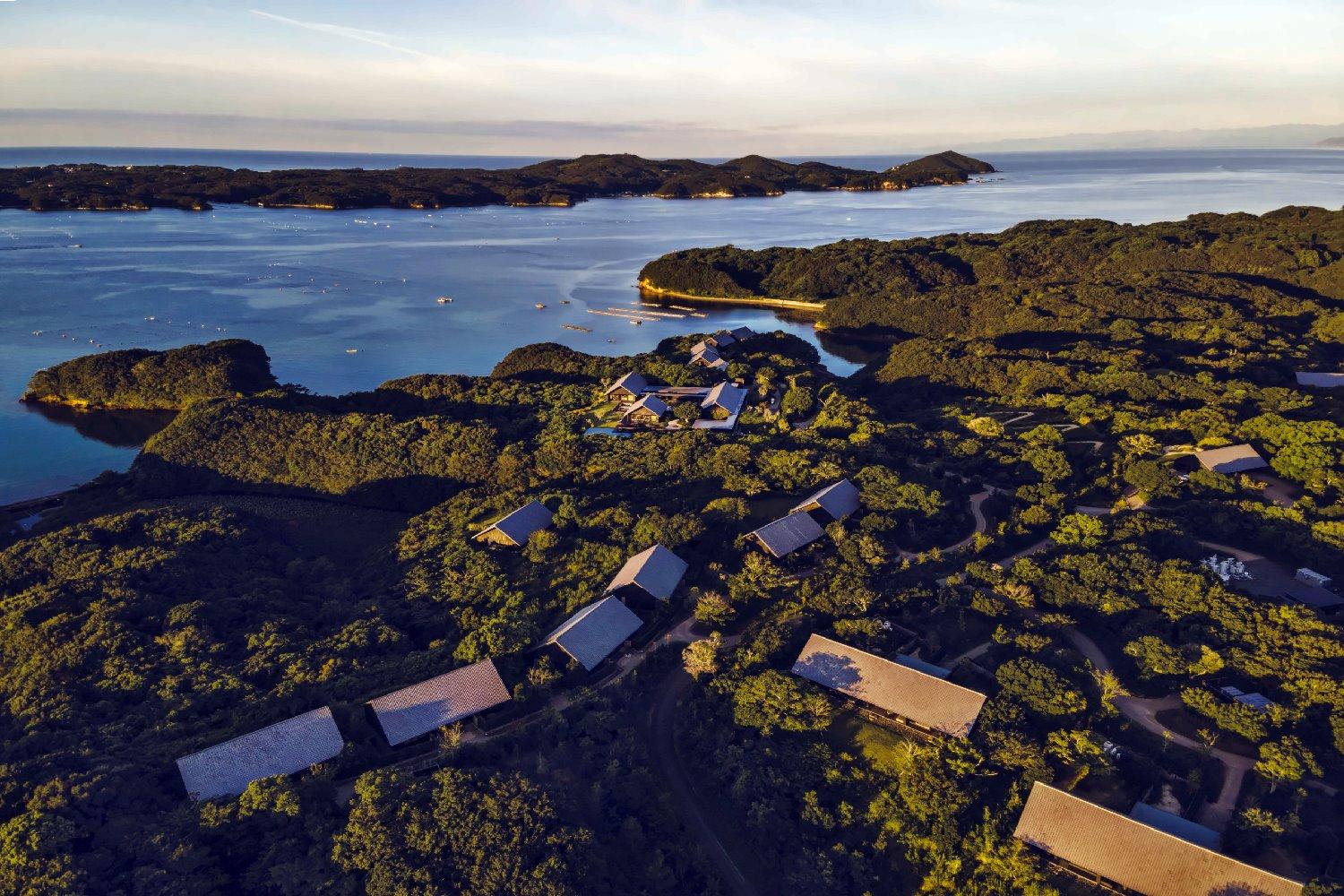
Tokyo alone changes character between Marunouchi, Otemachi, Ginza, Shinjuku and quieter residential areas. Kyoto’s temples spread across several edges of the city. Osaka offers a more direct food-and-nightlife rhythm. Hakone, Hokkaido and Okinawa are separate journeys, not casual extensions.
Arrival and transport logic
Arrival and transport logic in Japan should be validated around real timing and not around marketing. Japan is structured for 23 hotels with measurable operational differences. Anchor your shortlist by Chugushi, Hakone, Hazako, Kyoto, Okinawa, mobility certainty and weather tolerance. Start with one transfer-first option. Then compare a quiet recovery option before finalising a room category.
If one choice looks perfect but creates avoidable friction, it is not the best destination option. Keep a practical sequence where every hotel supports a clear step in the trip flow and preserves energy for key experiences. Tokyo has two major airports. Haneda is usually faster for central districts. While Narita needs a longer protected transfer.
The Tokaido Shinkansen links Tokyo, Kyoto and Osaka efficiently. But stations are large and luggage rules matter. Reserve oversized-baggage space where required, forward heavy cases with takkyubin. And carry an overnight bag. Hakone, ski resorts and islands involve additional rail, road, ferry or air connections.
Season and timing discipline
Season and timing discipline in Japan should be validated around real timing and not around marketing. Japan is structured for 23 hotels with measurable operational differences. Anchor your shortlist by Chugushi, Hakone, Hazako, Kyoto, Okinawa, mobility certainty and weather tolerance. Start with one transfer-first option. Then compare a quiet recovery option before finalising a room category.
If one choice looks perfect but creates avoidable friction, it is not the best destination option. Keep a practical sequence where every hotel supports a clear step in the trip flow and preserves energy for key experiences. Spring blossom and autumn colour are celebrated but crowded and date-sensitive. Summer brings heat, humidity and a rainy period,
followed by typhoon risk. Hokkaido is cooler while Okinawa follows a subtropical pattern. New Year, Golden Week and Obon affect transport and opening hours. Winter suits city clarity, onsen and skiing. Check the Japan Meteorological Agency and never build a trip around an unchangeable bloom forecast.
City sequencing and workload
City sequencing and workload in Japan should be validated around real timing and not around marketing. Japan is structured for 23 hotels with measurable operational differences. Anchor your shortlist by Chugushi, Hakone, Hazako, Kyoto, Okinawa, mobility certainty and weather tolerance. Start with one transfer-first option. Then compare a quiet recovery option before finalising a room category.
If one choice looks perfect but creates avoidable friction, it is not the best destination option. Keep a practical sequence where every hotel supports a clear step in the trip flow and preserves energy for key experiences. A classic first route gives Tokyo four or five nights. Kyoto three or four and Osaka one or two,
with Hakone inserted only if onsen and ryokan culture matter. Nara works from Kyoto or Osaka. Hokkaido and Okinawa require flights and deserve their own chapters. Schedule Kyoto’s popular temples early, protect neighbourhood time. And avoid moving hotels merely to save a short rail commute.
Hotel-room strategy
Hotel-room strategy in Japan should be validated around real timing and not around marketing. Japan is structured for 23 hotels with measurable operational differences. Anchor your shortlist by Chugushi, Hakone, Hazako, Kyoto, Okinawa, mobility certainty and weather tolerance. Start with one transfer-first option. Then compare a quiet recovery option before finalising a room category.
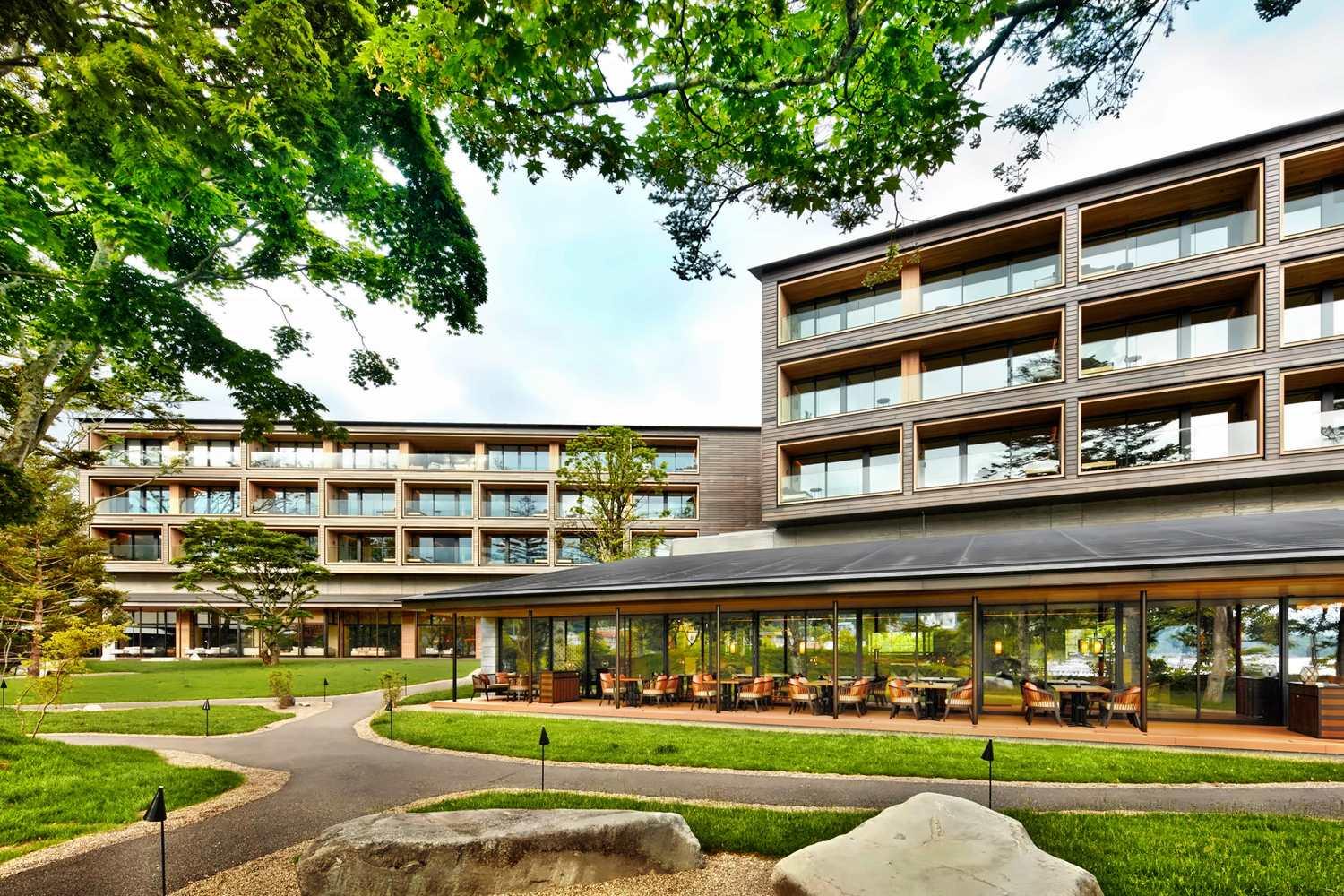
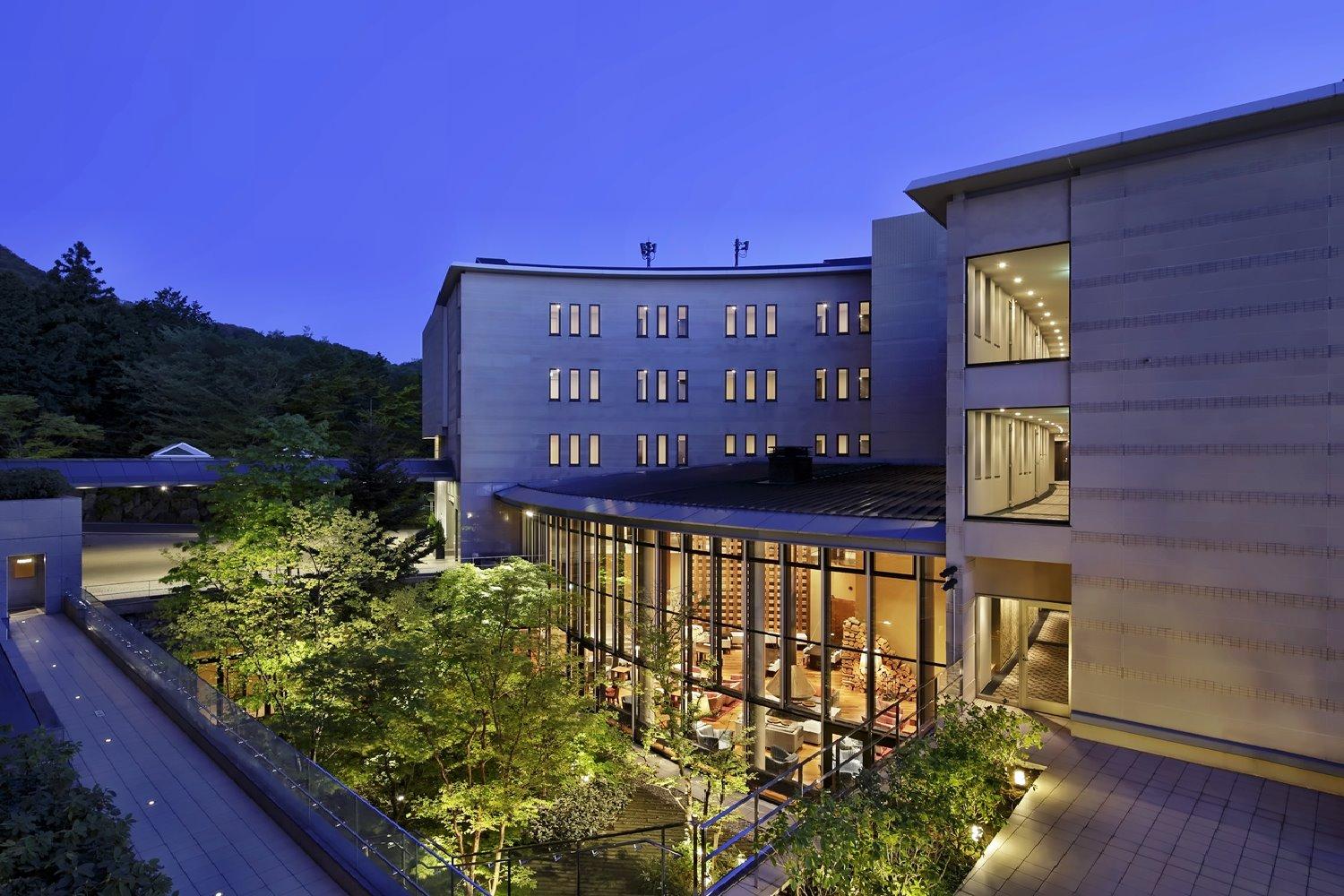
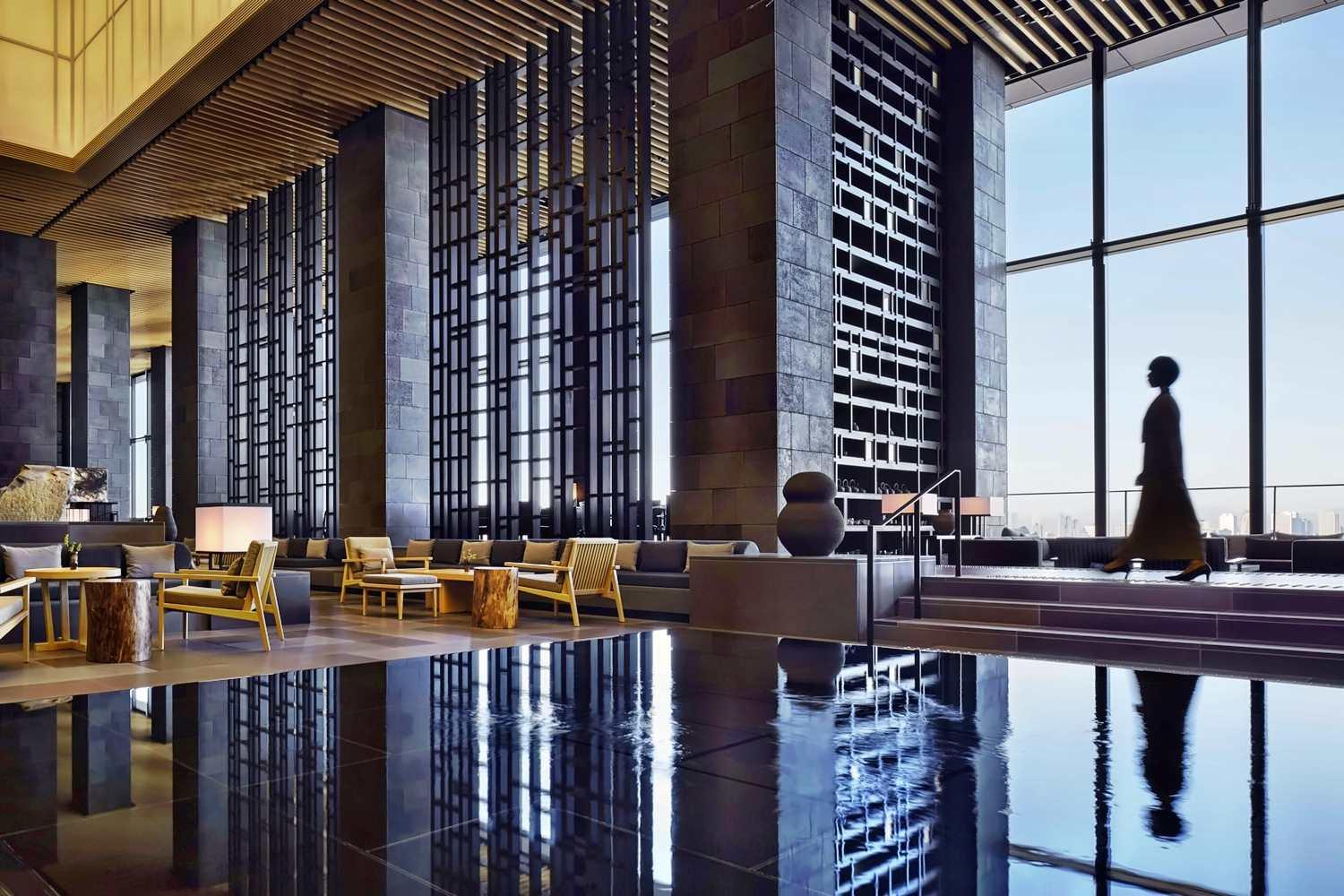
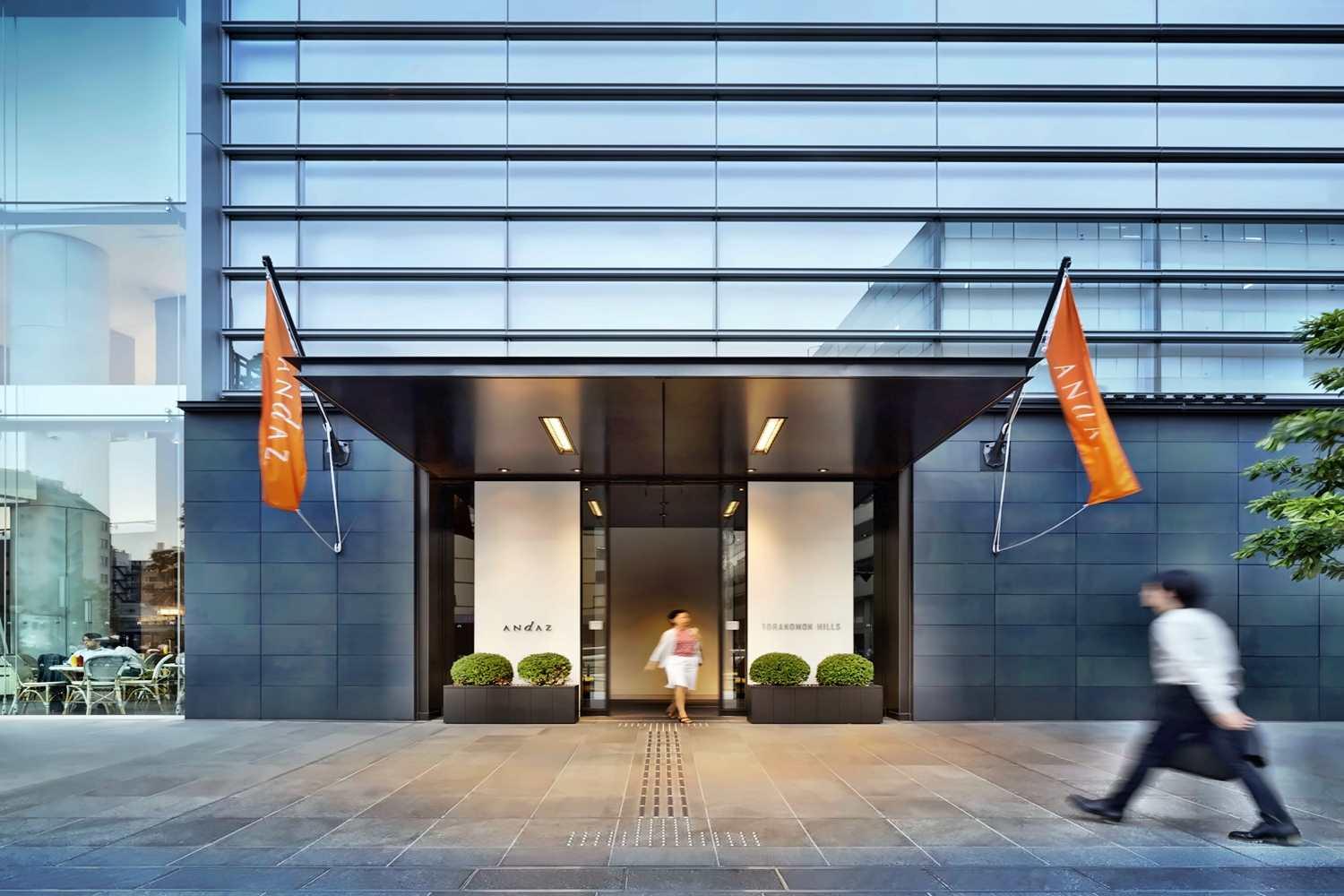
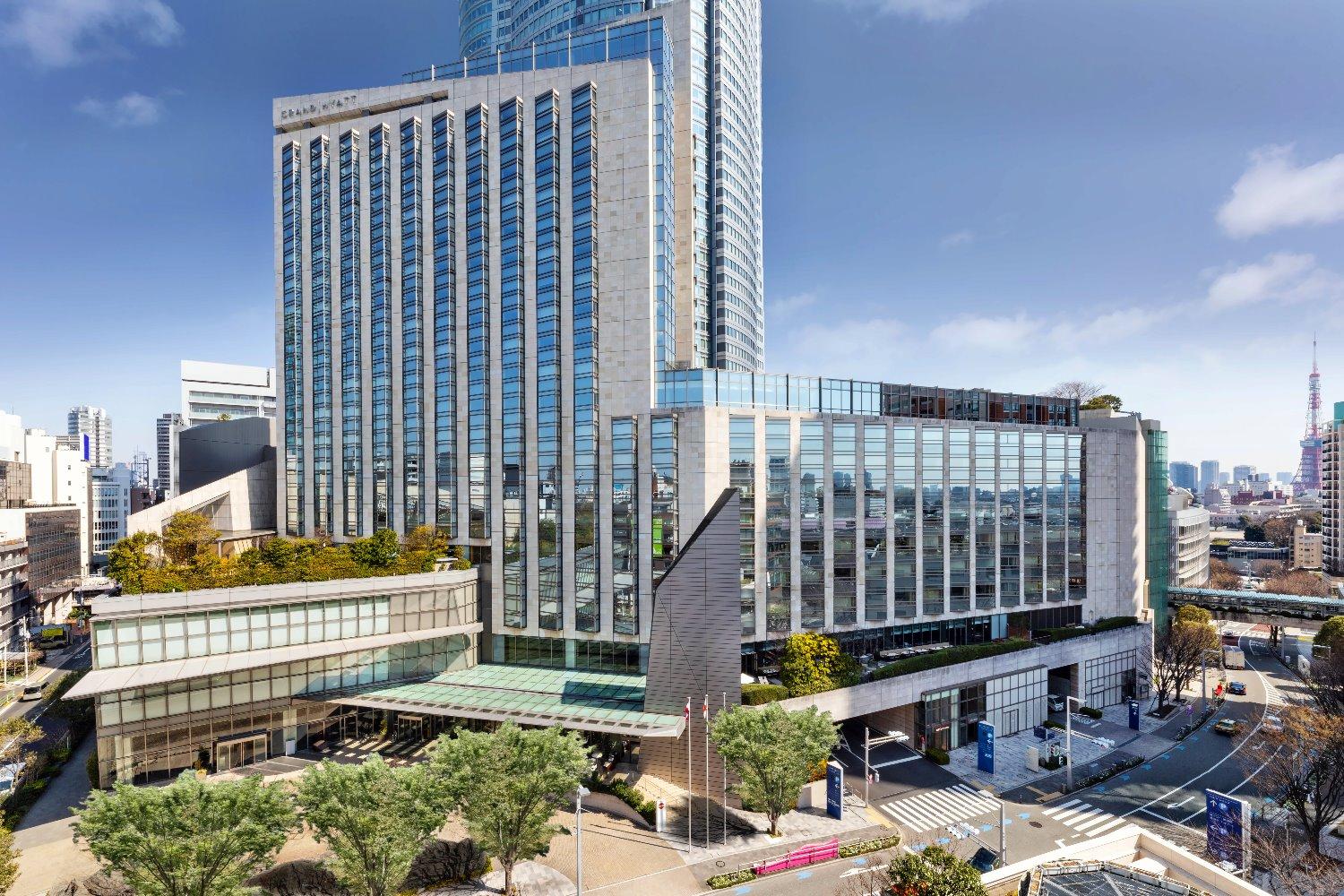
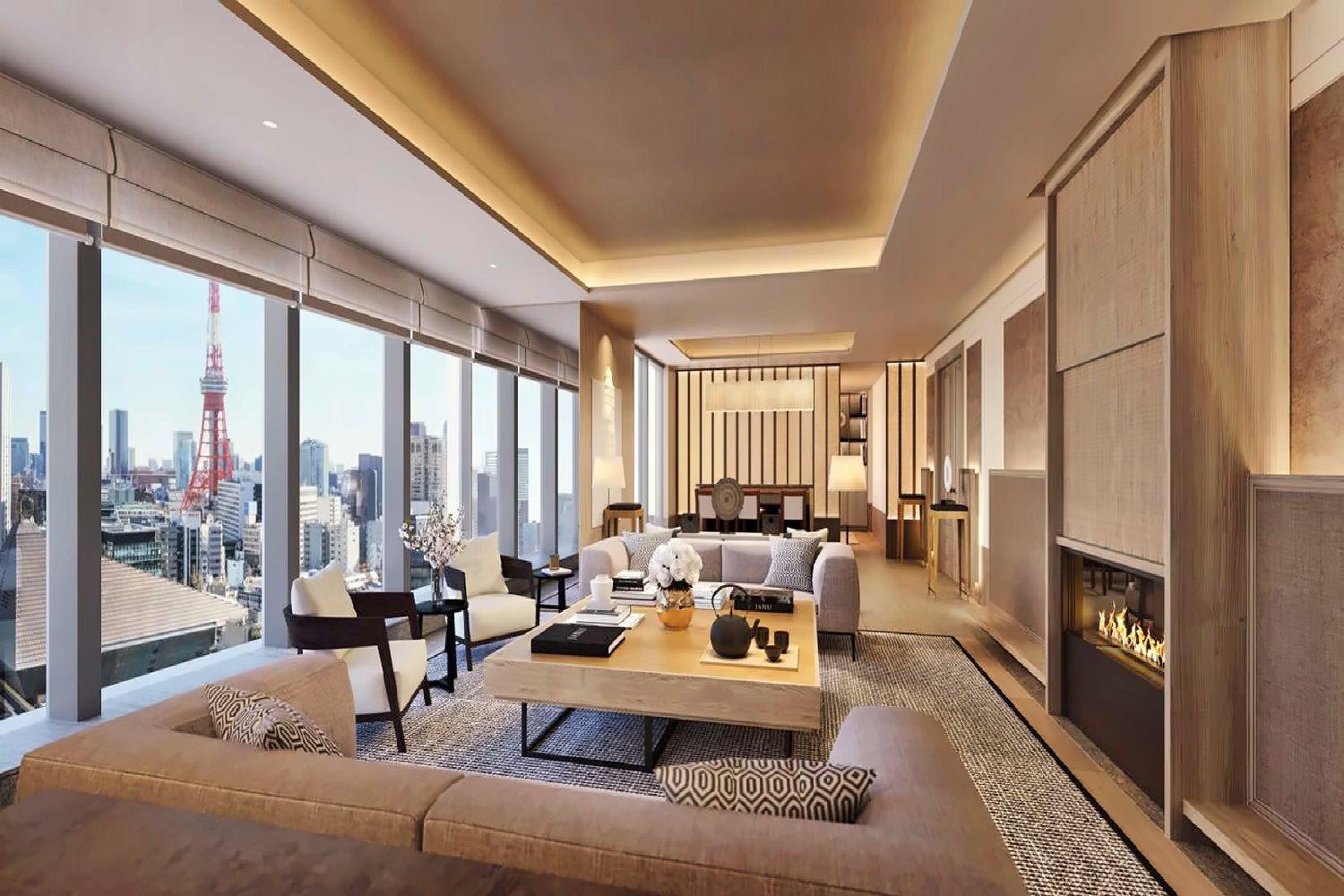
If one choice looks perfect but creates avoidable friction, it is not the best destination option. Keep a practical sequence where every hotel supports a clear step in the trip flow and preserves energy for key experiences. In Tokyo, Aman Tokyo, Palace Hotel Tokyo and Four Seasons Otemachi offer different views and walking patterns around the imperial and business core.
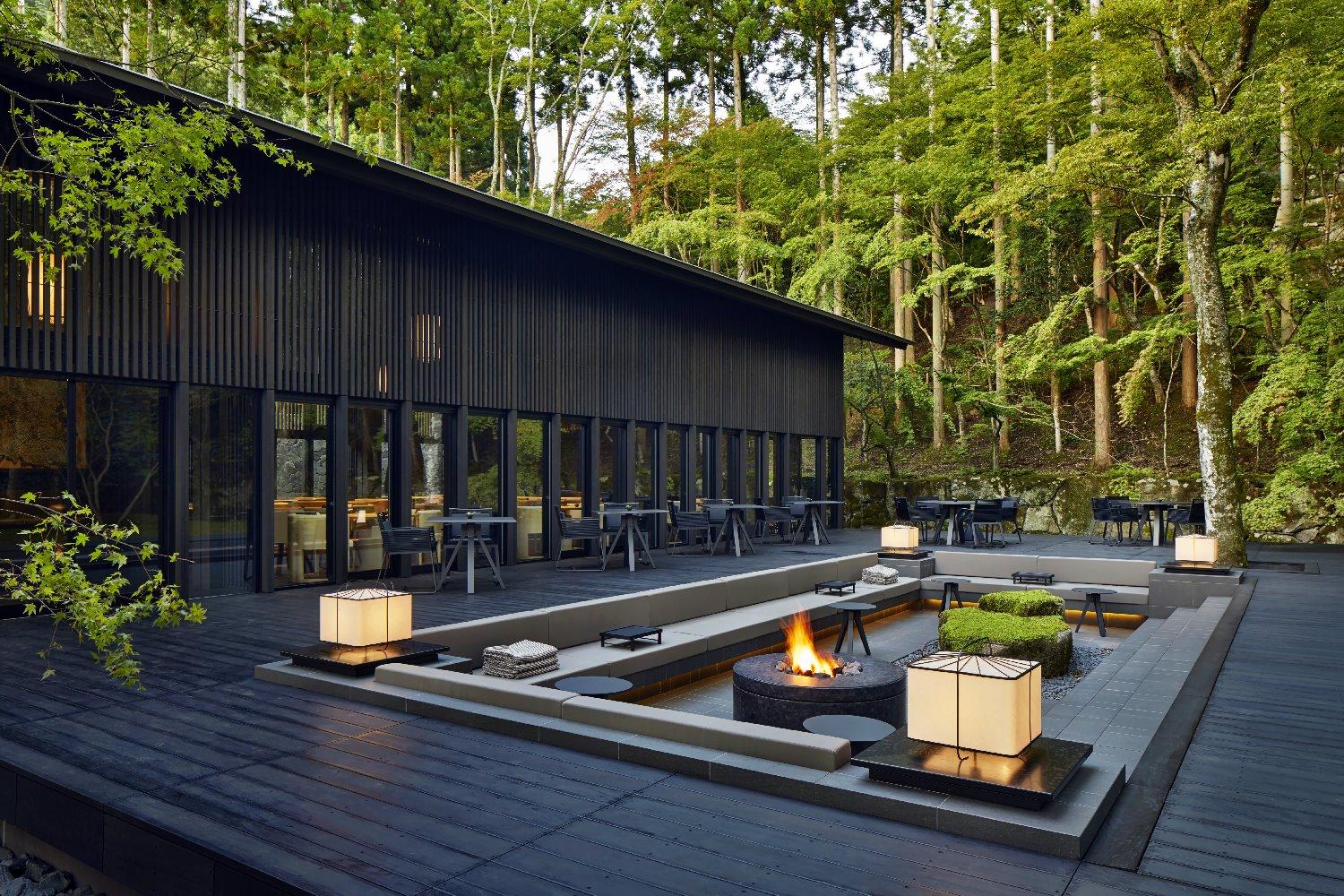
In Kyoto, Aman Kyoto is a secluded resort while The Ritz-Carlton Kyoto and Hotel The Mitsui Kyoto keep stronger city access. A ryokan such as Gora Kadan requires decisions on futon or Western beds, private or communal bathing, kaiseki timing and tattoo policies. Japanese rooms can be compact. So verify square metres, bed width and luggage space.
Benefits and booking proof
Benefits and booking proof in Japan should be validated around real timing and not around marketing. Japan is structured for 23 hotels with measurable operational differences. Anchor your shortlist by Chugushi, Hakone, Hazako, Kyoto, Okinawa, mobility certainty and weather tolerance. Start with one transfer-first option. Then compare a quiet recovery option before finalising a room category.
If one choice looks perfect but creates avoidable friction, it is not the best destination option. Keep a practical sequence where every hotel supports a clear step in the trip flow and preserves energy for key experiences. Virtuoso benefits must fit local service design. Confirm whether breakfast is buffet, set menu or ryokan meal. whether the credit applies to dining,
spa or tax. and whether upgrades preserve bedding and view. At ryokan, meals and occupancy-based pricing may make a public package more suitable than a room-only preferred rate. Record names exactly as passports show and communicate allergies in precise terms well before arrival.
Dining and cultural pacing
Dining and cultural pacing in Japan should be validated around real timing and not around marketing. Japan is structured for 23 hotels with measurable operational differences. Anchor your shortlist by Chugushi, Hakone, Hazako, Kyoto, Okinawa, mobility certainty and weather tolerance. Start with one transfer-first option. Then compare a quiet recovery option before finalising a room category.
If one choice looks perfect but creates avoidable friction, it is not the best destination option. Keep a practical sequence where every hotel supports a clear step in the trip flow and preserves energy for key experiences. Japanese hospitality values timing, quiet and consideration. Onsen washing rules, shoe removal, temple etiquette and orderly queues are part of the experience.
Kyoto kaiseki, Osaka counter dining, Tokyo sushi and regional ramen require different reservation approaches. some small restaurants release seats late or accept bookings only through hotels. Dietary restrictions can be difficult when dashi, soy or shared preparation is involved. So clarity matters more than vague labels.
Resilience and final review
Resilience and final review in Japan should be validated around real timing and not around marketing. Japan is structured for 23 hotels with measurable operational differences. Anchor your shortlist by Chugushi, Hakone, Hazako, Kyoto, Okinawa, mobility certainty and weather tolerance. Start with one transfer-first option. Then compare a quiet recovery option before finalising a room category.
If one choice looks perfect but creates avoidable friction, it is not the best destination option. Keep a practical sequence where every hotel supports a clear step in the trip flow and preserves energy for key experiences. Responsible planning reduces luggage on crowded trains, respects photography restrictions and avoids treating geisha districts or residential alleys as stages.
Use refillable water bottles where facilities permit, sort waste correctly and choose locally guided rural visits. Earthquakes, typhoons, heavy snow and volcanic alerts are real planning factors: save emergency information, keep medication and a small cash reserve accessible. And leave flexibility around exposed transfers.
Five planning decisions that materially improve the trip
- Limit the route to coherent regions and calculate every flight, rail sector and remote transfer door to door before choosing hotels.
- Protect the first night after a long-haul arrival and never connect directly to the only daily remote service.
- Confirm room size, bed type, outlook, climate control and connecting status in writing, not from a broad category label.
- Record breakfast, credit exclusions, upgrade priority, cancellation deadlines and all included transfers on the exact Virtuoso rate.
- Keep an official weather and transport alternative for every exposed outdoor day, with insurance covering costly prepaid elements.
Frequently asked questions for a well-planned journey
How many regions belong in one trip
For a two-week Japan journey, two or three coherent regions normally produce more depth than a long list. Door-to-door transport, not map appearance, determines the practical limit.
How should the arrival night be handled
Use a well-connected gateway hotel and leave the first evening lightly scheduled. Immigration, baggage, fatigue and disruption should not endanger a remote transfer or prepaid experience.
What is the best season
There is no single national answer. Compare the exact regions, climate patterns, school holidays and desired activities. Then verify current weather and event calendars before committing.
Are domestic transfers simple
Main corridors are straightforward. But terminals, luggage, reservations and last-mile transport add time. Remote properties often impose fixed transfer windows that govern the whole day.
Which room details matter most
Usable floor area, bed width, guaranteed outlook, noise, climate control, bathroom layout and connection status matter more than a marketing category. Ask for written confirmation.
How are Virtuoso rates compared
Compare like-for-like flexibility and total included value. Breakfast, credit rules, upgrade basis, taxes, transfers, minimum stays and cancellation deadlines must all be counted.
How should dietary needs be managed
Send specific ingredients, severity and cross-contact requirements well before arrival. Remote lodges and small restaurants need more notice and may not safely support every restriction.
What makes the itinerary resilient
Protected connections, insurance, official alerts, accessible medication, offline documents and a worthwhile alternative for weather-dependent days keep disruption from unravelling the trip.
Combine your hotel stay with a privately designed journey through Japan, with hotels, transfers and experiences planned as one seamless itinerary.