
Virtuoso Hotels
Virtuoso Hotels in Kyoto, Japan
5
5
Hotels
Virtuoso hotels in Kyoto: temples, gardens and the right daily geography
Kyoto rewards travellers who organise time by district rather than by a long list of famous temples. Higashiyama supports early cultural mornings, the Kamo River and central wards keep dining and several neighbourhoods within reach. While Takagamine creates a forest retreat that requires planned transport. The five current Virtuoso hotels represent these different rhythms rather than five versions of the same stay.
This guide compares their position, design, gardens, onsen and dining. Then builds a practical framework for temples, seasons, food, etiquette and transport. Deluxetargets confirms the qualifying Virtuoso rate with breakfast, a 100 USD hotel credit or an experience, upgrade priority, early check-in and late check-out priority. And VIP recognition. Choose geography first, the hotel’s internal experience second and the reservations that must be protected third.
Choose Higashiyama, the centre or Takagamine
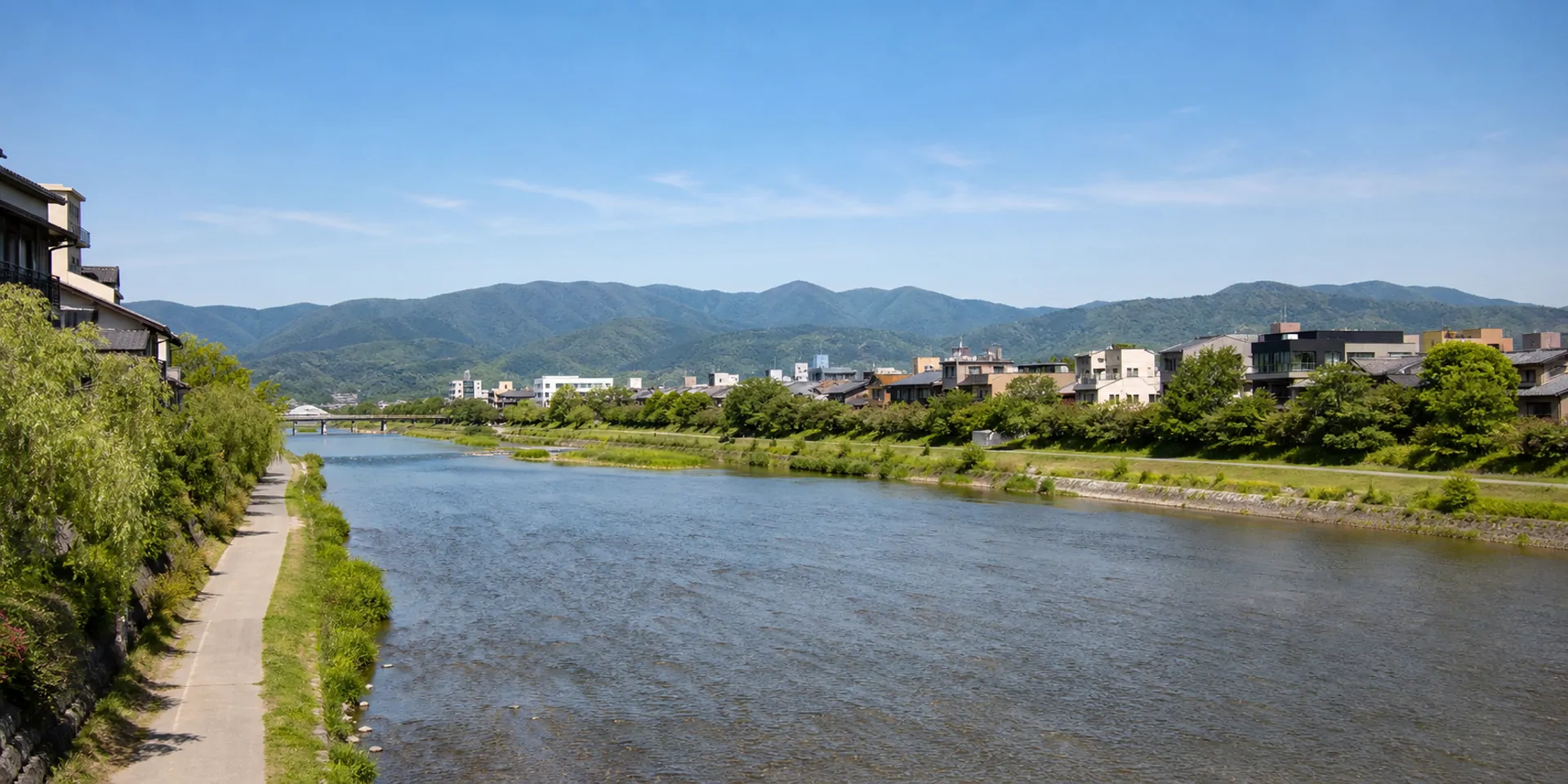
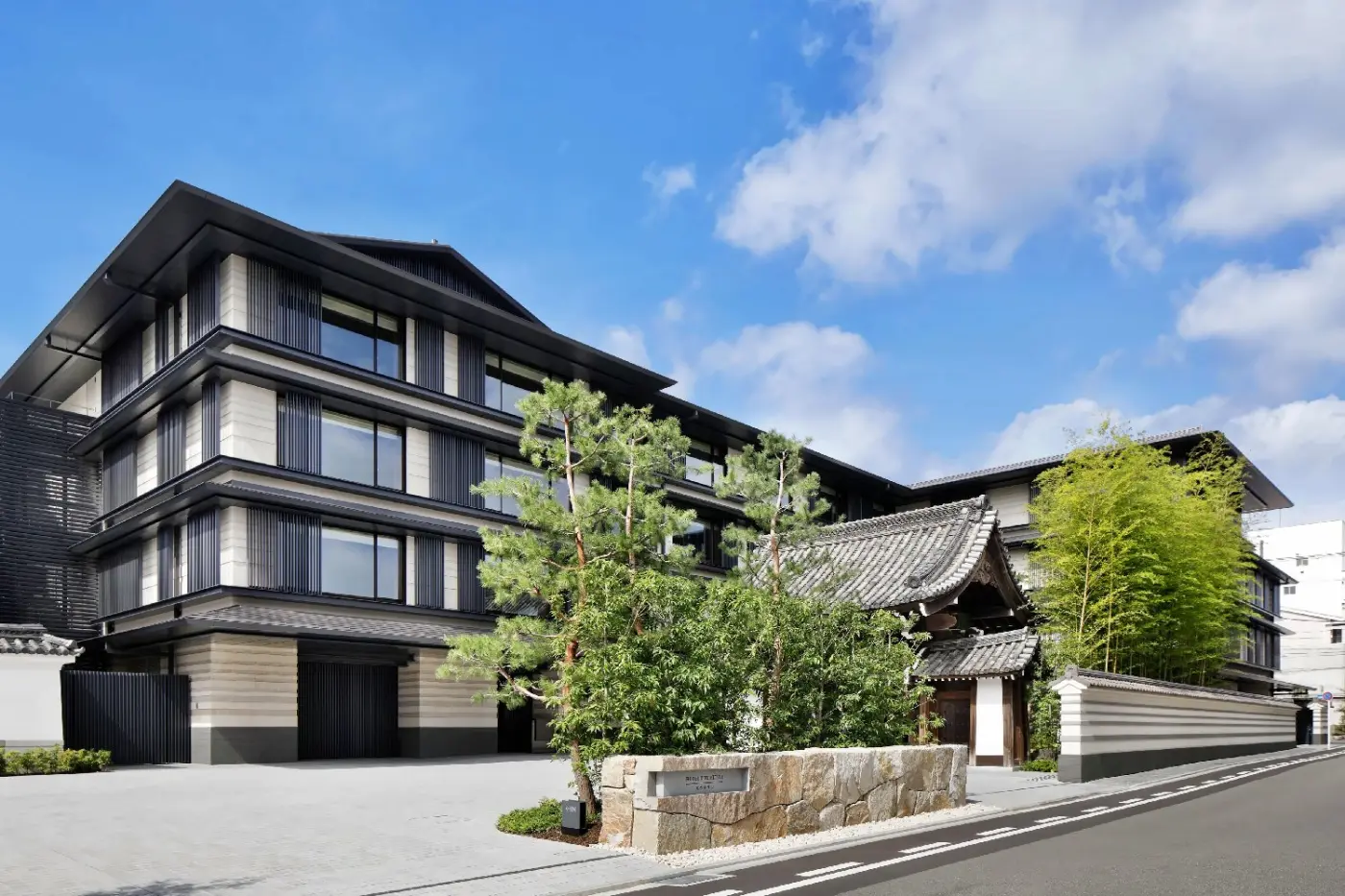
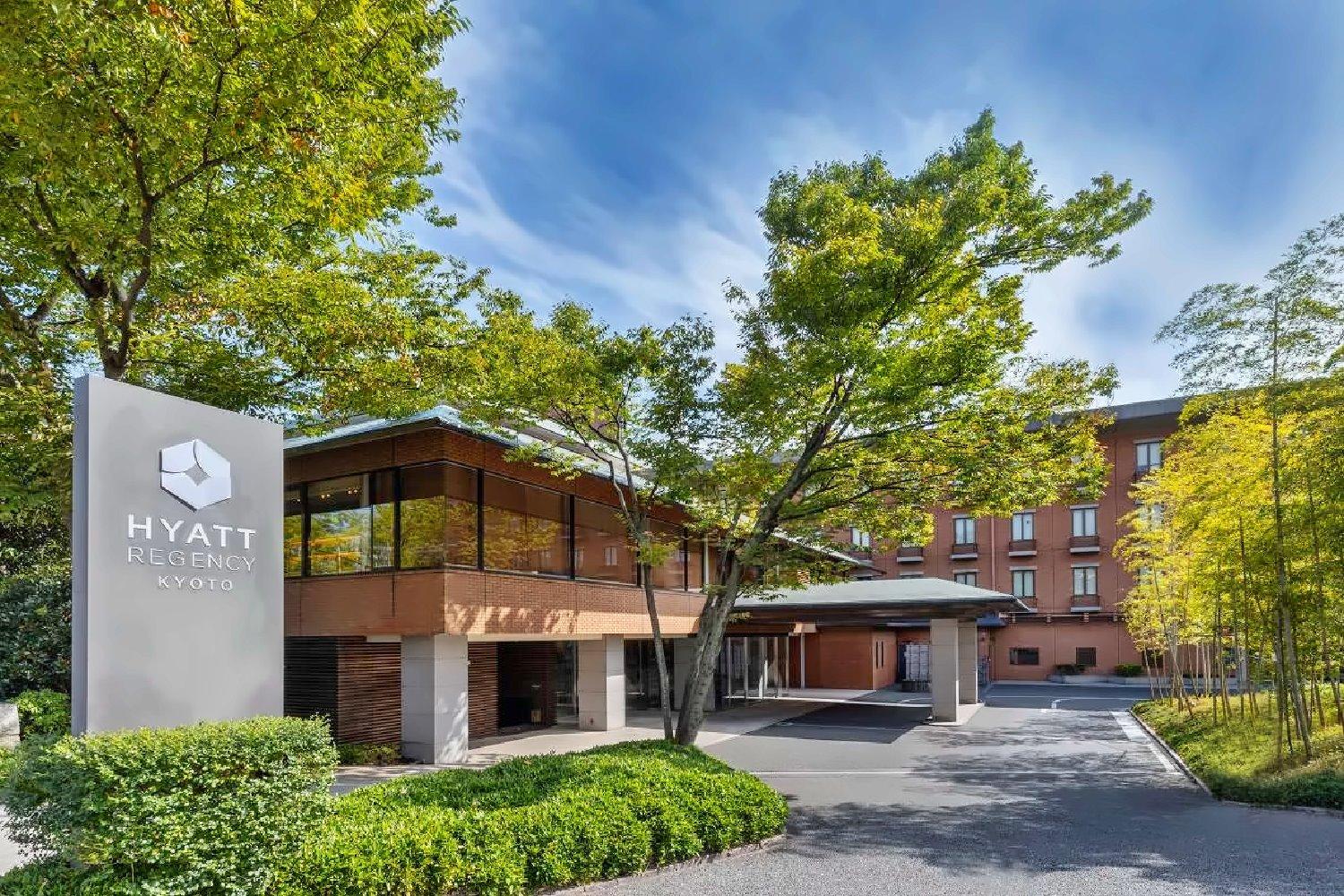
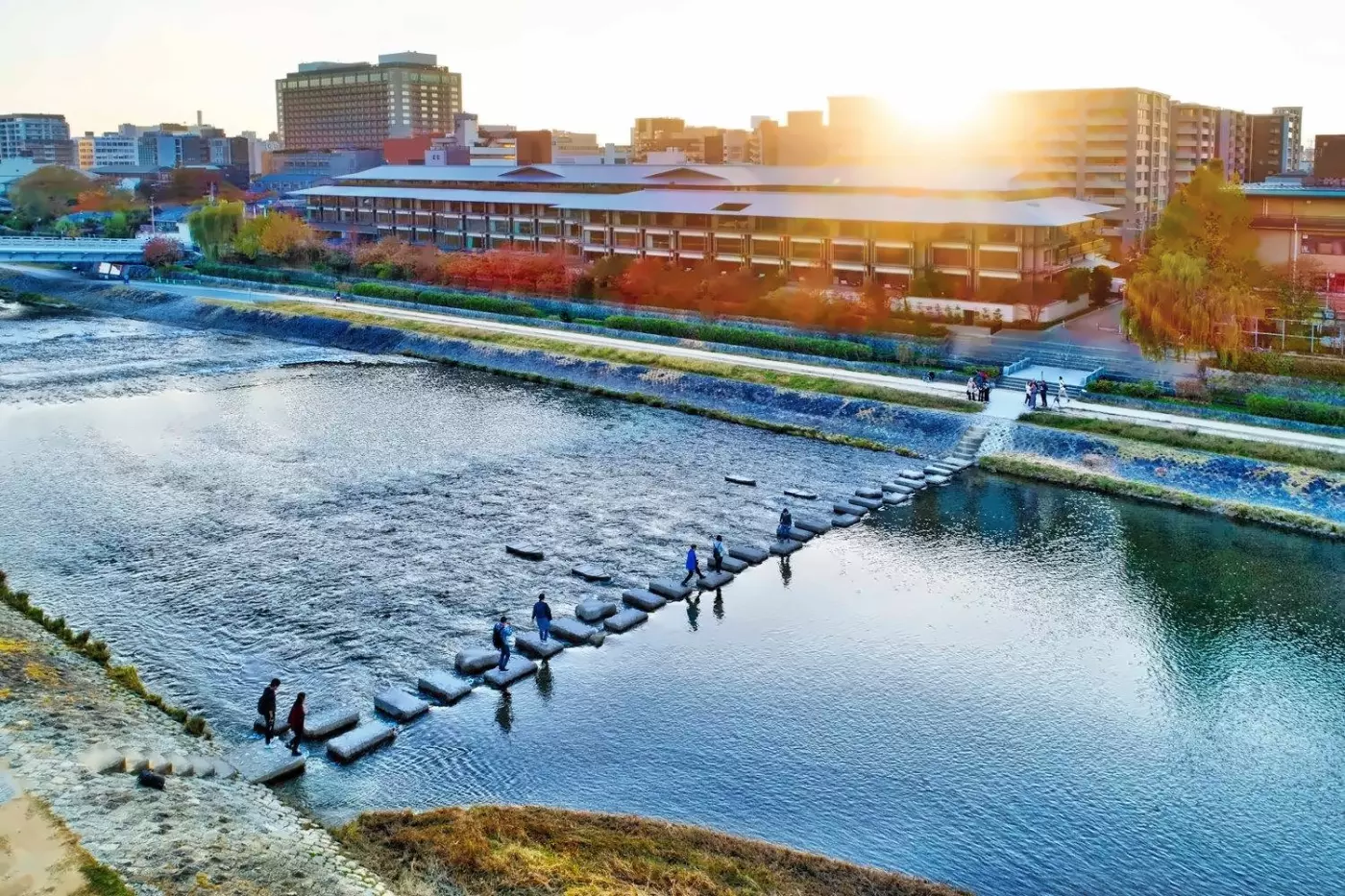
Four Seasons Hotel Kyoto and Hyatt Regency Kyoto are strong eastern bases near cultural sites, reducing the friction of early temple visits. Hotel The Mitsui Kyoto sits opposite Nijo Castle and makes the central and western sides more practical. The Ritz-Carlton, Kyoto combines a Kamo River address with access to downtown dining and Higashiyama.
Aman Kyoto is a secluded forest resort in Takagamine. its gardens and onsen are the purpose. But spontaneous cross-city movement is inefficient. Plot two priority mornings and three important dinners before choosing. Kyoto’s traffic and dispersed sights make an apparently small location difference meaningful.
How the 5 Virtuoso hotels differ
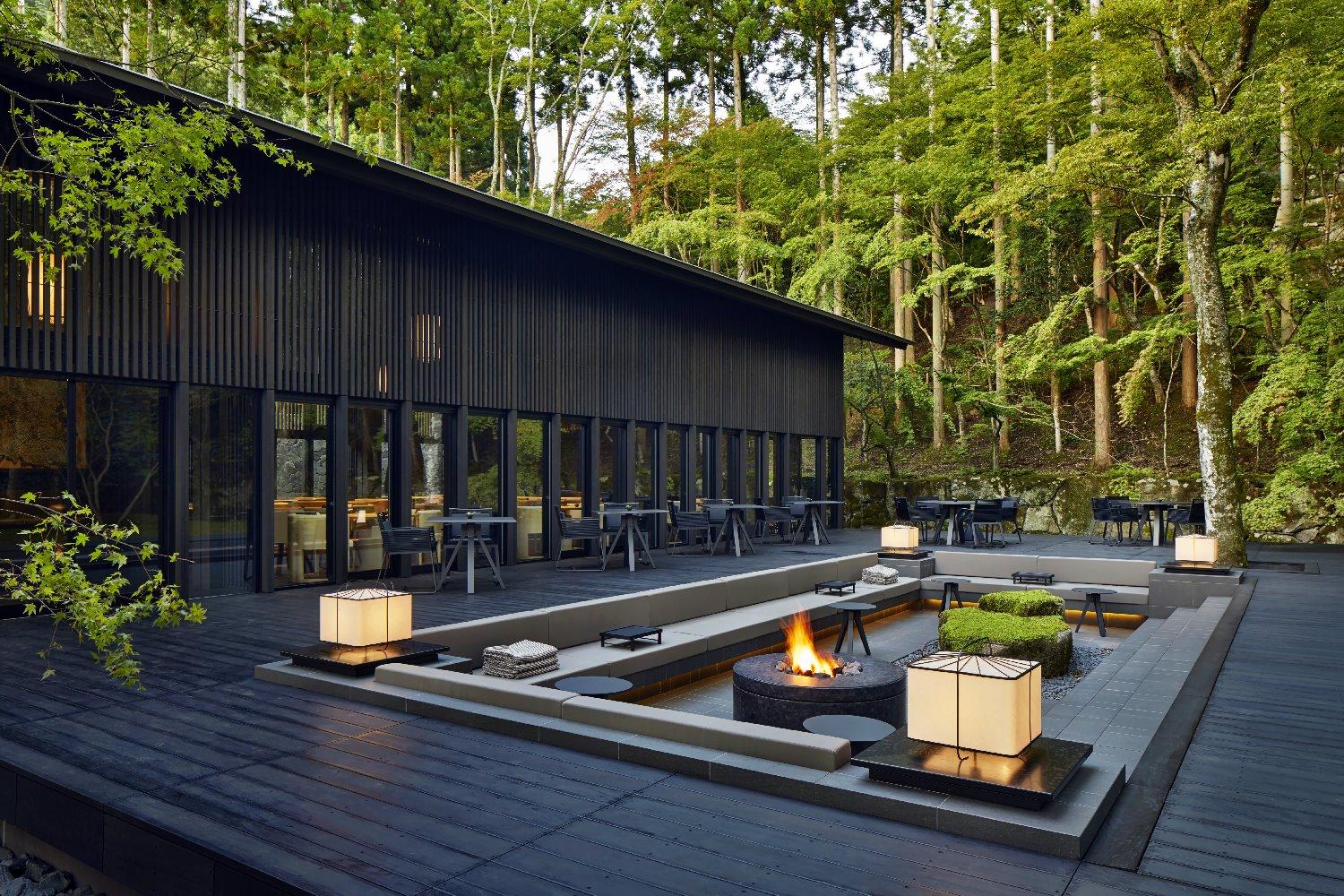
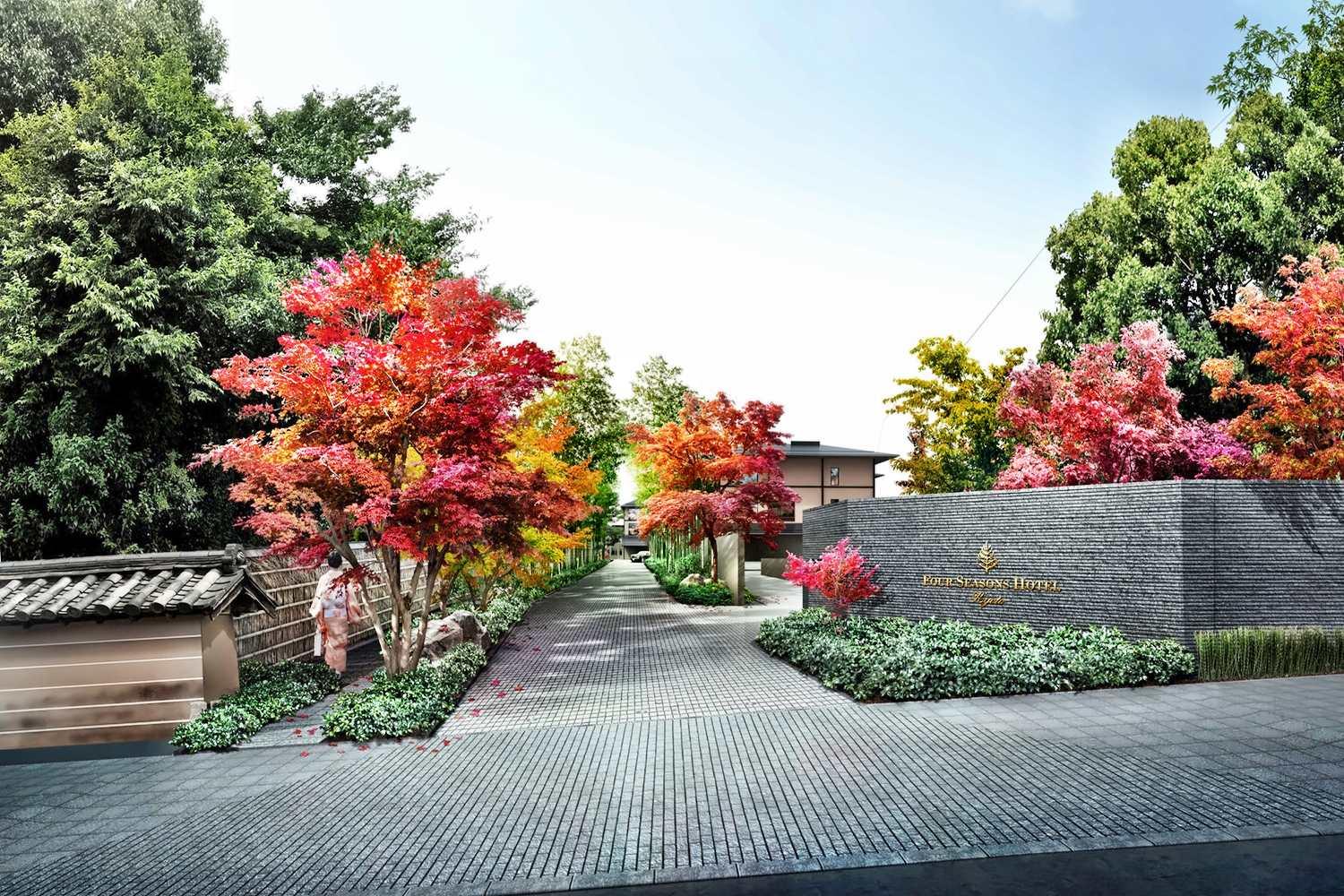
Aman Kyoto is the private forest sanctuary for travellers who will protect meaningful time on property. Four Seasons Hotel Kyoto centres its experience on the historic Shakusui-en pond garden, strong wellness and polished dining. Hotel The Mitsui Kyoto combines contemporary Japanese craft, Nijo Castle access and natural thermal water. Hyatt Regency Kyoto is the most straightforward cultural base,
particularly practical for Sanjusangen-do and the national museum. The Ritz-Carlton, Kyoto balances a central river setting, residential refinement and destination dining. Compare room outlook, walking pattern, restaurant plan and tolerance for driving before comparing nominal category or nightly rate.
Build eastern Kyoto as several mornings
Higashiyama is not one compact attraction. Southern Higashiyama includes Sanjusangen-do, the national museum, Kiyomizu-dera and preserved lanes. farther north lie Nanzen-ji, the Philosopher’s Path and Ginkaku-ji. Give each section an early start and avoid crossing the same district repeatedly at midday. Kiyomizu-dera and its approaches become intensely busy. So verify opening hours officially and arrive with a precise route.
A private guide adds context about religious practice, gardens and urban preservation while steering away from bottlenecks. Four Seasons and Hyatt simplify southern access. river and central hotels remain practical with a short arranged transfer.
Treat temples as living places
Kyoto’s temples and shrines are active religious institutions, not decorative sets. Follow photography restrictions, keep voices low, do not block worshippers and never enter closed garden areas for a picture. Select fewer sites with contrasting purposes: a major temple complex, an intimate garden, a shrine and perhaps a less visited neighbourhood institution. Fushimi Inari is open across long hours.
But its sacred mountain route and steps demand suitable shoes and respectful pacing. Kinkaku-ji has a controlled visitor flow. While Ryoan-ji asks for patient observation. Current hours, closures and special viewings belong to each institution’s official information, not an old itinerary.
Gardens change with light and season
A Kyoto garden is experienced through approach, framed views, sound and changing weather rather than through one photograph. Moss becomes vivid after rain. maples intensify autumn demand. winter reveals structure. spring produces peak pressure around blossoms. Reserve special openings through legitimate channels and do not assume every garden permits advance tickets. The hotel gardens also matter.
Shakusui-en at Four Seasons supports a restorative afternoon. Aman’s forest paths reward stillness and Hotel The Mitsui’s internal landscape provides contrast after Nijo Castle. Alternate monumental visits with a tea interval or hotel garden so the day retains visual and mental space.
Use food to understand Kyoto
Kyoto cuisine ranges from kaiseki and temple vegetarian cooking to soba, tofu, market snacks and refined contemporary restaurants. A serious kaiseki dinner should be a dedicated evening, with allergies communicated precisely because substitutions may be limited. Nishiki Market is an active commercial street, not a free tasting buffet. ask before photographing or eating and avoid blocking movement.
Hotel restaurants such as Taka-an, Sushi Wakon, Toki, Touzan and Mizuki each require advance consideration. Reserve one defining dinner and one lighter local meal. Then leave room for discovery. Deluxetargets coordinates the table, transport and dietary notes as one reservation sequence.
Tea, craft and private access need context
Tea ceremony is most meaningful when the host explains utensils, season and guest behaviour rather than delivering a quick performance. Choose a reputable practitioner and allow time to arrive calmly. Kyoto’s textile, lacquer, ceramics, incense and bamboo traditions can support focused studio visits. But workshops are workplaces and private access must be arranged respectfully.
Avoid itineraries that promise meetings without confirmed permission. A specialist guide can connect an artisan visit with the relevant district and a nearby temple, reducing transport. Buy for quality and provenance rather than urgency. And ask how fragile works will be packed and exported before committing to a significant purchase.
Plan transport by district
Kyoto Station is the principal rail gateway, with high-speed links to Tokyo and Shin-Osaka and local onward services. Buses can be crowded and slow during peak periods. the subway is efficient on its limited axes. While taxis and private cars solve specific gaps. Walking remains essential but distances between clusters are larger than many maps suggest.
Group each half-day geographically and agree taxi destinations in Japanese where possible. Aman guests should use planned drivers. central and eastern guests can combine short transfers with walking. Luggage forwarding between Japanese hotels is often useful. But delivery timing, prohibited contents and the next property’s acceptance must be confirmed.
Season determines both beauty and pressure
Spring blossoms and autumn colour are celebrated for good reason. But exact timing varies and demand affects hotels, guides, restaurants and transport. Summer is hot and humid. schedule early starts, interiors and rest through the strongest heat. Winter can be crisp and quieter, with occasional snow transforming gardens, although daylight is shorter. The rainy season brings humidity and beautiful moss rather than constant rain.
Festival dates change movement across the city, especially during Gion Matsuri. Confirm current calendars through official tourism and institutional sources. Build one weather-flexible interval per day instead of creating a schedule that fails when rain or heat slows progress.
Gion requires respectful behaviour
Gion and neighbouring preserved streets are residential and working districts. Private lanes, homes and businesses must not be entered or photographed without permission. And visitors should never pursue geiko or maiko. Local rules and signage change as authorities respond to overtourism. So follow current Kyoto City guidance. Experience the district with a knowledgeable guide,
a confirmed performance or a reserved restaurant rather than treating it as a search for candid photographs. Walk in small groups, keep luggage out of narrow lanes and use designated taxi points. The value lies in architecture, performing arts and living culture, not in invading someone’s working evening.
Families, accessibility and pace
Kyoto can engage families through gates, gardens, trains, food and craft. But repeated temples quickly become abstract for children. Give each day one cultural anchor, one active interval and a meaningful meal. Strollers struggle on steps, gravel and crowded lanes. a carrier may be more practical in selected sites. Travellers with limited mobility need monument-specific checks because historic access varies sharply.
Ask hotels about connecting rooms, pool policies and child-friendly dining times before booking. A private vehicle helps between clusters but cannot eliminate walking within protected precincts. Older relatives benefit from garden views, tea and hotel spa time while others complete a more demanding route.
How many nights create a complete stay
Three nights provide an introduction but force difficult choices between east, west and meaningful hotel time. Four to five nights are stronger for a first visit: two cultural mornings. One western or northern route, one craft or food experience and protected time at the hotel. Six or more nights support a slower seasonal journey and day trips without reducing Kyoto to a base.
Do not add Nara, Osaka and several distant temples simply because rail is convenient. Keep the arrival day light. Allow one unbooked interval and place the final evening near the hotel. Kyoto feels luxurious when attention is concentrated, not when the attraction count is maximised.
Five practical tips for a refined Kyoto stay
- Plan by district — Give each half-day one geographical cluster instead of crossing the city repeatedly.
- Begin temples early — Verify official opening times and use the quiet first interval for priority sites.
- Protect the hotel experience — Keep time for the garden, onsen, spa or river setting you selected.
- Coordinate dinner and transport — Book the table, dietary notes and return journey as one plan.
- Respect living neighbourhoods — Follow current signs, photography rules and private-lane restrictions in Gion.
Frequently asked questions about Virtuoso hotels in Kyoto
Which Kyoto district is best for a first stay
Higashiyama suits cultural mornings. While the centre and Kamo River balance sights and dining. Takagamine is best for a resort retreat.
How many nights should I stay
Four to five nights create a strong first visit. Three nights require strict priorities and little room for hotel time.
Do I need a private guide
Not for every day. But a specialist guide adds context and improves routing for temples, gardens, crafts and living traditions.
When is the best time to visit
Spring and autumn are beautiful and crowded. Winter is quieter. While summer demands early starts and substantial heat planning.
What does a Virtuoso rate include
Qualifying rates generally include breakfast, a 100 USD hotel credit or an experience, upgrade priority, early check-in and late check-out priority. And VIP recognition. Exact benefits are confirmed.
Is Aman Kyoto too remote
It is intentionally secluded. Choose it when forest, gardens and onsen are central to the stay and arrange drivers for focused city routes.
Can I visit Kyoto only as a day trip
A day trip shows one narrow slice and misses early mornings and evenings. Several nights provide a far more coherent experience.
Can Kyoto be combined with Tokyo
Yes. High-speed rail makes the pairing practical. But protect enough nights in each city and use luggage forwarding where appropriate.
Combine your hotel stay with a privately designed journey through Japan, with hotels, transfers and experiences planned as one seamless itinerary.