
Virtuoso Hotels
Virtuoso Hotels in Tokyo, Japan
11
11
Hotels
Virtuoso hotels in Tokyo: neighbourhoods, culture and the right base
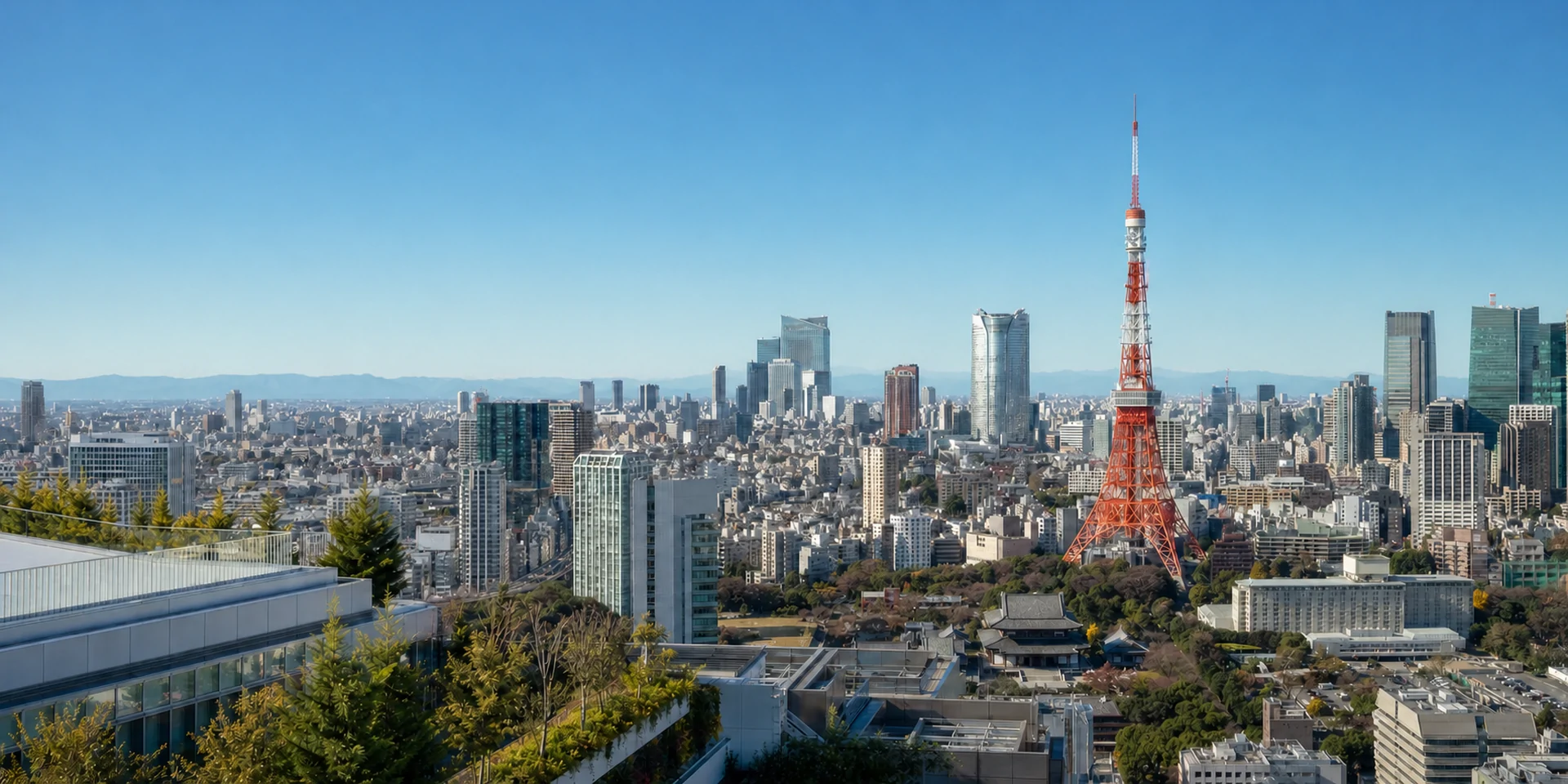
Tokyo is best understood as a network of distinct centres rather than one downtown. Marunouchi and Otemachi place Tokyo Station, the Imperial Palace and long-distance rail at the door. Nihonbashi connects historic commerce with refined dining. Toranomon and Azabudai combine new architecture, museums and easy access to Roppongi. Ginza suits shopping and theatre. Shibuya and Omotesando offer fashion,
design and late energy. A good hotel reduces unnecessary crossings and makes the preferred Tokyo available before breakfast and after dinner.
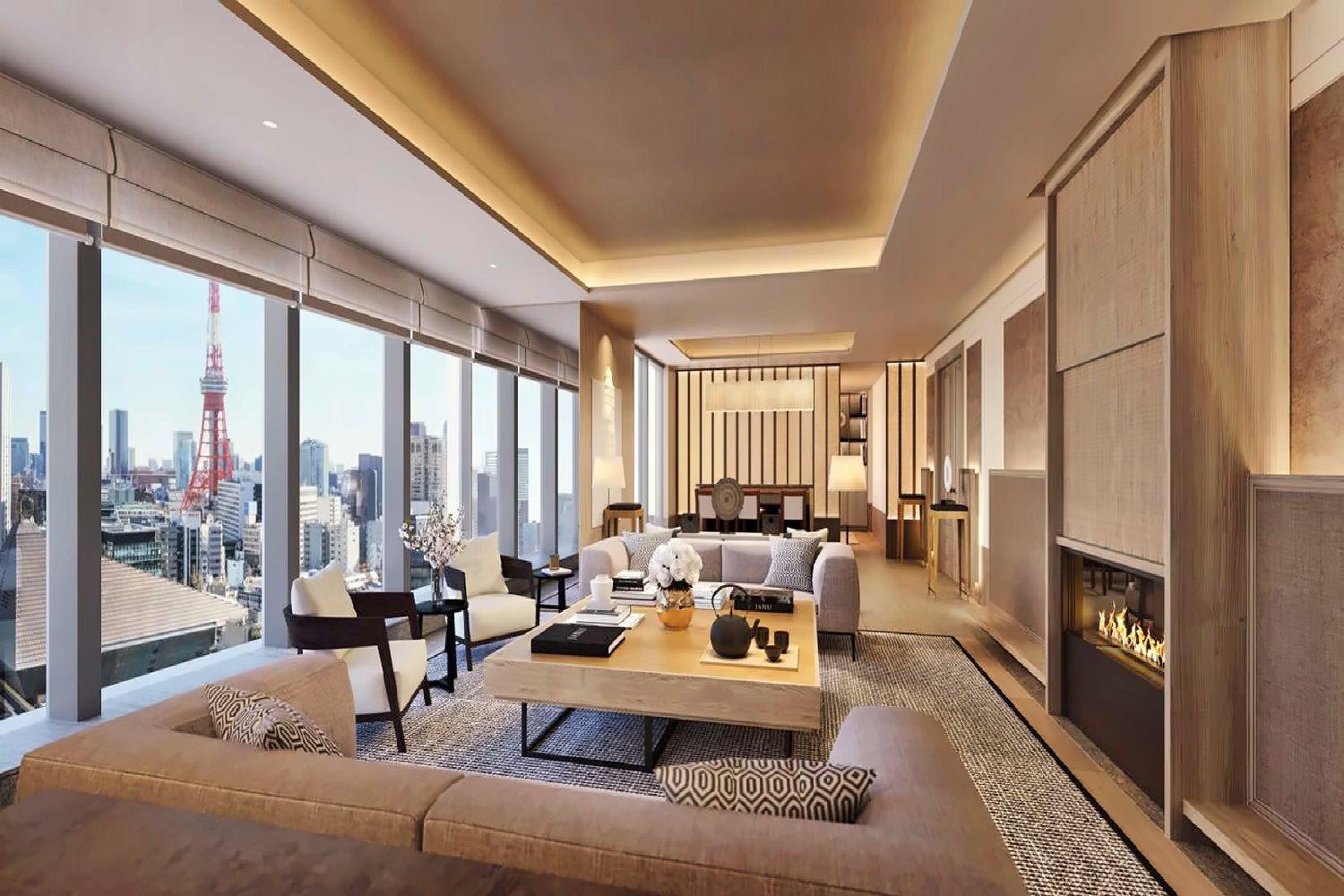
The Virtuoso collection ranges from calm high-rise sanctuaries to contemporary social hotels and addresses rooted in Japanese hospitality. This guide compares districts, realistic transport and seasonal pressures before considering individual brands. We also confirm room orientation, bed configuration, qualifying rate and benefits, because skyline. Imperial Palace or Tokyo Tower views belong to precise categories and should never be inferred from a generic room name.
Choose Tokyo by travel style
First-time visitors benefit from Marunouchi, Otemachi, Hibiya or Nihonbashi, where rail, major museums and east-west movement remain efficient. Travellers focused on contemporary art, design and dining may prefer Toranomon, Azabudai or Roppongi. Ginza is ideal for luxury retail, kabuki and polished evenings. While repeat visitors can use Shibuya, Aoyama or a quieter residential district to experience a more local rhythm. Families should value station access, larger rooms and connecting layouts over a fashionable postcode.
Marunouchi, Otemachi and Hibiya
For Tokyo Station, Imperial Palace gardens, Ginza and efficient rail connections across Japan.
Nihonbashi and Ginza
For department stores, food culture, traditional businesses, galleries and elegant dining.
Toranomon, Azabudai and Roppongi
For new urban projects, museums, restaurants, nightlife and Tokyo Tower perspectives.
Shibuya, Aoyama and Omotesando
For contemporary fashion, design, youth culture and evenings that continue after the trains quieten.
The most useful luxury-hotel districts
Tokyo’s railway map is efficient but scale still matters. A route that requires two changes can consume the energy saved by a famous view. Tokyo Station is valuable for Kyoto or regional extensions. Otemachi connects several Metro lines. Hibiya and Ginza support walking between the palace, shopping and theatre. Toranomon and Roppongi are convenient by taxi for central appointments,
though not every long-distance train is direct. Select the hotel around the majority of planned days. Then cluster each day geographically.
Marunouchi and Otemachi
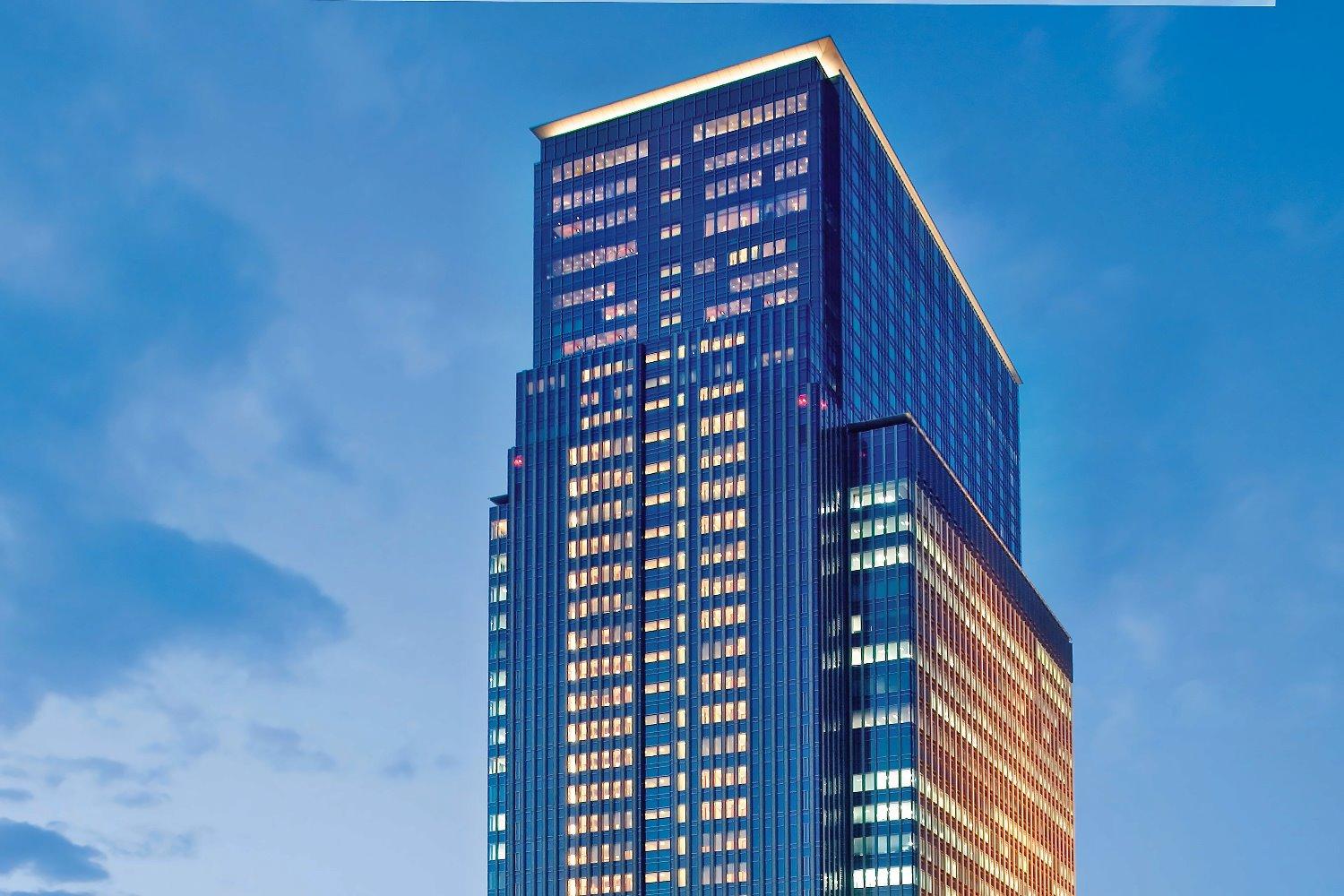
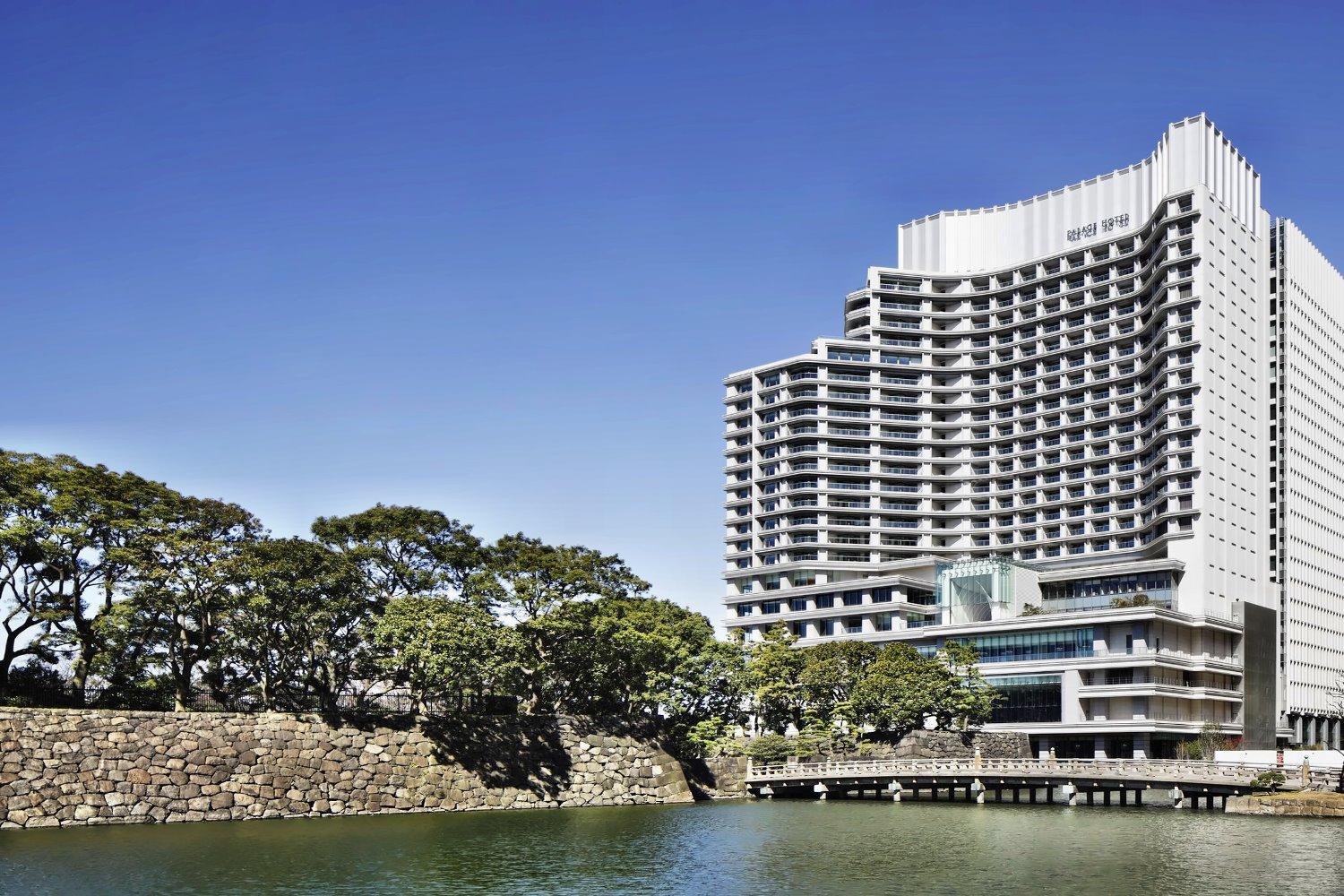
Choose these areas for rail efficiency, business appointments, the Imperial Palace and refined hotel calm. Aman, Palace Hotel and Shangri-La interpret the district differently, from urban retreat to moat-facing address and station convenience.
Hibiya, Ginza and Nihonbashi
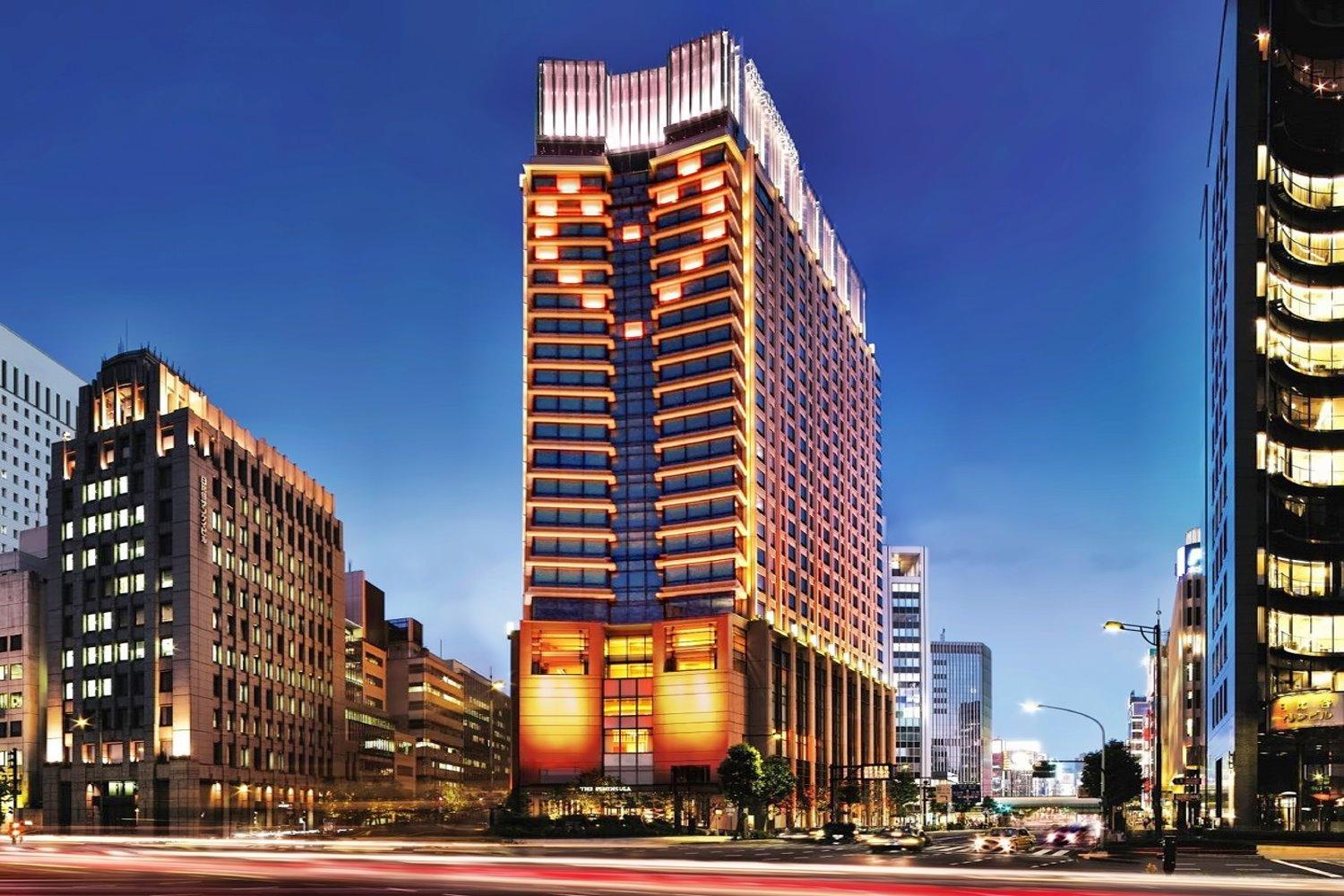
The Peninsula places Hibiya and Ginza within walking distance. While Mandarin Oriental anchors historic Nihonbashi. These locations suit shopping, food specialists, kabuki and access toward Asakusa.
Toranomon, Azabudai and Roppongi
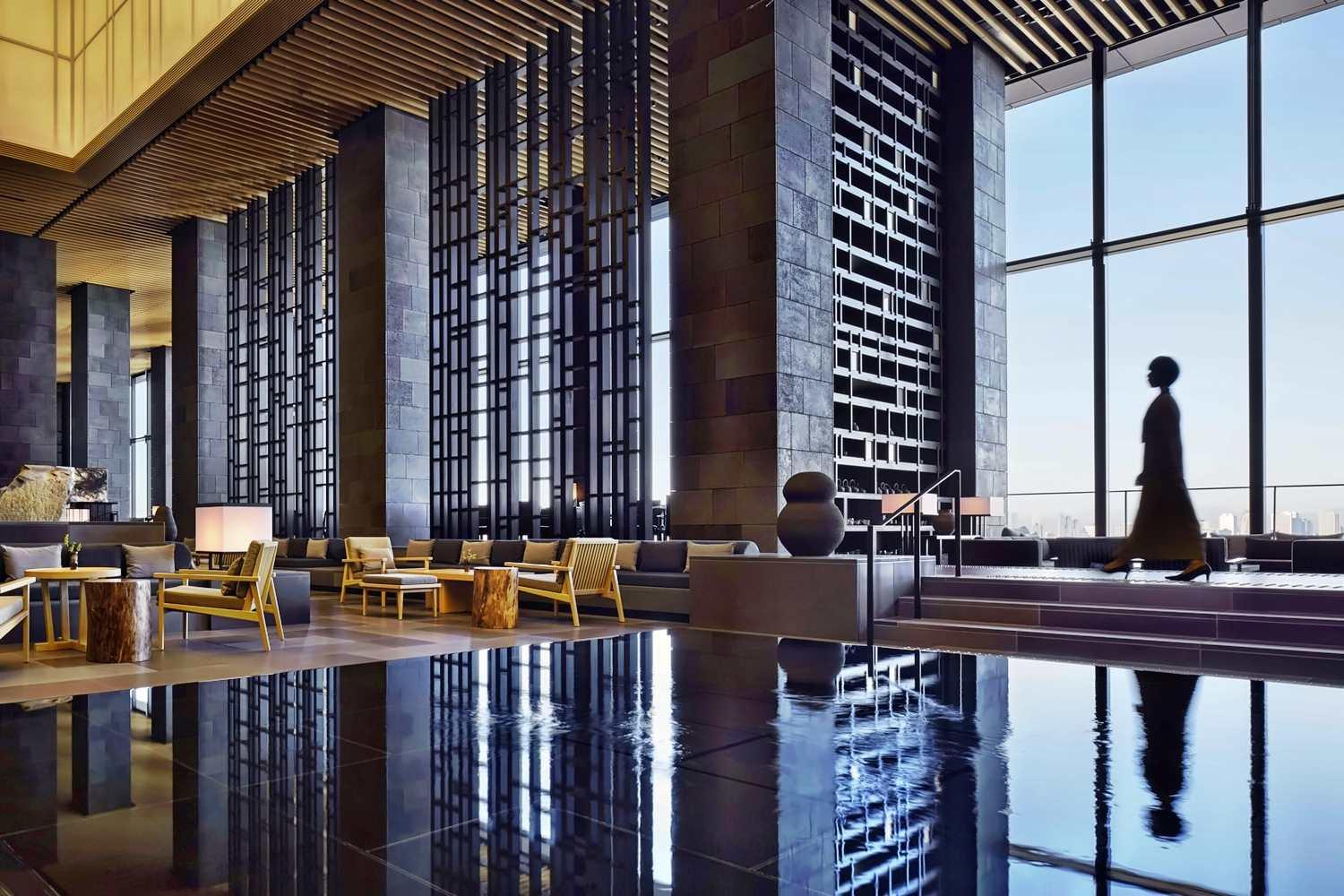
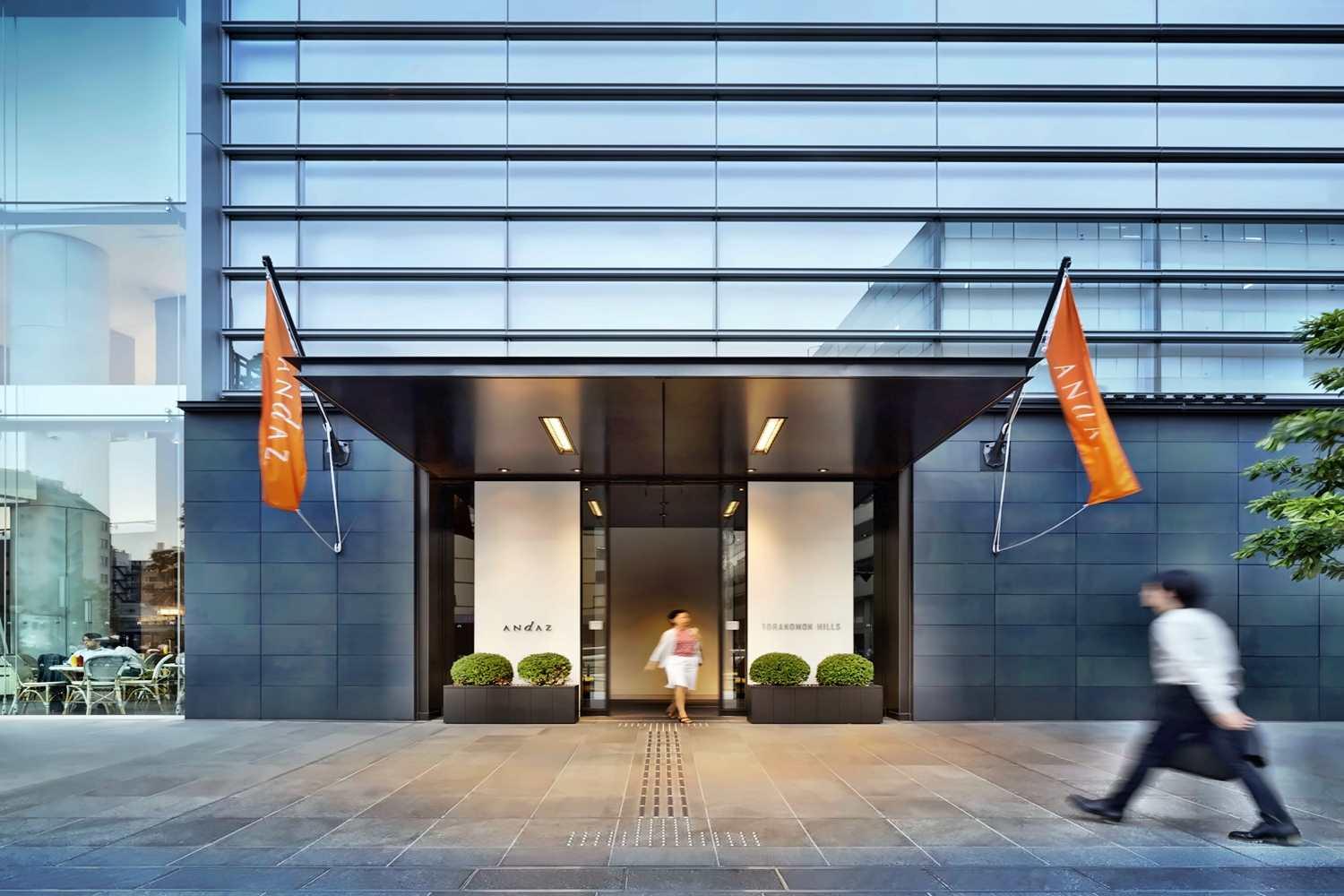
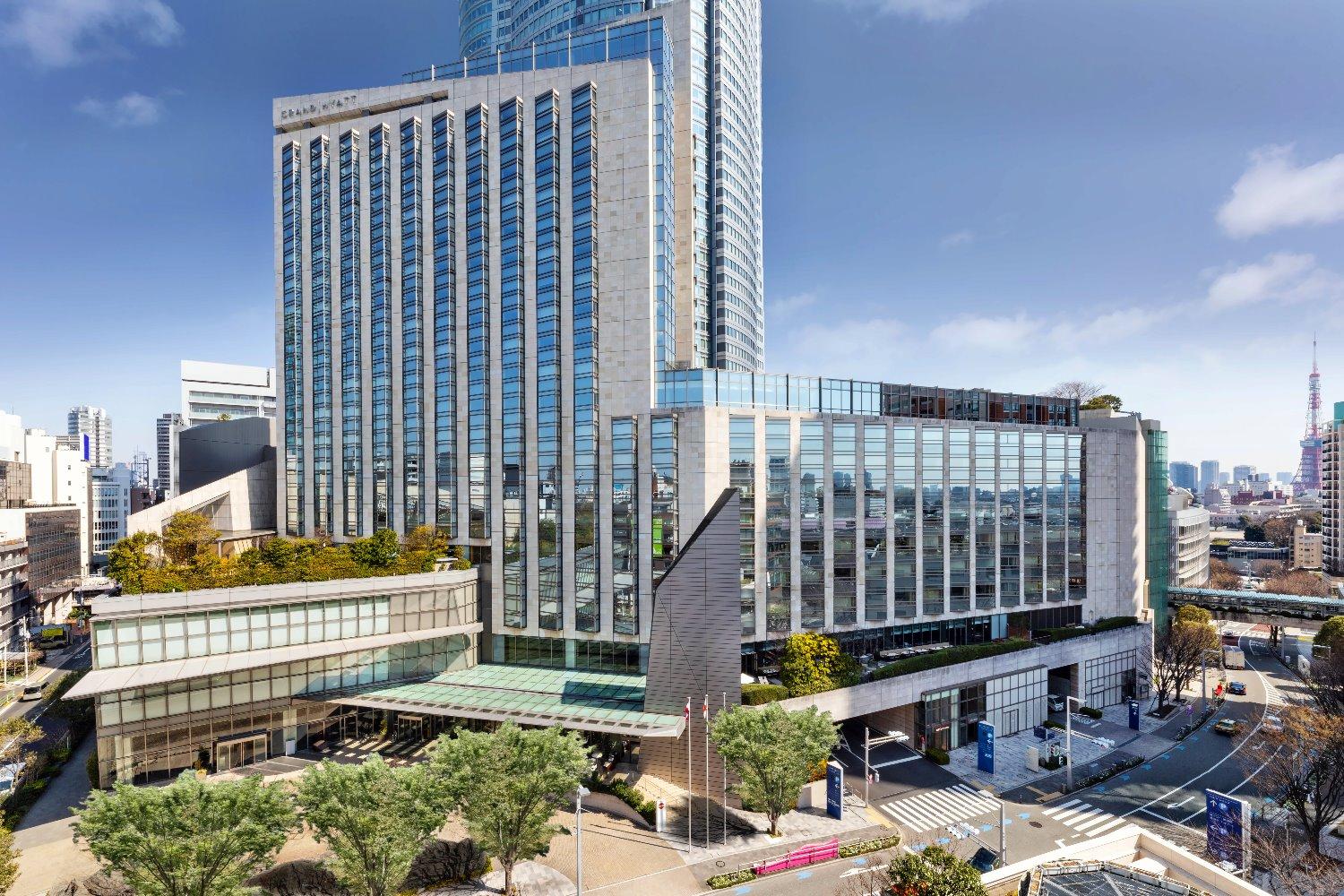
Andaz, Janu, The Tokyo EDITION and Grand Hyatt suit contemporary architecture, galleries and restaurants. Compare proximity to the exact Metro line and whether the room faces Tokyo Tower or another tower.
Residential Tokyo
Daikanyama, Kagurazaka, Yanaka and selected west-side neighbourhoods reward repeat visitors. But most Virtuoso hotels sit in the central business districts. Visit residential areas as coherent half days instead of selecting an inconvenient base solely for atmosphere.
How Tokyo’s Virtuoso hotels differ
Aman and Palace Hotel emphasise space, quiet and Japanese detail near the palace. Mandarin Oriental and Shangri-La pair high-floor views with direct access to commercial and rail districts. The Okura foregrounds Japanese modernist heritage. Peninsula offers a central grand-hotel interpretation. Ritz-Carlton and Grand Hyatt connect to large mixed-use complexes. Andaz and EDITION are more social and design-led.
Janu centres wellness within Azabudai Hills. Compare lobby energy, station access, room height and cultural character rather than ranking them universally.
- Book the named Imperial Palace, Tokyo Tower, skyline or Mount Fuji view when it is central to the stay.
- Confirm bedding and connecting rooms before purchase. an upgrade may move the room away from a required layout.
- Reserve signature restaurants, afternoon tea and destination bars with the room during weekends and holidays.
- Check whether the hotel entrance connects directly to the station or still requires outdoor walking with luggage.
Museums, temples and intelligent day planning
Tokyo works in geographic chapters. Pair Asakusa and Sensō-ji with Kappabashi or Ueno. combine Meiji Shrine with Omotesando and Aoyama. connect the Imperial Palace area with Marunouchi, Nihonbashi or Ginza. keep Roppongi museums and Azabudai Hills together. One major museum, a neighbourhood walk and a considered meal usually create a stronger day than crossing the city repeatedly. Verify museum closing days and timed-entry policies, especially for digital art, major exhibitions and observation decks.
Traditional east Tokyo
Visit Asakusa early, before Nakamise becomes crowded. Then continue to Ueno museums, Yanaka or the kitchenware shops of Kappabashi according to interest. A private guide adds historical and religious context.
Contemporary central Tokyo
Group Mori Art Museum, National Art Center, Azabudai Hills and architecture walks across Roppongi and Toranomon. Avoid adding Shinjuku or Asakusa merely because the trains look fast.
Food culture and reservations
Tokyo dining ranges from tiny specialist counters to department-store food halls, hotel restaurants, izakaya and highly formal kaiseki. The most difficult reservations require planning and flexibility. some restaurants accept bookings only through hotels or established concierge relationships. Communicate allergies accurately and understand that substitutions may be limited. Punctuality is essential, fragrances should be restrained at sushi counters.
And cancellation charges can equal the full menu. Balance one destination reservation with neighbourhood meals and food halls so the itinerary reflects Tokyo rather than a checklist of rankings.
- Tell us culinary priorities, allergies and budget before the hotel concierge booking window opens.
- Arrive early enough to locate small entrances. many counters are inside unmarked upper floors or basements.
- Do not schedule a tasting menu immediately after a distant excursion or airport arrival.
- Use Nihonbashi, Ginza and depachika food halls to understand ingredients and seasonal gifting culture.
Best time to visit Tokyo
March and April bring spring flowers and intense demand. But cherry-blossom timing varies annually and should never be guaranteed. May is often comfortable after the national holiday period. While June introduces the rainy season. July and August are hot and humid, with festivals and excellent indoor culture but demanding daytime walking. October and November provide clear days and autumn colour,
generally appearing later than in the mountains. Winter is crisp, comparatively dry and strong for skyline views, museums and dining, although New Year brings important closures.
Cherry-blossom period
Book early, expect crowds at famous sites and include smaller neighbourhood rivers or gardens. Build the journey around Tokyo itself, not a single forecast date.
Autumn
Late October through November can be excellent for walking, gardens and day trips. Colour develops at different times across elevation and microclimates.
Summer and winter
Summer needs shaded routes, early starts and midday museums. Winter rewards clear views and lower humidity, with careful checks around New Year closures.
Three, five or seven nights in Tokyo
Three nights allow a concentrated introduction around the palace, Ginza, one eastern district and one contemporary western district. Five nights create the best first balance, adding serious museums, food exploration and a flexible day without turning every meal into a transfer deadline. Seven nights allow residential neighbourhoods, a slower hotel morning and a day trip.
Keep the arrival day local to the hotel. jet lag is better used for an early walk or market breakfast than a prepaid late-night reservation.
The essential contrast
Palace and Ginza, Asakusa or Ueno. Then Roppongi, Aoyama or Shibuya.
The best first balance
Add museums, specialist food, gardens and one unhurried neighbourhood without constant crossings.
Tokyo with depth
Include residential districts, craft appointments, a day trip and time to enjoy the hotel itself.
Haneda, Narita and arrival strategy
Haneda is substantially closer to central Tokyo and often the most convenient gateway. While Narita serves many international routes and requires a longer transfer. Flight quality and schedule can still outweigh airport distance. Rail is efficient when luggage is manageable and the hotel connects directly to the arrival station. a private car is more comfortable after long-haul travel,
for families or late arrivals. Luggage forwarding is useful between Japanese cities. But delivery timing must be confirmed and essentials kept in hand luggage.
- Compare the complete flight and transfer, not airport distance alone.
- Send terminal, flight number and passenger names to the transfer service exactly as ticketed.
- Use luggage forwarding for rail journeys only after the delivery date and hotel acceptance are confirmed.
- Do not place a non-refundable dinner or train connection close to international arrival.
Metro, rail, taxis and walking
Tokyo Metro, Toei and JR form overlapping systems with separate operators. But IC cards simplify most urban journeys. Stations can be enormous. the correct exit often matters more than the line itself. Walking reveals the city, yet blocks and multi-level crossings add distance. Taxis are valuable with luggage, formal clothing, rain, mobility needs or a complex restaurant address.
While rail is usually faster at peak traffic. Ask the hotel to write destinations in Japanese and allow time to navigate rather than scheduling appointments by theoretical train duration.
Use stations precisely
Note the line, station and exit number before leaving. At Tokyo, Shinjuku and Shibuya, meeting at a named hotel lobby is safer than an unspecified station gate.
When a driver adds value
A car works for airport transfers, families, formal evenings and multi-stop appointments in one area. It is rarely the fastest way to cross central Tokyo all day.
Day trips and the wider Japan journey
Tokyo combines naturally with Hakone, Kamakura, Nikko or the beginning of a wider rail journey to Kyoto and beyond. Hakone offers art, onsen and possible Fuji views but should not be reduced to a rushed weather-dependent photograph. one night can be more rewarding. Kamakura pairs temples with the coast. While Nikko requires an early start and careful train planning.
Tokyo Station hotels simplify onward travel. Tickets, luggage forwarding and minimum connection times should be designed as one itinerary rather than separate bookings.
Choose one meaningful extension
Select the day trip by interest—temples, art, landscape or onsen—and accept that weather may change views. Do not stack a day trip with an important Tokyo dinner.
Rail beyond Tokyo
Reserve long-distance trains around national holidays and busy periods. Keep passports, medications and one night of essentials with you when luggage travels separately.
What to decide before booking
Define preferred district, station access, exact outlook, bed configuration and importance of spa or destination dining before comparing rates. Then assess the qualifying Virtuoso rate by total value: breakfast, a 100 USD hotel credit or experience. Priority for upgrades, early check-in and late check-out and VIP recognition. Benefits and room availability must be confirmed for the specific dates.
During cherry-blossom season, national holidays and major events, the correct category and location matter more than waiting for a late offer.
Our Tokyo planning recommendations
- Choose the district around most planned days. Then group each day geographically.
- Confirm the exact room view and bedding rather than relying on a general category name.
- Share restaurant priorities and allergies before concierge booking windows open.
- Use rail for speed, taxis for luggage and formal evenings. And note the correct station exit.
- Check museum closing days, national holidays and seasonal forecasts before fixing the sequence.
Frequently asked questions about Virtuoso hotels in Tokyo
Which area is best for a first stay
Marunouchi, Otemachi, Hibiya or Nihonbashi gives the strongest balance of rail, palace, Ginza and cross-city access.
Is Shinjuku or Shibuya a better base
They suit nightlife and west Tokyo. But the current Virtuoso collection is stronger in central districts. Visit them as planned neighbourhoods from a rail-connected hotel.
How many nights should I plan
Five nights create the best first balance. Three require strict geographic priorities. seven allow residential Tokyo and a day trip.
Is a Mount Fuji or palace view guaranteed
No. Views belong to named room categories and depend on weather and orientation. We confirm the exact category before booking.
Haneda or Narita
Haneda is closer to central Tokyo. But Narita may offer the better flight. Compare schedule, cabin and total transfer together.
Do I need a private driver
Not throughout the stay. Rail is usually fastest. a driver is valuable for airports, luggage, families, formal evenings and specific multi-stop days.
Can the hotel secure difficult restaurant reservations
Sometimes, subject to restaurant policy, booking windows and cancellation guarantees. Share priorities early and remain flexible on date and time.
Are Virtuoso benefits identical at every hotel
No. The hotel credit or experience and additional amenities vary by property and stay. we confirm them with the eligible rate.
Combine your hotel stay with a privately designed journey through Japan, with hotels, transfers and experiences planned as one seamless itinerary.