
Virtuoso Hotels
Virtuoso Hotels in Morocco
10
10
Hotels
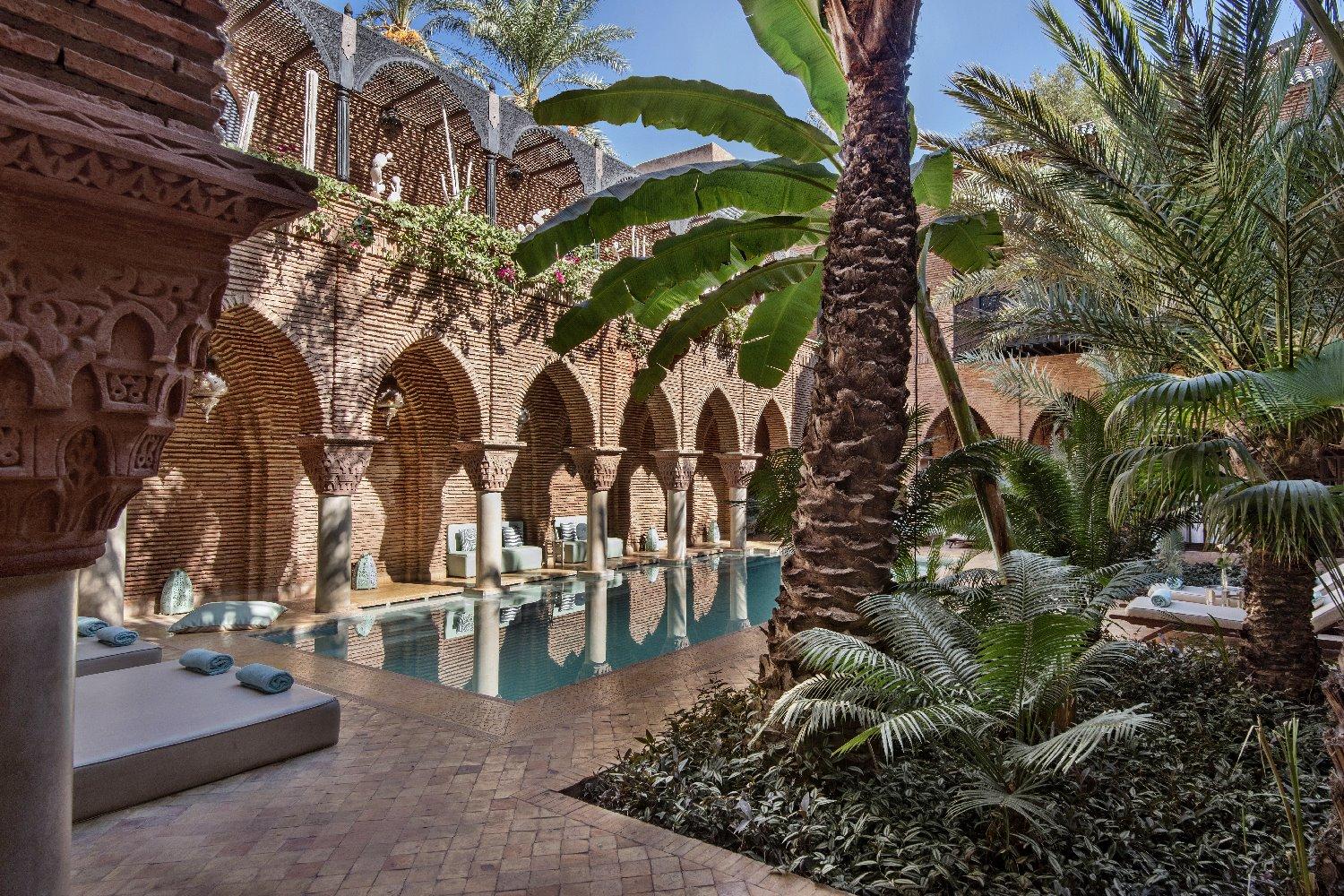
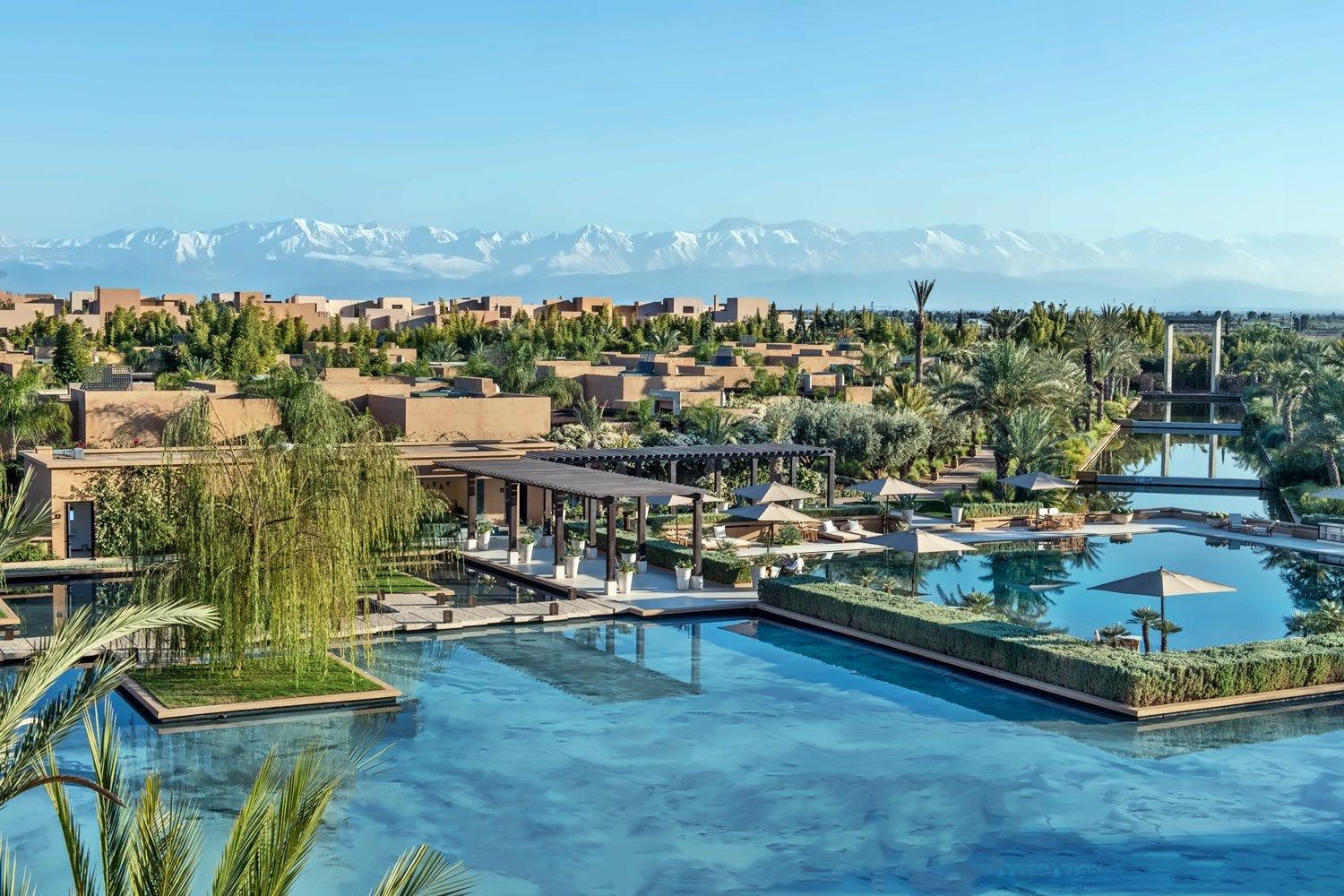
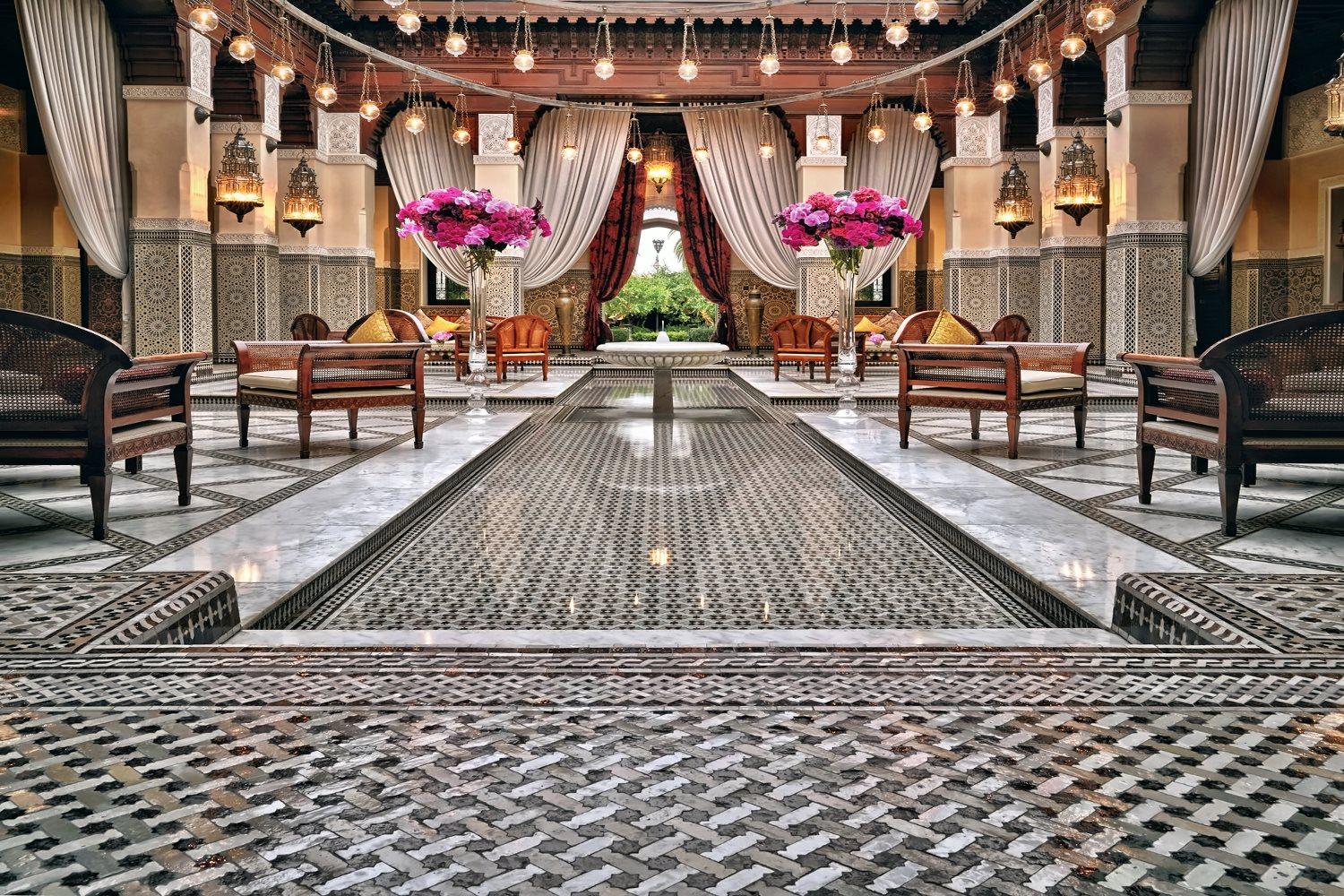
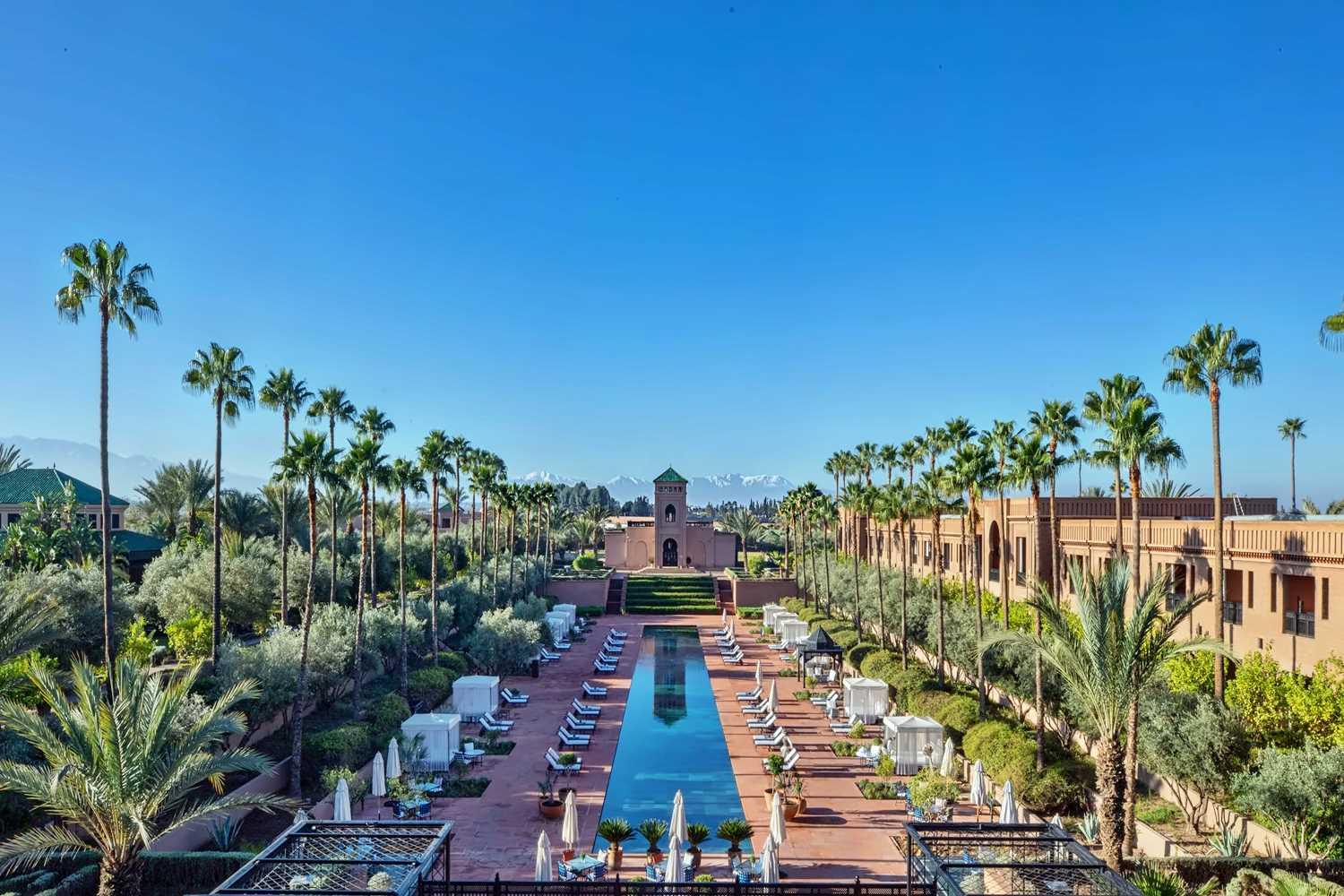
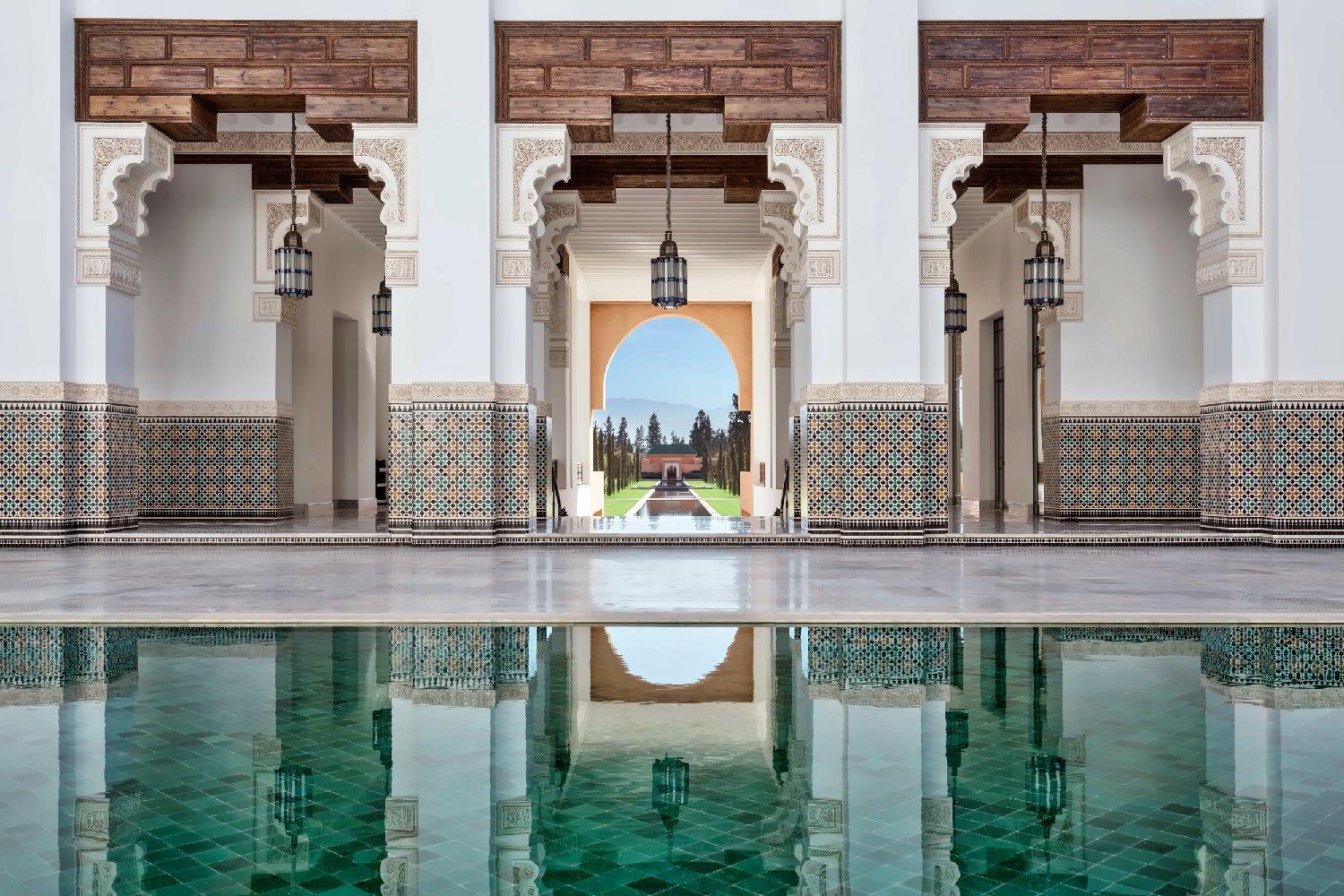
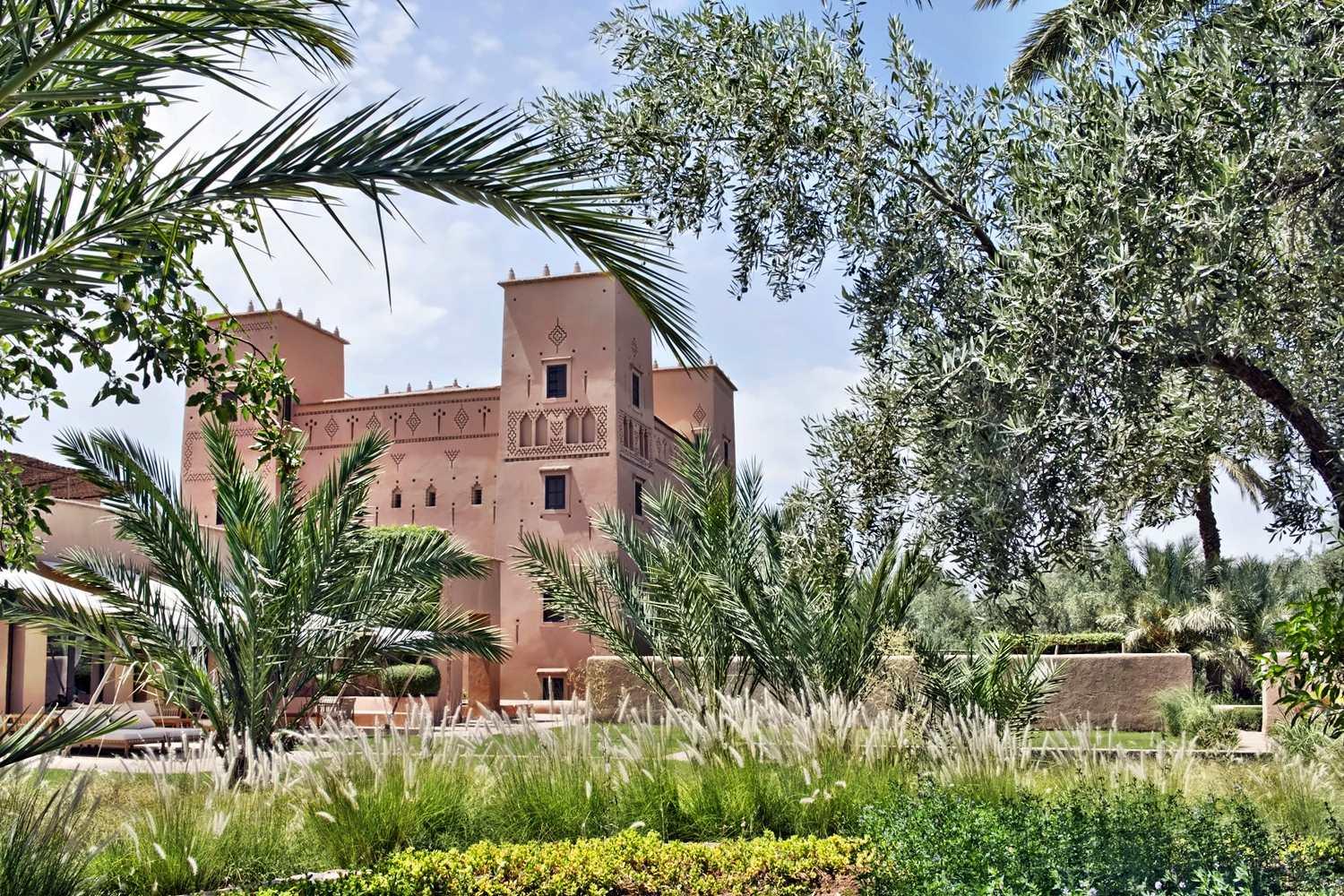
Virtuoso hotels in Morocco: an expert guide to regions, seasons and the right stay
Morocco rewards travellers who choose a coherent regional story before choosing a hotel. Its useful planning map runs through the Atlantic cities of Casablanca and Rabat, Tangier and the north, Marrakech and the High Atlas, the medinas of Fès. And the southern landscapes toward Ouarzazate and the Sahara. The 10 hotels represented in this directory should therefore be read as different bases,
not interchangeable luxury addresses. Marrakech for the broadest luxury choice. the High Atlas for retreat and walking. Casablanca for business or an air connection. and the Atlantic or desert approaches for a contrasting second stay. A successful journey protects time for place, builds transfers around real operating conditions and matches room category to the reason for travelling.
The aim is not to collect the greatest number of stops. But to create an itinerary whose geography, pace and benefits work together.
Start with Casablanca, Marrakech, Rabat and Tangier, with onward routes toward the Atlas, Atlantic coast and desert gateways. Then test every proposed sequence against Casablanca, Rabat and Tangier work well by rail. While Marrakech, the High Atlas and southern routes require a well-briefed driver, realistic road time and daylight-aware mountain or desert planning.
Season matters: spring and autumn are often comfortable for cities and lower mountains. Midsummer can be intensely hot inland, winter nights are cold in the Atlas and desert. And Atlantic conditions remain locally variable. Hotel inclusion, Virtuoso amenities, rates and availability can change. So request a current written proposal and compare the total stay rather than the headline price alone.
The guidance below treats transport, rooms, culture and responsible access as one planning system. Entry rules, mountain access, road conditions, religious-calendar hours and local advice should be checked shortly before travel. Heat, altitude and long driving days deserve the same attention as hotel quality.
Choose the right regions before the hotel
the Atlantic cities of Casablanca and Rabat, Tangier and the north, Marrakech and the High Atlas, the medinas of Fès. And the southern landscapes toward Ouarzazate and the Sahara create very different stays. Marrakech for the broadest luxury choice. the High Atlas for retreat and walking. Casablanca for business or an air connection. and the Atlantic or desert approaches for a contrasting second stay.
Begin by naming the two experiences that matter most. Then select the smallest number of bases that can deliver them well. Casablanca, Rabat and Tangier work well by rail. While Marrakech, the High Atlas and southern routes require a well-briefed driver, realistic road time and daylight-aware mountain or desert planning. This prevents an attractive map from becoming a sequence of packing,
traffic and early departures. Compare each hotel by what can be reached without sacrificing half a day, not by reputation alone. A remote property can be the strongest choice when the stay itself is the purpose. a central address is better when museums, dining or appointments drive the schedule. Keep at least one unscripted half-day in every major base.
Build an arrival and internal-mobility plan
ONCF rail, including the high-speed corridor between Tangier, Rabat and Casablanca, is useful on the northern axis. private transfers remain preferable for the Atlas and many southern combinations. Confirm the exact airport or station, pickup point, vehicle class, luggage capacity, child-seat needs and emergency contact in writing. Casablanca, Rabat and Tangier work well by rail.
While Marrakech, the High Atlas and southern routes require a well-briefed driver, realistic road time and daylight-aware mountain or desert planning. Do not treat online driving times as promises: weather, traffic, border or security controls, road works and comfort stops can alter the day. Protect international departures with a conservative final transfer or a last night near the gateway when appropriate.
If separate tickets or small aircraft are involved, add a meaningful disruption buffer. A high-quality itinerary explains who is responsible at every handover and what happens when the original connection fails.
Use season and local conditions intelligently
spring and autumn are often comfortable for cities and lower mountains, midsummer can be intensely hot inland, winter nights are cold in the Atlas and desert. And Atlantic conditions remain locally variable. These are patterns, not guarantees. And conditions can vary sharply between regions and elevations. Decide what the trip must deliver: beach time, skiing,
wildlife, walking, festivals, museums or quiet. Then ask the hotel about current operating dates for pools, spas, restaurants, lifts, trails and seasonal programmes. Peak dates require earlier room and dining commitments. shoulder periods may offer space but also reduced services. Pack for the actual route rather than a national climate average. Recheck official weather, transport and access information shortly before departure. And allow the daily programme to adapt instead of forcing an activity into unsuitable conditions.
Match hotel and room category to the journey
Royal Mansour Marrakech, La Mamounia, Amanjena, Mandarin Oriental Marrakech, The Oberoi Marrakech. Kasbah Tamadot and Royal Mansour Casablanca illustrate the range of possible bases, subject to current directory participation and availability. In Marrakech, decide between medina immersion and resort space outside the walls. compare riad stairs, courtyard privacy, call to prayer and street access. in the Atlas.
Confirm heating, walking difficulty and transfer time. Ask for the exact category name, bed configuration, floor, outlook, accessibility, connecting arrangement and renovation status. “Upgrade on arrival” is not a substitute for booking the minimum room that will make the stay comfortable. Families should obtain written confirmation for occupancy and connections. couples should distinguish privacy from inconvenient remoteness.
In heritage buildings, character can mean irregular layouts or stairs. At resorts, a large footprint may create buggy dependence. Compare the room’s practical fit before paying for size, view or brand prestige.
Make Virtuoso benefits work in practice
Virtuoso value is strongest when benefits support the actual stay. Obtain the current programme terms for the chosen rate, hotel and dates: breakfast format, property credit, possible upgrade, early arrival, late departure and any minimum stay. Ask where a credit can be used, whether taxes or service are excluded. And whether reservations are required.
An upgrade is normally subject to availability and should never be represented as guaranteed unless the hotel confirms otherwise in writing. Share arrival time, celebrations, dietary needs and room priorities before travel. But keep requests ranked. Compare the complete flexible package with restrictive public offers, including cancellation terms and the value of advisor support during disruption.
Plan food and culture with local context
medina craftsmanship, Amazigh heritage, gardens, architecture, hammam traditions, regional tagines, couscous, pastilla, mint tea and a hospitality culture that deserves time and courteous engagement. use a trusted guide for market context. Reserve important hotel tables, disclose allergies in French or Arabic where possible and distinguish genuine household or cooperative experiences from staged stops. Build cultural encounters around context and consent,
not a checklist. A knowledgeable local guide can explain neighbourhoods, religious customs, craft traditions and historical layers while steering visits toward suitable hours. Reserve major institutions or performances where timed entry applies, yet leave room for ordinary street life and regional meals. Dress and behave appropriately at active sacred places. Ask before photographing people. And avoid presenting a living community as scenery.
The best luxury itinerary connects a strong hotel with independent cultural understanding. it does not confine the traveller to the property or outsource every encounter to a shopping stop.
Travel responsibly and protect the destination
hire licensed guides. Ask before photographing people, bargain respectfully. Choose workshops with transparent artisan benefit, conserve water and avoid exploitative animal entertainment. Ask hotels for evidence behind sustainability language: energy and water practices, waste reduction, local purchasing, staff development and conservation partnerships. Choose fewer, longer stays when transfers have a high footprint and favour rail or shared logistics where practical.
Never pressure wildlife, landscapes or communities for a photograph. Follow capacity limits, trail closures and guide instructions even when they inconvenience the schedule. Spend with independent restaurants, artisans and trained local guides as well as within the resort. Responsible planning is also about working conditions and cultural dignity, not only carbon. A premium trip should leave more value locally and less operational strain behind.
Create a resilient booking and contingency plan
Entry rules, mountain access, road conditions, religious-calendar hours and local advice should be checked shortly before travel. Heat, altitude and long driving days deserve the same attention as hotel quality. Check passport and entry rules with the competent authority for the traveller’s nationality. And review official travel advice, insurance exclusions and health guidance close to departure.
Keep flexible copies of confirmations and a contact chain for the advisor, hotel, transfer company and insurer. Identify which bookings are refundable, which are merely changeable and which depend on weather or minimum participation. Avoid tightly coupled non-refundable sectors. Ask what the hotel can realistically do during disruption and where its responsibility ends. A contingency plan should include an alternative first night,
protected departure timing and permission to simplify the route. Resilience is part of luxury because it preserves calm when conditions change.
Five practical planning tips for Morocco
- Choose regions first: write down the two experiences that define the trip. Then use Marrakech for the broadest luxury choice. the High Atlas for retreat and walking. Casablanca for business or an air connection. and the Atlantic or desert approaches for a contrasting second stay to select no more bases than the available nights can support.
- Confirm every handover: record flight or train details, luggage, pickup point, driver contact and a fallback. Especially because ONCF rail, including the high-speed corridor between Tangier, Rabat and Casablanca, is useful on the northern axis. private transfers remain preferable for the Atlas and many southern combinations.
- Book the minimum acceptable room: use this checklist before relying on an upgrade. In Marrakech, decide between medina immersion and resort space outside the walls. compare riad stairs, courtyard privacy, call to prayer and street access. in the Atlas. Confirm heating, walking difficulty and transfer time.
- Recheck the final week: review weather, access, opening hours and official advice because Entry rules. Mountain access, road conditions, religious-calendar hours and local advice should be checked shortly before travel. Heat, altitude and long driving days deserve the same attention as hotel quality.
- Use benefits deliberately: ask the advisor to document breakfast, credit eligibility, upgrade status, cancellation terms and the hotel contact before payment.
Frequently asked questions about Virtuoso travel in Morocco
How many regions should a first trip to Morocco include
Usually two or three well-matched bases are more rewarding than a national sweep. Marrakech for the broadest luxury choice. the High Atlas for retreat and walking. Casablanca for business or an air connection. and the Atlantic or desert approaches for a contrasting second stay. Test the route against Casablanca, Rabat and Tangier work well by rail.
While Marrakech, the High Atlas and southern routes require a well-briefed driver, realistic road time and daylight-aware mountain or desert planning. If the transfer consumes most of a usable day, add nights or remove a stop.
Which gateway works best
The practical starting points are Casablanca, Marrakech, Rabat and Tangier, with onward routes toward the Atlas, Atlantic coast and desert gateways. The right choice depends on the first hotel, arrival time and onward transport, not only airfare. Compare a through-ticket and protected transfer with the hidden cost of a late arrival or missed connection.
When is the best season
There is no single best month for every region. spring and autumn are often comfortable for cities and lower mountains, midsummer can be intensely hot inland, winter nights are cold in the Atlas and desert. And Atlantic conditions remain locally variable. Match the period to the priority activity. Then verify local conditions and hotel operations because broad seasonal patterns never guarantee a particular day.
Which hotels should be compared
Useful examples include Royal Mansour Marrakech, La Mamounia, Amanjena, Mandarin Oriental Marrakech. The Oberoi Marrakech, Kasbah Tamadot and Royal Mansour Casablanca, subject to current participation and availability. Compare location, operating season, transfer burden and room fit before brand. The strongest hotel is the one that supports the itinerary rather than forcing the itinerary around it.
What room details matter most
In Marrakech, decide between medina immersion and resort space outside the walls. compare riad stairs, courtyard privacy, call to prayer and street access. in the Atlas. Confirm heating, walking difficulty and transfer time. Request a floor plan or precise written description when layout is decisive. Confirm bedding, occupancy, accessibility and connections. do not assume that a possible programme upgrade will solve a poor base category.
Are Virtuoso benefits guaranteed
Only benefits explicitly confirmed for the selected rate and dates should enter the value calculation. Upgrades and late checkout are commonly availability-dependent. Ask how credits may be used, whether breakfast is restaurant or room service. And what taxes or restrictions apply.
How should travellers approach culture and food
medina craftsmanship, Amazigh heritage, gardens, architecture, hammam traditions, regional tagines, couscous, pastilla, mint tea and a hospitality culture that deserves time and courteous engagement. use a trusted guide for market context. Reserve important hotel tables, disclose allergies in French or Arabic where possible and distinguish genuine household or cooperative experiences from staged stops. Use specialists who provide context,
respect active religious and residential spaces. And leave enough time for an experience to feel like an exchange rather than a rushed photo stop.
How can the itinerary remain safe and flexible
Entry rules, mountain access, road conditions, religious-calendar hours and local advice should be checked shortly before travel. Heat, altitude and long driving days deserve the same attention as hotel quality. Recheck official advice and operator notices, buy insurance whose exclusions fit the destination, protect the final departure and keep a written contact chain. Simplifying or postponing is a valid expert decision when conditions no longer support the original plan.
Combine your hotel stay with a privately designed journey through Morocco, with hotels, transfers and experiences planned as one seamless itinerary.