
Virtuoso Hotels
Virtuoso Hotels in Marrakech, Morocco
7
7
Hotels
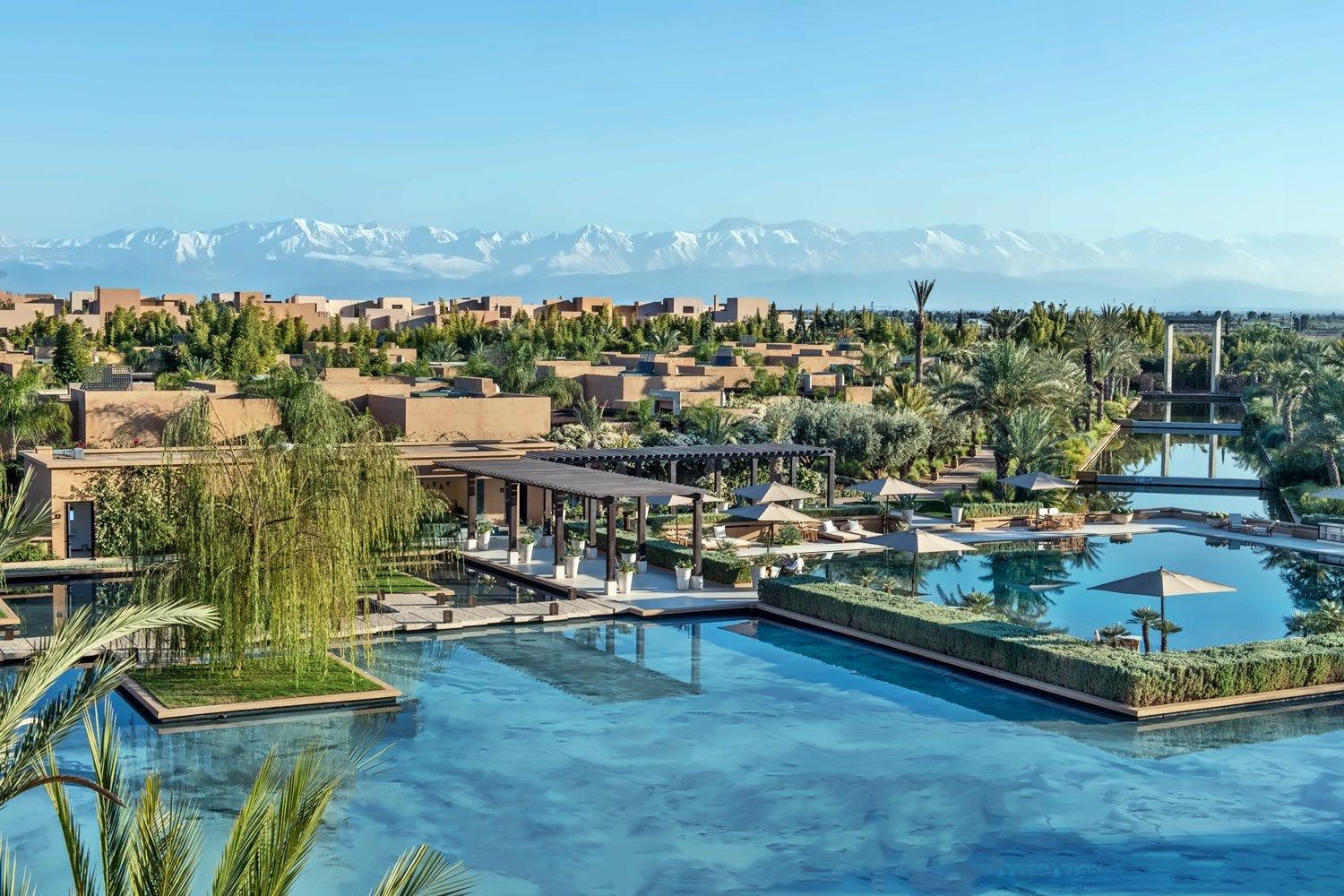
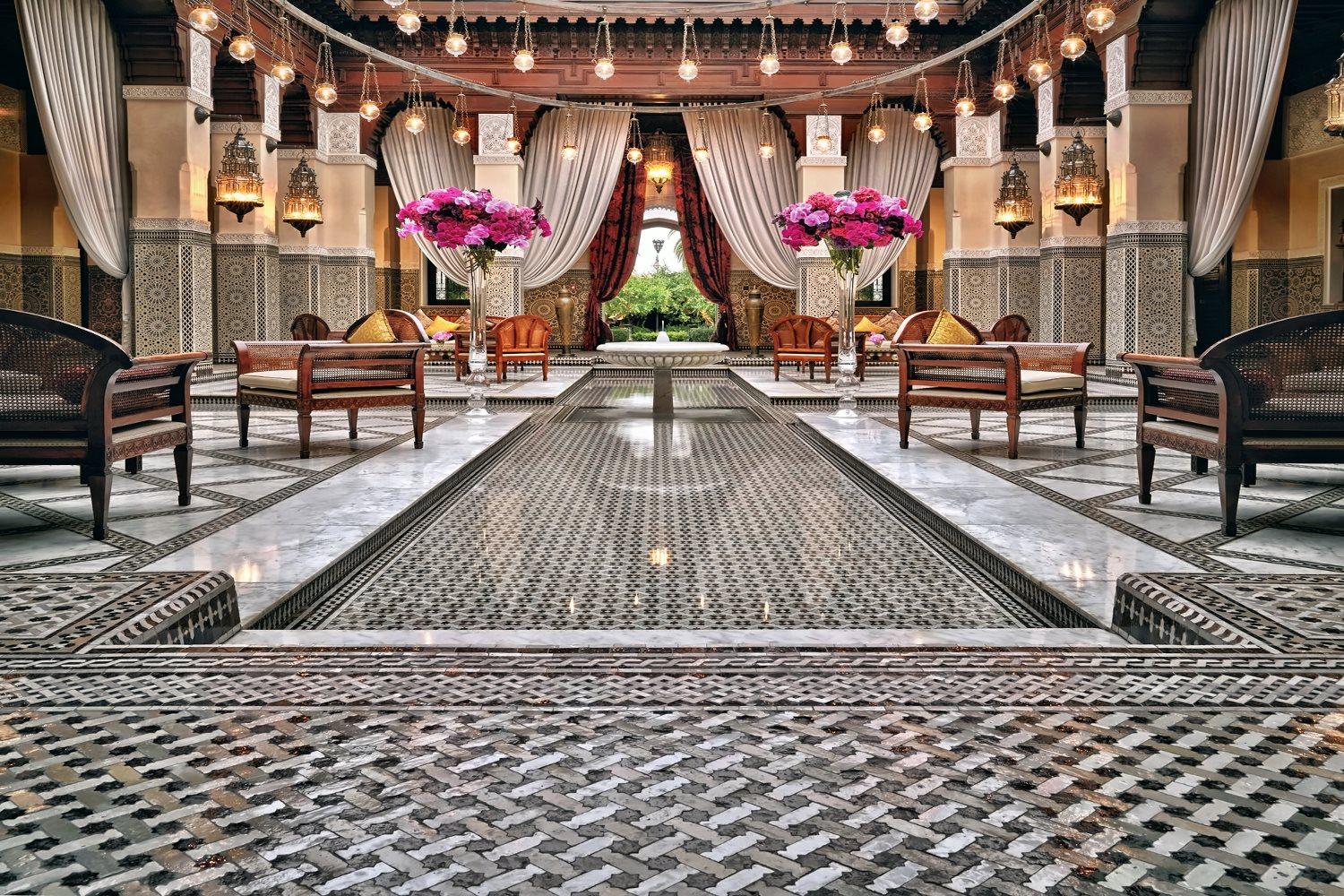
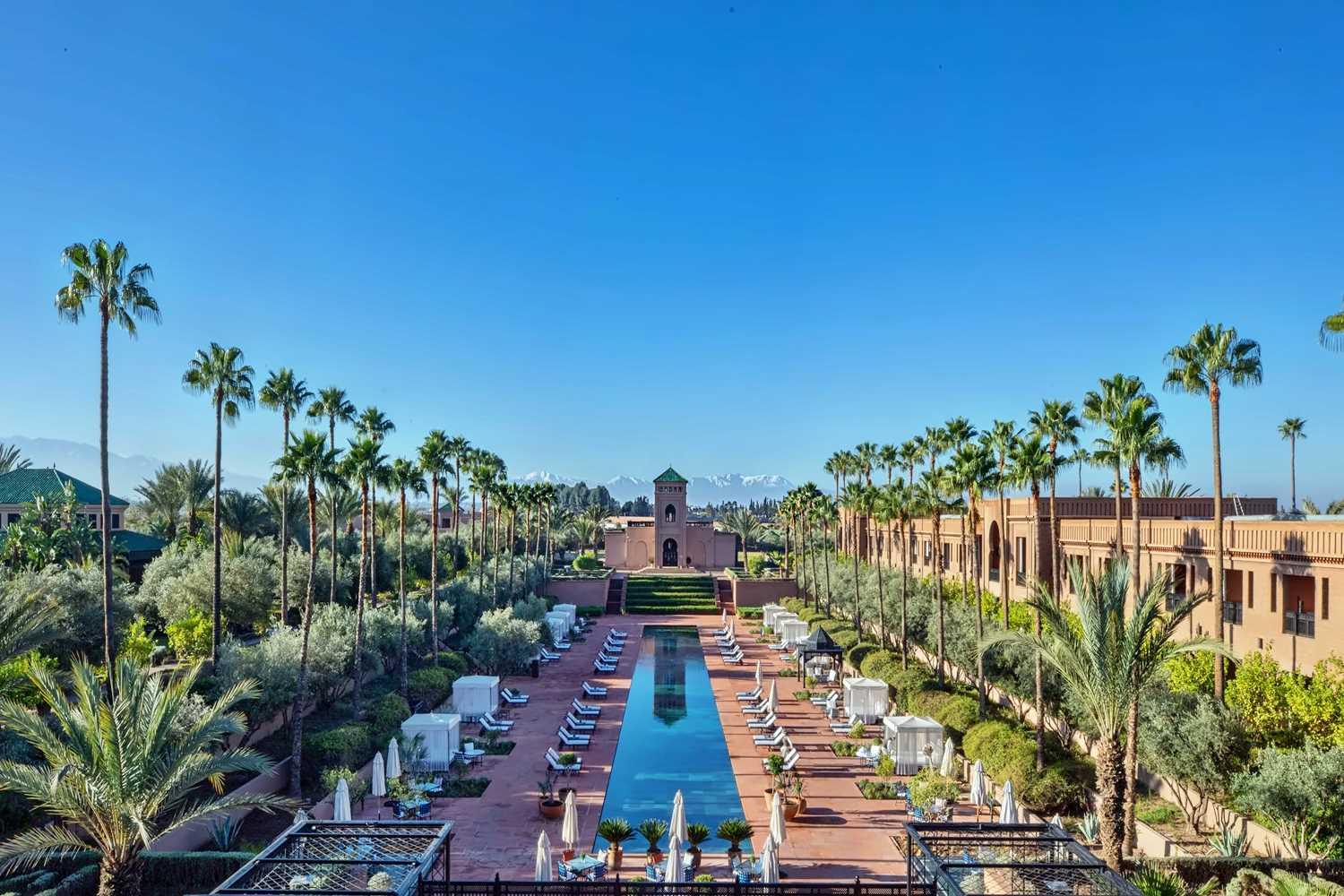
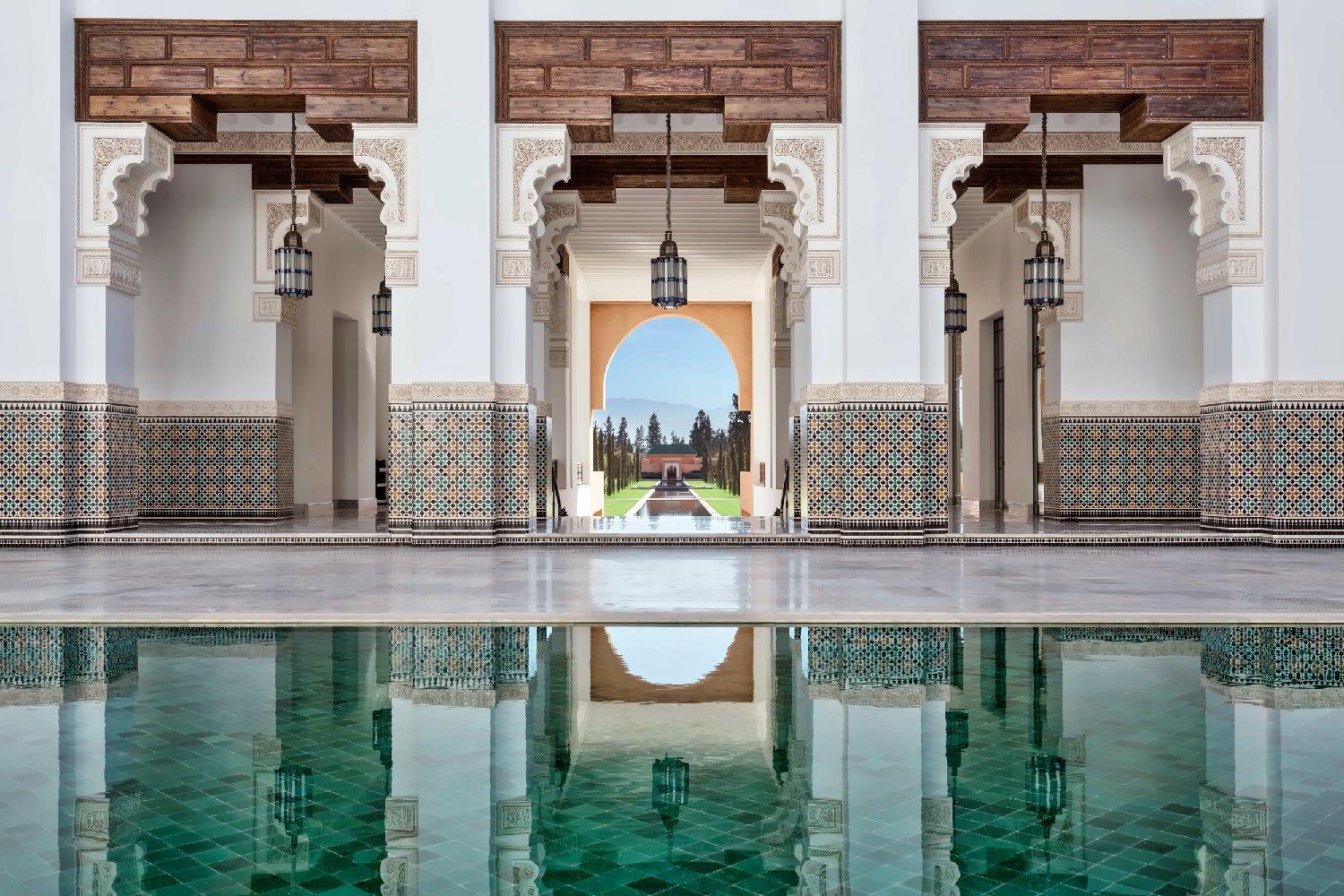
Virtuoso hotels in Marrakech: medina, gardens and the right luxury retreat
Marrakech changes completely according to where the hotel sits. A medina or Kasbah riad places lanes, monuments and rooftop life outside the door. Hivernage and the western edge offer grand-hotel gardens with fast city access. Palmeraie-style and eastern estates create private villas, pools and a resort rhythm that requires planned transfers. The right choice determines whether the journey feels urban, restorative or deliberately split between both.
The Virtuoso collection includes private riads, historic institutions, intimate medina compounds and expansive garden resorts. This guide compares those formats, structures architecture, crafts, gardens, food and Atlas extensions. And helps travellers experience Marrakech with cultural depth rather than treating the medina as a shopping maze and the hotel as an isolated fantasy.
A quick choice by travel style
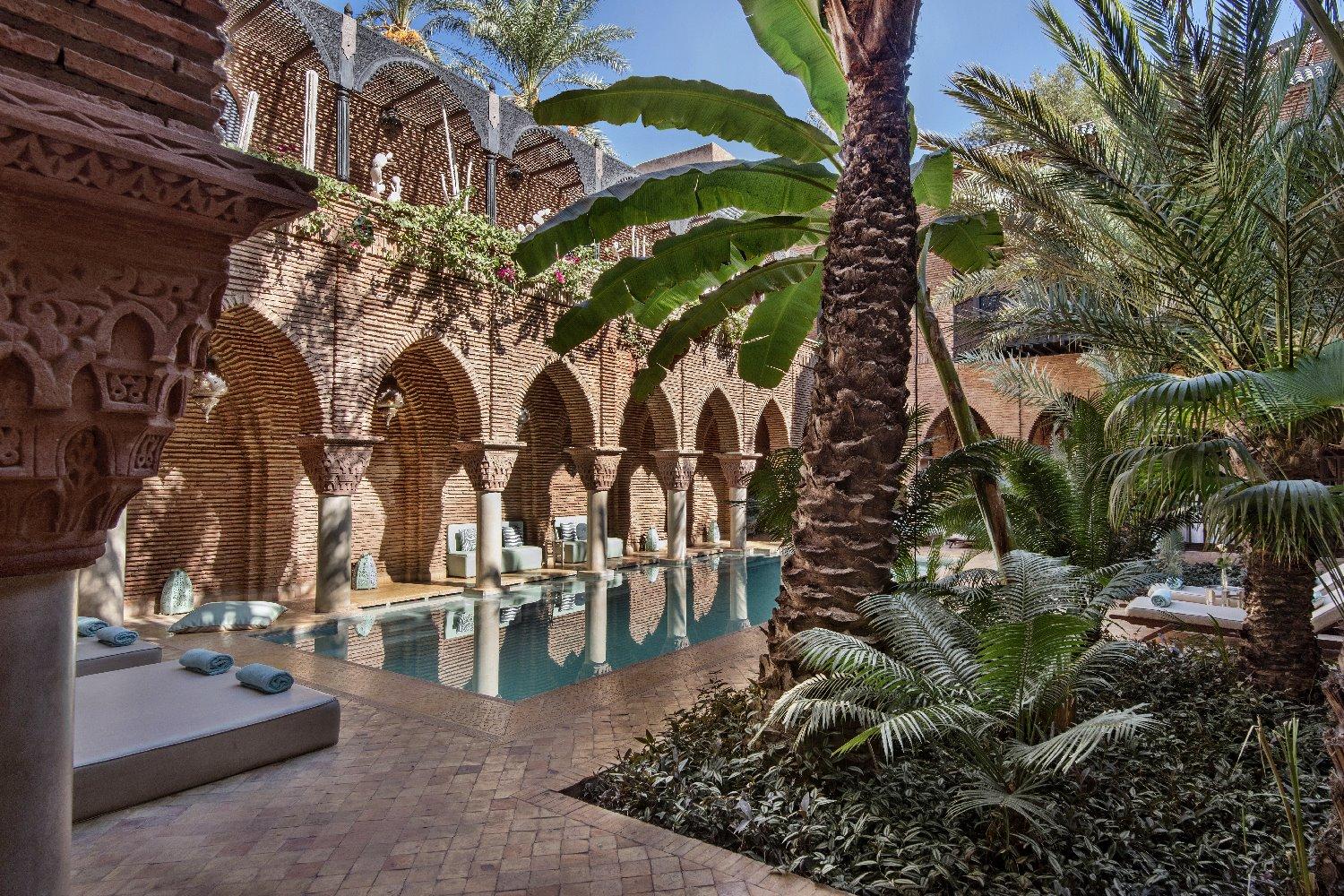
Choose La Sultana for immediate Kasbah and medina access. La Mamounia or Royal Mansour for monumental service and gardens beside the walls. Amanjena, Mandarin Oriental, Selman or The Oberoi for space, pools, privacy and a true resort chapter. Outside estates need drivers but protect calm. Compare how many mornings and evenings should happen inside the medina before comparing brands. A split stay can work when each side receives at least two nights and a meaningful contrast.
Medina and Kasbah with a first guided walk
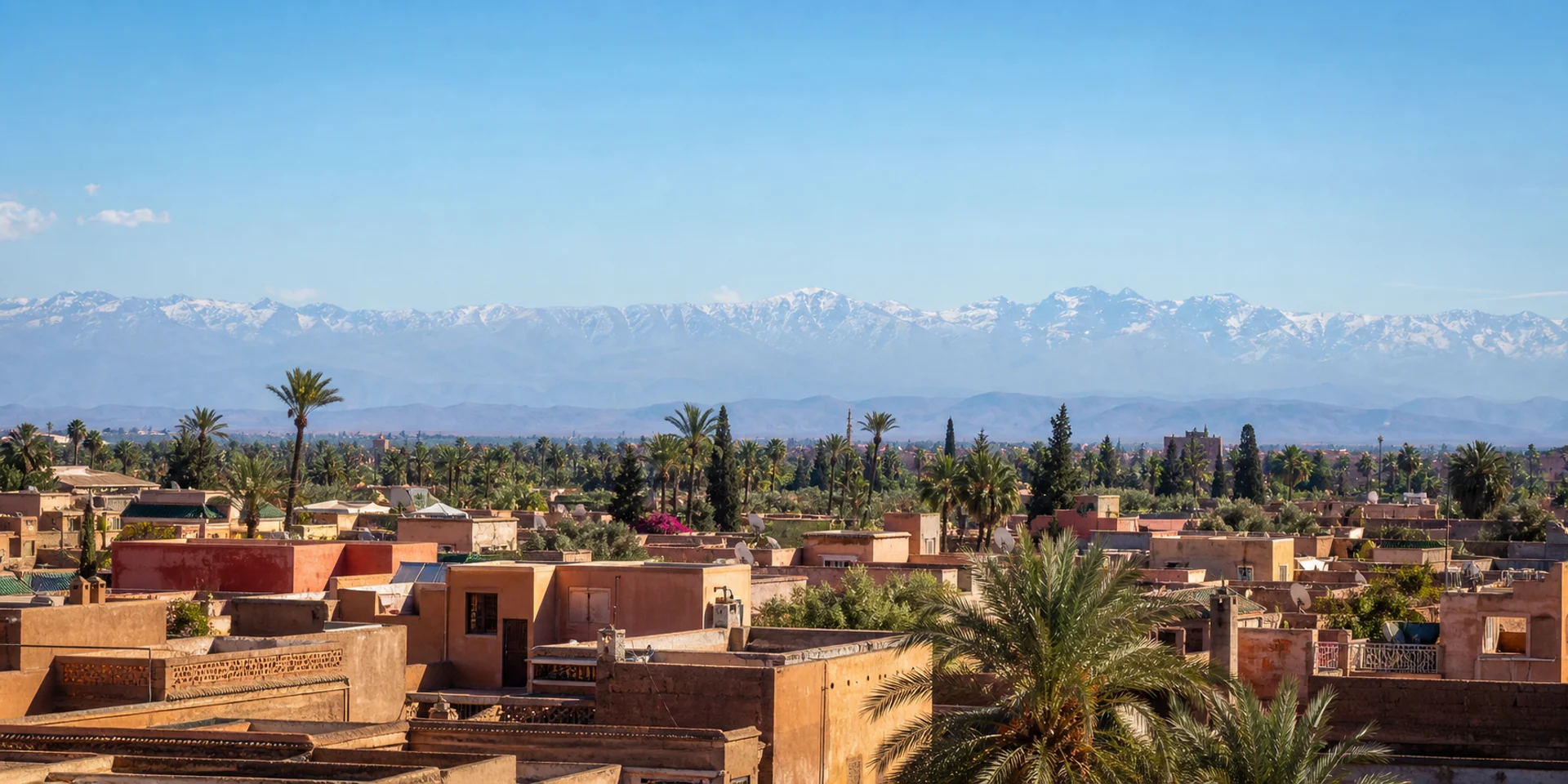
The UNESCO-listed medina is a living urban system of homes, workshops, religious buildings, markets and traffic, not an open-air museum. Begin with a specialist guide who can explain orientation, etiquette, architecture and commercial practices without steering every stop toward a sale. The Kasbah offers access to Saadian and royal-history chapters. While central souks demand patient walking. Keep a reliable hotel meeting point, dress respectfully and ask before photographing people, workshops or private thresholds.
Hivernage, city walls and grand hotels
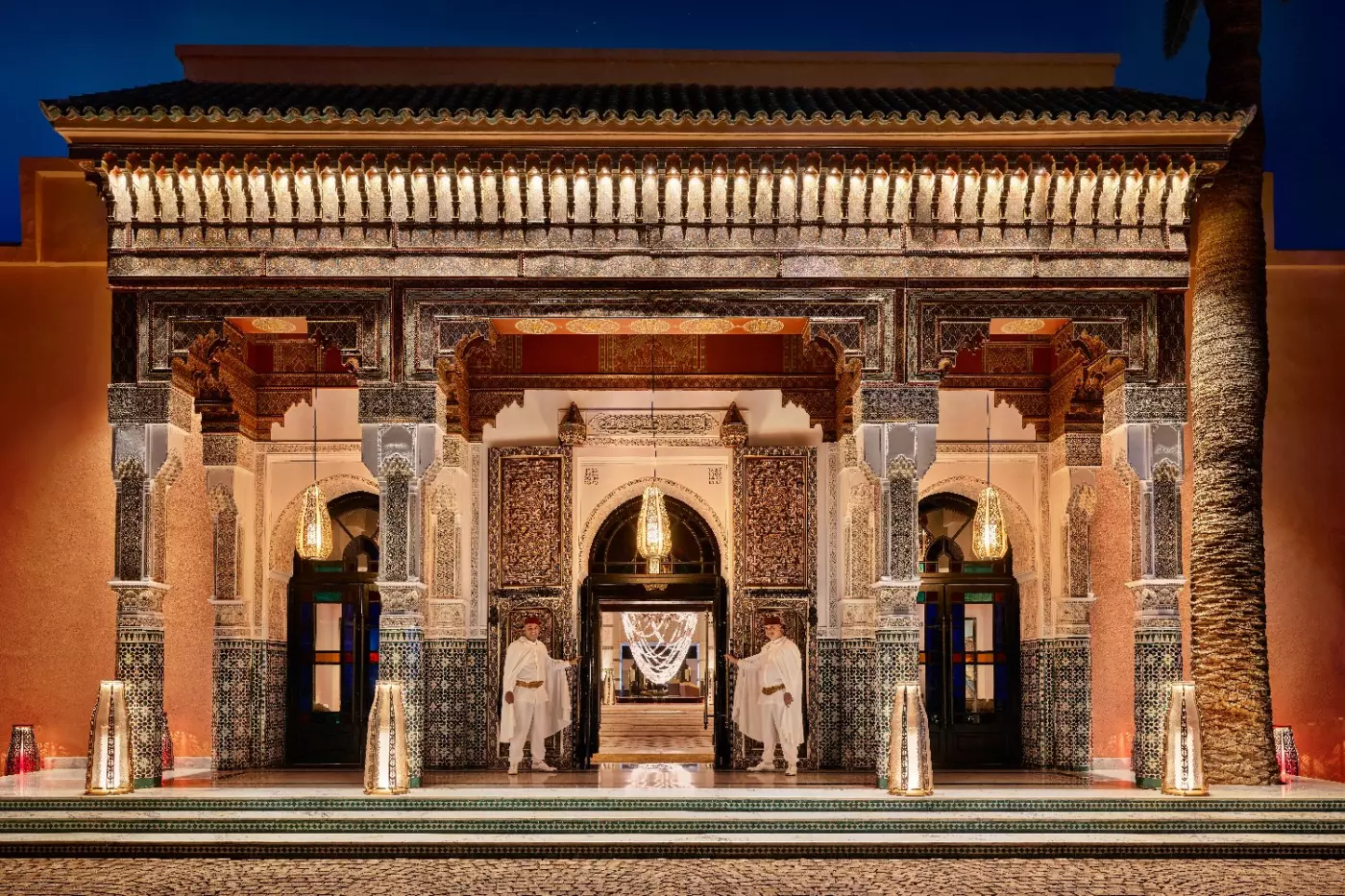
La Mamounia and Royal Mansour provide immediate city access while sustaining large gardens and self-contained hospitality. They suit travellers who want medina mornings and polished returns without long rural transfers. Their scale and craftsmanship justify protected hotel time: a garden walk, hammam, afternoon tea or significant dinner. Vehicle access is simpler than deep inside the medina. But event traffic still matters. Confirm room or riad outlook and avoid scheduling every evening away from the property.
Garden resorts and the Palmeraie rhythm
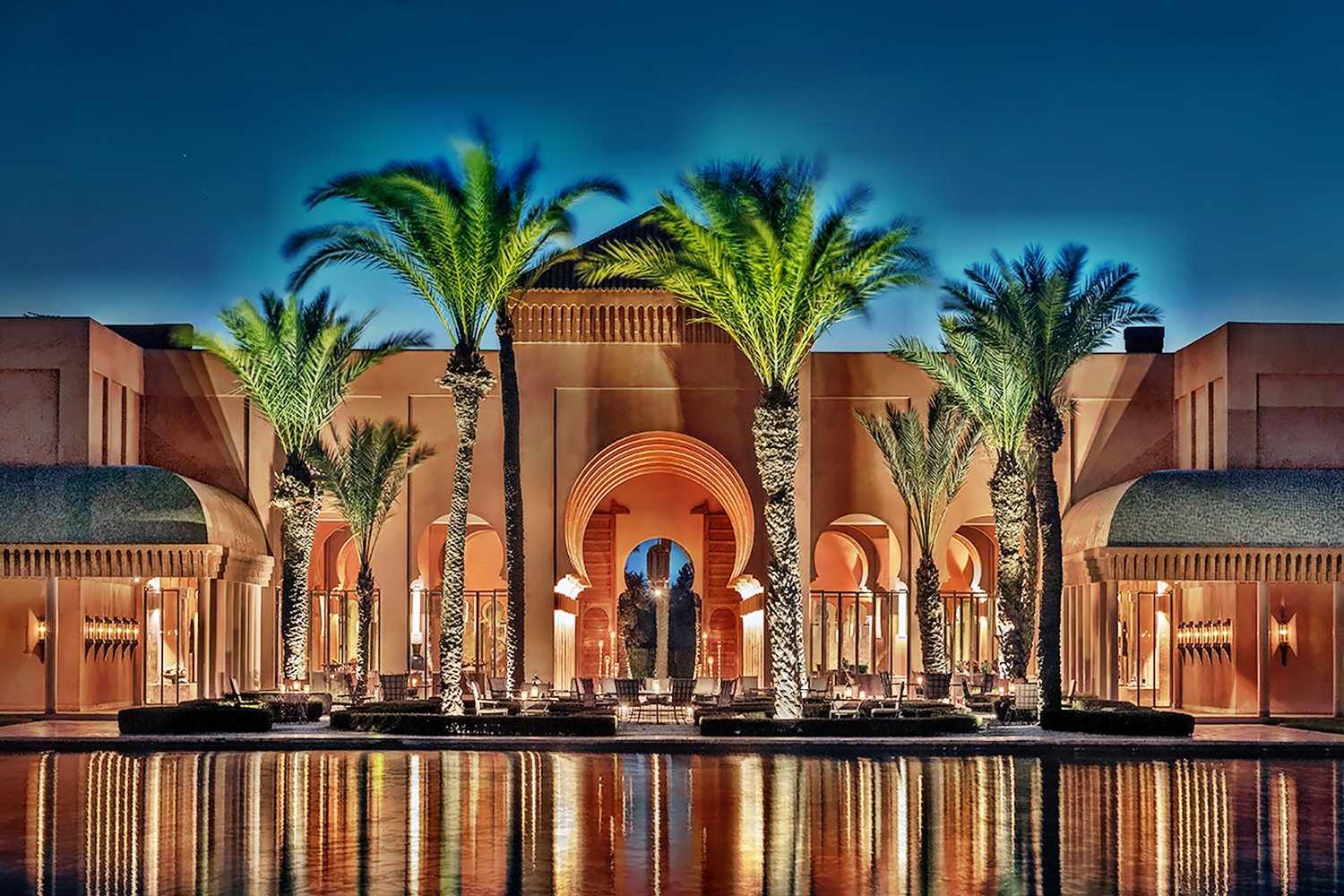
Amanjena, Mandarin Oriental, Selman and The Oberoi sit in different garden landscapes outside the historic core. Their strengths are privacy, architecture, pools, spas, horses or extensive grounds rather than spontaneous medina walking. Group central sightseeing into one or two planned half-days with a trusted driver. Then return for slow resort time. Exact travel times vary with traffic and location. These properties are strongest for longer stays, families, wellness and return visitors, not itineraries packed with nightly medina reservations.
Architecture, dynasties and respectful access
Marrakech's built heritage spans Almoravid, Almohad, Saadian and later periods, with mosques, madrasas, palaces, walls and domestic riads serving different functions. Non-Muslim access to active mosques is restricted. So view and discuss them respectfully from permitted spaces. A knowledgeable guide should connect water systems, courtyards, geometry, materials and political history. Select a madrasa, palace or tomb complex according to current opening information rather than collecting every decorative interior in one hot afternoon.
Souks, crafts and responsible buying
Marrakech craft traditions include textiles, leather, metalwork, wood, ceramics, plaster and zellige. But quality and working conditions vary. Use an independent craft specialist who can explain materials, time, origin and fair pricing without pressure. Visit a small number of serious workshops. Ask before photographing and understand shipping or export arrangements before purchase. Bargaining practices depend on context.
politeness and clarity matter more than performance. A meaningful object with a documented maker is preferable to many anonymous souvenirs.
Gardens, design and modern Marrakech
Jardin Majorelle and Musée Yves Saint Laurent Marrakech require official planning and are among the city's most demanded visits. Reserve the earliest practical entry. Then give the design history and collections real time rather than using the garden as a photo set. MACAAL and changing galleries add contemporary African perspectives when current exhibitions and opening status are confirmed.
Group these modern chapters geographically and balance them with architecture or lunch, avoiding repeated crossings between the northern city and distant resorts.
Food beyond the rooftop view
Marrakech dining should include Moroccan home-style cooking, regional dishes, bread, salads, tagines, couscous, pastries and contemporary interpretations. A rooftop is atmospheric but does not guarantee culinary depth. Reserve important hotel and independent tables early, especially at weekends and during events. And choose a food guide with serious hygiene and sourcing standards. Communicate allergies clearly,
drink sealed or properly treated water according to current guidance and leave room for tea or a slower lunch rather than scheduling heavy meals continuously.
Hammam and wellness with intention
A hammam is a bathing tradition with different levels of intensity, privacy and ritual, not simply a generic spa treatment. Discuss heat tolerance, exfoliation, products, modesty and medical considerations before booking. Royal Mansour, La Mamounia, Amanjena, Mandarin Oriental, Selman and The Oberoi offer distinct wellness formats, some suited to a full half-day. Place the hammam after dusty sightseeing or before a quiet evening, hydrate properly and avoid stacking it with strenuous outdoor activity in hot weather.
Jemaa el-Fna and evening atmosphere
Jemaa el-Fna changes from morning passage to evening performance, food and dense social space. Visit with a guide who can explain its cultural role and help navigate without turning performers or vendors into spectacle. Agree on photographs and fees before taking images, secure belongings and maintain a clear meeting point. A rooftop overview can establish the geography before a careful walk. Travellers uncomfortable with crowds can experience the square earlier and build the evening around a quieter dinner elsewhere.
Atlas Mountains as a dedicated extension
The Atlas should not be reduced to a rushed viewpoint. Routes differ by valley, altitude, walking demand, road conditions and community context. Use a reputable local specialist, start early, carry layers and choose a programme matched to fitness and season. A village meal or guided walk should benefit local partners and respect privacy. Weather can change quickly,
especially at elevation. Consider an overnight for deeper hiking. While a carefully designed day works for landscape, culture and a measured return.
Three, four or six nights
Three nights allow a medina and architecture day, gardens or design. And protected hotel time. Four nights provide the best first balance, adding hammam, serious craft or a light Atlas chapter without constant movement. Five or six nights support a split between medina access and resort privacy, deeper art, food and a full mountain day.
Do not count a late arrival as sightseeing. Marrakech becomes more rewarding when sensory city hours are followed by genuine rest rather than another scheduled stop.
Airport, drivers and practical movement
Marrakech Menara Airport is close on a map. But arrivals, traffic and hotel access vary. A pre-arranged transfer is strongly recommended, particularly for medina properties where luggage may complete the journey by porter. Use hotel-vetted drivers, agree pickup points and carry the address in French or Arabic. Walking is central inside the medina.
While resorts require cars. Keep buffers around restaurant reservations and airport departures. And never rely on a vehicle reaching a narrow riad entrance.
Season, heat and booking decisions
Spring and autumn often bring comfortable days and strong demand. summer heat changes sightseeing hours. winter offers cooler mornings and evenings with possible mountain snow. Conditions vary. So place outdoor walks early and preserve pool, museum or spa alternatives. Major holidays and events affect rhythm and access. Before booking. Confirm hotel geography, room or riad layout,
private pool expectations and qualifying Virtuoso rate. Assess breakfast, 100 USD hotel credit or an experience, upgrade priority, early check-in, late check-out and VIP status together.
Our Marrakech planning recommendations
- Choose medina, wall-side grand hotel or garden resort according to how many city mornings and quiet resort afternoons you want.
- Begin with an independent specialist guide and a reliable hotel meeting point before exploring the medina alone.
- Reserve Jardin Majorelle, major restaurants, hammam and craft appointments before fixing the remaining days.
- Keep architecture and souk walks early. Then use gardens, pool or spa through the hottest hours.
- Plan the Atlas with a reputable local specialist and a route matched to season, road conditions and fitness.
Frequently asked questions about Virtuoso hotels in Marrakech
Should I stay inside the medina
Choose the medina for immediate atmosphere and walking. Wall-side hotels balance access and gardens. While outside resorts prioritise privacy, pools and space.
How many nights should I plan
Four nights offer the best first balance. Three are focused. five or six allow a split stay and a meaningful Atlas day.
Do I need a guide in the souks
A qualified independent guide is valuable for orientation, context and serious craft introductions. Agree that shopping stops should match your interests.
Can I visit active mosques
Non-Muslim access is generally restricted. Respect current local rules and learn about architecture from permitted exterior or heritage spaces.
Is the Atlas a day trip
Yes with an early start and well-designed route. An overnight is stronger for substantial hiking or deeper valley experience.
How far are the resorts from the medina
Travel time varies by exact property and traffic. Group city visits and use a trusted driver rather than making repeated unplanned transfers.
Are Virtuoso benefits identical everywhere
No. They apply to the qualifying rate. And the exact credit or experience and property conditions are confirmed for the chosen stay.
Can I book the hotels online
Yes. The booking button opens the relevant PrivateUpgrades page with live rates, availability and confirmed benefits.
Combine your hotel stay with a privately designed journey through Morocco, with hotels, transfers and experiences planned as one seamless itinerary.