
Virtuoso Hotels
Virtuoso Hotels in Barcelona, Spain
8
8
Hotels
Virtuoso hotels in Barcelona: districts, architecture and the right luxury stay
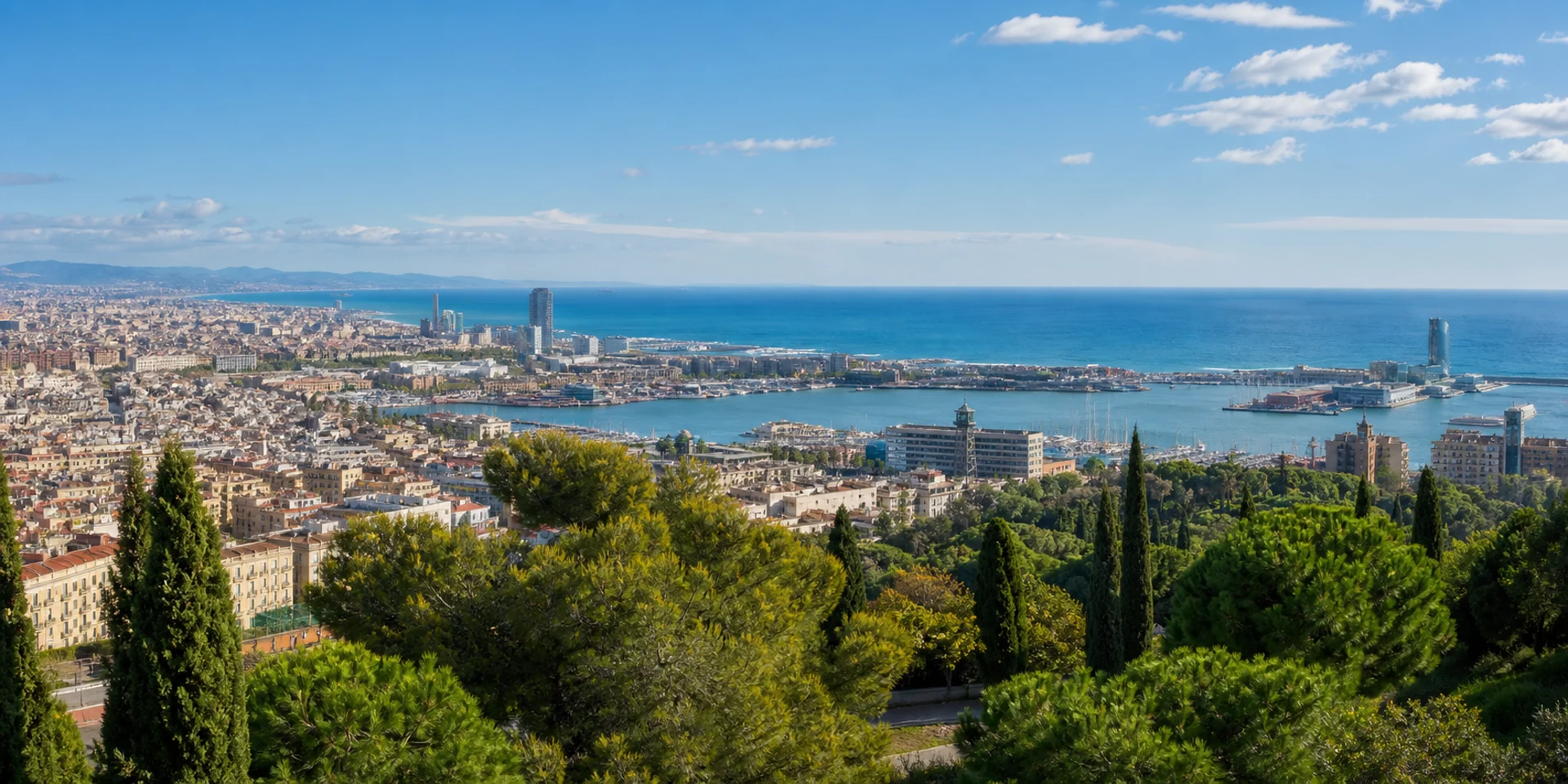
Barcelona's luxury hotels occupy distinct versions of the city. Passeig de Gràcia and the Eixample place modernist architecture, shopping and restaurants within a rational street grid. the Gothic Quarter offers medieval lanes and immediate old-city energy. Port Vell creates a maritime edge. Barceloneta and the Olympic Port prioritise Mediterranean views, beach time and resort facilities. Choosing the district first determines noise, walking, transfers and the balance between city and coast.
The Virtuoso collection includes historic grand hotels, intimate harbour addresses, contemporary design properties and two large waterfront icons. This guide compares those styles, explains how to pace Gaudí, museums, food, neighbourhoods and the sea. And helps Barcelona remain a cultured city stay rather than a rushed architecture checklist or an undefined beach break.
A quick choice by travel style
Choose Passeig de Gràcia or central Eixample for a first visit centred on architecture, shopping and efficient cross-city access. The Gothic Quarter suits travellers who value atmosphere and walking but accept narrow streets, activity and potential noise. Port Vell combines old-city proximity with water. While Hotel Arts and W Barcelona make the Mediterranean central to the stay.
No address delivers both immediate beach and effortless modernist sightseeing. So decide which experience should begin outside the hotel door.
Passeig de Gràcia and the Eixample
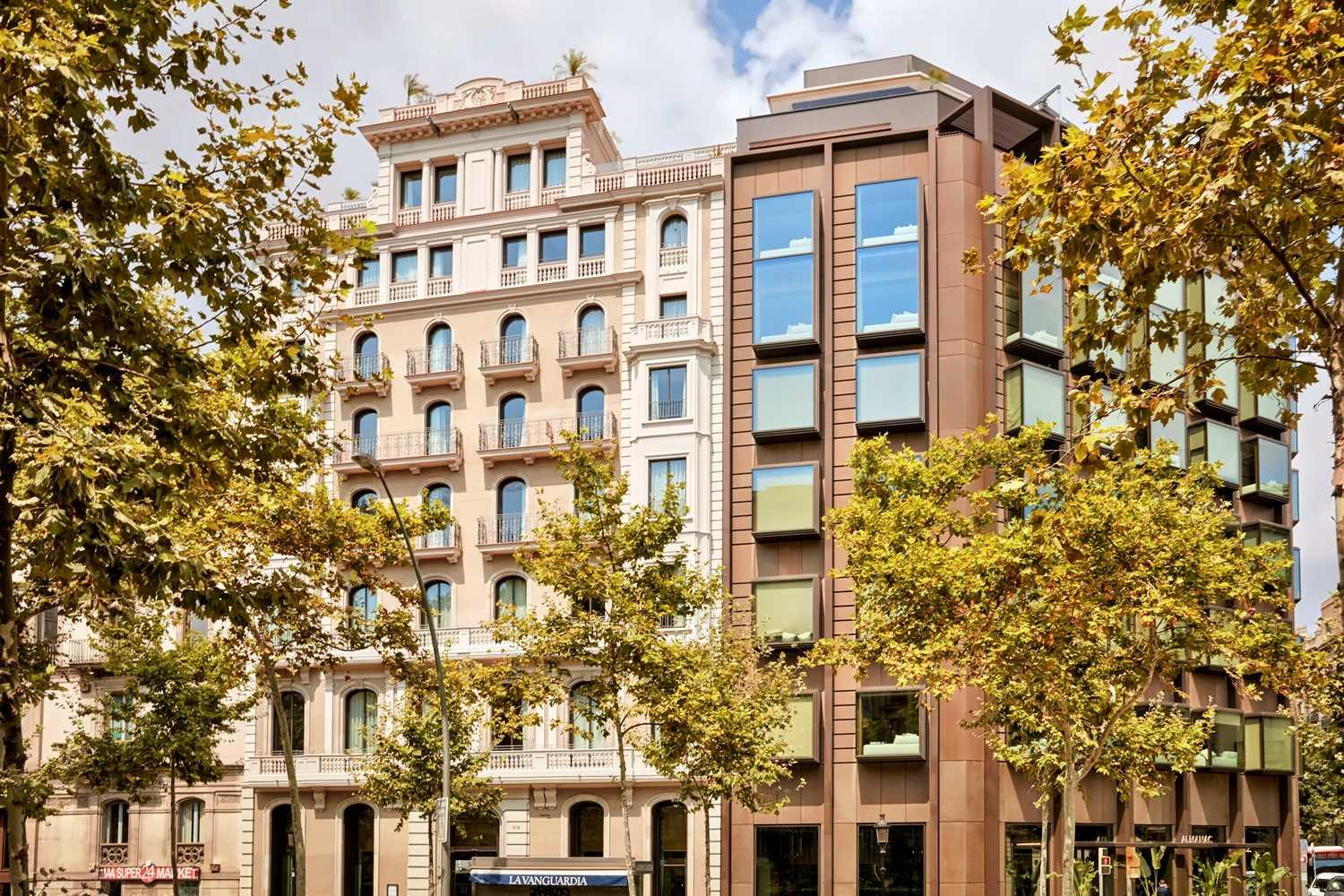
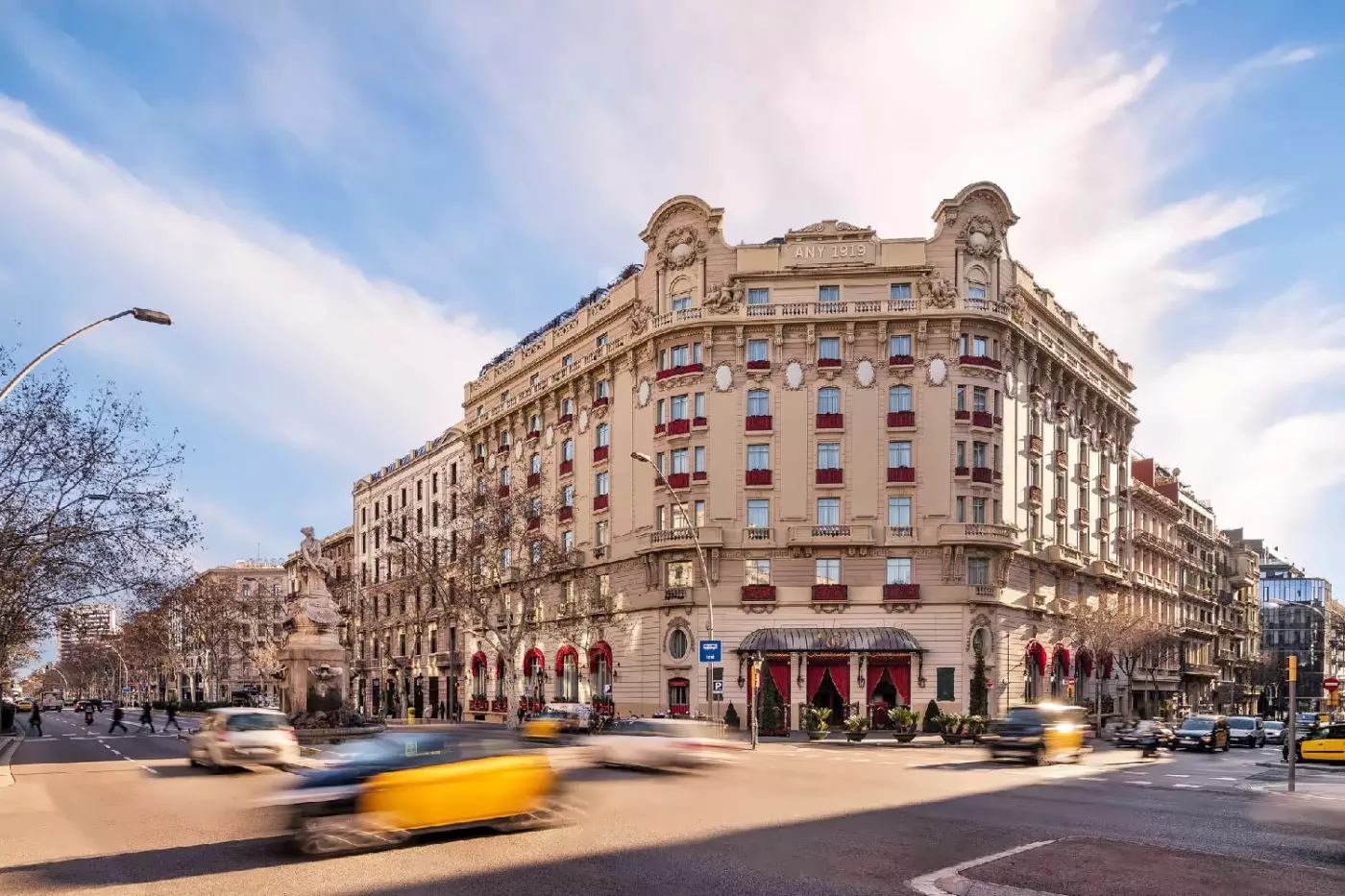
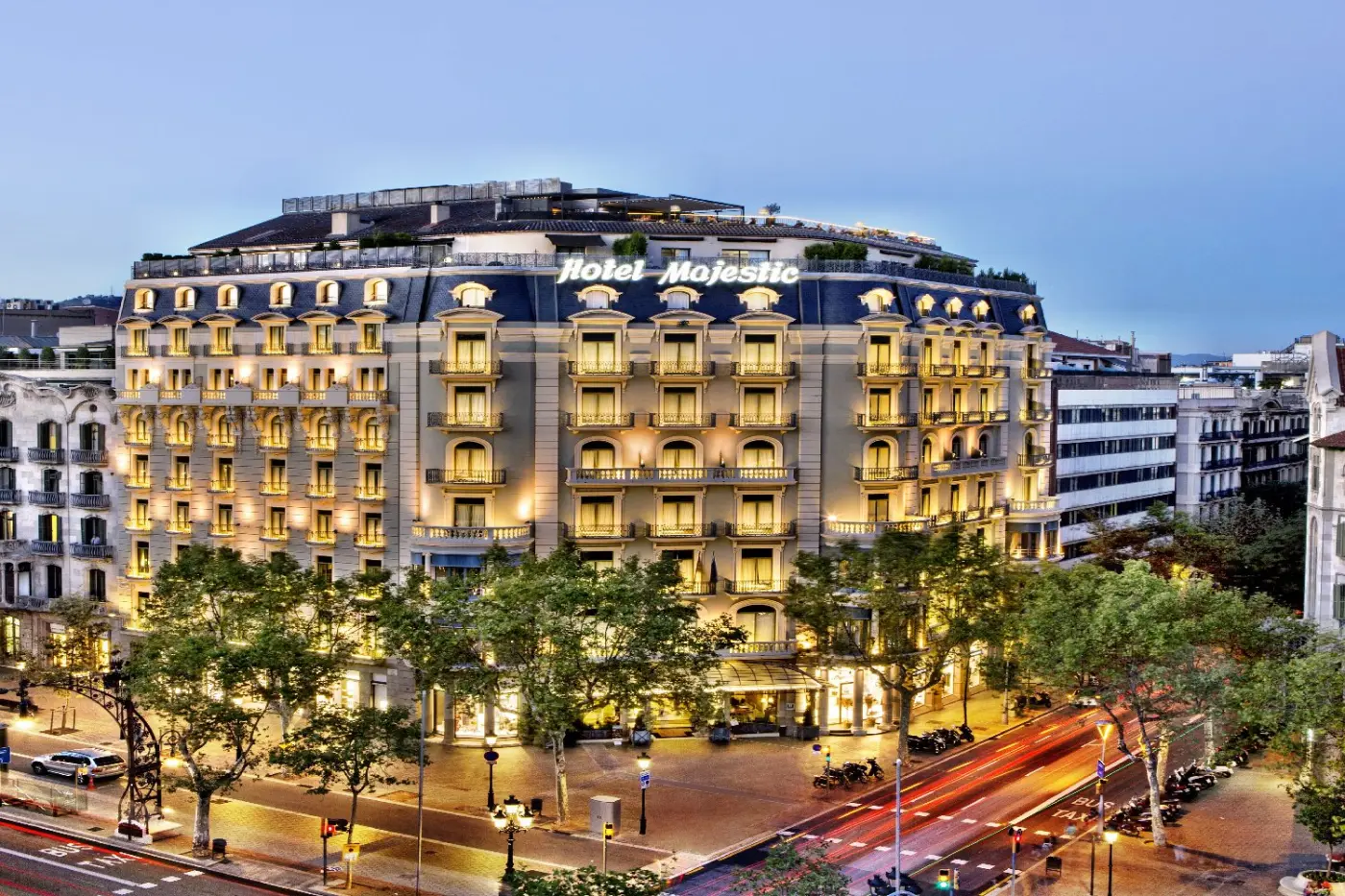
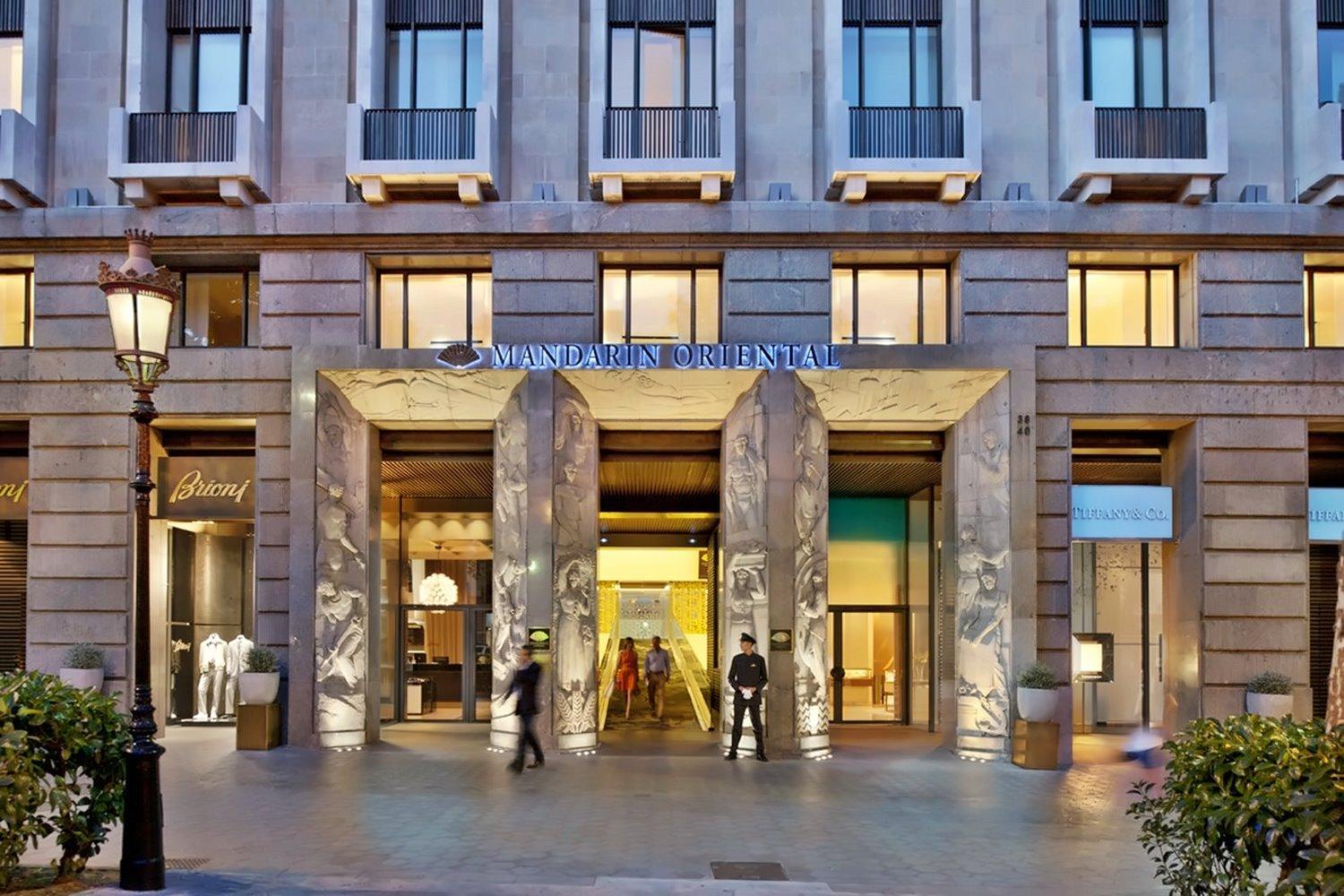
Majestic, Mandarin Oriental, Almanac and El Palace occupy different points within Barcelona's elegant central grid. Passeig de Gràcia gives direct access to Casa Batlló, La Pedrera, luxury boutiques and broad avenues. nearby Gran Via provides strong transport and cultural links. Rooms facing major streets gain city theatre but may sacrifice quiet. Walk early to read façades before the crowds. Reserve timed interiors separately and avoid placing every Gaudí building into a single morning.
Gothic Quarter and Port Vell
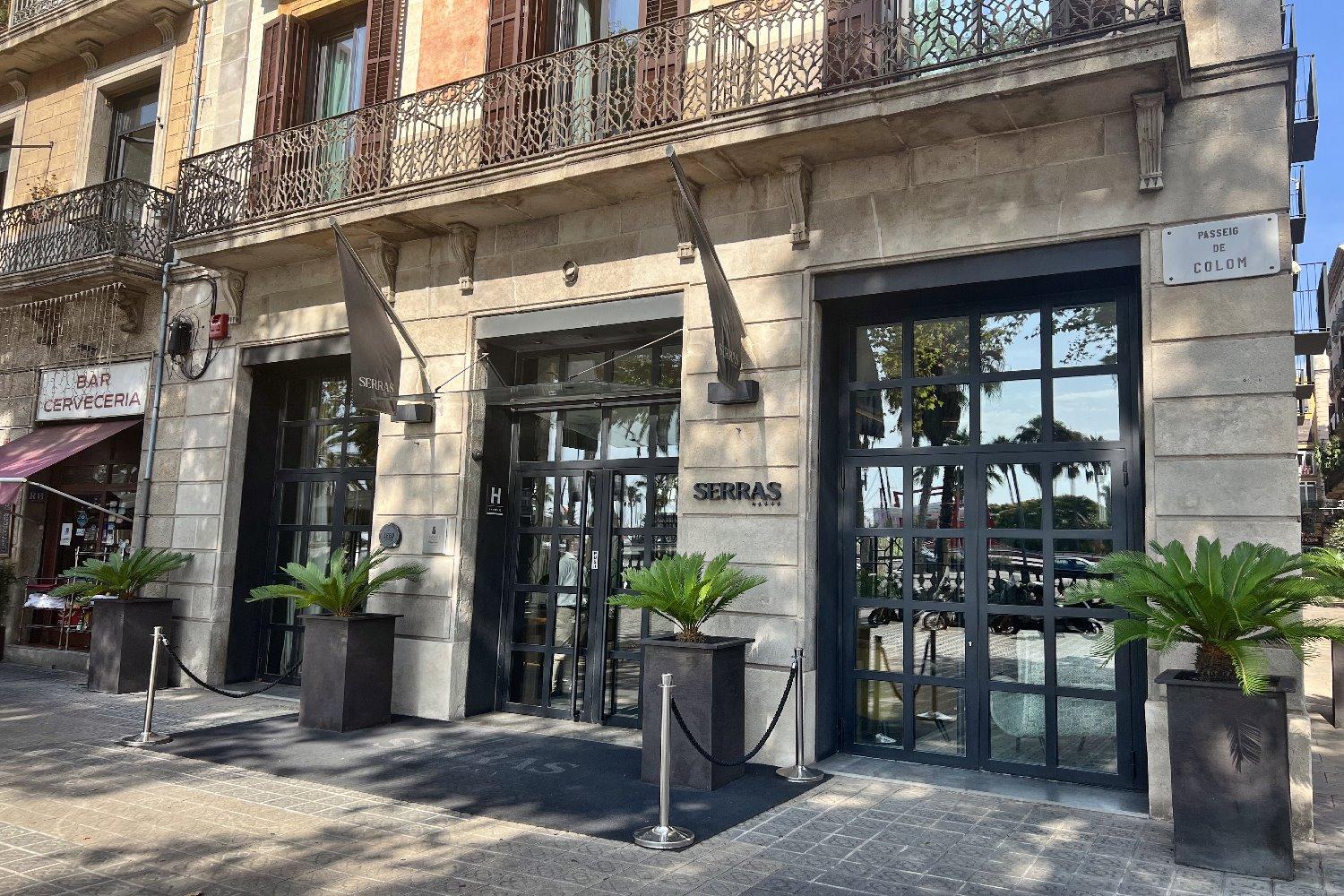
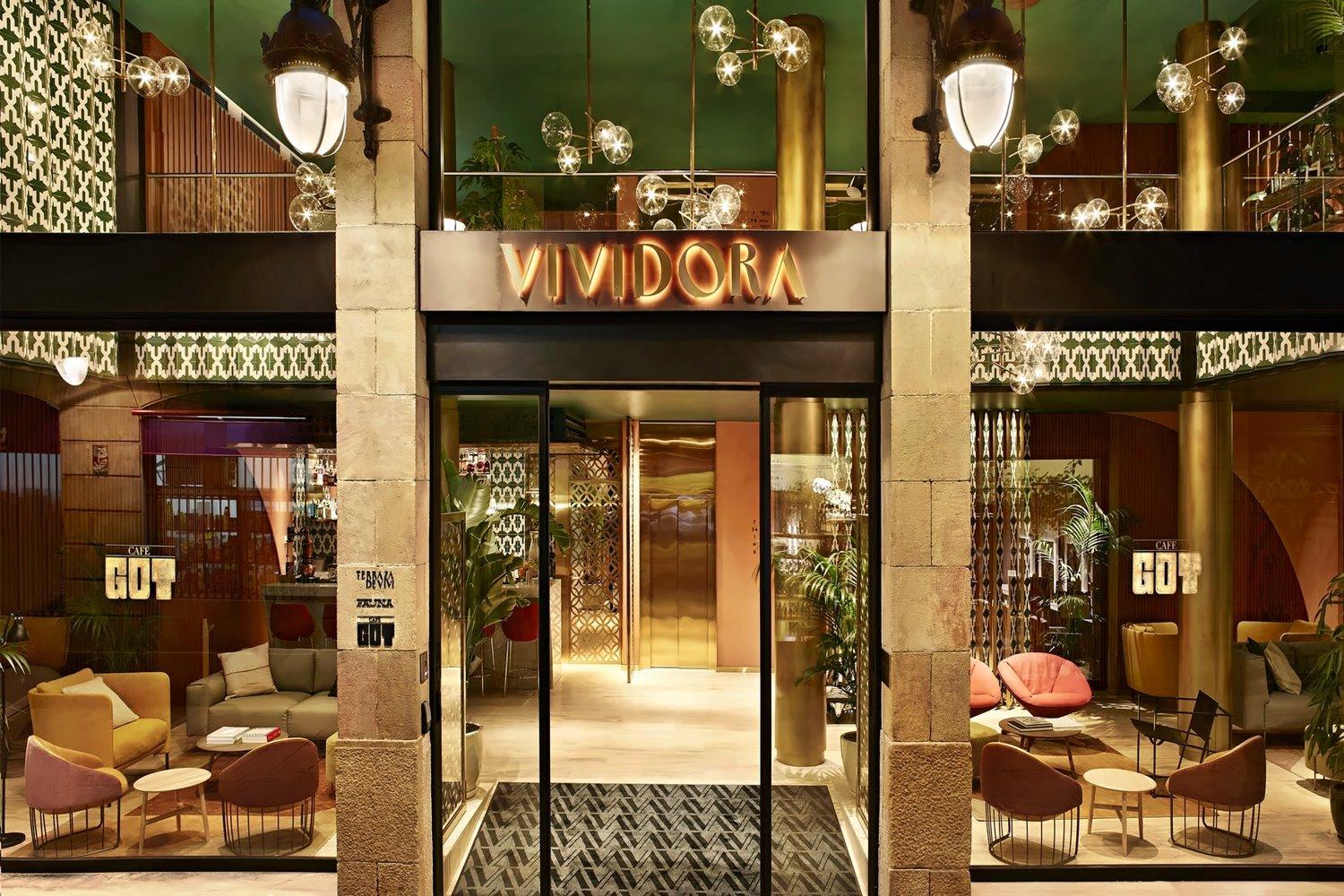
Kimpton Vividora places guests inside the old city's street life. While Hotel Serras faces the harbour from its edge. The Gothic Quarter rewards early walks through layered Roman, medieval and later urban fabric. But it is also residential and commercial rather than a preserved stage. Use a specialist guide to separate history from legend.
Confirm taxi access, luggage arrangements and room orientation, because pedestrian lanes, nightlife and deliveries make micro-location more important than the district name alone.
Olympic Port, Barceloneta and the beach
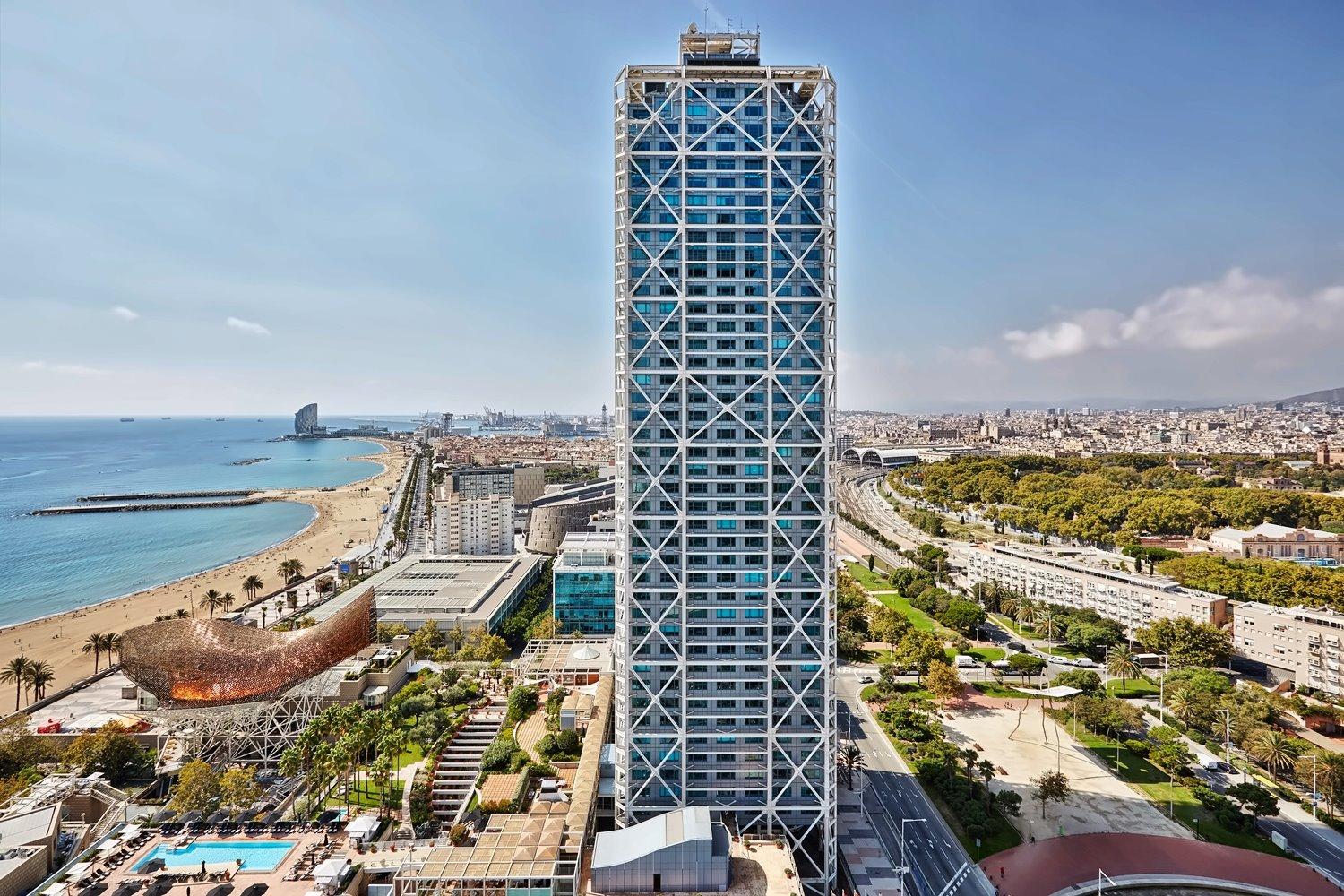
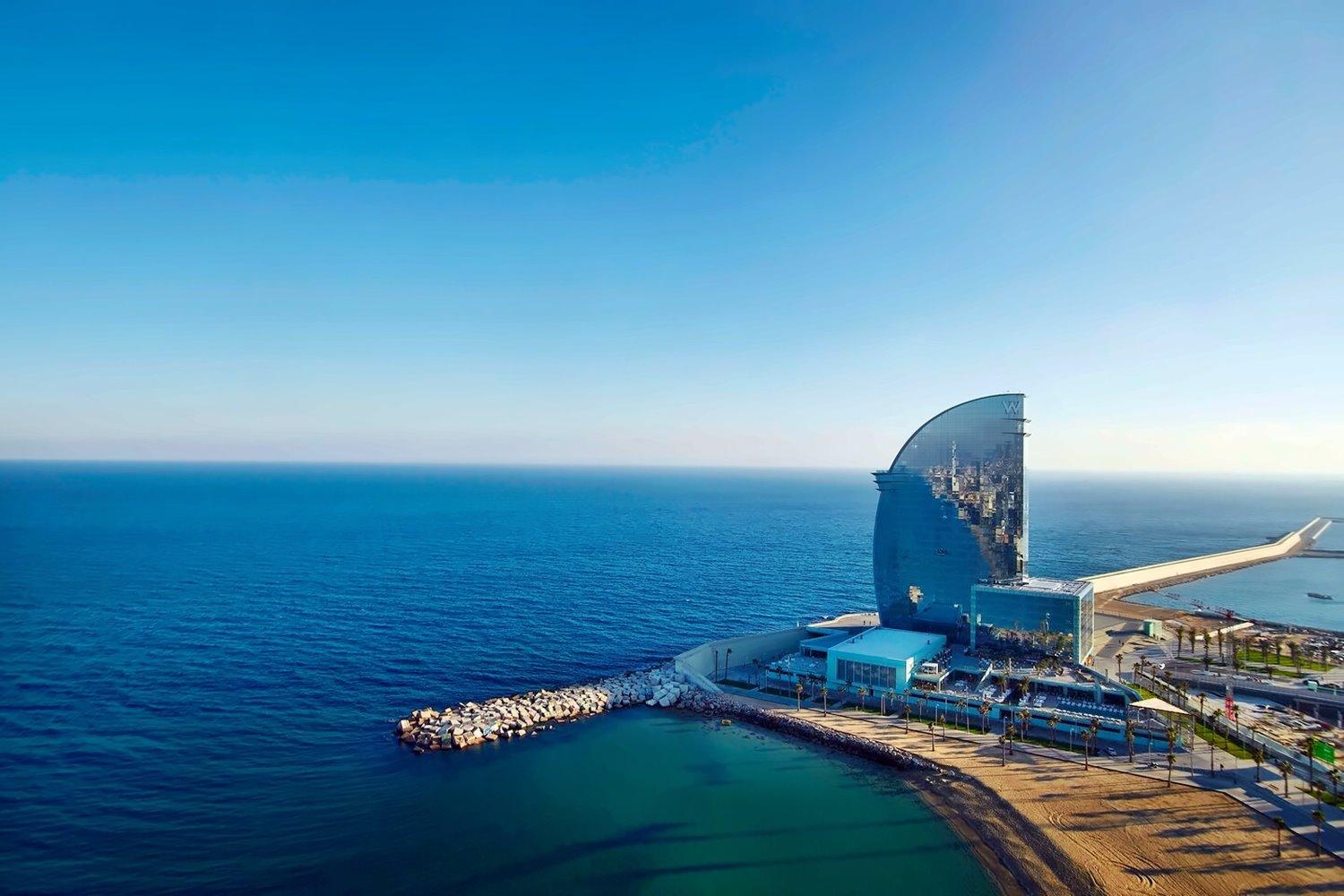
Hotel Arts combines high-rise views with pools, spa and the Olympic Port. W Barcelona stands at the end of Barceloneta with immediate beach access and a pronounced social identity. Both require deliberate travel to Passeig de Gràcia, Sagrada Família and the upper city. Choose them when at least one full coastal half-day is protected.
Sea-facing does not describe every room equally. And beach proximity should not be confused with privacy during busy summer periods.
Gaudí with time and context
Sagrada Família, Casa Batlló, La Pedrera and Park Güell are different architectural arguments, not interchangeable photo opportunities. Reserve official timed admission, read current access rules and select two major interiors per day at most. A knowledgeable guide should explain structure, craft, patronage, religion and Barcelona's industrial expansion. Sagrada Família deserves a focused visit. Passeig de Gràcia buildings can be paired geographically. Park Güell sits apart and works best early, with transport arranged before heat and crowds build.
Gothic, Roman and modern Barcelona
Barcelona's history does not begin or end with modernisme. The cathedral quarter, surviving Roman traces, medieval institutions and the relationship between El Born, the port and the later Eixample reveal successive cities. Walk with attention to active churches, schools and homes. And follow photography rules. The Picasso Museum can provide a focused artistic chapter when official admission is arranged. But its historic setting and collection deserve time rather than a rushed stop between shops and lunch.
Food, markets and meaningful reservations
Catalan cuisine should shape the itinerary through seafood, rice, vegetables, grilled dishes, pastries, vermouth and contemporary dining. Reserve destination restaurants early and confirm market operating hours. La Boqueria is famous but not the only lens on food culture. A guided market or neighbourhood walk can explain seasonality and sourcing without turning stalls into scenery.
Balance one tasting menu with informal lunches and leave flexibility for appetite. Never schedule a long dinner immediately after a late flight or an overloaded museum day.
Museums, design and creative neighbourhoods
Picasso, Miró, the National Art Museum of Catalonia and changing contemporary programmes each require a different decision. Choose institutions according to artistic interest, not obligation. And group Montjuïc separately from the old city. El Born, Poblenou and selected Eixample streets add design studios, galleries and independent retail. But opening days vary. A private appointment with an artist, architect or craft specialist often adds more value than collecting many short gallery visits across distant districts.
Montjuïc, gardens and city perspectives
Montjuïc combines museums, gardens, Olympic history, architecture and broad city views. It is too extensive for an incidental hour. Select one museum, a garden sequence and a viewpoint. Then arrange transport around elevation and heat. The hill can pair with a late lunch or waterfront return. But not with every central monument. Tibidabo offers another perspective and requires its own planning. These elevated chapters are most rewarding in clear daylight, consistent with the city's architectural emphasis.
Three, four or six nights
Three nights allow one modernist day, one old-city and food day. And protected hotel time. Four nights offer the best first balance, adding Montjuïc, beach, deeper museums or a slower neighbourhood morning. Five or six nights permit a coastal split, architecture with breathing room, more serious dining and a day trip without sacrificing Barcelona itself.
Do not count a late arrival as a full day. The city becomes more elegant when major timed entries are separated by unstructured walks and meals.
Day trips without diminishing Barcelona
Montserrat, Girona, the Costa Brava, wine regions and Sitges serve different interests and should not be treated as interchangeable excursions. Montserrat combines landscape and spiritual history. Girona rewards architecture and Jewish heritage. the Costa Brava needs enough time for coastline and lunch. wine requires a specialist route and responsible transport. Add a day trip only after protecting the city's essential days. A private driver helps for complex rural routing. While Girona and Sitges may work well by train.
Airport, transport and walking strategy
Barcelona-El Prat is the principal airport. And official information should guide terminals and transport. A private transfer is comfortable with luggage. metro, train and taxis serve many journeys. walking is ideal within coherent districts. The grid can make distances look shorter than they feel in heat. Group sights geographically, pre-book airport and restaurant timing and allow buffers during congresses or major events. Keep valuables secure in crowded transport and tourist areas without allowing caution to dominate the experience.
Season, crowds and booking decisions
Spring and autumn often support comfortable architecture walks. While summer brings heat, beach demand and strong visitor numbers. winter can be calmer with shorter daylight. Current opening hours and weather matter more than generic promises. Before booking. Confirm district, room orientation, balcony, beach or pool expectations and the qualifying Virtuoso rate. Assess breakfast, 100 USD hotel credit or an experience, upgrade priority, early check-in. Late check-out and VIP status as a total value for the selected stay.
Our Barcelona planning recommendations
- Choose Eixample, Gothic Quarter, Port Vell, Olympic Port or Barceloneta before comparing hotel brands.
- Reserve official timed entries for Sagrada Família and the major Gaudí interiors before building restaurant and guide schedules.
- Limit each day to two major interiors and connect them with neighbourhood walks, lunch and unscheduled architectural observation.
- Protect a coastal half-day when booking Hotel Arts or W Barcelona, otherwise the location's principal value is lost.
- Group Montjuïc, old city and upper-city sights into separate geographic chapters rather than crossing Barcelona repeatedly.
Frequently asked questions about Virtuoso hotels in Barcelona
Which area is best for a first visit
Passeig de Gràcia and central Eixample usually offer the best balance of architecture, dining, shopping and transport. The Gothic Quarter is more atmospheric but can be busier and noisier.
How many nights should I plan
Four nights provide the best first balance. Three work for a focused stay. five or six allow the coast, deeper museums and a day trip without rushing.
Should I stay by the beach
Choose the waterfront when sea views, pools and protected beach time matter. For repeated Gaudí visits and central dining, Eixample is more efficient.
Do Gaudí sites require advance tickets
High-demand sites should be booked through their official channels in advance. Entry conditions and construction access can change. So verify close to travel.
Do I need a private driver
Not for most central days. Walking, metro and taxis work well. a driver adds value for luggage, rural day trips and tightly sequenced appointments.
Is the Gothic Quarter suitable for quiet nights
It depends on the exact street and room orientation. Confirm vehicle access, glazing and distance from active lanes before choosing the category.
Are Virtuoso benefits identical at every hotel
No. They apply to the qualifying rate. And the exact credit or experience and hotel-specific conditions are confirmed for the chosen stay.
Can I book the hotels online
Yes. The booking button opens the relevant PrivateUpgrades page with live rates, availability and confirmed benefits for the selected dates.
Combine your hotel stay with a privately designed journey through Spain, with hotels, transfers and experiences planned as one seamless itinerary.