
Virtuoso Hotels
Virtuoso Hotels in Spain
40
40
Barcelona · 8Bilbao · 1Casares · 1Córdoba · 1Elciego · 1Girona · 1Granada · 1Ibiza · 3Loja · 1Madrid · 6Malaga · 1Mallorca · 6Marbella · 3San Sebastián · 1Seville · 2Tenerife · 1Torrent · 1Valladolid · 1
Hotels



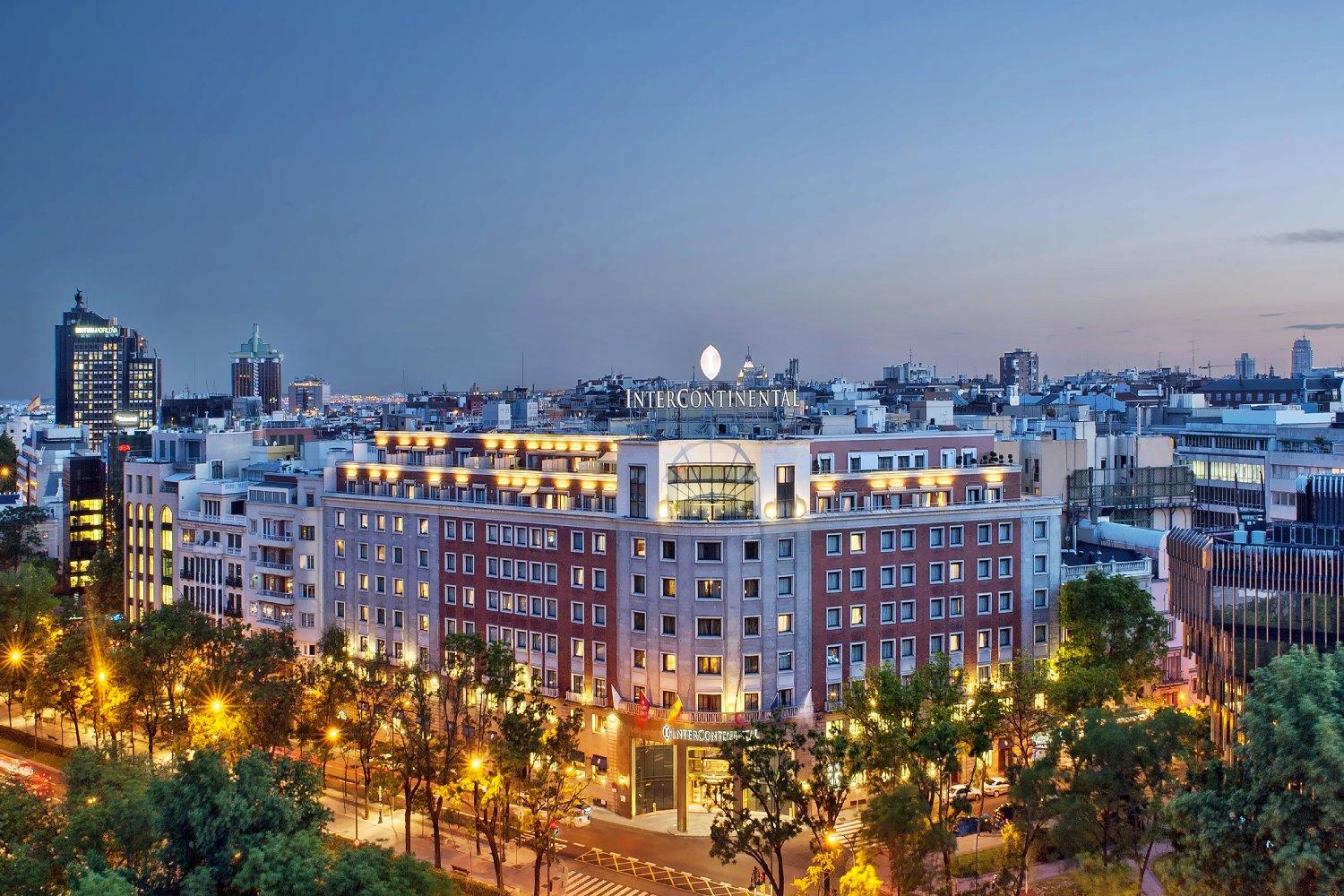



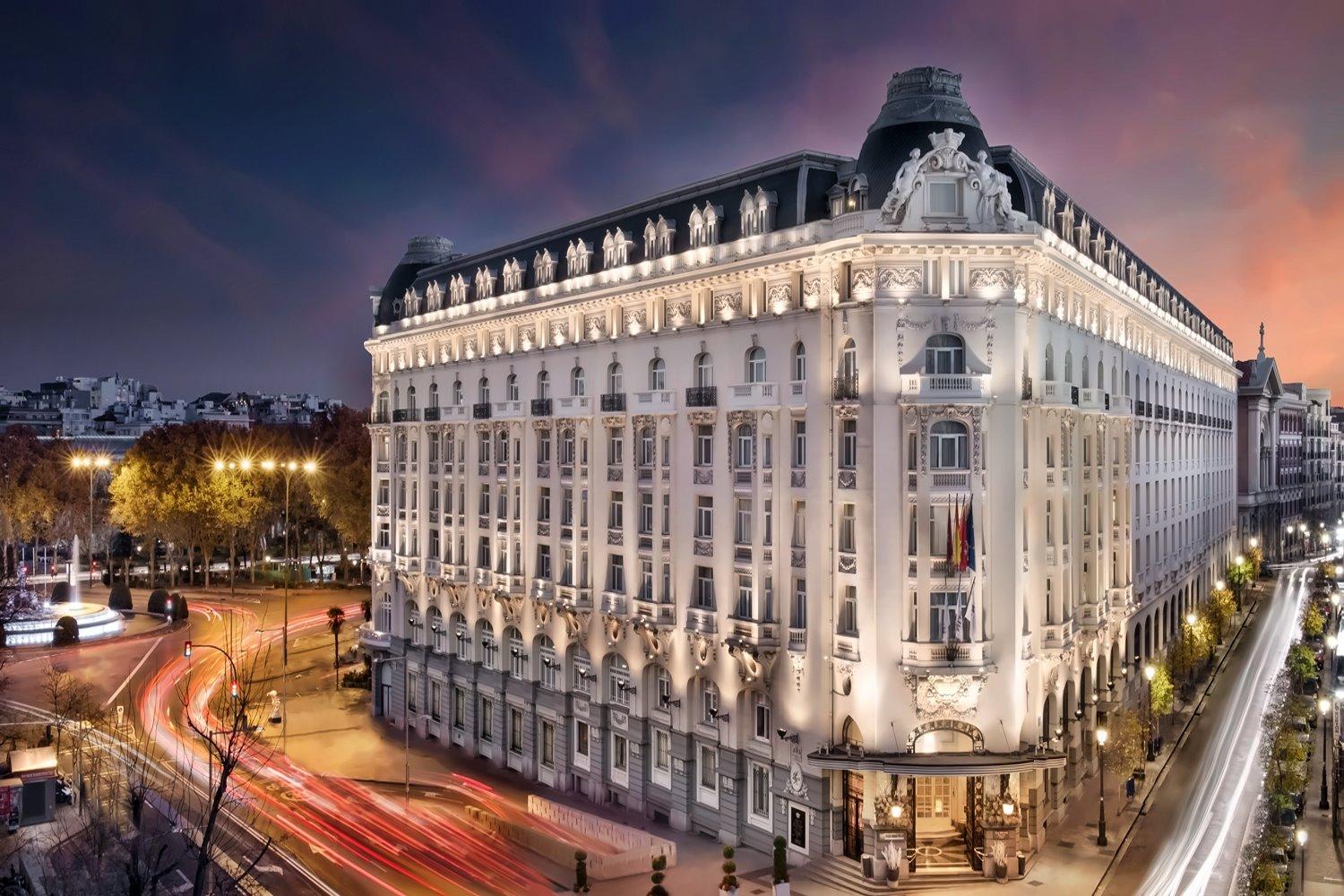
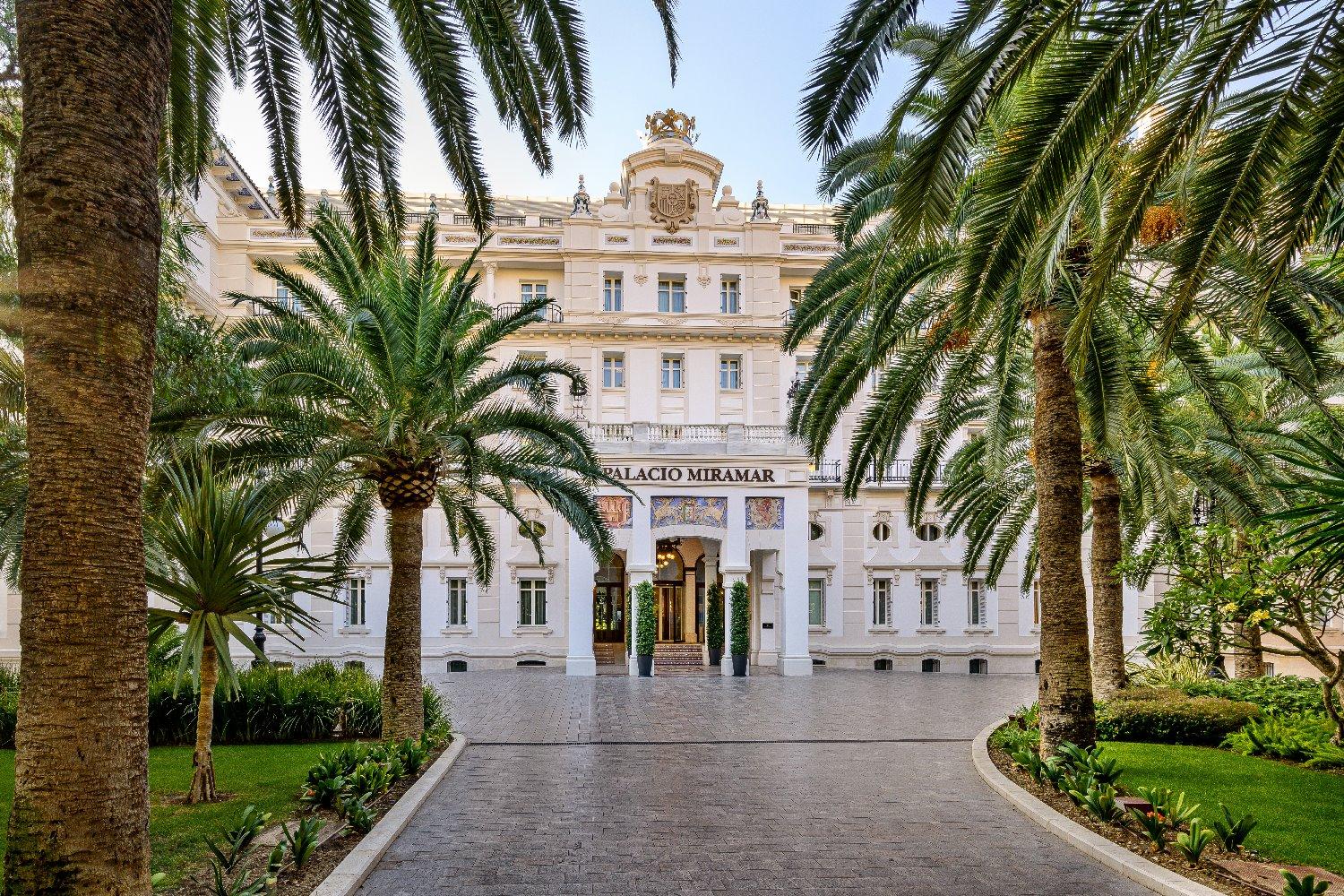
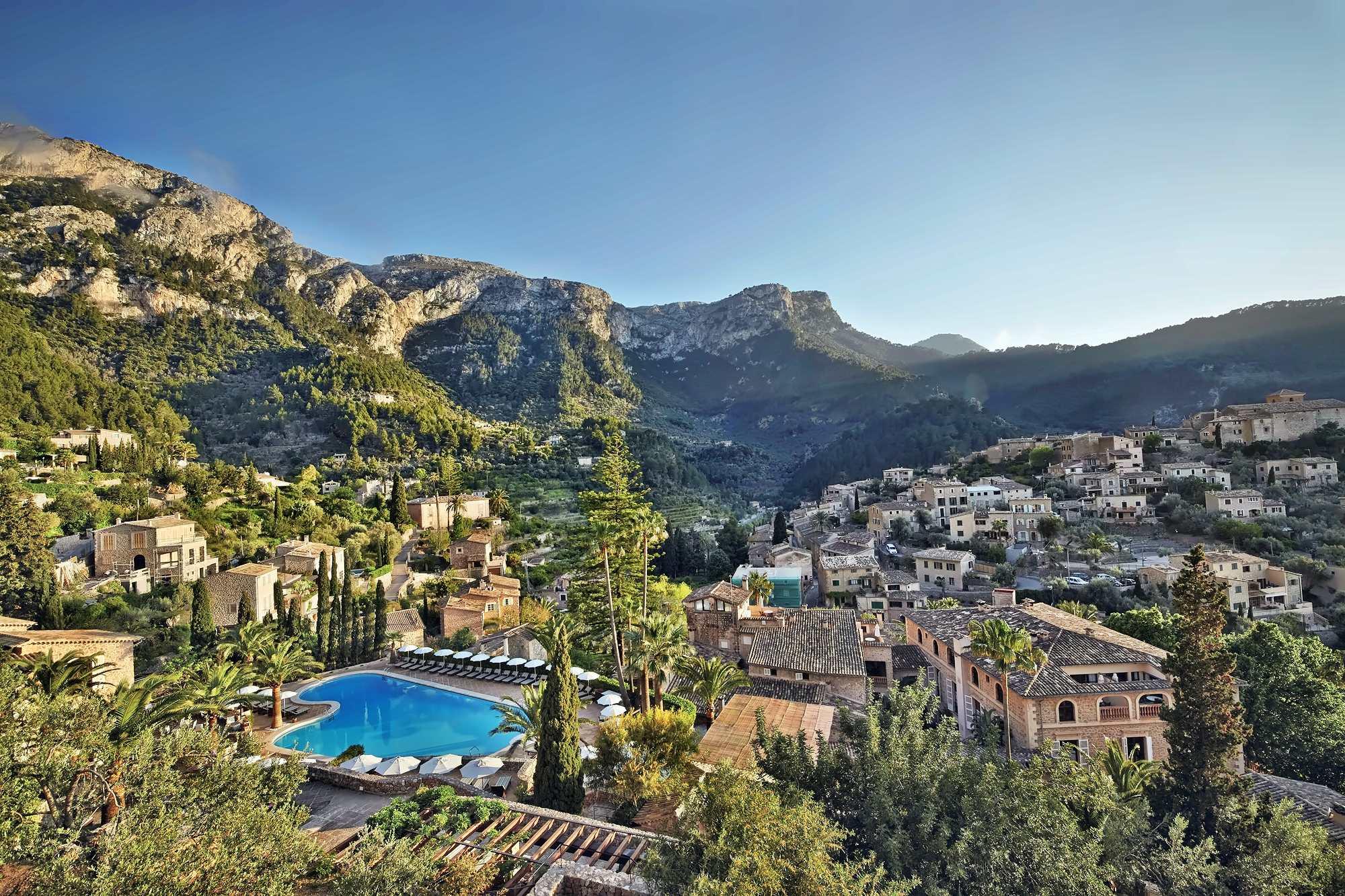


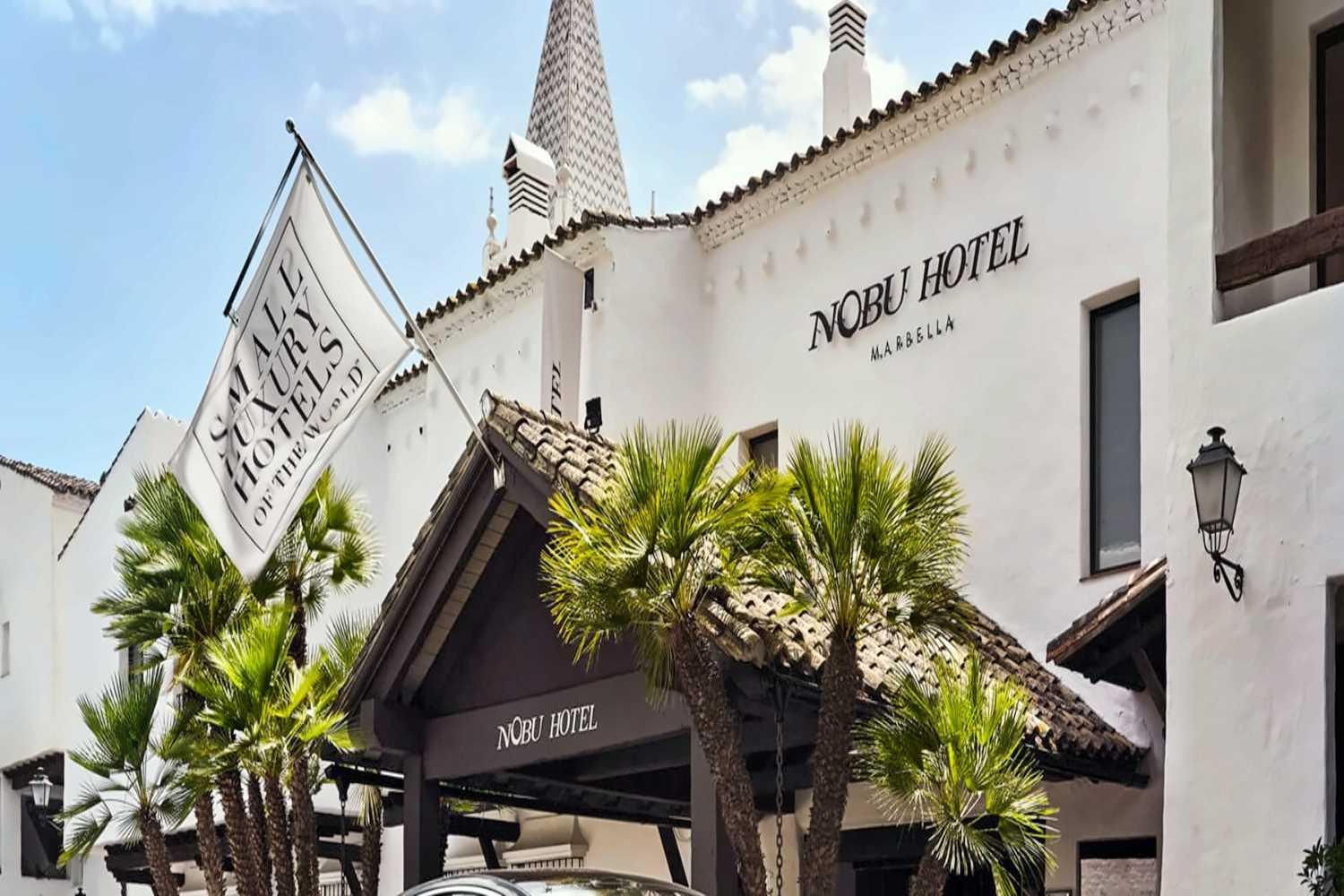
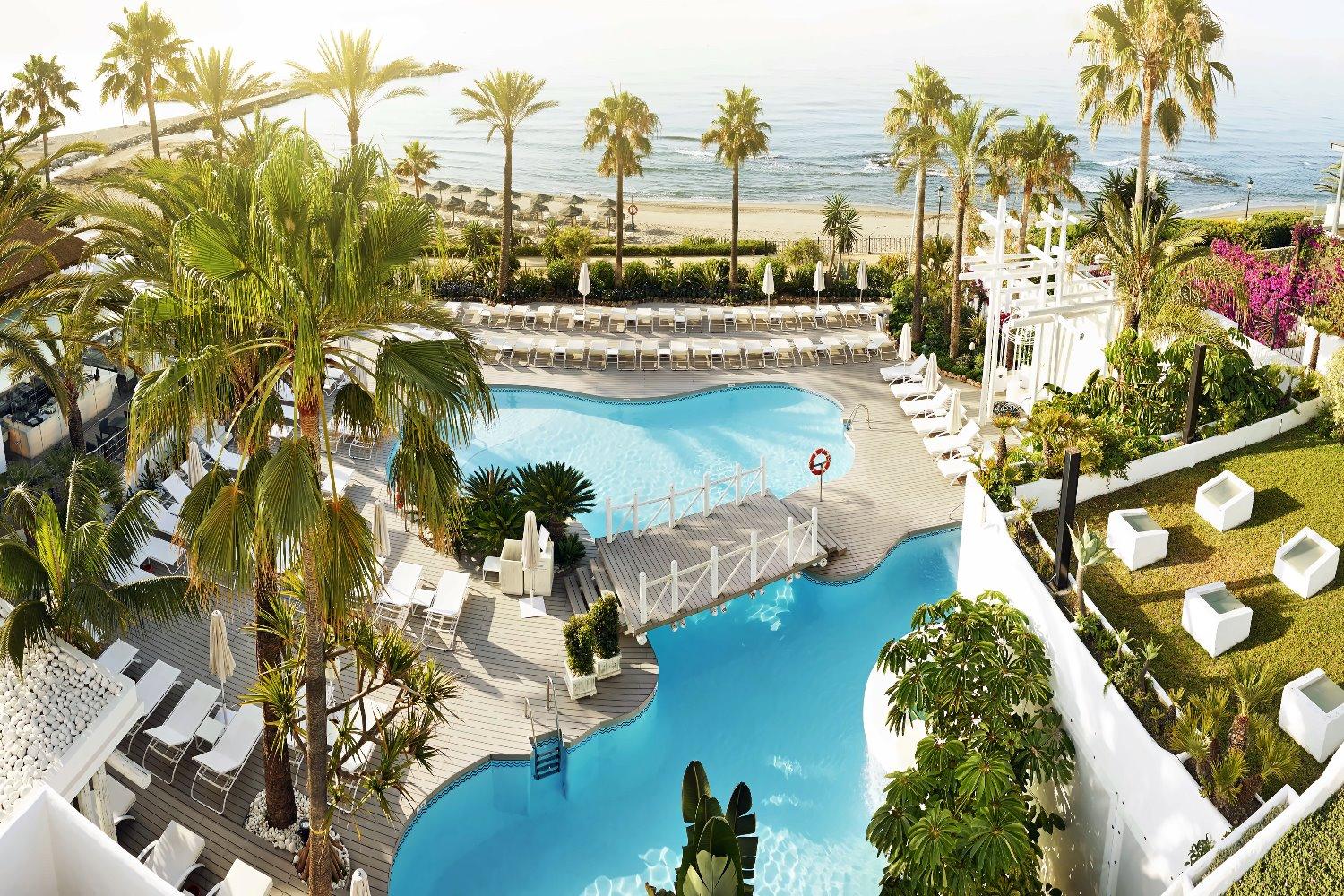
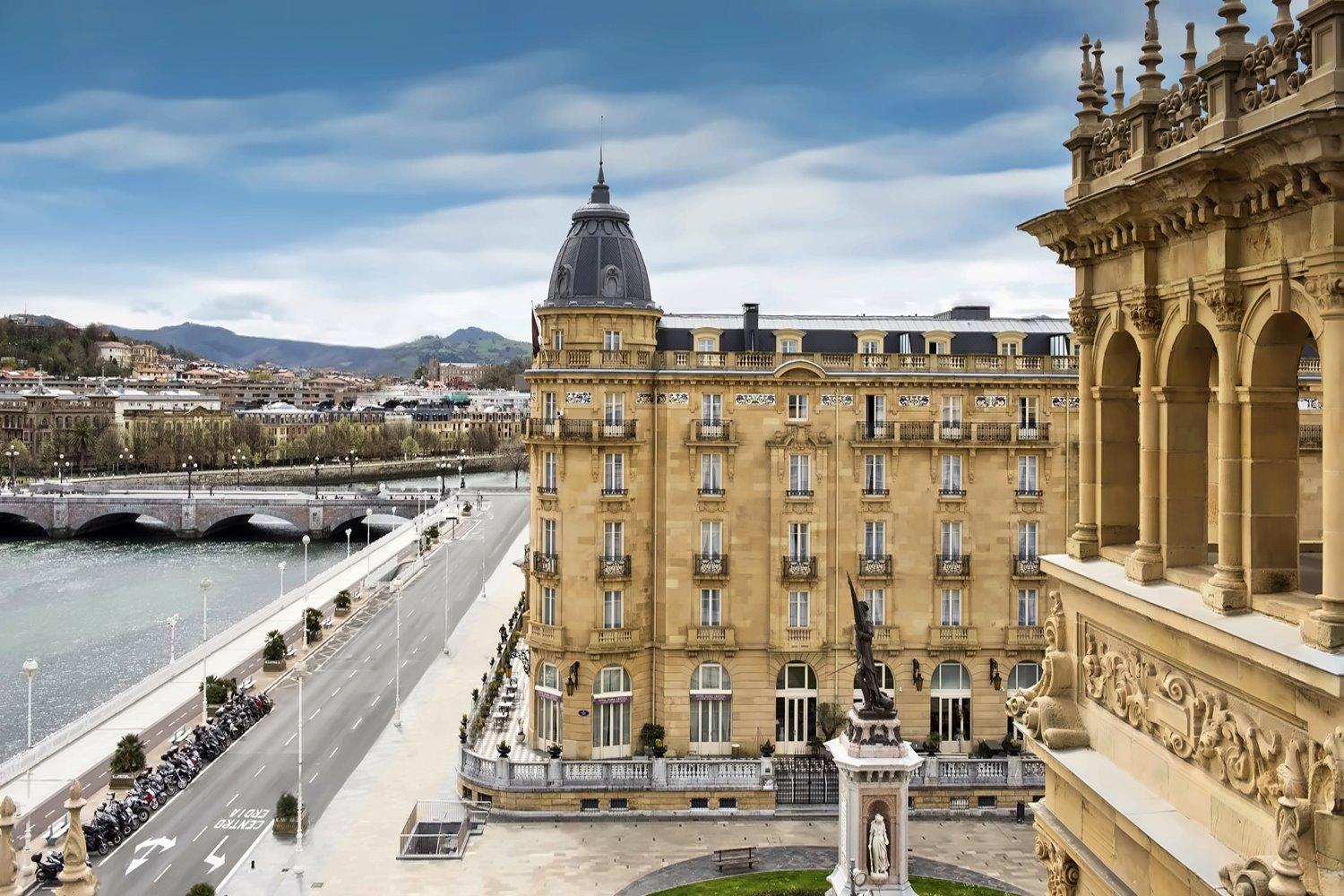
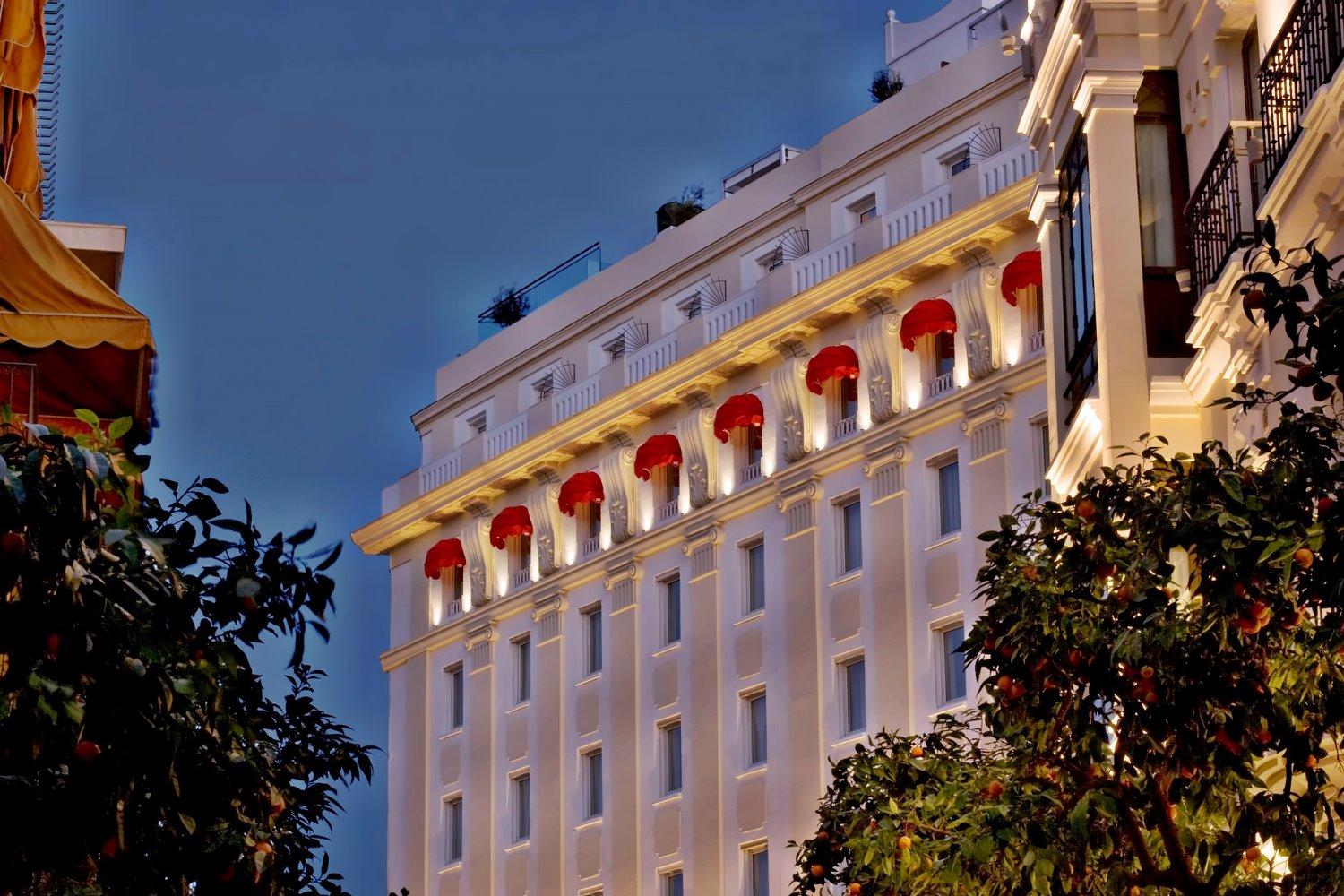

Virtuoso Hotels in Spain: cities, coasts and islands with a clear plan
Spain offers several strong journeys rather than one universal circuit. The local collection includes 40 hotels in 18 destinations, from Barcelona and Madrid to Bilbao, San Sebastián, Elciego, Córdoba, Seville and Granada. And from Mallorca and Ibiza to Marbella, Casares and Tenerife. High-speed rail makes some city combinations unusually efficient. While islands and rural resorts require separate flight or transfer logic. The best selection begins with route architecture, not a ranking of famous hotels.
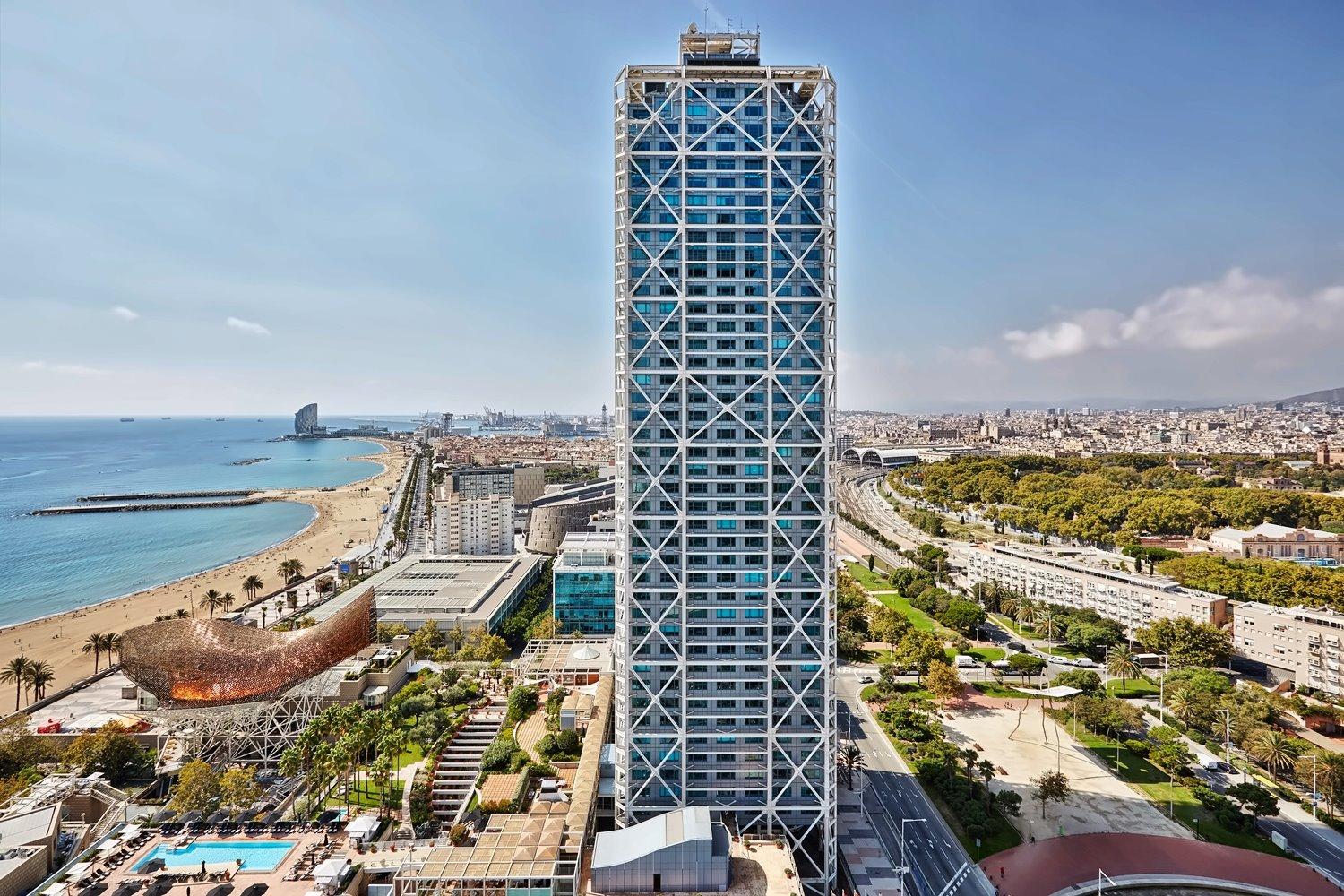
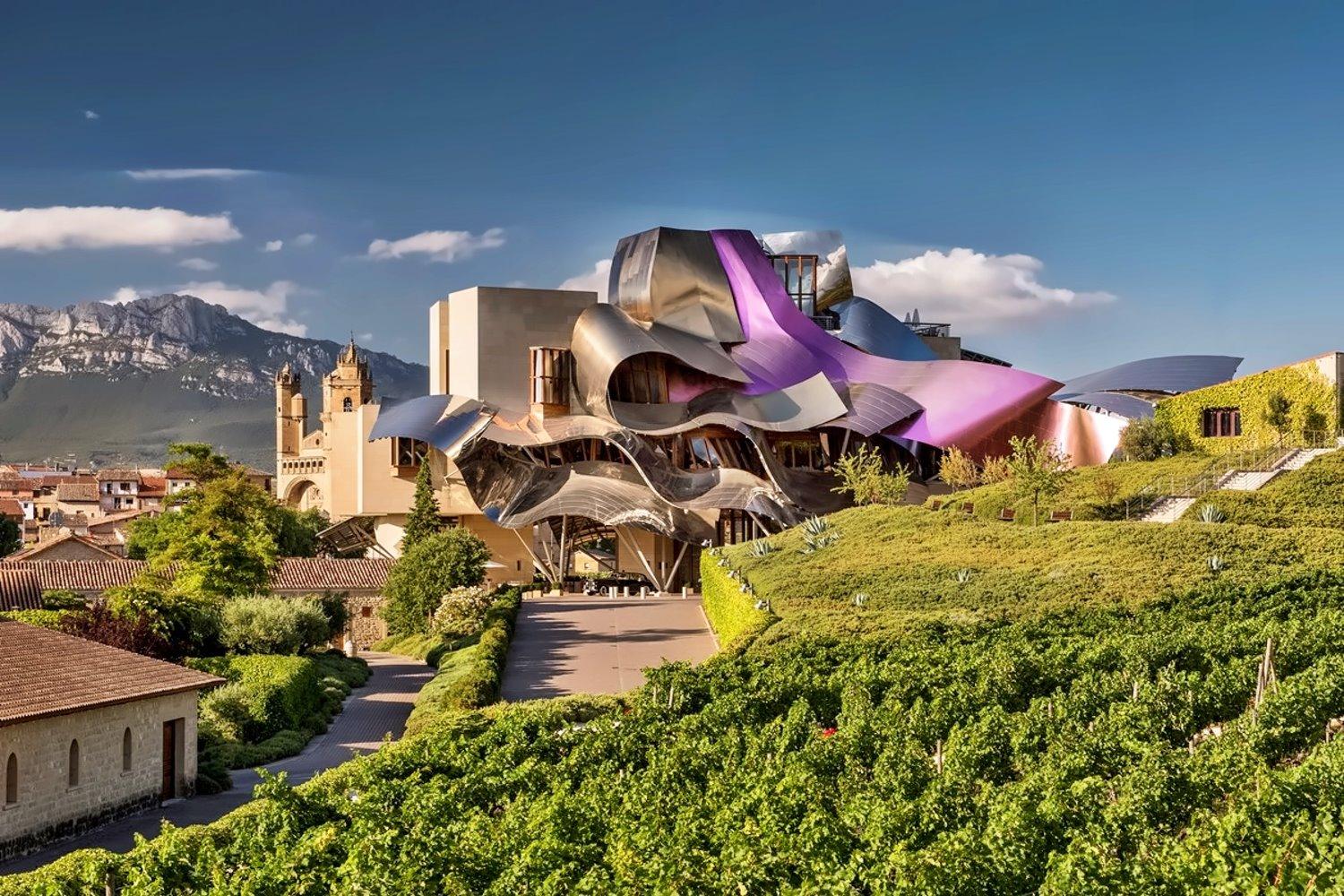
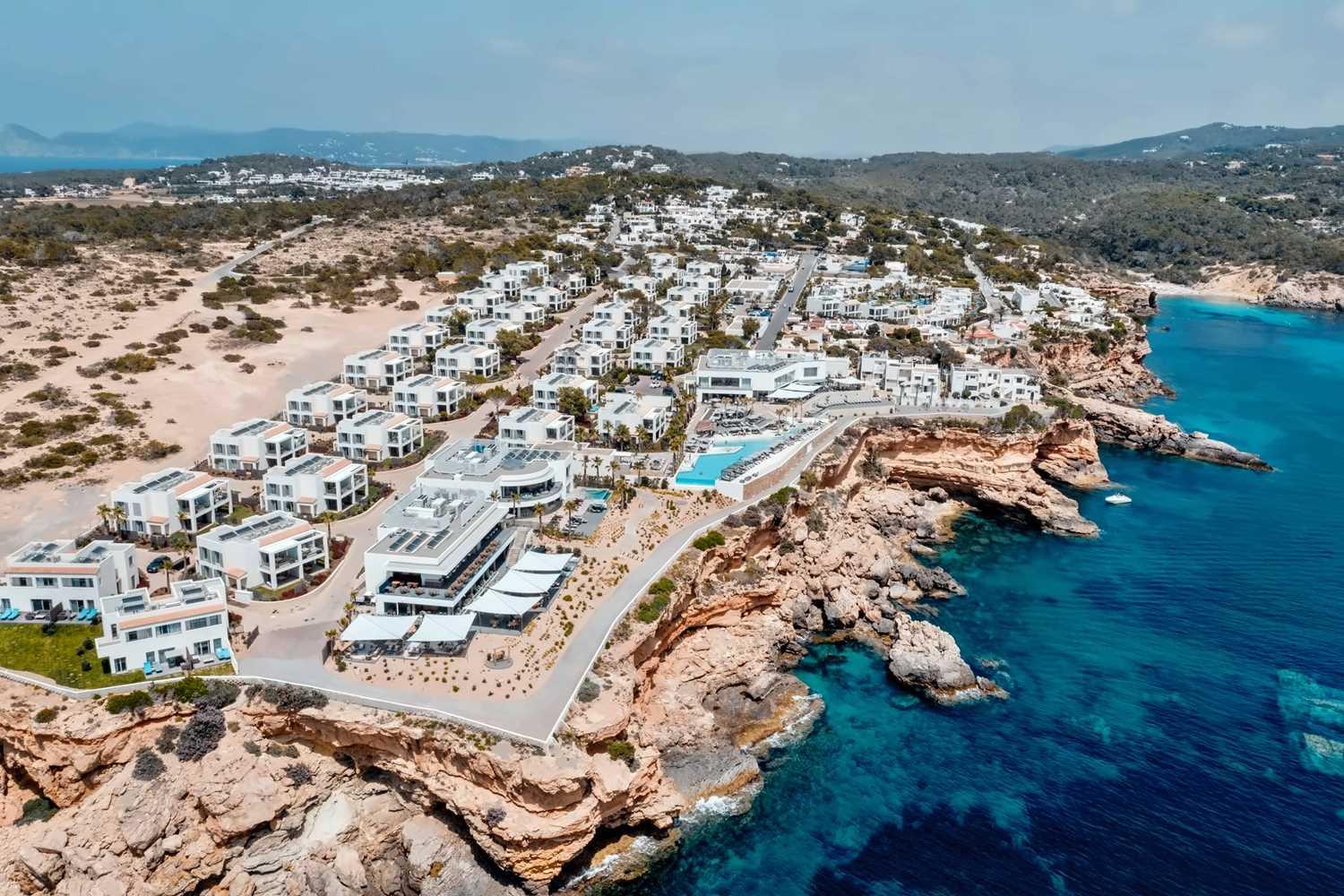
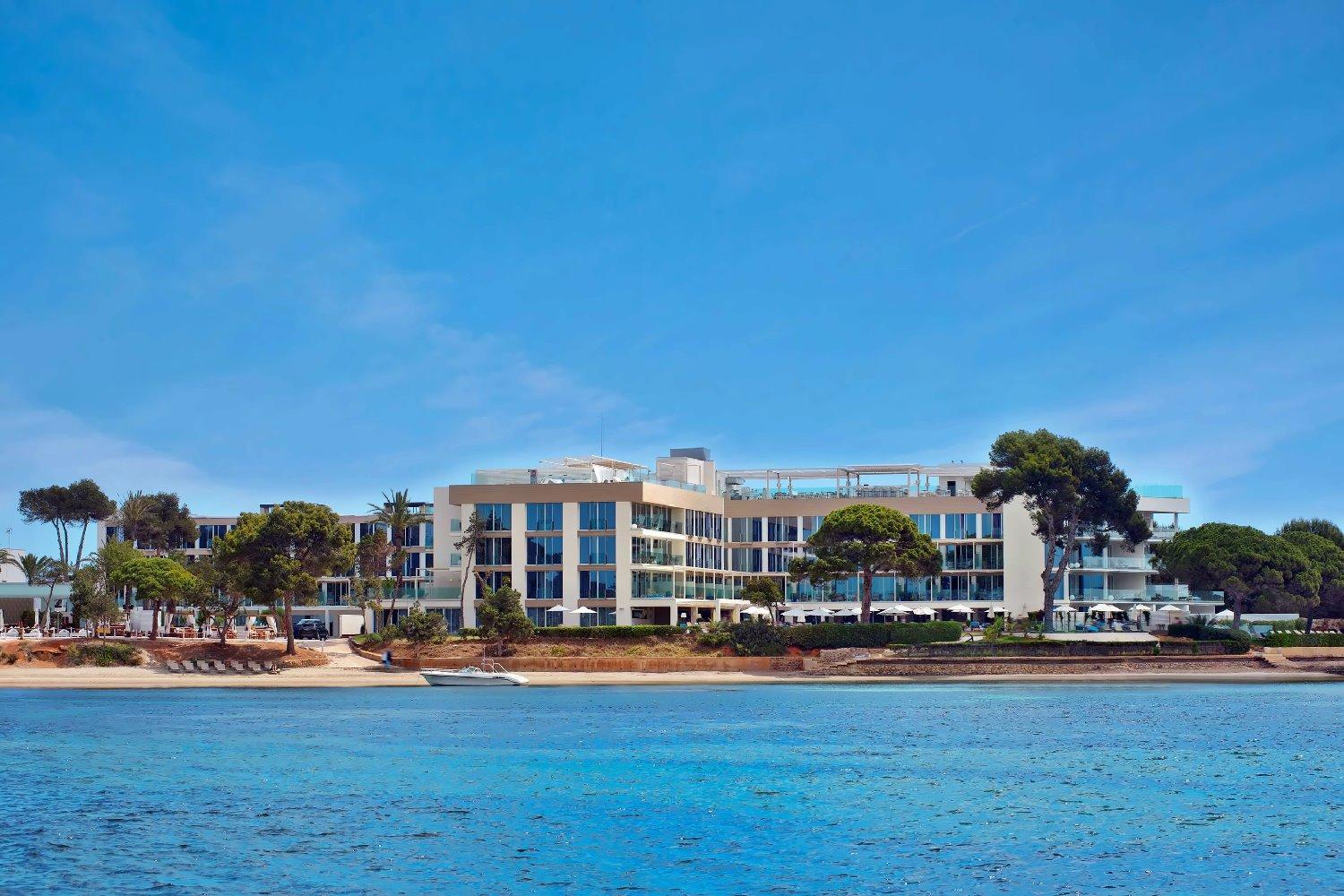
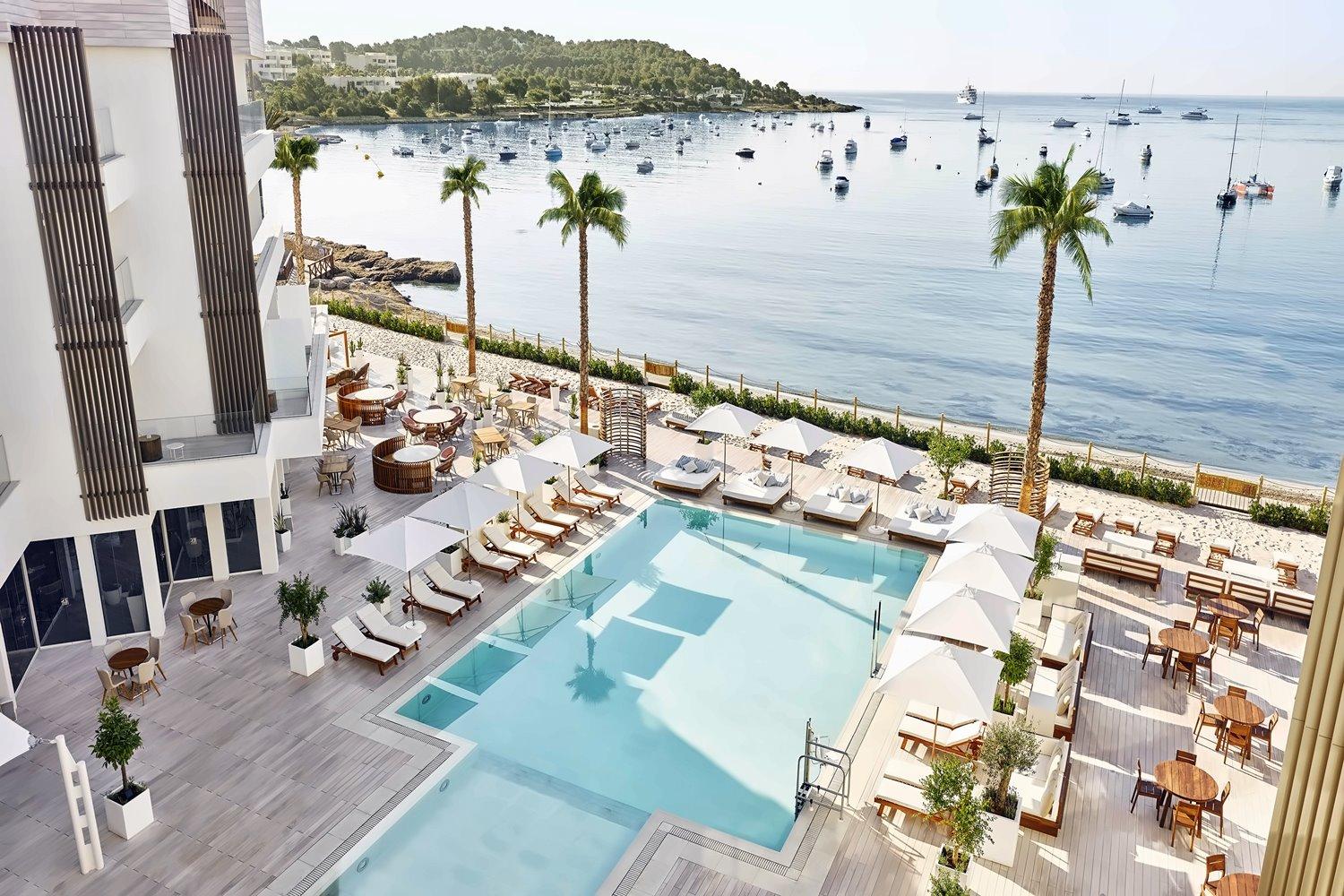
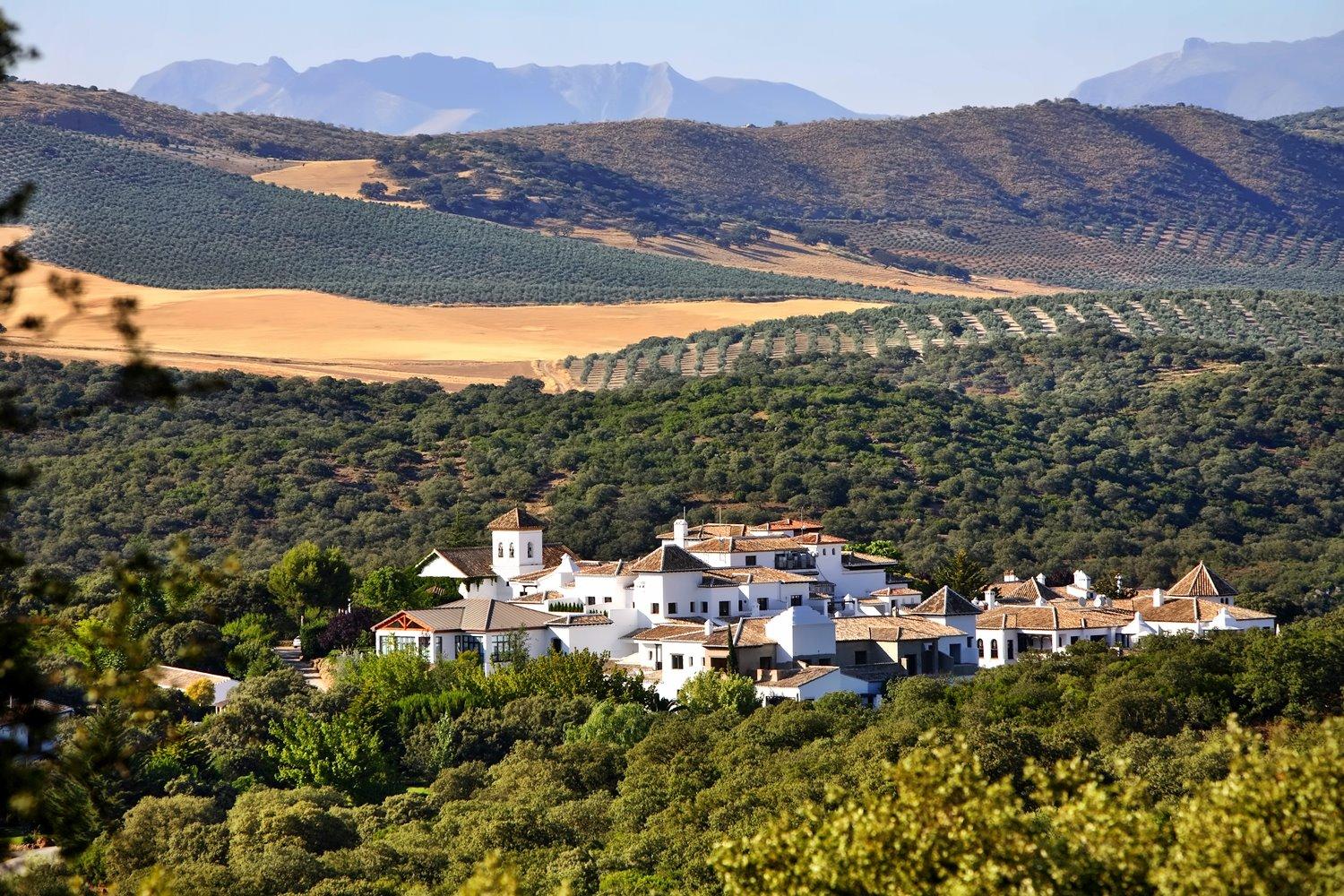
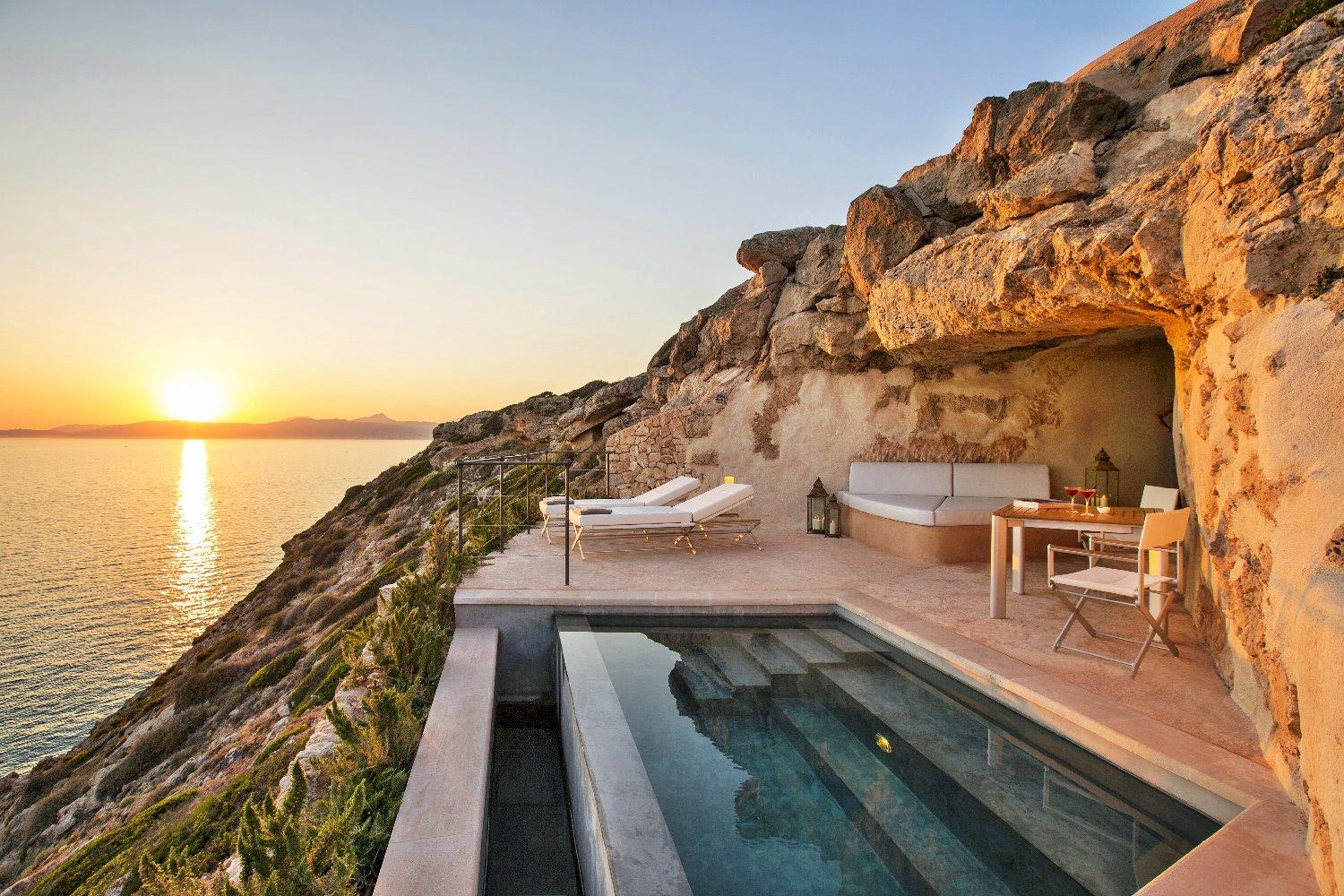
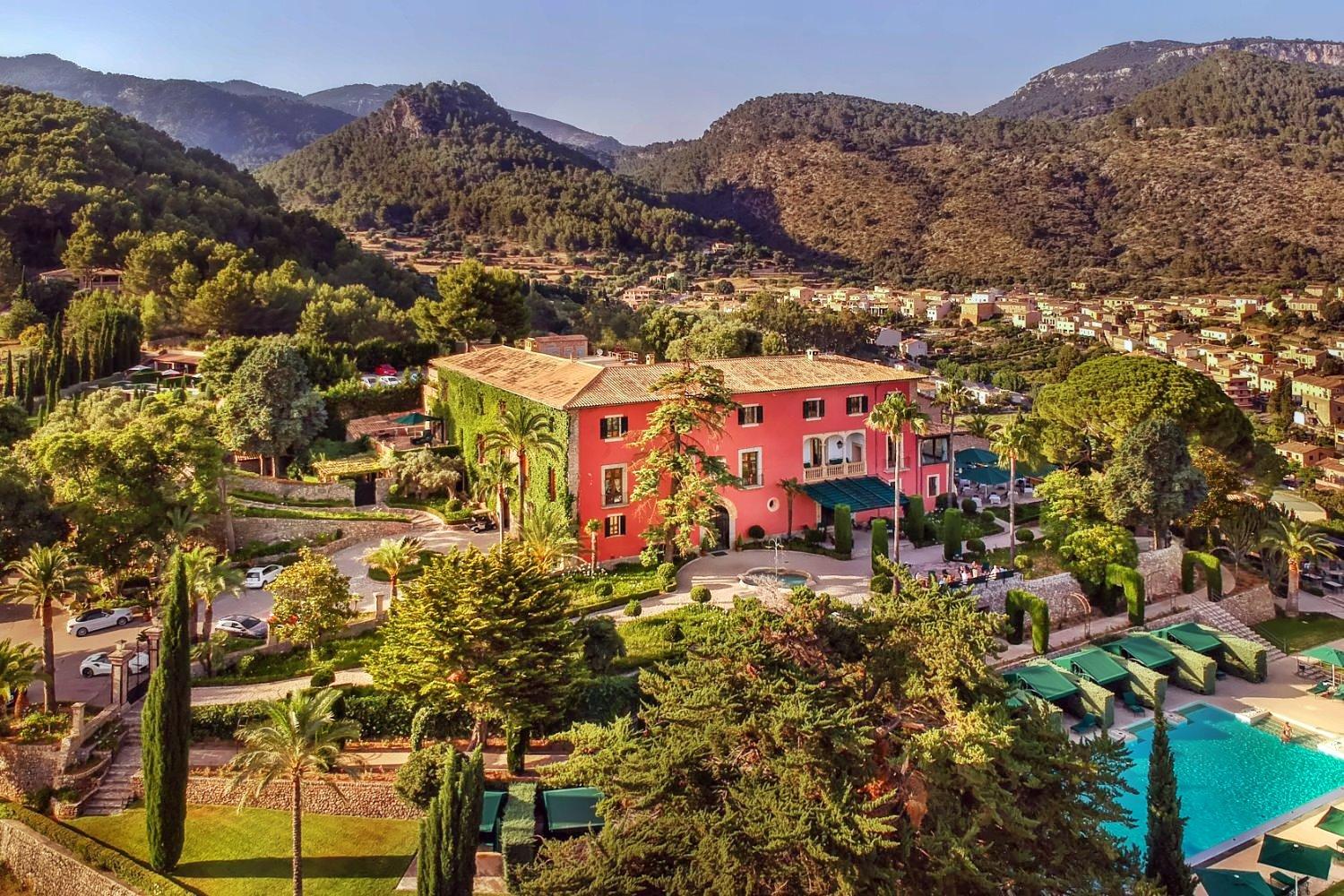
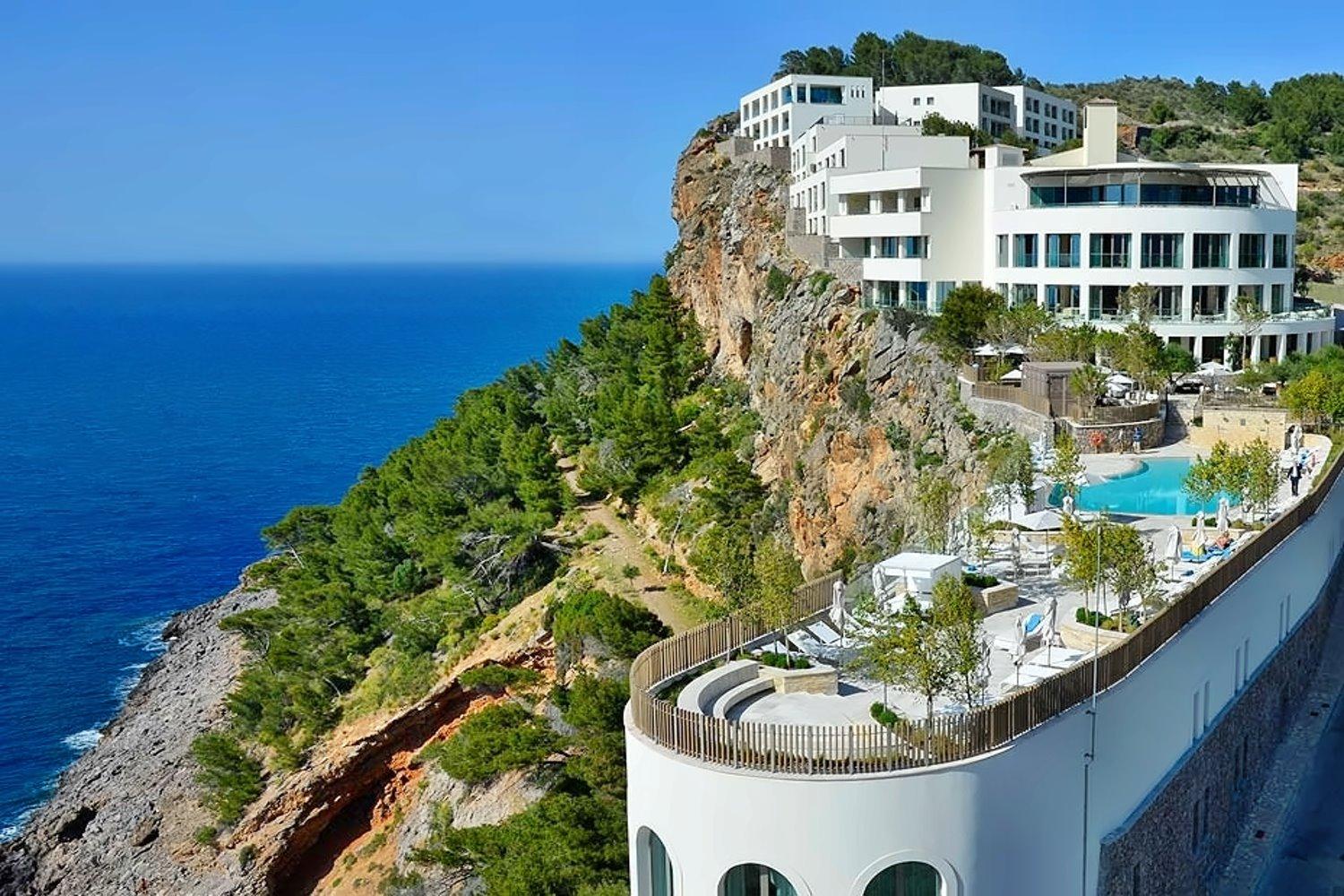
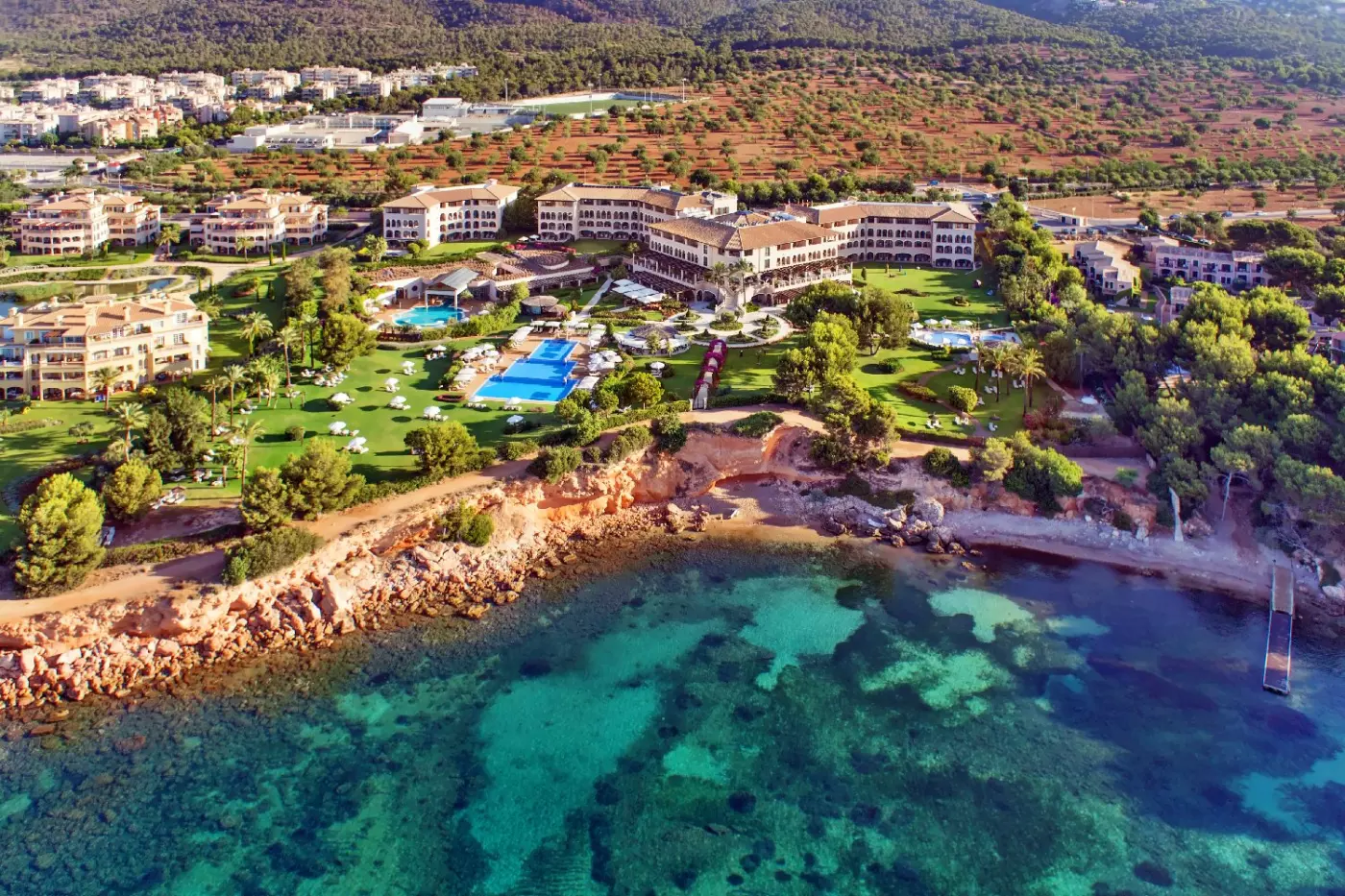
This guide distinguishes urban culture, wine country, Mediterranean islands and southern resorts. Mandarin Oriental Ritz, Madrid and Hotel Arts Barcelona suit major gateways. Hotel Marqués de Riscal and Abadía Retuerta LeDomaine support wine-led stays. Finca Cortesin and Marbella Club serve the Costa del Sol. Cap Rocat and La Residencia create very different Mallorca experiences. The goal is fewer compromises, realistic seasons and benefits that work on the booked rate.
Map the country before choosing a hotel
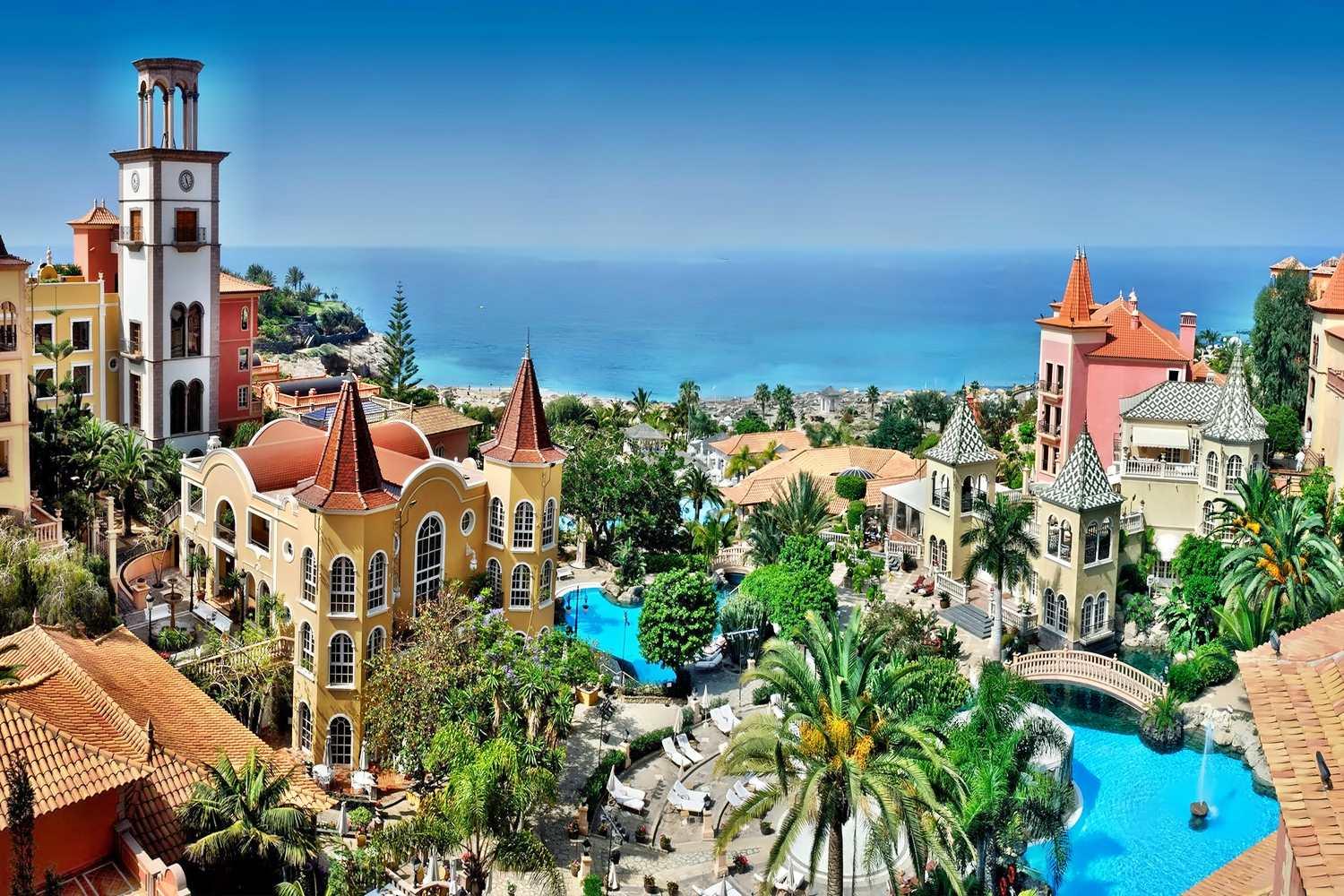
Madrid is the central rail and aviation hub. Barcelona combines Mediterranean access with architecture and design. Bilbao, San Sebastián and Elciego form a northern food, art and wine axis. Seville, Córdoba, Granada, Málaga, Marbella, Casares and Loja create several Andalusian routes, not one day-trip cluster. Mallorca and Ibiza need island-specific planning. Tenerife is a separate Atlantic proposition.
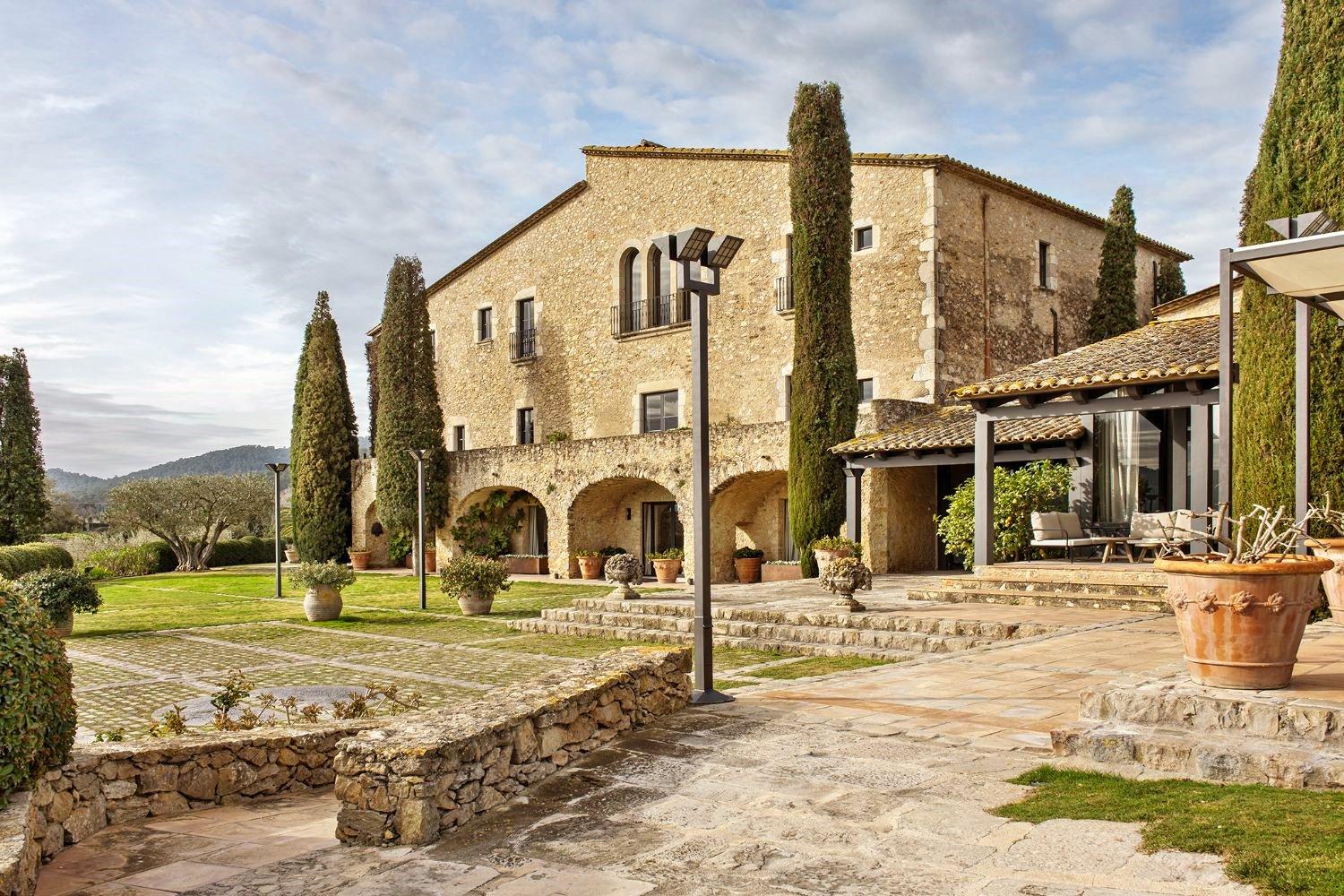
Girona, Torrent and Valladolid add golf, countryside and wine-country stays. Translate the map into a shortlist with one clear role per hotel: gateway, cultural base, recovery stay or remote retreat. Compare travel time door to door, not straight-line distance. And test whether the next transfer still works after a delayed arrival.
A prestigious property that forces repeated backtracking is weaker than a less famous hotel in the correct cluster. Before payment, write a one-page route showing nights, airports or stations, transfer ownership and the experience each stop protects.
International arrival and movement within the country
Madrid and Barcelona receive the broadest international schedules, with Málaga, Palma, Ibiza, Bilbao, Seville and Tenerife useful for regional access. High-speed rail is excellent between Madrid, Barcelona, Córdoba, Seville, Málaga and other main cities when booked correctly. A car becomes valuable for Rioja around Elciego, rural Andalusia, Mallorca’s interior and selected coastal resorts.
Do not collect a car before an urban stay where parking and restricted zones create friction. Build arrival day with enough slack for immigration, baggage, traffic and an unfamiliar payment or communications environment. Ask the hotel to state the meeting point, emergency number, vehicle size, journey time and waiting policy. For internal moves. Compare air,
rail, ferry and private road transfer on total time and failure points. Keep the final night near a reliable gateway whenever the preceding leg is weather-sensitive, remote or dependent on a limited schedule.
Season, weather and demand
Spring and autumn favour city travel, though major festivals and congresses can tighten supply. Inland Andalusia becomes intensely hot in July and August. While the north is greener, cooler and more changeable. Mallorca and Ibiza peak in summer. May, June, September and early October often improve pace. But seasonal hotel and restaurant openings vary. The Canary Islands offer winter sun,
yet altitude and local microclimates make Tenerife more varied than a single forecast. Season should be evaluated locally rather than through one national average. Record temperature, rainfall, wind, daylight, sea conditions and the events that matter to the planned region. Then match room features to those conditions: shade and ventilation in heat, reliable heating at altitude,
sheltered outdoor space in wind. Flexible cancellation has greater value during transition periods. In peak weeks, secure the scarce room or transport component first and avoid non-refundable secondary arrangements until the route is stable.
Build a coherent route
Madrid and Barcelona combine easily by rail. But each deserves several nights. Andalusia works as a sequence such as Seville–Córdoba–Granada, with Málaga or the Costa del Sol added only when recovery time exists. Bilbao, San Sebastián and Rioja form another coherent journey. Mallorca should not be a rushed extension to Ibiza. each island has enough identity for a focused stay.
Tenerife normally belongs to a separate trip or a deliberate flight-based finale. Limit the number of bases and protect at least one unscheduled half-day after a demanding move. A multi-centre itinerary succeeds when each stop changes the experience enough to justify packing and transit. Place the most important cultural reservation after a normal night,
not directly after arrival. And avoid two early departures in succession. If a route depends on perfect traffic, weather and punctuality, simplify it before choosing a more expensive hotel.
Room and resort strategy
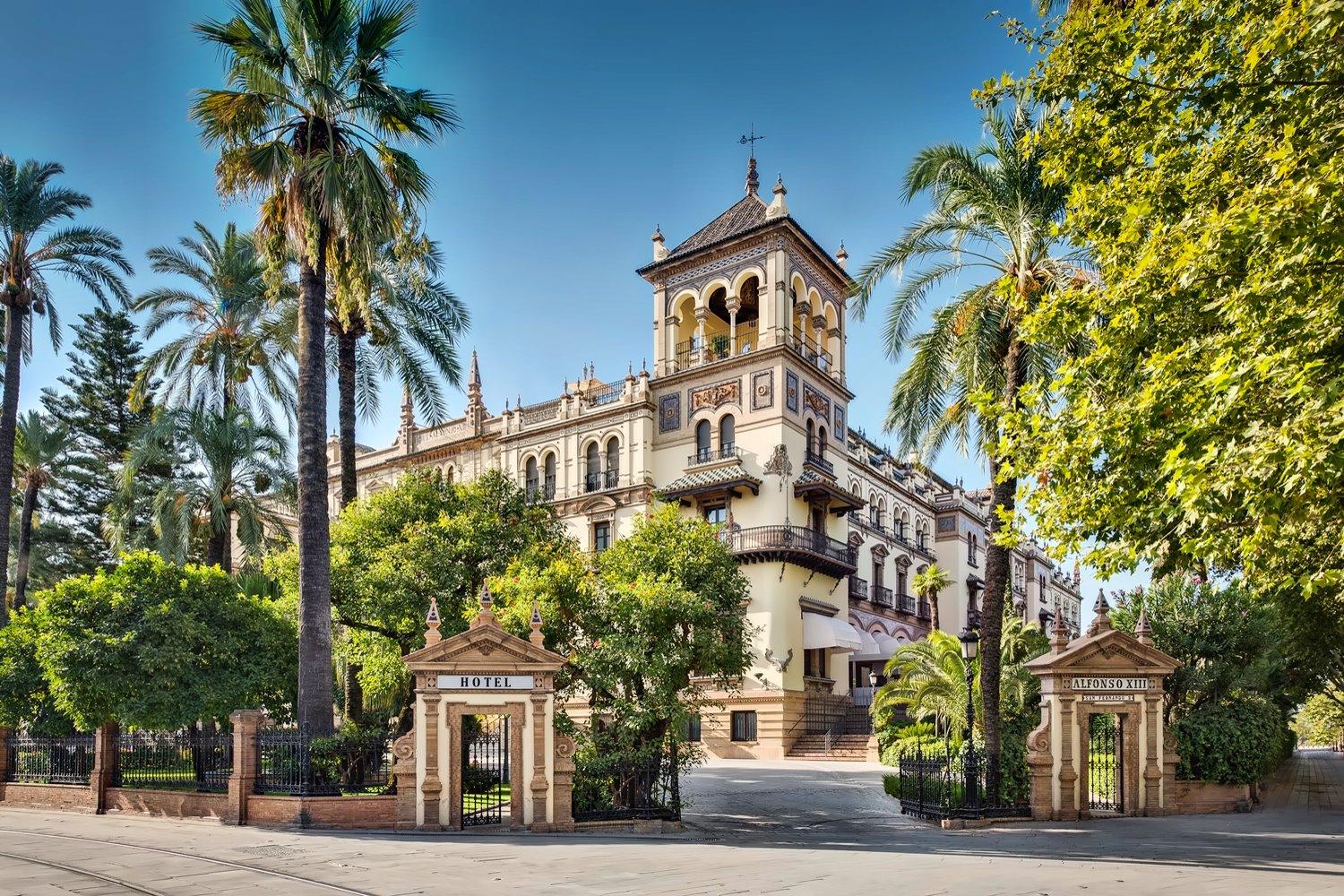
In Madrid and Barcelona, neighbourhood, sound insulation, terrace exposure and walking access matter more than a small difference in room size. At Cap Rocat, La Residencia or Jumeirah Mallorca. Compare sea access, steps, road time and room orientation. Marbella Club, Puente Romano and Finca Cortesin have distinct social, beach and estate rhythms. At Hotel Alfonso XIII or Hospes Palacio del Bailío,
heritage character should be balanced against lift access, room shape and modern climate control. Request the hotel’s own category description and floor plan where layout matters. Confirm bedding, maximum occupancy, connecting configuration, bathroom privacy, accessibility, view obstructions and renovation or construction exposure. At resorts. Ask how long it takes to reach the beach, restaurants,
children’s facilities and spa without relying on marketing terms such as “steps away”. Families should confirm supervision rules and pool safety. couples should check event noise and shared-space privacy.
Virtuoso booking logic and proof
Confirm the exact Virtuoso rate, breakfast terms, hotel credit, upgrade priority and cancellation rules. A dining or spa credit can be useful at a self-contained resort. in Madrid or Barcelona, a strong breakfast and late checkout may have more practical value. Upgrades at historic hotels can change layout as well as size. So define acceptable categories.
Ask the booking team to record bedding, connecting-room needs, accessibility, arrival transport and any island ferry or flight dependency. Compare the qualifying Virtuoso rate with the best flexible public rate on the same room, meal basis, tax treatment and cancellation deadline. Benefits are valuable only when usable: establish where breakfast is served, what the credit excludes.
Whether an upgrade is at arrival and how late checkout is prioritised. Have the advisor or hotel record every essential request. But distinguish a request from a guarantee. Recheck the confirmation after any date, room or guest-name change.
Food, culture and the daily rhythm
Spain’s culture is inseparable from regional timing and food. Madrid rewards museums and late dining. Barcelona needs architecture reservations. the Basque Country combines pintxos, contemporary cuisine and art. Rioja and Valladolid connect wineries with landscape. Andalusia layers Islamic, Jewish and Christian heritage. Mallorca, Ibiza and Tenerife have identities beyond beaches. Reserve essential monuments and a few destination restaurants.
While preserving room for markets, neighbourhood bars and local meal times. A high-quality schedule alternates major visits with meals and neighbourhood time instead of treating culture as a checklist. Reserve capacity-constrained museums, monuments, guides and restaurants. While leaving ordinary meals open to local advice. Discuss allergies and dietary restrictions in the local language before arrival.
Hotel dining can be strategically useful after a transfer or before an early departure. But it should complement rather than replace the destination’s independent kitchens, markets and producers.
Responsible and resilient planning
Responsible planning addresses heat, water pressure, wildfire risk and overcrowding in historic centres and island coves. Use official access and parking systems, respect residential streets and avoid unlicensed accommodation or marine excursions. In summer, schedule exposed monuments early and retain shaded alternatives. Keep rail or flight confirmations, transfer contacts and a flexible block around island travel.
Spending across local guides, producers and independent restaurants distributes value beyond the resort gate. Create a compact travel file with passports, insurance, medical details, confirmations, local emergency numbers and offline addresses. Review official advice shortly before departure because entry rules, strikes, weather alerts and transport schedules can change. Use licensed operators, respect water and energy constraints and avoid activities that damage wildlife,
heritage or residential communities. The final test is simple: one delayed flight, closed road or cancelled boat should inconvenience the trip, not dismantle it.
Planning tips for Virtuoso hotels in Spain
- Choose the Spain route before the hotel: record every airport, station, port and realistic door-to-door transfer.
- Request the exact room location, bedding, view limitations, access conditions and connecting configuration in writing.
- Compare the qualifying Virtuoso rate with the equivalent flexible public rate, including taxes, meals and cancellation terms.
- Protect the final international departure with a buffer whenever the previous leg depends on weather or limited transport.
- Keep official entry guidance, insurance, local contacts and all essential addresses available offline.
Frequently asked questions about Virtuoso hotels in Spain
How many Virtuoso hotels are represented
40 hotels across 18 destinations are represented in the local collection. The number is a starting point, not a ranking: compare the relevant regional cluster, exact room and qualifying rate.
How should a first Spain itinerary be structured
Select one primary gateway and no more regions than the available nights can support. Allow several nights per base, protect the arrival day and remove any stop that exists only to add another hotel name.
Are Virtuoso benefits guaranteed
Only benefits attached to a qualifying booking apply. And upgrades, early arrival or late departure are commonly subject to availability. Obtain written confirmation for the exact hotel, room, dates and guests.
Should I book the hotel or transport first
Secure the scarcest component first. Then hold compatible flexible arrangements. On islands, remote routes or peak dates, a flight, ferry, train or transfer may determine which hotel is operationally sensible.
What room details matter most
Confirm location, orientation, noise, bedding, bathroom privacy, steps or lift access, connecting configuration and the real route to core facilities. A category name alone rarely answers these questions.
When is the best time to travel
There is no single national answer. Match the chosen regions to temperature, rainfall, wind, demand and seasonal openings. Then decide whether flexibility or peak-period certainty matters more.
How can the trip remain responsible
Use licensed local providers, respect water and heritage constraints, avoid exploitative wildlife activities and spend beyond the hotel through qualified guides, producers and independent restaurants.
What should be reconfirmed before departure
Recheck official entry rules, names and dates, cancellation deadlines, transfers, room requests, benefits, insurance, weather alerts and the emergency contact for every critical movement.
Combine your hotel stay with a privately designed journey through Spain, with hotels, transfers and experiences planned as one seamless itinerary.