
Virtuoso Hotels
Virtuoso Hotels in Seville, Spain
2
2
Hotels
Virtuoso hotels in Seville: palaces, neighbourhoods and an intelligent Andalusian stay
Seville rewards travellers who give its heat, courtyards and late social rhythm room to shape the day. The cathedral, Real Alcázar and Archivo de Indias form a globally important monumental core. But Triana, contemporary food, flamenco practice, ceramics and residential streets prevent the city from becoming an architectural stage set. Four nights allow cultural depth without rushing between timed entries.
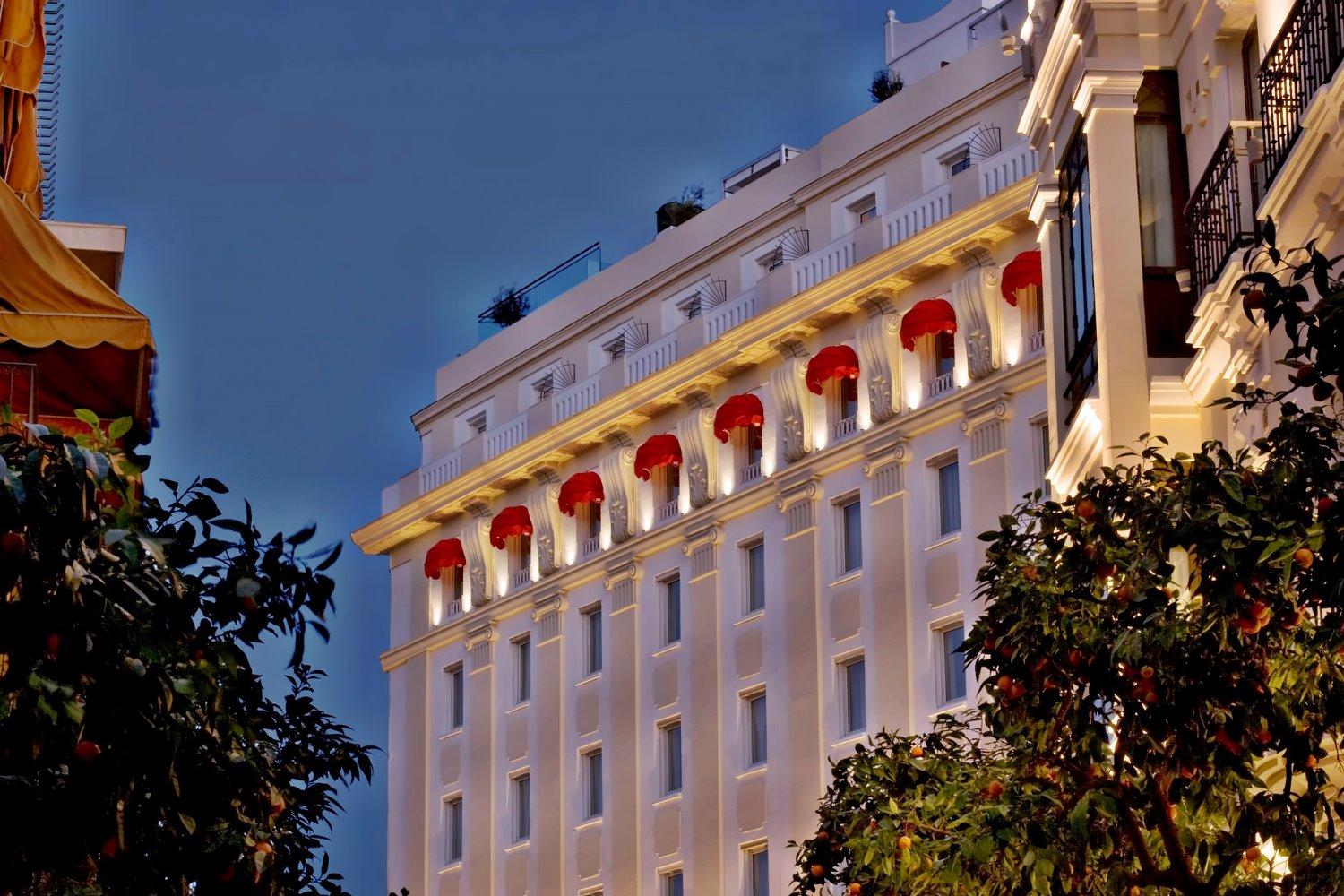
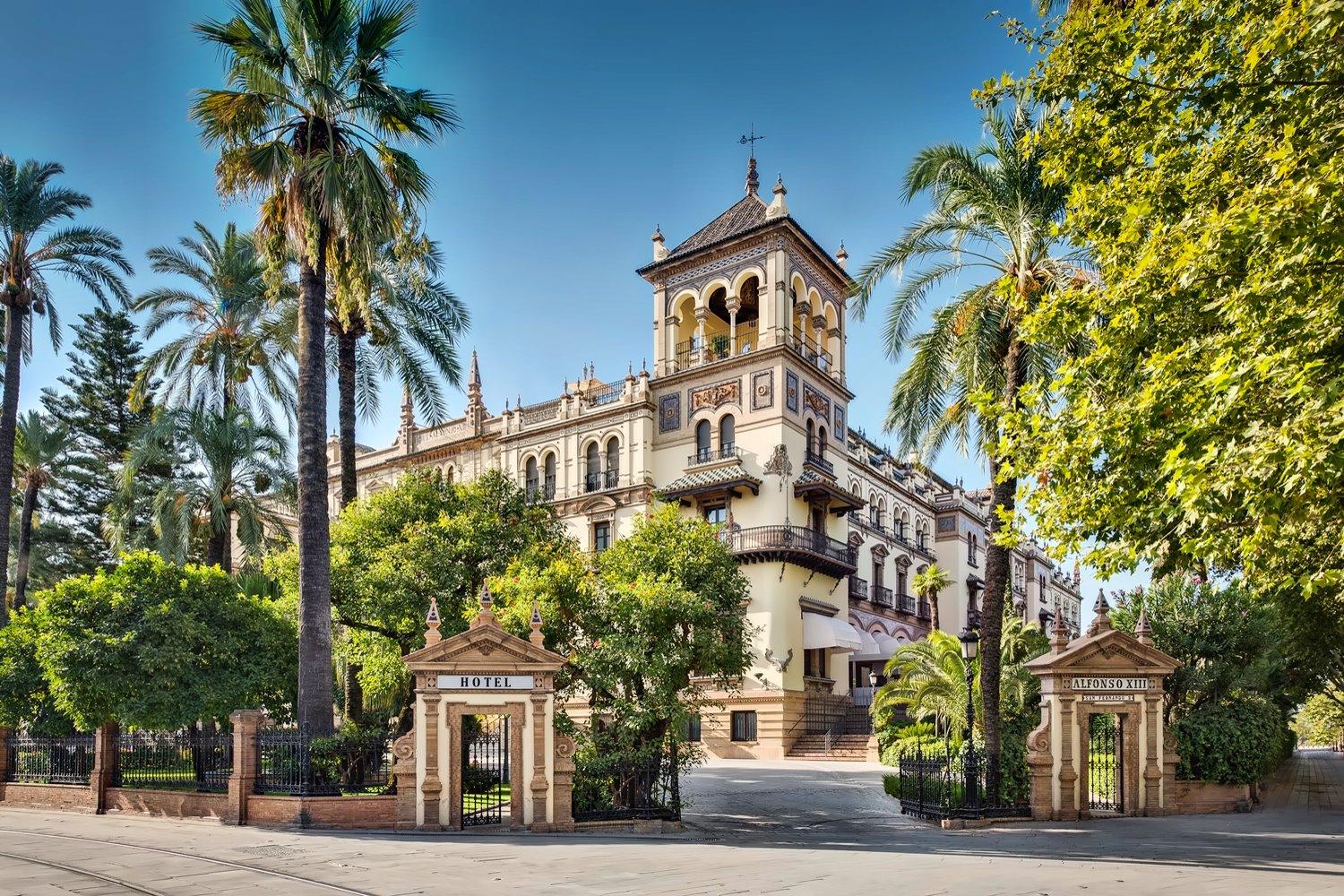
The two Virtuoso hotels are central but distinct. Hotel Alfonso XIII is a landmark beside the Alcázar and Santa Cruz, with ceremonial architecture and a resort-like courtyard. Colón Gran Meliá sits closer to central shopping, Museo de Bellas Artes and the western side of the historic core. Choose the daily walking pattern and hotel atmosphere before comparing room categories.
Choose monumental proximity or western-centre access
Hotel Alfonso XIII suits travellers who want the cathedral, Alcázar, university and Santa Cruz immediately accessible. While accepting a grand, visible address. The building deserves its own time. So protect the courtyard, public rooms and seasonal pool rather than using it solely to sleep. Colón Gran Meliá provides a polished base nearer the commercial centre,
Museo de Bellas Artes and routes toward the river. It can feel less ceremonial and more integrated with everyday city errands. At both hotels. Confirm street orientation, balcony, terrace, pool season and the exact paid category. Central Seville remains lively late. And an upgrade should never be required to make bedding, view or quiet acceptable.
Separate the Alcázar from the cathedral
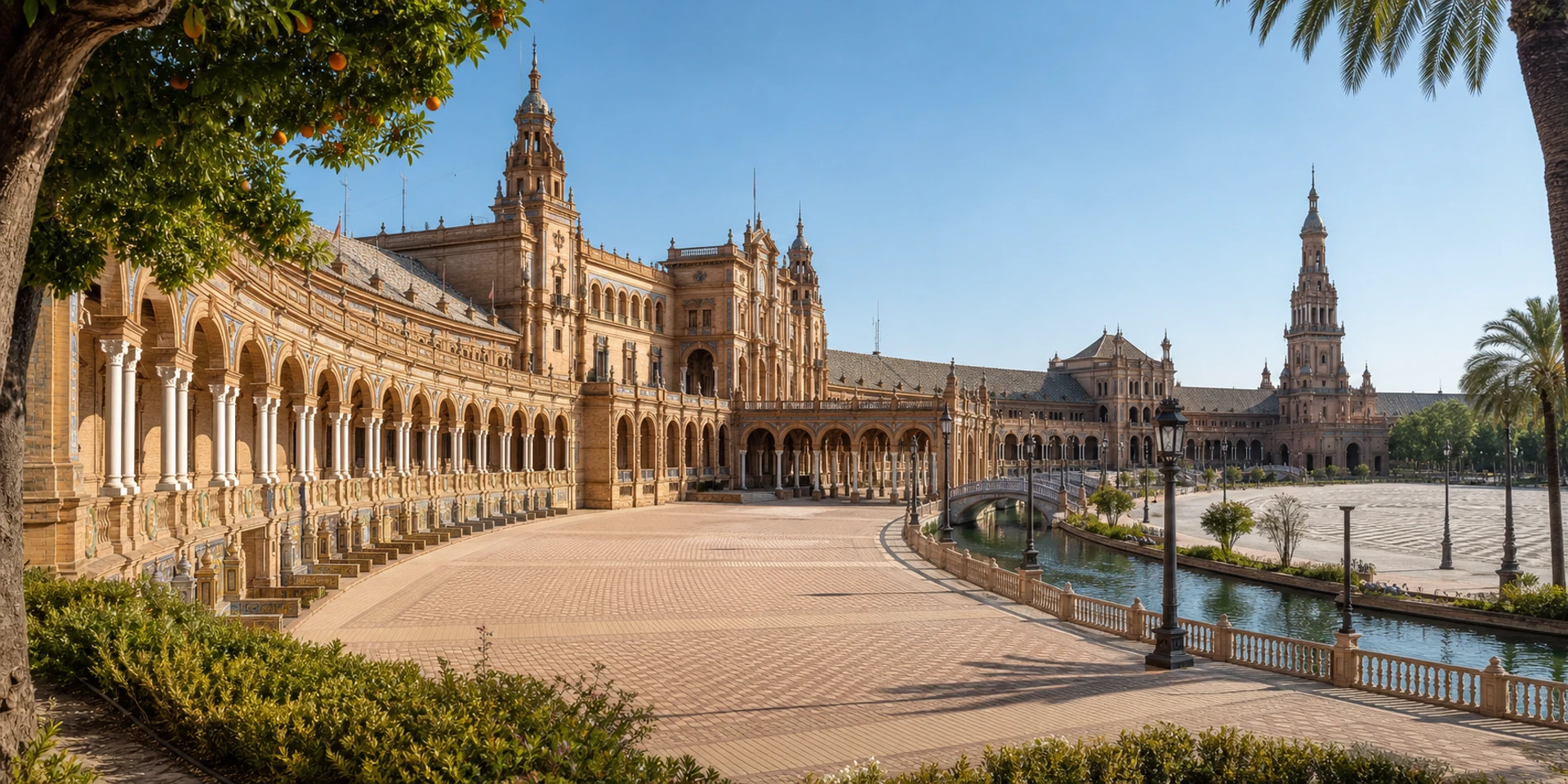
The Real Alcázar and Seville Cathedral deserve different time blocks. Reserve official timed admission for the Alcázar. Check current access and allow gardens, courtyards and layered architecture to unfold without racing. Its history includes Islamic, Mudéjar, Gothic, Renaissance and later interventions. a knowledgeable guide should distinguish periods rather than flatten them into one romantic label.
The cathedral and Giralda form another demanding visit with religious use, scale, stairs and changing access. Consult the cathedral's official information and dress appropriately. Avoid placing both monuments back-to-back in peak heat. One in the morning, a proper lunch and the other on a separate day produces better attention and protects the hotel experience.
Read the UNESCO ensemble critically
The cathedral, Alcázar and Archivo de Indias form Seville's UNESCO ensemble and connect religion, monarchy, administration and global empire. The Archivo de Indias is not merely a photogenic Renaissance building. its collections relate to colonisation across the Americas and the Philippines. Opening and exhibition access can vary. So check official information. Ask a historian to address trade,
coercion, slavery, Indigenous societies and material wealth alongside architecture. Santa Cruz's narrow lanes and patios add urban texture but should not replace serious context. Begin early, avoid blocking residential doors and remember that many courtyards are private. The strongest visit joins beauty with historical consequence instead of presenting imperial Seville as uncomplicated splendour.
Approach flamenco as living practice
Flamenco is a living art shaped by multiple Andalusian communities, including deep Gitano contributions. And not simply an evening attraction. Choose a respected small venue or carefully curated theatre. Ask about performers and format. And avoid claims that one show represents a single authentic version. A short introduction by a specialist can clarify song, guitar,
rhythm and dance before the performance. Reserve directly or through a trusted local planner. Then arrive on time and follow photography rules. Dinner-show packages can prioritise logistics over attention. consider dining separately. Triana has important associations. But current residents deserve respect beyond folklore. One concentrated performance listened to carefully is more valuable than collecting several rushed shows.
Cross the river to Triana
Triana has its own identity shaped by river trade, ceramics, religious brotherhoods, markets, music and working neighbourhood life. Cross in the morning for cooler walking and visit ceramics through studios, museum context or reputable shops that explain production rather than selling generic souvenirs. The market is best experienced as a functioning food space, not a backdrop.
Ask before photographing stallholders or craftspeople. The riverfront opens broad city views. While inner streets require slower attention. Combine Triana with lunch and return to the hotel during peak heat. Do not schedule it as a brief appendage after the Alcázar. A guide with neighbourhood knowledge can distinguish living tradition, tourist mythology and current urban change.
Eat according to Seville's clock
Seville's meal times run later than many visitors expect. Use a light breakfast, deliberate lunch, afternoon pause and later dinner rather than forcing an early schedule that leaves only tourist-oriented options. Tapas work best through a small number of bars with one or two dishes at each, not a competitive crawl. Explore seasonal vegetables,
jamón, fish, stews and contemporary Andalusian cooking while balancing rich meals. Reserve destination restaurants, especially around major events. And communicate allergies clearly in Spanish. Ask about nuts, shellfish, gluten and cross-contact when relevant. One guided food walk can establish confidence. But preserve unstructured evenings. Hydration matters. And alcohol should not replace water during hot daytime exploration.
Let heat and festivals reshape the plan
Summer heat can be severe and requires more than optimism. Follow Spain's official meteorological service, begin monuments early, return for lunch and hotel time. And resume outdoors later. Carry water, shade and breathable church-appropriate clothing. Semana Santa and Feria de Abril transform access, pricing, crowds and social rhythm. exact dates and procedures change annually.
Book far ahead if attending and understand road closures, processions and formal customs. Travellers seeking quiet should avoid principal dates rather than expecting normal operations. Spring and autumn are popular for good reason. While winter can be excellent for architecture with shorter days and cooler evenings. Heat illness requires rest and medical attention, not another air-conditioned transfer between outdoor stops.
Build four nights and a wider Spain route
Three nights cover the principal monuments and one neighbourhood but demand discipline. Four nights allow cathedral, Alcázar, Triana, flamenco, food and meaningful hotel time. Five support Museo de Bellas Artes, deeper architecture or a selective excursion without turning Seville into a base for daily long drives. Córdoba and Cádiz are substantial destinations.
use confirmed rail schedules and choose one only when the city programme remains protected. Seville connects naturally through the existing Spain roundtrip mapping, which should not be altered or supplemented with invented links. Arrive with a light first afternoon, especially in warm months. And keep departure day free from irreplaceable tickets. The city is strongest when pauses are part of the itinerary.
Five practical Seville tips
- Reserve the Alcázar and cathedral through official channels and schedule them in separate time blocks.
- Start outdoor visits early, protect the hottest afternoon hours and resume walking later in the day.
- Choose flamenco for performers and listening conditions rather than an exaggerated authenticity claim.
- Group Santa Cruz, Triana and western-centre appointments by geography to reduce repeated hot crossings.
- Confirm event dates, closures and hotel access far ahead during Semana Santa and Feria de Abril.
Seville hotel and travel questions
How many nights should I spend in Seville
Four nights give a balanced first stay. five allow a museum or selective excursion without sacrificing neighbourhoods and hotel time.
Which hotel location is better
Choose Hotel Alfonso XIII for immediate monumental access or Colón Gran Meliá for the western centre, shopping and fine-arts museum.
Can I visit the Alcázar and cathedral together
It is possible but tiring. Separate them, especially in warm weather, to preserve attention and allow proper time in each.
How should I choose flamenco
Select a respected venue with clear performer information, appropriate scale and strong listening conditions. Then respect photography rules.
Is summer too hot
Summer can be extremely hot. Early starts, long midday pauses, hydration and official weather guidance are essential.
Is Triana worth crossing the river
Yes. Its ceramics, market, music history and neighbourhood identity deserve a focused morning and lunch rather than a quick stop.
When should I reserve restaurants
Reserve sought-after dining early, particularly during festivals and weekends. While keeping some tapas meals flexible.
How does Seville fit a Spain roundtrip
Use the existing mapping and confirmed trains toward Madrid, Córdoba or Cádiz, preserving at least three complete city days.
Combine your hotel stay with a privately designed journey through Spain, with hotels, transfers and experiences planned as one seamless itinerary.