
Virtuoso Hotels
Virtuoso Hotels in Switzerland
38
38
Andermatt · 1Ascona · 1Basel · 1Bern · 2Davos · 1Engelberg · 1Geneva · 5Gstaad · 2Interlaken · 1Lausanne · 3Lucerne · 3Lugano · 2St. Moritz · 4Vals · 1Vitznau · 1Zermatt · 3Zurich · 6
Hotels
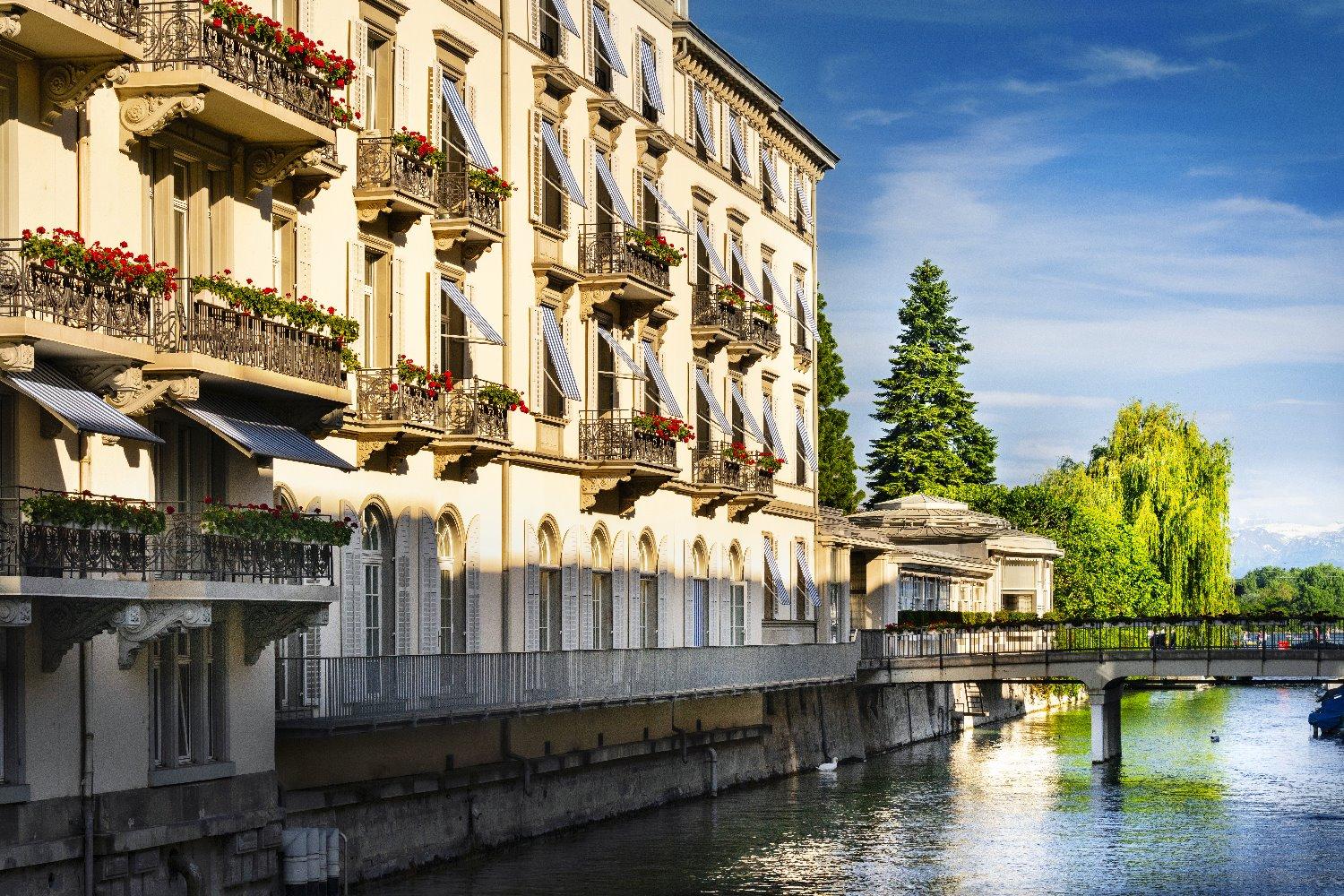
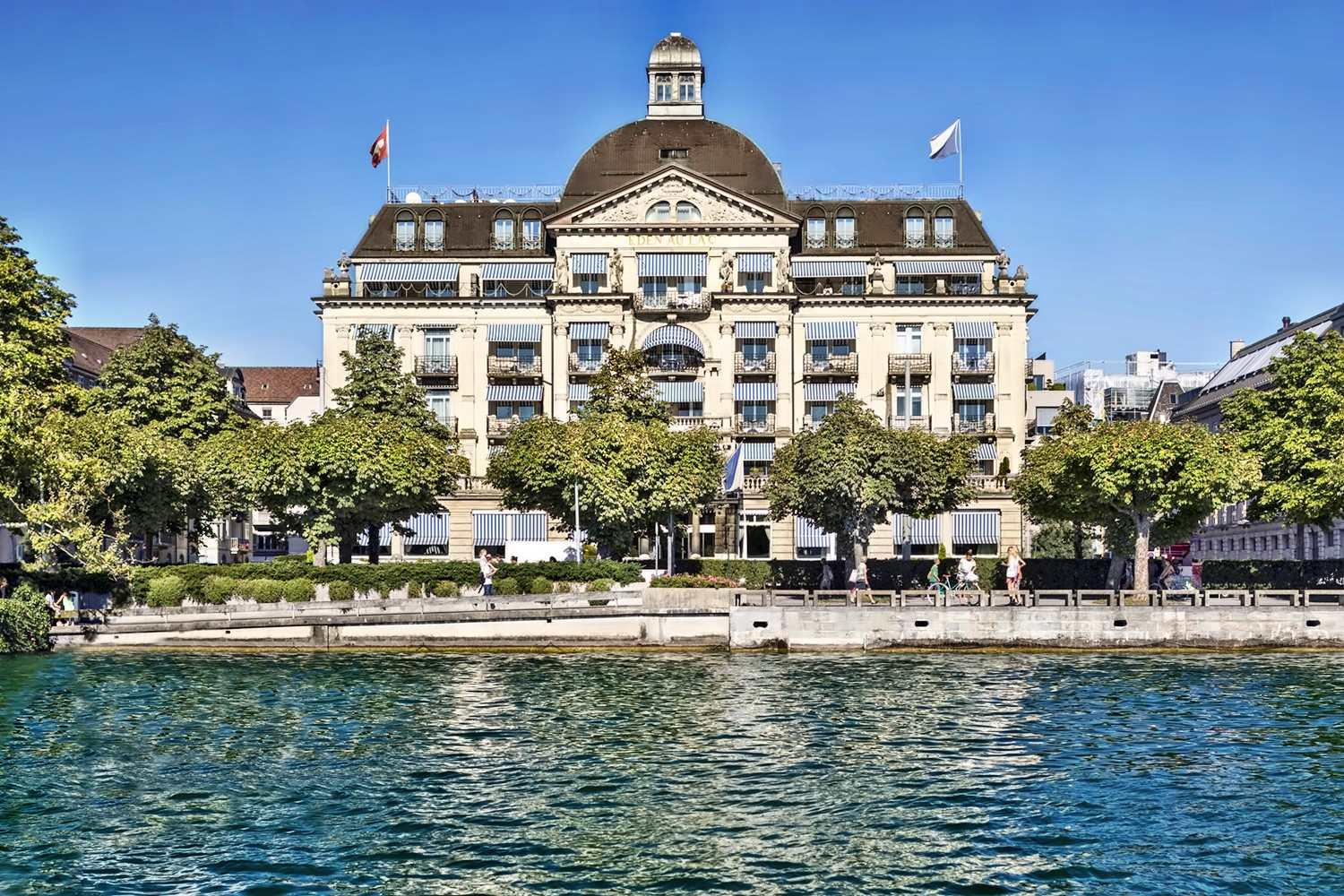
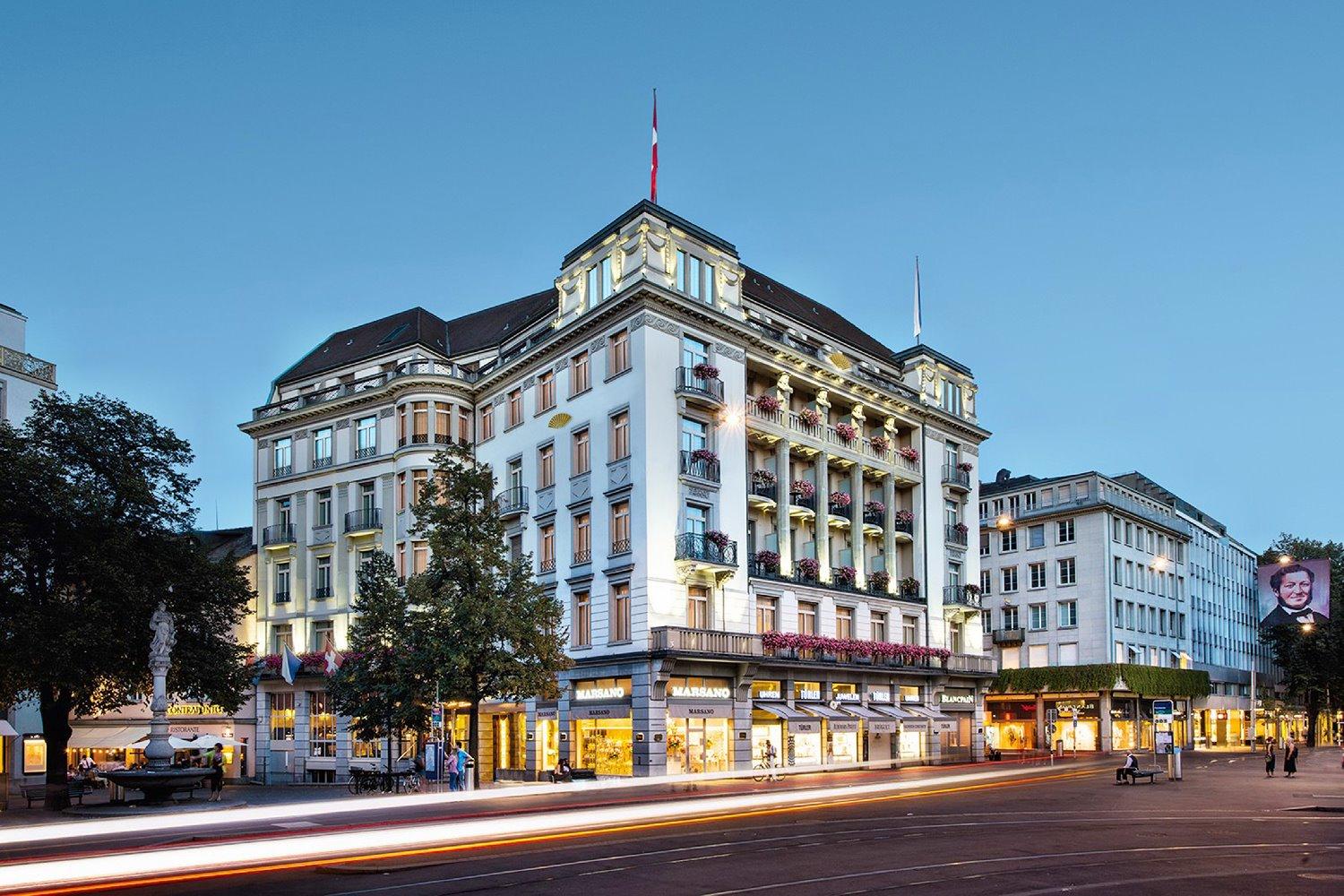
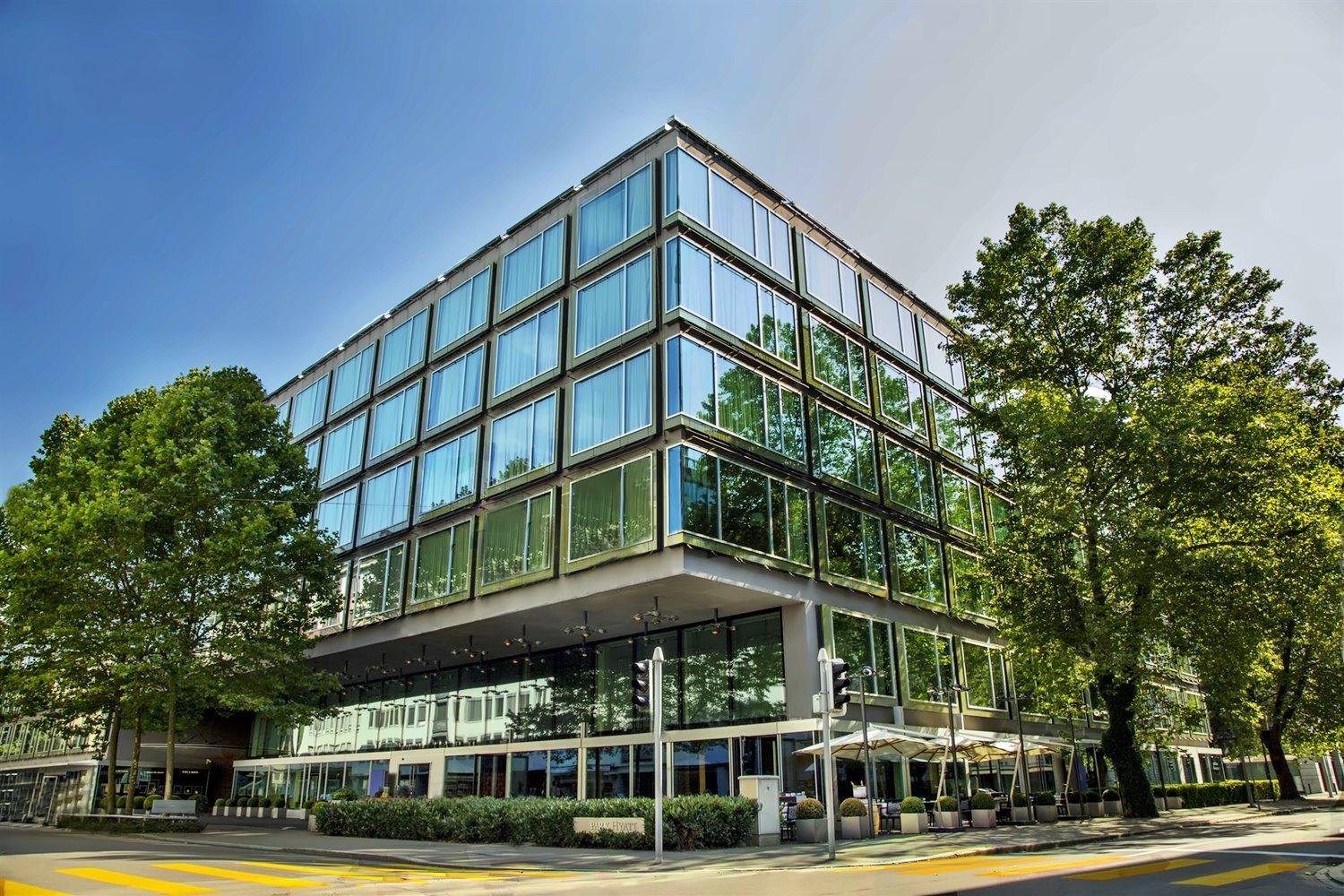
Virtuoso hotels in Switzerland: plan cities, lakes and the Alps with precision
Switzerland rewards precision more than speed. Its 38 listed Virtuoso hotels span 17 destinations, from the international gateways of Zurich and Geneva to lakeside Lucerne, Lausanne, Ascona and Vitznau. And onward to high-altitude stays in Zermatt, St. Moritz, Gstaad, Andermatt and Davos. Distances look short on a map, yet mountain railways, lake geography. Seasonal road closures and the final hotel transfer determine whether an itinerary feels effortless or over-engineered.
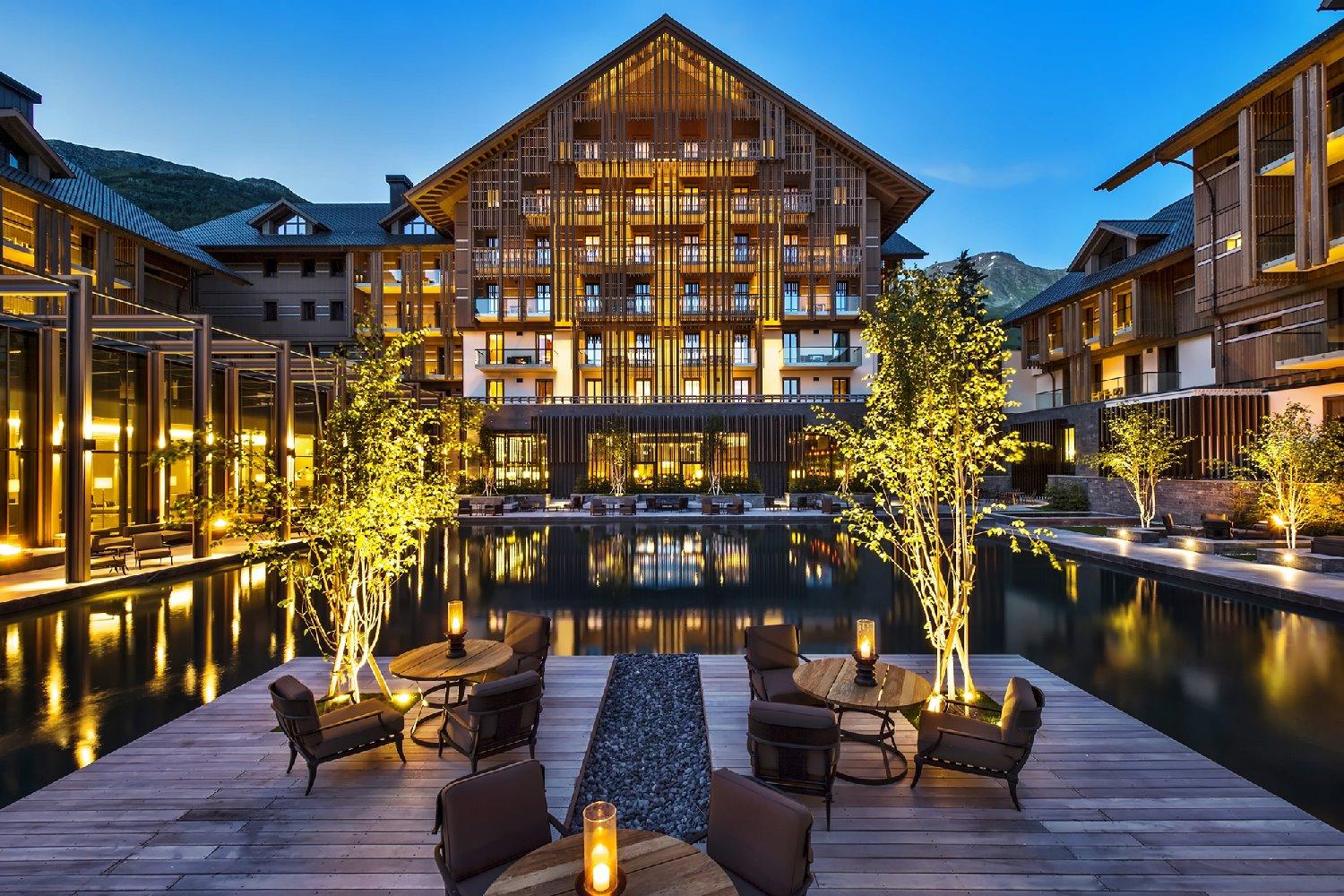
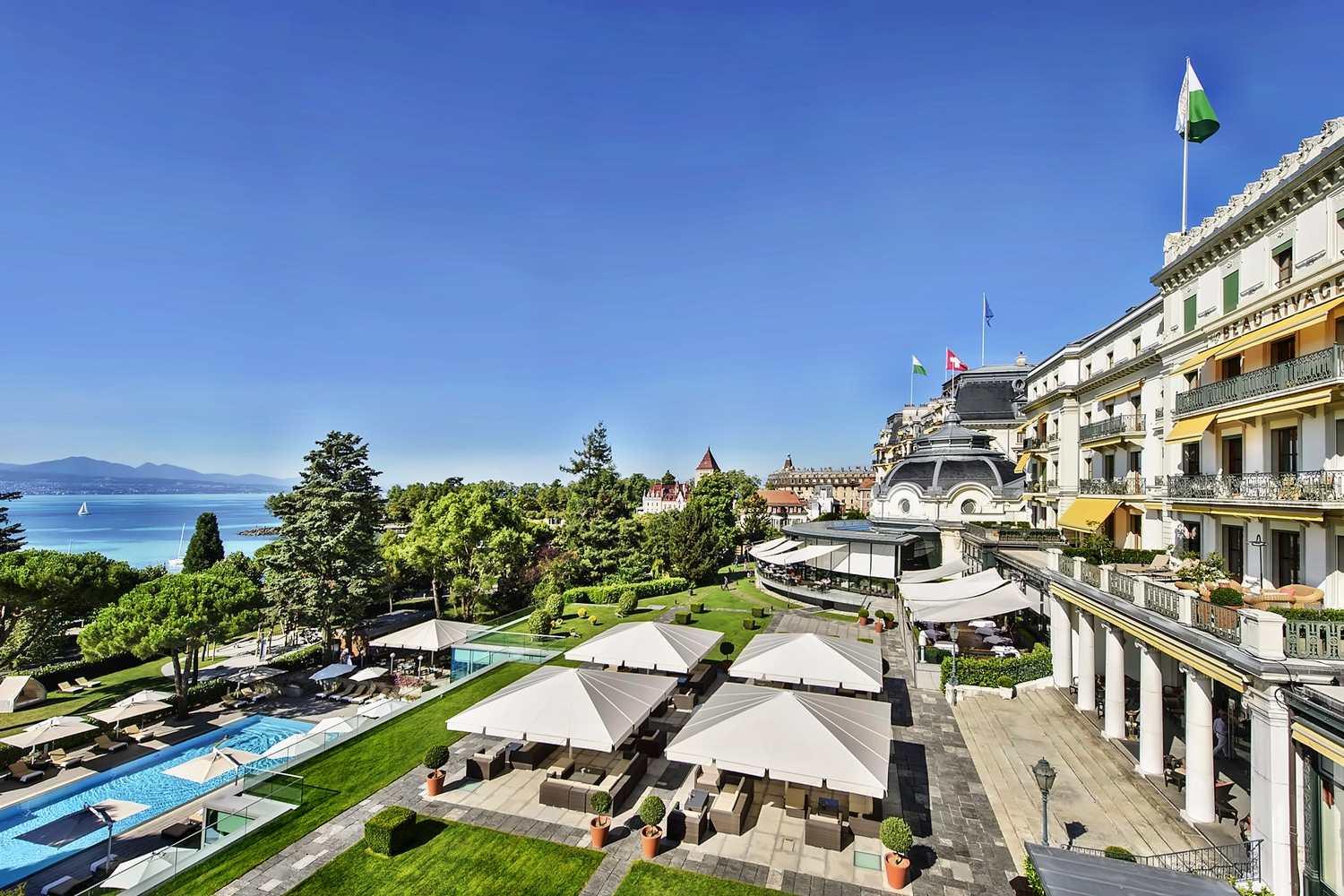
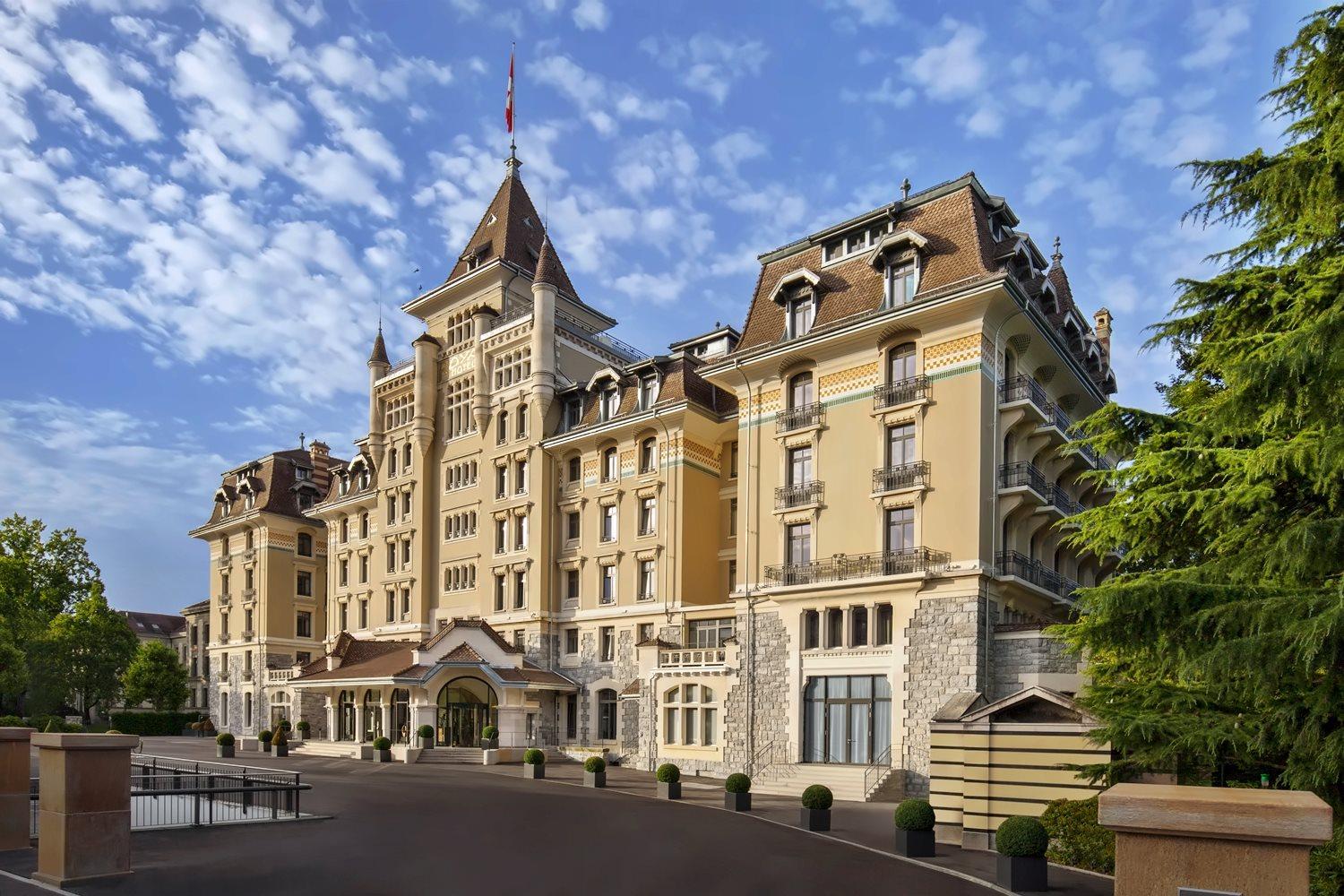
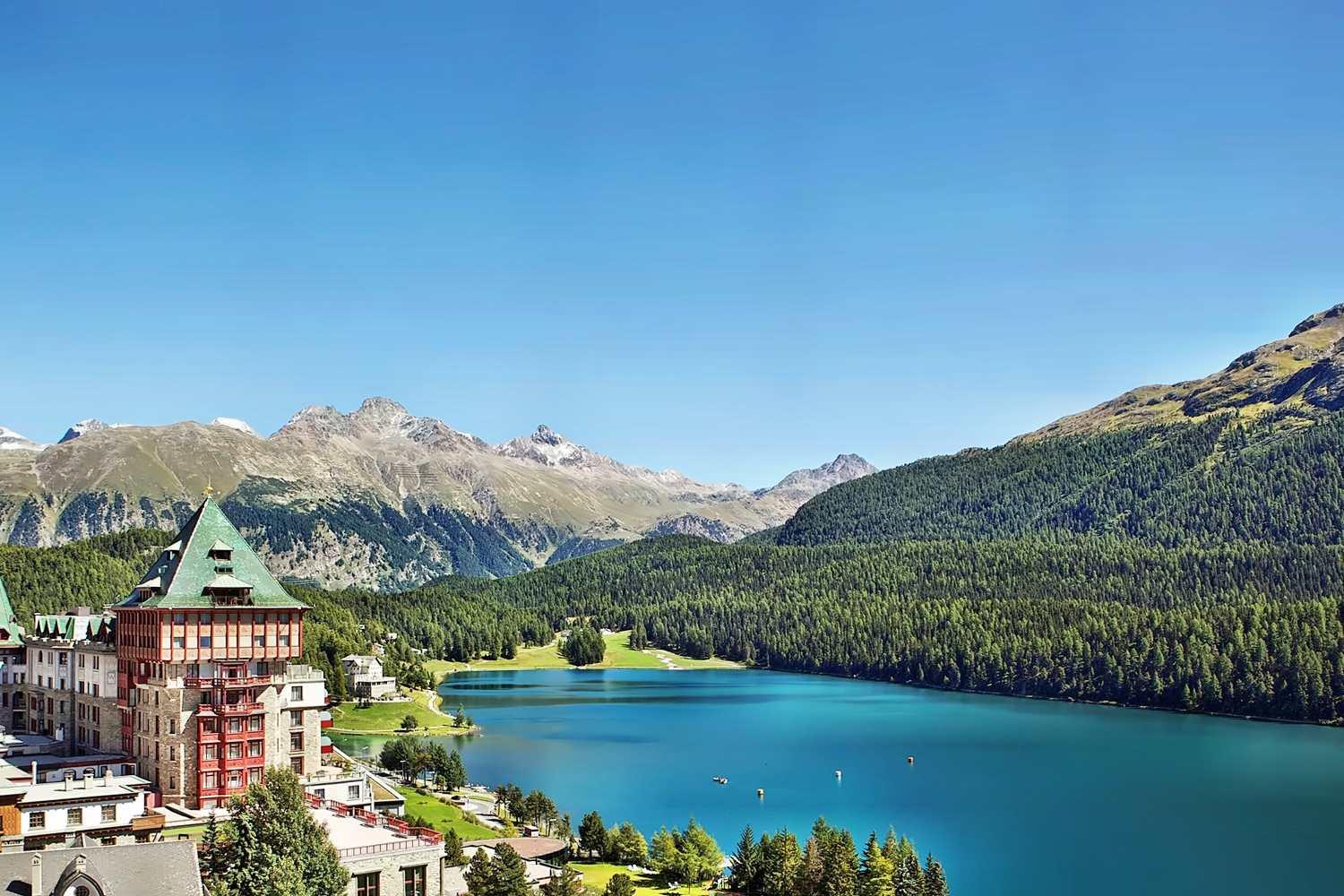
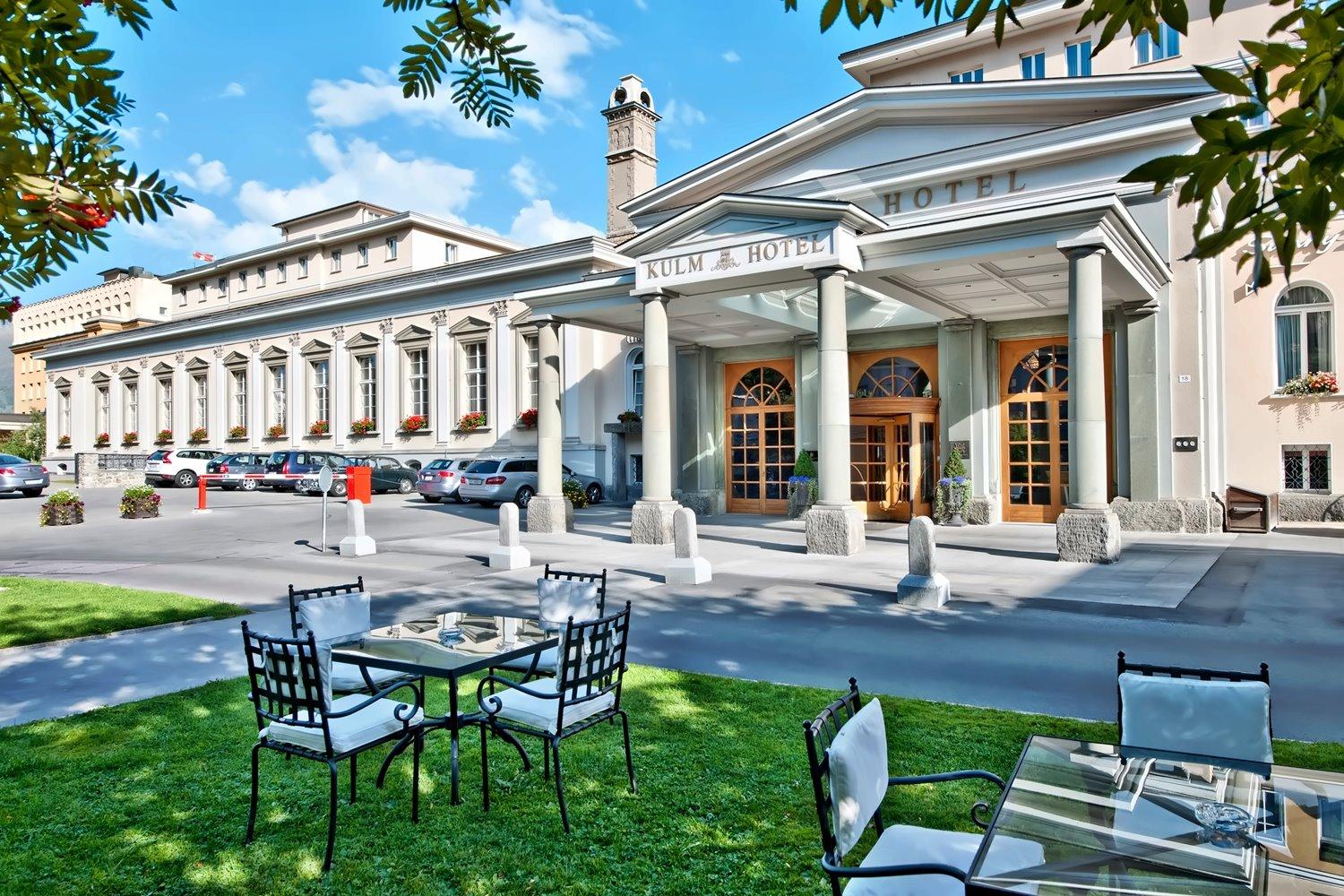
Build the journey around two or three compatible regions. Then choose hotels for the role they must perform. Baur au Lac or Mandarin Oriental Savoy can anchor Zurich. Beau-Rivage Palace gives Lausanne a lake-focused rhythm. The Chedi Andermatt supports a mountain retreat. and Badrutt's Palace or Kulm Hotel makes St. Moritz a destination rather than a stop. Confirm room outlook, rail and luggage logistics, dining and Virtuoso amenities in writing before payment.
Choose a coherent Swiss geography
Treat the Alps as several different travel zones, not one interchangeable landscape. Zurich, Lucerne and the Bernese Oberland combine naturally. Geneva and Lausanne form a Lake Geneva chapter. Ticino links Lugano and Ascona. and the Engadin around St. Moritz deserves its own block. Zermatt is car-free. While Vals, Gstaad and Andermatt each involve a meaningful final approach.
Limit one-week journeys to two principal bases unless movement itself is the purpose. A practical eight-night example is three nights in Zurich or Lucerne. Followed by four nights in one Alpine base and a final night near the departure gateway. This protects the mountain stay without turning Bern, Basel or Lausanne into superficial checkmarks.
International gateways and rail-first mobility
Zurich and Geneva offer the broadest intercontinental access, with Basel useful for the north-west. Switzerland's rail network makes city-to-city travel unusually dependable. But ski villages and lakeside resorts still require careful last-mile planning. Reserve panoramic or mountain trains when required. Check engineering works. And decide whether luggage forwarding improves the day.
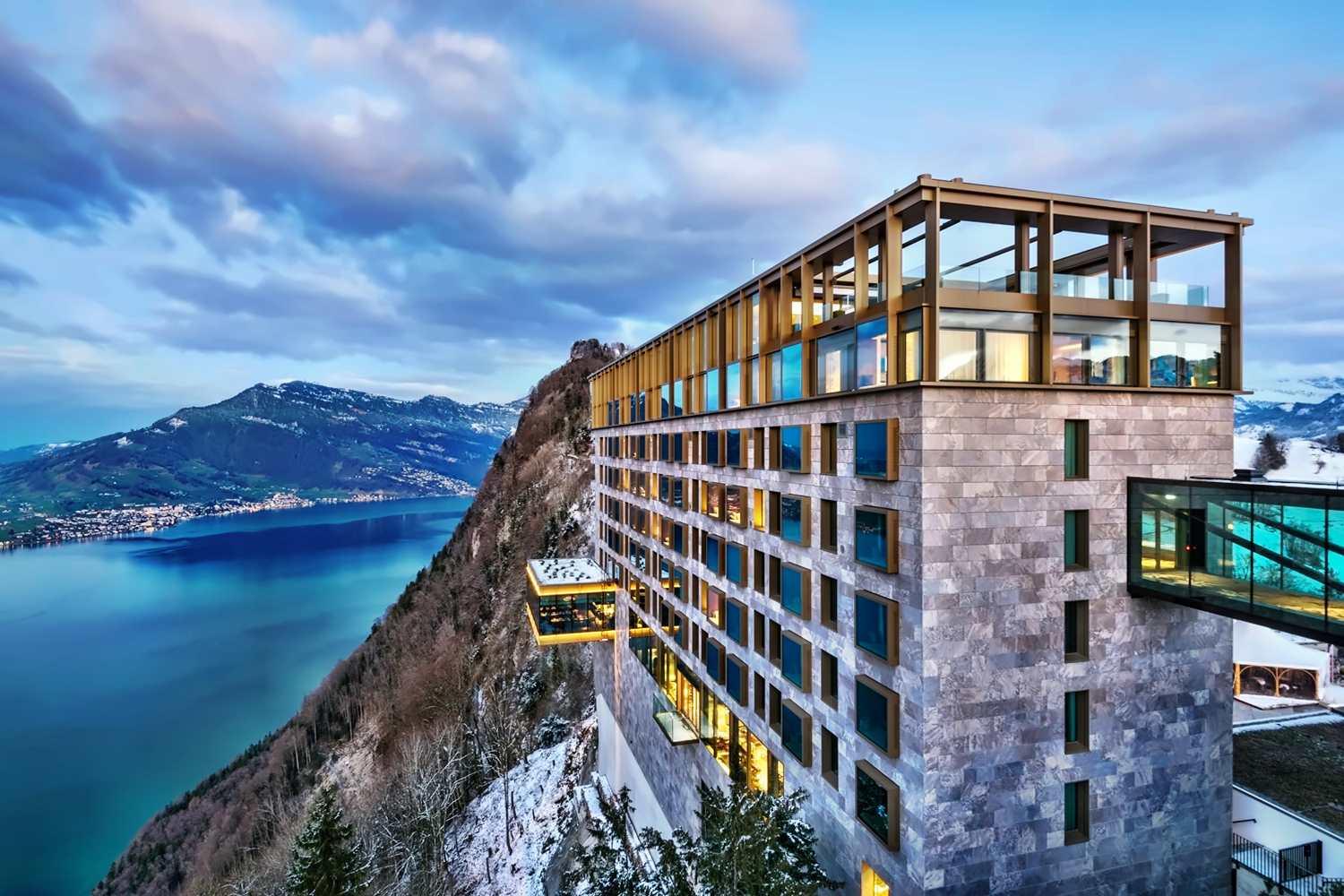
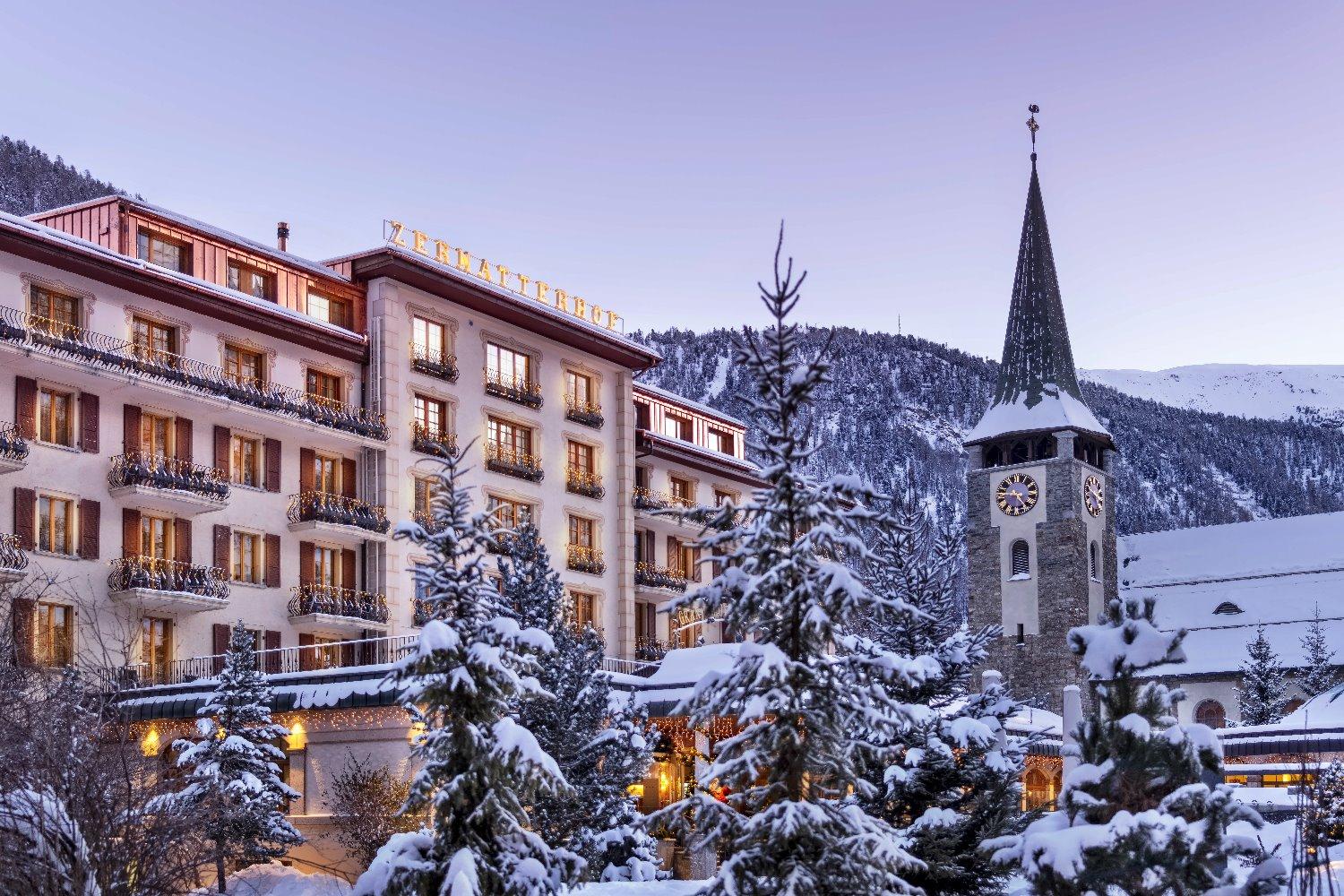
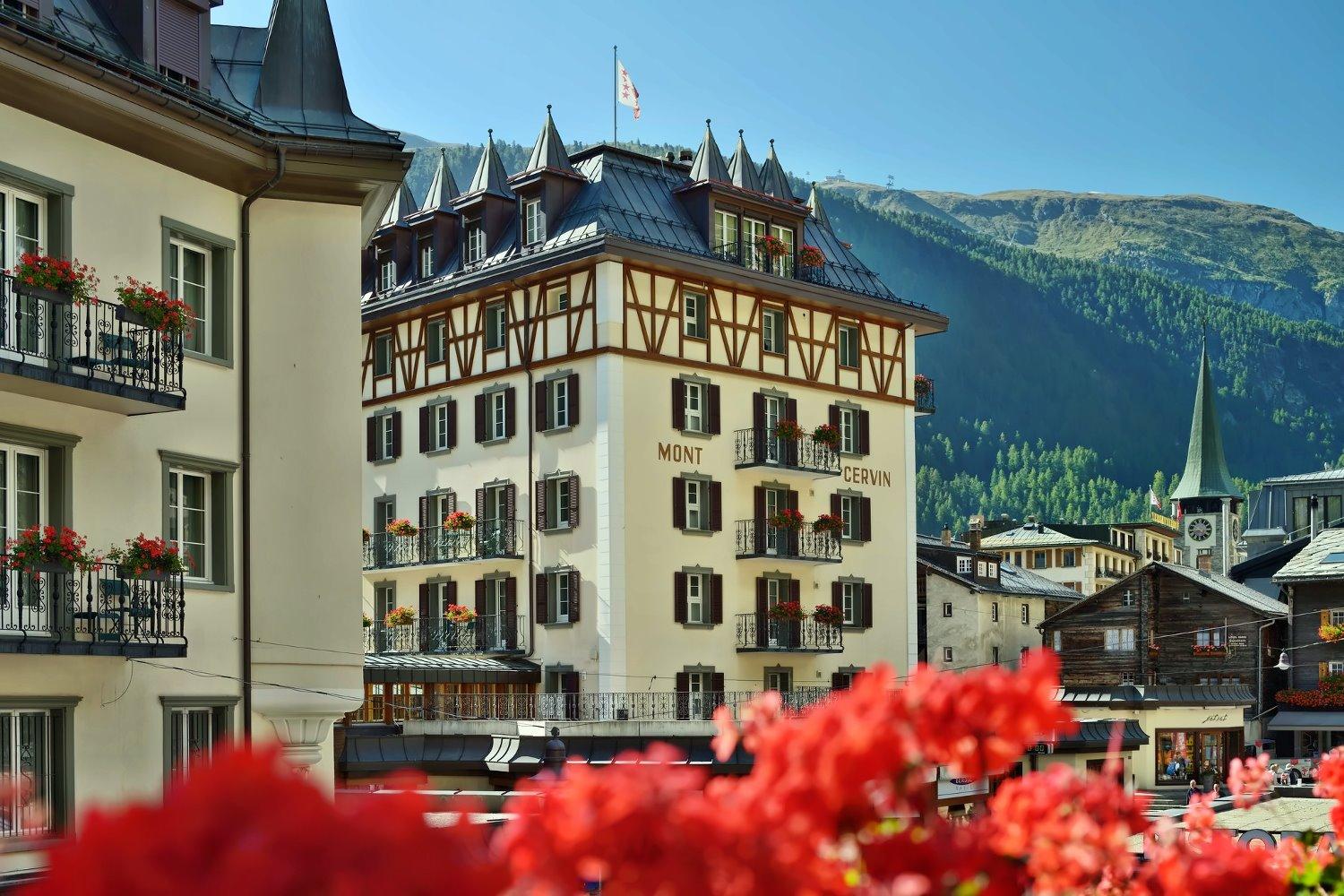
A private transfer can be sensible after a long flight or for a family. But it should solve a real constraint rather than replace an efficient train. For Zermatt. Compare the rail arrival and electric hotel pickup. for Burgenstock, coordinate boat, funicular or road access. for St. Moritz, assess the long rail approach against a regional flight and road transfer. The elegant option is the one with fewer fragile handoffs.
Match the season to the altitude
Winter is not uniform: reliable skiing depends on altitude and exposure. While festive weeks drive both rates and minimum stays. Summer opens hiking and lake life, yet thunderstorms can interrupt exposed routes. Spring and late autumn are quieter but some mountain railways, restaurants and resort facilities close between seasons. St. Moritz, Zermatt and Andermatt need different snow assumptions.
Lausanne, Lugano and Ascona can be attractive earlier, provided the exact hotel programme is confirmed. Ask the hotel which facilities operate on the exact dates, including outdoor pools, seasonal restaurants, children's programmes and guided activities. A lower shoulder-season rate loses value if the signature experience is unavailable or neighbouring construction changes the promised quiet.
Build around distinct hotel clusters
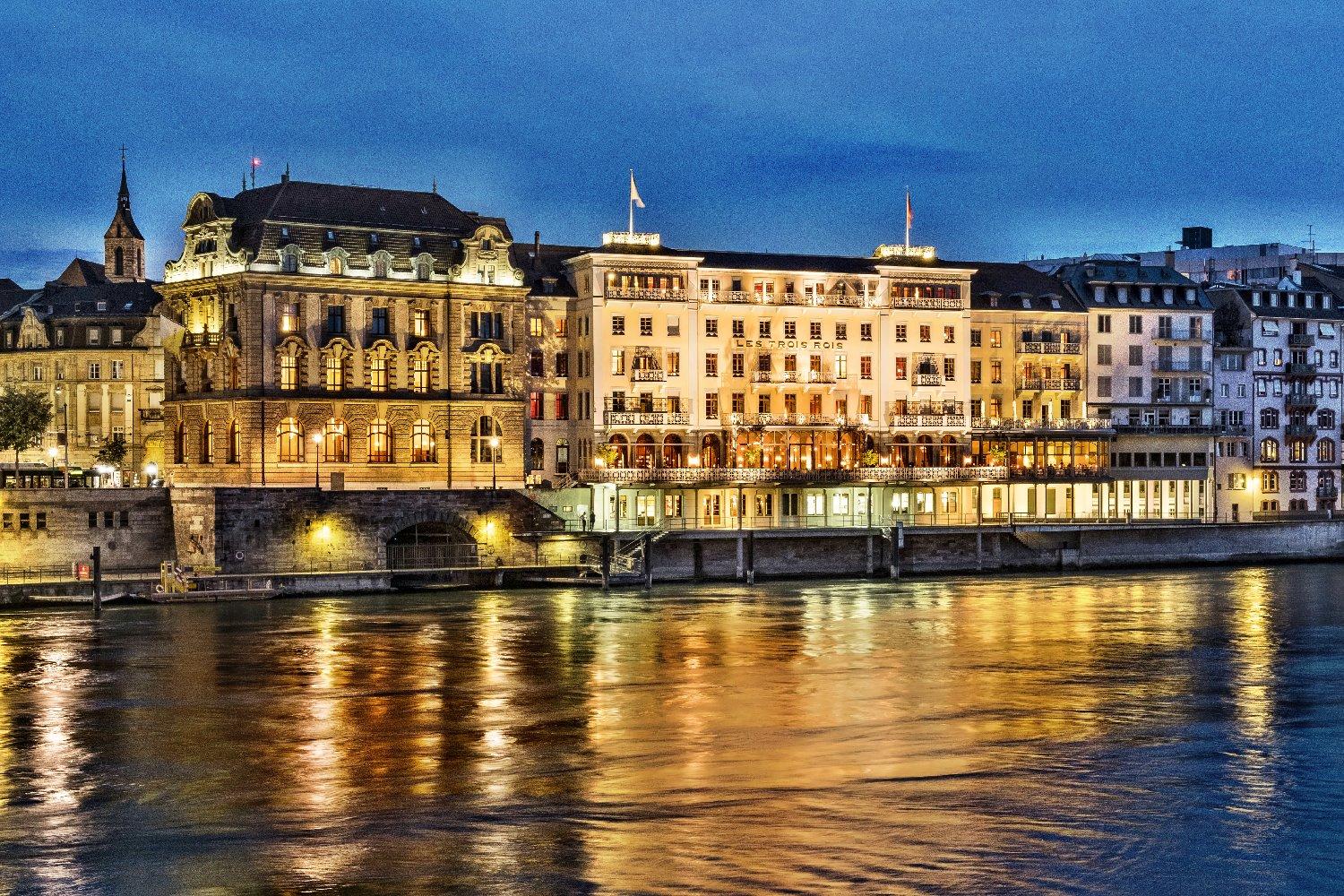
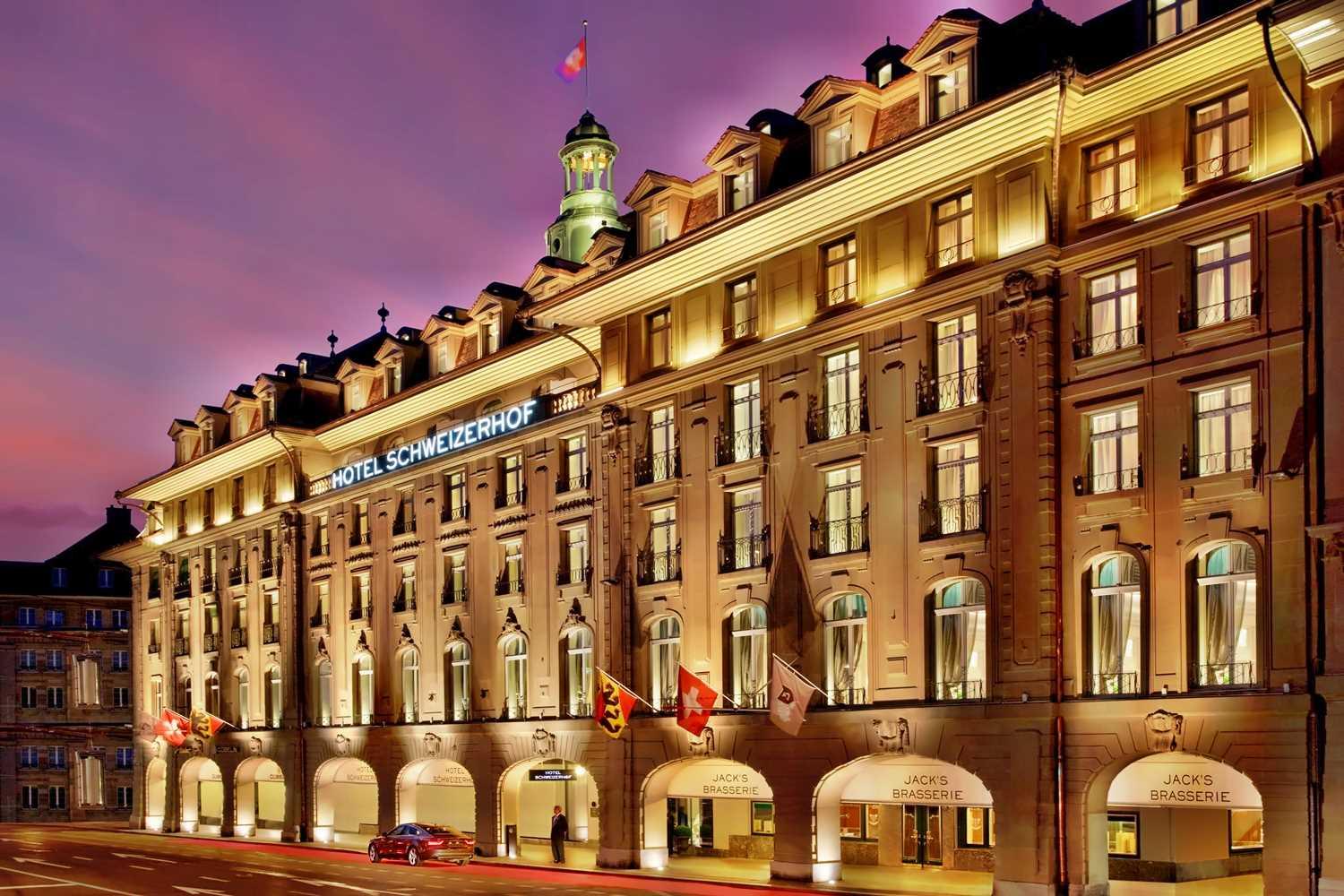
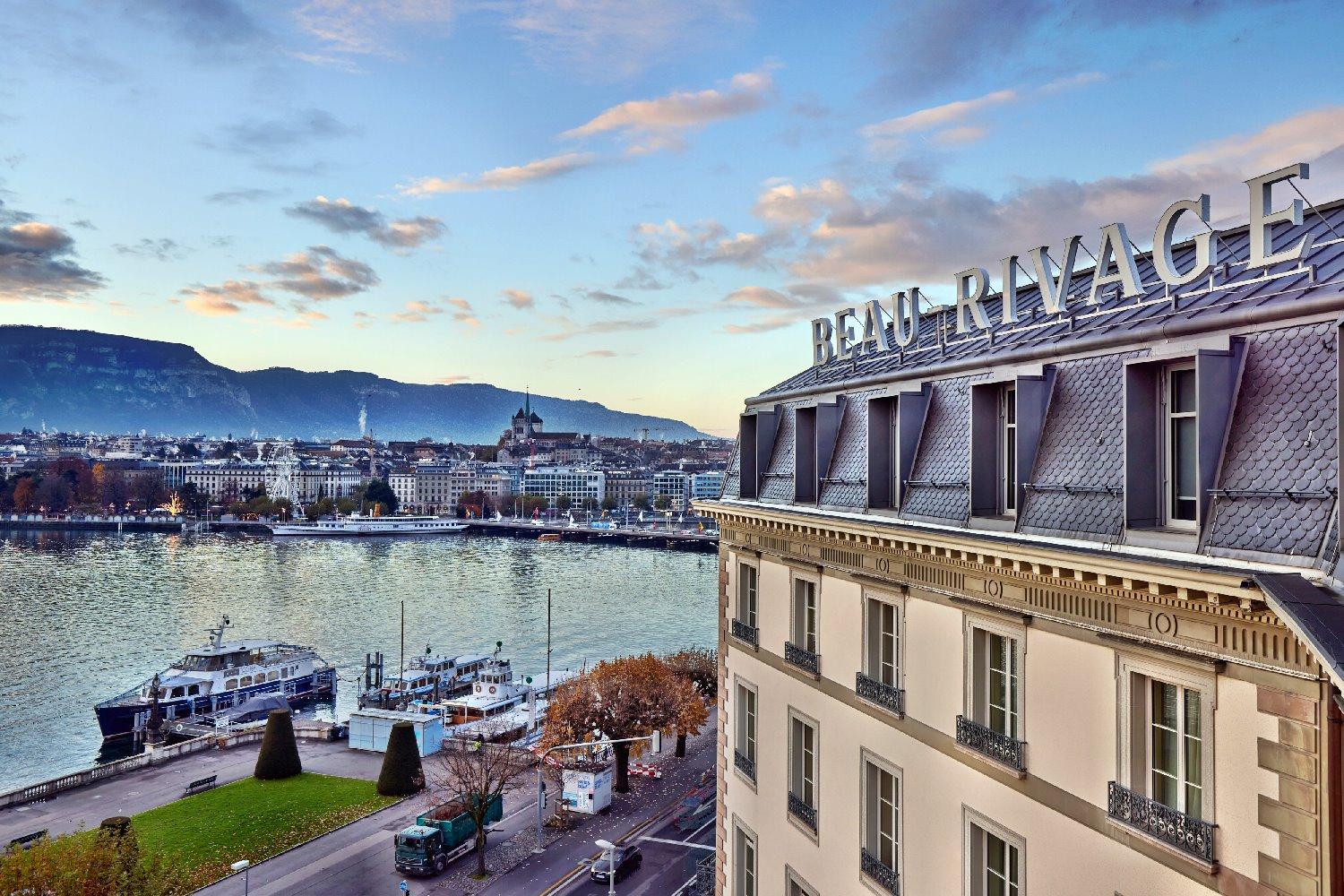
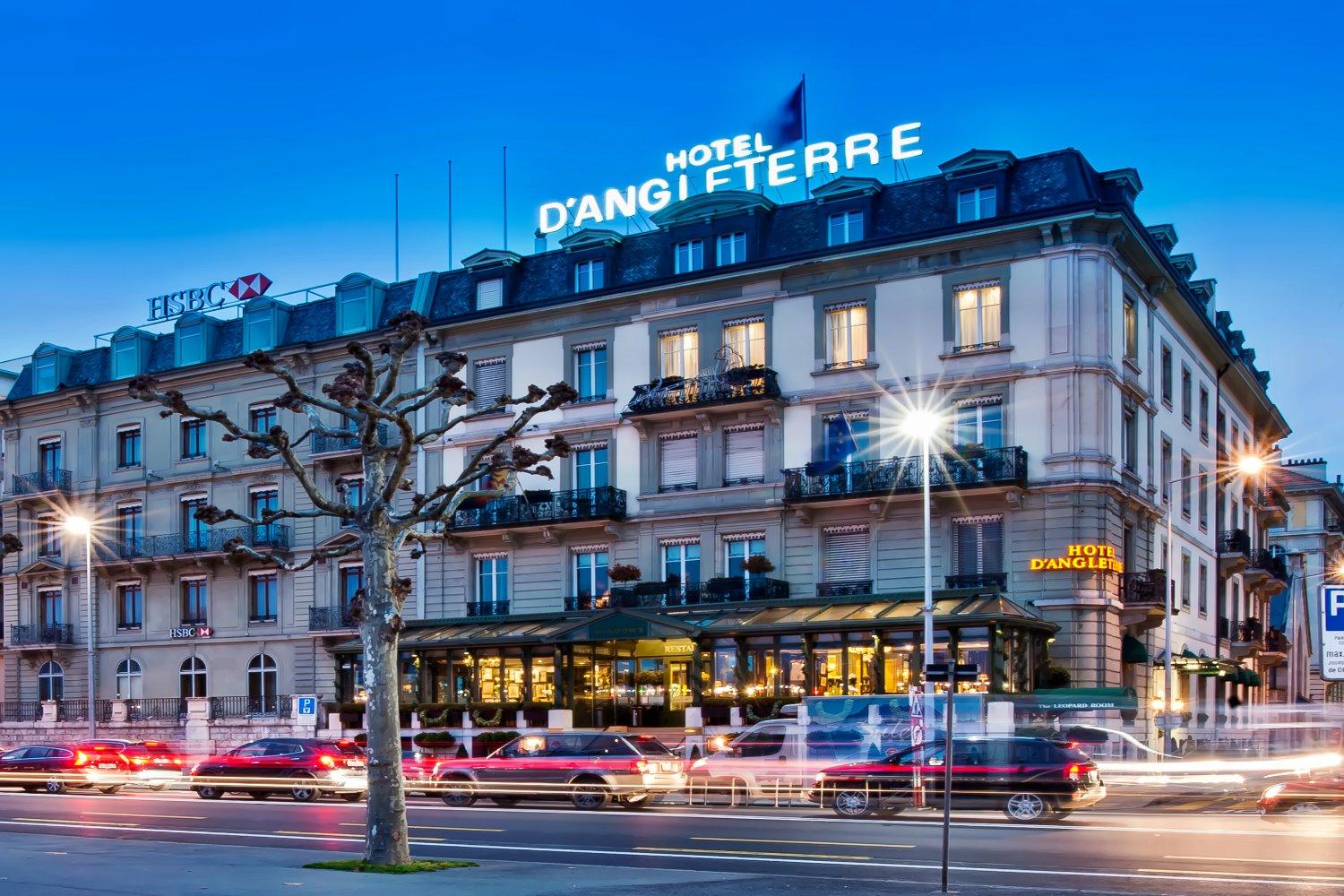
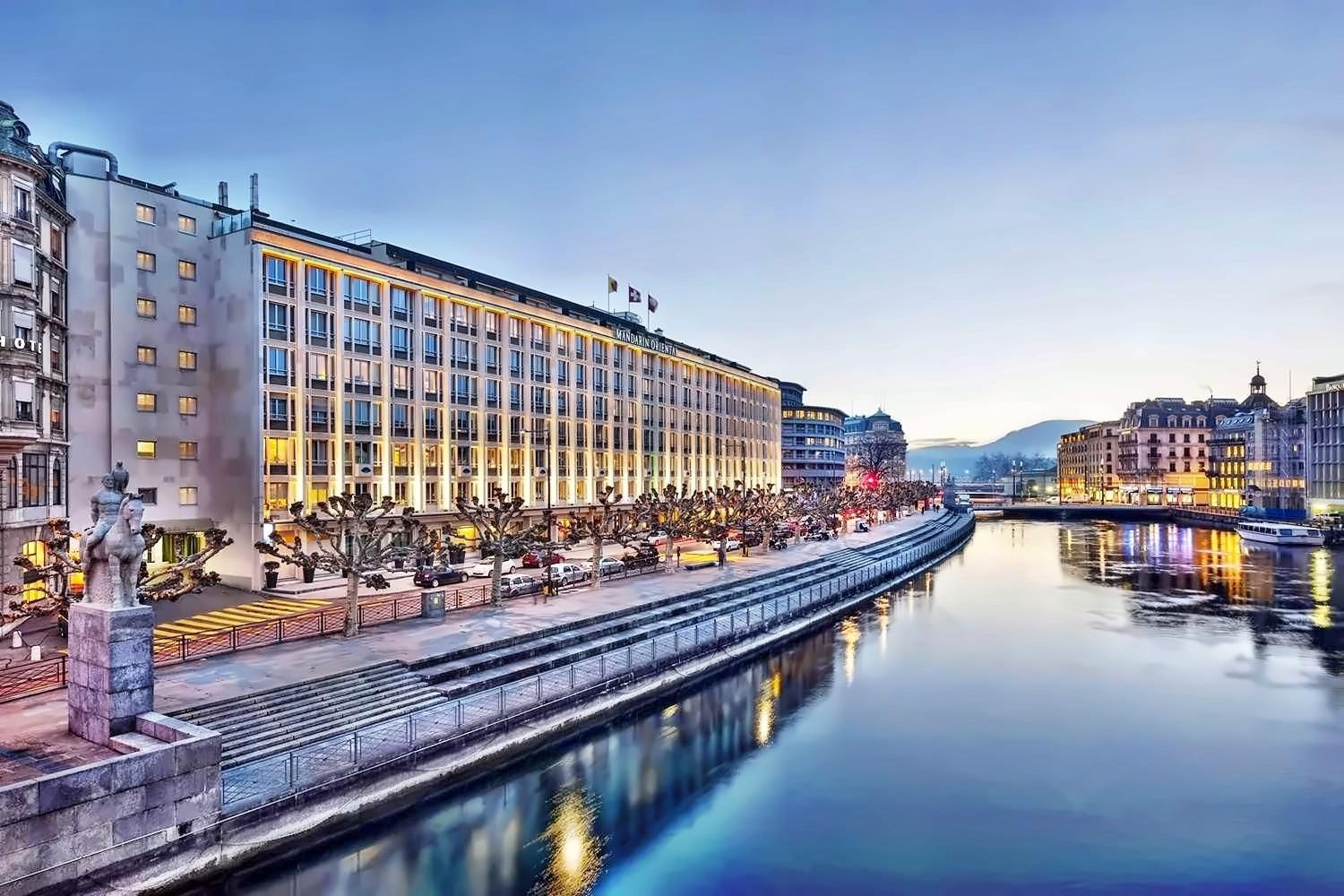
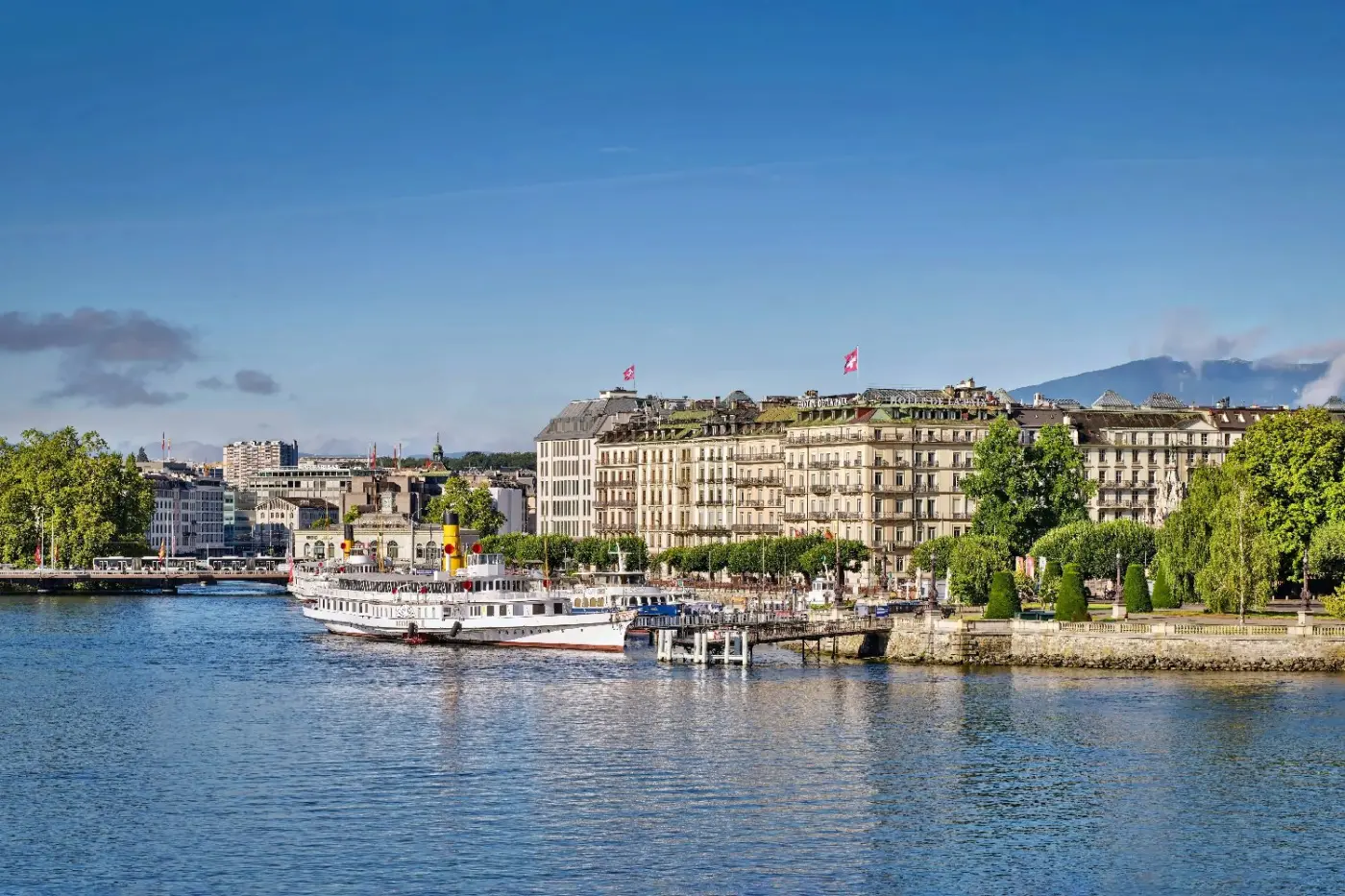
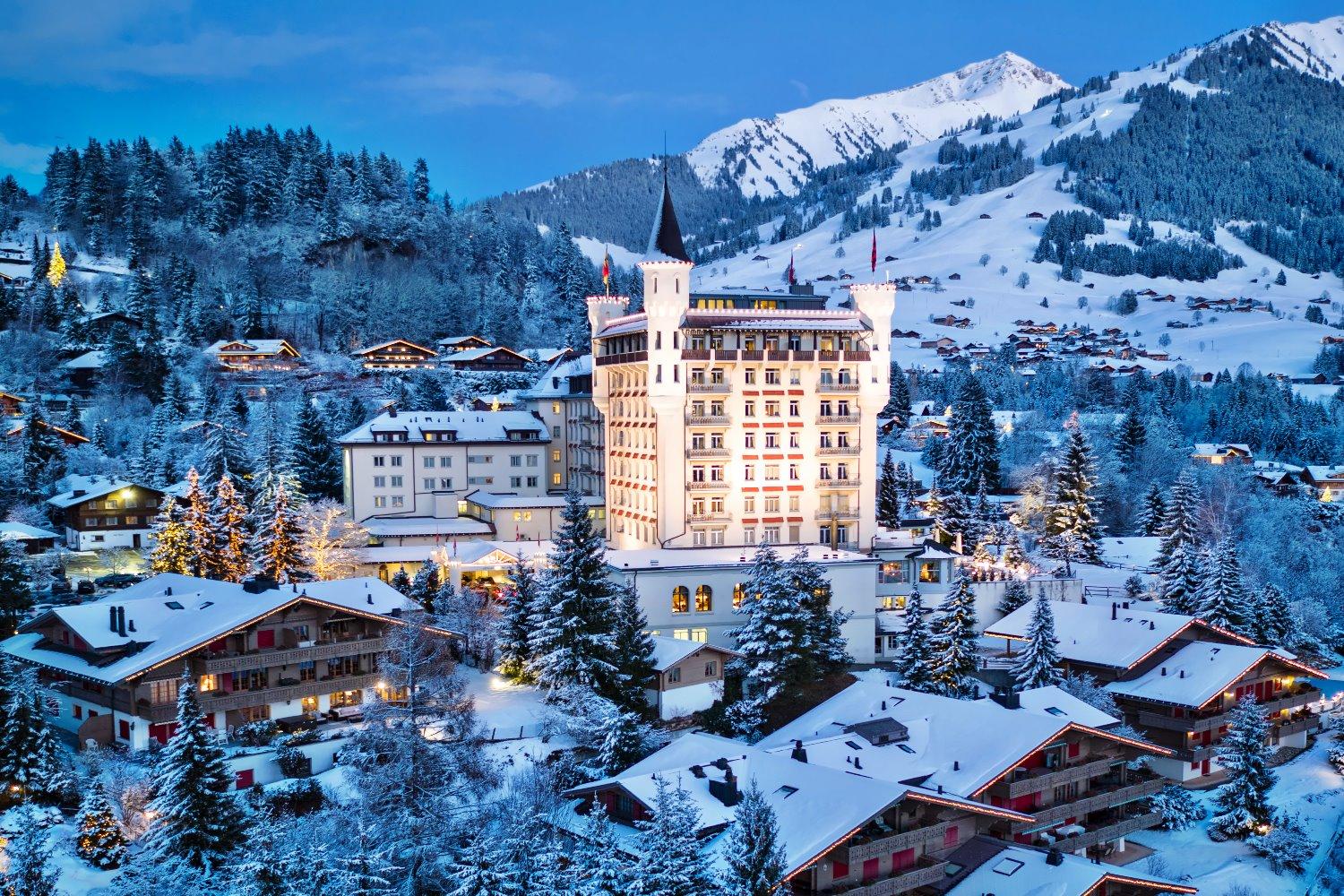
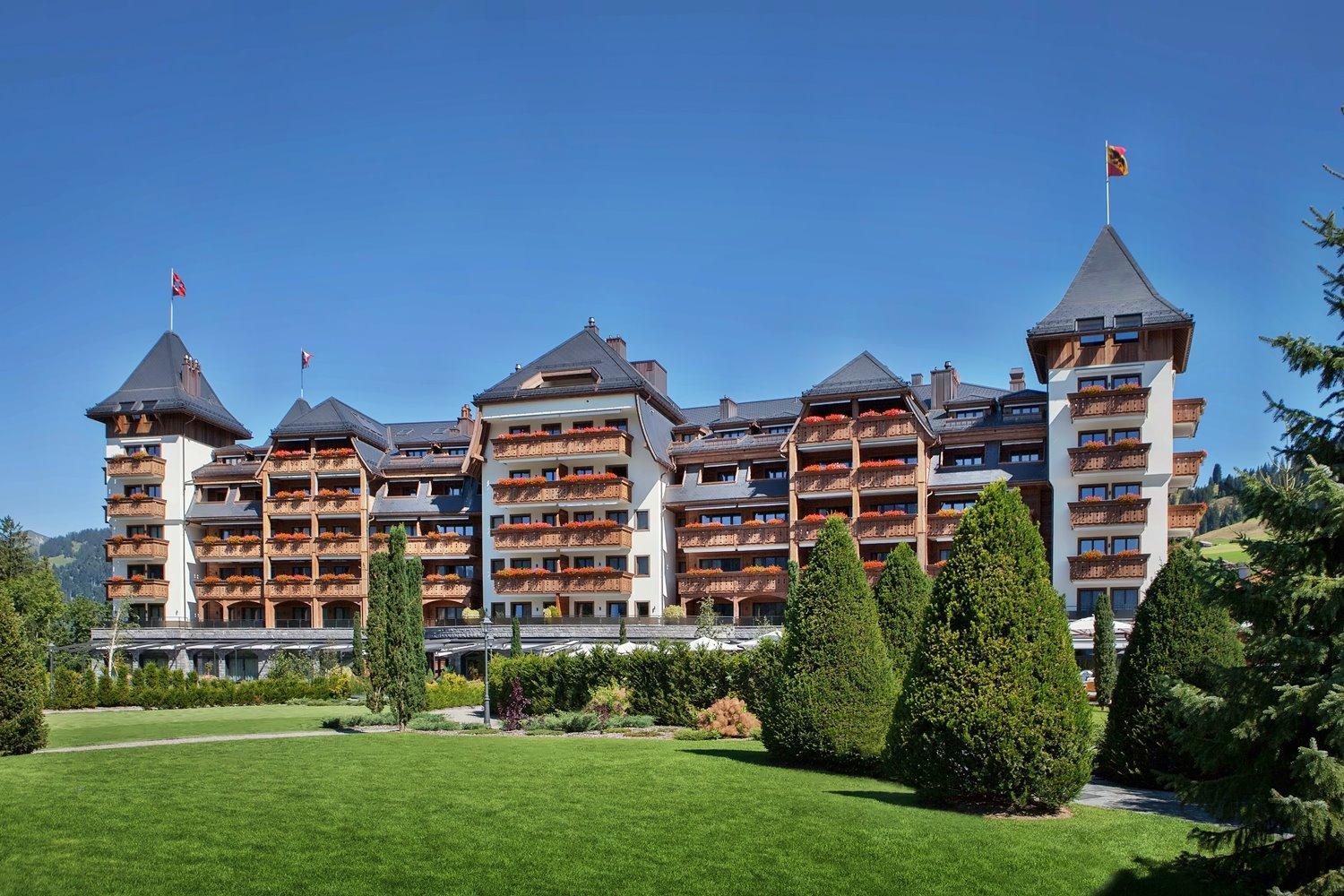
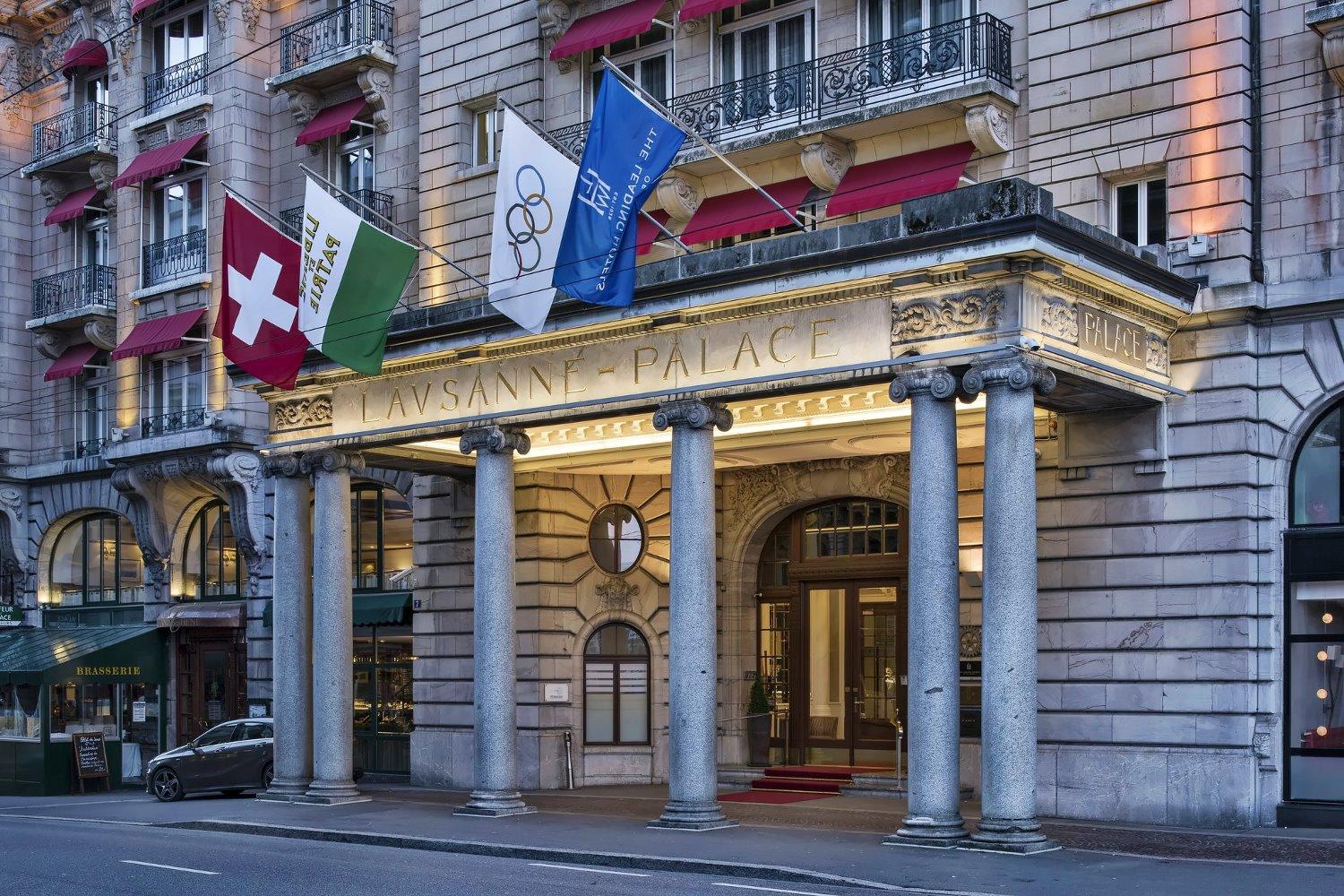
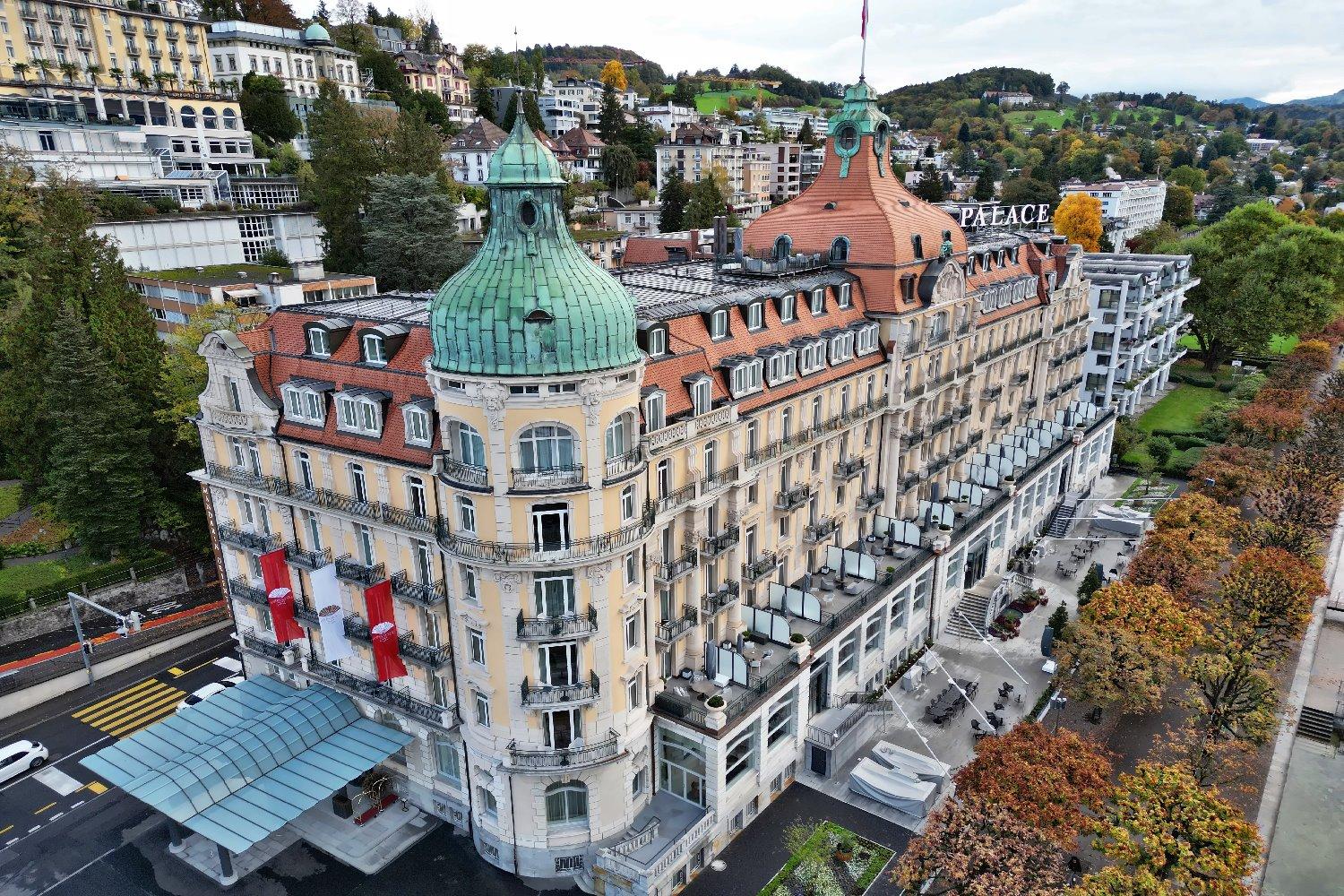
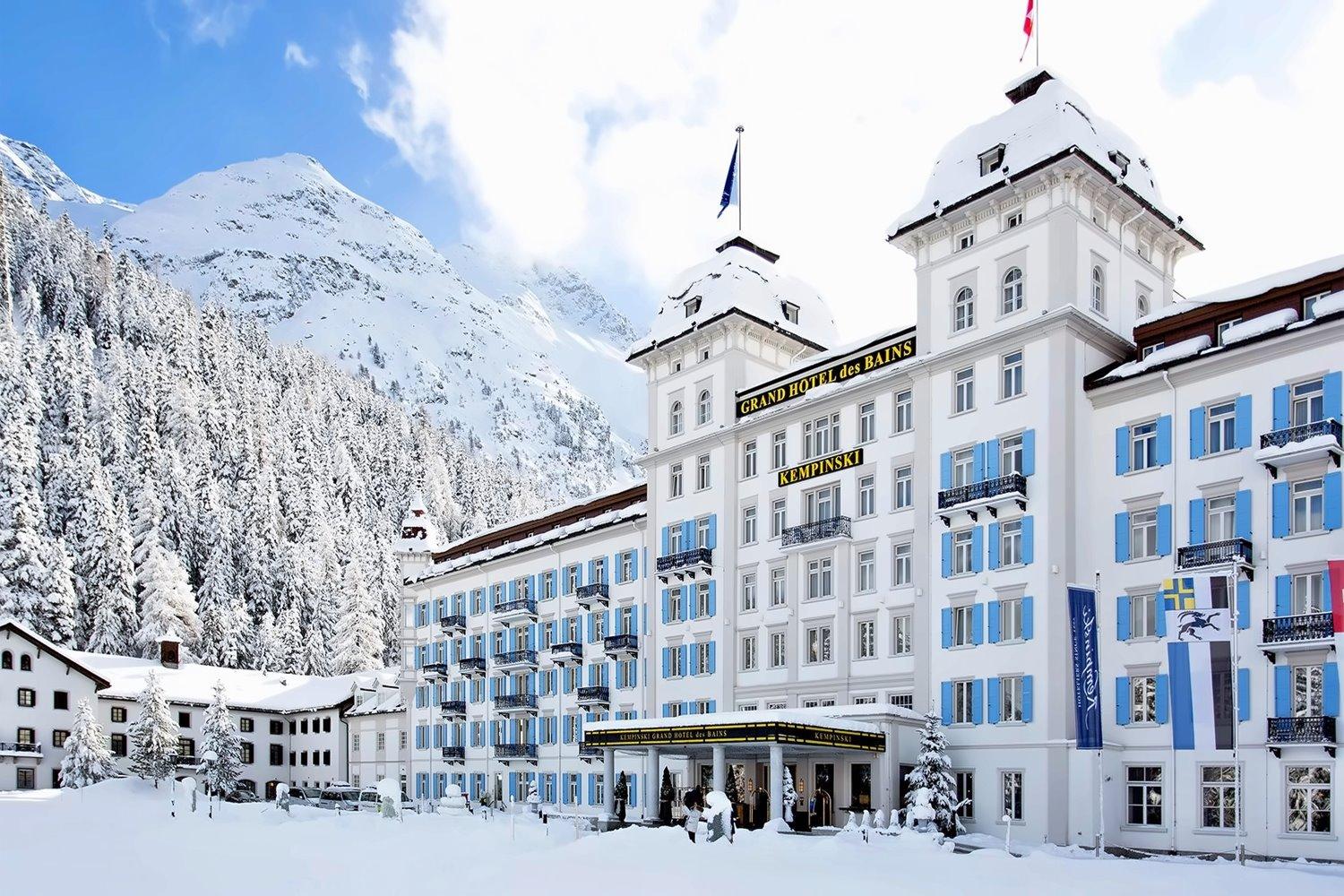
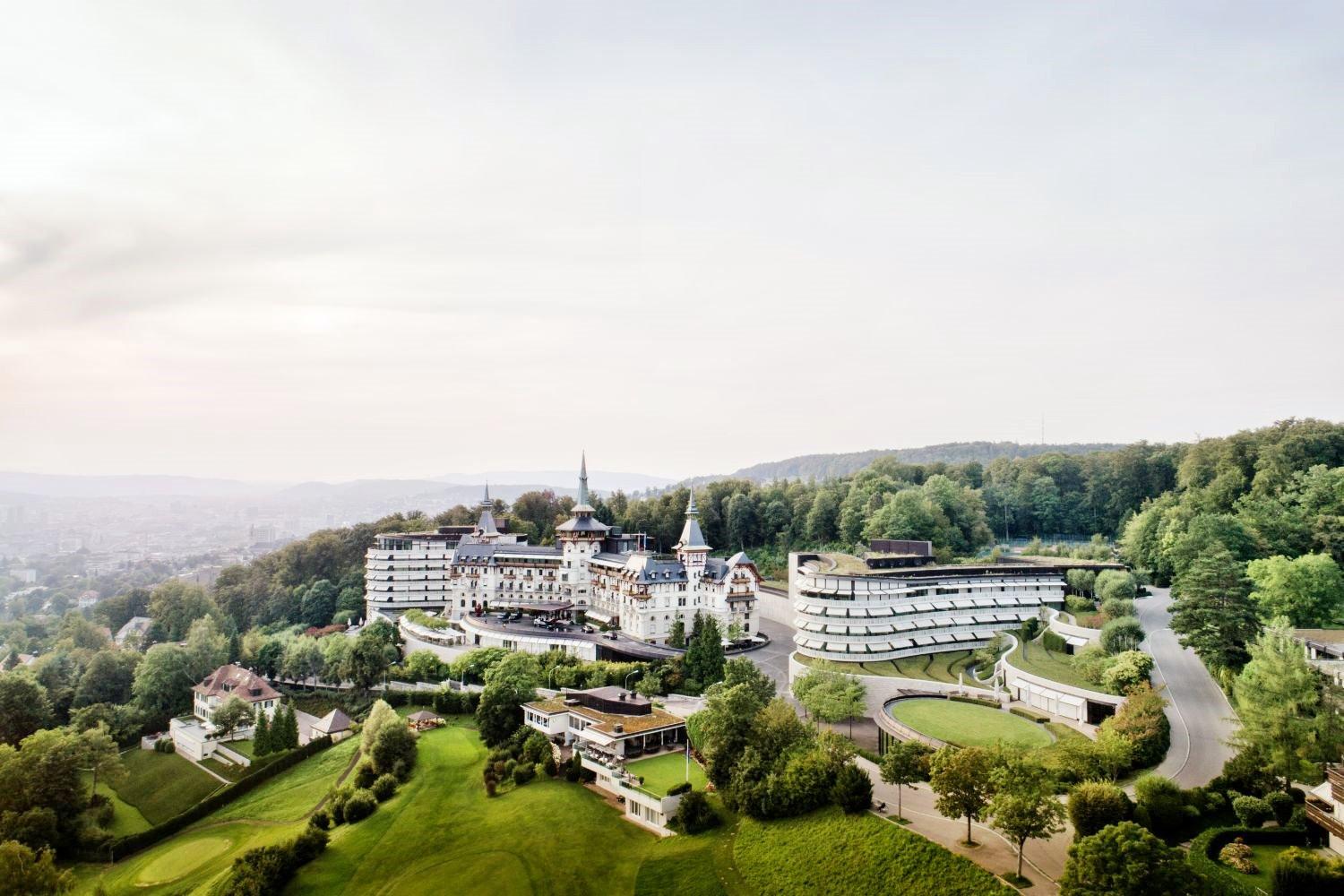
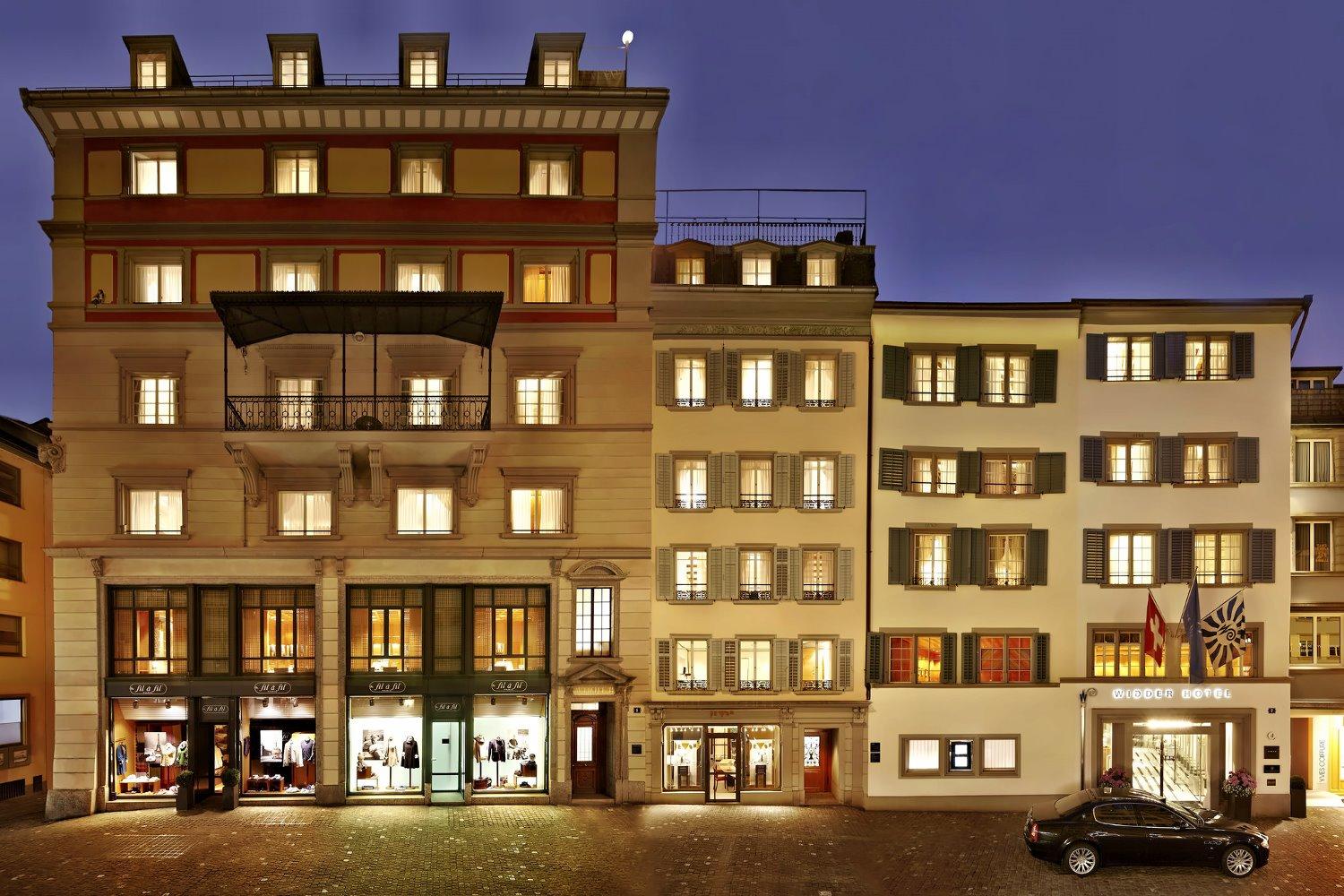
The local inventory supports different purposes. Geneva has Beau Rivage, La Reserve, Mandarin Oriental and other polished city options. Zurich ranges from Baur au Lac and Widder Hotel to The Dolder Grand. Lucerne combines Mandarin Oriental Palace with Burgenstock's resort ecosystem. In the Alps. Compare Gstaad Palace and The Alpina Gstaad, or Badrutt's Palace,
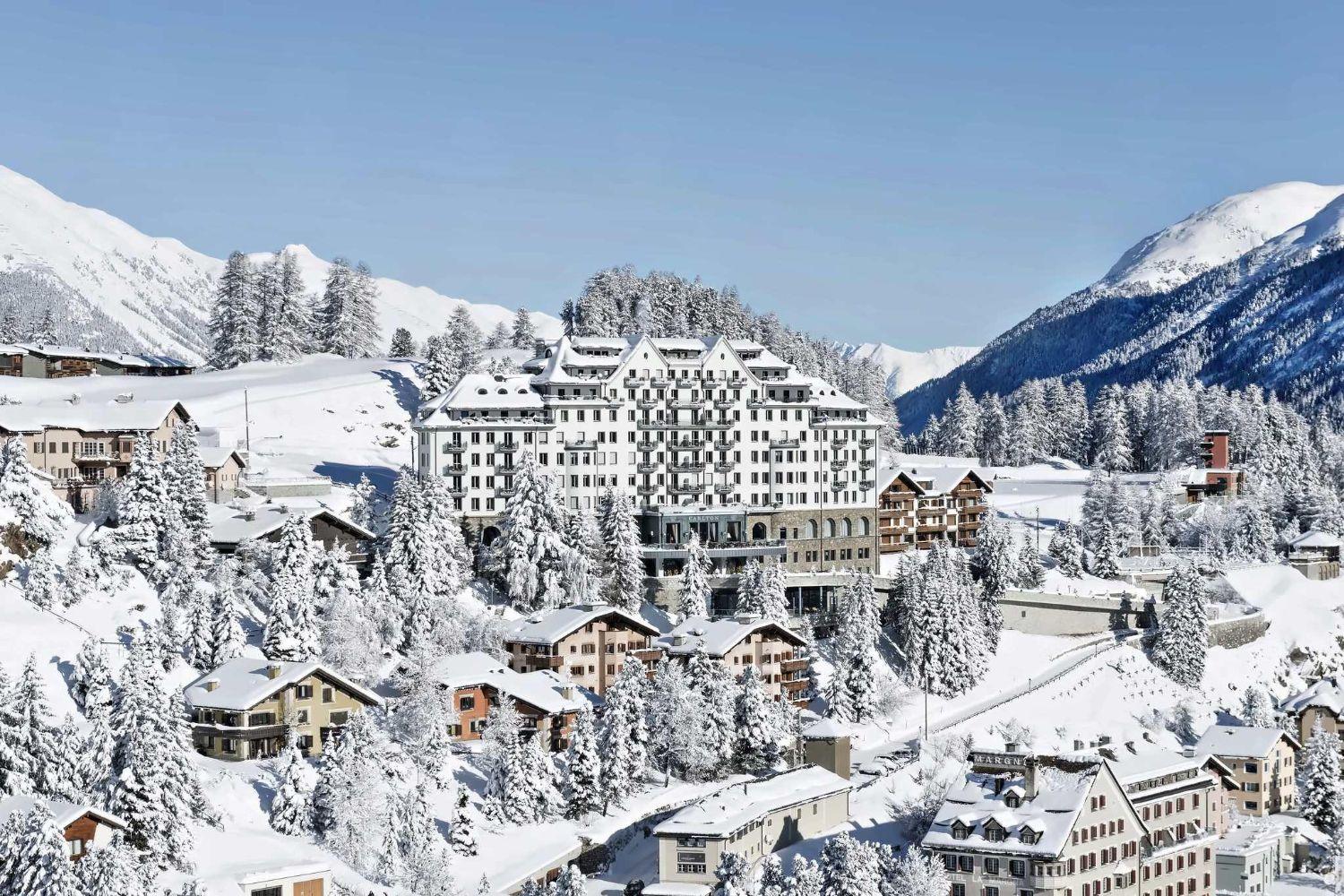
Carlton and Kulm in St. Moritz, by location and daily rhythm rather than star category alone. In Geneva or Zurich, location should follow the purpose of the stay: lakefront leisure, old-town walking, finance meetings or airport access. In Lausanne and Lugano, gradients and waterfront distance affect mobility. Resort names alone cannot answer these practical differences.
Select rooms by outlook and building
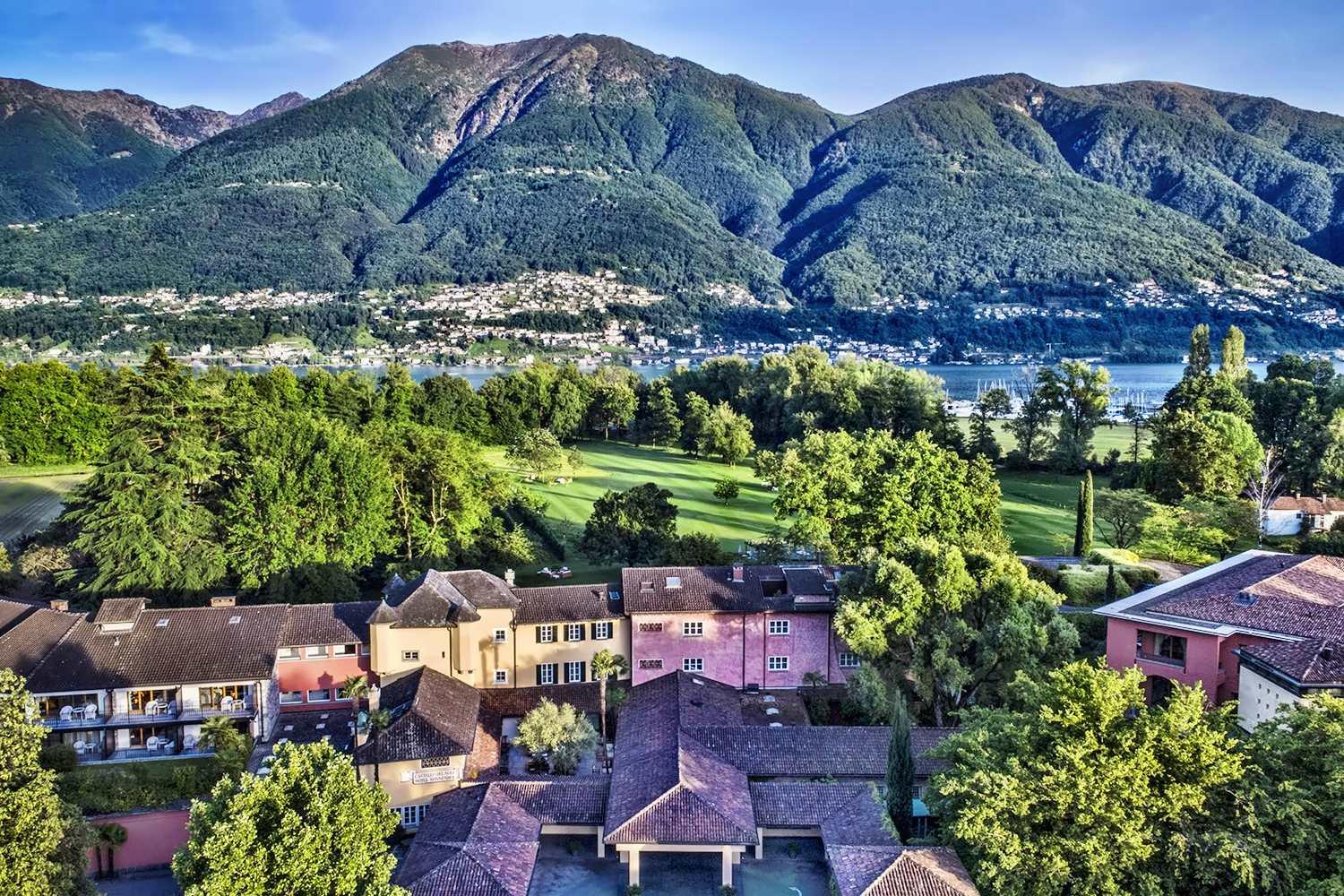
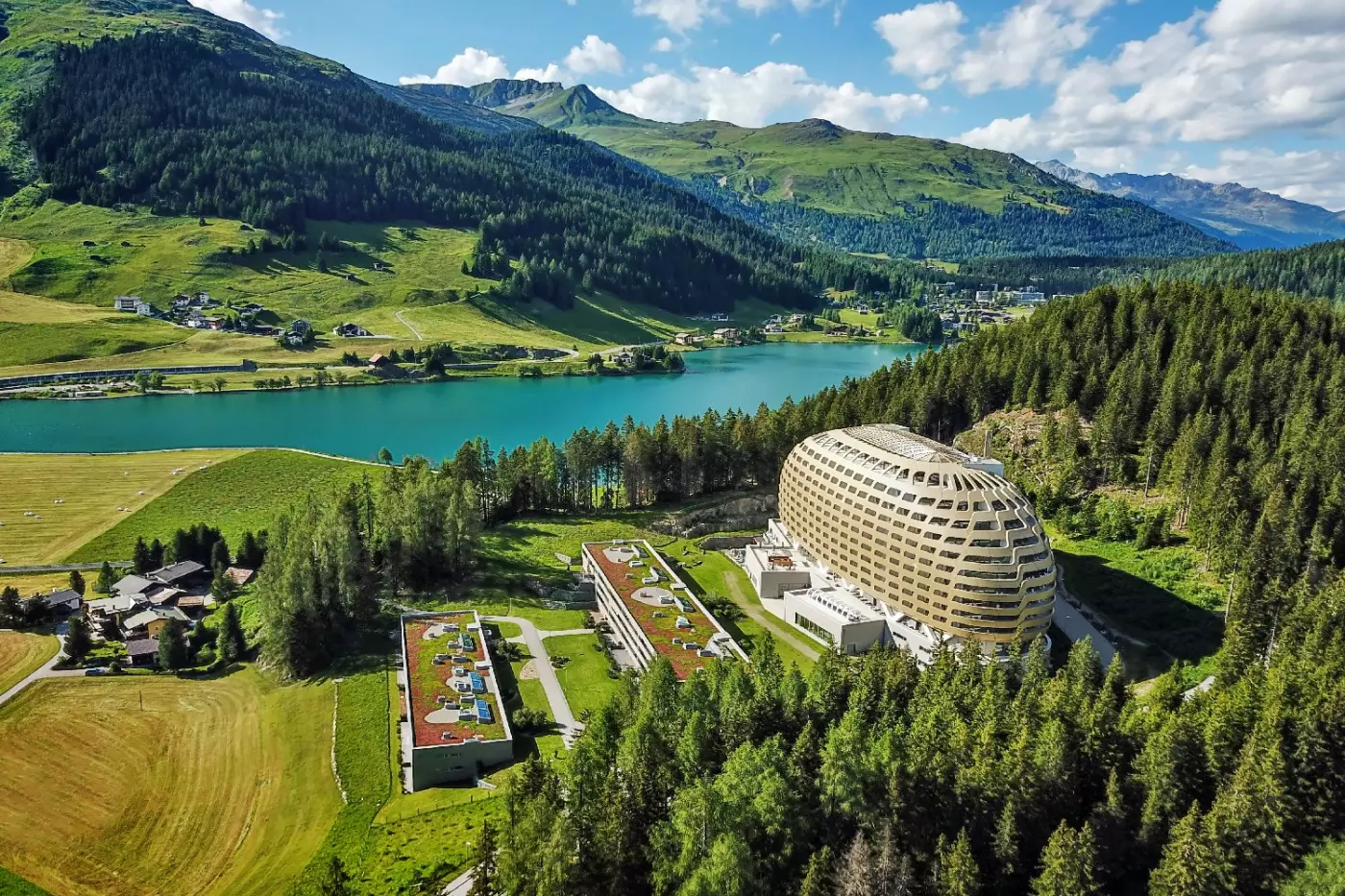
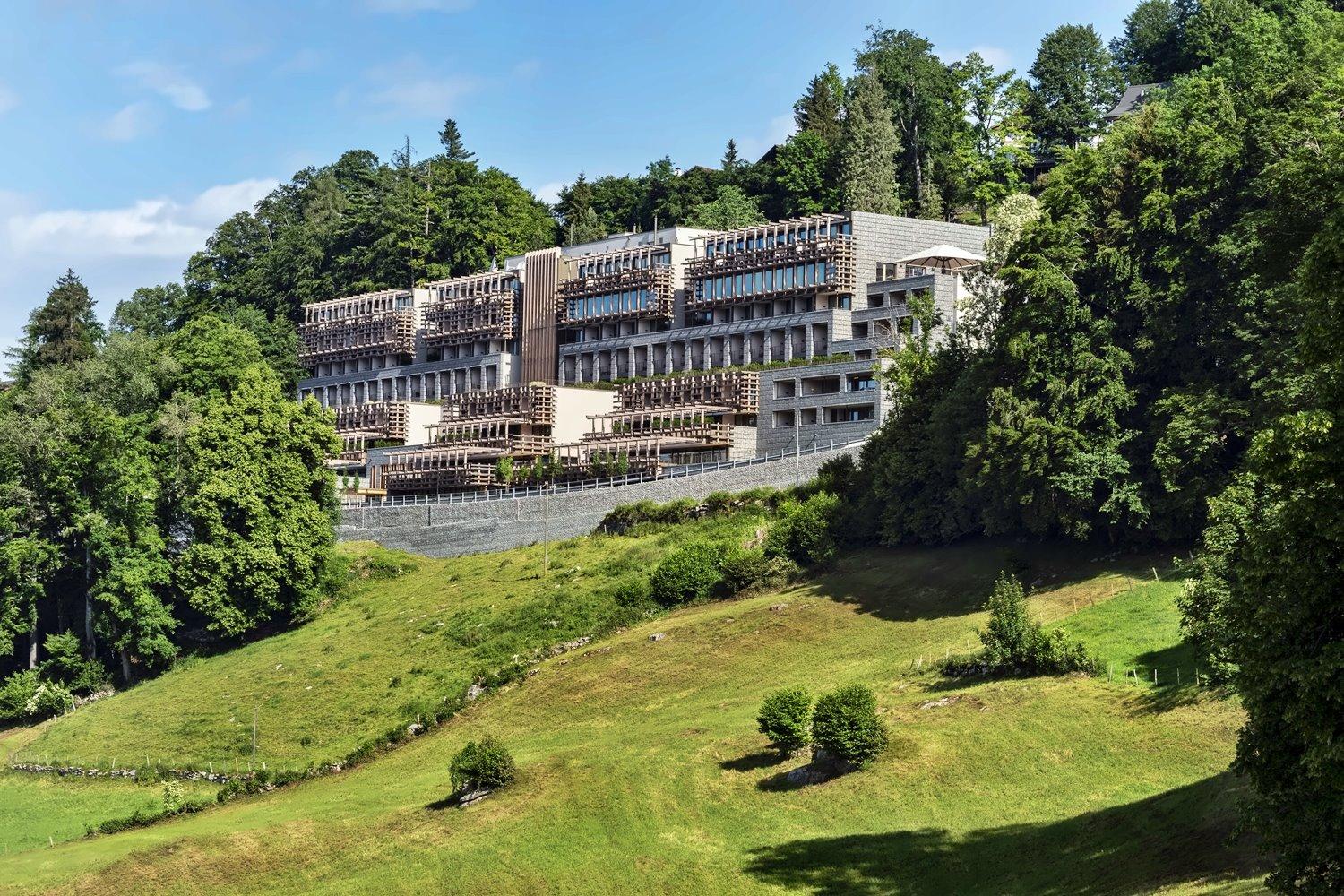
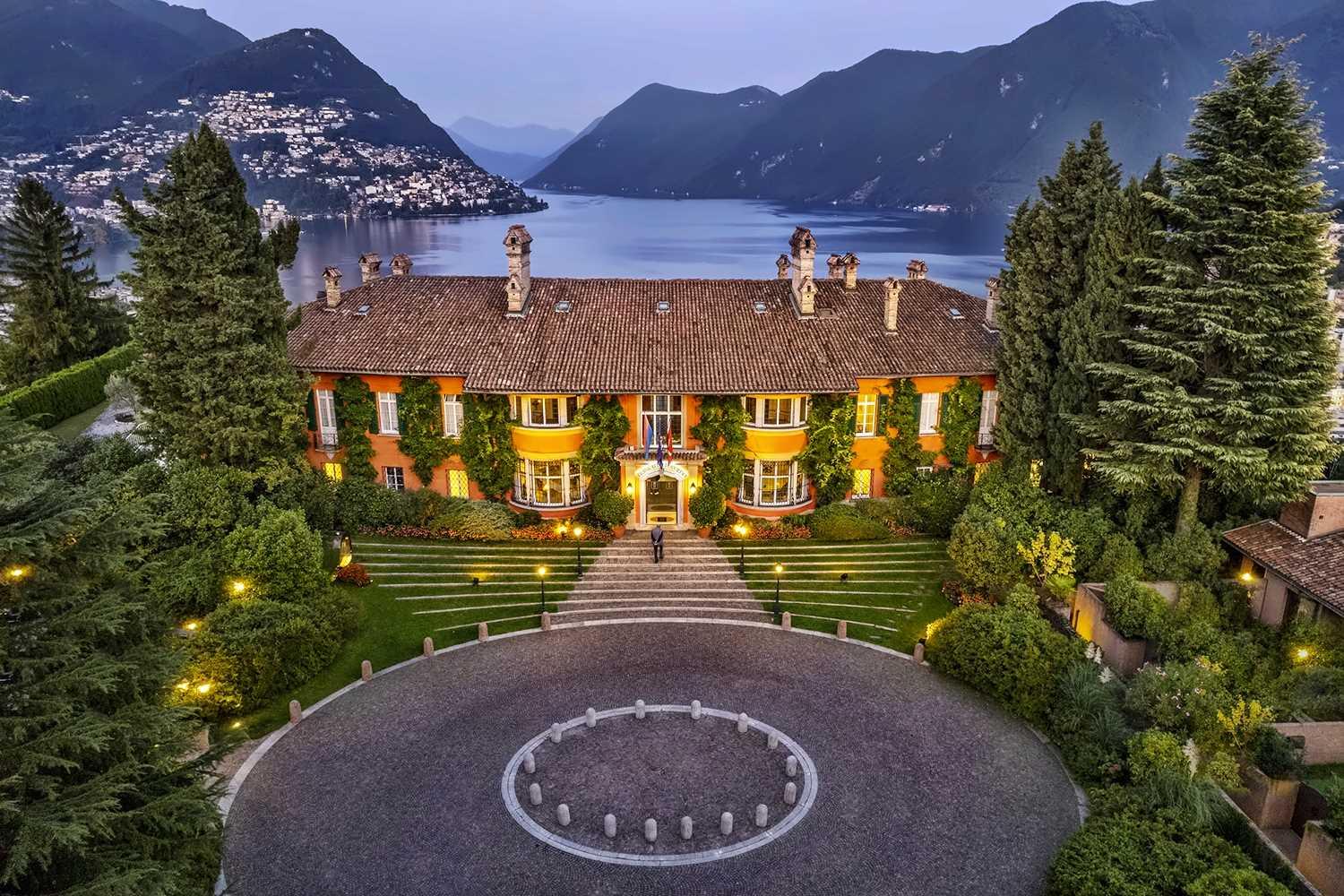
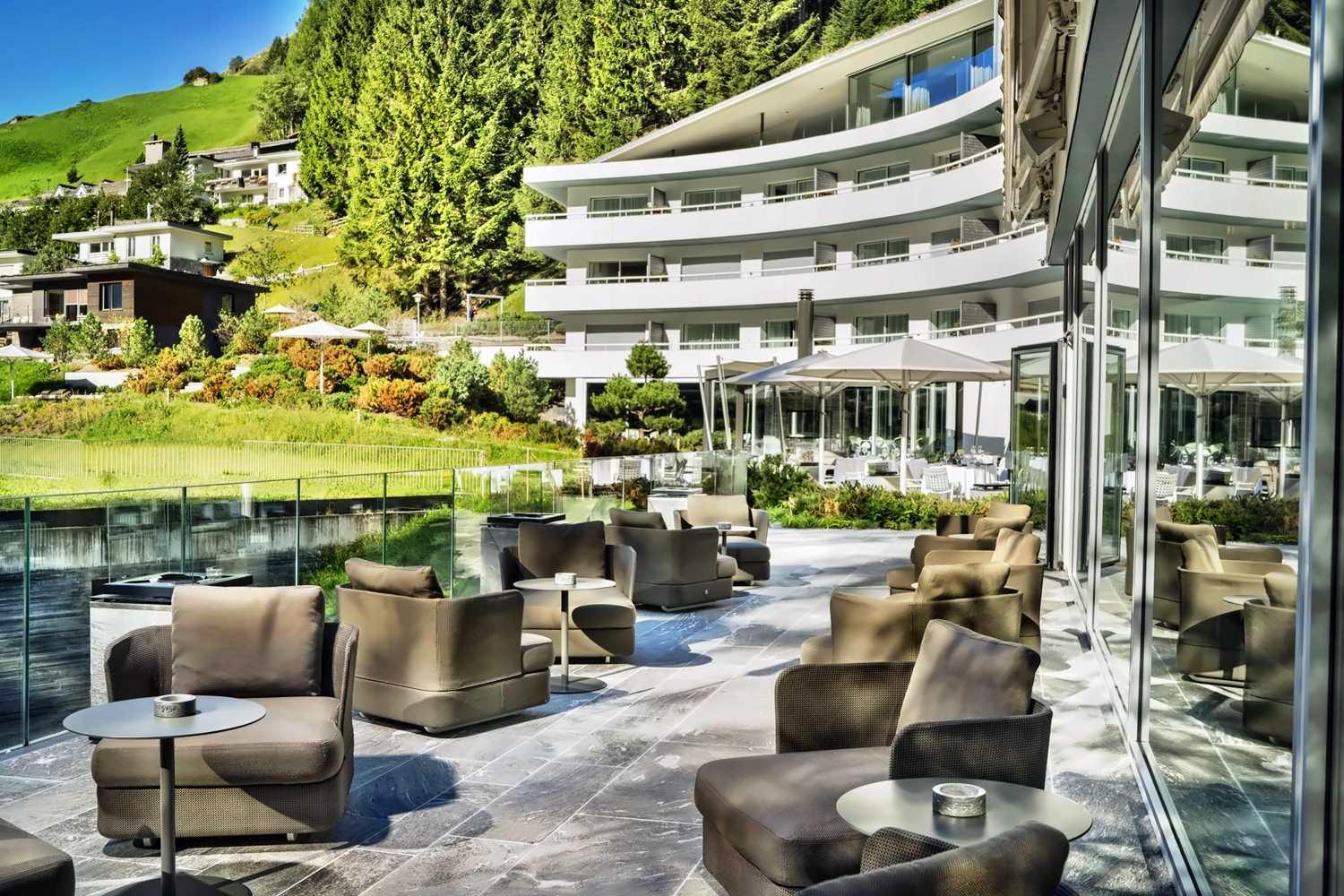
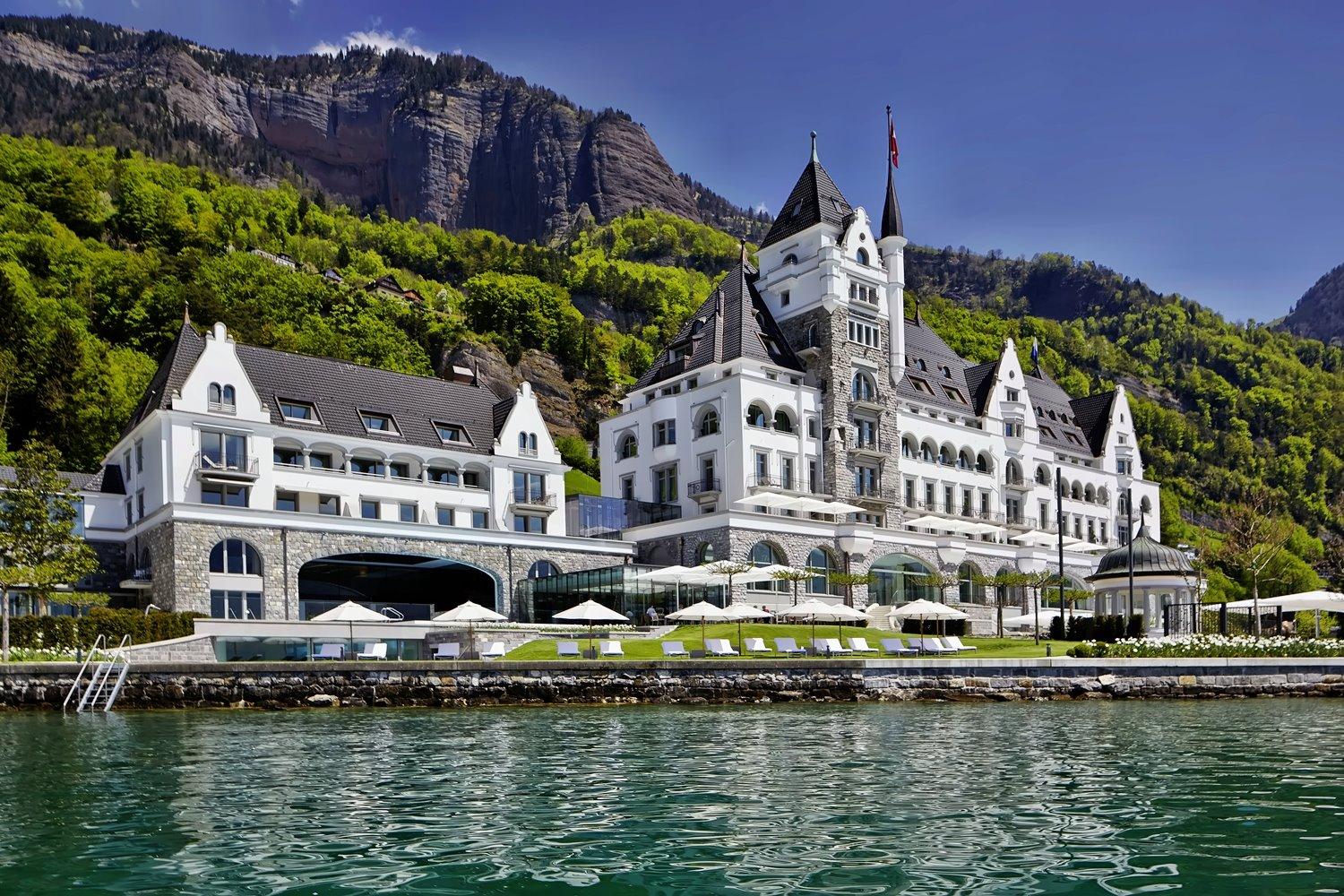
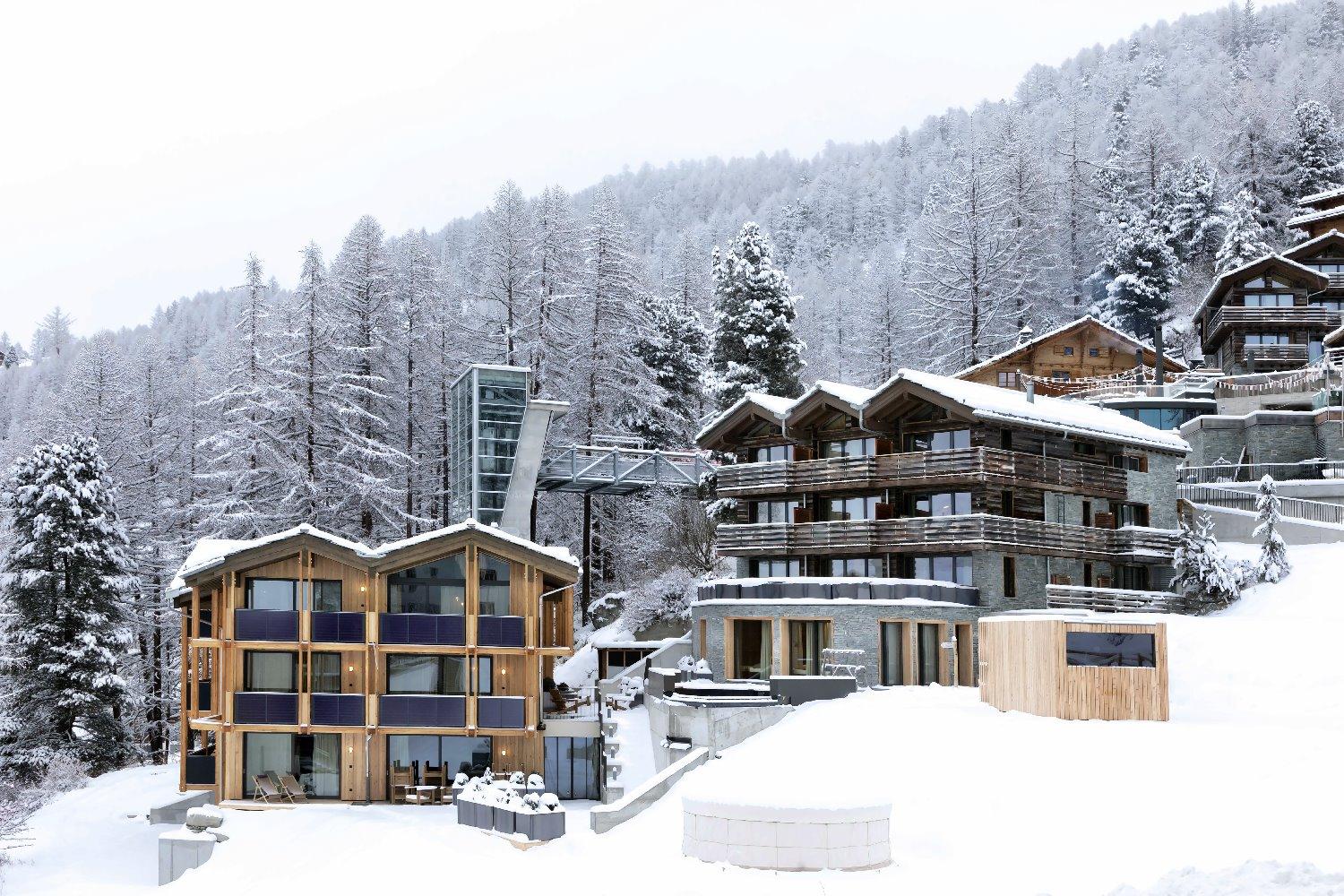
Swiss room categories often encode the experience: lake versus city, mountain direction, balcony, historic wing, renovation generation and distance from lifts or spa. At Park Hotel Vitznau, Beau-Rivage Palace or Castello del Sole, the outlook can justify a deliberate category. At 7132 Hotel or CERVO Mountain Resort, architecture and internal circulation matter as much as size.
Request the exact view, bedding, connecting configuration, air-conditioning expectations and step-free route in writing. Families should match connecting rooms before relying on an upgrade. While wellness travellers should check treatment access and pool rules. Ski travellers need equipment storage and lift transport. summer hikers need early breakfast and weather-aware transfers. Each priority changes the best room.
Document Virtuoso value before payment
Virtuoso benefits vary by rate, date and property. Ask the adviser to identify the eligible rate, breakfast scope, hotel credit, upgrade basis, early arrival and late departure separately. none should be inferred from a logo. Compare the net value with flexible public rates and record which benefits are guaranteed versus subject to availability. For multi-stop Swiss trips,
prioritise meaningful benefits at the hotels where you will use the spa, dine on property or arrive early. Keep the adviser's confirmation beside the hotel's own reservation summary. If the two documents differ on meal plan, credit currency, occupancy or cancellation deadline, resolve the discrepancy before travel. Swiss pricing makes small misunderstandings materially expensive.
Give food and culture enough time
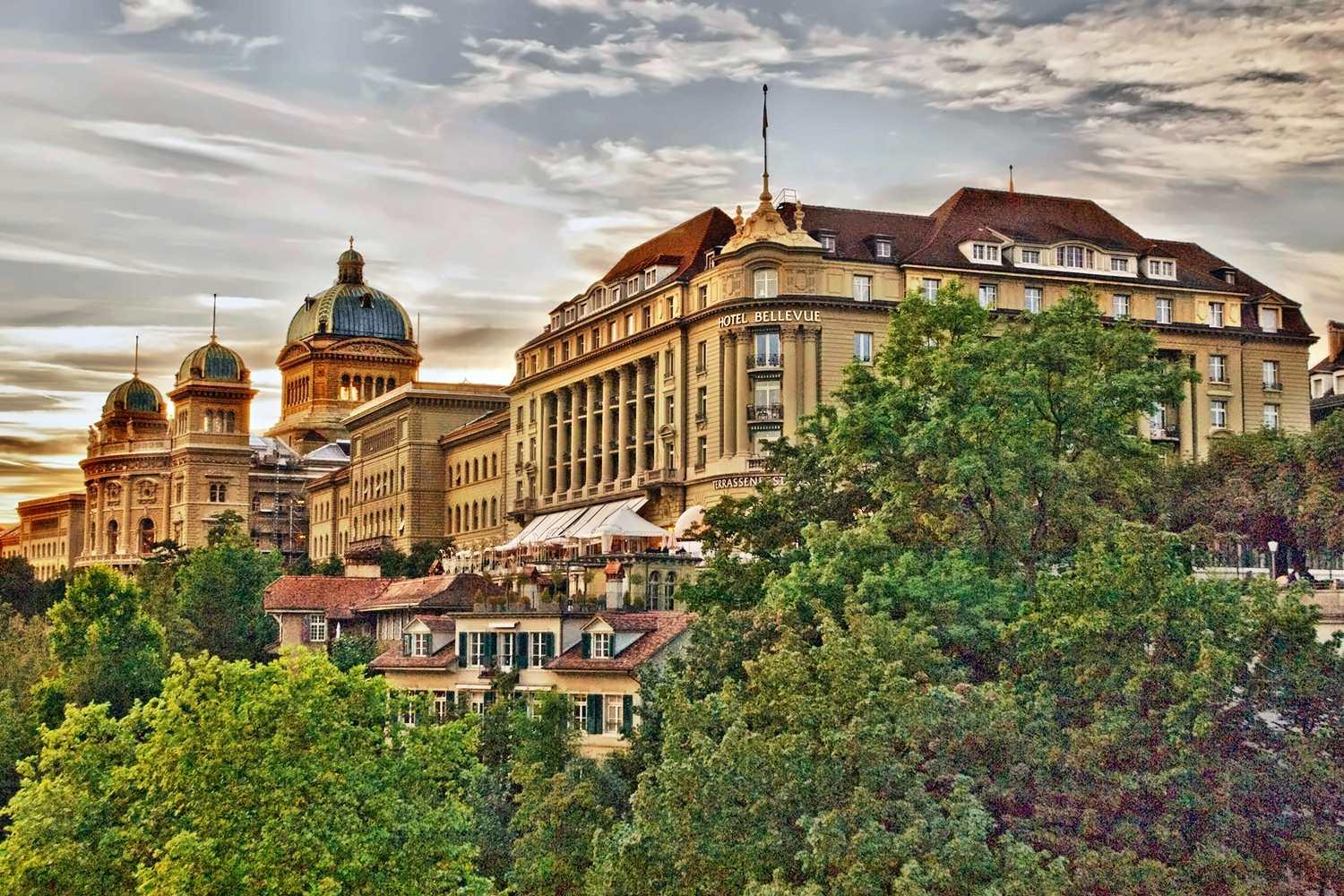
A strong itinerary leaves room for regional culture. Basel's museums, Bern's old town, Lausanne's lakefront. Ticino's Italianate food culture and the Engadin's Romansh context should not become transfer-day accessories. Reserve celebrated hotel restaurants where necessary. But also plan meals outside the property. Account for Sunday opening patterns, mountain-lift timetables and the earlier dining rhythm in resorts.
Local rail and boat journeys can be experiences, not merely transport. Allow a separate cultural day where it matters. Art Basel periods alter Basel availability, major Geneva events compress rates. And winter festivals reshape resort demand. The calendar can explain both price and atmosphere. So check it before concluding that one week is unusually costly.
Protect the itinerary against disruption
Weather, rail disruption and altitude are manageable when the plan has alternatives. Keep one lower-elevation activity for every exposed mountain day. Allow a buffer before an intercontinental departure and avoid a long Alpine transfer on the morning of the flight. Check travel insurance for winter sports and medical evacuation where relevant. Reconfirm operating dates,
transfer contacts, dietary needs and accessible routes shortly before arrival, especially during shoulder season. For departure, place the final night where a single disruption cannot break the flight. A weather-sensitive mountain railway plus a tight airport connection is not a luxury sequence. Returning to Zurich, Geneva or another reliable corridor the previous evening is often the calmer choice.
Five practical decisions for Switzerland
- Choose no more than two principal regions for a seven-night trip.
- Confirm the exact room outlook and building before accepting an upgrade.
- Check SBB schedules, mountain-rail reservations and last-mile hotel transfers together.
- Verify seasonal hotel, lift and restaurant openings for every Alpine stay.
- Record each Virtuoso amenity and its conditions in the final confirmation.
Switzerland hotel-planning questions
How many Virtuoso hotels are covered in Switzerland
The local inventory contains 38 hotels across 17 destinations. The concentration is strongest in Zurich, Geneva, Lausanne, Lucerne and St. Moritz, with additional resort choices in Zermatt, Gstaad, Andermatt, Ascona, Vitznau and other distinct locations.
Is train travel sufficient for a luxury itinerary
Usually it is the best backbone between major Swiss destinations. Private transfers remain useful after long flights, with substantial luggage, for mobility needs or where the final resort approach is awkward. Compare door-to-door time rather than assuming one mode is always superior.
Which Swiss regions combine well
Zurich, Lucerne and the Bernese Oberland are coherent. Geneva and Lausanne pair naturally. Lugano and Ascona create a Ticino chapter. St. Moritz, Zermatt or Gstaad generally deserve dedicated time instead of being added as rushed day trips.
When should an Alpine hotel be booked
Festive winter weeks, February ski periods and peak summer dates should be secured early, particularly for suites and connecting rooms. Shoulder season can offer value. But only after confirming lifts, restaurants, spa facilities and the hotel's complete operating schedule.
What room details matter most
Ask for the precise view direction, balcony, floor, wing, renovation status, bedding and connecting arrangement. In historic hotels, two rooms in the same named category may differ. In mountain resorts, proximity to lifts, spa and internal steps can affect daily comfort.
Are Virtuoso amenities guaranteed
Eligibility depends on the booked rate and property. Breakfast and credit may be defined. While upgrades and timing privileges are commonly subject to availability. The adviser should state every item, value, restrictions and guarantee status in the written confirmation.
How should weather risk be handled
Pair every high-altitude plan with a lower-level alternative, retain transfer buffers and avoid non-refundable activity stacking. MeteoSwiss forecasts become most useful close to the date. hotel concierges can then advise on local lift, trail and road conditions.
What makes a Swiss itinerary responsible
Use rail where it works, stay longer in fewer regions, respect protected mountain environments and choose locally rooted guides and restaurants. Follow marked trails, conserve water and energy. And avoid creating unnecessary vehicle movements for short journeys already served by public transport.
Combine your hotel stay with a privately designed journey through Switzerland, with hotels, transfers and experiences planned as one seamless itinerary.