
Virtuoso Hotels
Virtuoso Hotels in Zermatt, Switzerland
3
3
Hotels
Virtuoso hotels in Zermatt: Matterhorn seasons, car-free arrivals and alpine judgment
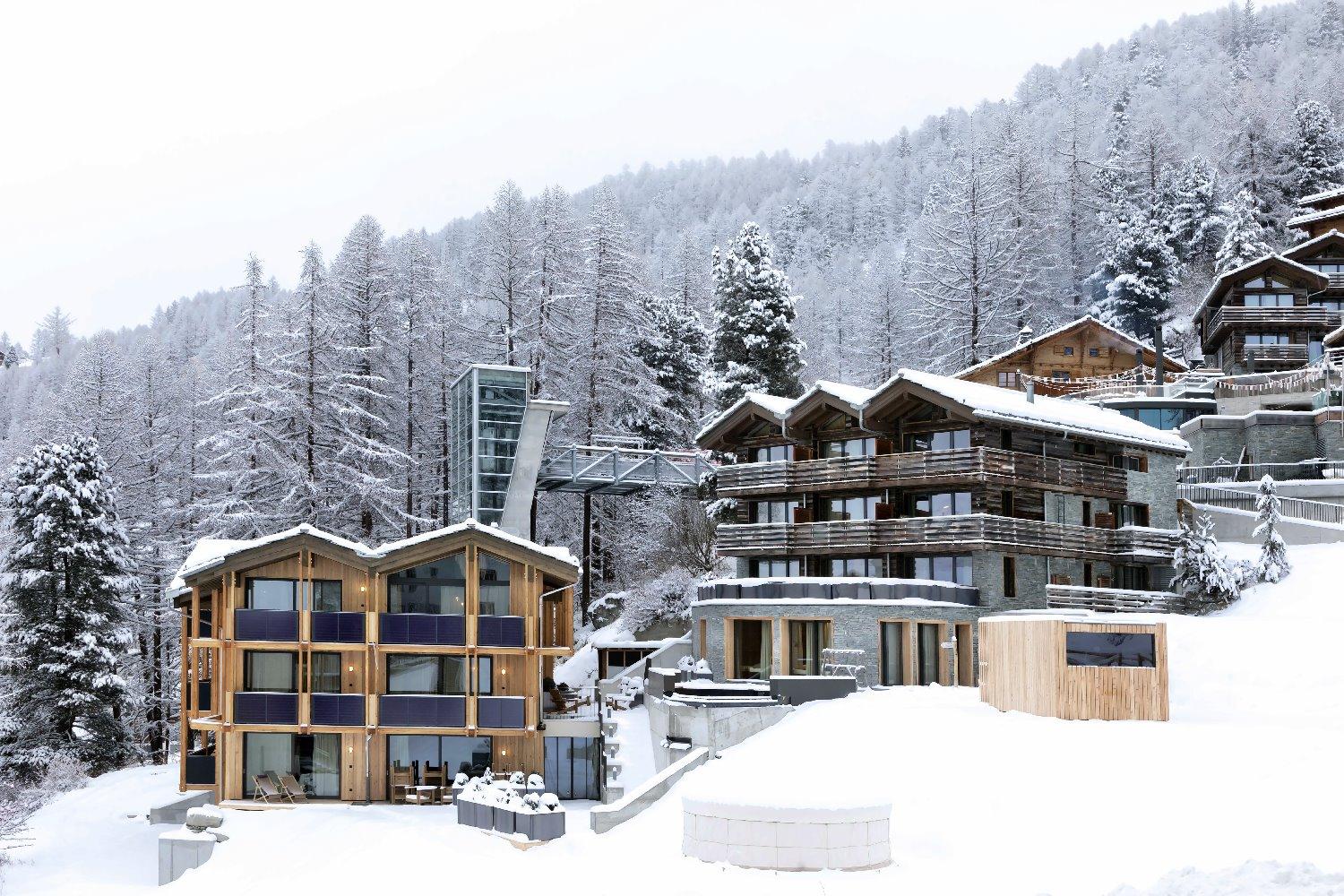
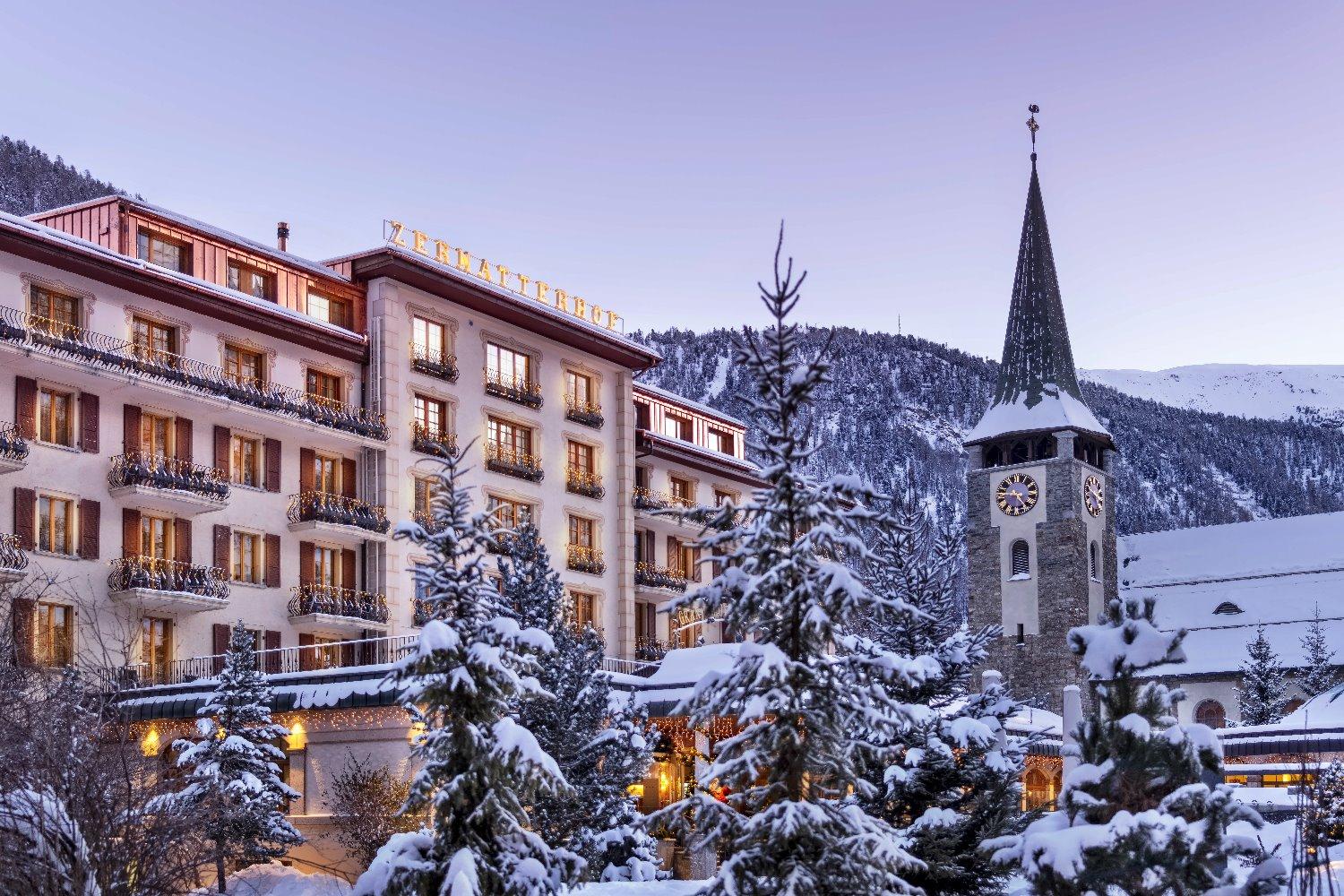
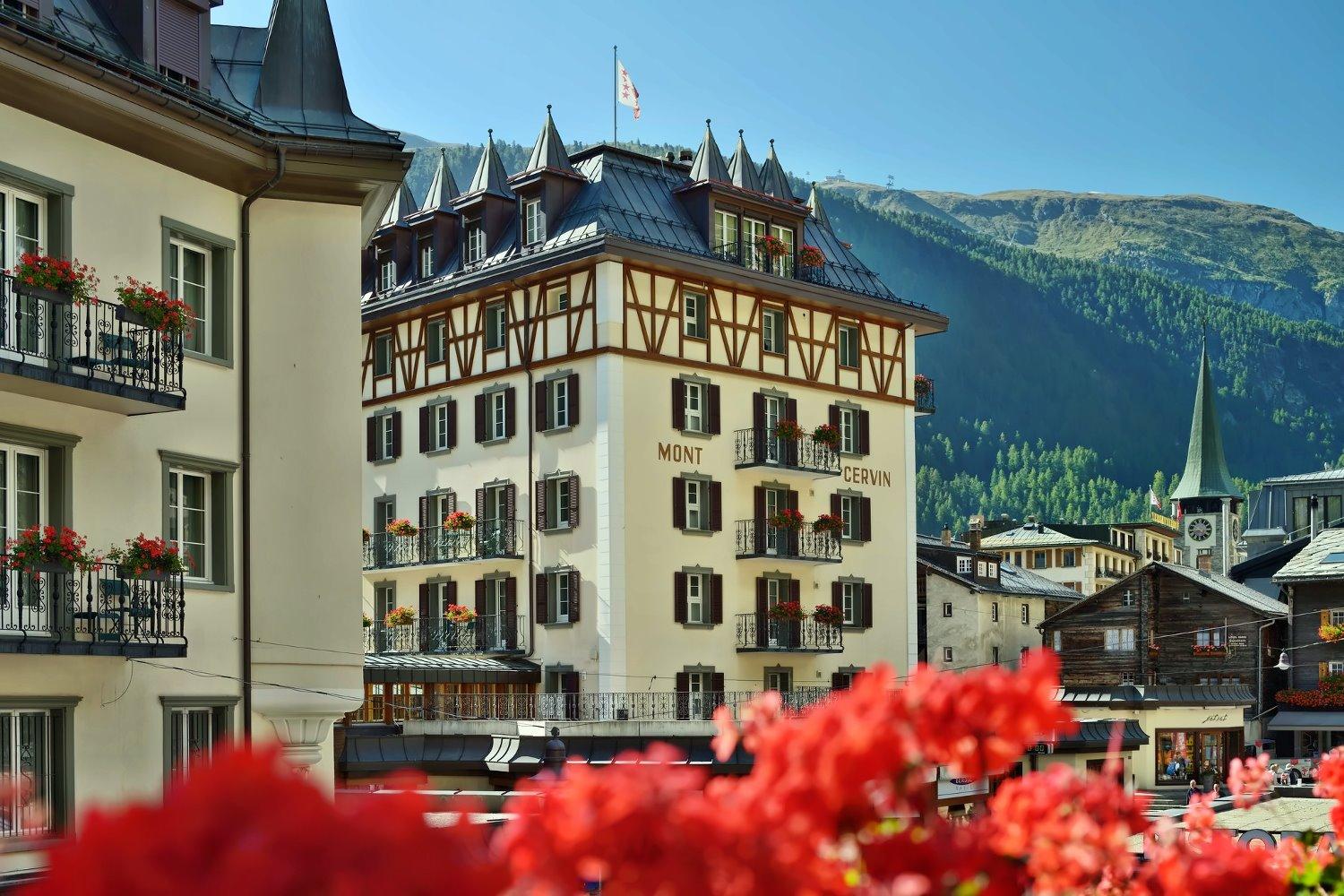
Zermatt's three listed hotels share a car-free village but not the same internal geography. Grand Hotel Zermatterhof and Mont Cervin Palace occupy central addresses convenient for Bahnhofstrasse, restaurants and lifts serving different sectors. CERVO Mountain Resort sits above the village near the Sunnegga side, trading immediate street-level access for slope, views and a more self-contained resort rhythm. Exact building, transfer and lift plans therefore matter before room décor.
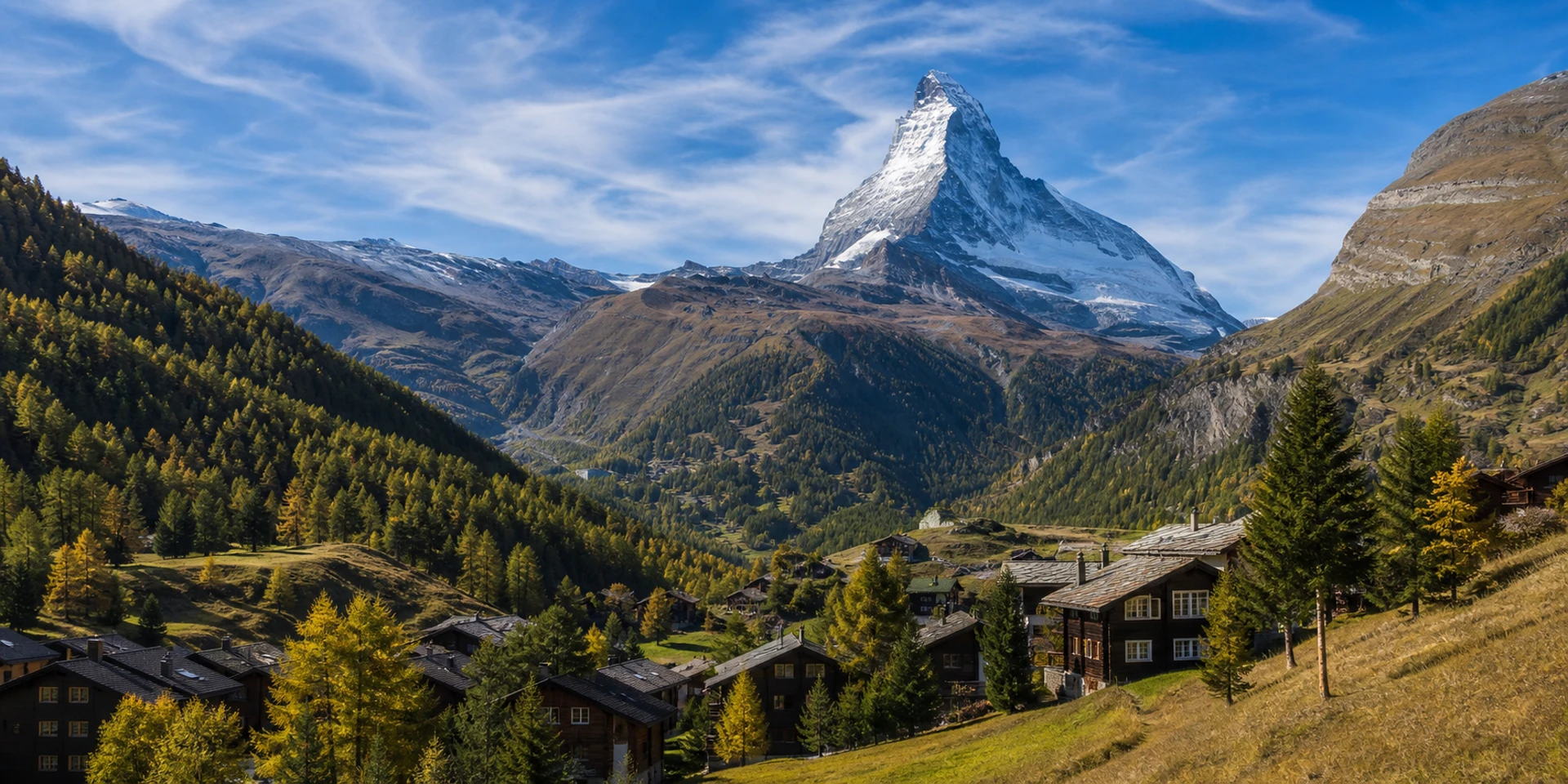
The Matterhorn is never a guaranteed backdrop: cloud, snowfall, wind and changing daylight can hide the mountain for hours or days. A strong itinerary builds options around conditions and treats the Alps as active terrain rather than scenery. Rail, mountain transport, trails, avalanche information and hotel operations may change after this review on 4 August 2026. verify every safety-critical or timed element through official providers and the property for the exact dates.
Choose village centre or hillside resort
Grand Hotel Zermatterhof offers a traditional central base close to the church square and main village services, with several restaurants and historic-hotel activity. Mont Cervin Palace is similarly central near Bahnhofstrasse and the station end of town, useful for travellers who want easy level movement and multiple dining options.
CERVO Mountain Resort is reached above the centre and suits guests who value contemporary alpine design, spa and proximity to Sunnegga access. But its buildings, steps and inclines require precise matching. Ask for the exact house, floor, Matterhorn or village orientation, lift coverage, breakfast route and ski-room logistics. A nominal mountain view remains weather-dependent. And a quiet room may be more valuable than an exposed panorama during wind or festive weeks.
Treat arrival as a rail-and-luggage sequence
Private combustion cars stop at Täsch. So most arrivals continue by shuttle train to Zermatt. Verify SBB and Matterhorn Gotthard Bahn schedules, leave connection margin and send the hotel the confirmed arrival time. Reserve the property's electric pickup or porter service and obtain the exact platform or meeting instructions.
electric vehicles operate in the village but are not on-demand taxis in the conventional sense. Travellers using a driver should confirm the Täsch handover and luggage route. Keep ski boots, medication and one essential layer accessible if bags move separately. Winter disruption and peak-week crowds can change connection times. On departure,
work backward from the mainline train or airport flight and do not book a final mountain lunch that depends on the last possible descent.
Match mountain sectors to the actual day
Zermatt's lift network serves distinct sectors. And a hotel near one access point is not automatically near every ski run or viewpoint. Consult the official mountain-railway map and operating report each morning. Gornergrat provides a classic railway viewpoint. Sunnegga-Rothorn and the Matterhorn Glacier Paradise side offer different terrain, exposure and connections. Wind,
avalanche control, maintenance and season can close individual links while the village remains calm. Skiers should confirm ability, guiding, equipment and return route before setting out. pedestrians must use winter paths designated as open. Never cross a closed piste or barrier to protect a reservation. A local certified guide can adjust the day to conditions and group strength. Store the final descent options offline and agree on a family meeting point.
Use the Matterhorn as history, not only an image
The Matterhorn Museum and qualified village interpretation can connect tourism, agriculture, guiding, early mountaineering, risk, labour and the transformation of Zermatt. Check current museum opening because seasonal schedules can be limited. Ask a guide to discuss the 1865 first ascent and tragedy without romanticising preventable danger or presenting the mountain as conquered. Traditional barns,
chapels and old village structures should be read with respect for continuing community life. Do not enter private buildings or use drones without legal permission. Early morning in the old village is quieter. But keep voices low and doorways clear. A museum visit is an ideal poor-visibility alternative and makes later mountain transport more meaningful. Pair it with a simple regional meal rather than another long excursion.
Plan hiking by terrain and turnaround time
Summer and autumn paths range from accessible promenades to exposed alpine routes. Choose by current condition, elevation gain, descent, surface and weather rather than distance alone. Use official trail information, carry layers, water, sun protection and a charged phone. And tell the hotel the route. Thunderstorms build quickly. start early and turn around before conditions deteriorate.
Snow can remain at elevation when the village is warm. Do not rely on trainers for loose rock or assume a cable-car exit will operate late. Families should check barriers and drop-offs. guests with limited mobility need verified surfaces. Mountain bikes follow their own authorised routes and right-of-way. A certified guide is appropriate for glaciers, technical terrain or any plan where route-finding and rescue judgment matter.
Approach winter through avalanche discipline
Fresh snow does not make every slope available. Consult the WSL Institute for Snow and Avalanche Research bulletin, local lift reports and professional guides. Off-piste skiing, ski touring and snowshoeing outside secured routes require training, rescue equipment, route planning and local expertise. hiring a guide does not remove all risk. Never follow tracks as proof of safety.
Visibility, wind slab, temperature and group spacing affect decisions. On-piste guests should still respect closures and speed, use helmets and declare medical or skill limitations honestly. Insurance must explicitly cover the intended winter activity and rescue terms. If lifts close, use spa, museum, village dining or an easy approved walk instead of pressuring staff to improvise. The mountain will not adjust to a fixed itinerary.
Reserve dining around altitude and transport
All three hotels support destination dining. But restaurant days, dress and included meal plans should be checked for the stay. Reserve priority tables early during festive and ski weeks, disclose allergies and ask how a mountain restaurant is reached and left. A lunch above the village depends on the correct lift and final descent. keep time margin and never ski after excessive alcohol.
Village restaurants can be reached on foot or by arranged electric transfer depending on snow, slope and footwear. Zermatt's cuisine includes Valais products, cheese, dried meats and contemporary international cooking. ask about producers rather than reducing every meal to fondue. Michelin recognition and chef roles change. So verify current claims. Hydrate at altitude and pace the first evening after travel.
Plan weather, sun and altitude conservatively
Zermatt village sits above 1,600 metres and excursions rise far higher. Some guests experience headache, fatigue or breathlessness. ascend gradually, hydrate, moderate alcohol and seek medical advice if symptoms persist or worsen. High-altitude ultraviolet exposure is strong even in cold weather, requiring eye and skin protection. Consult MeteoSwiss for forecasts and official operators for summit conditions.
a village forecast cannot represent a glacier station. Fog, wind and thunderstorms change views and safety quickly. Carry a warm layer on lifts in summer and traction appropriate to winter streets. Travel insurance should cover weather disruption and medical evacuation according to activities. Never let a prepaid excursion override an official closure or guide's decision. A hidden Matterhorn is weather, not a service failure.
Respect the car-free village and alpine environment
Car-free does not mean vehicle-free: electric hotel cars, service vehicles, bicycles and horse carriages still use narrow streets. Walk predictably, keep children close and do not block access with luggage or photography. Use refill systems, reduce disposable plastics and follow hotel guidance on water, heating and linen without turning conservation into performance. Remain on marked paths,
carry waste down and never approach livestock or wildlife for a photograph. Noise travels in a mountain valley. leave residential lanes quietly at night. Ski waxing, equipment and clothing should follow local environmental guidance where available. Buying from identified village and Valais producers retains more value locally. The best luxury stay protects both access and the working community that makes it possible.
Shape four nights and a Switzerland journey
Four nights provide a useful minimum: arrival orientation, two flexible mountain days and one cultural, spa or weather-alternative day. Six or seven nights give genuine resilience when a key lift closes or the Matterhorn remains clouded. Switching among these hotels rarely helps a short stay because electric transfers and luggage consume time. select the geography that matches the main mountain sector.
Zermatt can anchor a tailor-made Switzerland round trip with the Glacier Express corridor, Lake Geneva, Bernese Oberland or another region. But rail connections and seat reservations require real planning. The existing Switzerland journey link supports that extension. Keep departure morning in the village, reconfirm luggage pickup and rail. And never place a high-altitude excursion before the last train connection.
Five practical Zermatt planning tips
- Choose a central hotel or CERVO's hillside position by lift sector, slopes and luggage route before rate.
- Send the confirmed train arrival and reserve the hotel's exact electric pickup or porter meeting point.
- Check official lift, weather and avalanche information every morning before committing to terrain.
- Treat Matterhorn visibility as weather-dependent and protect museum, spa or food alternatives.
- Confirm building, view direction, seasonal restaurants and Virtuoso inclusions in writing.
Zermatt hotel and mountain-planning FAQ
Can I drive directly to Zermatt
Private combustion cars stop at Täsch, where most travellers transfer to the shuttle train and hotel pickup.
How many nights should I stay
Four nights give a minimum weather buffer. While six or seven offer a more resilient alpine stay.
Which hotel is most central
Grand Hotel Zermatterhof and Mont Cervin Palace are central. CERVO sits above the village near the Sunnegga side.
Is the Matterhorn view guaranteed
No. cloud and storms can hide the mountain regardless of room category or season.
Can I hike without a guide
Many marked paths are independent options when open. But technical, glacial or route-finding terrain needs certified expertise.
Is off-piste skiing safe after fresh snow
Not automatically. it requires the avalanche bulletin, equipment, training and usually a certified local guide.
Can Zermatt join a wider Switzerland itinerary
Yes. rail makes it a strong chapter when transfers, reservations and each region receive realistic time.
Are Virtuoso benefits guaranteed
They depend on eligible rate, programme rules, occupancy and availability. So obtain written benefits and treat upgrades as conditional.
Combine your hotel stay with a privately designed journey through Switzerland, with hotels, transfers and experiences planned as one seamless itinerary.