
Virtuoso Hotels
Virtuoso Hotels in Charleston, United States
4
4
Hotels
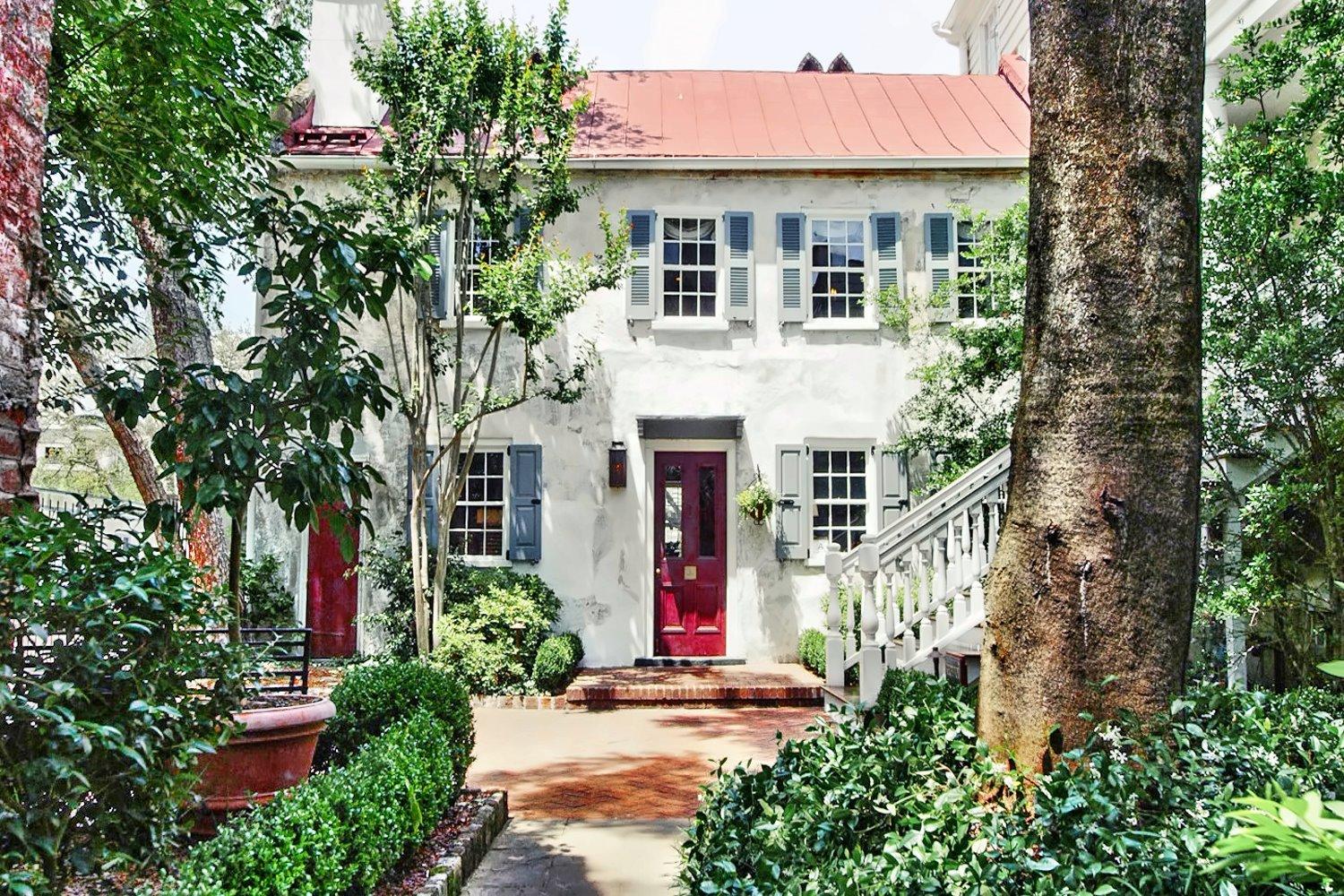
Virtuoso hotels in Charleston: peninsula districts, layered history and Lowcountry planning
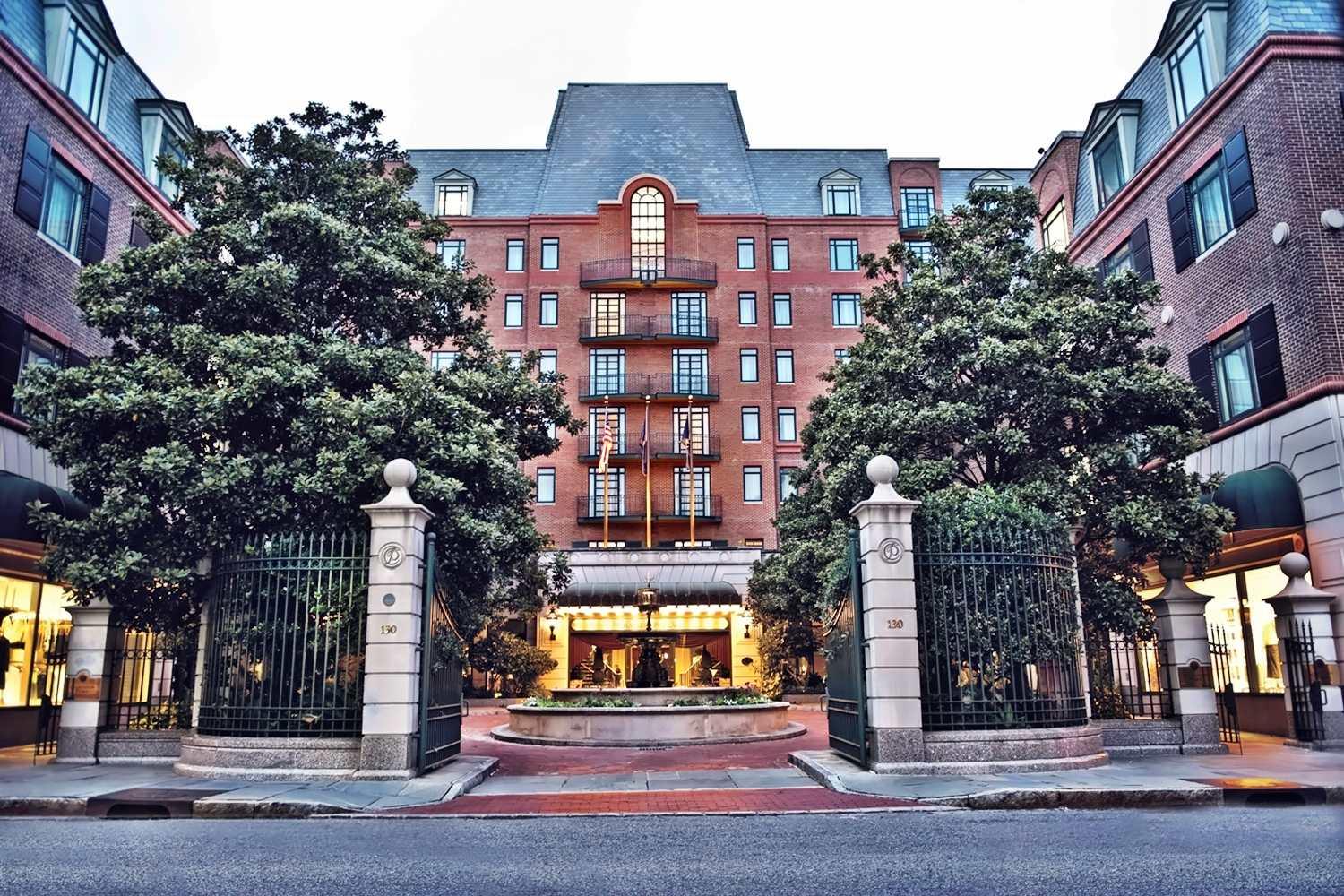
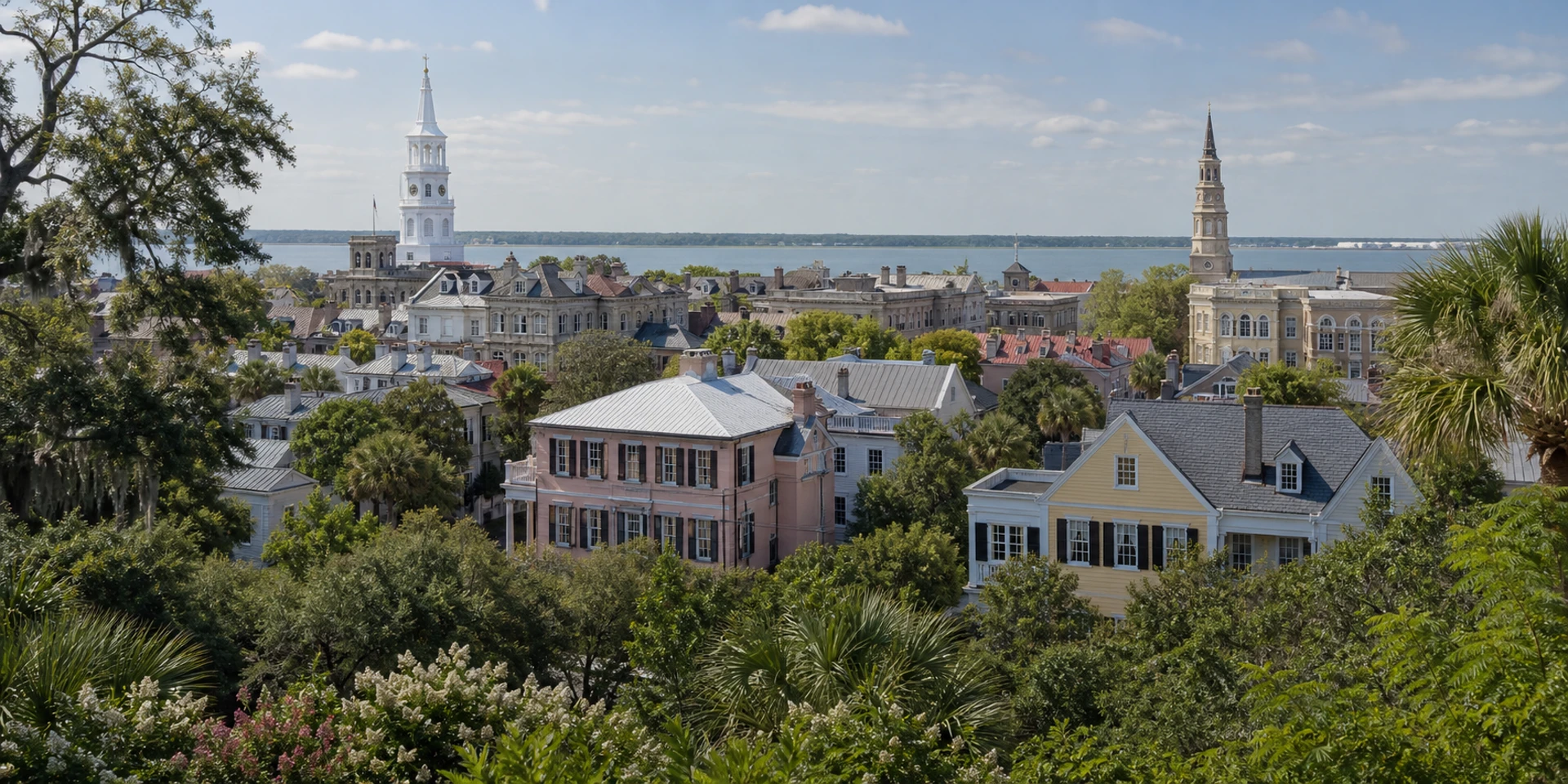
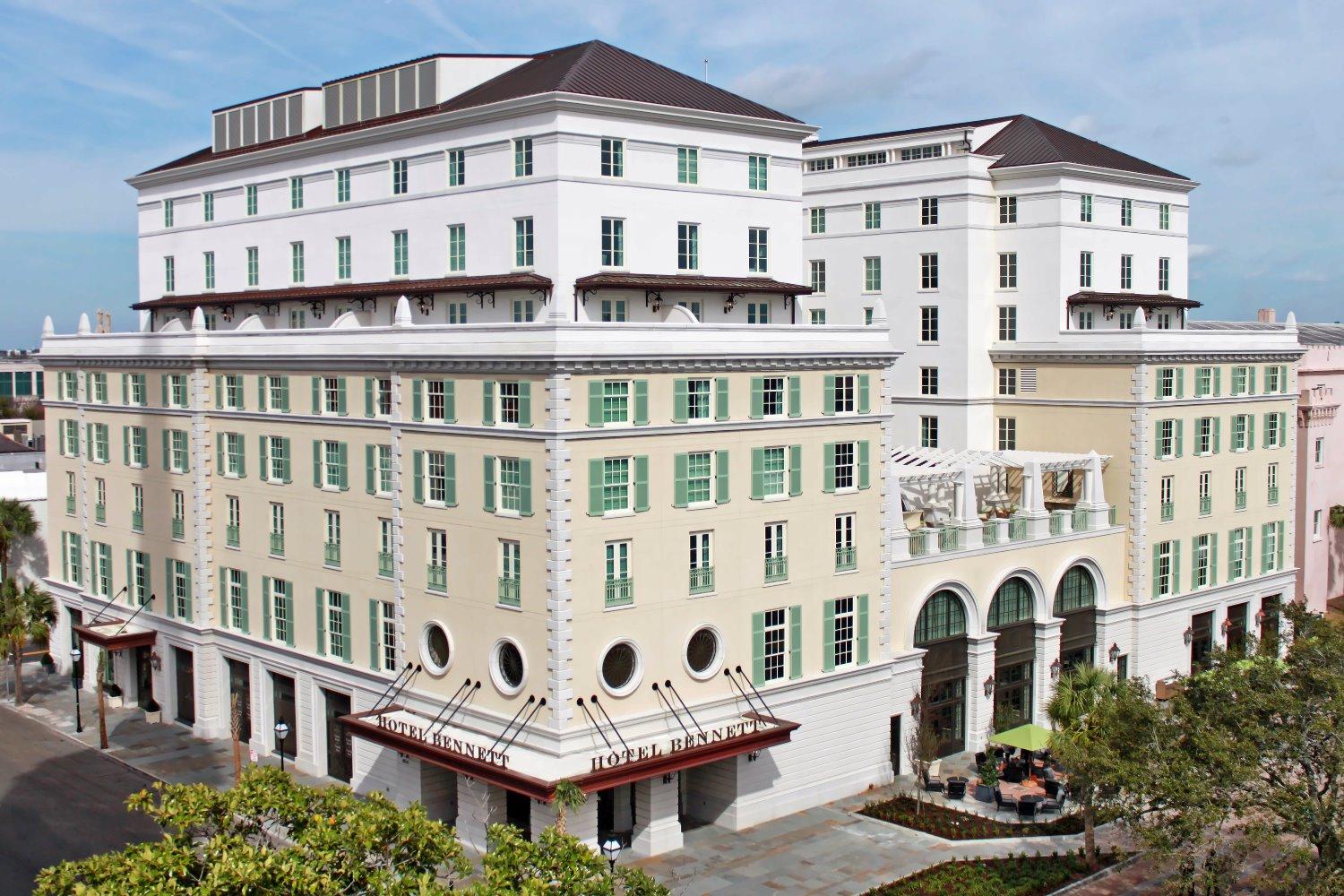
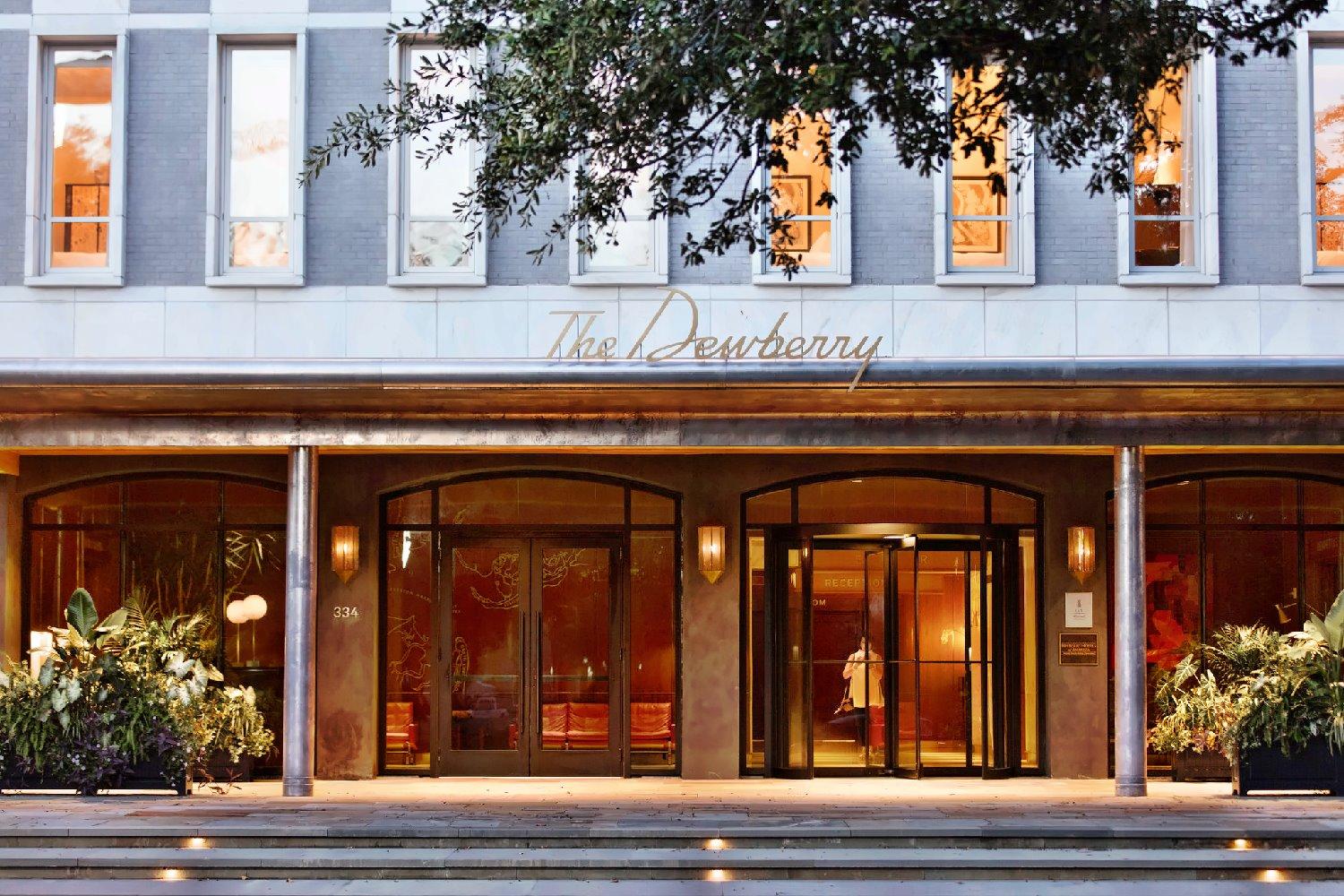
Charleston is most rewarding when its beauty and history are read together. The Charleston Place sits near the City Market at the commercial centre of the lower peninsula. Hotel Bennett and The Dewberry face Marion Square at the upper edge of King Street. Zero George occupies a quieter ensemble of historic residences toward the east side.
All four support walking. But heat, flooding, uneven paving and the peninsula's length make exact daily geography more important than a broad downtown label.
A polished Charleston stay should neither romanticise the past nor reduce the city to one painful chapter. Architecture, port commerce, slavery, emancipation, Gullah Geechee culture, preservation, food and a changing coastal environment belong in the same informed itinerary. Opening hours, storm conditions, ferry operations and hotel services can change after this review on 3 August 2026. So verify every timed element with official institutions and the property for the actual dates.
Choose the hotel by peninsula rhythm
The Charleston Place offers the broadest full-service footprint and the shortest lines to the City Market, Meeting Street and lower King Street. It suits guests who want restaurants, shops and a pool under one roof, although the immediate district stays active. Hotel Bennett and The Dewberry frame Marion Square: both work well for upper King Street.
While The Dewberry brings a mid-century design lens and Bennett a grander traditional scale. Zero George is smaller, residential and food-led, rewarding guests who accept stairs, varied historic-room layouts and fewer resort facilities. Plot dinner, museums and morning walks before selecting. A ten-minute map estimate can feel very different at midday in humid weather or after a storm.
Start with a historian, not a carriage script
Charleston's streets contain eighteenth- and nineteenth-century houses, churches, civic buildings, warehouses and later preservation choices. But the visible fabric cannot explain itself. Book a licensed historian for an early private walk that addresses Indigenous context, colonial power, the transatlantic slave trade. Urban enslavement, free Black communities, Civil War, Reconstruction and preservation without treating any group as scenery.
Ask what sources shape the route and whether interiors are included. A carriage tour can offer orientation. But route assignments, traffic and compressed narration make it a supplement rather than the intellectual core. Walk in a small group, keep residential entrances clear and discuss architecture alongside the labour and wealth that produced it. Beauty becomes more meaningful when its conditions are named.
Give the International African American Museum real time
The International African American Museum stands at Gadsden's Wharf, a site deeply connected to the arrival of enslaved Africans. Consult the museum's official calendar for timed admission, current galleries, family resources, accessibility and closures. Then reserve at least half a day including the African Ancestors Memorial Garden.
Do not attach the visit to a rushed shopping afternoon or a celebratory meal with no pause. A preparatory conversation with younger travellers and quiet time afterward support a more attentive experience. Zero George is closest among these hotels. While Marion Square and Market Street guests can use a short car or measured walk depending on weather. Museum interpretation should anchor later house, church and food visits rather than remain an isolated moral obligation.
Read Gullah Geechee culture through living voices
The Gullah Geechee Cultural Heritage Corridor extends beyond Charleston and represents living communities, language, foodways, crafts, land relationships and traditions shaped by descendants of enslaved Africans. Use the corridor's official resources and book guides, artists or organisations that identify their relationship to the culture. Avoid tours that reduce Gullah Geechee history to folklore, sweetgrass baskets as souvenirs without makers,
or plantations as picturesque backdrops. Ask permission before photographing artisans and pay fairly for expertise. A city programme can introduce themes. But deeper coastal or island context requires separate logistics and respect for residential communities. Food, music and craft should be encountered with attribution, not consumed as anonymous regional colour. The best guide will explain continuity, change and current land pressures as well as heritage.
Visit historic houses with a question
Charleston's house museums differ in period, collection, ownership story and willingness to interpret enslaved labour. Check each institution's current tour description before booking and choose one or two whose scholarship supports the questions raised on the walking tour. Ask whether the experience covers service spaces, urban slavery, post-emancipation history, architecture and later preservation.
And whether upper floors require stairs. The Preservation Society and Charleston Museum provide useful institutional context. But individual sites maintain their own schedules. Do not race through multiple decorative interiors merely to compare furniture. Allow time to examine how wealth was made, who maintained the house and how the building changed. Photography, bags and accessibility rules should be confirmed directly rather than assumed from another property.
Treat Fort Sumter as a harbour and history decision
Fort Sumter National Historical Park is reached through authorised ferry operations. So the visit depends on a timed departure, security, weather and the current National Park Service programme. Verify departure point, boarding lead time, accessibility, cancellation policy and return duration before building the day. The site is central to the outbreak of the Civil War.
But a responsible visit must connect military events with slavery, secession and the broader national conflict. Use NPS interpretation rather than a simplified battlefield narrative. Bring sun and rain protection, follow ranger instructions and avoid placing a tight restaurant reservation immediately after the scheduled return. Travellers prone to motion discomfort should review marine conditions. If ferries pause, substitute a museum or guided peninsula programme rather than seeking an unofficial crossing.
Build food plans around producers and attribution
Lowcountry cooking reflects Indigenous knowledge, West African traditions, European colonisation, Atlantic trade, rice cultivation and generations of Black cooks. it should not be reduced to shrimp and grits on a checklist. Choose a food historian, chef or maker who credits ingredients and techniques. And ask how today's sourcing relates to fisheries, rice, vegetables and seasonality.
Charleston Grill, Hotel Bennett's Gabrielle, The Dewberry's Citrus Club and Zero George's tasting programme create different hotel evenings, all requiring current reservations. Discuss allergies and shellfish exposure when booking. Visit a market or bakery with purpose. Ask before photographing workers and leave room for one simple meal. Michelin or award status should be checked through the issuing organisation rather than repeated from old marketing.
Plan gardens and plantations with ethical precision
Historic plantations outside Charleston are not interchangeable gardens. If including one, study its current interpretation, ownership, accessibility and evidence for centring enslaved people and their descendants before paying. Choose a site whose public materials clearly describe slavery, labour, resistance and post-emancipation life alongside landscape or architecture. Arrange a trusted car. Reserve the relevant tour and allow a separate half day.
never pair several plantations as decorative stops. Some travellers may reasonably decide that city museums and Black-led heritage programmes are the better use of limited time. Respect cemeteries and archaeological areas, avoid costume-style entertainment and do not photograph other visitors during emotional interpretation. A garden can be beautiful without allowing beauty to erase the conditions under which the landscape was created.
Treat heat, tides and storms as itinerary inputs
Charleston's coastal weather affects more than clothing. Heat and humidity can make a midday walking route unsafe or unpleasant. heavy rain and high tides can flood low streets. tropical systems may alter flights, ferries and hotel operations. Use National Weather Service Charleston forecasts and local emergency information close to travel. And follow official evacuation instructions without delay.
Schedule outdoor history early, carry water and sun protection. And keep an indoor museum alternative. Do not drive through floodwater or assume a familiar street remains passable. Travel insurance should match hurricane-season and disruption concerns for the exact dates. Ask the hotel about generator, shelter, parking and cancellation procedures when significant weather is forecast. Then rely on authorities rather than social-media images.
Shape four nights and one regional extension
Four nights support a measured first visit: orient around the hotel district. take a historian-led peninsula morning. devote real time to the International African American Museum. reserve one house museum or Fort Sumter chapter. and protect an evening for a thoughtful restaurant. A fifth night creates weather margin and space for Gullah Geechee programming or a carefully chosen garden or coastal excursion.
Charleston can begin a wider South Carolina or Southeast journey. And the existing USA round-trip link can support a private itinerary. But Savannah, the Sea Islands or another city should not be treated as casual additions without transport and historical context. Keep arrival local and departure day free of ferries. Confirm every high-priority admission and restaurant shortly before travel.
Five practical Charleston planning tips
- Book an early private history walk whose published scope includes slavery, Reconstruction, architecture and preservation. And ask what sources guide it.
- Reserve timed admission for the International African American Museum and leave quiet, unscheduled time after the visit.
- Map every day by upper or lower peninsula and keep an indoor alternative for heat, heavy rain, high tide or ferry disruption.
- Verify Fort Sumter ferry details only through the National Park Service and authorised operator for the selected departure.
- Choose any plantation visit by the quality of its slavery and descendant-community interpretation, not by gardens or photography alone.
Charleston hotel and travel-planning FAQ
Which Charleston hotel is best for a first visit
The Charleston Place gives the most central full-service base. While Hotel Bennett and The Dewberry suit upper King Street and Zero George offers a smaller residential experience.
How many nights should I plan
Four nights support a considered introduction. While five add weather flexibility and room for a coastal, Gullah Geechee or carefully selected regional chapter.
Can I explore Charleston entirely on foot
Much of the peninsula is walkable. But heat, flooding, uneven paving and its length make selective cars and route clustering valuable.
Should I visit Fort Sumter
Visit when the Civil War context and harbour journey matter. Using current NPS interpretation and ferry details rather than treating it as a quick military photo stop.
Is a plantation visit essential
No. choose one only when its interpretation responsibly centres enslaved people and descendants. And consider city museums or Black-led programmes instead.
When is hurricane season
Atlantic tropical weather is seasonal but impacts cannot be predicted from a calendar alone. So monitor official forecasts and secure suitable insurance for the exact dates.
Where should I learn about Gullah Geechee culture
Begin with official corridor resources and community-connected guides or organisations that present the culture as living, attributed and contemporary.
Are Virtuoso benefits guaranteed
Benefits depend on the eligible rate, programme rules, occupancy and availability. So obtain the exact written list and treat upgrades as conditional unless confirmed.
Combine your hotel stay with a privately designed journey through United States, with hotels, transfers and experiences planned as one seamless itinerary.