
Virtuoso Hotels
Virtuoso Hotels in United States
357
357
Amelia Island · 1Amenia · 1Aspen · 5Atlanta · 4Aurora · 1Austin · 7Baltimore · 1Barnard · 1Beaver Creek · 1Berkeley · 1Big Sky · 1Big Sur · 2Bluffton · 1Boca Raton · 1Boston · 8Calistoga · 2Canyon Point · 1Cape Elizabeth · 1Cape Neddick · 1Carlsbad · 3Carmel · 1Carmel Valley · 1Charleston · 4Chatham · 1Chicago · 11Dallas · 7Dana Point · 2Del Mar · 1Denver · 1Destin · 1Dolores · 1Eagle · 1East Harwich · 1Farmington · 1Forestville · 1Fort Lauderdale · 2Fort Worth · 1Franklin · 1Gardiner · 1Gateway · 1Greenough · 1Greensboro · 1Half Moon Bay · 1Harbour Town · 1Hartford · 1Hawley · 1Healdsburg · 1Hillsville · 1Holderness · 1Honolulu · 5Houston · 2Incline Village · 1Indian Wells · 1Jackson Hole · 3Kahuku · 1Kauai · 2Kennebunk · 2Keswick · 1Key Biscayne · 1Kiawah Island · 1Kona · 5Laguna Beach · 2Lake Placid · 1Lanai · 2Las Vegas · 8Lenox · 2Lihue · 1Los Angeles · 26Los Olivos · 1Malibu · 1Marana · 1Marathon · 1Maui · 5Menlo Park · 1Miami · 4Miami Beach · 11Middleburg · 1Morris · 1Napa · 2Naples · 4Nashville · 7New Orleans · 4New York City · 31Newport · 3Newport Beach Newport Coast · 2Oceanside · 2Orlando · 4Palm Beach · 4Palm Springs · 4Palo Alto · 1Park City · 6Pebble Beach · 1Philadelphia · 3Philipsburg · 1Phoenix · 1Portland · 1Richmond RI · 1Saint Simons Island · 1San Antonio · 3San Diego · 7San Francisco · 8Santa Barbara · 5Santa Fe · 5Santa Rosa Beach · 1Sarasota · 1Saratoga · 1Sausalito · 1Savannah · 2Scottsdale · 7Seattle · 4Sedona · 4Sonoma · 1St. Helena · 2St. Michaels · 1Stowe · 1Sundance · 1Sunny Isles Beach · 1Telluride · 2Teton Village · 1Truckee · 1Tucson · 2Vail · 5Washington · 1Washington DC · 13Watch Hill · 1Woodside · 1Yellowstone National Park · 1Yountville · 2
Hotels
















Virtuoso Hotels in United States: an expert guide to regions, seasons and the right stay
United States rewards precise choices because its leading hotels serve very different journeys. The local directory covers 357 properties in 128 cities, from New York, Miami, Los Angeles, San Francisco, Chicago and Washington, D.C. to New England, Florida, the Southwest, California, the Rocky Mountains, Hawaii and the Pacific Northwest. This guide turns that breadth into a workable plan:
where to base yourself, how to connect regions, when seasonal conditions alter the experience. And which room details deserve confirmation before payment.
Luxury in United States is not simply the most famous address. It is the property whose location, room, service rhythm and benefits support the purpose of the trip. Use the eight sections below to compare real door-to-door time, protect scarce experiences and brief a Virtuoso advisor clearly. Hotel examples come from the local inventory. transport and destination decisions should still be reconfirmed against current official guidance.
Geography and itinerary architecture
United States cannot be planned as one homogeneous destination. Its useful luxury-travel map begins with New York, Miami, Los Angeles, San Francisco, Chicago and Washington, D.C.. Then expands into New England, Florida, the Southwest, California, the Rocky Mountains, Hawaii and the Pacific Northwest. The distances between these places determine the number of sensible stops more than a wish list does.
With 357 listed hotels across 128 cities, a strong route normally selects one or two compatible regions and gives each enough time. Pairing places should follow geography, transport and a shared seasonal logic. an attractive hotel is not a reason to accept a punishing transfer. Build the itinerary backwards from the experiences that are fixed by date.
Then protect arrival and departure days. Distinguish a gateway stay, where location and operational ease matter most. From a resort or rural stay, where the room, grounds and on-property programme carry more value. This prevents a common planning error: choosing every hotel on prestige while leaving too little usable time at the destination.
International arrival and movement within the country
The principal international gateways are New York JFK and Newark, Miami, Atlanta, Chicago O’Hare, Los Angeles and San Francisco. The best airport is the one that fits the route, not necessarily the one with the lowest fare. Compare immigration time, terminal changes, realistic road traffic and the final hotel transfer before ticketing.
An open-jaw itinerary often removes a full day of backtracking and is especially valuable when the trip crosses several regions. Protect the first night after a long-haul arrival from a fragile connection. Within United States, use domestic flights for continental jumps, Amtrak on selected corridors, rental cars outside major cities and pre-arranged transfers for remote resorts.
Published journey times are only the starting point: luggage, station access, ferry check-in, parking restrictions and seasonal congestion change the real door-to-door result. Confirm late-arrival procedures and whether a private transfer includes meet-and-greet, tolls and waiting time. Where driving is essential, avoid collecting a car in a dense historic or urban centre. begin the rental when the rural sector starts.
Seasonality, weather and booking pressure
Florida and the desert Southwest are strongest in the cooler months. New England and the mountain West reward summer and autumn. ski destinations peak in winter. hurricane and wildfire exposure must be checked close to departure. These patterns should influence not just dates but also room choice, cancellation terms and the sequence of the route.
Shoulder season can improve pace and value, yet a nominally open hotel may operate with reduced restaurants, boats, lifts or beach services. Ask what will actually be running during the stay and whether local events change access. Treat climate risk as a planning variable rather than an afterthought. Keep one indoor or low-exposure alternative for every weather-dependent highlight,
monitor official transport and safety notices. And avoid booking consecutive non-refundable components that rely on perfect conditions. For peak dates, secure the hardest room or resort first. for flexible dates. Compare several weeks rather than assuming every part of the country shares the same ideal season.
The principal luxury-hotel clusters
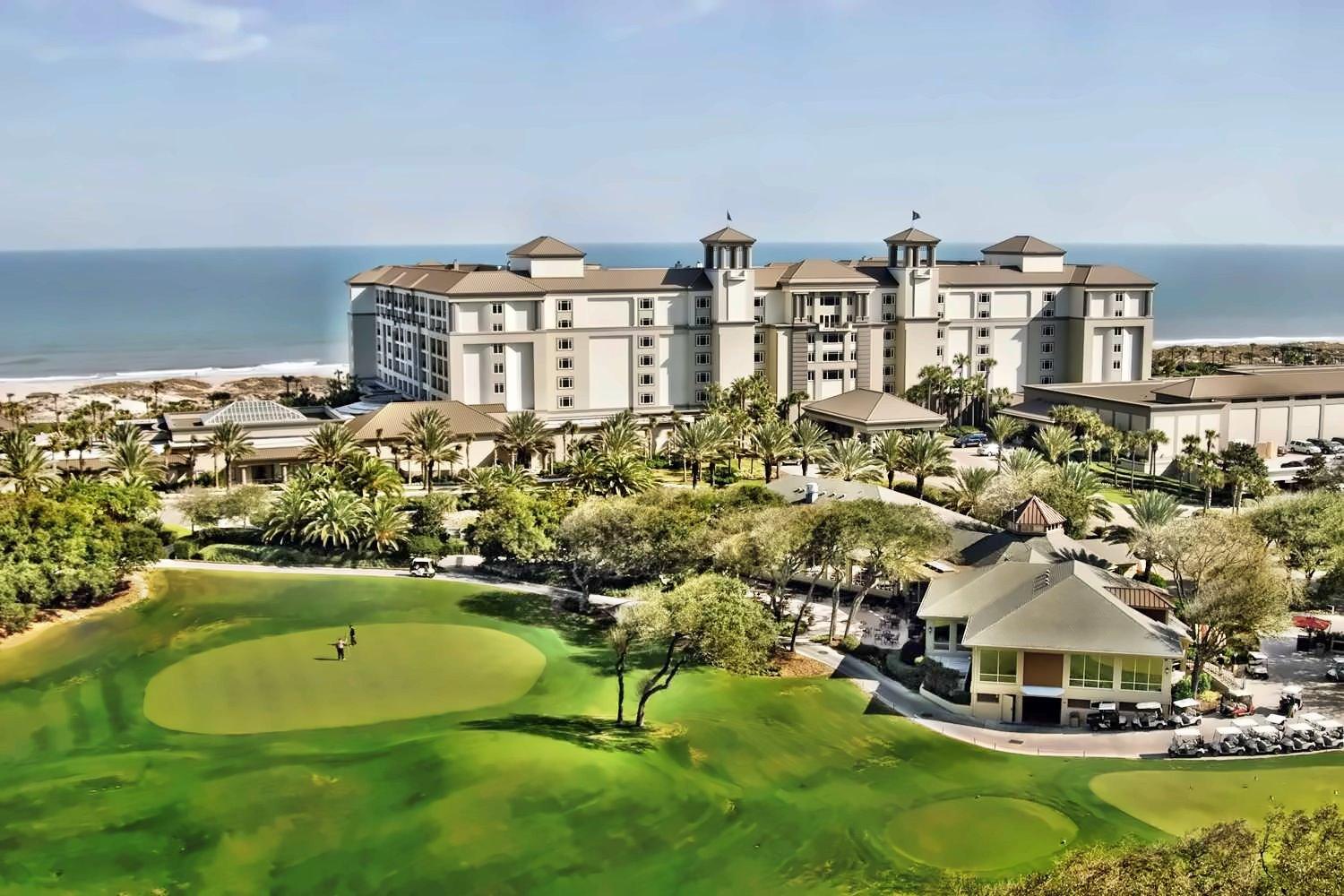
The portfolio is concentrated around New York, Miami, Los Angeles, San Francisco, Chicago and Washington, D.C.. With specialist resort demand across New England, Florida, the Southwest, California, the Rocky Mountains, Hawaii and the Pacific Northwest. Representative choices include Baccarat Hotel New York, The Hay-Adams in Washington, The Setai Miami Beach. Amangiri in Utah,
Bardessono in Yountville, Amangani near Jackson Hole and Fairmont Kea Lani Maui. These names illustrate different jobs: city base, landscape retreat, beach or mountain resort, wine-country stay and destination hotel. They should not be compared as if they were interchangeable products. Start each shortlist with the location needed for the day plan. Then compare service depth,
room inventory and on-property facilities. A central grand hotel may save hours over a larger resort outside town. conversely, a remote property only justifies the transfer when the stay is long enough to use its setting. Confirm renovation status, seasonal closures, family policies and the exact building or wing. Local hotel data is a discovery layer. While the final decision should reflect the traveller’s rhythm and priorities.
Room, suite and resort strategy
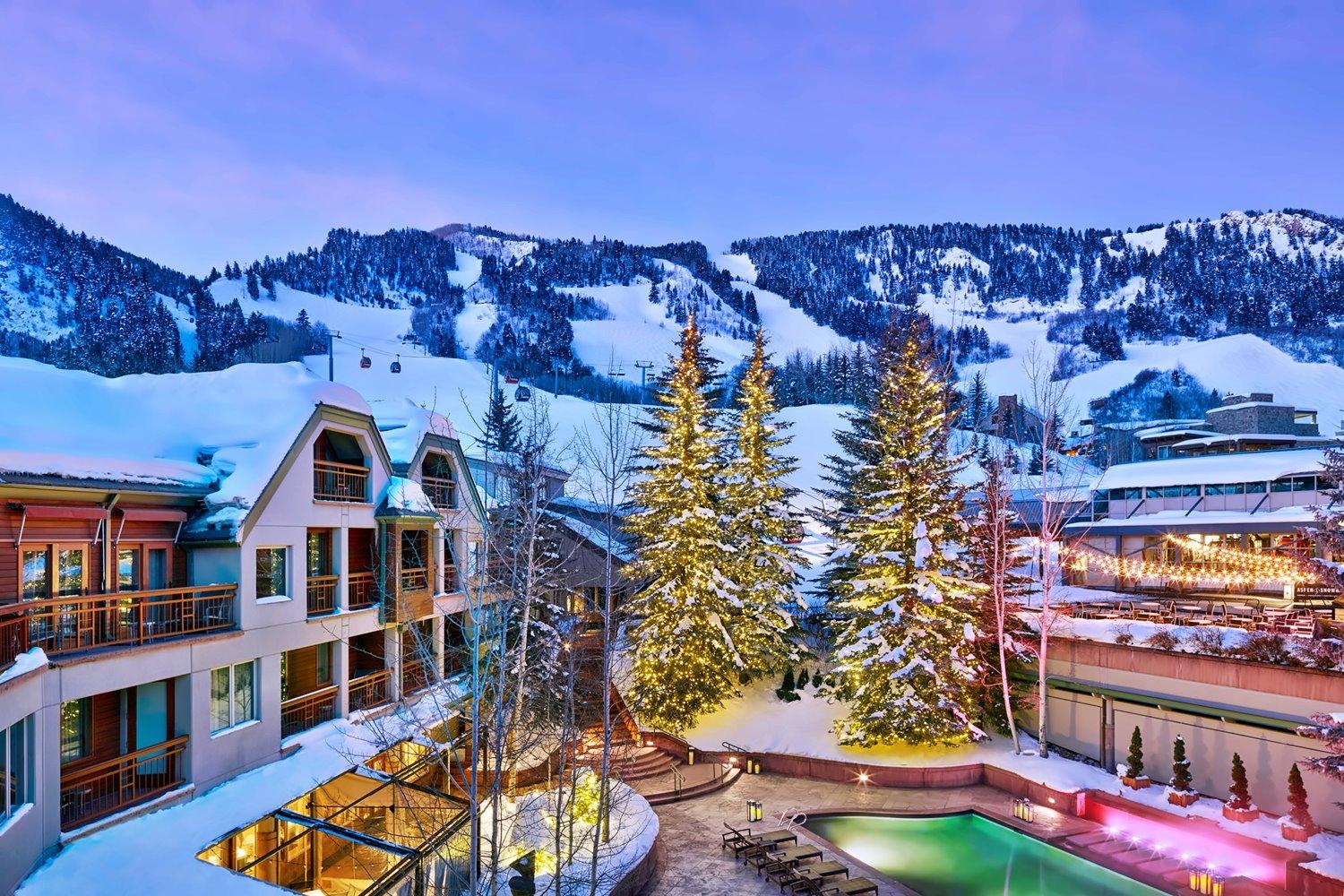
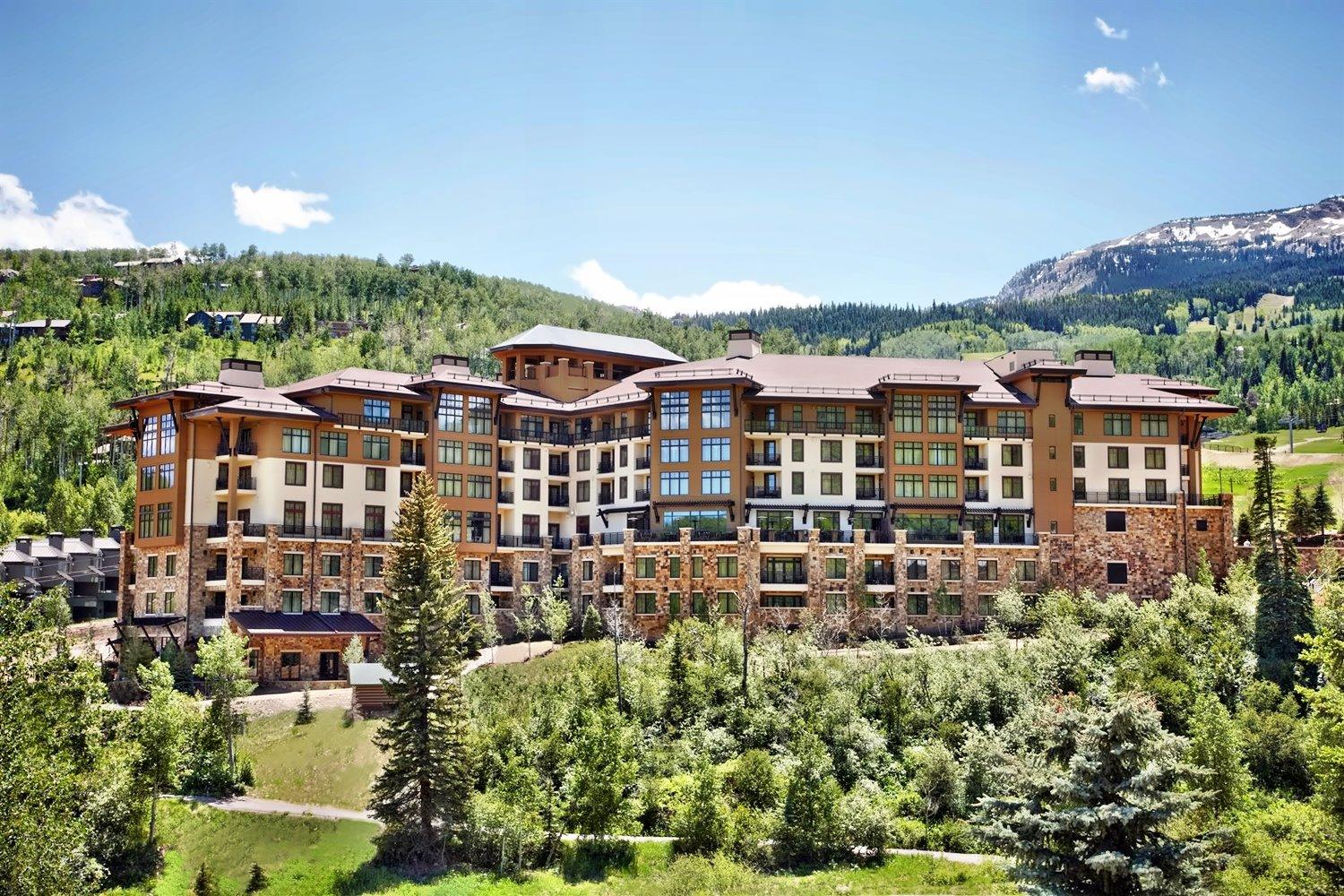
In United States, room category can matter as much as the property. Relevant distinctions include Manhattan skyline or Central Park orientation, Miami oceanfront position, connecting family rooms, residence-style kitchens in Hawaii. And ski-in/ski-out access in Colorado or Utah. Marketing labels are not standardised. So request the floor, orientation, bedding, connecting configuration,
outdoor space and accessibility details in writing. “View” may mean partial or distant. “suite” may not provide a closing bedroom door. a resort residence may sit far from the main facilities. Price the category that solves a real need rather than assuming an upgrade will do so. For an anniversary, secure the outlook. for a family,
secure the layout. for a short urban stay, prioritise quiet and access. At remote resorts, examine meal plans, resort fees, parking, transfers and activity costs together. The apparent room rate is incomplete when essential parts of the stay are charged separately or require advance reservations.
Using Virtuoso benefits intelligently
In United States, Virtuoso value is strongest when benefits match the stay rather than when they merely decorate the rate. Ask the advisor to compare the eligible rate with public packages and to document breakfast scope, property credit, upgrade priority, early arrival and late departure. Benefits are generally subject to availability and should never be presented as guaranteed unless the confirmation says so.
A two-night stay may use a dining or spa credit more naturally than a rushed overnight. Share the reason for travel and precise room priorities before booking. Then have the advisor reconfirm them with the hotel. For multi-stop journeys, decide where an upgrade has the greatest practical value and where a confirmed category is essential.
Check whether taxes, mandatory charges and local fees are included. The best Virtuoso booking is transparent: competitive total cost, suitable cancellation terms, useful amenities and an advisor who can intervene when transport disruption affects the sequence.
Food, culture and a sense of place
A high-quality trip should connect the hotel to regional seafood in New England, Creole and Lowcountry cooking in the South. Farm-led California menus, Southwestern flavours, Hawaiian produce and the deep restaurant cultures of New York and Chicago. Reservations need a hierarchy: secure the few meals that define the journey and leave space for local recommendations,
markets and spontaneous discoveries. Hotel concierges can be valuable. But dietary requirements, children’s needs and transport home should be stated early. Avoid filling every lunch and dinner with formal dining, particularly when the route already contains demanding transfers. The cultural framework includes Smithsonian museums, Indigenous cultural sites, civil-rights history, national parks, live music,
architecture and highly distinct local communities. Use licensed or specialist guides when interpretation materially changes the experience. And verify opening days before fixing the hotel sequence. Build time for neighbourhoods and landscapes, not only headline monuments. Respectful dress, photography rules, advance tickets and punctuality differ by place.
A destination hotel feels more rewarding when it supports engagement with its surroundings rather than becoming an isolated luxury bubble.
Responsible and resilient planning
Responsible planning in United States means travellers should respect tribal lands and permit rules. Reserve national-park access where required, reduce unnecessary domestic flying, follow fire and hurricane guidance. And support locally owned guides. These choices improve the trip as well as reducing pressure: fewer moves create more local spending, rail can return productive time.
And an informed guide often prevents avoidable access mistakes. Do not assume that a premium booking removes environmental limits or community rules. Resilience requires named alternatives and clear ownership. Record the hotel, transfer provider and advisor contacts offline. keep medication and one change of clothing in hand luggage. insure the components that would be costly to lose.
and understand cancellation deadlines in local time. Recheck major transport 72 hours before movement and again on the day. A robust itinerary has enough margin to absorb delay without sacrificing the experience that justified the journey.
Five practical planning tips for United States
- Choose the regions first and reject any hotel that creates a transfer disproportionate to the length of stay.
- Price open-jaw flights and door-to-door domestic transport before confirming non-refundable rooms.
- Request the exact room orientation, bedding, connecting arrangement and seasonal facilities in writing.
- Ask the Virtuoso advisor to itemise eligible benefits, taxes, mandatory fees and cancellation deadlines.
- Keep one weather-proof alternative and sufficient time margin for every critical transport day.
Frequently asked questions about Virtuoso travel in United States
How many Virtuoso hotels are represented
357 hotels are represented across 128 cities in the local directory. That breadth is useful for discovery. But it does not mean every property suits every route. Filter first by region, season and transport logic. Then compare the room and benefits that match the actual stay. Apply this recommendation to the United States regional sequence described above.
Which regions should a first United States trip combine
A first trip should combine places with a clean transport relationship and a coherent pace. New York, Miami, Los Angeles, San Francisco, Chicago and Washington, D.C. are major anchors. While New England, Florida, the Southwest, California, the Rocky Mountains, Hawaii and the Pacific Northwest provide contrasting resort and landscape stays. Two well-connected regions usually deliver more than a compressed national checklist. Apply this recommendation to the United States regional sequence described above.
What is the best way to travel within the country
Use domestic flights for continental jumps, Amtrak on selected corridors, rental cars outside major cities and pre-arranged transfers for remote resorts. The right mix depends on door-to-door time, luggage and the final hotel location. Check strikes, engineering works, weather and reservation requirements before each critical sector. And allow a real transfer margin rather than relying on the fastest advertised duration. Apply this recommendation to the United States regional sequence described above.
When is the best time to book
Florida and the desert Southwest are strongest in the cooler months. New England and the mountain West reward summer and autumn. ski destinations peak in winter. hurricane and wildfire exposure must be checked close to departure. For peak resorts, festivals and scarce room types. Book as soon as dates are firm. Shoulder-season travellers can compare value.
But should confirm which restaurants, transport links and resort facilities will operate rather than relying only on the hotel’s opening status. Apply this recommendation to the United States regional sequence described above.
Which room details should be confirmed
Confirm Manhattan skyline or Central Park orientation, Miami oceanfront position, connecting family rooms, residence-style kitchens in Hawaii. And ski-in/ski-out access in Colorado or Utah. Also request floor, noise exposure, lift access, bathroom configuration and any distance from main facilities. If a feature is essential. Reserve the category that includes it.
a discretionary upgrade is welcome but is not a sound planning dependency. Apply this recommendation to the United States regional sequence described above.
Are Virtuoso amenities guaranteed
The booked rate should identify the applicable amenities. But upgrades, early check-in and late check-out are commonly subject to availability. Breakfast and credit rules can vary by property. Ask the advisor to record the current terms and compare the total eligible rate with other offers before purchase. Apply this recommendation to the United States regional sequence described above.
How should dining and cultural visits be planned
Prioritise a small number of defining experiences around regional seafood in New England, Creole and Lowcountry cooking in the South, farm-led California menus, Southwestern flavours. Hawaiian produce and the deep restaurant cultures of New York and Chicago and Smithsonian museums, Indigenous cultural sites, civil-rights history, national parks, live music, architecture and highly distinct local communities.
Verify closure days and timed-entry rules. Then leave breathing room. A local specialist can add context and solve access. But the schedule should still allow unstructured neighbourhood or landscape time. Apply this recommendation to the United States regional sequence described above.
How can the itinerary remain resilient
Keep flexible terms where weather or transport affects several components, insure meaningful prepaid costs. And retain offline confirmations. Follow official alerts, reconfirm key transfers and identify an alternative for exposed activities. The strongest plan protects the journey’s purpose without scheduling every hour. Apply this recommendation to the United States regional sequence described above.
Combine your hotel stay with a privately designed journey through United States, with hotels, transfers and experiences planned as one seamless itinerary.