

Virtuoso Hotels
Virtuoso Hotels in Lihue, United States
1
1
Hotels
Virtuoso hotel in Lihue: Kauai coast and island travel planned precisely
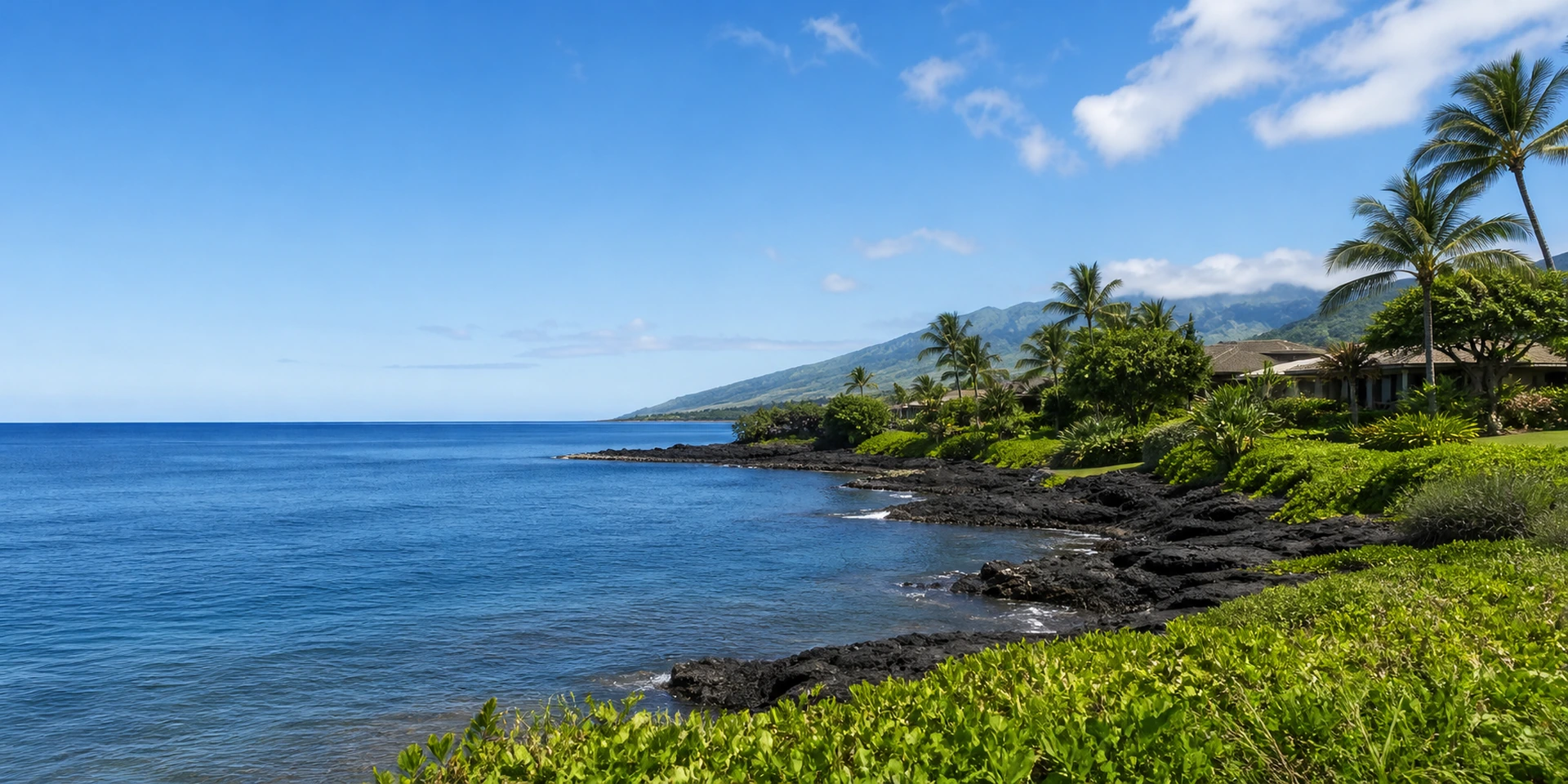
Timbers Kauaʻi Ocean Club &. Residences is a Timbers Resorts property at Hōkūala in Līhuʻe on the island of Kauaʻi, Hawaiʻi. It is not at Līhuʻe Airport LIH, in Honolulu, Waikīkī, Poʻipū, Princeville or on another Hawaiian island. Confirm the exact residence, building, floor, stairs, bedding, ocean or golf outlook only where listed, terrace, accessibility and on-property distance before payment.
Ocean Club or residence wording never guarantees an ocean view, calm water, beach access, golf, club inclusion, transport or an upgrade.
Līhuʻe Airport LIH is Kauaʻi’s only primary commercial airport and the practical gateway to the property. Every arrival needs a confirmed road transfer. no passenger rail reaches Hōkūala. Travellers arriving on another island need a separately protected flight to LIH and then the final road, not an assumed ferry. Rough Pacific surf, rip currents,
shorebreak, hurricanes or tropical storms, tsunami, heat, UV, lightning. Intense rain, flash flooding, landslides, road closures and remote trail conditions require official checks. Līhuʻe, Kauaʻi, Hōkūala and the property are not UNESCO World Heritage.
Place Timbers Kauai precisely at Hokuala
Use the current name Timbers Kauaʻi Ocean Club &. Residences and the Timbers Resorts brand. The property is at Hōkūala in Līhuʻe on Kauaʻi, not at the airport, in Honolulu, Poʻipū, Princeville or on Hawaiʻi Island. Confirm residence, building, floor, stairs, bedding, outlook, terrace, accessibility, lift route and on-property transport. Ask which dining, spa,
pools, golf, beach or lagoon-related activities operate on the booked dates. Choose a paid category that works without an upgrade, direct ocean view, club benefit, golf, beach access or transport assumed from the name.
Protect LIH and the complete final road
LIH is the practical commercial gateway to Kauaʻi. But it is not the hotel entrance. Confirm flight, terminal, US entry, baggage, agricultural inspection where applicable, licensed driver, luggage, child seat, exact property entrance and late fallback. No train reaches Hōkūala. An inter-island itinerary requires a protected flight to LIH before the final road. And no routine passenger ferry should be assumed.
Use Hawaiʻi DOT and county information, protect separate tickets and retain broad margins for airport disruption. Traffic, construction, crashes, intense rain, flooding, fallen trees and road closures.
Apply US entry and Kauai transport rules
Verify passport, purpose and current US requirements through the Department of State and Customs and Border Protection. ESTA applies only to eligible Visa Waiver travel, must be authorised before boarding and never guarantees admission. Check transit, customs, legal medication documentation, agricultural restrictions and insurance. Confirm rental licence acceptance, named drivers, child restraints, parking and sober transport.
Do not leave passports or luggage visible in a vehicle. Swiss travellers recheck FDFA advice. While every nationality uses its competent authority. Store secure local copies, exact property address and emergency contacts.
Treat Pacific surf and shore as active hazards
Kauaʻi water can change quickly with swell, wind, tide and season. Rip currents, shorebreak, sharp reef, rocks and strong channels affect shores differently. Check National Weather Service Honolulu, official signs, lifeguards where present and property staff for the exact access and time. Swim only where permitted and supervised when available, keep children within reach and never enter closed water,
alone, at night or after alcohol. Follow official rescue guidance if caught in a current. An ocean outlook, lagoon, protected-looking cove or sunny sky never proves safe swimming or ocean access.
Prepare for hurricane, tsunami and evacuation
Central Pacific tropical systems can bring destructive wind, storm surge, intense rain, landslides, outages and road disruption. Monitor the Central Pacific Hurricane Center, Hawaiʻi Emergency Management, Kauaʻi Emergency Management, Hawaiʻi DOT and property. Tsunami warnings can follow distant or local earthquakes. know signed evacuation routes and move inland or uphill immediately when instructed or after natural warning signs.
Never approach shore to watch. A modern residence, insurance or high floor does not override authorities. And hurricane season does not predict a storm for a particular booking.
Manage heat, lightning, flood and landslide
Heat, humidity and UV can cause heat illness despite trade winds. Shift strenuous activity away from peak heat, hydrate, use shade and sun protection and recognise urgent symptoms. Leave shore, pool, golf and exposed trails at thunder and enter a substantial building. Kauaʻi rainfall can be intense and highly local, creating flash floods, swollen streams,
muddy trails, falling rocks, landslides and road closures while another district remains sunny. Never cross floodwater or a barrier. Recheck the entire LIH road and excursion route after warnings. property weather alone is insufficient.
Respect trails, reefs, culture and UNESCO boundaries
Kauaʻi trails can be steep, slippery, eroded and remote. Confirm Hawaiʻi DLNR permits, closures, weather, daylight, footwear, stream crossings and a turnaround point. never trespass or rely on mobile coverage. Do not stand on coral, collect marine life, feed wildlife or enter protected land. Respect cultural sites and instructions. Līhuʻe, Kauaʻi, Hōkūala and Timbers Kauaʻi are not UNESCO World Heritage.
Other Hawaiian World Heritage properties are geographically separate and do not extend status to Kauaʻi. Local conservation, cultural or state-park importance is not a World Heritage designation.
Build a resilient Lihue stay
Reserve the exact residence, dining, spa, golf and confirmed activities. Then retain indoor and leeward alternatives. Recheck entry, flight, baggage, LIH, licensed final road, Hawaiʻi DOT, surf, rip currents, tsunami, hurricane, heat, lightning, rain, flood, landslide, trail and property operation. Store passport, ESTA or visa evidence, address, driver and insurance contacts saved locally. Official evacuation orders,
beach, trail and road closures and property instructions override meals and activities. Never pressure a driver to cross water or recover an old estimate. Before outdoor activity. Confirm daylight, access, equipment, weather, ocean and return. Mobility, diet, child and medical needs belong in writing. Retain time and funds for another transfer, meal or night. Ocean view, calm water, beach, golf, pool, upgrade, sunshine and uninterrupted travel are never guaranteed.
Planning tips
- Write the island clearly — Record Hōkūala, Līhuʻe, Kauaʻi, Hawaiʻi, and exact entrance.
- Protect the LIH chain — Build flight-baggage-driver-property with margin and no ferry assumption.
- Read the exact shore — Use current signs, lifeguards and property guidance for that access.
- Know the tsunami route — Save the signed evacuation path before the first coastal day.
- Recheck rain by district — Sunny Līhuʻe never proves a remote trail or road is safe.
Frequently asked questions
Where is the property
At Hōkūala in Līhuʻe on the island of Kauaʻi.
Which airport serves it
LIH is Kauaʻi’s practical commercial gateway and still requires road transfer.
Does rail reach the property
No. Every arrival ends by confirmed road.
Can another island use a ferry
Do not assume one. protect a flight to LIH and the final road.
Is the ocean always safe
No. Surf, rip currents, shorebreak, weather and closures decide.
Can rain close roads and trails
Yes. Flash flooding and landslides can isolate routes.
Is Kauai UNESCO-listed
No World Heritage status is claimed for island, Līhuʻe or property.
Is ESTA always sufficient
No. Eligibility, passport, history and purpose determine the US process.
Combine your hotel stay with a privately designed journey through United States, with hotels, transfers and experiences planned as one seamless itinerary.