
Virtuoso Hotels
Virtuoso Hotels in Los Angeles, United States
26
26
Hotels
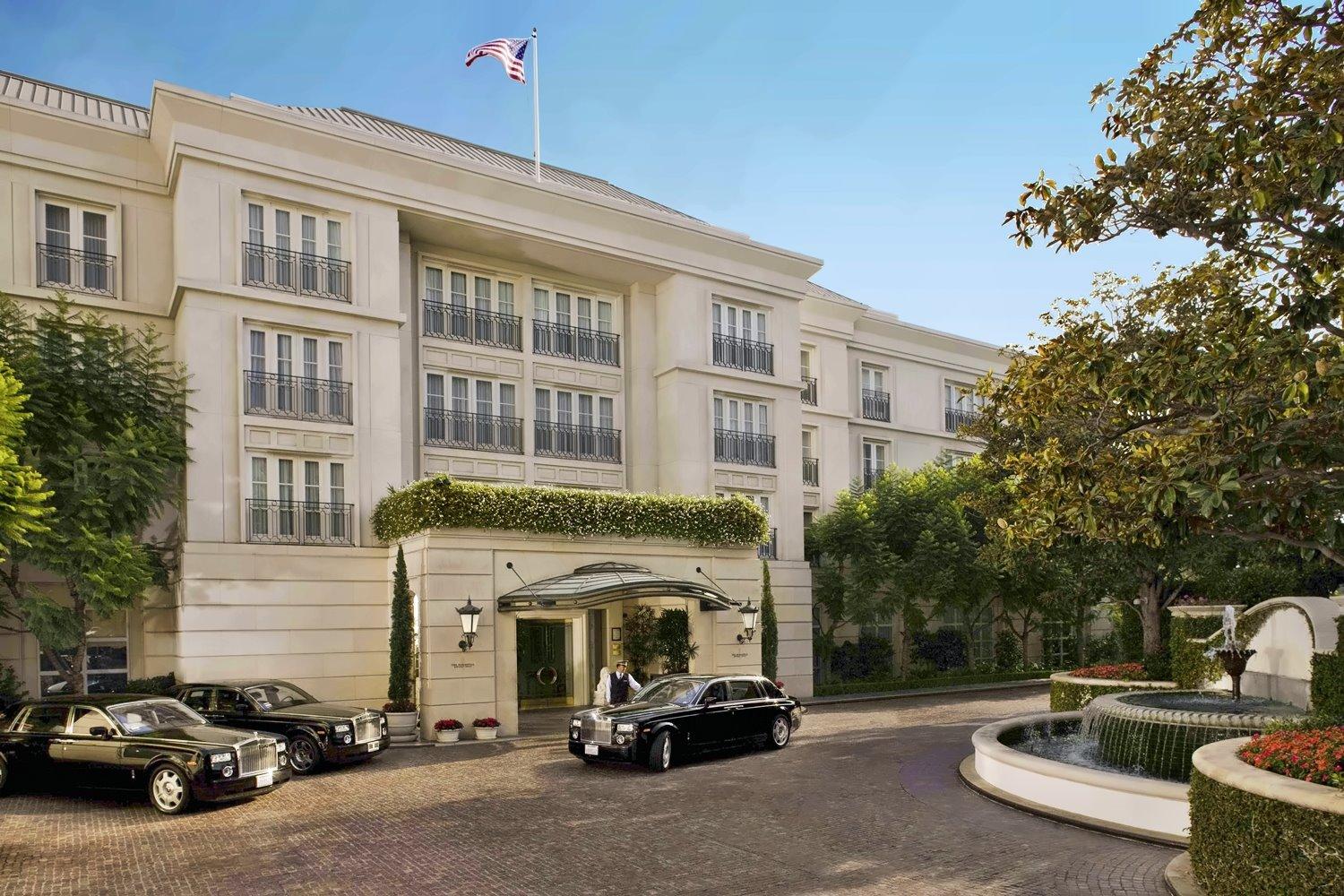
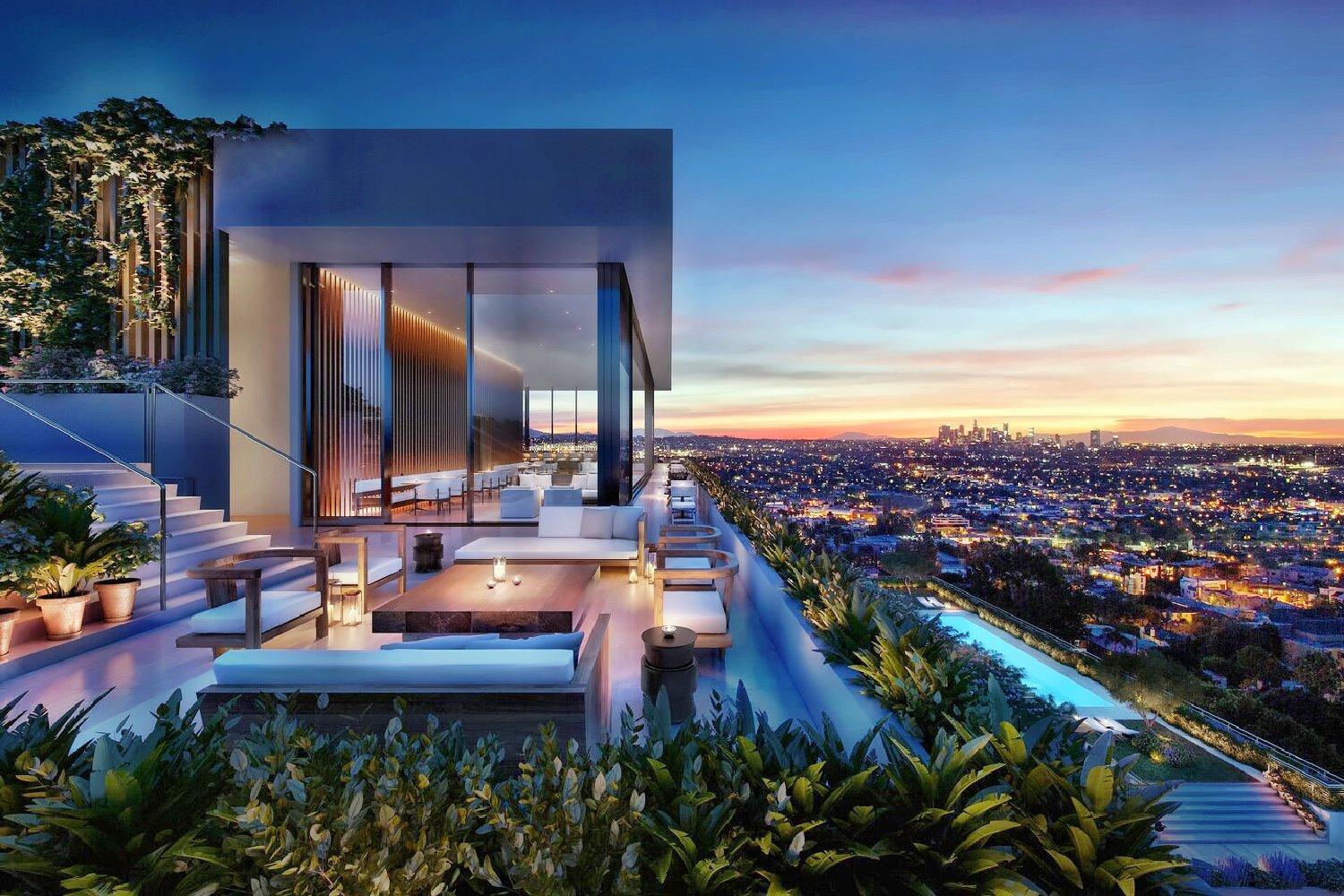
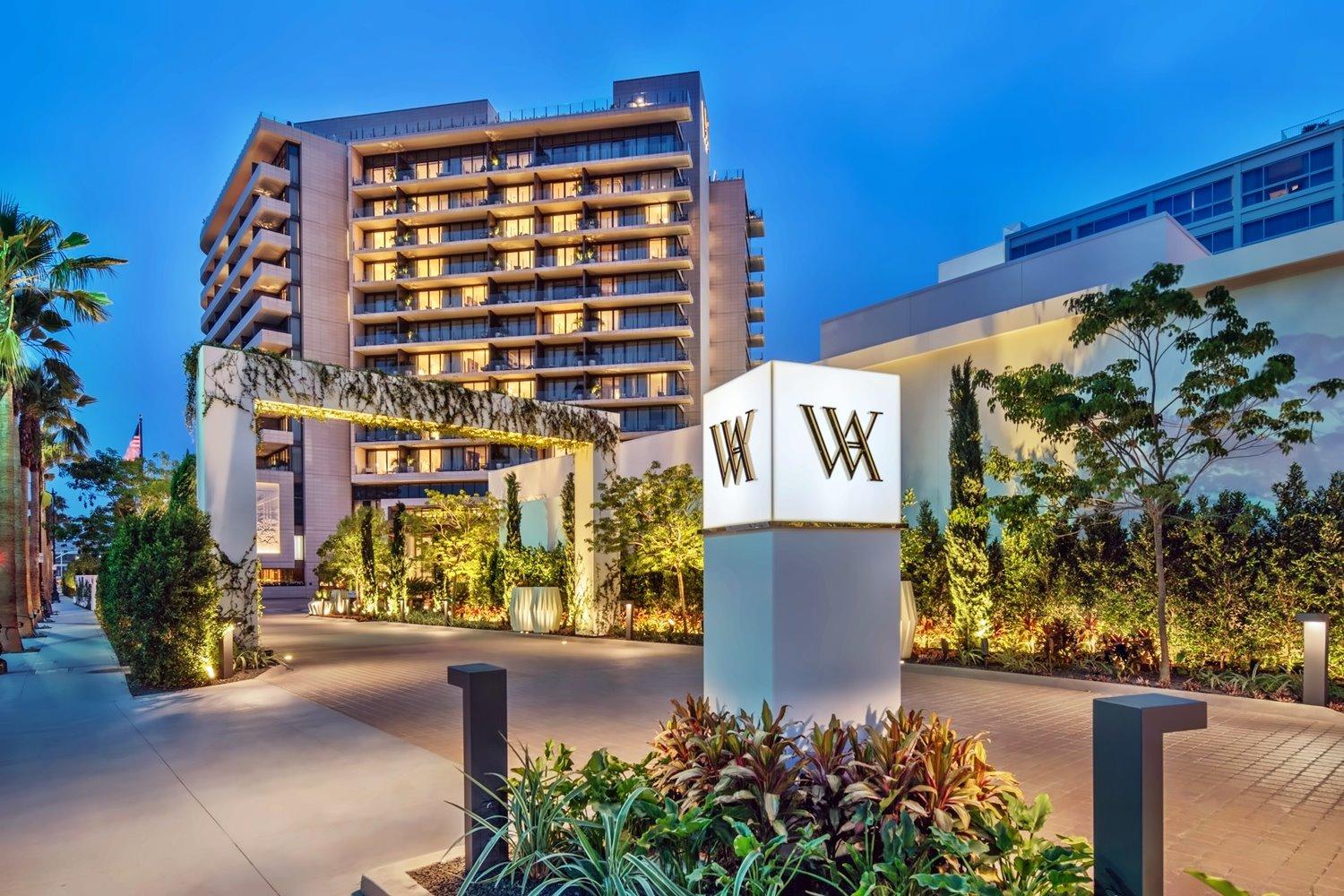
Virtuoso hotels in Los Angeles: coast, neighbourhoods and the right base
Los Angeles is not a city in which one central hotel solves every itinerary. Beverly Hills, West Hollywood, Santa Monica, Downtown, Pasadena and the Palos Verdes coast can be separated by long drives even when the map makes them appear close. The best address therefore begins with the purpose of the stay: fashion appointments, studio access, museums, restaurants, beach time or a wider California journey.
The current Virtuoso selection includes 26 hotels, from historic Hollywood landmarks and discreet all-suite houses to Pacific resorts and design-led urban bases. This guide compares their practical geography, atmosphere and use of time. It also explains how to combine culture, coast and dining while confirming the eligible Virtuoso rate. Breakfast, 100 USD hotel credit or experience, upgrade priority and VIP recognition for the chosen stay.
Choose Los Angeles by travel style
Start with the version of Los Angeles you intend to live. Then compare hotels inside that geographic chapter. A famous name in the wrong district can cost hours during a short stay.
Beverly Hills and the Westside
Beverly Hills gives polished service, Rodeo Drive, major dining rooms and reasonable access to Museum Row. It suits travellers who want a classic hotel experience and planned car transfers rather than a walk-everywhere city break.
West Hollywood and the Sunset Strip
West Hollywood places restaurants, design shops, music history and the Sunset Strip close together. It works best when evenings matter and coastal days are occasional rather than daily.
Santa Monica and Marina del Rey
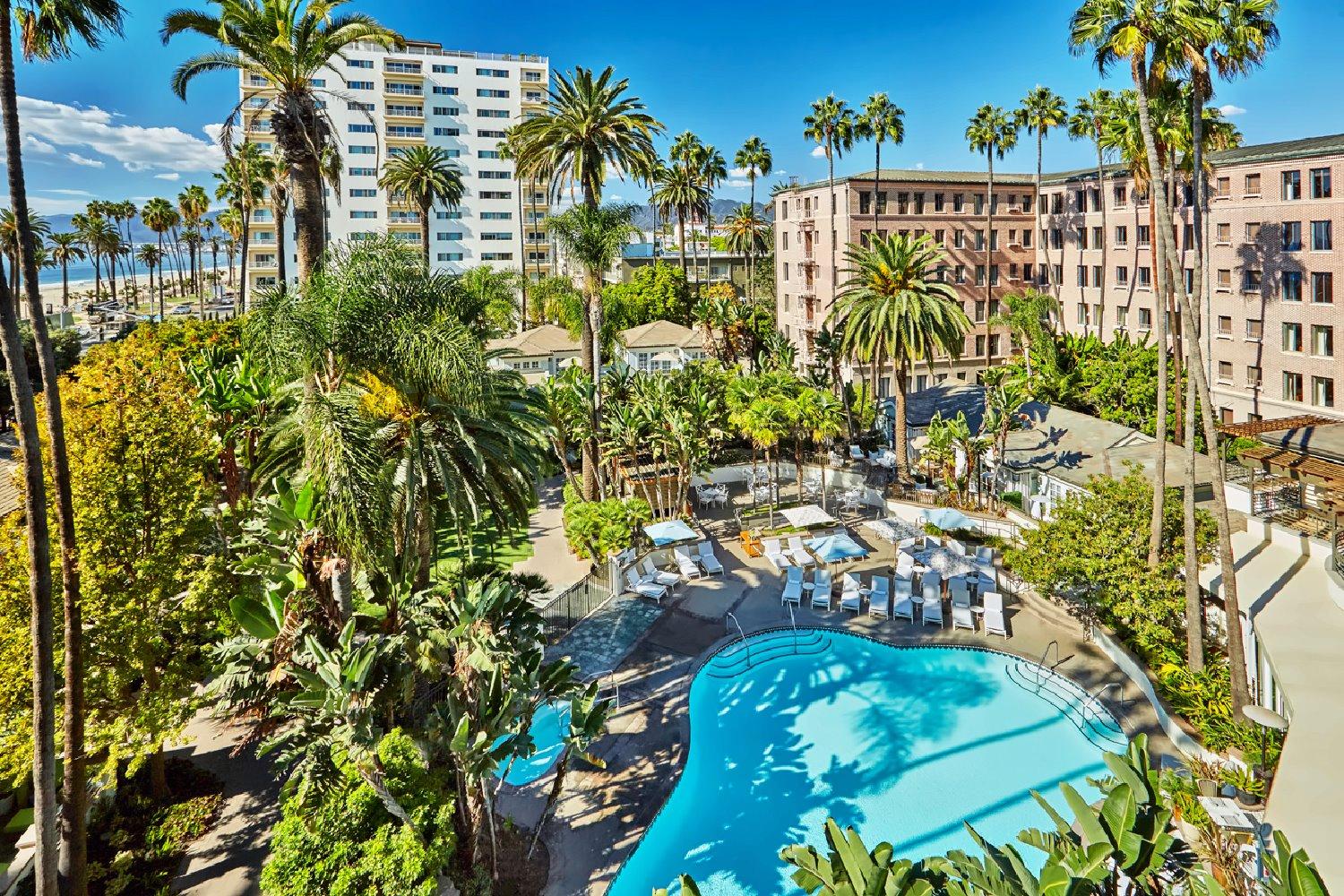
Choose the coast for beach walks, ocean views and a slower morning rhythm. The trade-off is a longer journey to Downtown, Pasadena and many studio appointments, especially at commuter times.
Downtown and Pasadena
Downtown suits Broadway architecture, concert halls and restaurants. Pasadena is stronger for the Huntington, gardens and a quieter residential character. Neither should be selected merely as a cheaper substitute for Beverly Hills.
The principal luxury-hotel districts
Beverly Hills, Bel-Air and Century City
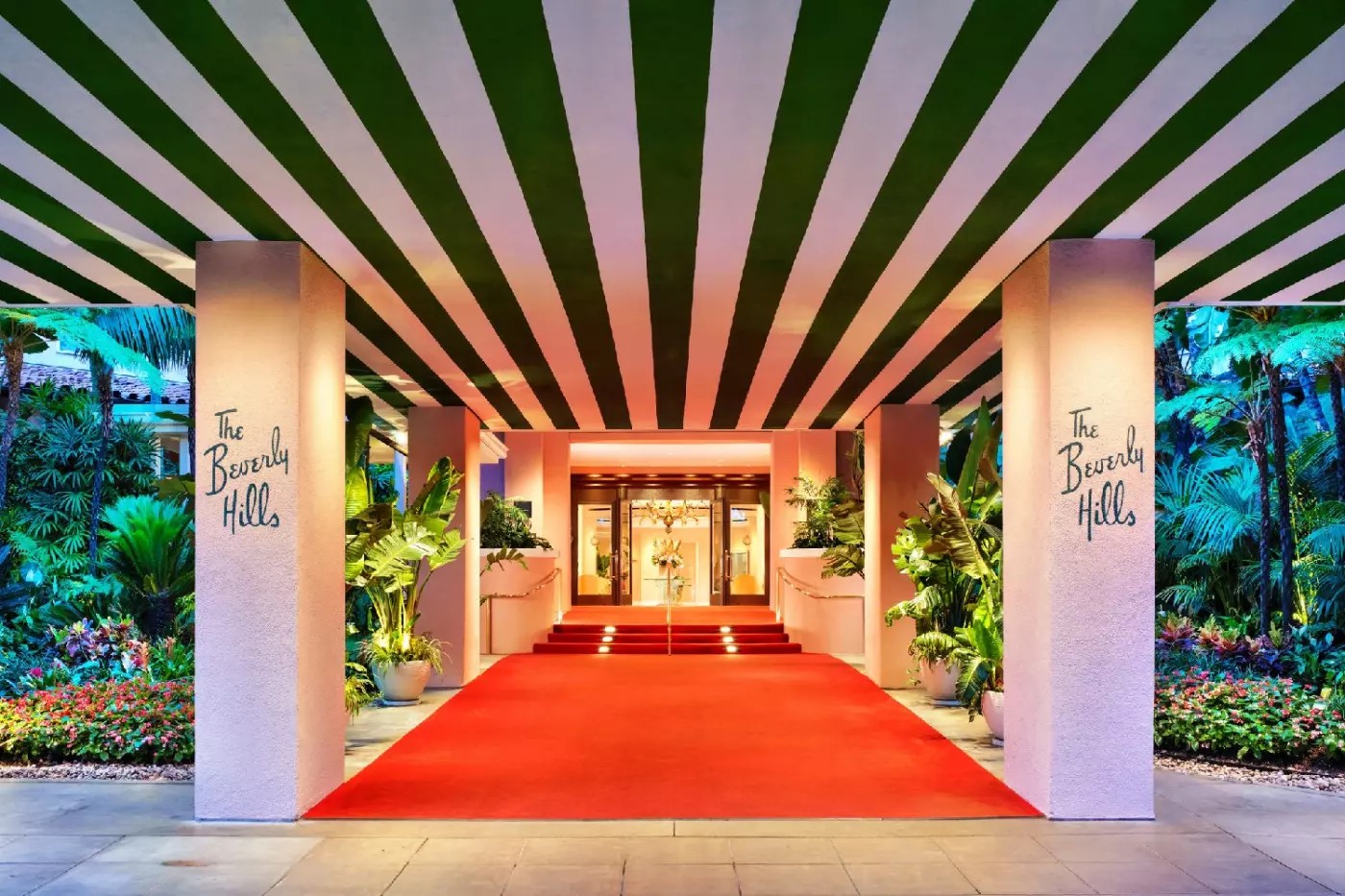
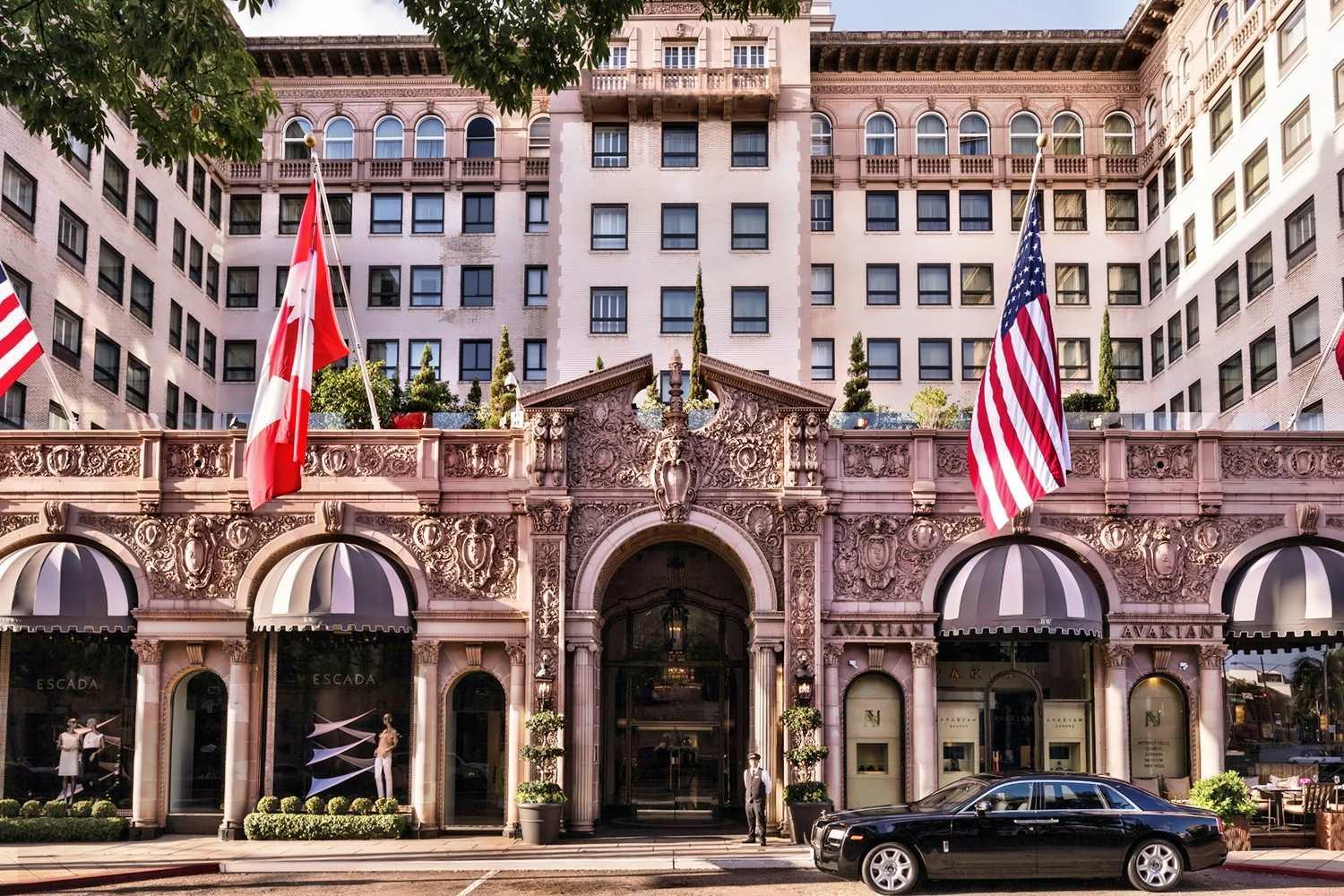
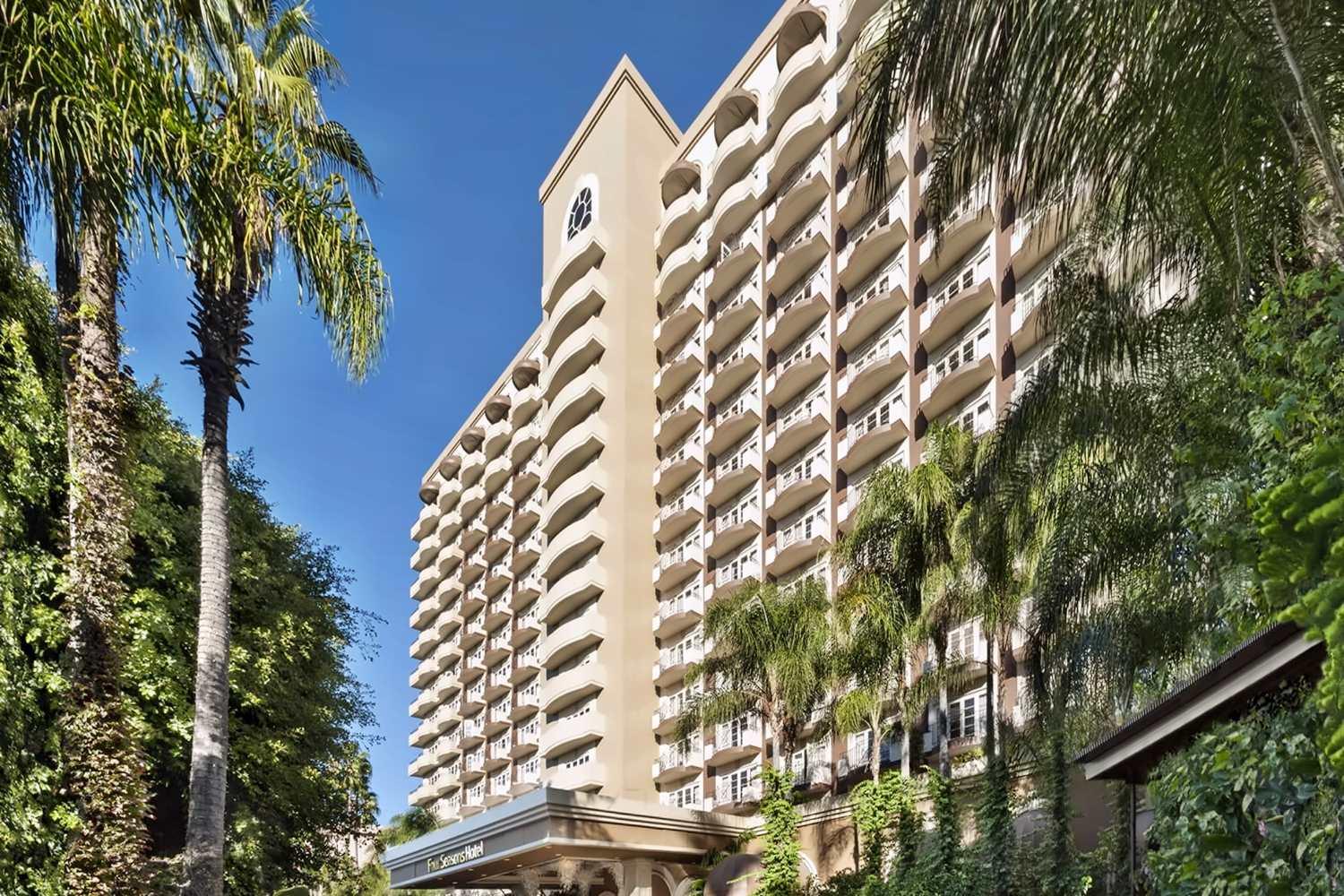
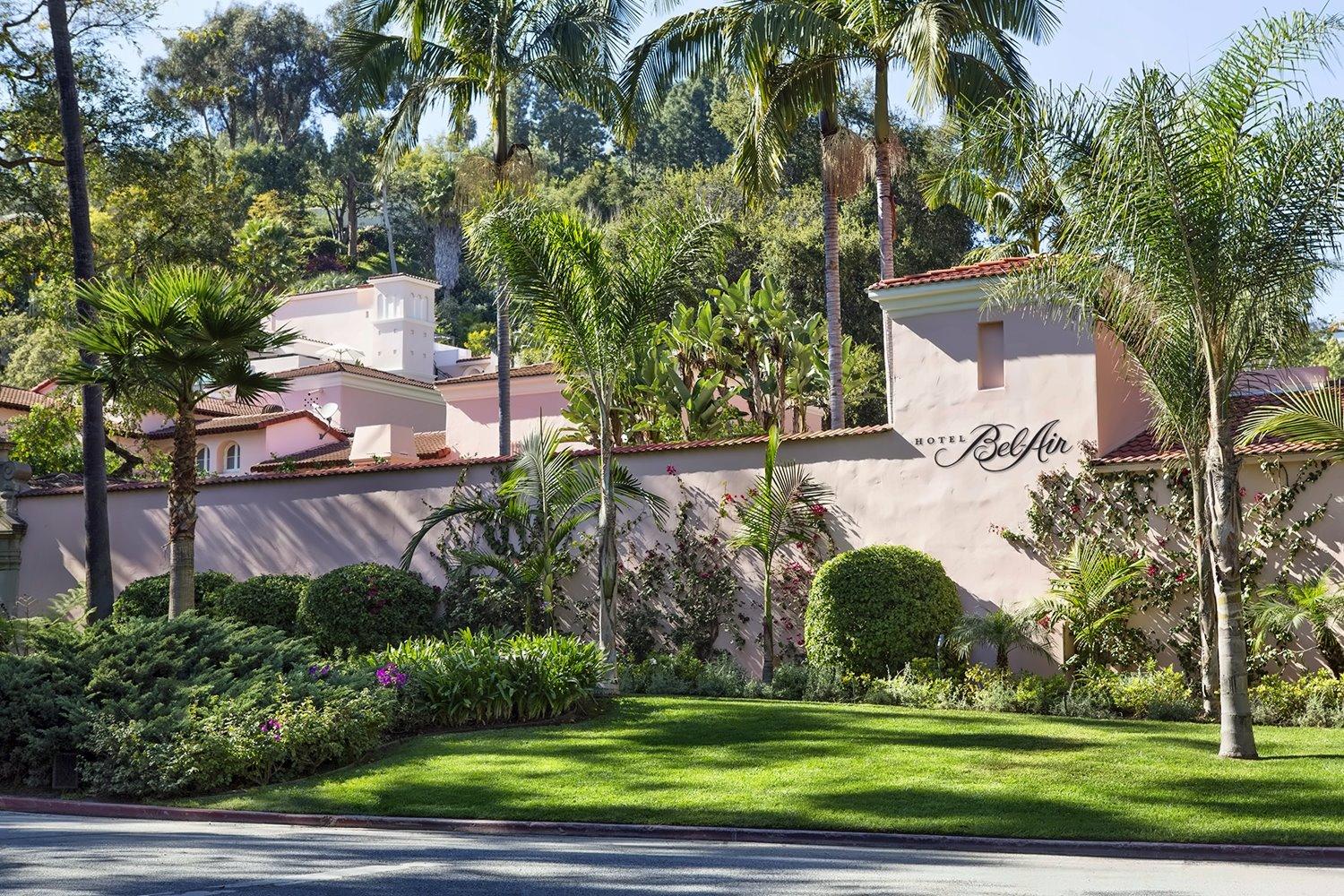
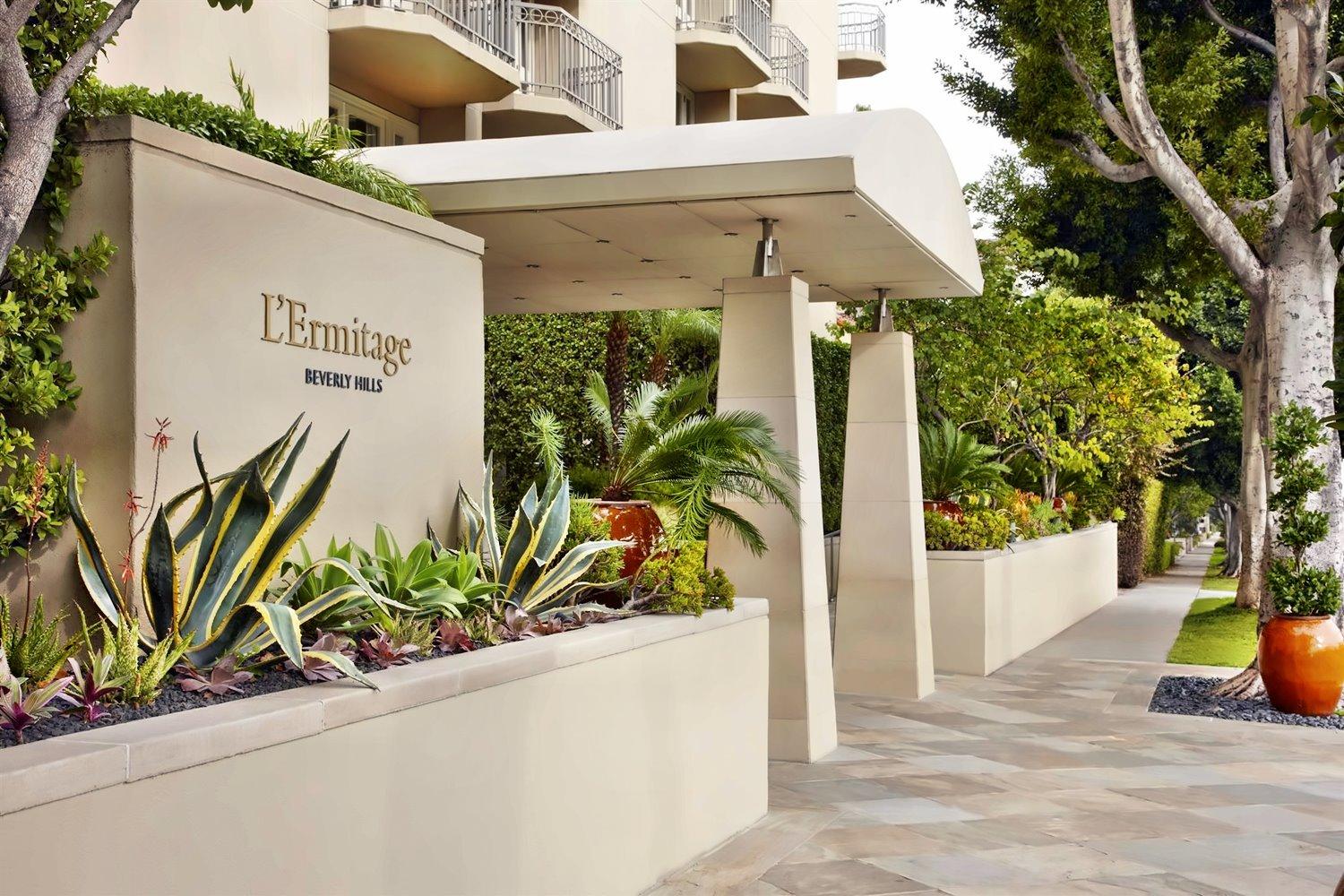
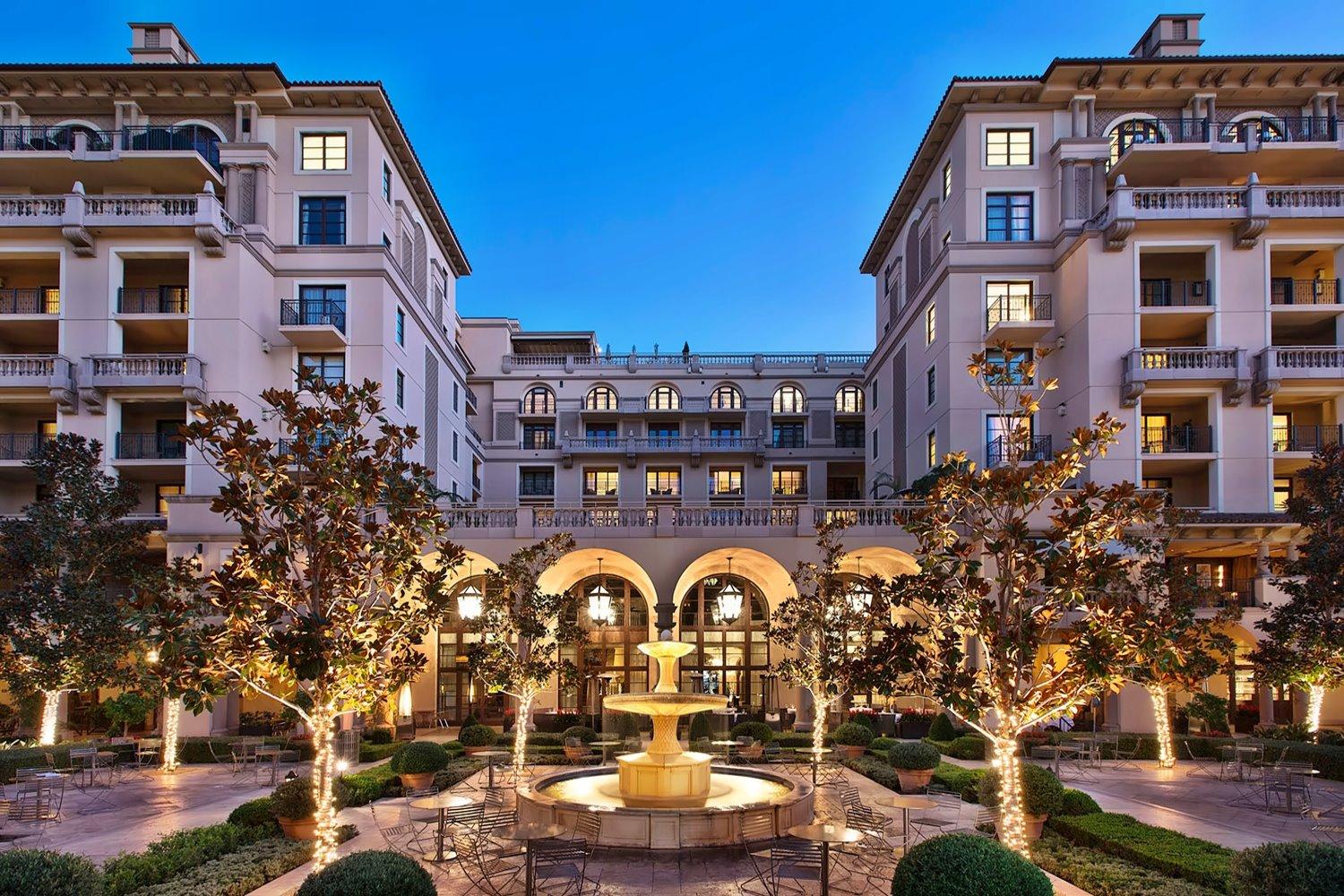
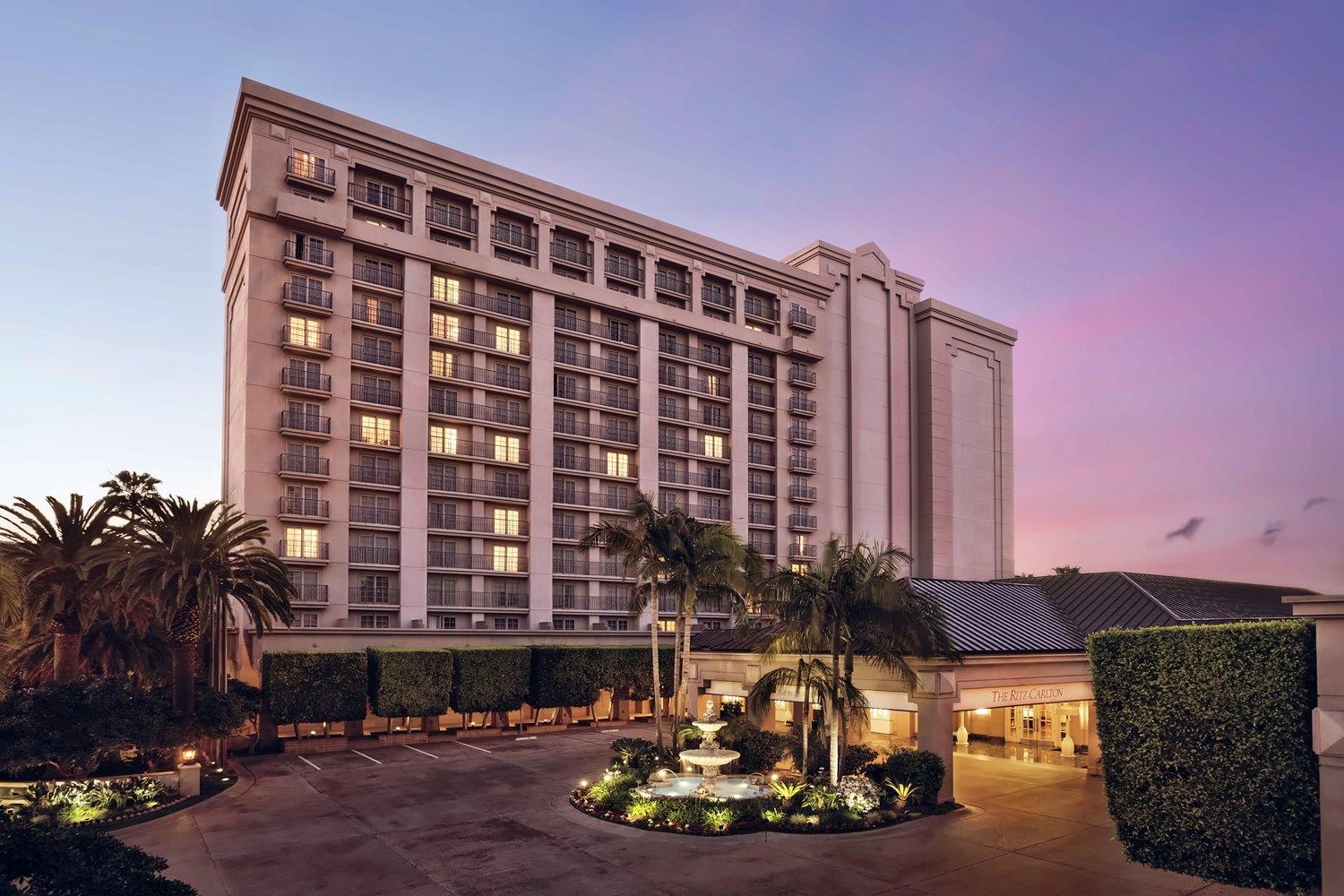
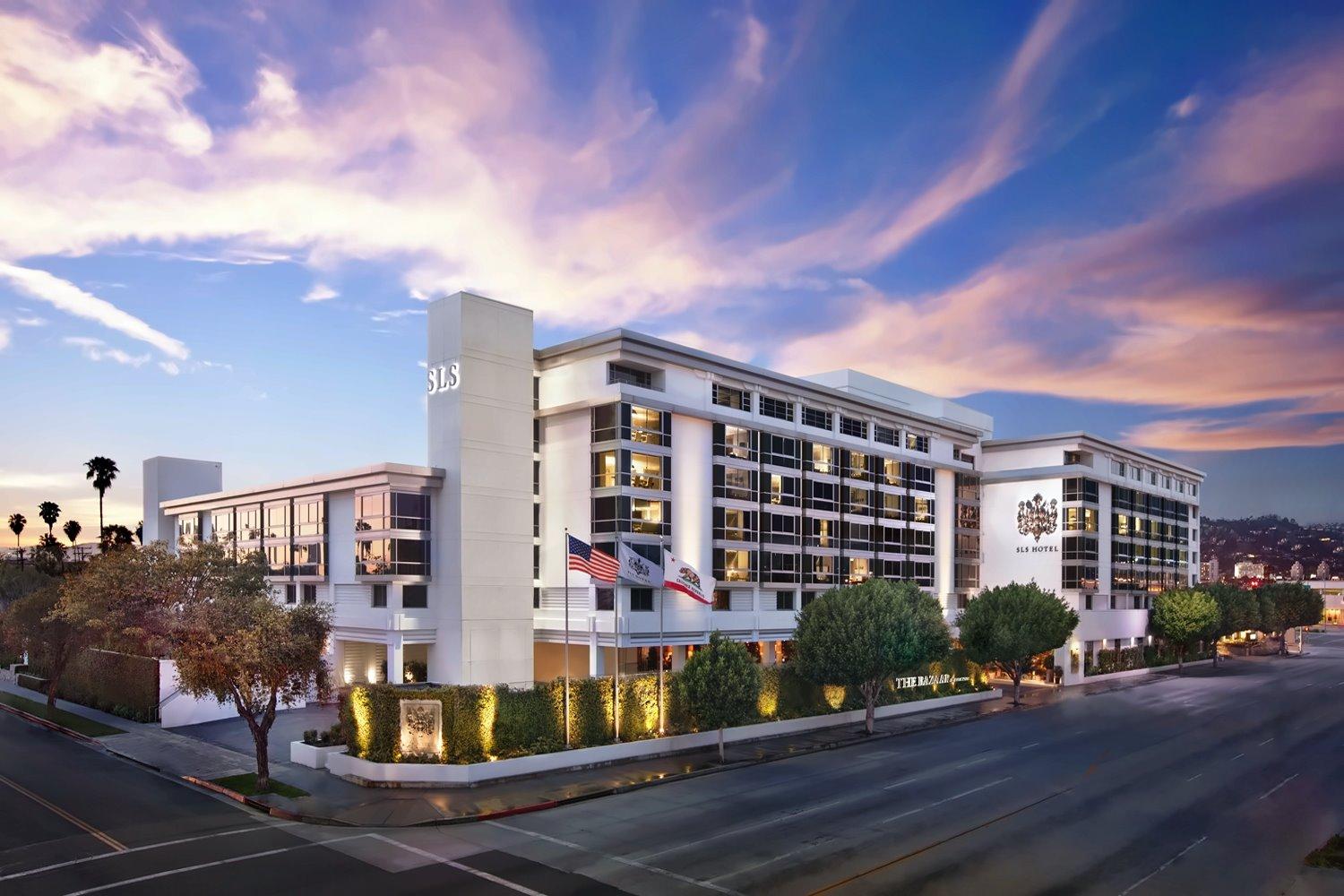
Beverly Wilshire, The Maybourne, Peninsula, Waldorf Astoria and L’Ermitage place Rodeo Drive and central Beverly Hills within easy reach. The Beverly Hills Hotel and Hotel Bel-Air are more secluded destinations with gardens, history and restaurant rituals. Four Seasons Los Angeles and SLS sit closer to the eastern edge of the district. Useful for Museum Row and West Hollywood as well as Beverly Hills.
West Hollywood and the Sunset Strip
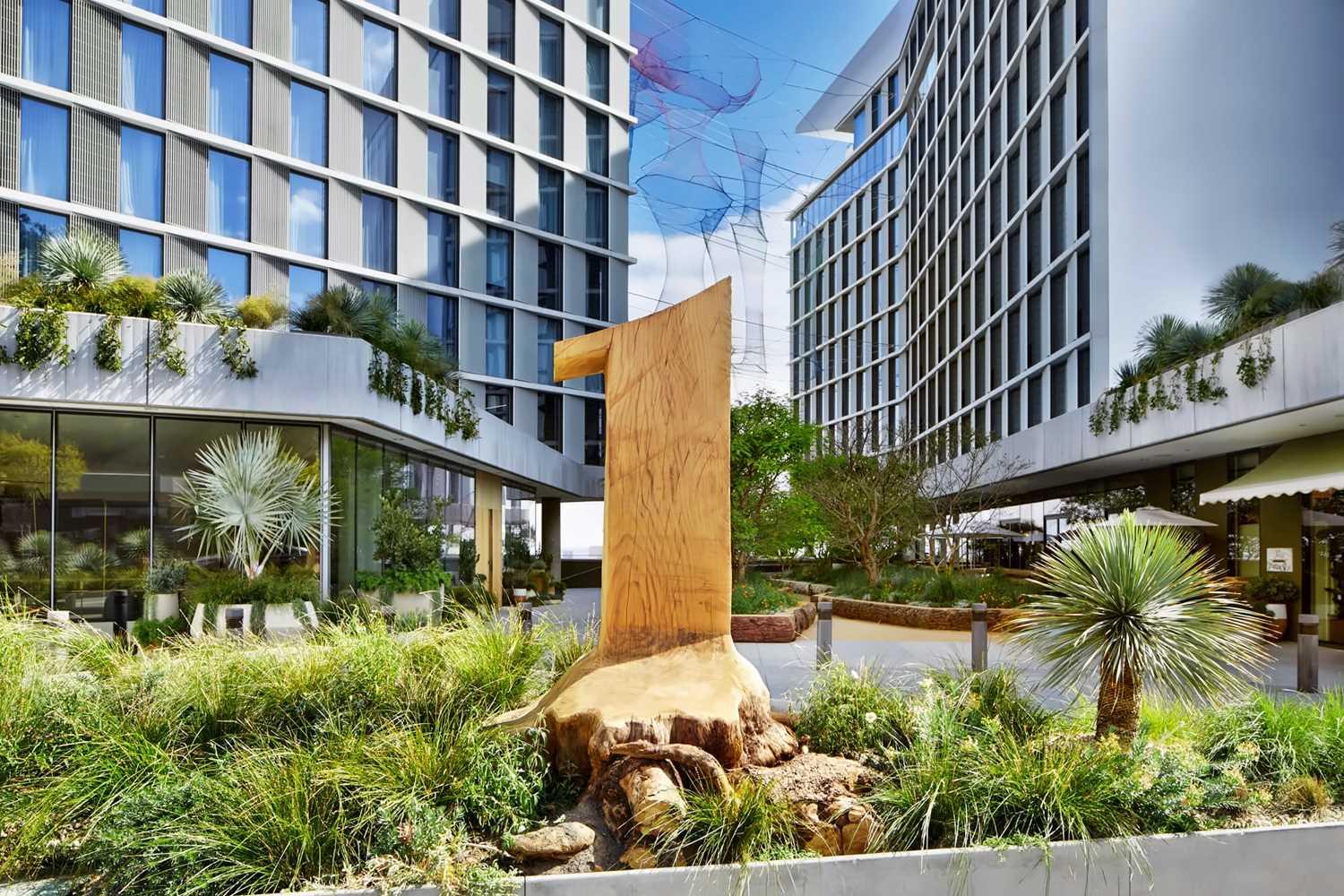
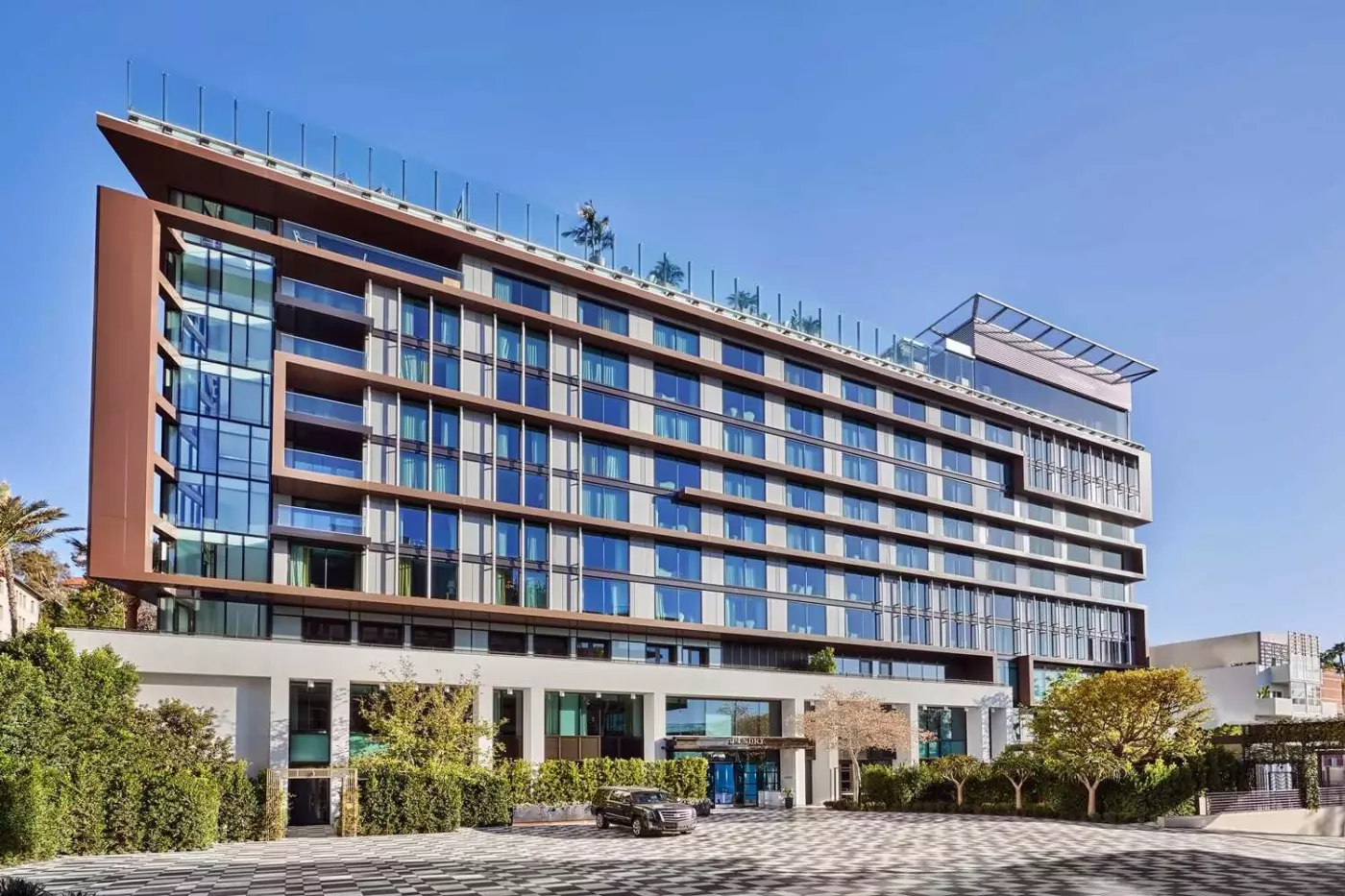
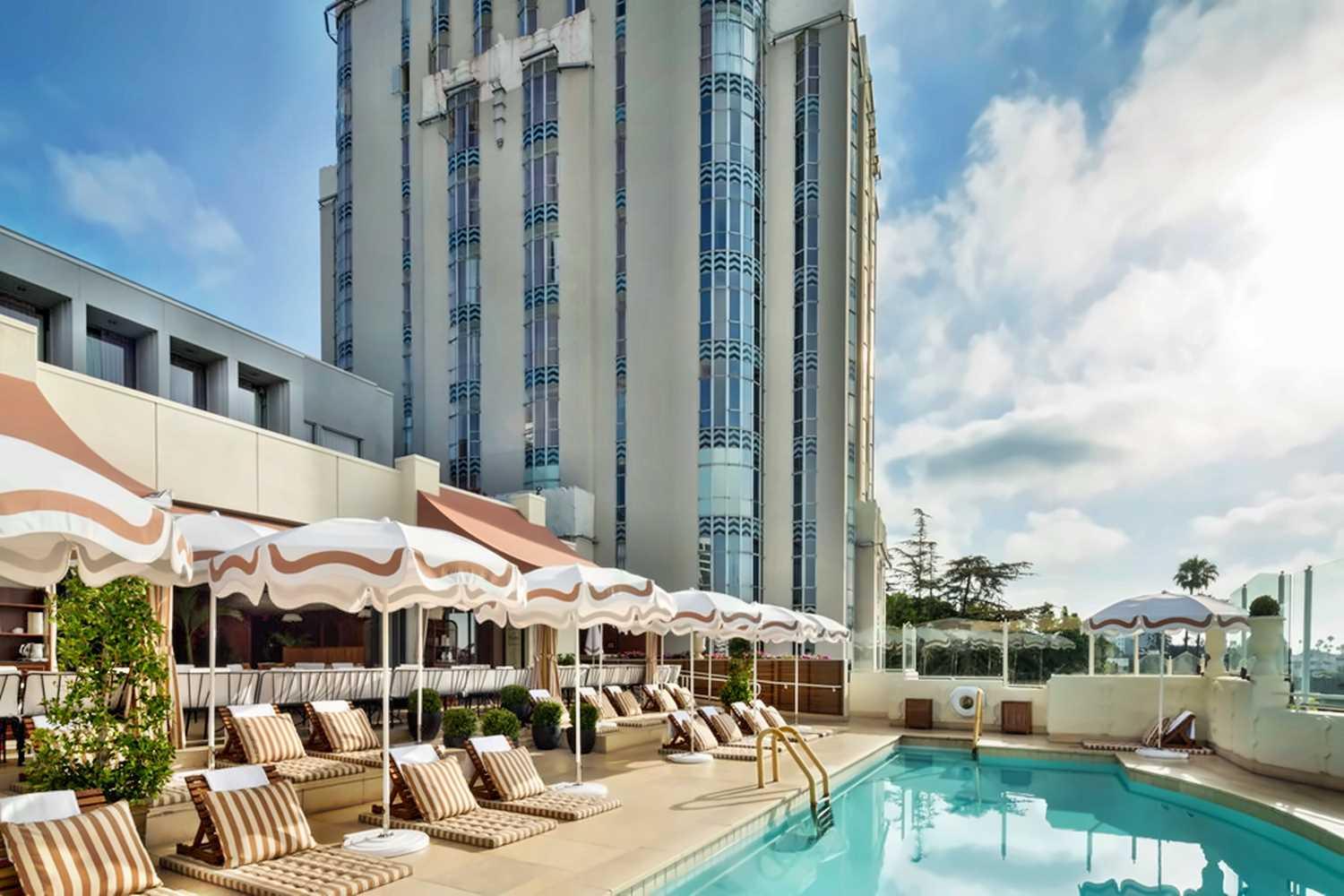
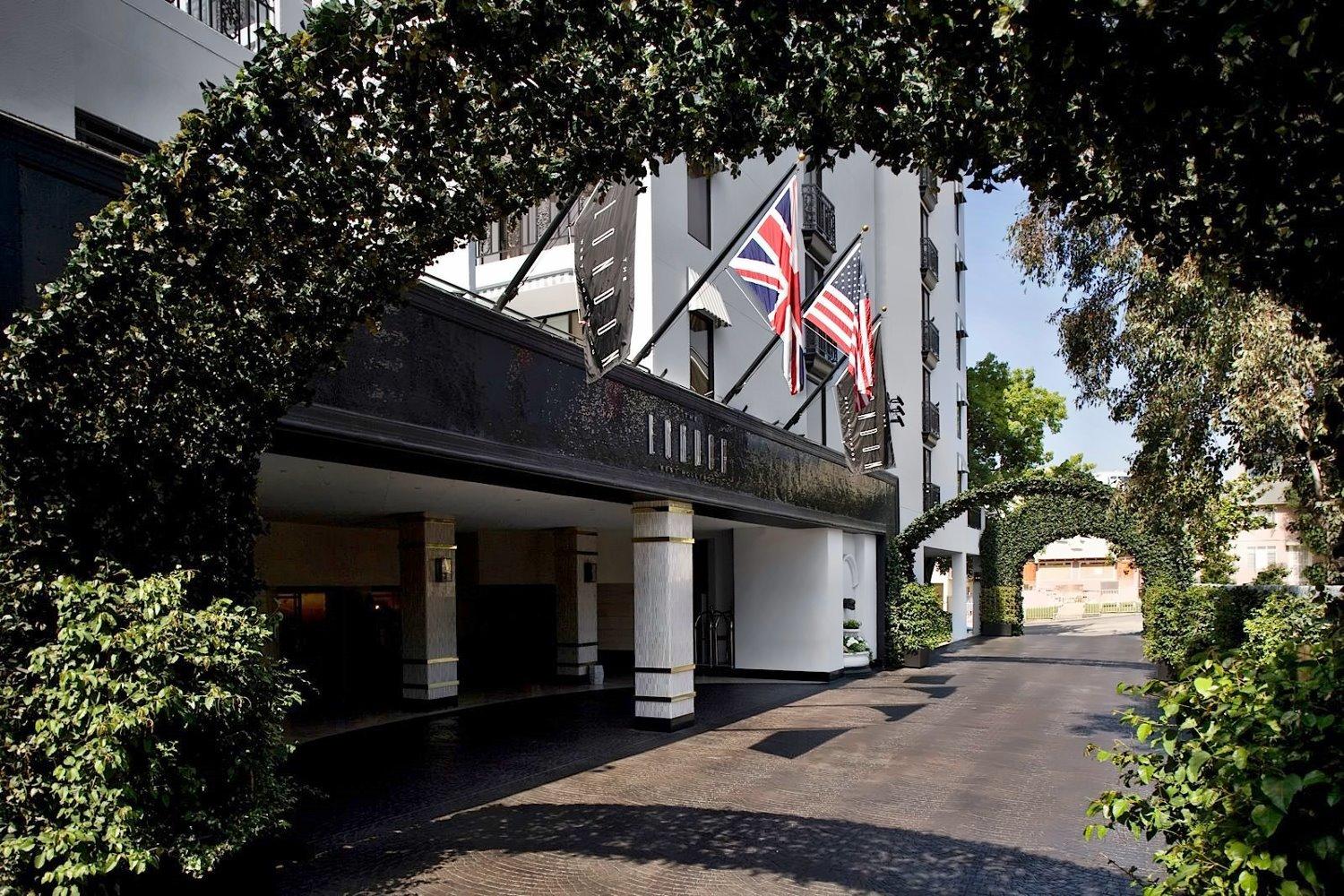
1 Hotel, Pendry, Sunset Tower, The London and The West Hollywood EDITION create a concentrated selection along or near Sunset Boulevard. The area is convenient for restaurants, music venues, design and evenings. But rooms differ greatly in noise exposure and outlook. Confirm the exact orientation rather than relying on a generic city-view label.
Santa Monica, Marina del Rey and Palos Verdes
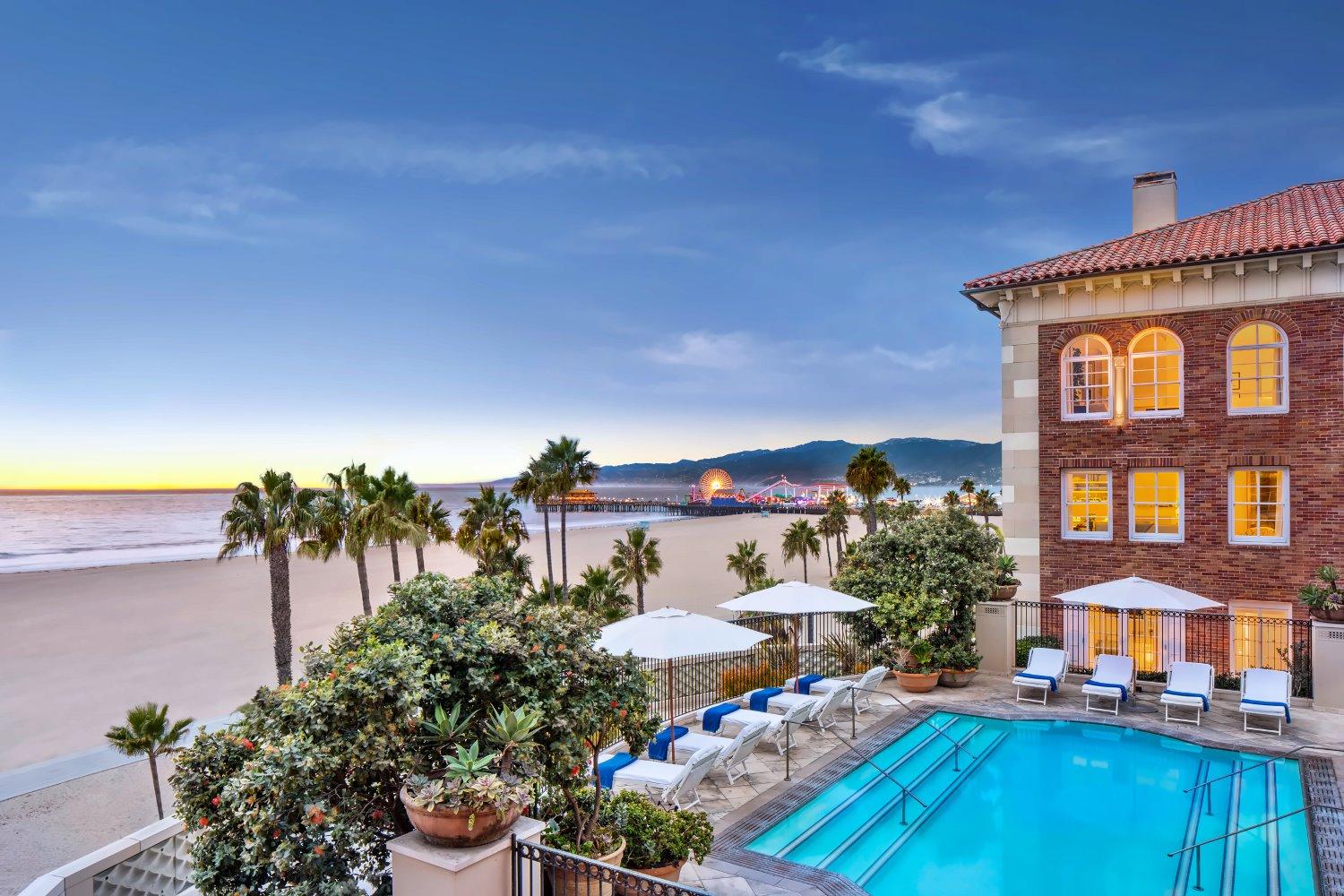
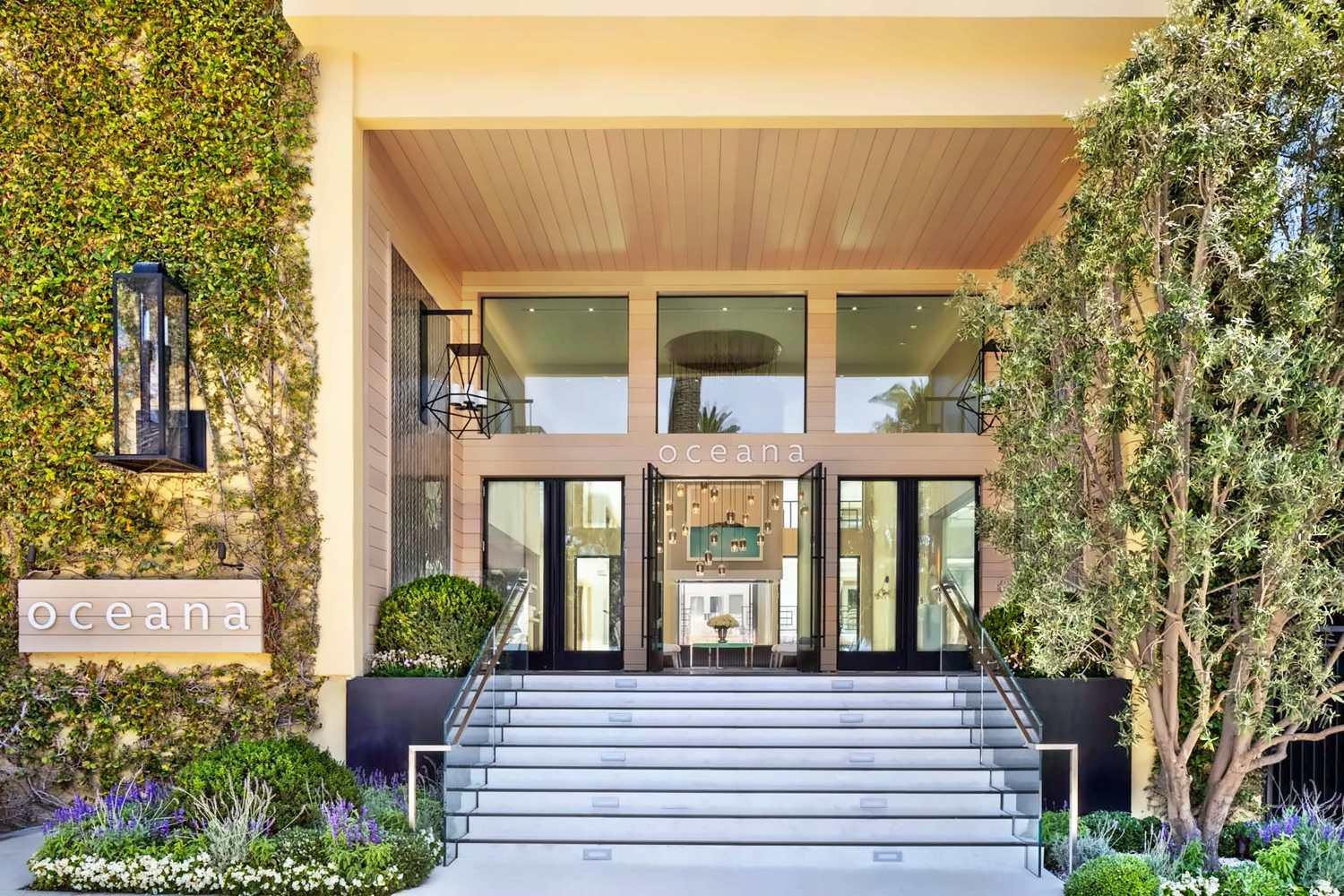
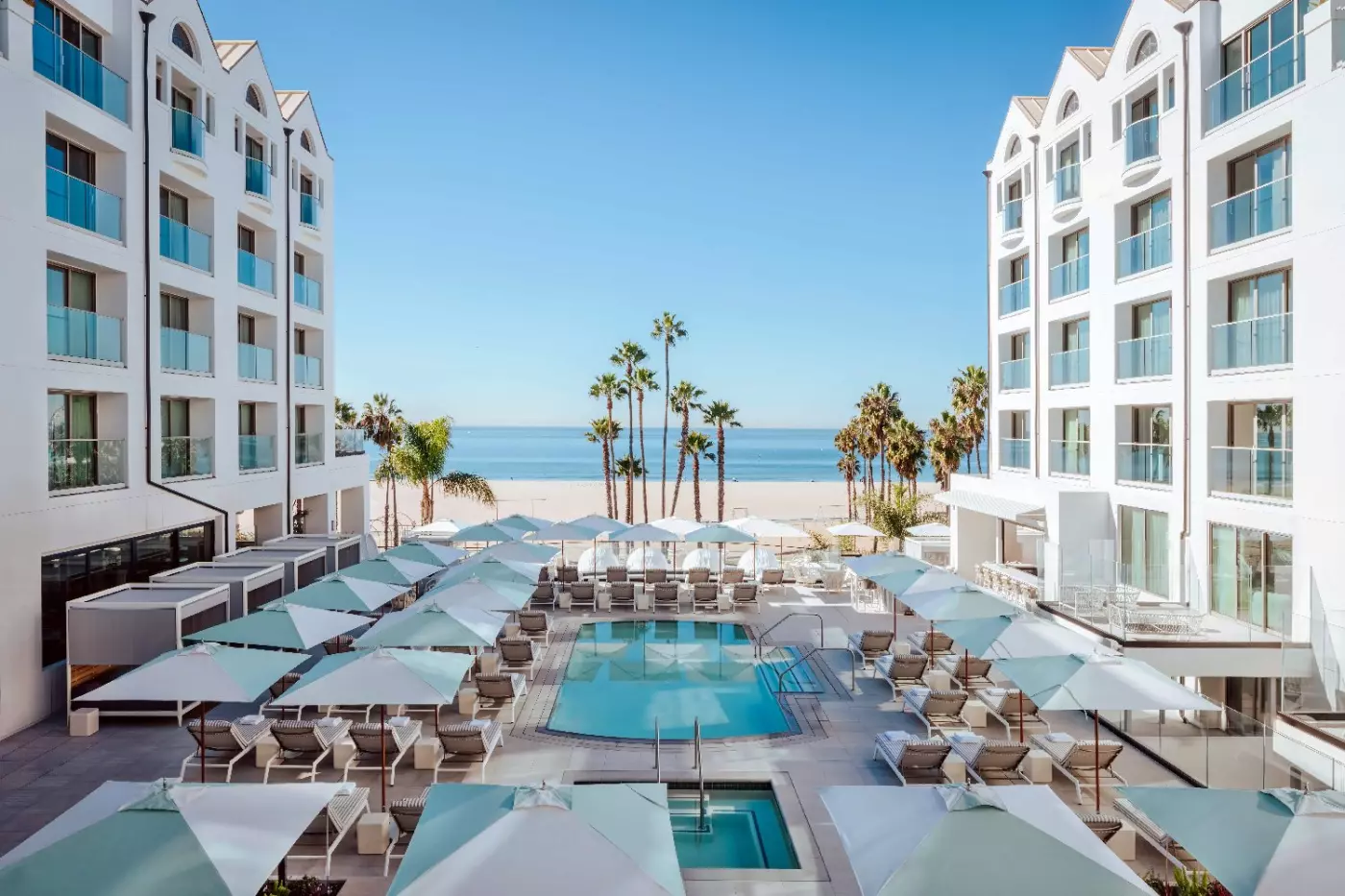
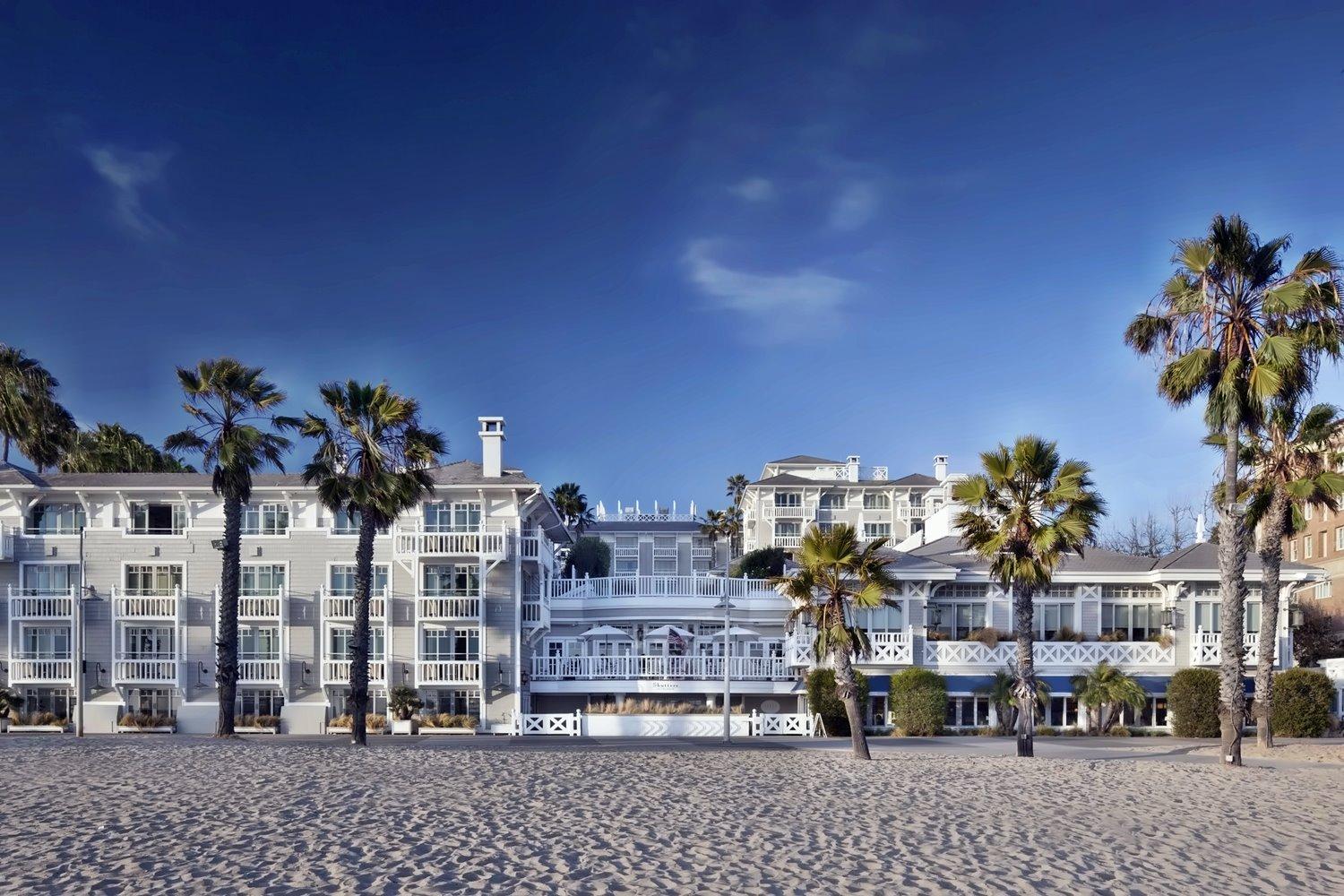
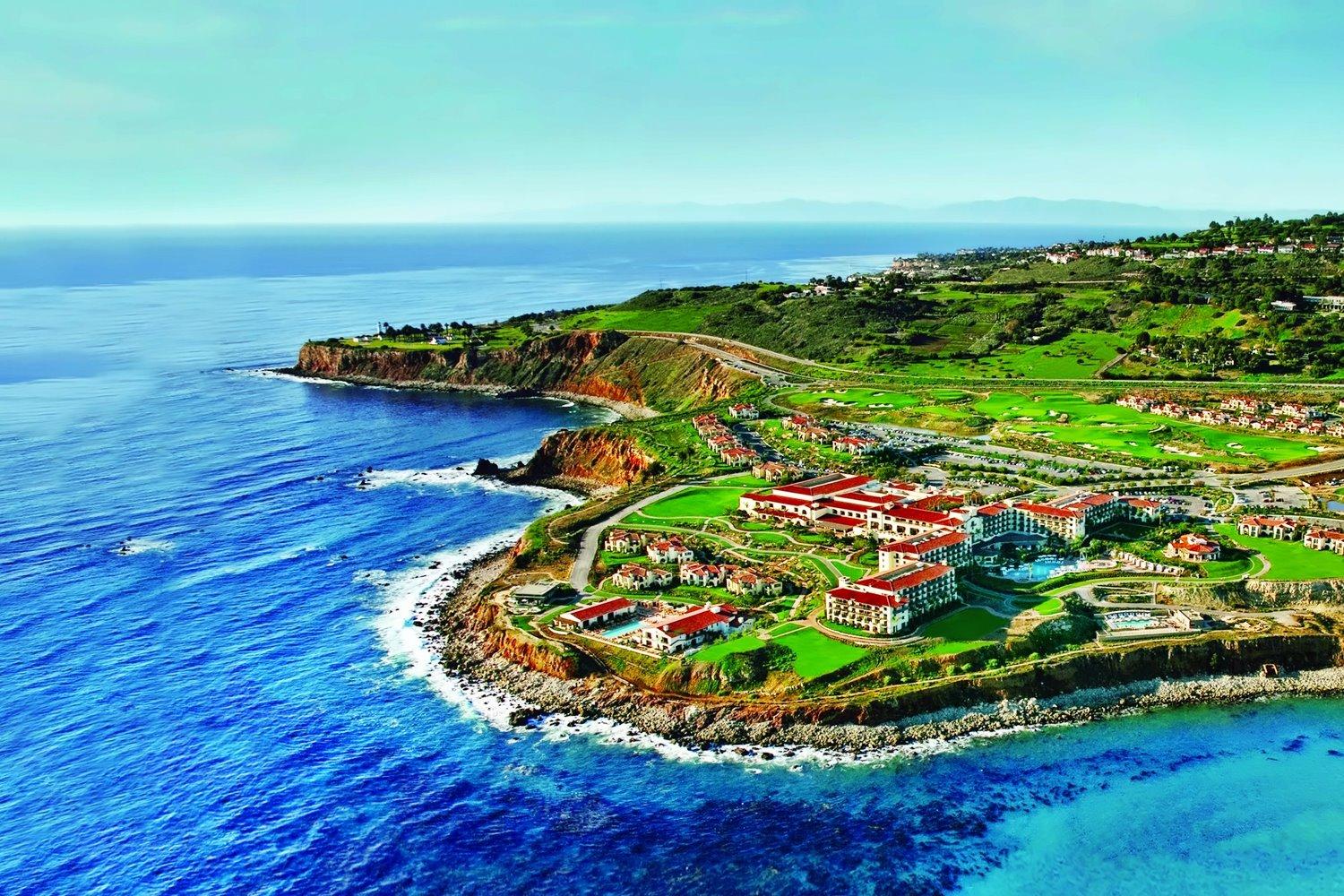
Fairmont Miramar and Oceana overlook Palisades Park. Casa del Mar, Shutters and Regent engage more directly with the beach. Santa Monica Proper offers a design and wellness alternative slightly inland. Ritz-Carlton Marina del Rey suits waterfront activity. While Terranea is a true coastal resort on the Palos Verdes Peninsula and needs enough time on property to justify the location.
Downtown Los Angeles and Pasadena
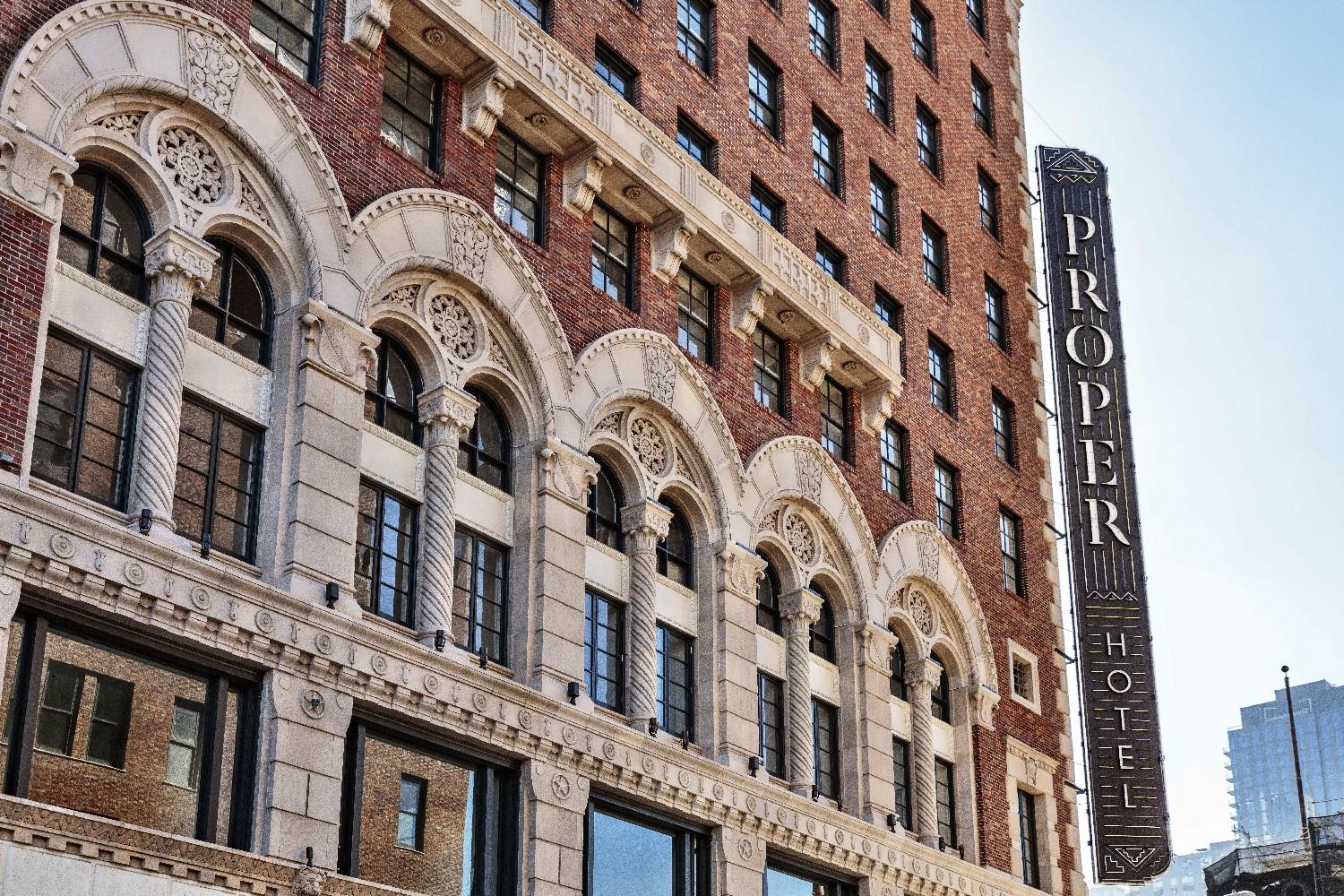
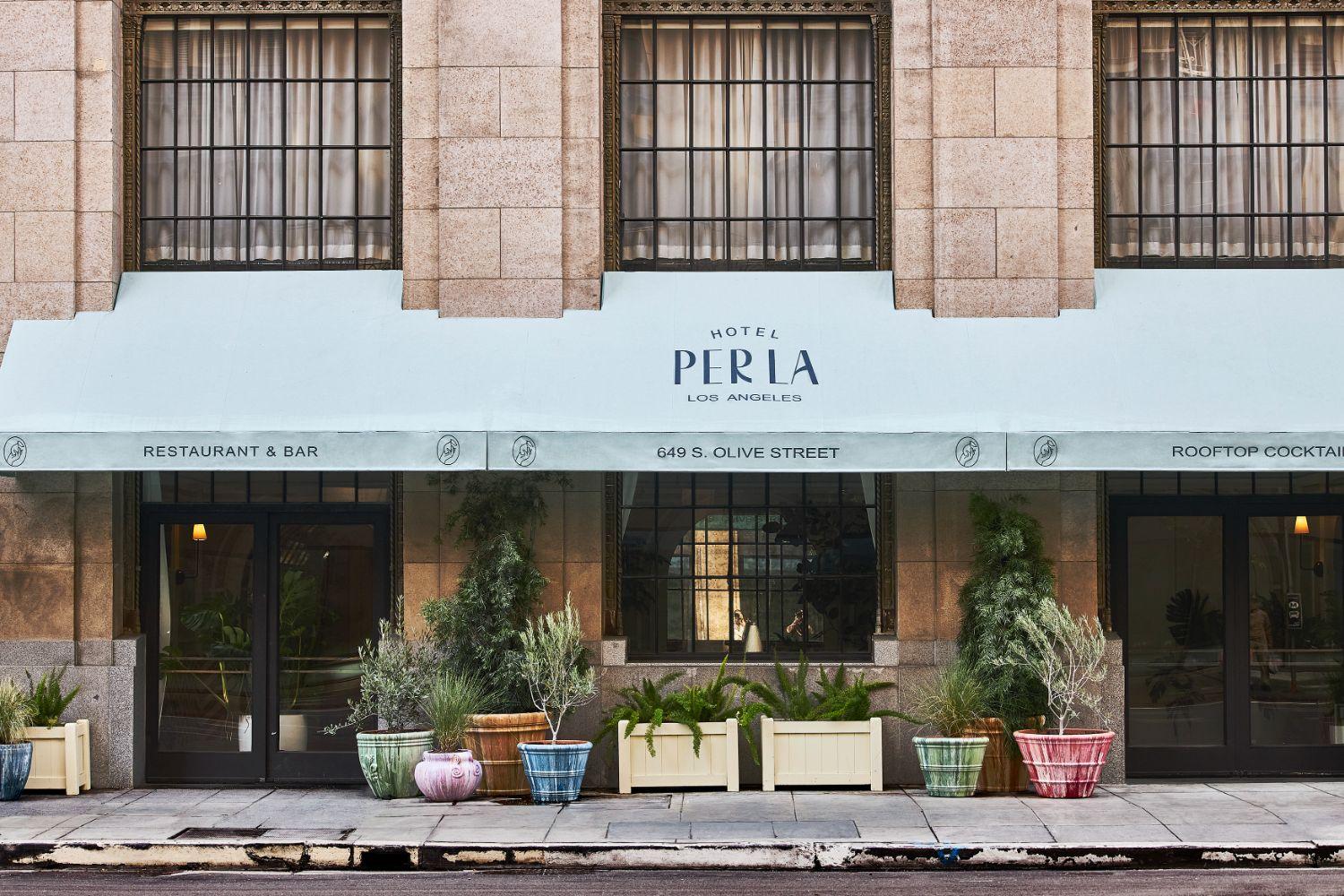
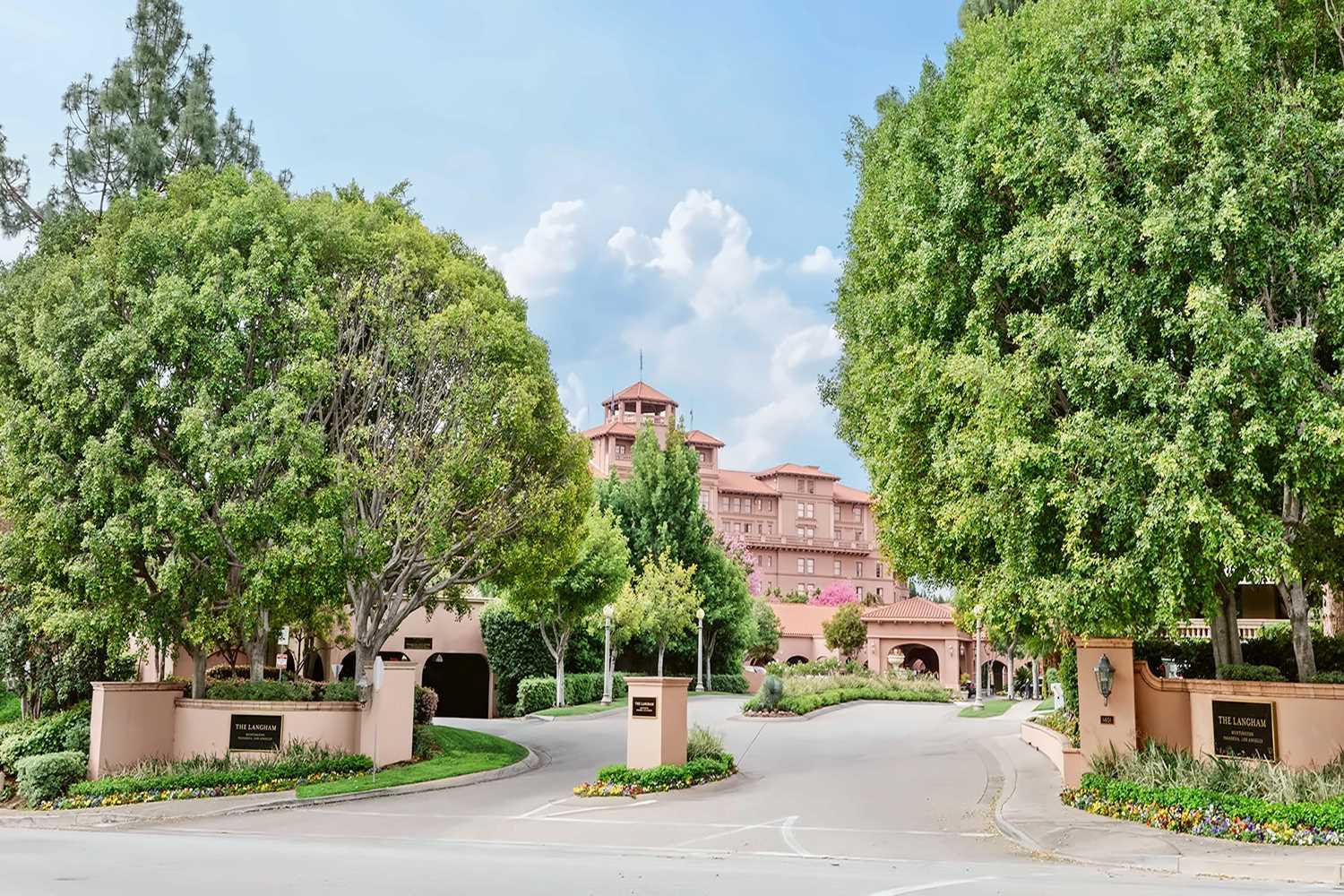
Downtown LA Proper and Hotel Per La work for architecture, the Fashion District, Walt Disney Concert Hall, museums and the renewed Broadway corridor. The Langham Huntington belongs to Pasadena, near the Huntington Library and San Gabriel Valley. These addresses can be excellent when the itinerary is built around them. repeated journeys to the Westside weaken their advantage.
How the 26 Virtuoso hotels differ
A single ranking is less useful than identifying the hotel type that supports the trip.
Landmarks with their own rituals
The Beverly Hills Hotel, Hotel Bel-Air, Sunset Tower and Beverly Wilshire carry history through architecture, restaurants and long-established service. Reserve their signature venues as part of the stay.
Design, rooftops and active evenings
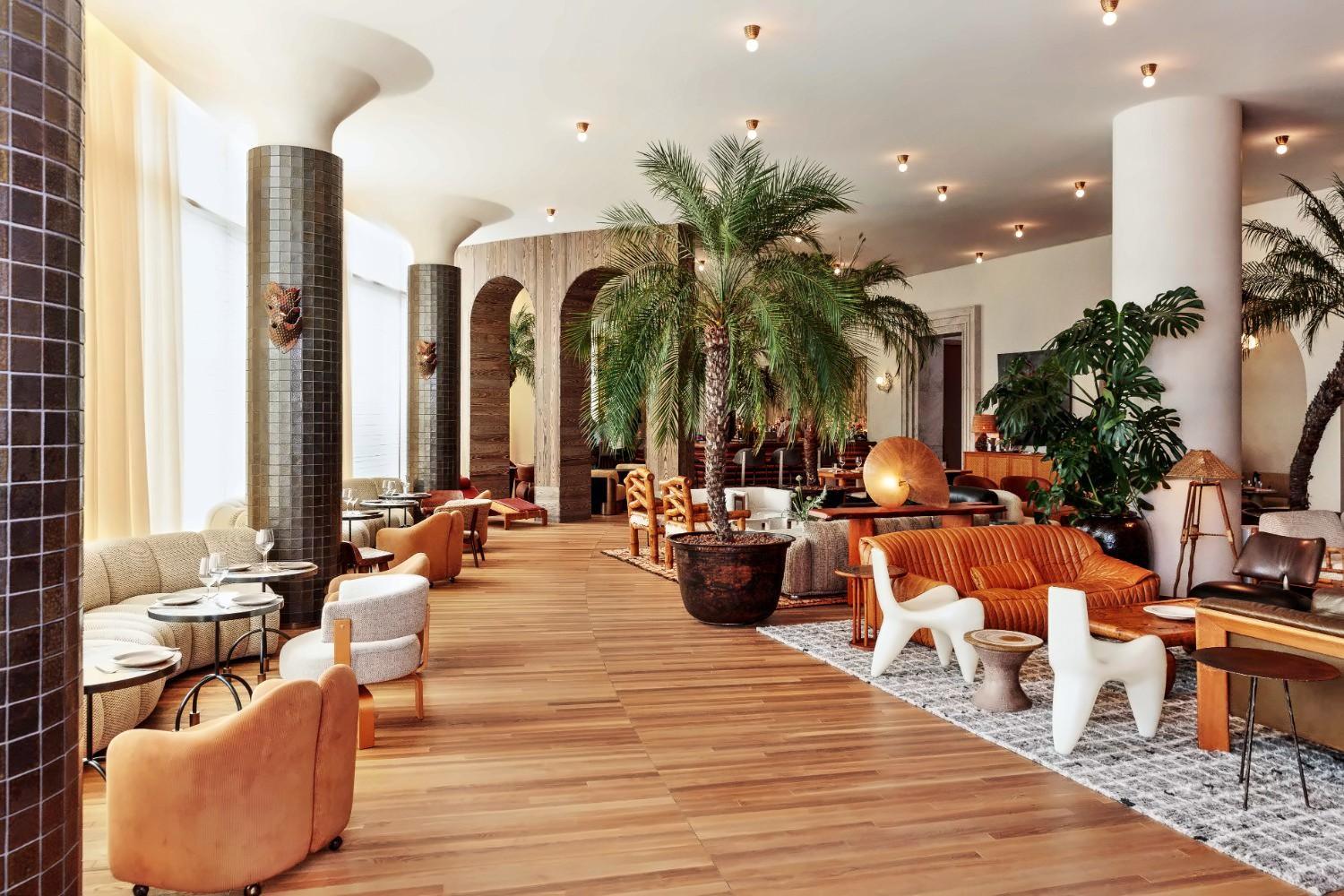
Pendry, EDITION, 1 Hotel, SLS and both Proper hotels favour a more visible social rhythm. Room orientation, rooftop access and weekend energy deserve as much attention as room size.
Suites and private-house scale
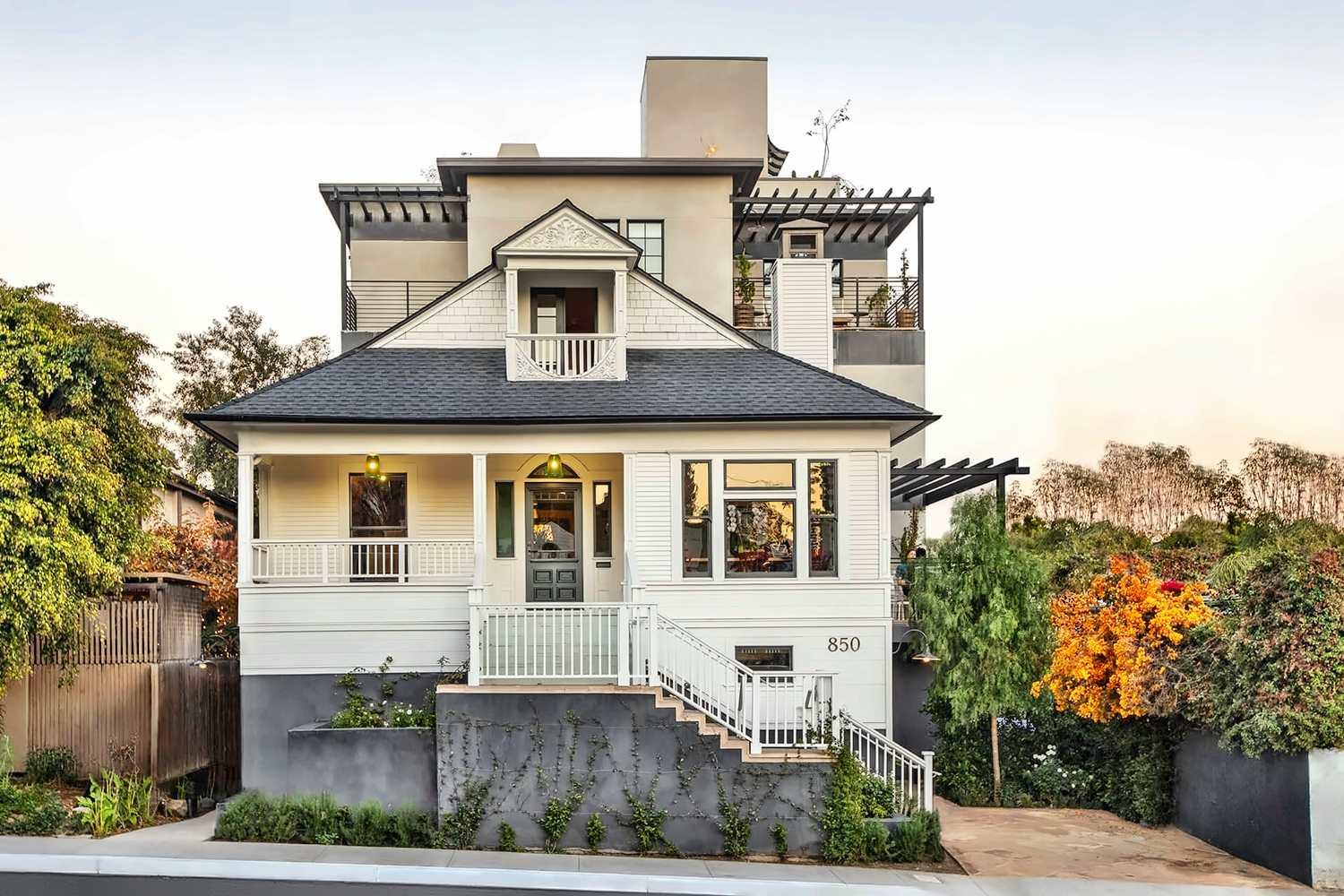
L’Ermitage, Hotel 850 SVB, Oceana and The London offer a more residential approach. They work well for longer stays, privacy or space. But not every property has the facilities of a full urban resort.
Hotels where the Pacific is the programme
Shutters, Casa del Mar, Regent and Terranea are strongest when the ocean affects the daily plan. Book the correct outlook and avoid filling every day with drives back across Los Angeles.
Museums, architecture and intelligent day planning
Los Angeles culture is distributed across several zones. The Getty Center combines art, modern architecture, gardens and city views. admission is free. But the museum requires a timed-entry reservation. Museum Row links the Academy Museum, LACMA area, Petersen Automotive Museum and La Brea Tar Pits. Downtown brings The Broad, MOCA and Walt Disney Concert Hall.
While Pasadena offers the Huntington’s art, library and gardens. Grouping these institutions geographically preserves time for the experience itself.
- Pair the Getty Center with Brentwood, Bel-Air or a Westside lunch instead of immediately crossing to Downtown.
- Combine Academy Museum and Museum Row with Beverly Hills or West Hollywood on the same day.
- Treat Downtown architecture, The Broad and Walt Disney Concert Hall as one coherent chapter.
- Give the Huntington in Pasadena at least half a day. its gardens should not be reduced to a quick photo stop.
- Check timed tickets, exhibition closures and performance schedules before finalising restaurant reservations.
Coast, hiking and outdoor Los Angeles
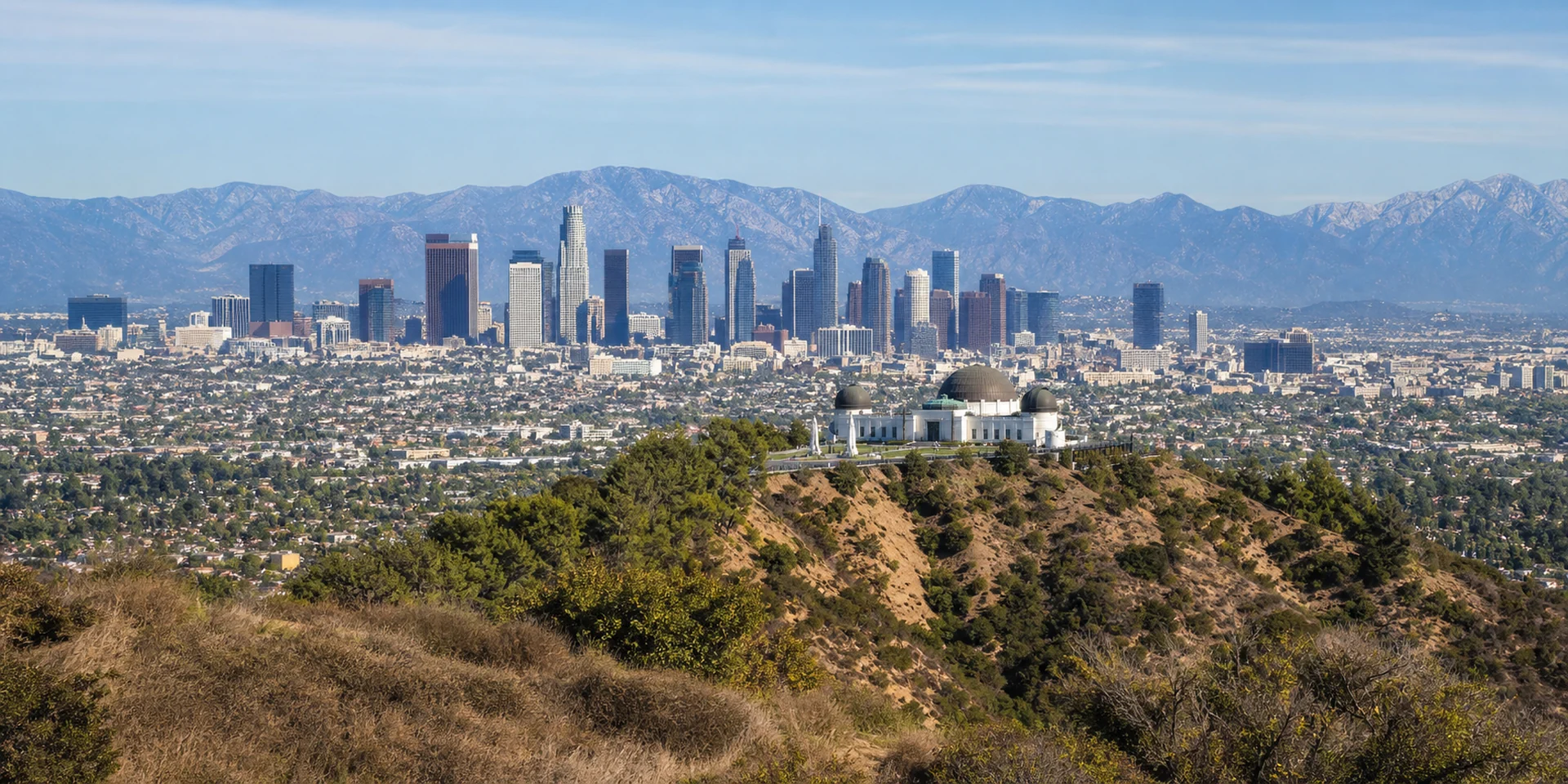
The Pacific is not a decorative backdrop: it can determine where the trip should be based. Santa Monica works for early beach walks, cycling and access north toward Malibu. Marina del Rey is more nautical. Palos Verdes offers cliffs, trails and a resort rhythm. Griffith Park provides city views and hiking closer to Hollywood.
While the hills around Bel-Air create seclusion rather than beach access. In warmer months, outdoor plans are best placed early, with museums, spa or lunch during the strongest afternoon heat. Ocean temperatures remain cool even when the city is hot. And coastal cloud can create different weather from Beverly Hills or Downtown.
Restaurants, film culture and evenings
Dining in Los Angeles rewards neighbourhood planning. A sought-after table in West Hollywood followed by a hotel in Santa Monica can turn a relaxed evening into a traffic calculation. Reserve hotel signatures such as the Polo Lounge, Tower Bar, CUT, Ardor, Merois or a beachfront table when they are central to the choice of property.
Film culture extends beyond studio tours: the Academy Museum, repertory cinemas, historic theatres and architecture tell a more layered story. For concerts or basketball Downtown, stay nearby or allow a generous return window. Valet times and ride availability should be considered around premieres, awards dates and major events.
Best time to visit Los Angeles
Spring
March to May often brings clear days, green hills after winter rain and comfortable temperatures for museums and walking. School holidays and major events can still affect the coast and theme parks. A light layer is useful near the ocean.
Summer
June to September is warm and busy, with cooler mornings on the coast and greater heat inland. Marine cloud may cover Santa Monica while Beverly Hills is sunny. Reserve pool space, restaurants and coastal rooms early. And schedule hiking before midday.
Autumn and winter
Autumn can deliver some of the clearest views and warm weather, although wildfire conditions require attention. Winter is mild by European standards and strong for culture. But rain events can be intense. Awards season, holidays and large conventions change demand quickly.
Los Angeles in three, five or seven nights
Three nights – one geographic focus
Choose either Beverly Hills and West Hollywood or Santa Monica and the coast. Add one major museum, one signature dinner and one half-day of architecture or studios. Trying to cover every district produces more windscreen time than city experience.
Four to five nights – the balanced first stay
Five nights allow a Westside base with separate days for the coast, Museum Row, Getty and Hollywood or Downtown. Keep one afternoon flexible for traffic, weather and a slower hotel ritual.
Six to seven nights – two complementary chapters
A longer visit can justify a split stay, for example Beverly Hills followed by Santa Monica, or Downtown followed by the coast. Change hotels only when it removes repeated transfers and creates a genuinely different rhythm.
Airports, transfers and movement
Los Angeles International Airport has the broadest long-haul choice. But arrival traffic and the final hotel location matter. Hollywood Burbank can be efficient for Hollywood, Pasadena and parts of the Valley. other regional airports may fit a wider California itinerary. LA Metro connects the county by rail and bus and provides real-time trip planning.
Yet many luxury itineraries still need a private driver or rideshare for dispersed addresses. The elegant solution is not a car for every minute. But the right mode for each geographic day.
- Choose the airport from flight quality, arrival time and hotel location rather than mileage alone.
- Avoid scheduling an inflexible dinner shortly after a long-haul arrival at LAX.
- Use Metro where the route is direct and walking at both ends is practical.
- Use a private vehicle for luggage, complex multi-stop days and evening dress.
- Build a meaningful buffer around weekday commuter periods and major events.
Combining Los Angeles with a California journey
Los Angeles is a natural beginning or end for a California itinerary. The coast can continue through Malibu and Santa Barbara. the desert leads toward Palm Springs and Joshua Tree. the south connects with Orange County and San Diego. A wider road journey may extend to Big Sur, Monterey, San Francisco or the national parks.
But distances and seasonal road conditions should be treated honestly. Place Los Angeles at the beginning for culture and energy, or at the end for dining, shopping and a direct flight. We connect hotels, private transfers, rental-car stages and the qualifying Virtuoso benefits as one itinerary rather than a series of unrelated reservations.
What to decide before booking
Confirm the principal district, number of planned cross-city journeys, exact room outlook and importance of pool, spa, beach or restaurant before comparing rates. Ocean view, skyline view, bungalow, villa and connecting room are specific categories and should never be assumed from an upgrade request. Book a category that already meets the essential requirements. upgrade priority is valuable but availability-dependent.
The eligible Virtuoso rate should then be evaluated by total value, including breakfast, the 100 USD hotel credit or experience. VIP status, arrival and departure priority and the practical support of Deluxetargets before and during the journey.
Our Los Angeles planning recommendations
- Choose the neighbourhood before choosing the hotel brand.
- Group museums, dining and appointments into geographic days.
- Confirm ocean, skyline, bungalow or connecting-room categories in writing.
- Reserve signature hotel restaurants, Getty entry and major performances before arrival.
- Use a split stay only when it removes repeated transfers and creates a clear contrast.
Frequently asked questions about Virtuoso hotels in Los Angeles
Which area is best for a first luxury stay
Beverly Hills or West Hollywood usually offers the most balanced first base for hotels, restaurants, Museum Row and planned city transfers. Choose Santa Monica instead when the Pacific and walkable mornings are the priority.
Beverly Hills or Santa Monica
Beverly Hills is stronger for shopping, classic hotels and access to several cultural districts. Santa Monica is better for ocean views and a coastal rhythm. But requires longer journeys inland.
How many nights should I plan
Four to five nights create the best first balance. Three nights need one geographic focus. six or seven can justify a split between city and coast.
Do I need a car throughout the stay
Not necessarily. A private driver, rideshare, Metro and walking can be combined by day. A rental car becomes more useful for coastal extensions and a wider California road journey.
Are ocean and skyline views guaranteed
No. They belong to specific room and suite categories and may be partial or angled. The exact category and orientation must be confirmed before booking.
Are Virtuoso benefits identical at every hotel
No. Breakfast, VIP recognition and upgrade priority are typical with the eligible rate. the 100 USD credit or experience and its permitted use are confirmed for the specific property.
Can I combine a city hotel with a beach resort
Yes. Beverly Hills followed by Santa Monica or Terranea can work well when the stay is long enough and the hotel change removes repeated drives rather than adding logistics.
Can the hotels be booked online
Yes. Each hotel card links to the corresponding PrivateUpgrades page with current rates, availability and the confirmed benefits for the selected stay.
Combine your hotel stay with a privately designed journey through United States, with hotels, transfers and experiences planned as one seamless itinerary.