
Virtuoso Hotels
Virtuoso Hotels in Seattle, United States
4
4
Hotels
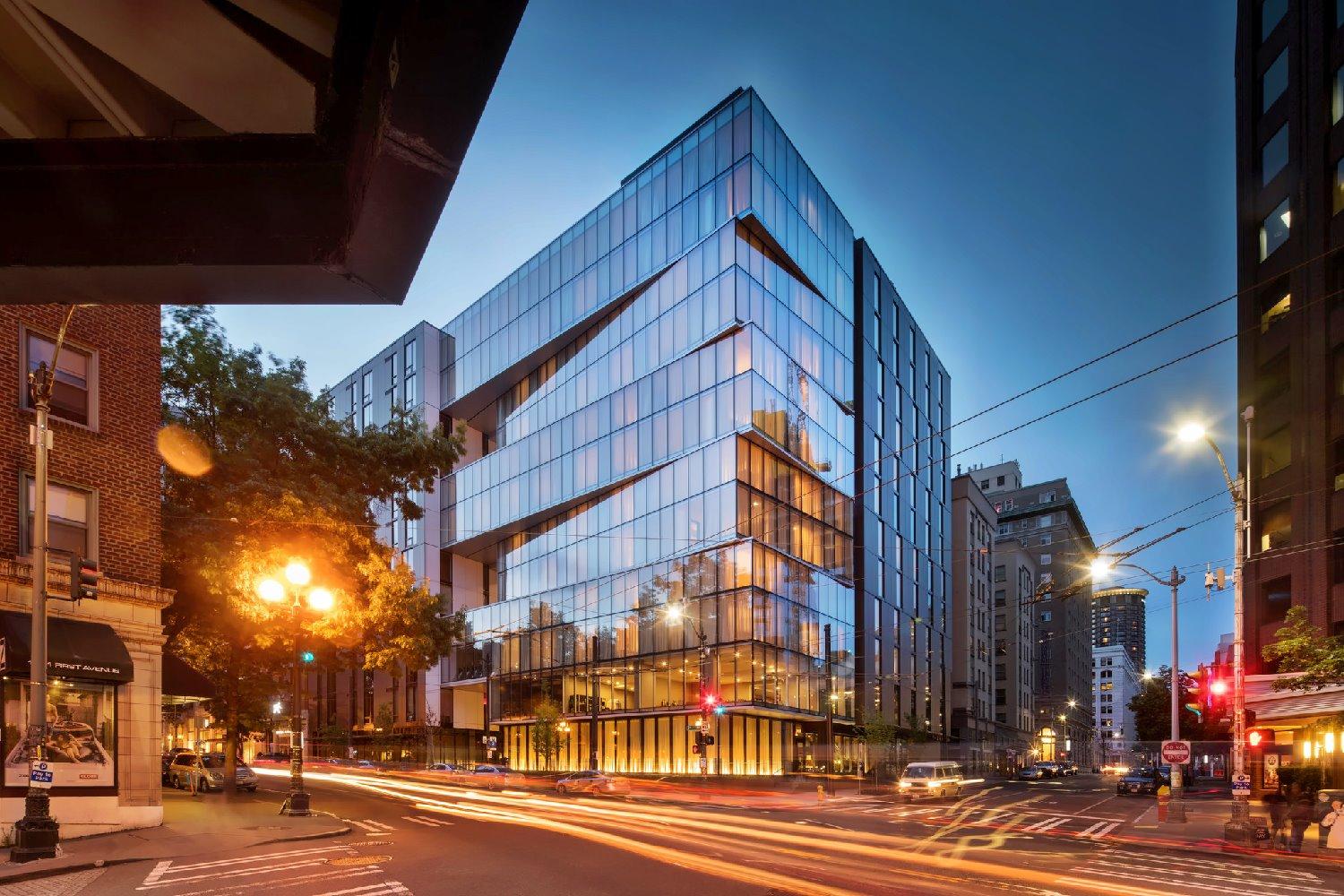
Virtuoso hotels in Seattle: Pike Place mornings, waterfront layers and Pacific Northwest planning
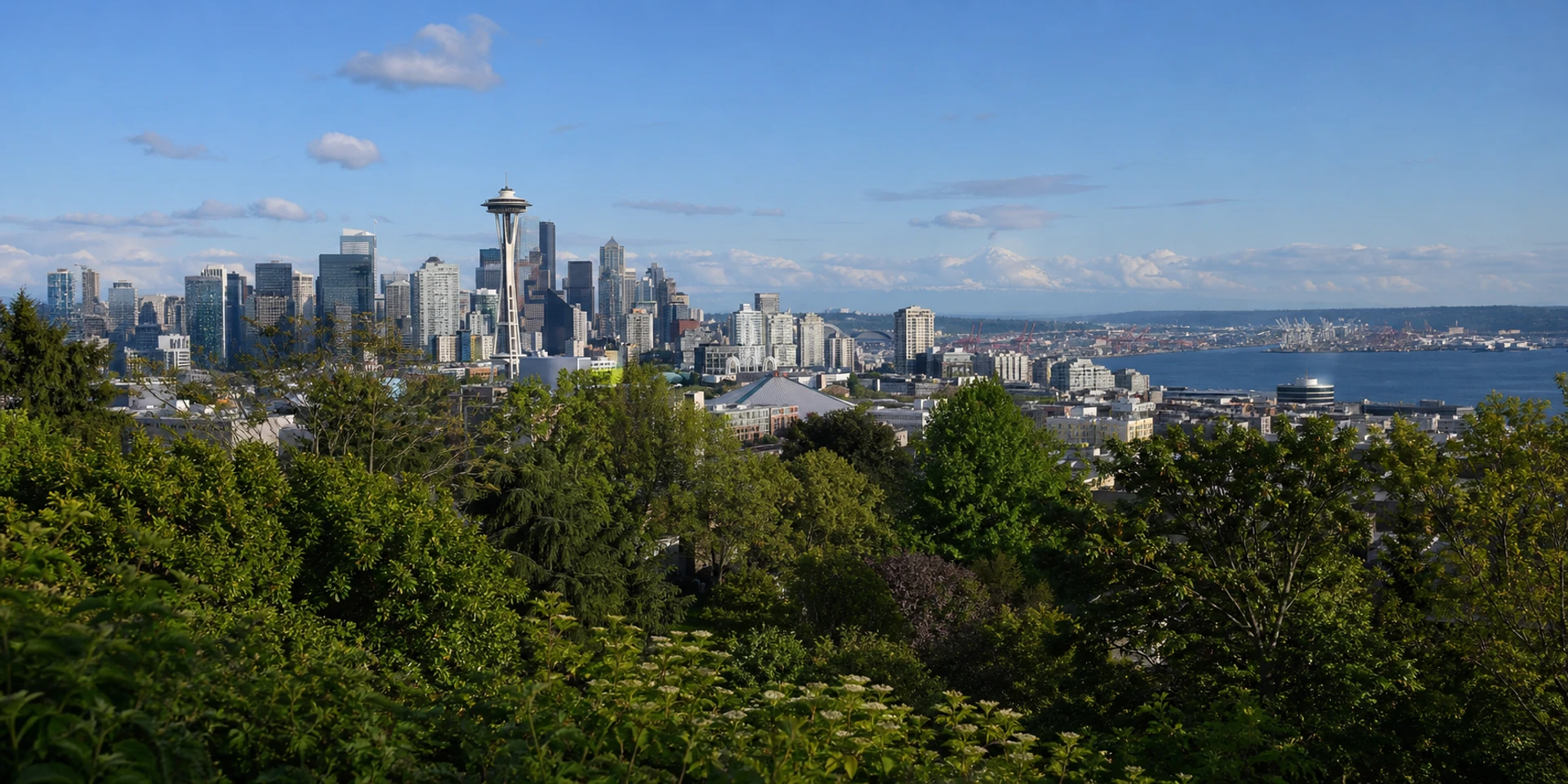
Seattle is a vertical waterfront city whose short map distances hide steep grades and separated cultural districts. Thompson Seattle sits at Pike Place Market. Hotel 1000 occupies First Avenue closer to the Seattle Art Museum, ferries and Pioneer Square.
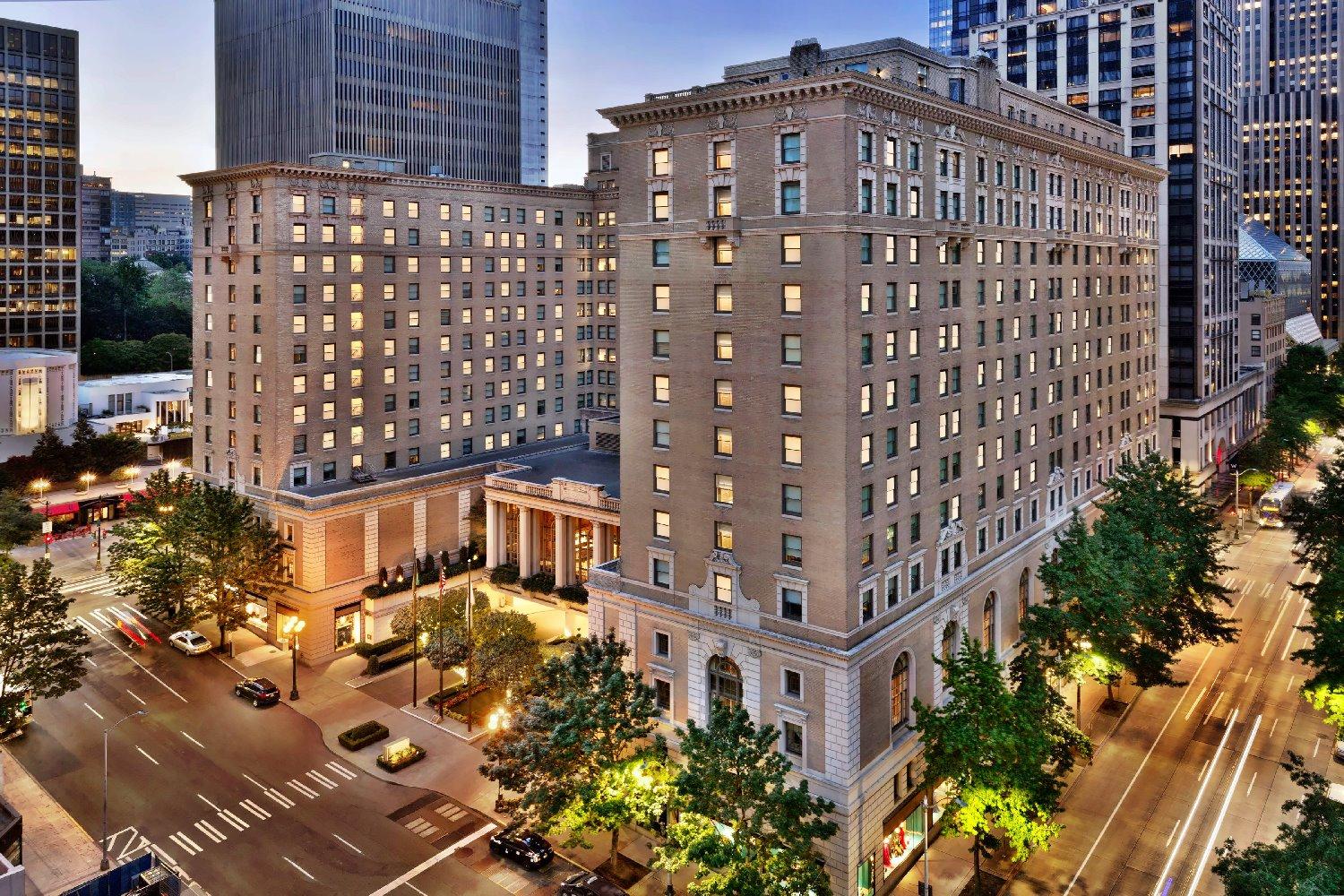
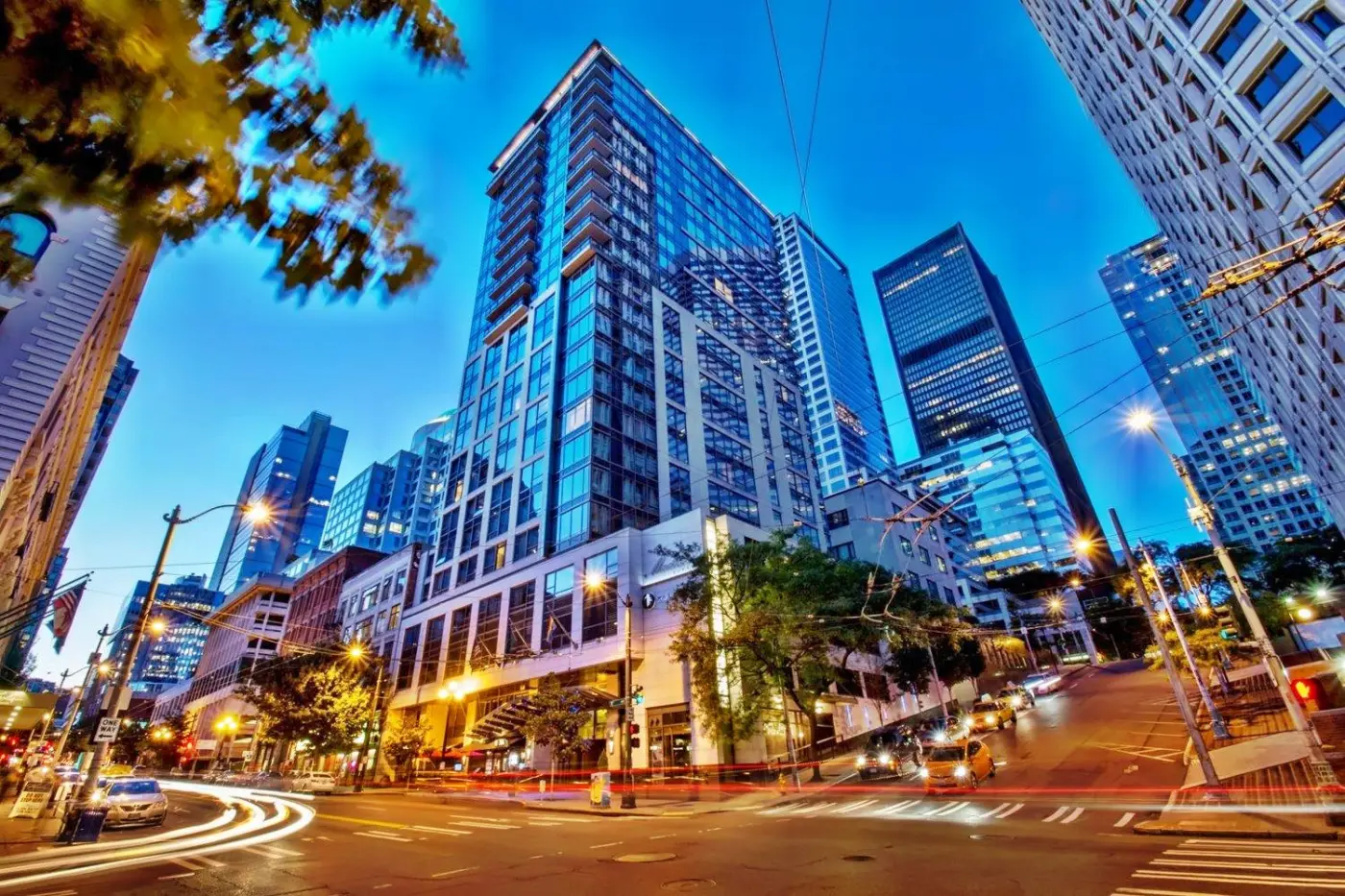
Fairmont Olympic anchors the central business grid uphill. Lotte Hotel Seattle rises near Fifth and Madison with wide views and a steeper approach to the bay. The correct address depends on whether mornings begin at the market, a museum, a ferry or inside the hotel.
A refined Seattle itinerary treats weather, water and Indigenous history as structure rather than decoration. Market commerce, Coast Salish context, art, maritime movement, modern design and access to mountains all deserve accurate sources and realistic transit. Hours, ferry reservations, waterfront routes, wildfire smoke and hotel operations can change after this review on 3 August 2026. So verify every timed element with the responsible institution and property for the actual dates.
Choose the hotel by elevation and first appointment
Thompson is the easiest of these hotels for entering Pike Place Market before the busiest visitor period and returning quickly after a waterfront descent. Hotel 1000 makes the Seattle Art Museum, Pioneer Square and ferry terminal more natural. While keeping Pike Place within a measured northbound walk. Fairmont Olympic stands uphill in the central grid,
useful for business, light rail and a formal full-service rhythm. Lotte is farther south and elevated, rewarding guests who value tower views, Charlotte and the spa but requiring deliberate movement toward Seattle Center or the market. Plot each breakfast, museum and dinner with contour lines. A water view may justify one climb. repeated crossings rarely do.
Enter Pike Place as a working market
Pike Place Market is a historic public market and an active community of farmers, fish sellers, food businesses, craftspeople, residents and social services. Use the official directory to identify two or three producers and visit early with a specialist who can explain seasonal sourcing and market governance. Do not block stalls for photographs,
touch produce without invitation or treat fish throwing as the market's only story. Ask before photographing vendors and buy directly when expertise has been offered. Thompson provides the shortest approach. While the other hotels can reach the market on foot with careful elevation planning. Reserve any tasting that requires it, disclose allergies and leave room for spontaneous purchases instead of turning the visit into a fixed parade of samples.
Read the waterfront as changing infrastructure
Seattle's central waterfront is a transport edge, public-space project, aquarium district, ferry gateway and working maritime landscape. Routes between Pike Place, First Avenue and the piers can change with construction, events and operations. So consult official local information and ask the hotel for the current accessible descent rather than relying on an old map.
Lifts, stairs and steep streets make apparently adjacent points very different for mobility. Hotel 1000 is well placed for the southern waterfront and ferry approach. Thompson sits above the market connection. Avoid scheduling an attraction immediately after a ferry arrival. Keep clear of work zones, follow signed crossings and allow time to watch maritime activity without treating every vessel as a sightseeing product.
Give Seattle Art Museum a focused visit
The Seattle Art Museum downtown is the most efficient institutional art anchor for these hotels. But its collection and exhibition programme deserve selection rather than a rushed rainy-hour stop. Check the official site for current exhibitions, admission, gallery closures, bags, photography and accessibility. Choose a curator-led theme or two collection areas. Then allow time for the museum's treatment of regional,
global and contemporary art. Hotel 1000 and Fairmont Olympic provide the simplest access, with Thompson also close. The Olympic Sculpture Park is a separate outdoor experience farther north and should be paired with suitable weather and Seattle Center. Not assumed to be an extension of the downtown building. Confirm restaurant plans independently because museum and dining hours do not necessarily align.
Use Seattle Center as one design-and-culture chapter
Seattle Center contains the Space Needle, Museum of Pop Culture, Chihuly Garden and Glass, performing arts and public spaces, each with separate tickets and operating patterns. Decide whether the priority is architecture, music and popular culture, glass, or an observation experience. buying every admission rarely creates the best day. Check official calendars, timed entry, event closures and accessibility.
Then reserve one or two anchors. Weather influences skyline visibility. So a view ticket should have a flexible or informed strategy where available. None of these four hotels is directly at Seattle Center. use the Monorail, current transit or a car according to the schedule. Pair the district with the Olympic Sculpture Park or Queen Anne, not a distant ferry departure.
Approach Indigenous histories through scholarship
Seattle stands on the homelands of Coast Salish peoples, including the Duwamish and Suquamish. And Indigenous presence is contemporary as well as historical. The Burke Museum at the University of Washington provides a responsible starting point through collections, research and programmes developed with communities. Check current exhibitions, admission and interpretation before travel.
Then arrange a specialist or museum-led visit rather than using generic totem imagery as shorthand for the region. The museum requires a separate journey from downtown. When purchasing art. Verify the artist and nation and buy from a credible gallery or maker. Follow cultural-property and photography guidance. A meaningful visit recognises sovereignty, language, urban Native life and living artistic practice, not only objects removed from their communities.
Take a ferry only with operational clarity
A Washington State Ferries crossing can reveal Puget Sound's geography. But it is public transport with schedules, vehicle queues, maintenance and weather constraints. Check the official WSDOT page on the travel day for terminal, sailing alerts, reservations where applicable, passenger procedures and return options. A walk-on Bainbridge outing is usually simpler than taking a car,
provided the return sailing and island transport are planned. Arrive early, carry a weather layer and never put an important flight or dinner directly after the crossing. Hotel 1000 is closest among this set to the central ferry terminal. other guests should account for the downhill journey and uphill return. Treat wildlife sightings and mountain visibility as welcome uncertainties, not promised components of the fare.
Build food plans by neighbourhood and water
Seattle dining draws on Pacific fisheries, Washington farms, Asian American communities and a deep coffee culture. But quality depends on sourcing and context rather than a checklist of salmon and espresso. Reserve hotel anchors such as The George, All Water, Charlotte or Thompson's rooftop according to actual geography and weather. Ask seafood restaurants how species and season shape the menu,
disclose shellfish allergies and avoid claims of sustainability without a named standard or producer. Chinatown–International District, Capitol Hill and Ballard each require a separate transport decision from downtown. Use a food historian or community-connected guide where a neighbourhood's migration story matters. Leave one lunch open for the market and one evening flexible when ferry or weather timing changes.
Treat Mount Rainier as a separate alpine day
Mount Rainier National Park is not a guaranteed skyline accessory or a casual extension of downtown. Road conditions, timed-entry rules where applicable, snow, wildfire smoke, parking, trail status and rapidly changing mountain weather require official National Park Service checks. Choose one area of the park, arrange a trusted driver or appropriately equipped rental. And set a turnaround time that protects the return.
Carry layers, water and the required safety equipment for the selected walk. never exceed experience because the city morning looked clear. Summer congestion and winter closures fundamentally alter access. With only three nights in Seattle, keep the focus urban or choose a nearby water day. The USA round-trip option can incorporate a longer Pacific Northwest journey more coherently than a rushed out-and-back.
Plan for rain, smoke and clear-day temptation
Seattle's reputation for rain can obscure more disruptive conditions. Light precipitation may support normal walking. While wind affects ferries and waterfront comfort, snow disrupts hills and wildfire smoke can make outdoor exertion inappropriate. Use National Weather Service Seattle forecasts and official air-quality information close to the stay. Pack a waterproof shell with hood,
layers and shoes with grip rather than relying on an umbrella in wind. Do not overfill a suddenly clear day with distant commitments. mountain visibility can disappear before arrival. Maintain an indoor museum alternative and ask hotels about rooftop or terrace operation. Travel insurance should match regional extensions and ferry or flight dependencies. Follow public-health advice when smoke is present.
Shape four nights with one regional margin
Four nights allow a coherent first visit: orient around the hotel and Pike Place. devote a focused period to the Seattle Art Museum and waterfront. reserve Seattle Center as its own chapter. and choose either the Burke Museum, neighbourhood food or a ferry day. A fifth night adds weather resilience and makes Bainbridge or a deeper design programme less hurried.
Mount Rainier deserves another night or a broader Pacific Northwest itinerary. Keep arrival local, especially after a late flight. And leave departure morning free of ferries. Cluster dinners around the day's final district and reconfirm rooftop, spa and restaurant operation directly. The strongest Seattle programme protects a few timed admissions while keeping enough open sky for the city's changeable light.
Five practical Seattle planning tips
- Map each hotel and appointment by elevation before accepting a water view or planning repeated waterfront walks.
- Visit Pike Place early with two or three named producers in mind. Ask before photographing and buy directly from the businesses.
- Check Washington State Ferries alerts and return sailings on the travel day, leaving generous time before any fixed reservation.
- Pair Seattle Center with the Olympic Sculpture Park or Queen Anne. And keep the downtown museum as a separate chapter.
- Treat Mount Rainier as a full alpine journey governed by NPS access, weather, smoke and trail conditions, not a guaranteed day trip.
Seattle hotel and trip-planning FAQ
Which hotel is closest to Pike Place Market
Thompson Seattle has the most immediate access. While Hotel 1000 and Fairmont Olympic remain walkable with careful elevation planning.
Which hotel is closest to the ferry terminal
Hotel 1000 is best positioned among these four for the central ferry terminal, although current pedestrian routes should still be verified.
How many nights should I plan
Four nights support a balanced city visit. While five add weather flexibility and room for a ferry or deeper neighbourhood chapter.
Do I need a car in Seattle
Not for the central city. But a car or driver becomes useful for Mount Rainier and selected regional plans. parking and traffic argue against keeping one downtown.
Can I see Mount Rainier from my room
Only some orientations may offer the mountain in clear conditions. So confirm the category but treat visibility as weather-dependent rather than guaranteed.
Is a Bainbridge ferry trip worth it
Yes when schedules and return are planned and water geography matters. But do not attach it tightly to flights, dinner or another timed attraction.
What should I do when it rains
Use the Seattle Art Museum, Burke Museum or another confirmed indoor programme. While retaining waterproof layers for ordinary light rain.
Are Virtuoso benefits guaranteed
Benefits depend on the eligible rate, programme rules, occupancy and availability. So obtain the exact written list and treat upgrades as conditional unless confirmed.
Combine your hotel stay with a privately designed journey through United States, with hotels, transfers and experiences planned as one seamless itinerary.