
Virtuoso Hotels
Virtuoso Hotels in Arizona, United States
Compare 15 Virtuoso hotels in Arizona, United States: locations and expert advice, breakfast, 100 USD credit or experience, VIP recognition and online booking.
15
15
Hotels

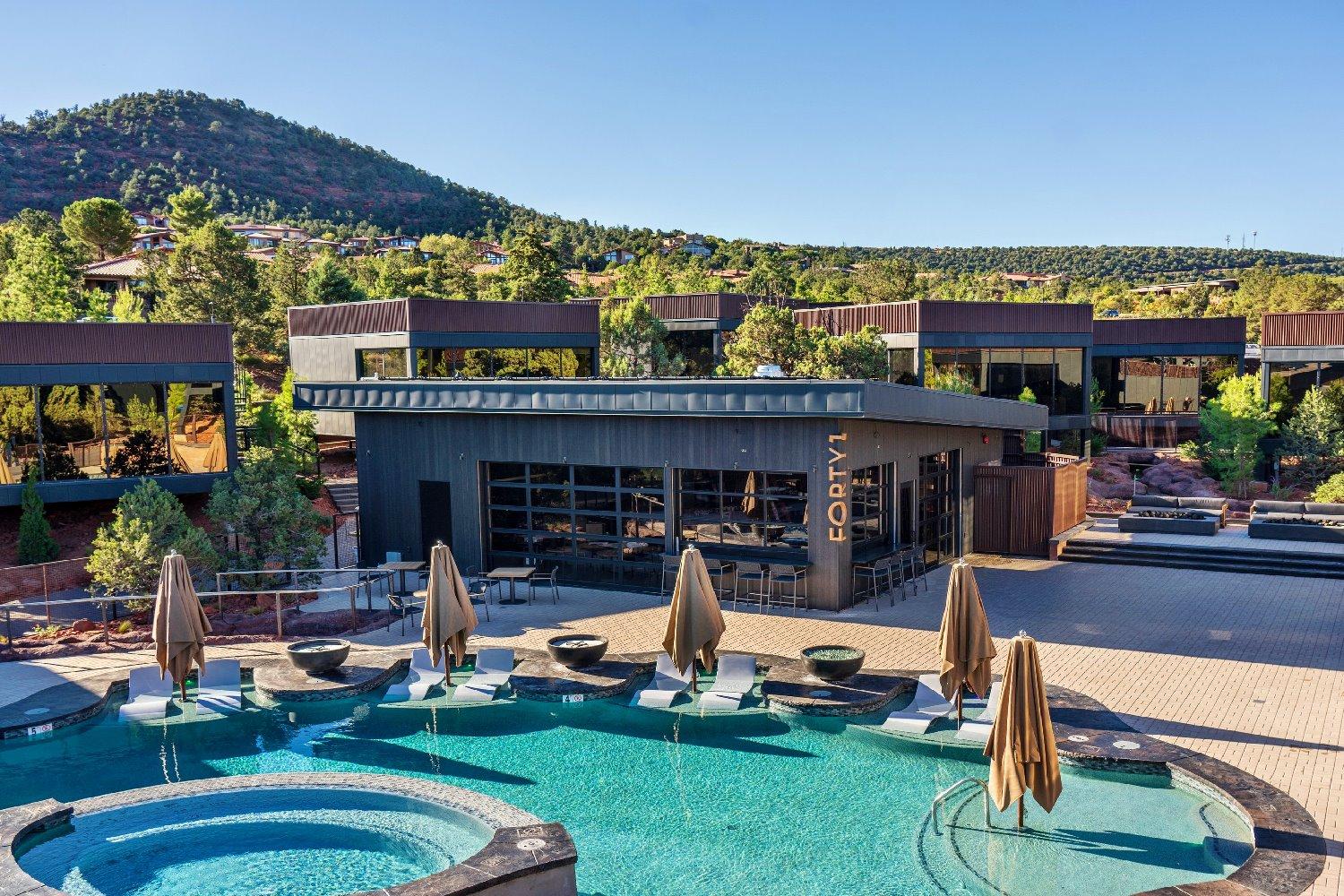
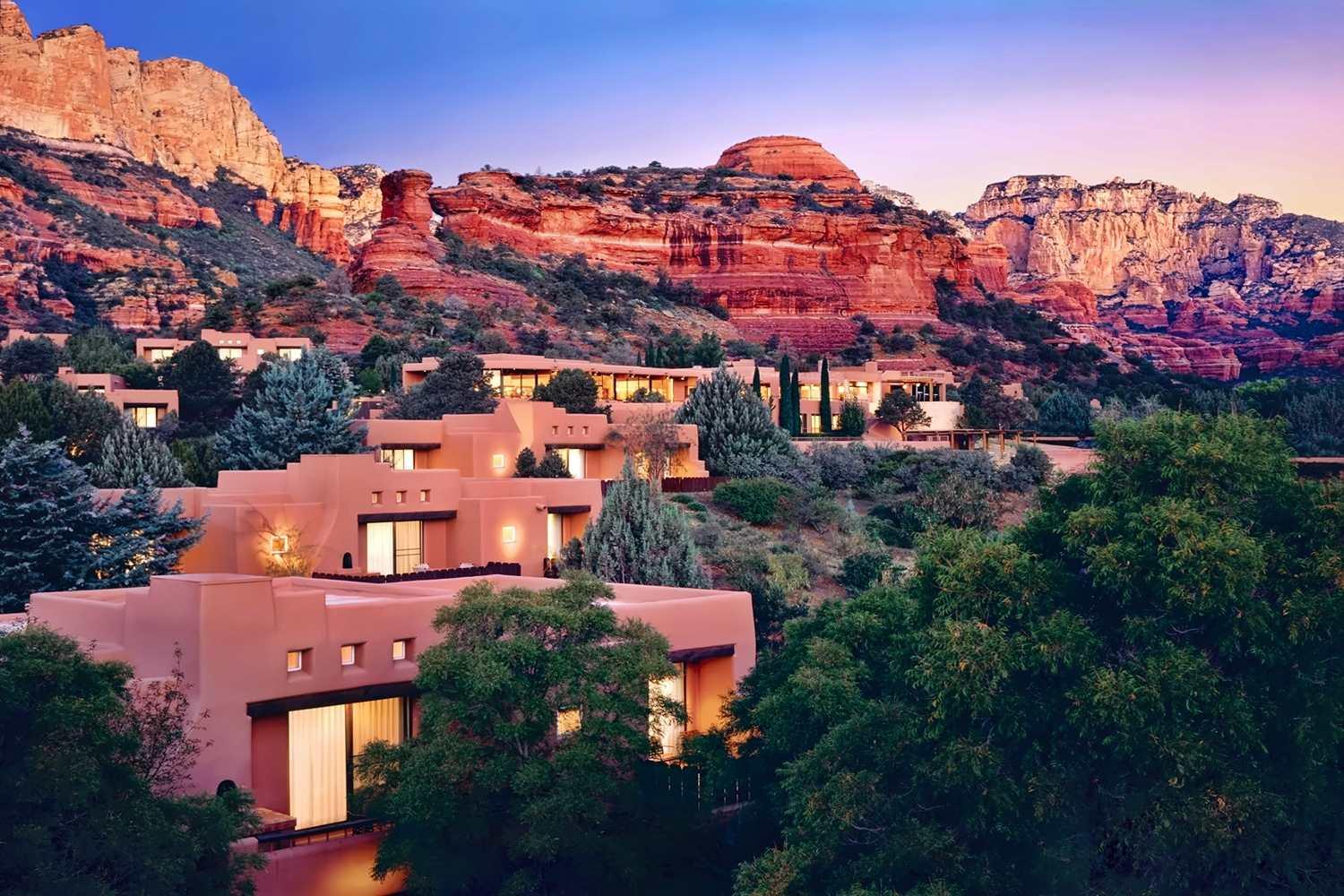
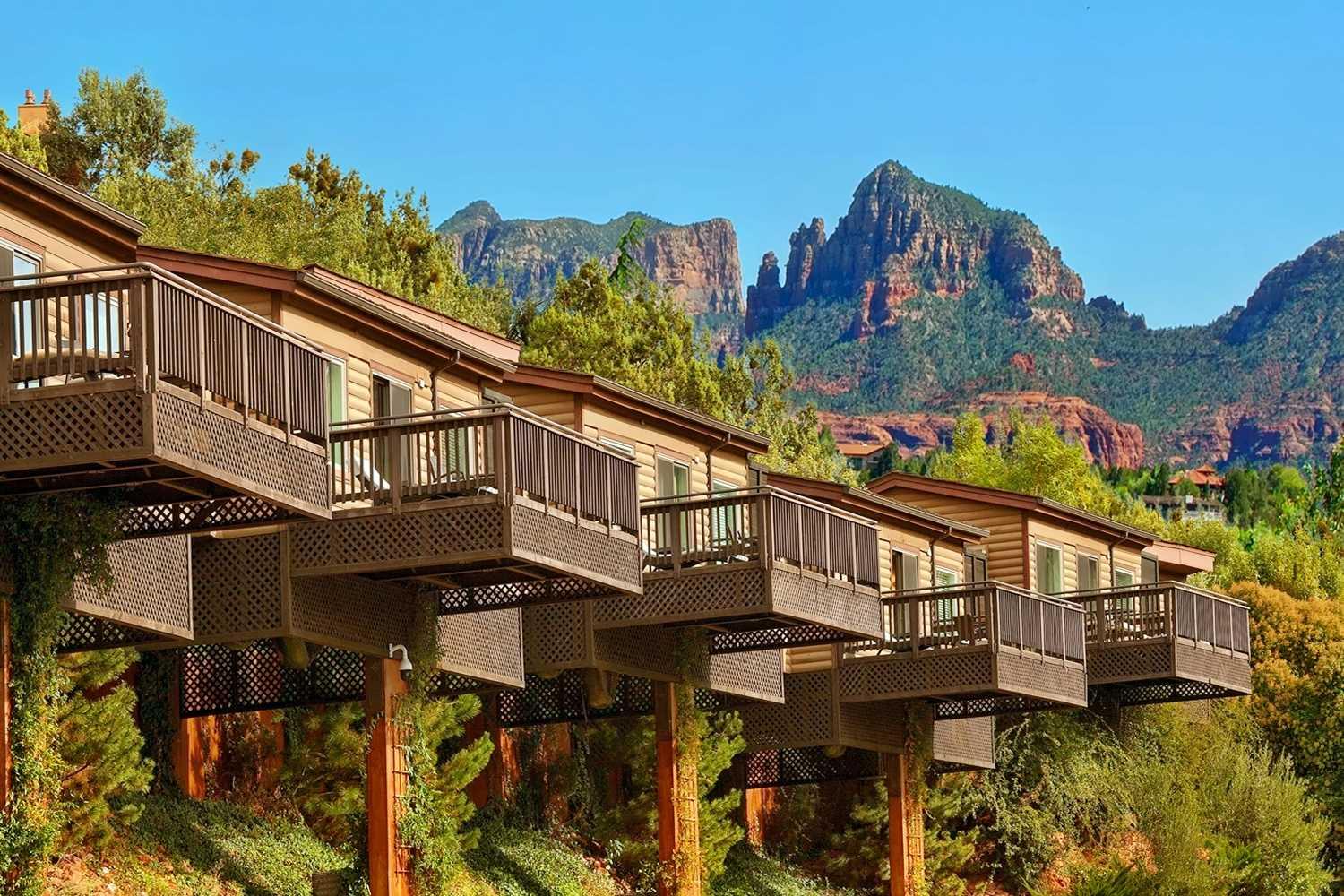
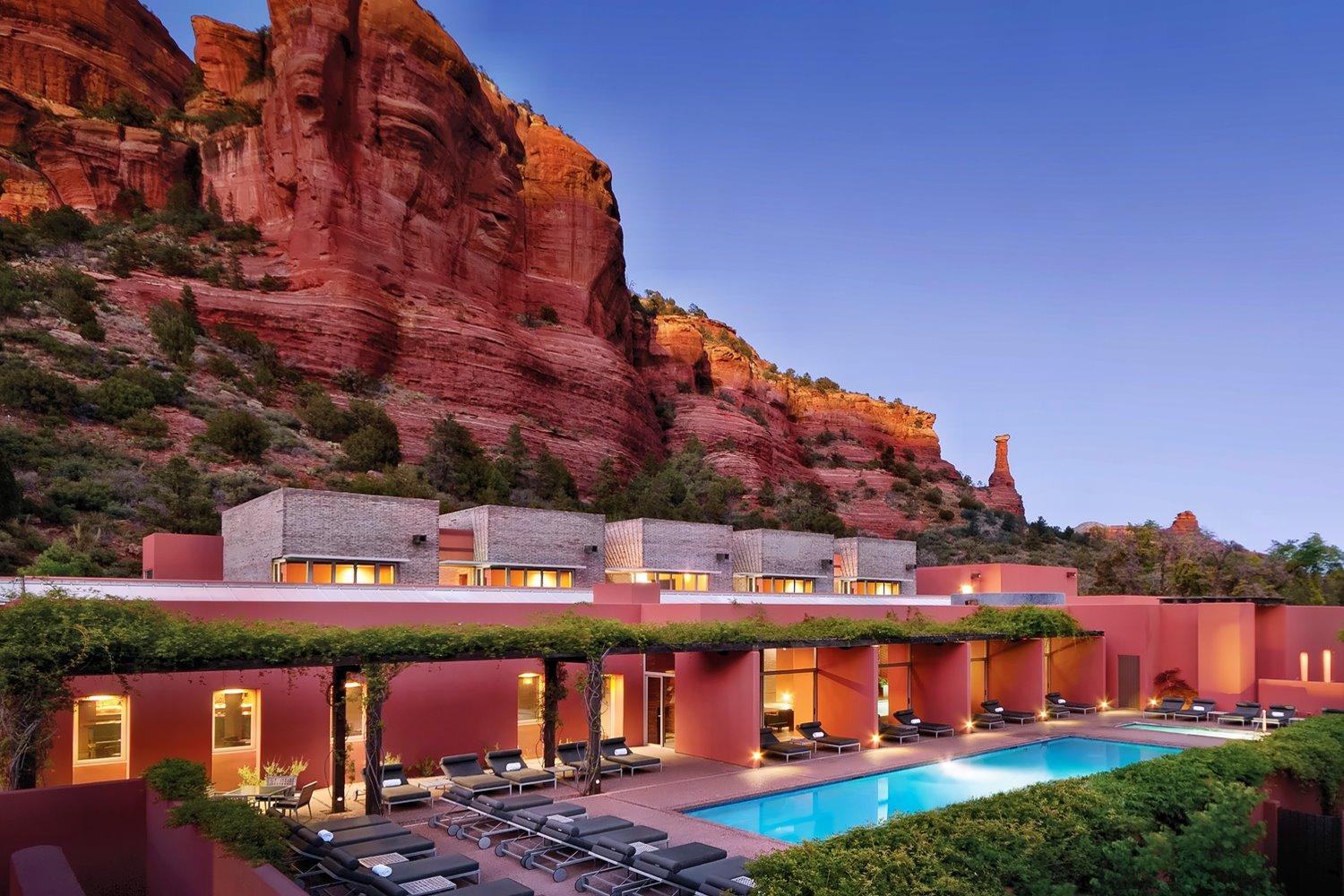
Virtuoso Hotels in Arizona, United States: a practical architecture for high-quality travel
Arizona must be planned as a desert state with several distinct travel zones, not as one compact destination. A strong itinerary connects Phoenix, Scottsdale, Tucson, Sedona, the Grand Canyon and the Sonoran Desert only where the available nights justify the distance. Luxury value comes from matching location, arrival hour and daily purpose before comparing amenities.
The hotel shortlist should therefore follow the route, with realistic buffers for rental-car routes, desert distances, trail access and limited remote services. Travellers gain more from two coherent bases than from collecting addresses that require constant repacking.
Seasonality matters because extreme summer heat, cold high-country nights, monsoon storms and strong sun can change transfers, outdoor plans and room use. Build one protected recovery period after arrival. Confirm cancellation terms. And keep a weather alternative for every critical experience. This approach leaves space for Indigenous heritage, Sonoran cuisine, desert architecture, galleries and dark-sky landscapes without turning the stay into a checklist.
A Virtuoso advisor can then compare benefits, upgrades and room categories against the actual sequence rather than against headline prestige.
A statewide plan also needs an explicit choice between resort time and expedition time. Scottsdale and Paradise Valley support spa, pool and dining days. Tucson opens southern-desert culture and astronomy. Sedona rewards an early trail rhythm. the South Rim and northern high country require longer road sectors and cooler-weather preparation. Phoenix Sky Harbor is the principal gateway.
While Tucson airport can simplify a southern circuit. Flagstaff is useful for selected northern arrivals. But schedules and rental-car availability need confirmation. Fifteen listed hotels do not represent fifteen equivalent locations: the right property is the one that reduces repeated driving and protects the experiences that matter most.
Geography first
Begin with the map. Phoenix, Scottsdale, Tucson, Sedona, the Grand Canyon and the Sonoran Desert represent different rhythms and cannot be treated as neighbouring districts. Test every move against door-to-door time, likely traffic and the next fixed reservation. rental-car routes, desert distances, trail access and limited remote services require deliberate buffers, especially after a flight or before a timed experience.
A route with fewer bases often produces more usable days and a calmer luxury stay. Keep the first evening light, protect the final transfer. And avoid placing two demanding moves on consecutive days. The right geography is the foundation for every later hotel and room decision. For a first visit, pair no more than two or three zones unless ten or more nights are available.
Scottsdale to Sedona is a meaningful road sector. And Sedona to the Grand Canyon South Rim is another travel day rather than a casual hotel transfer. Tucson belongs to a southern circuit with Saguaro National Park, Mission San Xavier del Bac and the Sonoran food landscape. Monument Valley and the Navajo Nation require separate permissions,
cultural respect and considerable road time. Route design should acknowledge tribal lands, national-park entry systems, fuel stops and darkness on rural roads.
Arrival and transport logic
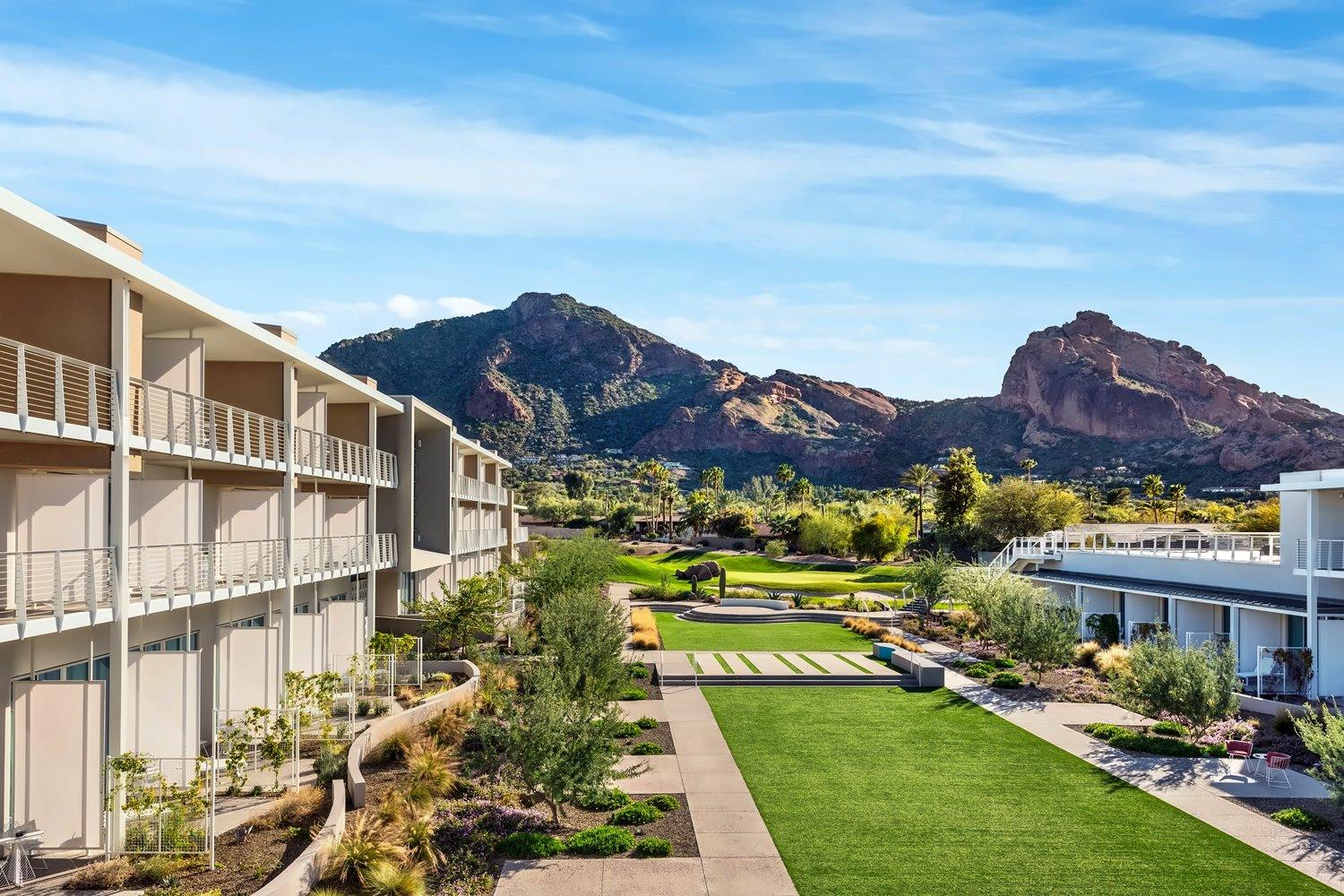
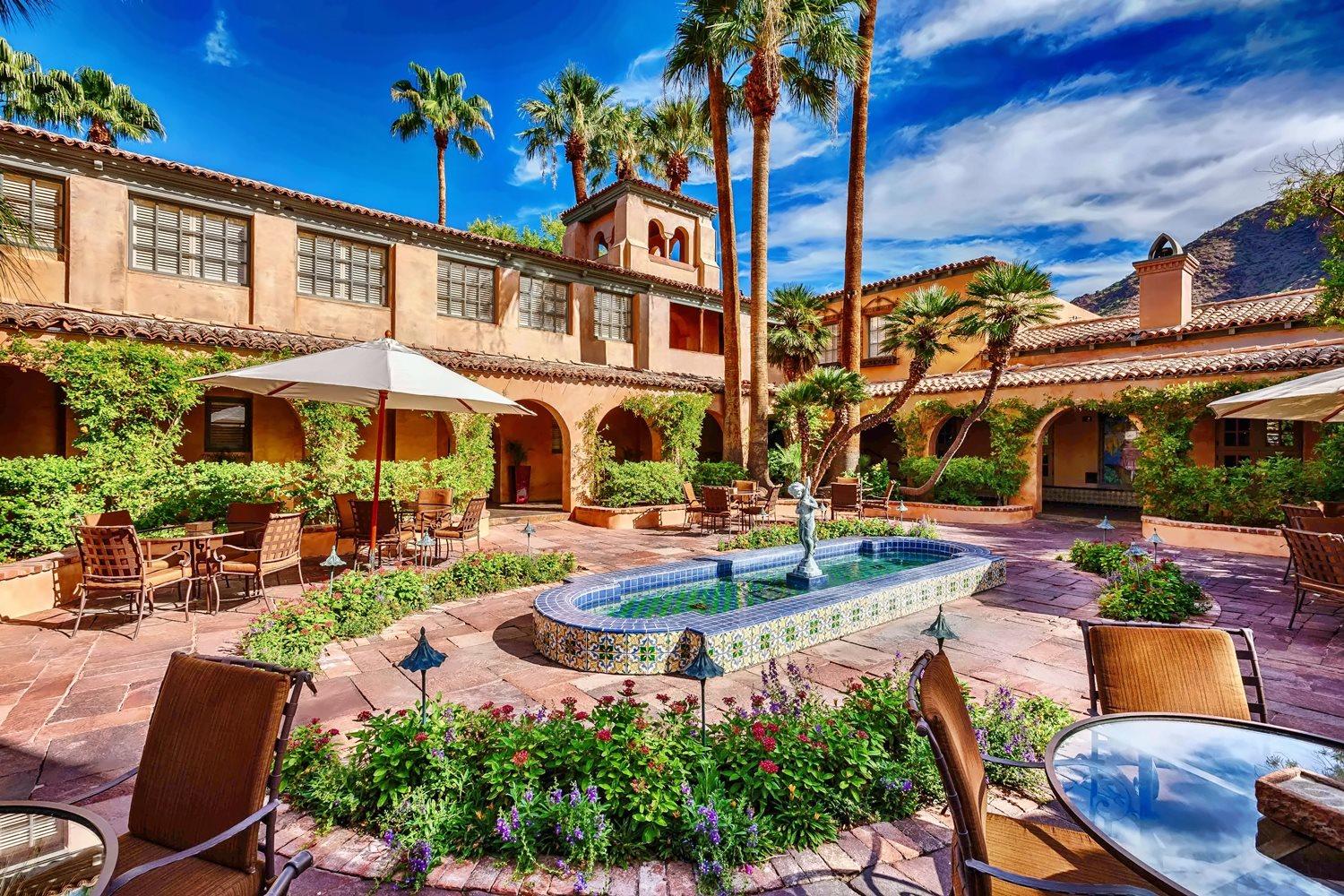
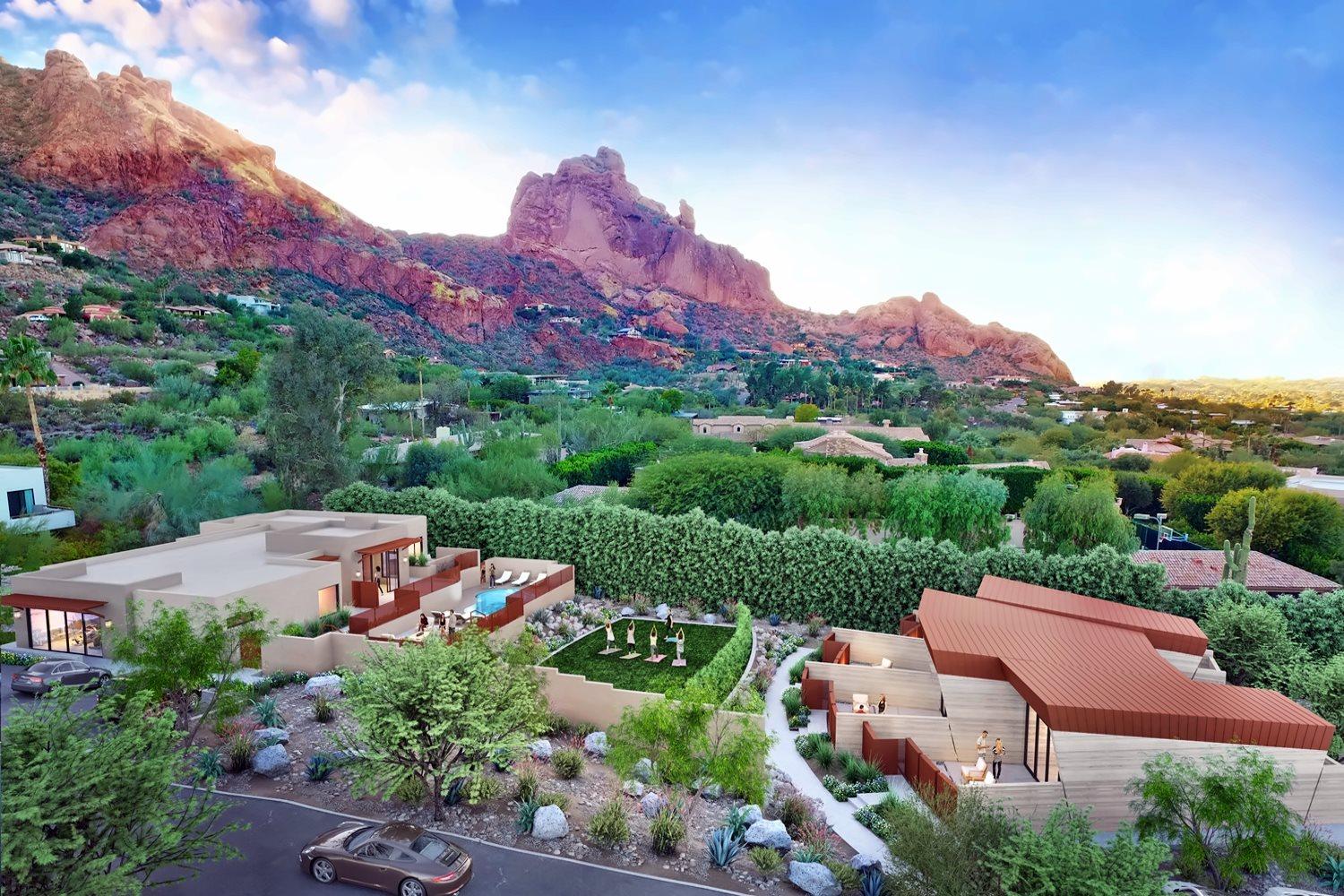
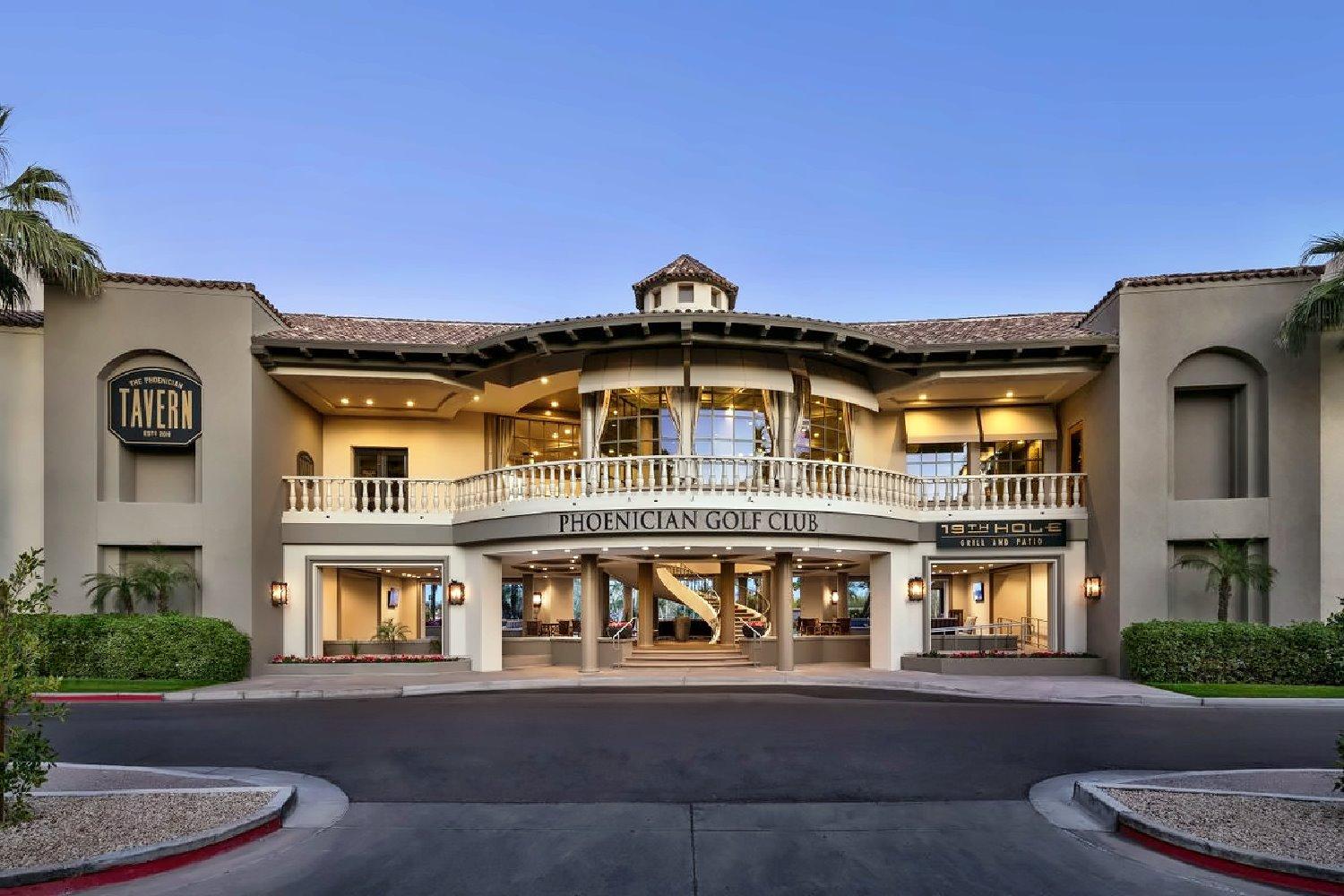
Use hotels as operational anchors rather than interchangeable symbols of status. Relevant comparisons include Sanctuary Camelback Mountain, The Phoenician, Canyon Ranch Tucson, Enchantment Resort and Castle Hot Springs. Examine where each property sits in relation to the experiences that matter, how reliably it handles arrivals. And whether its atmosphere suits the trip. Ask what is genuinely included,
which facilities require reservations. And whether construction or events may affect the stay. A celebrated address can still be the wrong choice when it adds repeated driving. The strongest shortlist normally contains one route-efficient option and one character-led alternative with clearly stated trade-offs.
Phoenix Sky Harbor usually offers the broadest air access and sits closer to Scottsdale and Paradise Valley than its metropolitan scale may suggest, although rush-hour traffic changes timings. Tucson International is operationally stronger for a southern stay. While Flagstaff Pulliam can help selected northern itineraries but is more weather-sensitive. A rental car is normally essential beyond an urban resort stay.
Confirm vehicle class, roadside support, charging or fuel strategy, valet costs and after-hours collection. Never schedule a canyon drive immediately after a long-haul arrival. fatigue, glare and wildlife make conservative daylight planning part of luxury service.
Season and timing discipline
Mobility should be priced and confirmed before the preferred room is paid. In Arizona, rental-car routes, desert distances, trail access and limited remote services can alter an apparently simple schedule. Compare a private transfer, rental car, hotel vehicle and local transport according to luggage, arrival time and planned activities. Add realistic parking, valet and one-way costs.
Never assume that a map estimate reflects event traffic or seasonal disruption. Share flight numbers and mobile contacts with the hotel, retain a backup for late arrival. And leave enough margin before meals, tours or departures to absorb ordinary uncertainty without sacrificing the experience. October through April often suits lower-desert stays, yet winter nights can be cold and pools may depend on heating.
Sedona and the Colorado Plateau sit much higher than Phoenix. So snow, ice and freezing temperatures can coexist with warm valley afternoons. Summer demands pre-dawn outdoor activity, serious hydration and long indoor recovery. the monsoon can bring lightning, flash flooding, dust and disrupted roads. Spring break, major Scottsdale events and peak Grand Canyon periods affect rates and availability. Compare exact elevations and daily forecasts for every base rather than applying one Arizona forecast to the whole state.
City sequencing and workload
The calendar must reflect extreme summer heat, cold high-country nights, monsoon storms and strong sun. Choose dates by the experiences that define the journey. Then examine historical conditions and current forecasts without treating either as a guarantee. Outdoor plans need a heat, storm, snow or air-quality alternative appropriate to the destination.
Schedule exposed activities at the safest practical hour and reserve indoor culture for less favourable periods. Pack for temperature variation rather than an average. Flexible reservations have real value when conditions are volatile. And a thoughtful second-choice programme protects both comfort and the money committed to the trip.
A balanced seven-night journey might use four nights around Scottsdale or Tucson and three around Sedona. While adding the Grand Canyon deserves another protected segment. Resort days should not be filled with distant sightseeing simply because a car is available. At Canyon Ranch Tucson, wellbeing programming can justify staying on property. at Castle Hot Springs,
the remote setting is part of the value. Enchantment Resort supports immediate red-rock access. Whereas The Phoenician and Sanctuary Camelback Mountain favour metropolitan dining and restorative time. Match each hotel to a clear role and avoid paying resort rates while spending every day on highways.
Hotel-room strategy
Room strategy deserves the same care as hotel selection. Request exact orientation, floor, connecting configuration, bedding and distance from lifts or entertainment areas. category names alone are not enough. In Arizona, views and terraces can be valuable. But exposure, street noise, event activity or afternoon heat may change their usefulness. Families should confirm occupancy in writing.
While couples should decide whether space, privacy or location has priority. Ask the advisor to compare the confirmed category with plausible upgrade paths. And record any accessibility or sleep requirements before arrival. In the desert, orientation materially changes comfort. A west-facing terrace may hold intense afternoon heat. While a casita far from the lobby may be peaceful but inconvenient for limited mobility.
Ask about shaded outdoor space, plunge pools, fireplaces, accessible paths, golf-cart transfers, connecting-room certainty and distances to restaurants. Sedona view categories should identify the actual red-rock aspect and possible public-area noise. At remote resorts. Confirm mobile coverage, dining schedules and what happens after dark. Families need written occupancy and pool rules. light sleepers should discuss air-conditioning sound, event lawns and early maintenance activity before assignment.
Benefits and booking proof
Virtuoso benefits should strengthen the itinerary, not distort it. Compare the rate, breakfast conditions, property credit, upgrade terms, early arrival and late departure as a complete package. A credit is useful only when the relevant restaurant, spa or experience is open and fits the schedule. Upgrades remain subject to availability. So book the minimum room that will be comfortable without one.
Have the advisor document celebrations and arrival details, reconcile overlapping promotions. And identify the property most likely to deliver meaningful recognition. The best value is reliable personalisation combined with a location that saves time. Compare the flexible Virtuoso rate with every inclusions package line by line. Breakfast may be restaurant-only, a resort credit may exclude taxes or gratuities.
And late checkout can be especially valuable before an evening departure from Phoenix. The advisor should record the route, anniversary or family context, preferred bedding, dietary needs and realistic arrival time. Upgrade probability must never justify booking an inadequate room. For remote properties. Confirm meal plans, activity cancellation terms and transport separately. A useful benefit creates time, comfort or access. an unusable credit should not outweigh a better location or a more protective cancellation policy.
Dining and cultural pacing
Indigenous heritage, Sonoran cuisine, desert architecture, galleries and dark-sky landscapes give Arizona its identity beyond the hotel. Reserve high-demand tables and performances early. But leave unstructured time for neighbourhood discovery. Use knowledgeable local guides where interpretation adds context, particularly around living communities, contested history or protected landscapes. Follow photography rules and site etiquette instead of treating access as automatic.
Seek locally owned restaurants and makers alongside landmark venues. A balanced programme alternates major experiences with quieter encounters. Allowing the destination to feel specific while avoiding the fatigue caused by stacking every prestigious reservation into one short stay. Arizona deserves interpretation beyond scenery. In Phoenix and Scottsdale, connect contemporary galleries and architecture with Native-led cultural resources rather than presenting Indigenous traditions as decoration.
Tucson is recognised for a distinctive food heritage shaped by Indigenous, Mexican and desert agriculture. reserve acclaimed kitchens but also support neighbourhood businesses. At tribal sites, access, photography and guiding rules belong to the sovereign community and may change. Dark-sky programmes, desert botanical expertise and responsible canyon guiding add substance. Schedule major meals after realistic driving days. And leave one evening open for sunset, weather changes or a recommendation that emerges locally.
Resilience and final review
Responsible planning is practical luxury. Reduce unnecessary backtracking, carry refillable water where conditions permit. And follow local guidance on heat, wildlife, trails and protected sites. Choose operators that explain safety, staffing and conservation practices rather than relying on vague claims. Confirm insurance, medical needs and emergency contacts before departure. extreme summer heat, cold high-country nights,
monsoon storms and strong sun can affect vulnerable travellers more strongly. So comfort limits should be discussed honestly. Recheck official travel, weather and transport information shortly before each move. A resilient plan protects residents, landscapes, staff and the traveller while preserving room for informed spontaneity. Carry more water than an urban day would require,
stop activity before heat symptoms escalate and never enter a wash when storms threaten upstream. Stay on durable trails, respect closures and avoid geotagging fragile places. National parks and tribal destinations may require timed entry, permits or guide arrangements, all of which should be checked on official channels. Use local operators that explain wages, group size and conservation practice.
Before departure. Verify wildfire, air-quality, road and park notices, plus insurance coverage for planned hiking. Responsible restraint is not a reduction in experience. it protects desert ecosystems, communities and the traveller’s ability to enjoy the entire route.
Tips for planning Virtuoso hotels in Arizona, United States
- Group Phoenix, Scottsdale, Tucson, Sedona, the Grand Canyon and the Sonoran Desert into realistic bases before comparing any hotel rates or benefits. Include daylight driving margins and a separate fuel plan for every remote northern or tribal-land sector.
- Confirm airport, transfer, parking and late-arrival arrangements in writing before the cancellation deadline. Use Phoenix for the broadest flight choice. But test Tucson airport when the southern desert leads the itinerary.
- Book a room category that works without assuming a complimentary Virtuoso upgrade will clear. Request written confirmation of terrace orientation, walking distances and heat exposure, not merely the room-category name.
- Protect each outdoor priority with a credible alternative suited to extreme summer heat, cold high-country nights, monsoon storms and strong sun. Reserve Grand Canyon entry, specialist guides and high-demand resort activities before non-refundable cancellation dates arrive.
- Recheck official transport, weather and safety information shortly before every important move. Treat every elevation as a different climate and recheck wildfire, monsoon, snow and road notices locally.
Frequently asked questions about Virtuoso hotels in Arizona, United States
How many hotels are listed
Treat Arizona as multiple travel zones and add only the bases that justify their transfer time within the nights available. The directory lists fifteen properties. But that number should frame a route-based shortlist rather than encourage comparison across incompatible regions.
How should I compare in this destination
Compare location, confirmed room comfort, arrival support and usable benefits first. reputation should decide only after those operational needs are satisfied. Start with the nights available and one defining priority. Then select Scottsdale, Tucson, Sedona or the canyon region as operational bases around it.
Are benefits guaranteed
Book the minimum category you will enjoy without an upgrade, because Virtuoso upgrades and preferred views remain subject to availability. Most preferred amenities depend on the booked programme and availability. the advisor should document breakfast, credit, upgrade and checkout conditions explicitly.
What is most important first
Review extreme summer heat, cold high-country nights, monsoon storms and strong sun for the exact route and dates. Then build flexible alternatives instead of relying on seasonal averages alone. Location is the first filter because Arizona distances can consume the very time a more prestigious but poorly positioned hotel was meant to improve.
Can weather affect the plan
Reserve private transport when timing, luggage or remote access makes certainty valuable. otherwise compare local options and total parking costs. Yes. Lower-desert heat, plateau snow, monsoon flooding, wildfire and air quality can affect different bases simultaneously. So each day needs local checks.
Is a smaller city option useful
Five to seven nights support two coherent bases for many journeys. While broader routes need more time and deliberately protected transfer days. A quieter or remote resort works when its landscape and on-property programme are objectives. it is inefficient if daily urban dining or long excursions dominate.
Can I change late in planning
Use official authorities for current requirements and discuss insurance, mobility, health and cancellation exposure with qualified providers before payment. Changes are often possible within the rate rules. But remote inventory and peak events tighten quickly. preserve flexibility until flights and route timing are secure.
What documentation should I have
Prioritise locally informed guides, respectful conduct, efficient routing and businesses that can explain their community or conservation practices clearly. Keep confirmations for hotels, rental car, park or tribal permits, guides, insurance and emergency contacts accessible offline throughout rural driving sectors.
Combine your hotel stay with a privately designed journey through United States, with hotels, transfers and experiences planned as one seamless itinerary.