
Virtuoso Hotels
Virtuoso Hotels in District of Columbia, United States
Compare 13 Virtuoso hotels in District of Columbia, United States: locations and expert advice, breakfast, 100 USD credit or experience, VIP recognition and online booking.
13
13
Hotels
Virtuoso Hotels in District of Columbia, United States: a practical architecture for high-quality travel
Washington, D.C. must be planned as a federal district rather than a state with several distinct travel zones, not as one compact destination. A strong itinerary connects Capitol Hill, Georgetown, the National Mall, Dupont Circle and the Wharf only where the available nights justify the distance. Luxury value comes from matching location, arrival hour and daily purpose before comparing amenities.
The hotel shortlist should therefore follow the route, with realistic buffers for three regional airports, Metro, security closures and walkable museum districts. Travellers gain more from two coherent bases than from collecting addresses that require constant repacking.
Seasonality matters because humid summers, changeable shoulder seasons and occasional winter disruption can change transfers, outdoor plans and room use. Build one protected recovery period after arrival. Confirm cancellation terms. And keep a weather alternative for every critical experience. This approach leaves space for Smithsonian museums, federal history, global dining, performing arts and neighbourhood heritage without turning the stay into a checklist.
A Virtuoso advisor can then compare benefits, upgrades and room categories against the actual sequence rather than against headline prestige.
Washington, D.C. is a federal district and a concentrated urban destination, not a state and not a multi-base road trip. Its planning problem is proximity to the institutions, neighbourhoods and evening venues that define the visit. The National Mall looks compact on a map but contains long walking distances, security queues and timed museum or government access.
Georgetown, Dupont Circle, Capitol Hill, Penn Quarter and The Wharf offer distinct evening rhythms. Reagan National is usually the simplest airport transfer. Dulles and Baltimore/Washington require larger buffers. Thirteen listed hotels should therefore be filtered by walking pattern, Metro access, motorcade disruption and the traveller’s daily priorities rather than by prestige alone.
Geography first
Begin with the map. Capitol Hill, Georgetown, the National Mall, Dupont Circle and the Wharf represent different rhythms and cannot be treated as neighbouring districts. Test every move against door-to-door time, likely traffic and the next fixed reservation. three regional airports, Metro, security closures and walkable museum districts require deliberate buffers, especially after a flight or before a timed experience.
A route with fewer bases often produces more usable days and a calmer luxury stay. Keep the first evening light, protect the final transfer. And avoid placing two demanding moves on consecutive days. The right geography is the foundation for every later hotel and room decision. Most visitors need one well-positioned hotel, not a change of base.
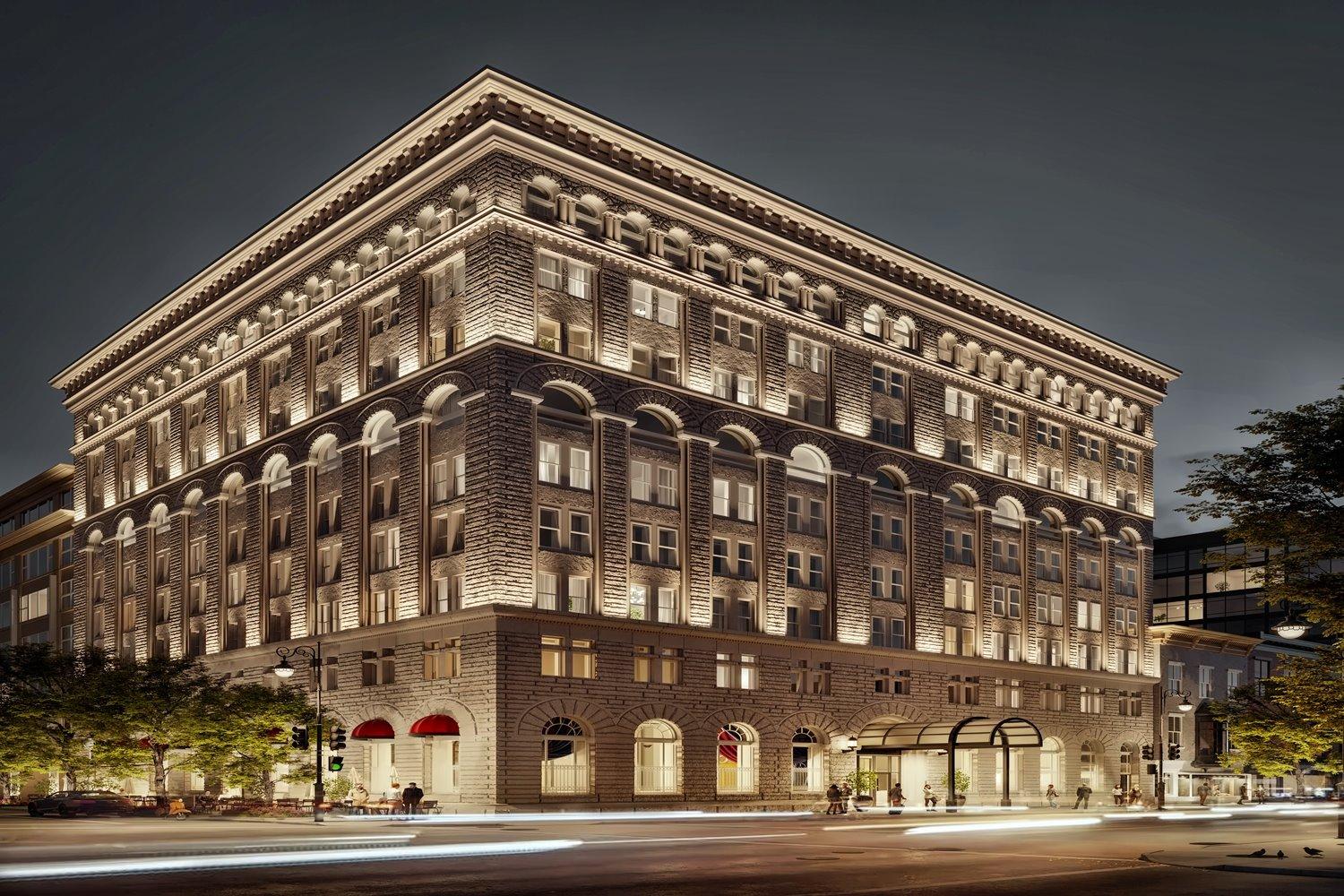
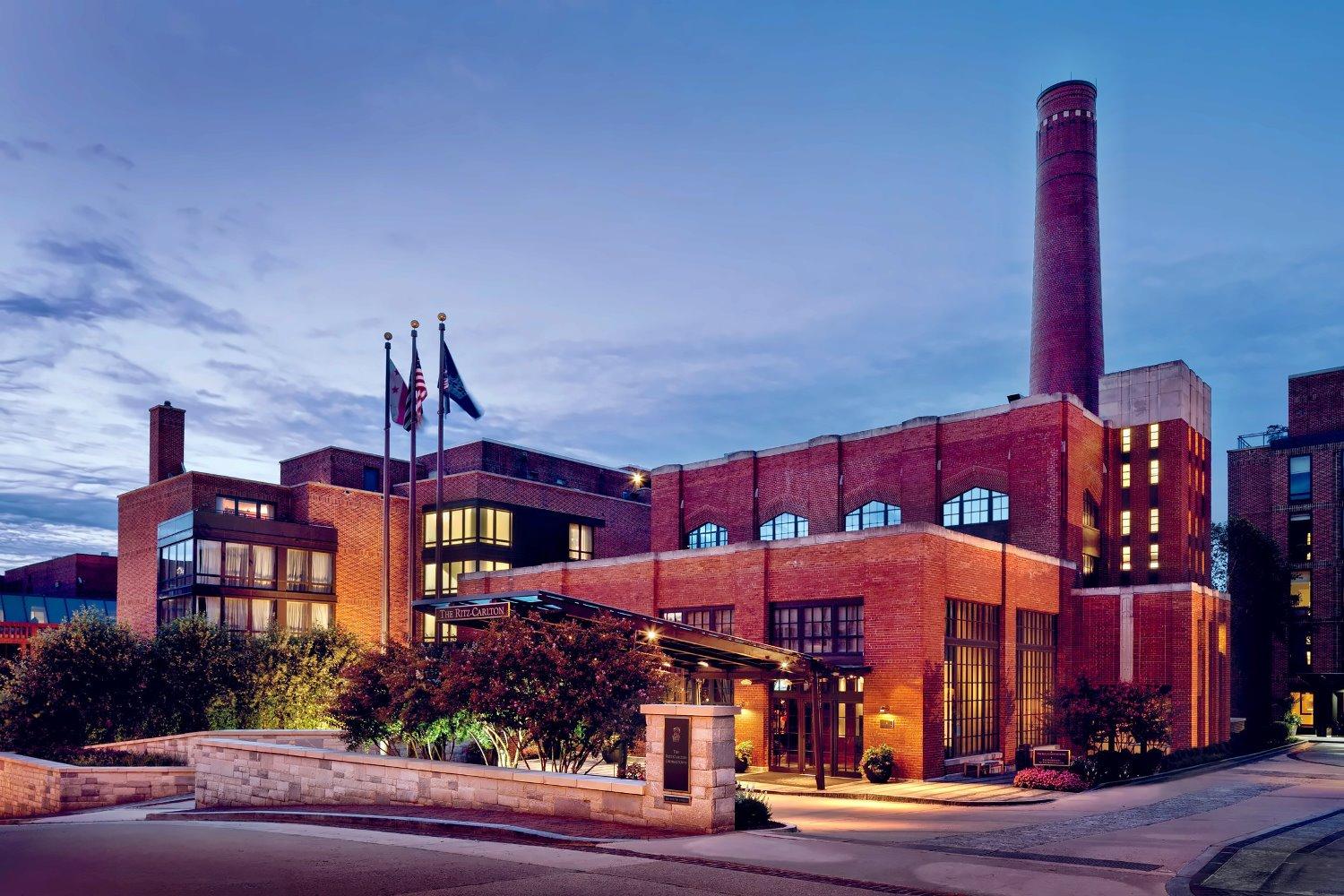
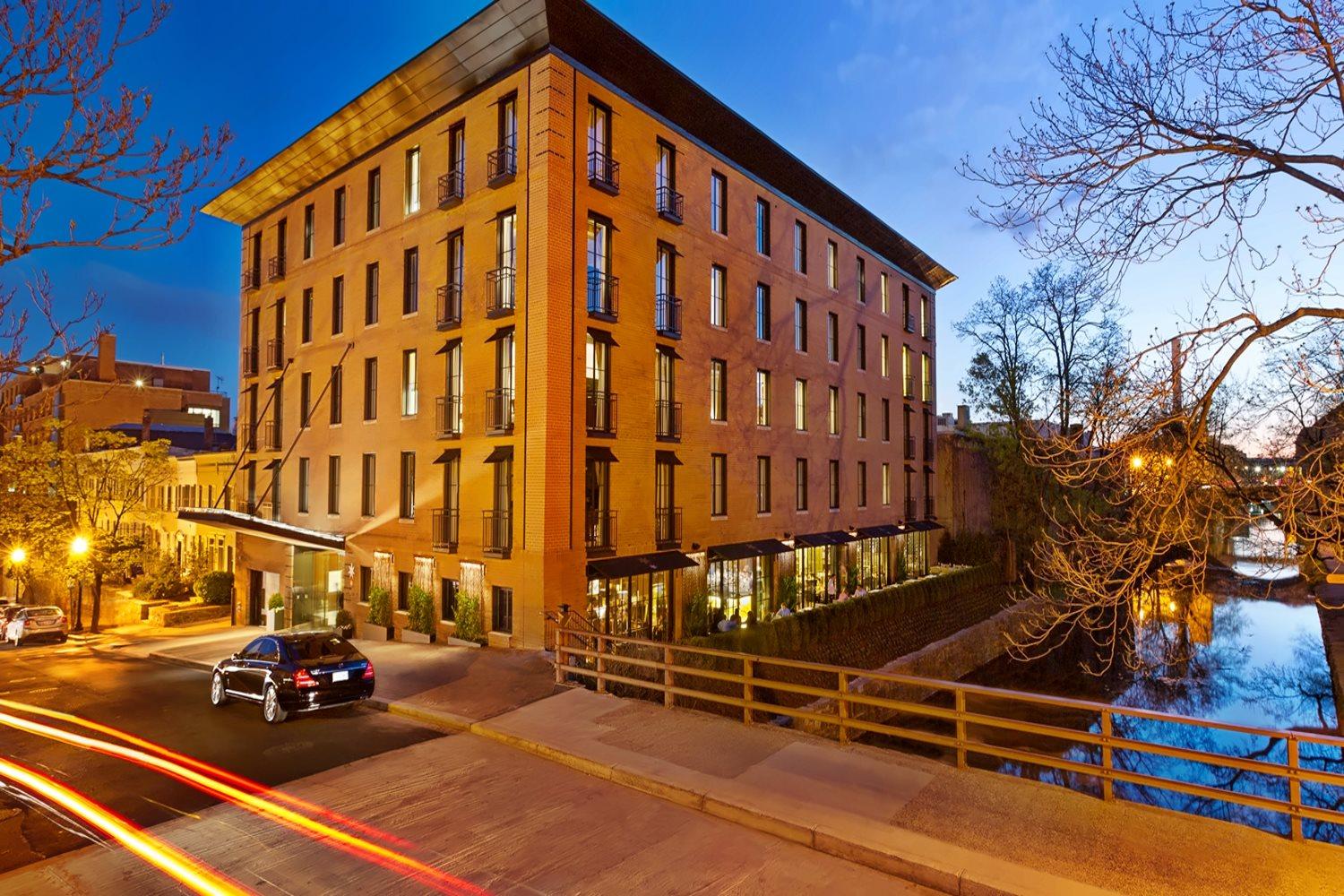
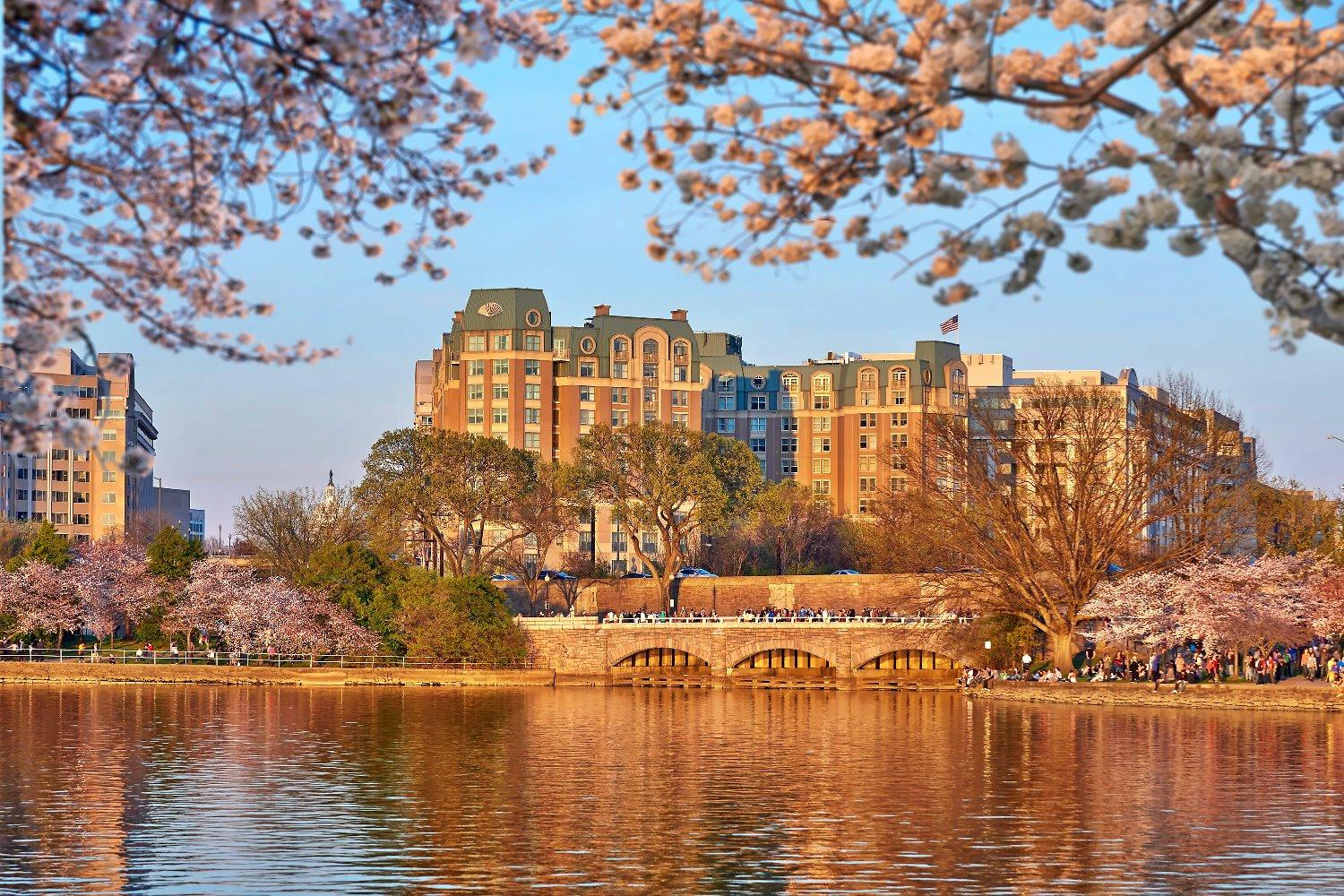
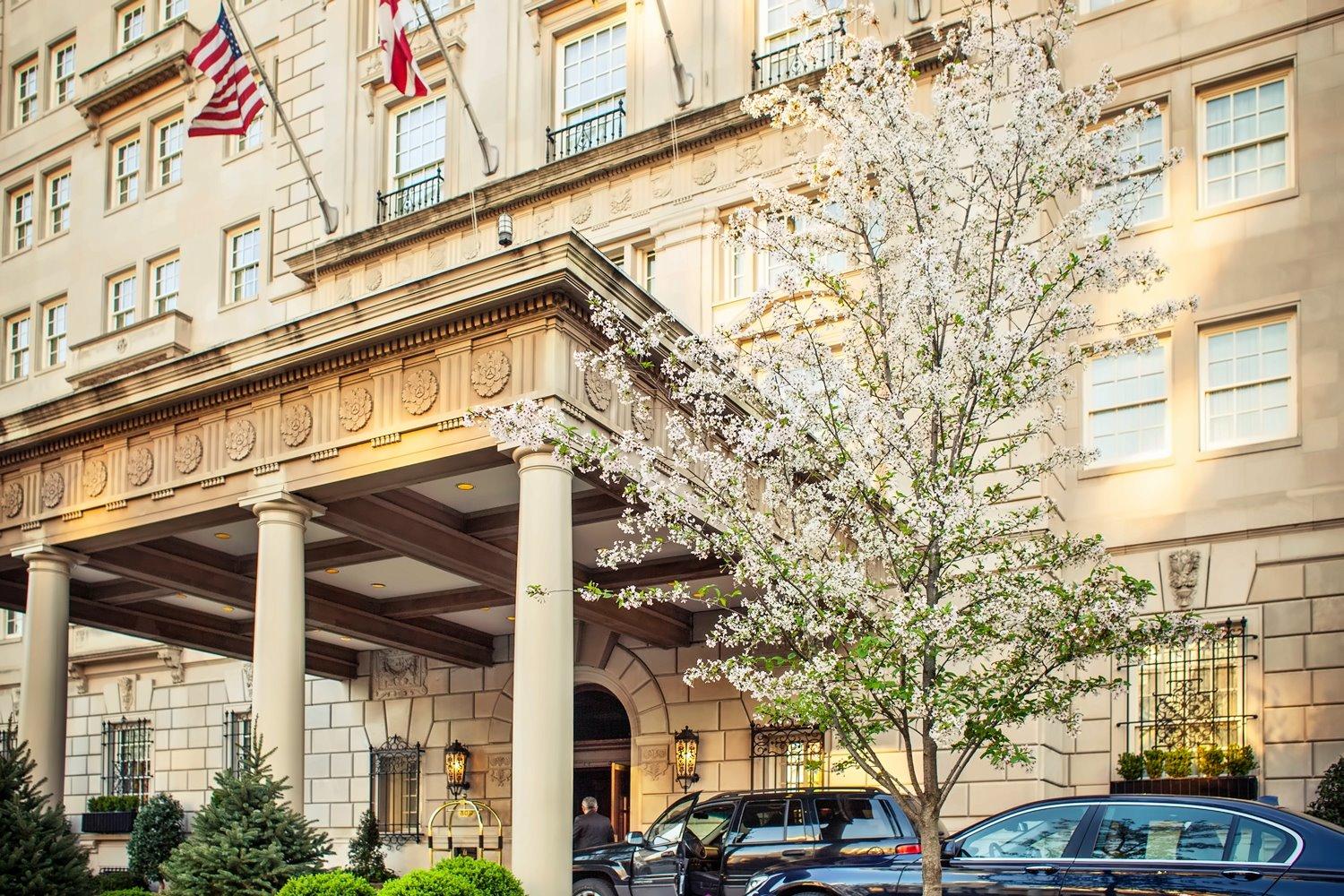
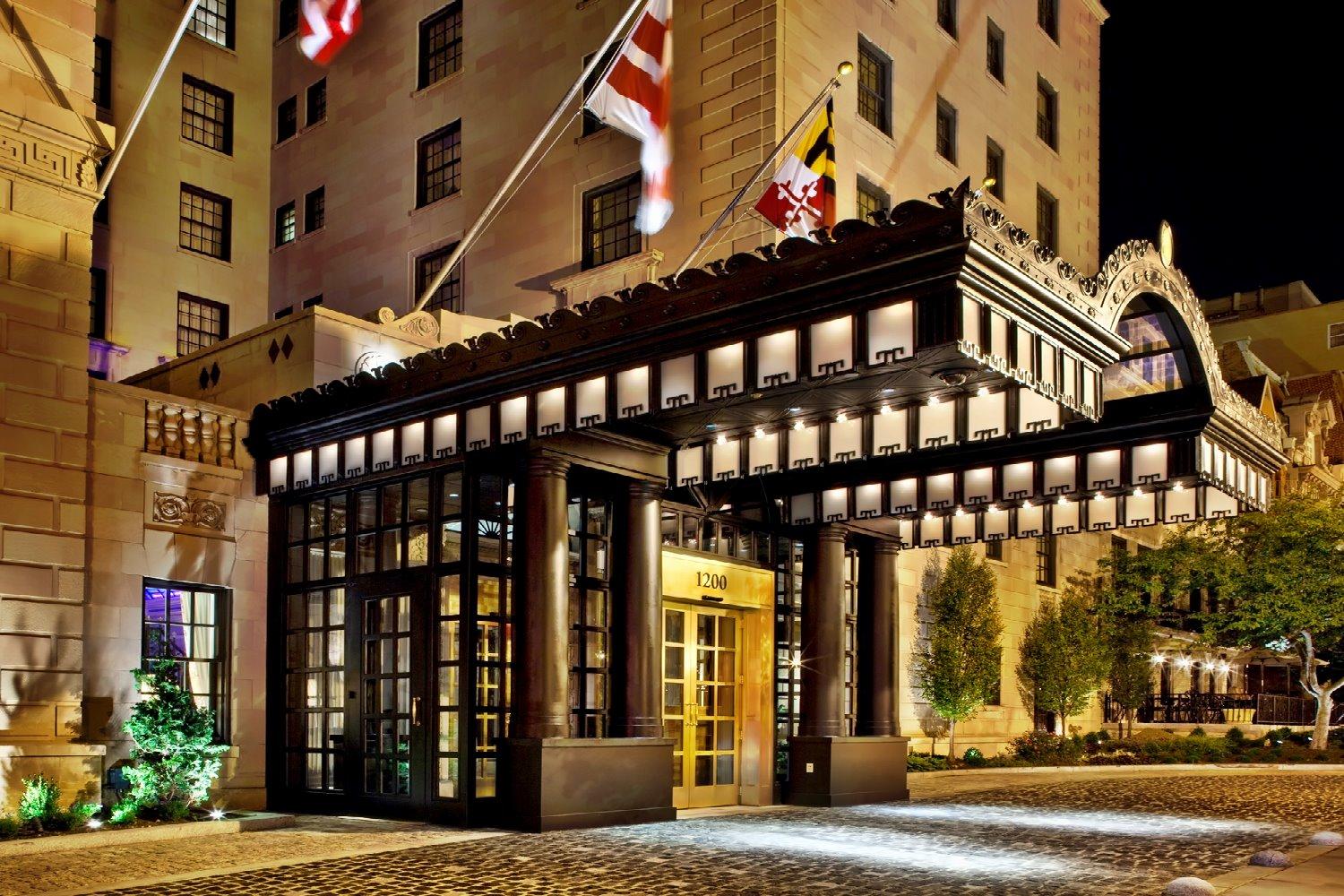
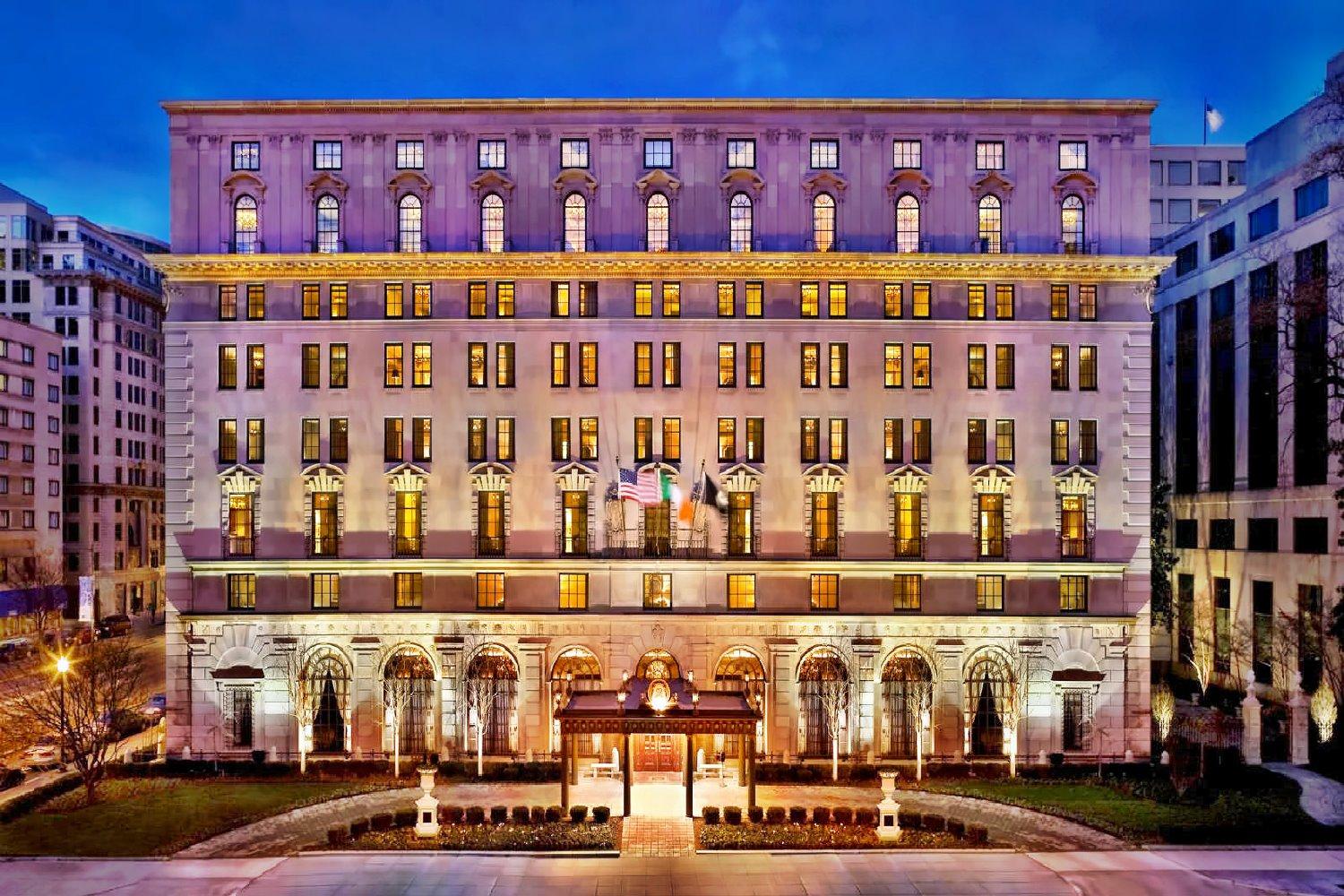
The White House and Lafayette Square favour The Hay-Adams. Georgetown supports Rosewood Washington, D.C. and Four Seasons Hotel Washington, DC. Pennsylvania Avenue places Waldorf Astoria Washington DC between federal landmarks and Penn Quarter. Salamander Washington DC is useful for the Mall and The Wharf. Capitol Hill works for legislative interests. While Dupont Circle and Logan Circle improve restaurant and residential context.
Plot morning institutions and evening reservations separately. Then choose the address that minimises the repeated crossing of downtown rather than the one closest to a single monument.
Arrival and transport logic
Use hotels as operational anchors rather than interchangeable symbols of status. Relevant comparisons include The Hay-Adams, Rosewood Washington D.C., Waldorf Astoria Washington DC, Salamander Washington DC and Four Seasons Georgetown. Examine where each property sits in relation to the experiences that matter, how reliably it handles arrivals. And whether its atmosphere suits the trip.
Ask what is genuinely included, which facilities require reservations. And whether construction or events may affect the stay. A celebrated address can still be the wrong choice when it adds repeated driving. The strongest shortlist normally contains one route-efficient option and one character-led alternative with clearly stated trade-offs.
Ronald Reagan Washington National Airport usually offers the shortest ground journey and a direct Metrorail option, although weather and airspace constraints can affect operations. Dulles has rail access but still requires substantial time. Baltimore/Washington can work for fares or onward rail but should not be described as a city-centre airport. Union Station is valuable for Amtrak arrivals.
Within the district, combine walking, Metrorail and occasional car service. Parking is expensive and road closures can appear around official events. Give drivers exact hotel entrances, share flight or train details. And add security-related margins before every timed tour.
Season and timing discipline
Mobility should be priced and confirmed before the preferred room is paid. In Washington, D.C., three regional airports, Metro, security closures and walkable museum districts can alter an apparently simple schedule. Compare a private transfer, rental car, hotel vehicle and local transport according to luggage, arrival time and planned activities. Add realistic parking, valet and one-way costs.
Never assume that a map estimate reflects event traffic or seasonal disruption. Share flight numbers and mobile contacts with the hotel, retain a backup for late arrival. And leave enough margin before meals, tours or departures to absorb ordinary uncertainty without sacrificing the experience. Spring brings blossoms, crowds, variable rain and premium rates. exact bloom dates are never guaranteed.
Summer is hot and humid, with thunderstorms that make long exposed Mall walks tiring. Early autumn often balances comfortable weather with active cultural calendars. While winter offers quieter museums but occasional snow, ice and federal disruption. Major political events, demonstrations, diplomatic meetings and university dates can change access or hotel demand independently of season. Build indoor and outdoor pairs for each day.
Smithsonian museums can protect a difficult afternoon. But entry procedures, free timed passes and opening schedules still need advance confirmation from the institution.
City sequencing and workload
The calendar must reflect humid summers, changeable shoulder seasons and occasional winter disruption. Choose dates by the experiences that define the journey. Then examine historical conditions and current forecasts without treating either as a guarantee. Outdoor plans need a heat, storm, snow or air-quality alternative appropriate to the destination.
Schedule exposed activities at the safest practical hour and reserve indoor culture for less favourable periods. Pack for temperature variation rather than an average. Flexible reservations have real value when conditions are volatile. And a thoughtful second-choice programme protects both comfort and the money committed to the trip. Three or four nights suit a focused first visit.
five allow deeper neighbourhood dining, more museums and an excursion to nearby Virginia or Maryland without rushing the district itself. Group the Mall museums geographically instead of counting them as interchangeable stops. Place the Capitol, Library of Congress and Supreme Court area on one day when access permits. combine the White House area with downtown or Dupont Circle.
reserve Georgetown and The Wharf for slower evening exploration. One major museum plus one civic or neighbourhood experience often fills a day. Protect meal breaks because security lines and gallery distances make overpacked schedules collapse quickly.
Hotel-room strategy
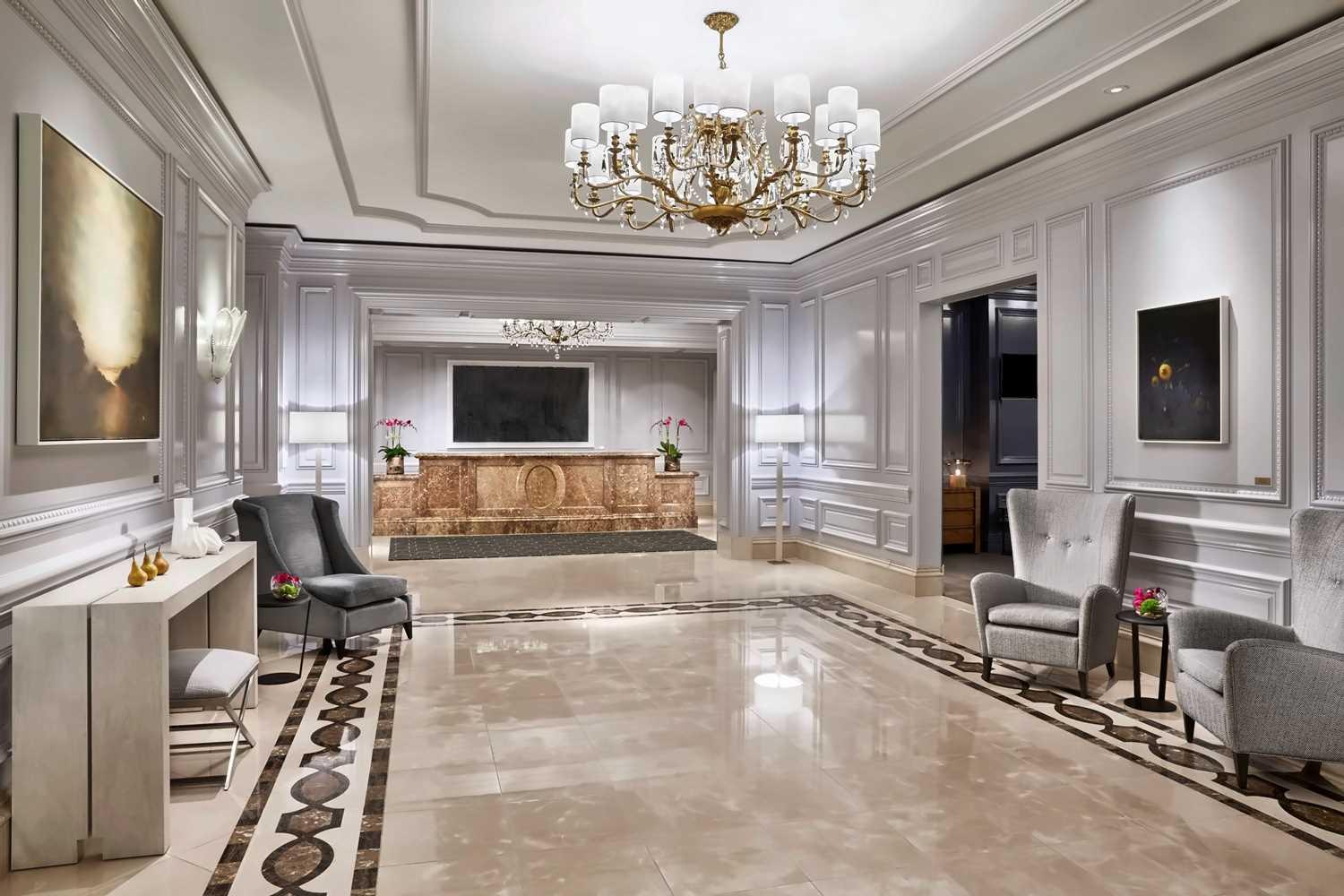
Room strategy deserves the same care as hotel selection. Request exact orientation, floor, connecting configuration, bedding and distance from lifts or entertainment areas. category names alone are not enough. In Washington, D.C., views and terraces can be valuable. But exposure, street noise, event activity or afternoon heat may change their usefulness. Families should confirm occupancy in writing.
While couples should decide whether space, privacy or location has priority. Ask the advisor to compare the confirmed category with plausible upgrade paths. And record any accessibility or sleep requirements before arrival. Urban room position matters more than a nominal landmark view. Ask whether the view is direct or oblique, whether nearby streets host demonstrations,
deliveries or motorcade activity. And whether connecting rooms are guaranteed. Historic buildings can have highly variable plans. While new rooms may trade character for acoustic predictability. Confirm floor, glazing, blackout quality, lift distance, bedding and shower accessibility. At Georgetown hotels. Check the walk to Metro and steep or cobbled approaches. near the Mall. Ask about evening restaurant access once institutions close. A suite is worthwhile only if its usable layout improves work, family privacy or recovery.
Benefits and booking proof
Virtuoso benefits should strengthen the itinerary, not distort it. Compare the rate, breakfast conditions, property credit, upgrade terms, early arrival and late departure as a complete package. A credit is useful only when the relevant restaurant, spa or experience is open and fits the schedule. Upgrades remain subject to availability. So book the minimum room that will be comfortable without one.
Have the advisor document celebrations and arrival details, reconcile overlapping promotions. And identify the property most likely to deliver meaningful recognition. The best value is reliable personalisation combined with a location that saves time. Evaluate Virtuoso breakfast, property credit, upgrade, early arrival and late departure against the actual city timetable.
Breakfast is valuable before an early museum or Capitol appointment only if service begins in time. A dining credit matters when the hotel restaurant fits the evening plan. While late checkout can transform the final day before a train or Dulles departure. Book a room that works without an upgrade and have the advisor document institution visits,
accessibility, dietary needs and celebrations. Compare flexible rates during politically sensitive or weather-variable periods. recognition has less value than a location and cancellation policy that protect the itinerary.
Dining and cultural pacing
Smithsonian museums, federal history, global dining, performing arts and neighbourhood heritage give Washington, D.C. its identity beyond the hotel. Reserve high-demand tables and performances early. But leave unstructured time for neighbourhood discovery. Use knowledgeable local guides where interpretation adds context, particularly around living communities, contested history or protected landscapes. Follow photography rules and site etiquette instead of treating access as automatic.
Seek locally owned restaurants and makers alongside landmark venues. A balanced programme alternates major experiences with quieter encounters. Allowing the destination to feel specific while avoiding the fatigue caused by stacking every prestigious reservation into one short stay. Federal monuments are only one layer of the district. Smithsonian collections, the National Gallery, the National Museum of African American History and Culture,
performing arts and diplomatic institutions reward advance curation. Neighbourhoods add go-go music history, Black cultural heritage, international restaurants, markets and independent galleries. Use guides who can distinguish federal narrative from the lived history of Washington residents. Reserve scarce museum passes and acclaimed tables early. But leave room for a smaller institution or locally recommended restaurant.
Respect memorial conduct, photography restrictions and the working character of government buildings rather than treating the city as an open stage set.
Resilience and final review
Responsible planning is practical luxury. Reduce unnecessary backtracking, carry refillable water where conditions permit. And follow local guidance on heat, wildlife, trails and protected sites. Choose operators that explain safety, staffing and conservation practices rather than relying on vague claims. Confirm insurance, medical needs and emergency contacts before departure. humid summers, changeable shoulder seasons and occasional winter disruption can affect vulnerable travellers more strongly.
So comfort limits should be discussed honestly. Recheck official travel, weather and transport information shortly before each move. A resilient plan protects residents, landscapes, staff and the traveller while preserving room for informed spontaneity. Washington’s residents live with visitor pressure, security restrictions and intense civic events. Use public transport where practical, avoid blocking pavements around groups.
And support independent businesses beyond the monumental core. Demonstrations may affect movement without making an area inherently unsafe. rely on official notices and hotel operations teams rather than assumptions. Check accessibility routes because lifts, station closures and long Mall distances alter mobility. Refill water. Plan shade in humid weather and preserve indoor recovery. Shortly before travel.
Verify airport, Metro, museum, federal-building and event information. A resilient plan respects both democratic public space and the everyday city around it.
Tips for planning Virtuoso hotels in District of Columbia, United States
- Group Capitol Hill, Georgetown, the National Mall, Dupont Circle and the Wharf into realistic bases before comparing any hotel rates or benefits. Choose one district hotel by repeated daily walking patterns, not by distance to a single famous monument.
- Confirm airport, transfer, parking and late-arrival arrangements in writing before the cancellation deadline. Price Reagan National, Dulles and Baltimore/Washington transfers separately, including rail changes, luggage and disruption buffers.
- Book a room category that works without assuming a complimentary Virtuoso upgrade will clear. Reserve timed museums, federal tours and sought-after restaurants before the hotel rate becomes non-refundable whenever possible.
- Protect each outdoor priority with a credible alternative suited to humid summers, changeable shoulder seasons and occasional winter disruption. Confirm the room’s glazing, street exposure and exact view because motorcades and civic events can alter urban noise.
- Recheck official transport, weather and safety information shortly before every important move. Recheck official Metro, museum and security notices shortly before each appointment in the working federal district.
Frequently asked questions about Virtuoso hotels in District of Columbia, United States
How many hotels are listed
Treat Washington, D.C. as multiple travel zones and add only the bases that justify their transfer time within the nights available. The directory lists thirteen hotels. But a useful shortlist normally contains only properties aligned with the visitor’s repeated institutional and neighbourhood movements.
How should I compare in this destination
Compare location, confirmed room comfort, arrival support and usable benefits first. reputation should decide only after those operational needs are satisfied. Compare the National Mall, White House area, Georgetown, Penn Quarter, Capitol Hill and Dupont Circle according to morning access and evening plans.
Are benefits guaranteed
Book the minimum category you will enjoy without an upgrade, because Virtuoso upgrades and preferred views remain subject to availability. No. Upgrades and some arrival or departure privileges remain availability-dependent. While breakfast and credits follow the exact booked rate and property rules.
What is most important first
Review humid summers, changeable shoulder seasons and occasional winter disruption for the exact route and dates. Then build flexible alternatives instead of relying on seasonal averages alone. One central hotel is usually best because Washington is a federal district and urban destination. changing hotels rarely saves enough time to justify disruption.
Can weather affect the plan
Reserve private transport when timing, luggage or remote access makes certainty valuable. otherwise compare local options and total parking costs. Yes. Humidity, thunderstorms, snow, political events and security closures can alter walking routes or access. So every fixed appointment needs a margin.
Is a smaller city option useful
Five to seven nights support two coherent bases for many journeys. While broader routes need more time and deliberately protected transfer days. A less central hotel can work for neighbourhood atmosphere or a specific institution. But repeated cross-city rides should be calculated before booking.
Can I change late in planning
Use official authorities for current requirements and discuss insurance, mobility, health and cancellation exposure with qualified providers before payment. Rate rules govern changes. And citywide demand can tighten around political or cultural dates. keep flexible terms until appointments and transport are confirmed.
What documentation should I have
Prioritise locally informed guides, respectful conduct, efficient routing and businesses that can explain their community or conservation practices clearly. Carry hotel, flight or rail, timed-entry, federal-tour and restaurant confirmations, plus identification requirements specified by each institution, in accessible form.
Combine your hotel stay with a privately designed journey through United States, with hotels, transfers and experiences planned as one seamless itinerary.