
Virtuoso Hotels
Virtuoso Hotels in Louisiana, United States
Compare 4 Virtuoso hotels in Louisiana, United States: locations and expert advice, breakfast, 100 USD credit or experience, VIP recognition and online booking.
4
4
Hotels
Louisiana in Depth: A Statewide Luxury and Virtuoso Travel Guide
Louisiana rewards travellers who treat it as a collection of distinctive cultural landscapes rather than a brief extension of New Orleans. The Mississippi River connects the metropolitan south-east with Baton Rouge and the River Parishes. While the Atchafalaya Basin opens toward Acadiana, Lafayette and communities shaped by waterways, agriculture and francophone traditions. Farther west,
Lake Charles combines Gulf-influenced cuisine and outdoor access with a strong regional identity. The Northshore offers a quieter base across Lake Pontchartrain. And northern Louisiana introduces pine forests, broad lakes, historic towns and the cultural gravity of Shreveport, Bossier City, Monroe and Natchitoches. Distances can appear modest on a map, yet bridges, water, traffic, storms and limited rural transport often make thoughtful sequencing more valuable than ambitious daily mileage.
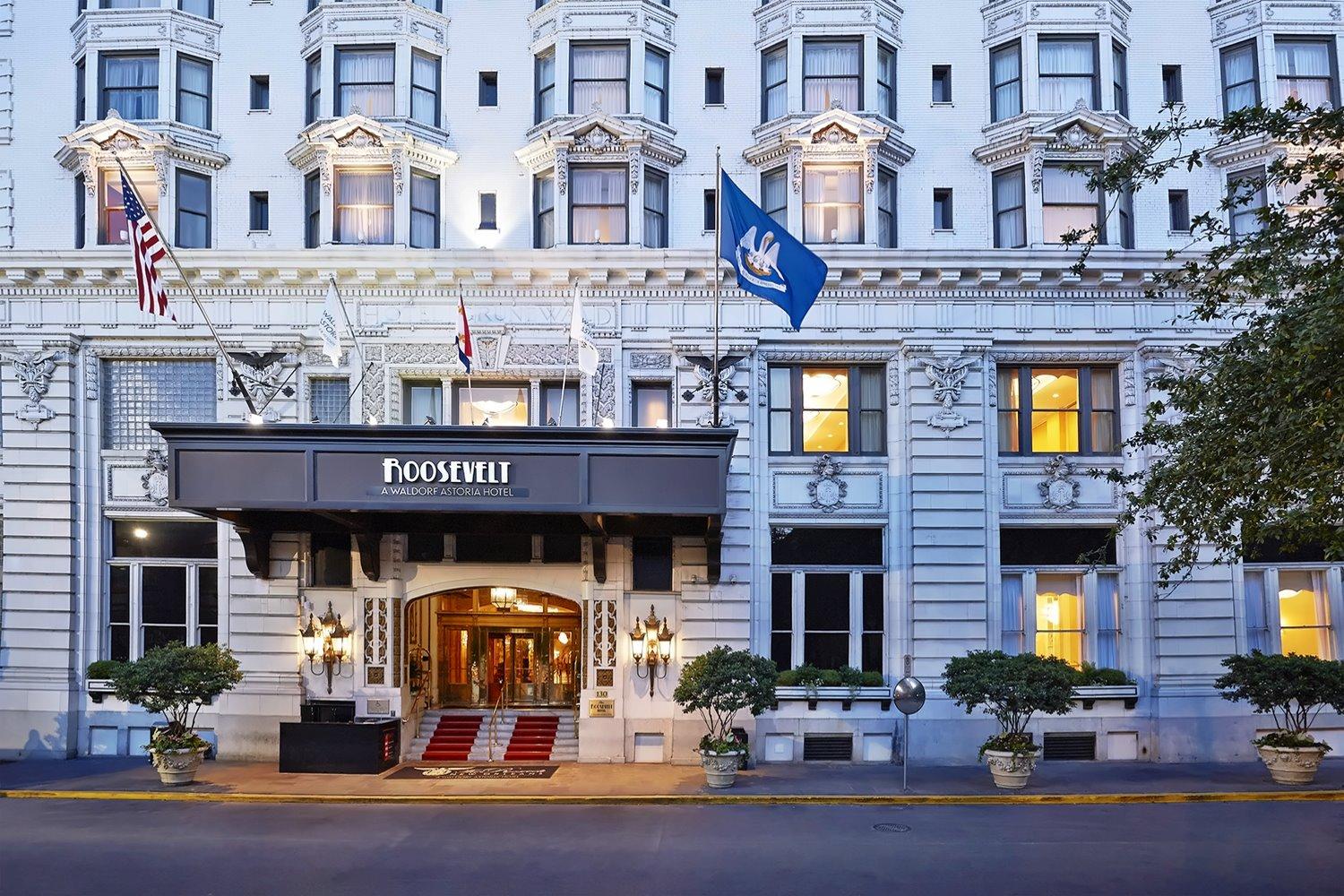
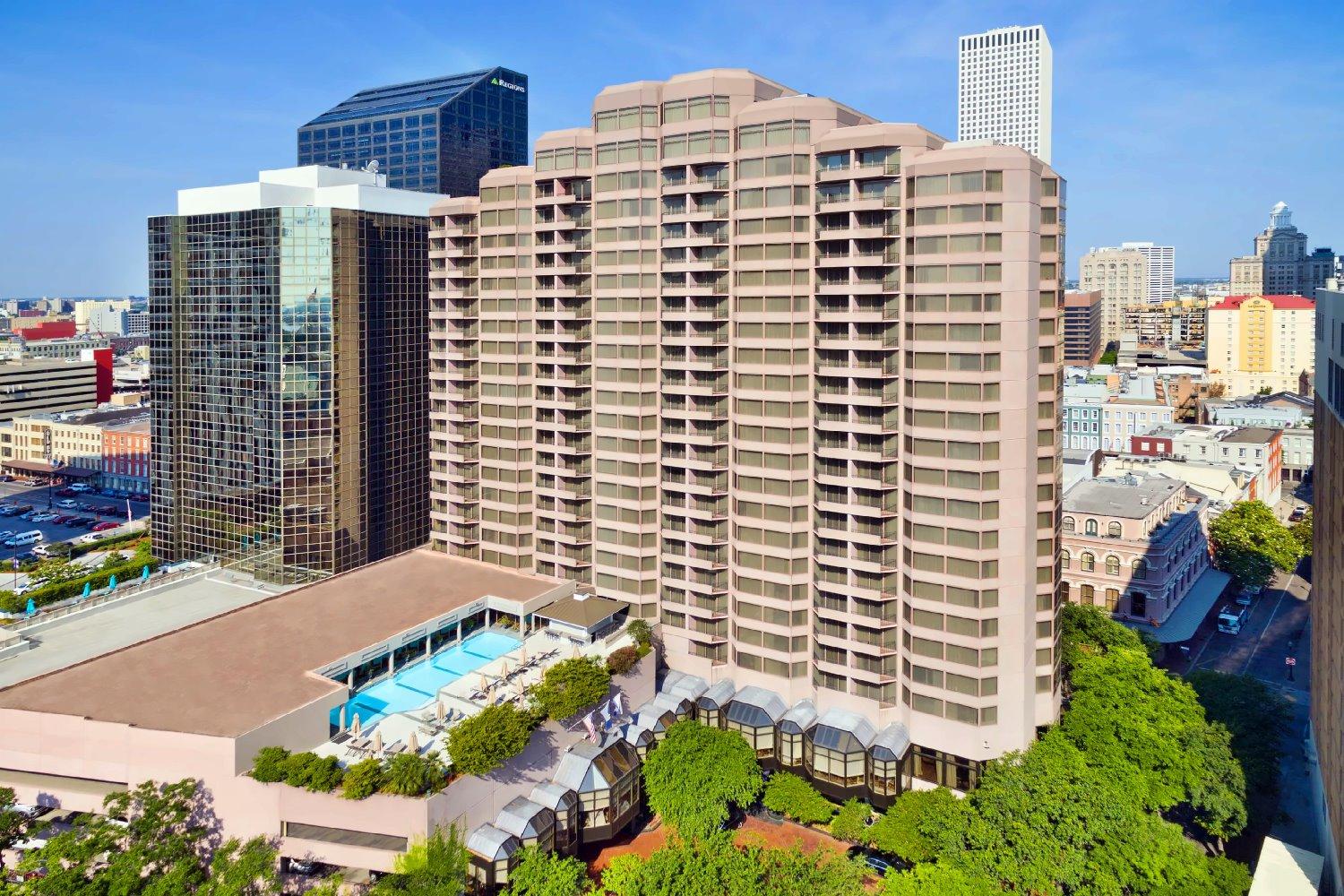
A successful luxury itinerary combines refined accommodation with informed access to living cultures. New Orleans has the state’s deepest concentration of high-end and potentially Virtuoso-participating hotels. Including Four Seasons Hotel New Orleans, Windsor Court, The Ritz-Carlton, New Orleans and Maison de la Luz. Outside the city, the best choice may instead be a polished independent property.
Historic inn, resort or well-positioned suite that shortens the next day’s drive. Eligibility, rates and benefits must always be checked for the exact hotel, dates and booking channel because preferred-program participation changes. Equally important are seasonal resilience, respectful engagement with Creole, Cajun and Black heritage, recognition of Louisiana’s sovereign Indigenous nations. And realistic planning for heat, humidity, hurricanes, wetlands and long rural evenings.
Geography, distances and intelligent route design
For a first statewide journey, ten to fourteen nights allows Louisiana’s regions to feel connected rather than collected. Begin with three or four nights in New Orleans. Then follow the Mississippi River through the River Parishes to Baton Rouge instead of attempting every plantation corridor stop. Continue west to Lafayette for Acadiana,
adding guided access to the Atchafalaya Basin or bayou communities before moving to Lake Charles. A northern extension can link Natchitoches with Shreveport-Bossier or Monroe. But it deserves several additional nights because north-south drives are longer than many visitors expect. The Northshore works either as a restorative opening after arrival or as a final pause near Lake Pontchartrain.
Bayou country south and west of New Orleans should be approached through specific communities and qualified guides, not as one interchangeable landscape. Build slack around bridges, urban congestion, heavy rain and road works. Avoid designing routes that require returning to New Orleans every evening. regional overnights reduce fatigue and create time for local museums, music, markets and meals.
Luxury hotels and choosing the right Louisiana base
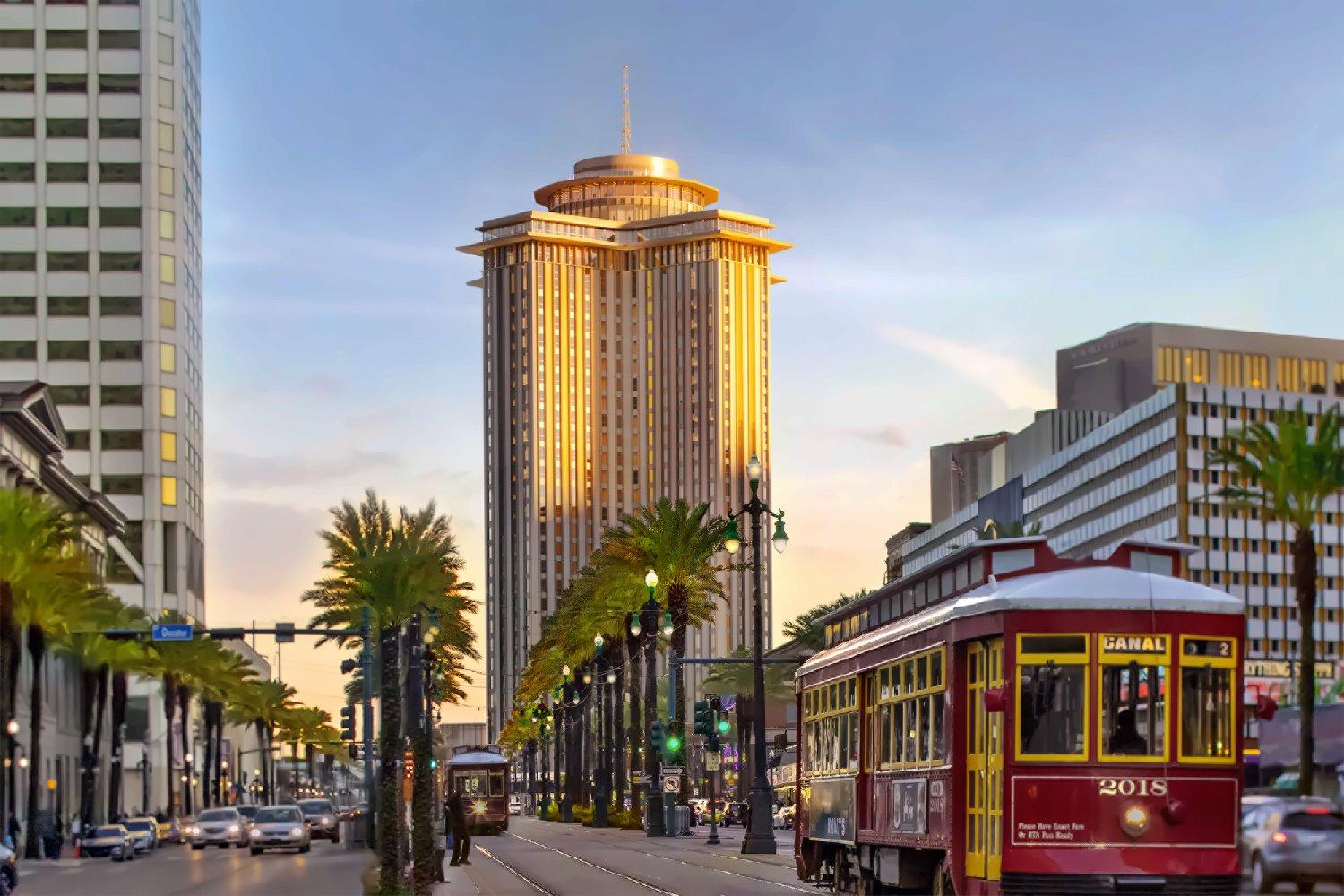
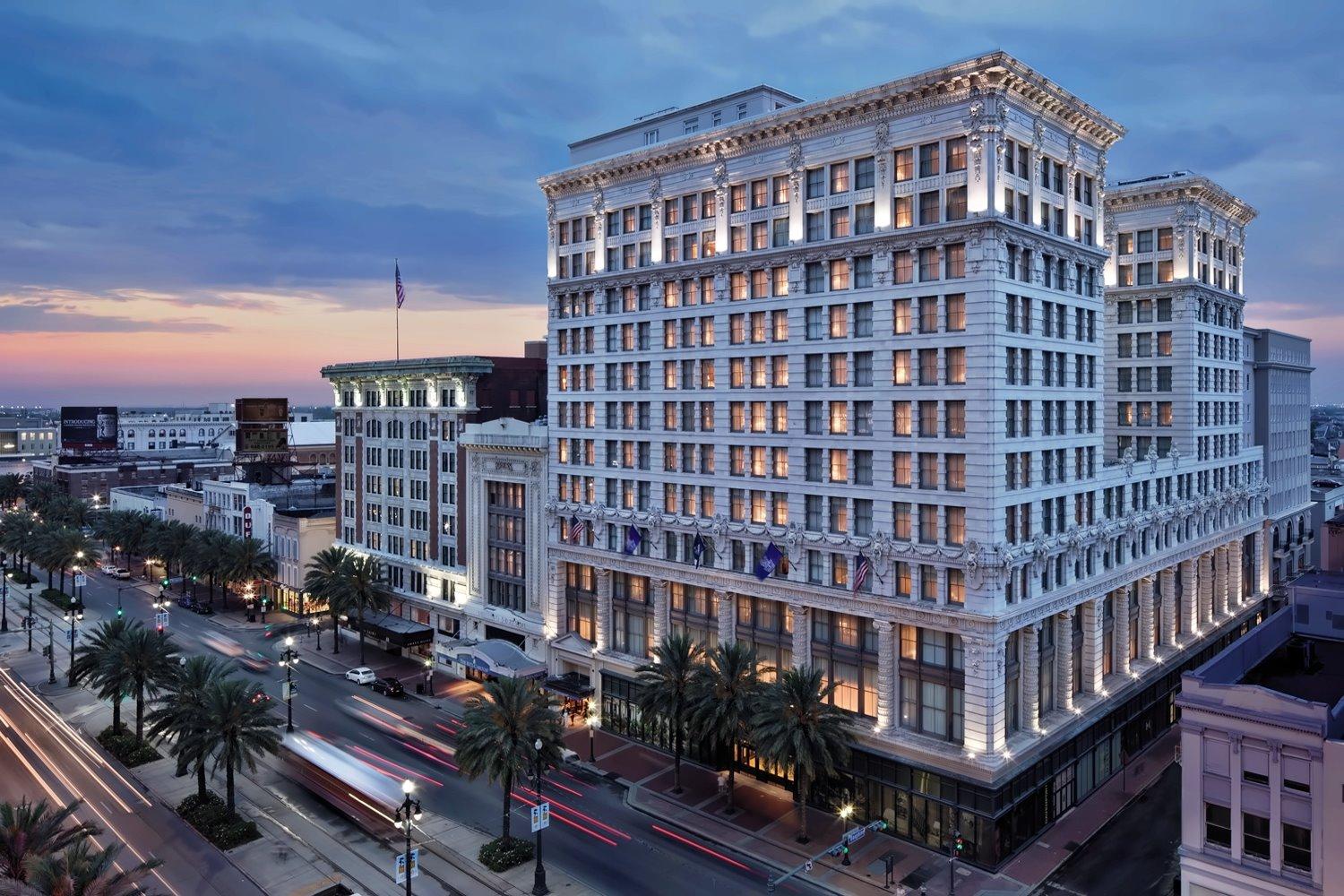
In New Orleans, location changes the experience more than a small difference in room category. Four Seasons Hotel New Orleans places guests beside the Mississippi River at the edge of the Central Business District, convenient for riverfront walks and private transport. Windsor Court offers a traditional residential atmosphere near downtown attractions. While The Ritz-Carlton,
New Orleans occupies Canal Street near the French Quarter. Maison de la Luz suits travellers seeking an intimate guest-house mood in the Warehouse District. Confirm current services, renovation impacts and preferred-program status before booking any of them. The French Quarter provides immediacy but can bring street noise. the Central Business District and Warehouse District generally make vehicle access easier.
Uptown offers a more residential rhythm but requires transport. Elsewhere. Choose by itinerary efficiency and management quality rather than by global branding alone. Baton Rouge supports government, university and River Road exploration. Lafayette is the strongest urban base for Acadiana. Lake Charles anchors the south-west. Northshore properties provide calm. and northern cities make regional museums, lakes and historic sites practical.
Airports, driving and realistic transfers
Louis Armstrong New Orleans International Airport, coded MSY, is the principal gateway and has the broadest flight choice. A private transfer to central New Orleans commonly requires roughly thirty to forty-five minutes in favourable conditions. But rush-hour traffic, construction, weather and major events can extend it substantially. Baton Rouge Metropolitan Airport, BTR, is valuable for travellers beginning or ending near the capital.
While Lafayette Regional Airport, LFT. And Lake Charles Regional Airport, LCH, can prevent unnecessary backtracking. Shreveport Regional Airport, SHV. And Monroe Regional Airport, MLU, support northern itineraries. Flight schedules and rental-car hours at smaller airports require reconfirmation. A car is unnecessary and often inconvenient during a concentrated New Orleans stay, yet it becomes essential for most statewide routes.
Arrange delivery on departure day or collect it after the city segment. Private drivers are practical between major centres, although all-day rural availability and late returns should be contracted in advance. Never underestimate bridge approaches, festival traffic, fog, intense rain or the limited number of crossings through wetland landscapes.
Seasons, weather, storms and Louisiana’s low relief
Louisiana is largely low-lying. So elevation rarely provides relief from summer conditions. Spring and autumn usually offer the most comfortable balance for touring, although festivals, university events and conventions can tighten availability. From late spring into early autumn, heat and humidity may be intense, with afternoon thunderstorms and high heat-index values. Plan outdoor activity early,
schedule a long midday pause, carry water and use sun and insect protection appropriate to the setting. Atlantic hurricane season officially runs from June through November, with risk typically greatest later in summer and early autumn. But a named storm is not required for flooding, travel disruption or dangerous coastal conditions. Winter can be mild,
yet cold fronts occasionally bring sharp temperature changes and icy conditions farther north. Wetland water levels, salinity, vegetation and wildlife vary with rainfall, river conditions and season. Before and during travel, monitor forecasts, National Hurricane Center information, parish emergency notices, airline messages and hotel communications. Flexible reservations and suitable insurance are especially valuable. But policy exclusions and coverage triggers must be read carefully.
Room strategy, sleep quality and practical comfort
Louisiana room selection should respond to noise, moisture, sunlight and transport needs rather than relying only on size. In New Orleans. Request a quiet orientation away from entertainment streets, loading areas, elevators and late-night courtyards if sleep is a priority. River views can be compelling. But confirm whether the specific category faces the Mississippi unobstructed and whether glazing controls exterior sound.
Historic buildings may have irregular layouts, limited natural light or significant differences among nominally identical rooms. Ask about connecting-room certainty, accessibility dimensions, bathroom configuration and the exact bedding before payment. In humid months. Verify air-conditioning arrangements and report moisture problems promptly rather than opening windows. Travellers driving statewide should ask about valet access,
vehicle height restrictions, overnight charges and in-and-out privileges. A suite can be worthwhile for a longer New Orleans stay. While an ordinary room in the correct regional base may deliver a better journey than a grand suite requiring repeated transfers. Reconfirm renovations, pool operations, restaurant hours, club-lounge access, housekeeping frequency and any destination or amenity fees shortly before arrival.
How to verify Virtuoso eligibility and benefits
Virtuoso benefits are attached to eligible properties, qualifying rates, specified dates and an authorised booking pathway. they should never be inferred from a hotel’s reputation or from an old online list. Ask a Virtuoso travel advisor to verify the exact property, room, stay dates, cancellation terms and benefit package before purchase. Request written confirmation showing the qualifying rate and inclusions.
Typical preferred benefits may involve breakfast, a property credit, an upgrade subject to availability, or arrival and departure considerations. But the combination, valuation, eligible outlets and occupancy rules vary. Credits may exclude taxes, gratuities, retail, third-party services or certain restaurants. And unused value is generally not cash. Compare the total preferred rate with flexible public offers,
prepaid rates and packages instead of assuming one channel is always superior. At check-in, politely confirm that the reservation displays the relevant programme notation. Then review the folio before departure. If combining consecutive reservations. Ask whether benefits apply once per stay. Reconfirm everything after a date, room or guest-name change because repricing can alter eligibility.
Creole, Cajun and Black Louisiana through culture and cuisine
Louisiana’s food and music are not decorative additions to an itinerary. they are records of migration, labour, adaptation and survival. Creole traditions developed through complex African, European, Caribbean and Indigenous interactions, particularly in and around New Orleans. While Cajun culture is strongly associated with Acadian descendants and the communities of south Louisiana. These identities overlap but are not interchangeable.
In Acadiana. Allow time for Lafayette’s cultural institutions, small-town dance halls, boudin counters and meals built around local seafood, rice and seasonal ingredients. In New Orleans, look beyond famous restaurants to Black-owned businesses, neighbourhood museums. Contemporary artists and institutions interpreting enslavement, emancipation, civil rights, jazz and the city’s African diasporic heritage.
Baton Rouge, the River Parishes, Lake Charles, Natchitoches and northern Louisiana each have distinct culinary histories. Ask before photographing performers, ceremonies or residents. Confirm opening days, reservations and dress expectations. And avoid treating every dish labelled Creole or Cajun as universally representative. A knowledgeable local historian or culinary guide can provide context that a checklist cannot.
Wetlands, sovereign Indigenous nations and responsible planning
Wetland excursions should be selected for ecological practice, small-group quality and community knowledge rather than for staged wildlife encounters. Use established operators, follow speed and distance rules, never feed animals and expect access to change with water, wind, fog and restoration work. Jean Lafitte National Historical Park and Preserve provides an official interpretive starting point.
While the Atchafalaya Basin and coastal parishes require locally informed planning. Louisiana is also home to sovereign Indigenous nations, including the Chitimacha Tribe of Louisiana. Coushatta Tribe of Louisiana, Tunica-Biloxi Tribe of Louisiana and Jena Band of Choctaw Indians. Visit only facilities and events publicly presented for guests, use each nation’s preferred name,
follow photography rules. And consult official tribal sources rather than assuming unrestricted access to governmental or ceremonial spaces. Responsible travel also means choosing locally owned guides, paying fair rates, reducing disposable plastics, staying on designated routes and respecting fishing and working-waterfront activity. Coastal land loss is a lived community reality, not a dramatic backdrop. During severe weather, follow evacuation and closure instructions immediately and never ask residents or staff to disregard safety policy.
Five planning principles
- Reserve celebrated restaurants, specialist guides and festival-period rooms early. But preserve enough unscheduled time for weather changes and spontaneous local recommendations.
- Separate the car-free New Orleans portion from the driving itinerary so parking, valet costs and narrow streets do not burden the urban stay.
- Carry breathable clothing, rain protection, refillable water, insect repellent and one warmer layer because air-conditioning and passing cold fronts can feel surprisingly cool.
- Ask guides how they are connected to the community being interpreted, especially for wetlands, Black heritage, Indigenous history and working food traditions.
- Reconfirm hotel benefits, airport services, road conditions, museum hours and emergency guidance shortly before departure because Louisiana operating details can change seasonally.
Frequently asked questions
How many days are needed for a meaningful statewide trip
Allow at least ten nights for New Orleans, Baton Rouge, the River Parishes and Acadiana without constant rushing. Add three to five nights for Lake Charles, the Northshore or northern Louisiana, depending on interests and flight arrangements.
Should I rent a car at MSY immediately
Usually not if the journey begins with several nights in central New Orleans. Arrange a transfer into the city. Then collect or receive the vehicle when departing for other regions. Compare downtown delivery, airport rates, parking charges and operating hours.
Is hurricane-season travel always inadvisable
No. But it requires flexibility and informed risk tolerance. Use changeable reservations, understand insurance exclusions, monitor official forecasts and know the hotel’s evacuation procedures. Never continue toward a parish under evacuation, closure or dangerous-weather instructions.
Can a hotel be luxurious without participating in Virtuoso
Yes. Service quality, privacy, design and location do not depend on programme membership. Virtuoso participation concerns a particular commercial relationship and qualifying booking method. So compare the complete stay value rather than treating the label as a universal ranking.
Where should culinary travellers stay outside New Orleans
Lafayette is the most versatile base for Acadiana, with access to markets, restaurants, dance traditions and nearby communities. Baton Rouge, Lake Charles, the River Parishes, Natchitoches and Shreveport also justify focused dining time instead of hurried meal stops.
Are swamp tours suitable year-round
Operations may run across much of the year. But wildlife activity, vegetation, heat, water levels and visibility change significantly. Confirm the boat type, shade, restroom arrangements, accessibility, cancellation policy and current environmental conditions with a responsible operator.
How should visitors approach Indigenous cultural sites
Begin with each sovereign nation’s official website and visit only publicly offered museums, enterprises or events. Observe posted rules. Request permission for photographs, avoid questions about restricted traditions. And do not assume that tourism access extends to governmental or ceremonial areas.
What should be reconfirmed shortly before travel
Check flights, transfers, rental-car hours, hotel construction, restaurant reservations, museum schedules, wetland-tour conditions, road notices, weather and emergency guidance. Also verify the exact Virtuoso rate and benefits after any alteration to dates, guests or room category.
Combine your hotel stay with a privately designed journey through United States, with hotels, transfers and experiences planned as one seamless itinerary.