
Virtuoso Hotels
Virtuoso Hotels in New Mexico, United States
Compare 5 Virtuoso hotels in New Mexico, United States: locations and expert advice, breakfast, 100 USD credit or experience, VIP recognition and online booking.
5
5
Hotels

New Mexico in Depth: A Luxury and Virtuoso Travel Guide from Pueblo Country to the Southern Desert
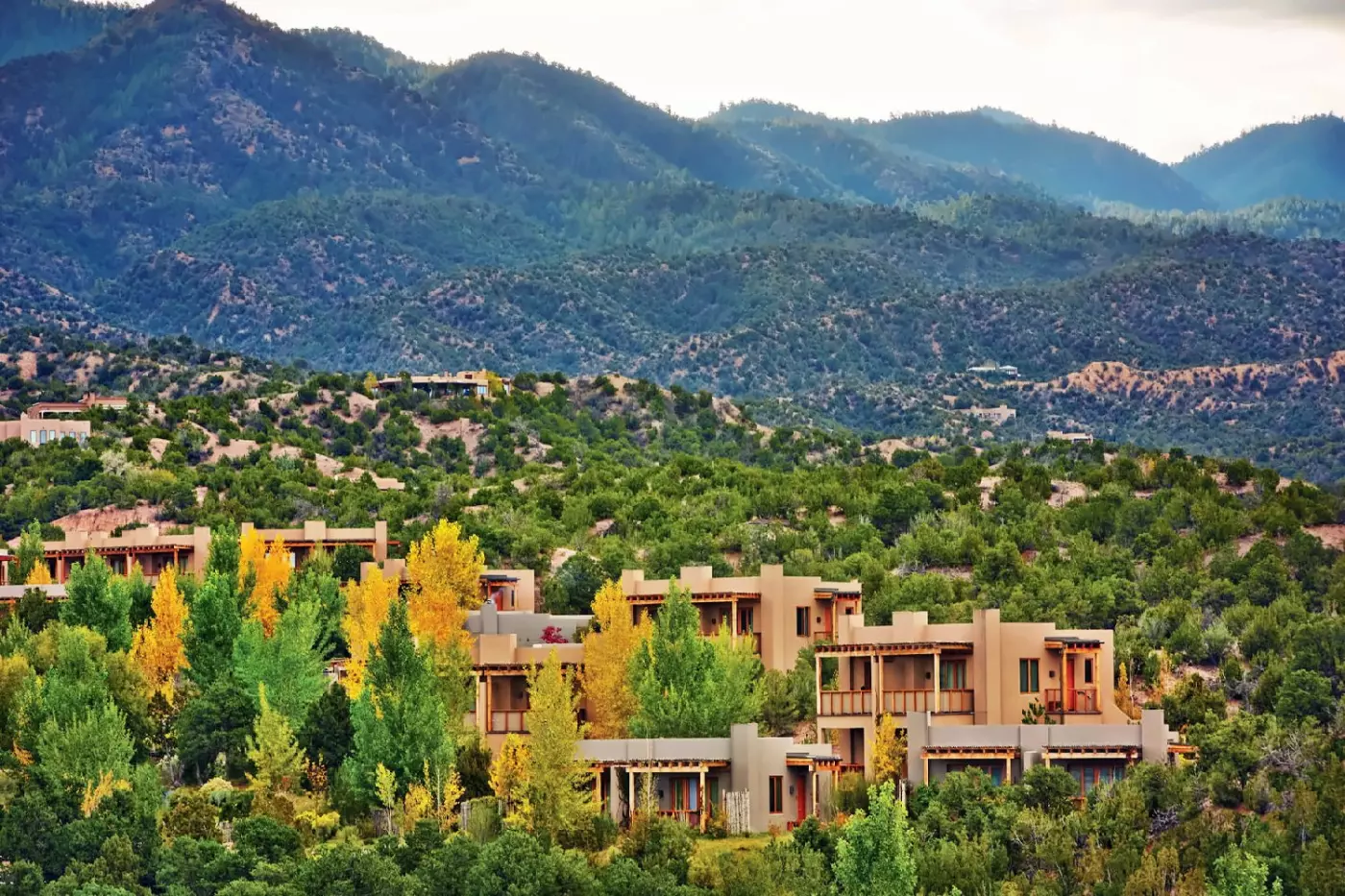
New Mexico rewards travellers who resist treating it as a quick Santa Fe interlude. The state rises from the Chihuahuan Desert around Las Cruces to forested mountains, volcanic plateaus and high basins where light, distance and elevation shape every day. Albuquerque supplies the most practical air gateway and an energetic cultural counterpoint to the capital.
Santa Fe concentrates remarkable museums, galleries and luxury hotels. Taos adds mountain scenery and layered artistic history. Farther west and northwest, Chaco Culture National Historical Park and the approaches to Canyon de Chelly demand deliberate logistics and humility. In the south, White Sands National Park, Organ Mountains–Desert Peaks National Monument and the Mesilla Valley create an entirely different journey.
Luxury here is not merely a room category. It is enough time, a capable vehicle, knowledgeable local guidance and an itinerary that respects the sovereignty and living traditions of Pueblo nations and Diné communities.
A strong itinerary is built around geographic clusters rather than an ambitious checklist. Travellers should allow for high-desert altitude, large temperature swings, summer thunderstorms, winter road conditions and long stretches with limited services. Benefits offered through Virtuoso can be valuable. But participation, rates, credits, breakfast arrangements and upgrade rules can change by property, date and booking channel.
Every inclusion should therefore be reconfirmed in writing before purchase and again shortly before arrival. The same principle applies to opening hours, tribal access, guided-tour requirements, park roads and restaurant schedules. This guide combines refined stays with realistic transfers, thoughtful room selection, regional cuisine and responsible cultural planning. It treats New Mexico as a large,
varied state whose most memorable experiences often occur between headline destinations: beside a quiet acequia. Beneath an immense night sky, in a Pueblo-owned cultural centre or along a mountain road where the landscape changes within a single hour.
Geography and route design across a very large state
New Mexico is best understood as several connected journeys. A first visit of seven to nine nights can pair Albuquerque, Santa Fe and Taos. With two nights in Albuquerque, three or four around Santa Fe and two in Taos or the nearby mountains. Ten to fourteen nights allow a southern extension through Las Cruces and White Sands,
or a northwestern circuit toward Chaco and the Four Corners. Chaco should not be treated as a casual detour: access roads can be rough, fuel and services are sparse. And conditions may change after rain. Canyon de Chelly National Monument lies in Arizona, within the Navajo Nation. So it belongs only in a carefully planned regional circuit,
perhaps via Farmington, Gallup or Chinle, rather than in a nominal Santa Fe day trip. Build buffer time around long drives and avoid placing a major park visit immediately before a flight. Distances that appear moderate on a map can become tiring because of elevation, darkness, wildlife, roadworks and limited mobile coverage.
Luxury hotels and choosing the right base
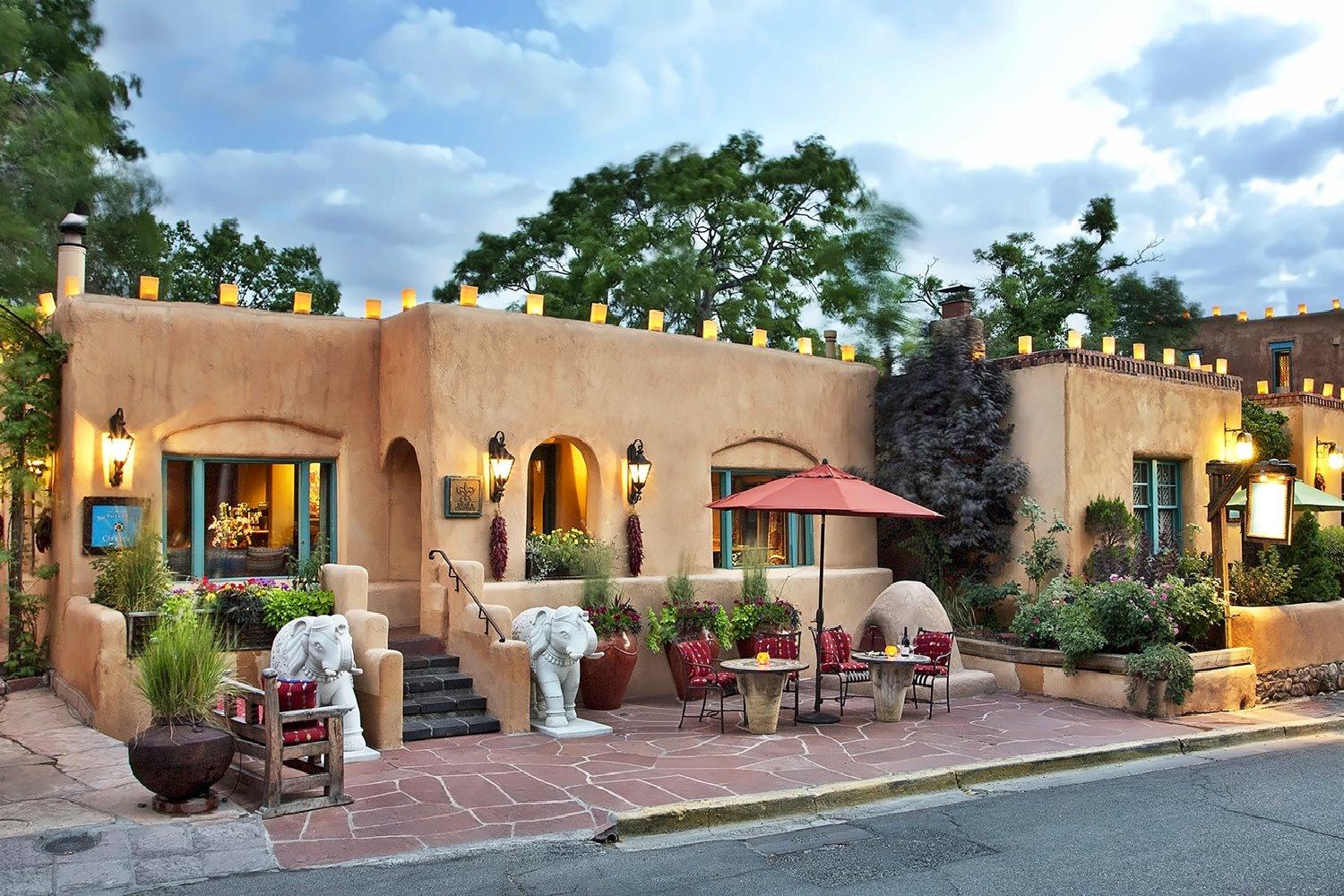
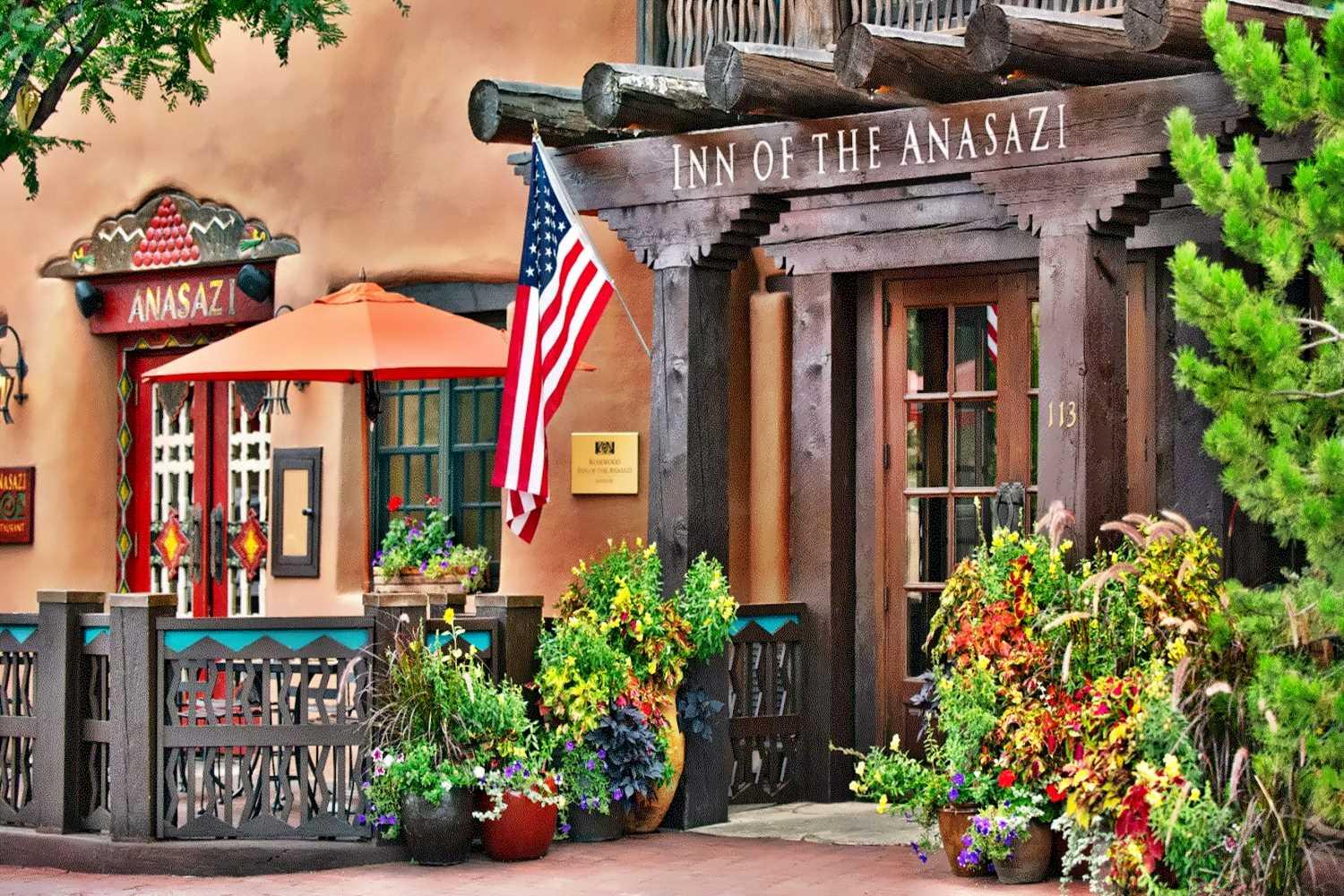
Santa Fe has the deepest concentration of established luxury accommodation. But location should determine the choice. Rosewood Inn of the Anasazi places guests beside the Plaza and suits travellers prioritising museums, galleries and walkable dining. Inn of the Five Graces, in the historic Barrio de Analco, offers highly individual interiors and a more residential atmosphere.
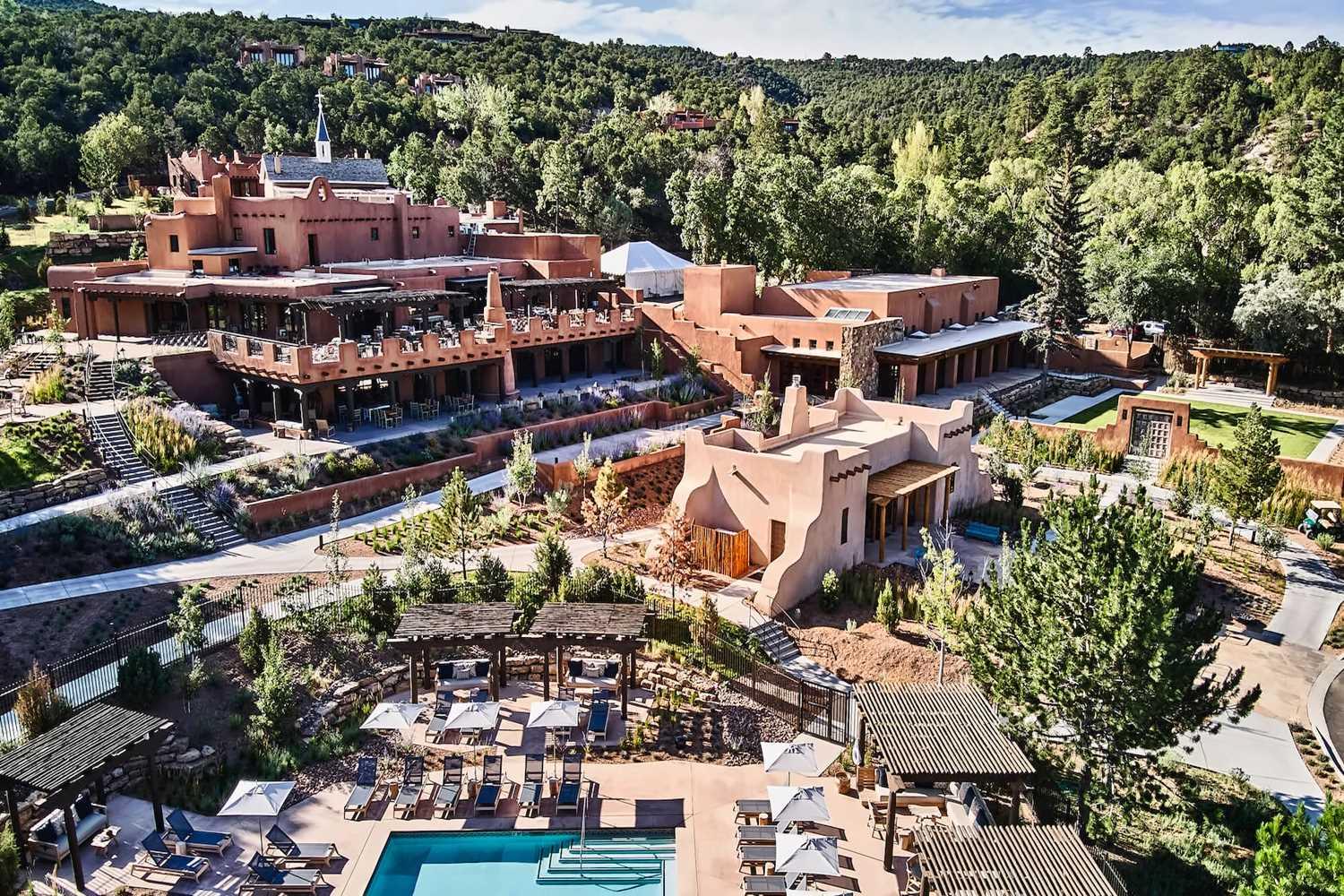
Four Seasons Resort Rancho Encantado Santa Fe and Bishop’s Lodge, Auberge Resorts Collection sit outside the centre. Favouring privacy, landscape, larger grounds and resort programming over spontaneous evening walks. Neither setting is universally superior. Albuquerque is preferable for the first or final night around an ABQ flight and can support a dedicated architecture, food and cultural programme.
Taos rewards at least two nights because its town, Pueblo, gorge and mountain environments should not be compressed. Las Cruces provides the logical southern base for Mesilla, local agriculture and the Organ Mountains. While Alamogordo can reduce driving for dawn or sunset at White Sands. Independently verify current hotel standards, renovation activity, dining schedules and transport services.
Airports, vehicles and realistic transfer planning
Albuquerque International Sunport, identified by the code ABQ, is the state’s principal commercial gateway and normally offers the broadest schedule and rental-car choice. The drive to central Santa Fe commonly takes about one hour. But congestion, weather and construction can extend it. Santa Fe Regional Airport, SAF, is much smaller and may be convenient when its limited routes align with the itinerary.
it should not be assumed to provide the same frequency, recovery options or vehicle inventory as ABQ. Taos is roughly two to three hours from Albuquerque or about ninety minutes from Santa Fe under favourable conditions. Las Cruces is commonly approached from El Paso International Airport in Texas, approximately an hour away, or by a substantially longer drive from Albuquerque.
A conventional car covers most paved itineraries. But remote park approaches require current road-condition checks, suitable tyres, fuel discipline and sometimes greater clearance. Confirm one-way rental permissions, after-hours desks, hotel parking, charging availability and whether a private transfer operator will actually serve remote destinations.
Seasons, high-desert weather and elevation
Elevation is a defining feature rather than a footnote. Albuquerque stands around 5,000 feet above sea level, Santa Fe near 7,000 feet. And Taos and its surrounding mountain areas can be higher still. A guest arriving from sea level may experience headache, fatigue, disturbed sleep or reduced exercise tolerance. Hydration, moderate alcohol intake,
a gentle first afternoon and medical advice for relevant health conditions are prudent. Spring can bring strong winds and rapidly changing temperatures. Early summer is hot at lower elevations. While nights may remain surprisingly cool. The summer monsoon pattern can produce sudden thunderstorms, lightning, flash-flood risk and damaged unpaved roads.
Autumn often offers clear air and comfortable days but also popular festival periods and higher demand. Winter can be beautiful and relatively quiet, yet snow and ice affect northern roads and mountain passes. White Sands can be intensely bright and exposed in any season. Pack layers, sun protection, water and footwear for abrasive terrain. Then review official forecasts and alerts every travel day.
Room strategy, privacy and the meaning of value
New Mexico’s best room is not automatically its largest. In central Santa Fe, a quieter room away from service alleys, lifts, public courtyards or late-night Plaza activity may matter more than an ornamental view. At rural resorts. Ask about walking distance to reception, restaurant access after dark, internal transport and the exposure of terraces to wind or afternoon sun.
Traditional adobe-inspired buildings may have irregular layouts, steps, low light and significant variation even within one category. Request exact accessibility information rather than relying on a general label. Travellers sensitive to altitude may prefer a bedroom with effective climate control and easy access to water and dining. Fireplaces can be atmospheric. But operating rules,
seasonal availability and smoke sensitivity should be discussed. Families should verify connecting configurations rather than assuming adjacent rooms connect. Before accepting an upgrade. Confirm whether it changes bedding, privacy, accessibility or location. A carefully selected entry-level room can deliver greater comfort than a nominal suite positioned beside a busy function lawn.
Verifying Virtuoso eligibility and benefits
Virtuoso recognition attaches to specific participating hotels, rates and reservations, not automatically to every luxury property or every booking found online. A hotel’s participation can change. And an eligible rate may differ from a prepaid promotion, package, loyalty redemption or conference allocation. Ask a qualified Virtuoso travel adviser to provide the hotel name, travel dates,
room category, cancellation terms, deposit schedule and all anticipated amenities in writing. Typical benefits may include breakfast, a property credit, an arrival amenity, early access to the room, later departure or a category upgrade. But none should be treated as universal or guaranteed. Clarify whether breakfast is restaurant-based, limited to particular guests or capped financially.
identify where a credit can be spent and whether taxes, gratuities or resort charges are excluded. Upgrades generally depend on availability and may be determined only at arrival. Reconfirm the reservation directly with the hotel before travel without modifying it outside the adviser channel, since an unauthorised change can affect eligibility.
Culture, Pueblo nations and the food of place
New Mexico’s cultural depth comes from living communities, not a decorative Southwestern theme. The state includes sovereign Pueblo nations. And the Navajo Nation extends across the region. many Navajo people identify themselves as Diné. Each nation determines its own visitor rules, closures, photography policies, ceremonies and access. Conditions can change for religious, community, health or weather reasons.
And a place shown on a general map is not necessarily open to visitors. Begin with institutions such as Albuquerque’s Indian Pueblo Cultural Center and consult official tribal sources. At Taos Pueblo, follow current entry and photography instructions and never treat homes or residents as exhibits. Culinary exploration should likewise recognise origin and continuity:
blue corn, chile, beans, squash, piñon, horno baking and regional agricultural traditions have specific histories. Seek Pueblo-owned, Indigenous-led and locally rooted businesses where appropriate. Ask before photographing people, artwork or private structures. purchase directly from artists when possible. and describe cultural knowledge accurately without claiming access to sacred or restricted material.
Chaco, Canyon de Chelly, White Sands and responsible remoteness
Remote landscapes require more preparation than a luxury concierge can erase. Chaco Culture National Historical Park protects an extraordinary concentration of ancestral Pueblo architecture. But its isolation is fundamental to the visit. Check official alerts, road status, weather and operating hours immediately before departure, carry water and food, keep the fuel tank comfortably above half.
And avoid driving an unfamiliar unpaved approach after dark. Canyon de Chelly is across the Arizona border on Navajo Nation land. Some overlooks are independently accessible when open. While entry into much of the canyon is restricted and generally requires an authorised guide. verify the current rules rather than relying on an old itinerary. In southern New Mexico,
White Sands is easier to reach but still demands sun, heat and wind precautions. Missile-range activity can occasionally affect access or nearby roads. Stay on permitted routes, protect archaeological and natural resources, pack out waste and avoid geotagging fragile places. Responsible planning also means paying fair guide fees and leaving schedule space for community closures.
Five practical refinements
- Place the first high-altitude afternoon at a gentle pace, with water, a light meal and no tightly timed mountain excursion.
- Download maps before remote drives. But treat saved navigation as secondary to official park alerts, local road advice and visible conditions.
- Carry more water and fuel than the day appears to require, especially when travelling toward Chaco, tribal lands or desert trailheads.
- Reserve important dinners early. Then reconfirm operating days because staffing, private events and seasonal schedules can change with little notice.
- Ask hotels to describe the precise room location, not merely the category, when quiet, mobility or easy restaurant access is important.
Frequently asked questions
How many days are appropriate for a first luxury journey
Seven to nine nights work well for Albuquerque, Santa Fe and Taos without constant repacking. Add at least three or four nights for either the southern desert or the northwest. attempting both extensions in one short trip produces disproportionate driving.
Should travellers fly into ABQ or SAF
ABQ is usually the more resilient gateway because it has broader service and rental-car availability. SAF can be elegant and efficient when its schedule fits. But travellers should compare fares, connection risk, operating frequency and recovery options before choosing.
Is Canyon de Chelly a day trip from Santa Fe
It is technically possible only as an exhausting exercise and is not recommended. The monument is in Arizona on Navajo Nation land. So an overnight near Chinle or a broader Four Corners circuit creates a safer, more respectful visit.
Do all luxury hotels provide Virtuoso benefits
No. Participation depends on the property, date, eligible rate and booking channel. Benefits also vary and may be subject to availability, exclusions or financial caps. Obtain written details from the adviser and reconfirm them before arrival.
Is a four-wheel-drive vehicle required for Chaco
Requirements depend on the approach and current conditions. But a suitable vehicle, sound tyres and adequate clearance can be valuable. Rental contracts may restrict unpaved-road use. So check both official road reports and the rental company’s terms.
How should visitors approach Pueblo and Diné communities
Treat each nation as a sovereign, contemporary community with its own rules. Use official visitor information, honour closures. Ask before photography, stay outside restricted areas, pay authorised guides fairly and avoid presenting ceremonies or homes as entertainment.
When is the best season for New Mexico
There is no universal best month. Spring is dynamic but windy, summer combines heat with thunderstorms, autumn offers appealing conditions and major demand. While winter brings clarity, snow potential and quieter periods. Match the season to elevation and activities.
Can White Sands be combined with Santa Fe
Yes. But not as a relaxed day trip. Use Las Cruces or Alamogordo as a southern base, consider El Paso for flights. And allow time for Organ Mountains scenery, access alerts, extreme brightness and rapidly changing desert weather.
Combine your hotel stay with a privately designed journey through United States, with hotels, transfers and experiences planned as one seamless itinerary.