
Virtuoso Hotels
Virtuoso Hotels in Pennsylvania, United States
Compare 5 Virtuoso hotels in Pennsylvania, United States: locations and expert advice, breakfast, 100 USD credit or experience, VIP recognition and online booking.
5
5
Hotels

Pennsylvania in Depth: A Statewide Luxury and Virtuoso Travel Guide
Pennsylvania rewards travellers who resist treating it as a single-city stop. Philadelphia supplies major museums, ambitious dining and polished urban hotels, yet the Commonwealth quickly unfolds into the Amish and Mennonite farmlands of Lancaster County. The memorial landscape of Gettysburg, the forested Pocono Mountains, the high ridges of the Laurel Highlands and the steep neighbourhoods of Pittsburgh.
These places are linked by substantial distances rather than by one effortless resort corridor. A successful luxury itinerary therefore depends on deliberate route design, realistic driving allowances and carefully chosen pauses. The landscape is fundamentally Appalachian: wooded ridges, river valleys, plateaus and changing elevations influence weather, mobile coverage, road conditions and the pace of each day.
The strongest journey combines refined accommodation with intellectual curiosity and respect for living communities. Pennsylvania’s story predates the Commonwealth and must include the enduring histories of Lenape peoples in the east. As well as Susquehannock, Shawnee, Haudenosaunee and other Indigenous connections across the region. It also encompasses immigration, religious pluralism, agriculture, industry, labour, architecture and conservation.
Virtuoso participation can add meaningful amenities at selected properties. But affiliations, eligible rates and benefits change. Confirm the exact hotel, room category, dates, cancellation rules, inclusions and benefit fulfilment through a Virtuoso travel advisor before payment. The examples in this guide are starting points, not guarantees of current programme membership or availability.
Designing a Statewide Route
Pennsylvania spans roughly 300 road miles from Philadelphia to Pittsburgh. And a nonstop journey commonly requires about five hours before congestion, construction, charging or meal stops. The tolled Pennsylvania Turnpike is the principal east–west spine. But it is not a scenic boulevard. use it strategically between slower regional stays. For seven nights. Choose either an eastern circuit linking Philadelphia,
Lancaster County, Gettysburg and the Poconos, or a western circuit pairing Pittsburgh with the Laurel Highlands and Allegheny ridges. Ten to fourteen nights permit a credible statewide crossing. One balanced sequence is Philadelphia, Lancaster, Gettysburg, Nemacolin or another Laurel Highlands base. Then Pittsburgh. Add the Poconos before Philadelphia or as a separate northeastern loop rather than forcing an awkward detour.
Avoid changing hotels every night. Two- or three-night bases create room for weather, private guiding and unhurried meals. Confirm live Turnpike conditions and toll arrangements. And build generous margins around Friday departures, holiday weekends and winter storms.
Philadelphia: Art, History and Hotel Geography
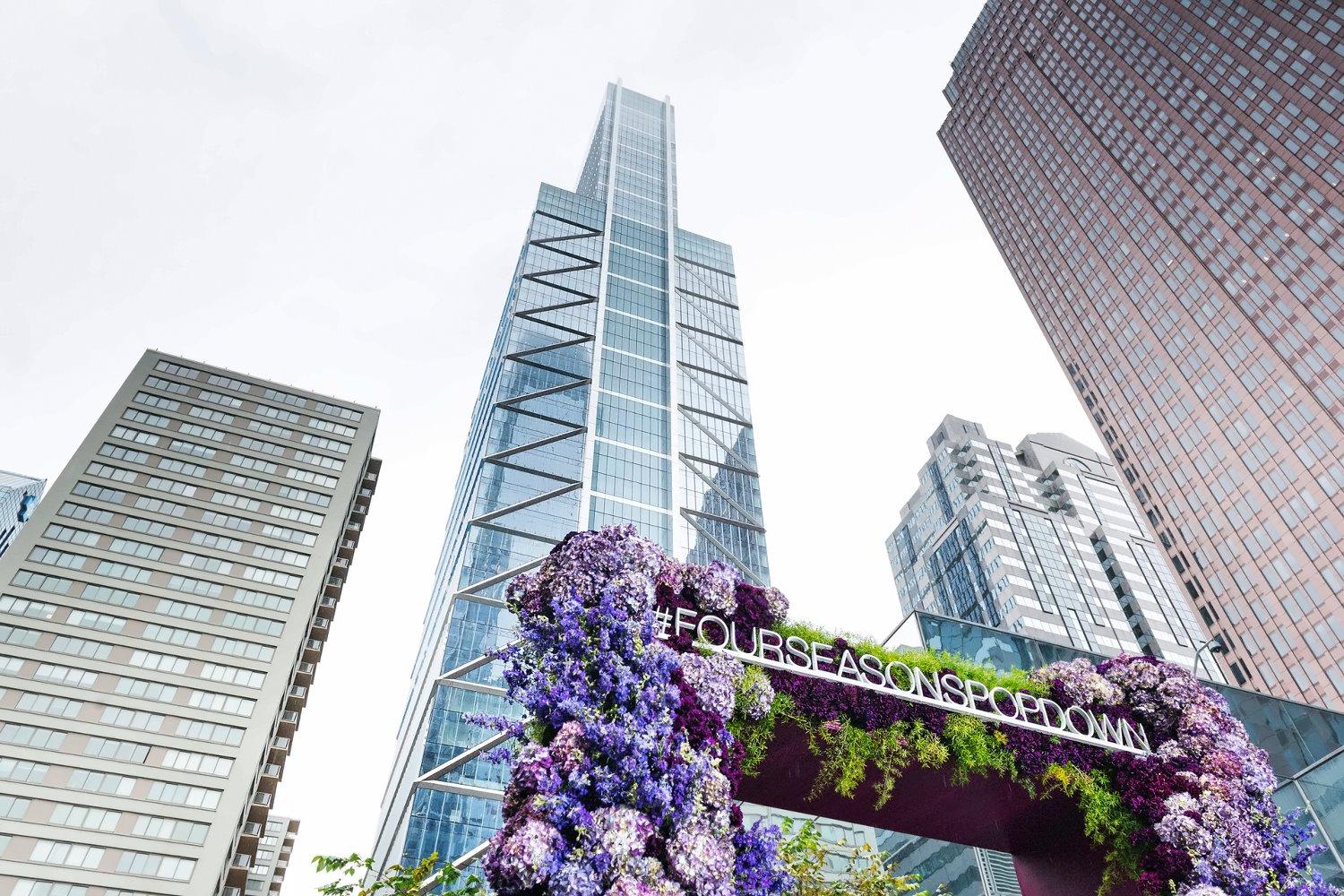
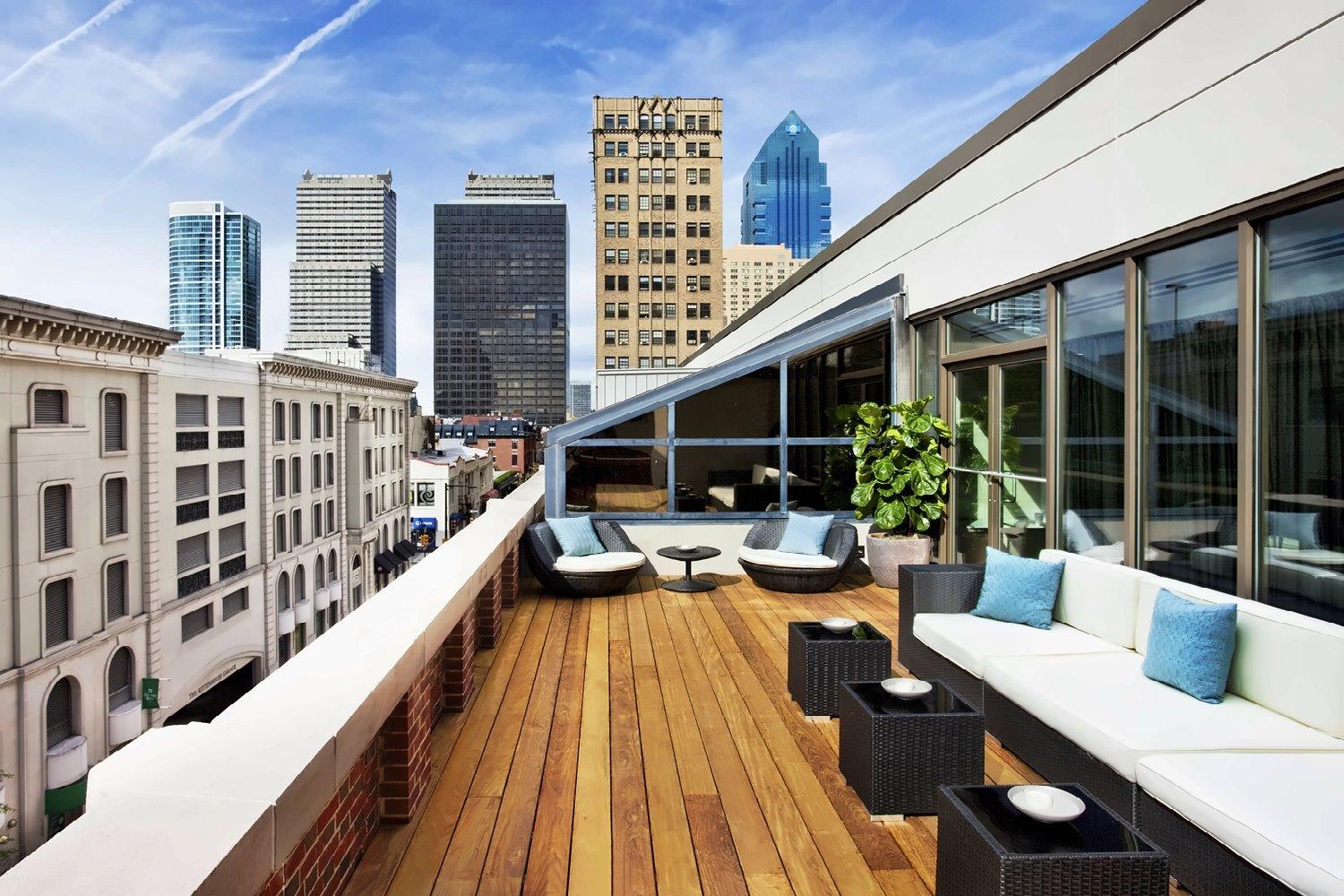
Philadelphia deserves at least three nights, ideally four for travellers interested in American history, art, gardens or restaurants. Four Seasons Hotel Philadelphia at Comcast Center offers elevated views, contemporary interiors and convenient access to the Benjamin Franklin Parkway and business district. The Rittenhouse places guests beside Rittenhouse Square, an excellent base for walking to dining,
shopping and residential architecture. Either property may suit a luxury programme booking. But current Virtuoso eligibility must be checked for the requested date and rate. Old City is best for Independence National Historical Park and early-American streets. Center City provides broader restaurant access. the Parkway favours the Barnes Foundation, Philadelphia Museum of Art and Rodin Museum.
Reserve major museums and chef-led dinners. But retain time for Reading Terminal Market, neighbourhood bakeries and seasonal produce. Philadelphia International Airport is close geographically, yet traffic can turn a nominal twenty- to thirty-five-minute private transfer into considerably longer. SEPTA’s Airport Line can be useful when schedules and luggage allow.
Pittsburgh: Rivers, Design and Industrial Memory
Pittsburgh is not merely the western endpoint of the Turnpike. Its position at the confluence of the Allegheny and Monongahela rivers creates dramatic topography. Bridges and neighbourhoods whose travel times are often longer than a map suggests. Stay downtown for cultural institutions and business convenience, near the Strip District for food markets and converted industrial character.
Or in East Liberty and nearby districts for contemporary dining and design. A private vehicle remains useful, although parking and steep streets require attention. Build two or three nights around the Andy Warhol Museum, Carnegie Museums, Phipps Conservatory, Heinz History Center and a carefully timed incline ride or river overlook. The city’s culinary identity extends from pierogi and immigrant traditions to modern tasting menus,
regional farms and a revived interest in Pennsylvania rye. Pittsburgh International Airport generally lies about thirty to forty-five minutes from central districts in ordinary conditions. But bridges, tunnels, sporting events and roadworks can increase that estimate. Confirm museum opening days and performance schedules before fixing the itinerary.
Laurel Highlands, Nemacolin and the Alleghenies
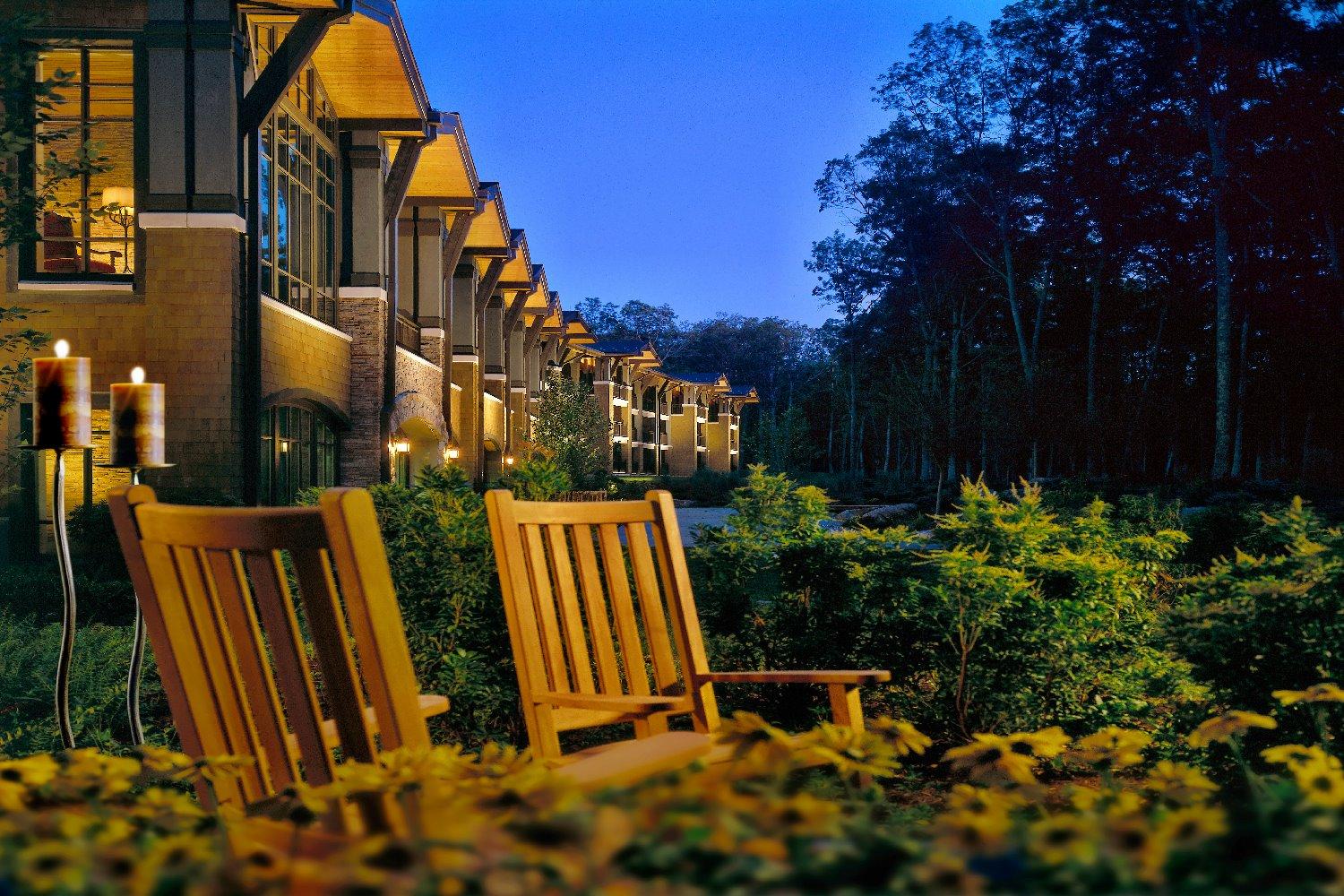
South-east of Pittsburgh, the Laurel Highlands offer Pennsylvania’s most convincing combination of resort luxury, forest recreation and architectural pilgrimage. Nemacolin, near Farmington, is a destination in itself, with multiple accommodation styles, dining and activities spread across a large estate. Room location matters: ask about walking distances, internal transport, stairs, noise exposure and proximity to the facilities that actually interest you.
Pittsburgh International Airport to Nemacolin usually requires around ninety minutes to two hours. While weather can lengthen the drive. Nearby priorities include Fallingwater, Kentuck Knob, Ohiopyle State Park and sections of the Great Allegheny Passage. Timed architectural visits should be reserved well ahead and never scheduled immediately after a flight. The broader Allegheny region reaches elevations above 3,000 feet.
Mount Davis is Pennsylvania’s highest point at 3,213 feet. Temperatures, fog, snow and leaf conditions can differ markedly from Philadelphia. Engage qualified guides for demanding outings, respect trail closures and waterways. And treat mobile reception as unreliable in remote valleys.
Pocono Mountains: Choosing the Right Kind of Retreat
The Pocono Mountains are a broad northeastern region, not one compact village. So the hotel’s exact location determines the experience. Some properties emphasise spa time, golf or couples’ stays. others prioritise families, skiing, lakes or conference facilities. Before booking, map the distance to Delaware Water Gap National Recreation Area, preferred trailheads, cultural sites and the next destination.
A Philadelphia-to-Poconos transfer often takes approximately two hours. But the range can widen substantially with the chosen resort, weekend traffic or winter weather. New York access may be equally practical for certain eastern locations. Luxury here is most persuasive when it buys quiet, a strong view. Thoughtful outdoor programming and enough time to remain on property,
rather than an oversized room beside a crowded activity complex. Autumn colour attracts heavy demand, summer brings lake activity and humidity. And winter can deliver ice as well as snow. Ask about snow removal, seasonal closures, fireplaces, balconies, air conditioning, lift access and the real walking distance between rooms, dining and spa facilities.
Lancaster County and Gettysburg
Lancaster County and Gettysburg complement one another but should not be compressed into a rushed day trip. Amtrak’s Keystone Service makes Lancaster unusually accessible from Philadelphia, although a car or arranged driver is still needed for rural exploration. Lancaster city supports galleries, restaurants, Central Market and historic streets. the surrounding county presents farmland shaped by Amish,
Mennonite and other communities. Visitors should reject intrusive photography, roadside gawking and assumptions that one religious tradition represents every resident. Book a knowledgeable local guide who explains agriculture, faith and contemporary life respectfully. Gettysburg lies roughly two and a half to three hours from Philadelphia by road and about ninety minutes from Lancaster, depending on the route and traffic.
Allocate a full day to Gettysburg National Military Park, preferably with a licensed battlefield guide. Then allow time for the museum, cemetery and reflection. The Civil War story should include emancipation, civilian experience and later commemoration, not only military manoeuvres. Reserve lodging and dining early during anniversaries, summer weekends and autumn events.
Airports, Rail and Realistic Transfers
Philadelphia International Airport and Pittsburgh International Airport are the principal gateways for a statewide itinerary. And an open-jaw flight plan avoids backtracking. PHL is the logical start for Philadelphia, Lancaster, Gettysburg and much of the Poconos. PIT is best for Pittsburgh, the Laurel Highlands and western Alleghenies. Harrisburg International Airport can be useful for the capital region,
Lancaster or Gettysburg when schedules and fares align. While smaller airports offer fewer recovery options after disruption. Rail is valuable on the Philadelphia–Lancaster–Harrisburg corridor. Amtrak’s Pennsylvanian also links Philadelphia and Pittsburgh. But its long duration and timetable mean it should be chosen as part of the experience, not assumed to be faster than driving or flying.
Rail does not solve access to Nemacolin, rural Gettysburg touring or most Pocono resorts. For private transfers. Request an appropriately sized vehicle, winter-capable equipment when relevant, driver waiting terms and an explicit gratuity policy. Recheck roadworks, flight status and rail schedules immediately before travel.
Seasons, Rooms, Virtuoso Benefits and Responsible Luxury
Pennsylvania has four distinct seasons. Spring is green and changeable, with rain and muddy trails. summer can be hot and humid in the cities. autumn offers superb foliage but premium demand. winter ranges from manageable urban cold to significant snow and ice at elevation. Pack for layers and verify pools, terraces, ski operations and outdoor dining rather than assuming seasonal availability.
In city hotels. Request the desired view, distance from lifts, connecting-room configuration and protection from street or event noise. At resorts. Confirm building, floor, balcony safety, fireplace operation and transport to dining. A Virtuoso advisor should verify that the selected rate is eligible and record any breakfast, property credit, upgrade priority or arrival and departure benefit in writing.
Such amenities are normally subject to terms, occupancy and availability. Responsible luxury also means using local guides, limiting disturbance in rural communities. Staying on marked trails, supporting conservation and learning from Indigenous-led or Indigenous-informed sources. For urgent danger call 911. monitor official weather and emergency agencies during severe conditions.
Five Practical Planning Principles
- Use an open-jaw itinerary through PHL and PIT when air schedules cooperate. it can save an entire day of repetitive Turnpike driving.
- Ask your Virtuoso advisor to identify the eligible rate code and written amenities before purchase. Then reconfirm them shortly before arrival.
- Reserve Fallingwater, major Philadelphia museums, licensed Gettysburg guiding and sought-after restaurants before finalising daily transfer times and spa appointments.
- Keep one flexible half-day in every mountain stay because fog, thunderstorms, ice, trail closures and autumn traffic can alter plans quickly.
- Treat Amish, Mennonite, Lenape and other communities as living peoples, not attractions. seek consent, informed interpretation and locally beneficial spending.
Frequently Asked Questions
How many days are needed for a serious Pennsylvania luxury itinerary
Seven nights suit one half of the state. While ten to fourteen nights allow Philadelphia, Lancaster, Gettysburg, the Laurel Highlands, Pittsburgh and perhaps the Poconos without constant hotel changes. A complete route should include at least one lightly scheduled day.
Is a rental car essential
Not in central Philadelphia. And rail works well between Philadelphia, Lancaster and Harrisburg. A car or private driver becomes highly valuable for Gettysburg, Nemacolin, Ohiopyle, rural Lancaster County, the Poconos and most Allegheny destinations.
Are Four Seasons Philadelphia, The Rittenhouse and Nemacolin always Virtuoso eligible
No affiliation, rate or benefit should be assumed permanently. Ask a Virtuoso advisor to check the live programme listing for the exact property, room, dates and rate, because participation and eligible inventory can change.
Should travellers fly into Philadelphia or Pittsburgh
Choose PHL for an eastern itinerary and PIT for a western one. For a statewide crossing, arriving at one and departing from the other is usually more efficient, subject to airfare, vehicle-return fees and schedule reliability.
What is the best season
May, June, September and October often balance comfortable temperatures with attractive landscapes. But no month is universally best. Autumn foliage brings crowds and higher rates. While winter can be beautiful yet operationally demanding in elevated regions.
Can Lancaster County and Gettysburg be visited in one day
They can be connected geographically. But combining meaningful rural interpretation with a complete battlefield visit creates an overly compressed day. One night in or near each area provides a more respectful and intellectually satisfying experience.
What should be confirmed about a resort room
Verify the exact building, view, floor, lift access, internal transport, renovation status, bedding, connecting arrangements and distance to restaurants or spa facilities. At mountain resorts, also ask about fireplaces, balconies and winter access.
How should severe weather or an emergency be handled
Call 911 for immediate danger. Follow official Pennsylvania emergency management, park, airport and transport notices. And allow the hotel or driver to revise plans. Never rely solely on a general weather application in mountainous terrain.
Combine your hotel stay with a privately designed journey through United States, with hotels, transfers and experiences planned as one seamless itinerary.