
Virtuoso Hotels
Virtuoso Hotels in Washington DC, United States
13
13
Hotels
Virtuoso hotels in Washington, D.C.: neighbourhoods, museums and the right address
Washington, D.C. is compact on a map but highly specific in daily use. A hotel beside Lafayette Square creates a different journey from a townhouse on the C&O Canal. A design address in Penn Quarter or a river-facing room at The Wharf. The right base depends on whether the stay centres on Smithsonian museums, political institutions, Georgetown, restaurants, a conference or a wider East Coast itinerary.
The current Virtuoso selection contains 13 hotels, ranging from historic institutions and intimate residential addresses to contemporary rooftops and waterfront properties. This guide compares their geography, character and practical value. Then builds a realistic plan for monuments, museums and dining. Deluxetargets confirms the eligible Virtuoso rate, breakfast, 100 USD hotel credit or experience, upgrade priority and VIP recognition for the chosen hotel and dates.
Choose Washington by travel style
Begin with the Washington you intend to experience. Distances are shorter than in Los Angeles, yet repeated diagonal journeys still erode a three-night visit.
Lafayette Square and the National Mall
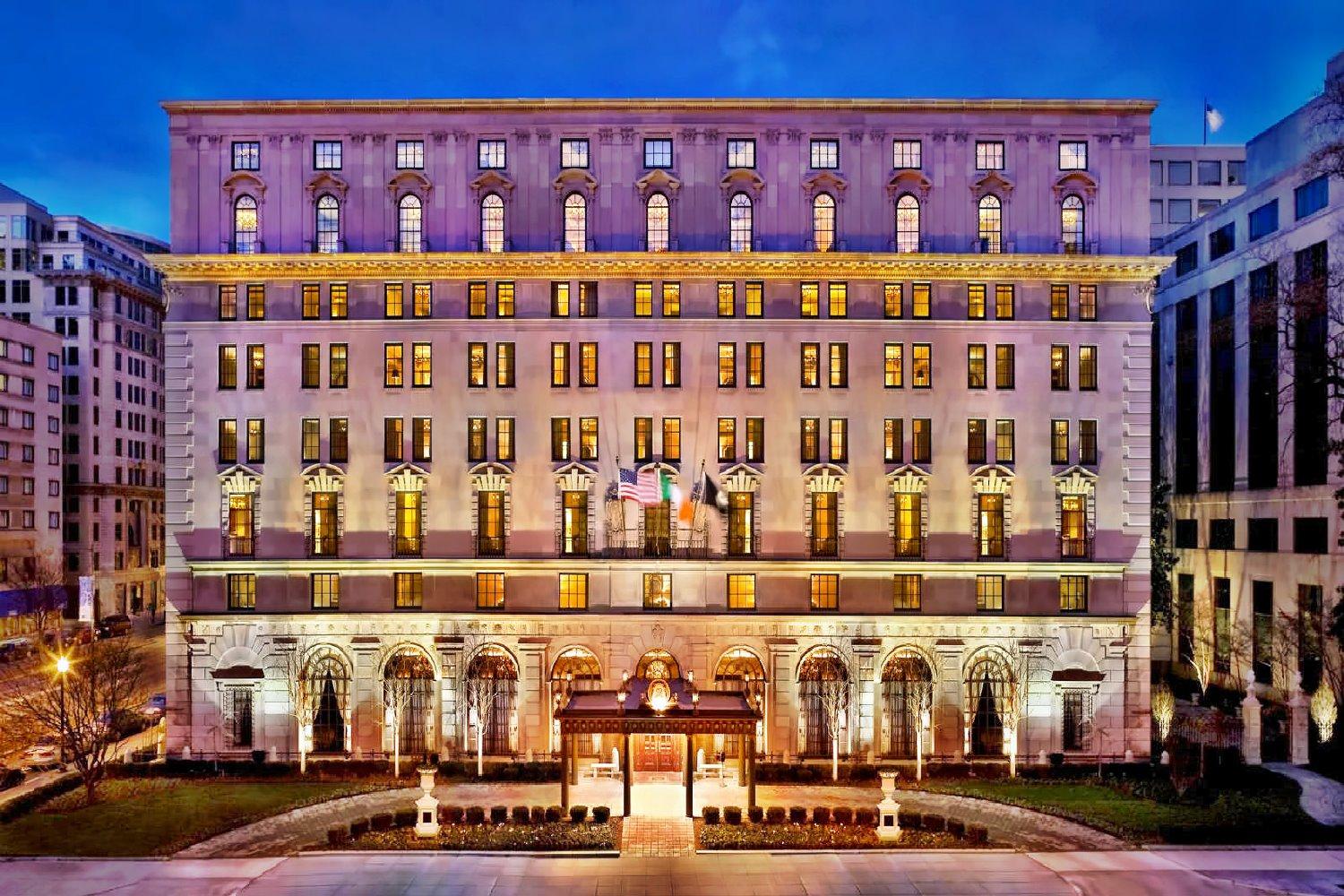
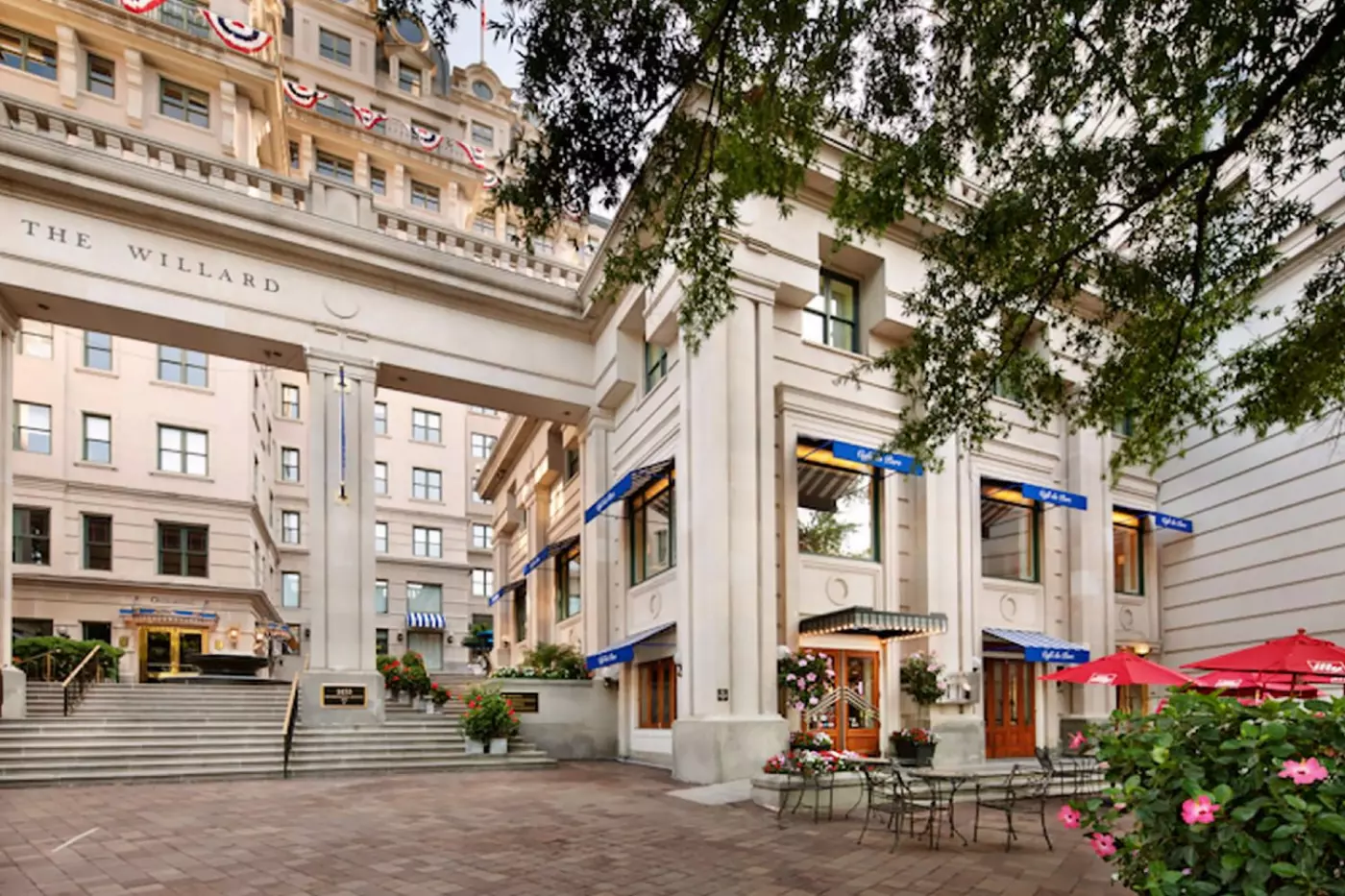
Hay-Adams, St. Regis and Willard place national institutions, monuments and central appointments close at hand. They suit a classic first stay when history and walkability matter more than neighbourhood nightlife.
Penn Quarter and Downtown
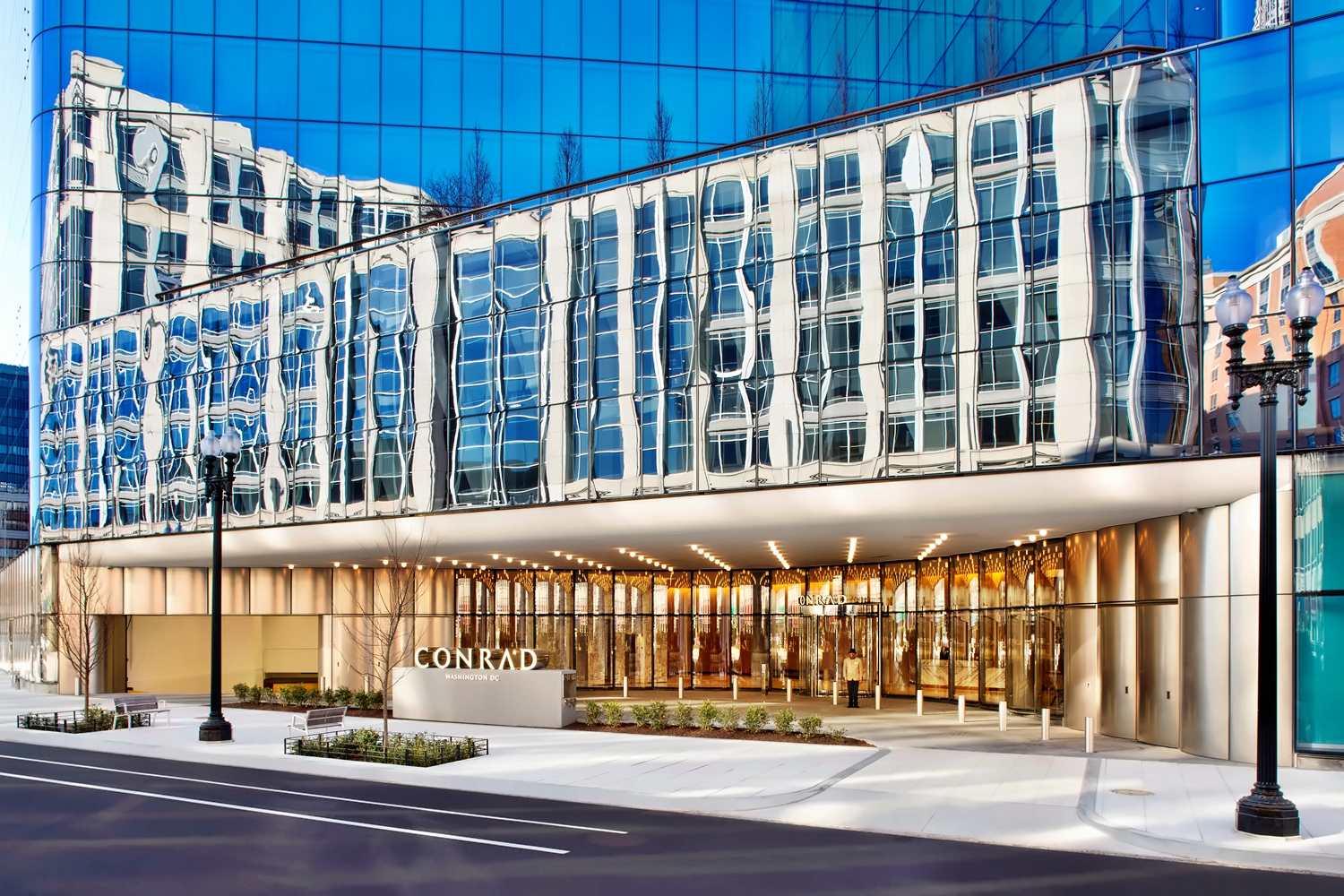
Riggs and Conrad work well for the National Portrait Gallery, Penn Quarter, theatres and many Smithsonian museums. Conrad also suits CityCenterDC and the convention centre.
Georgetown, Dupont Circle and West End
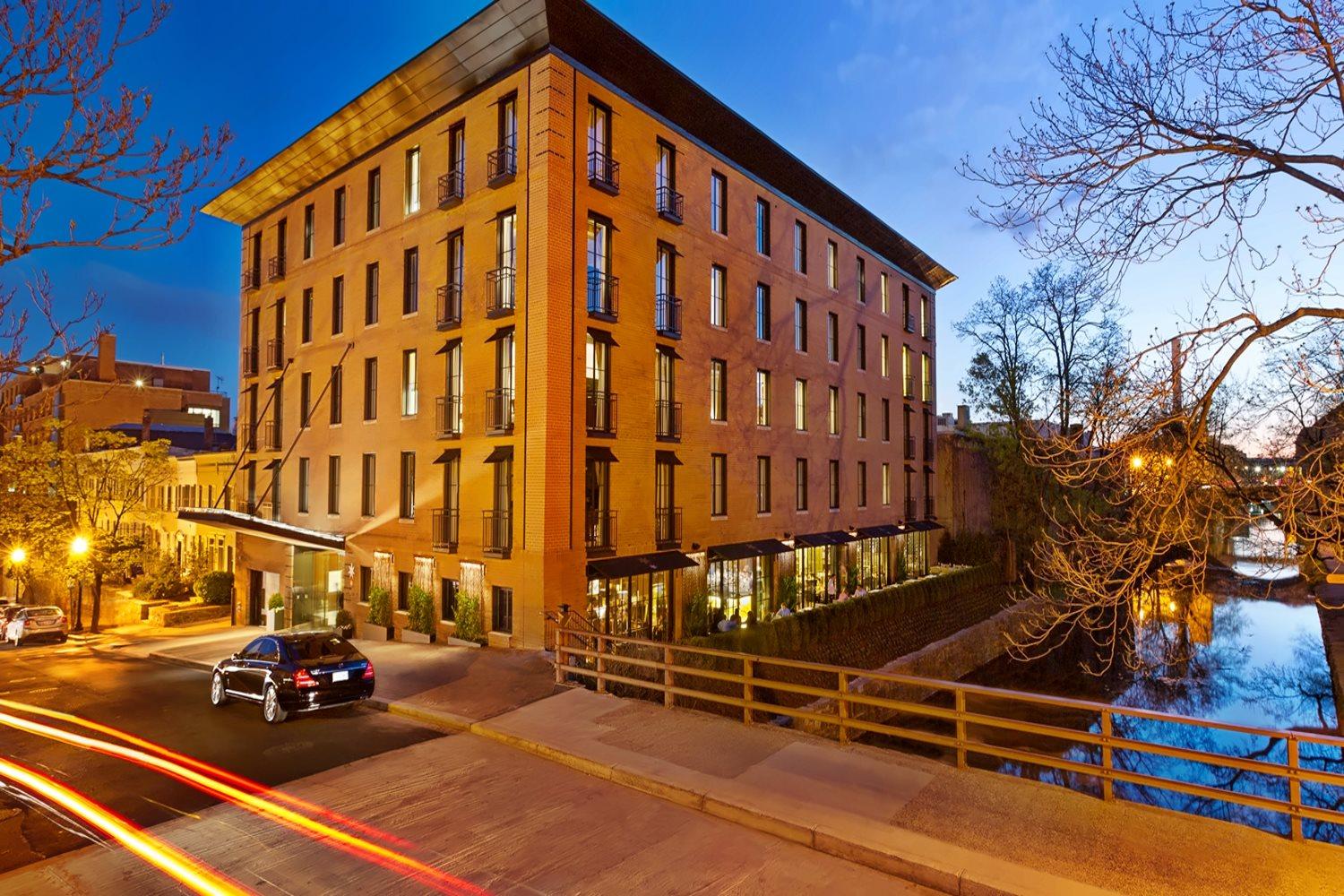
Rosewood and Ritz-Carlton Georgetown provide canal and waterfront atmosphere. Dupont Circle Hotel, Park Hyatt and Ritz-Carlton Washington favour restaurants, embassies and a more residential daily rhythm.
The Wharf and Southwest
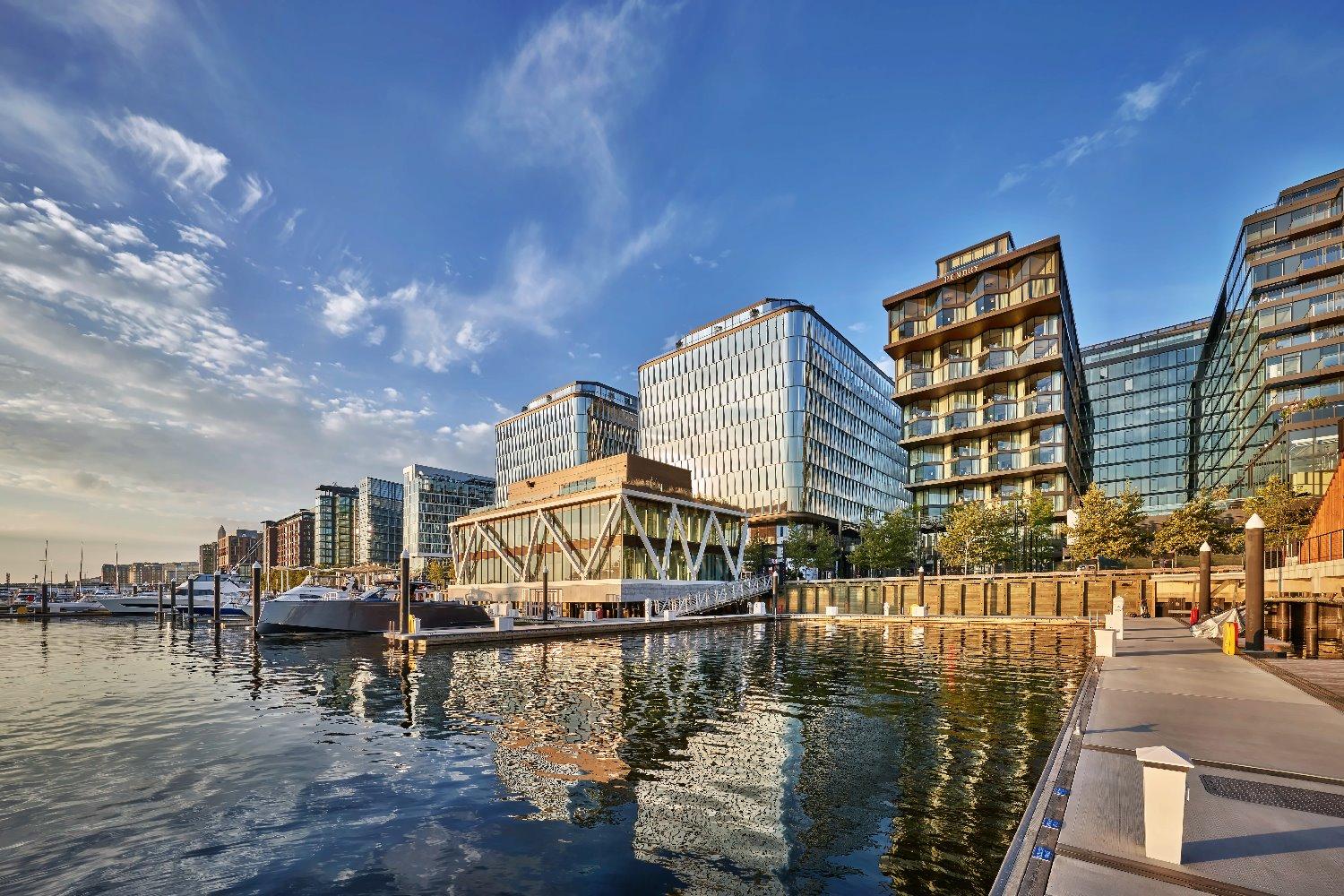
Pendry brings restaurants, concert venues and river views. Salamander sits more quietly between the Tidal Basin, National Mall and waterfront. Both are useful when water and monuments share the programme.
The principal luxury-hotel districts
Lafayette Square and the White House
Hay-Adams has the most direct White House relationship. While St. Regis and The Jefferson add grand-hotel or residential character slightly farther north. Willard sits on Pennsylvania Avenue between the White House and National Mall. These addresses reduce transfers for political appointments and central sightseeing. But the exact room view must be confirmed rather than inferred from the hotel name.
Penn Quarter, CityCenterDC and the museums
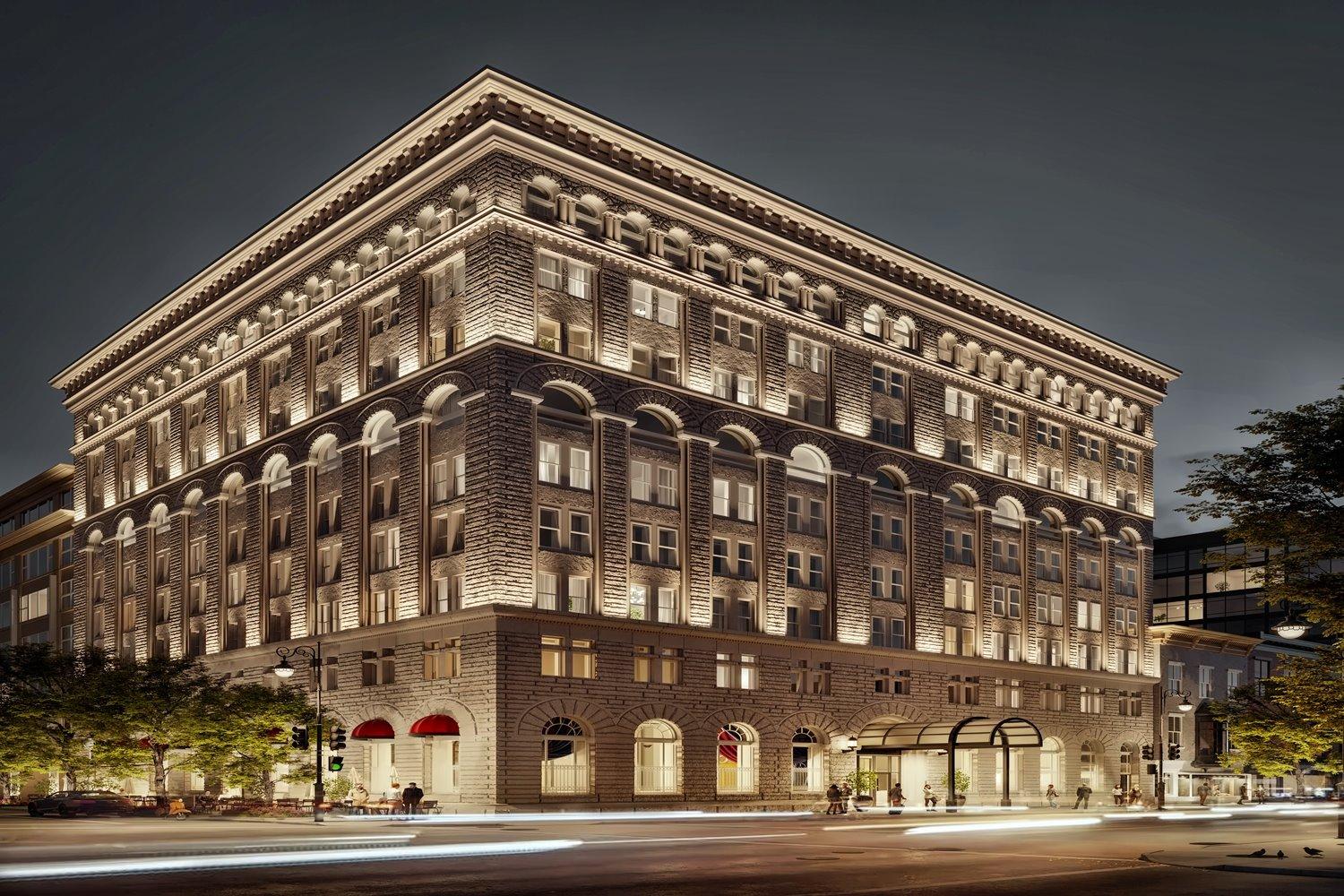
Riggs occupies a former bank close to the National Portrait Gallery and theatre district. Conrad sits in CityCenterDC near luxury shopping and the convention centre. Both offer efficient access to Downtown dining and many museums. they are less atmospheric for an evening stroll along the C&O Canal or a slow Georgetown morning.
Georgetown, Dupont Circle and West End
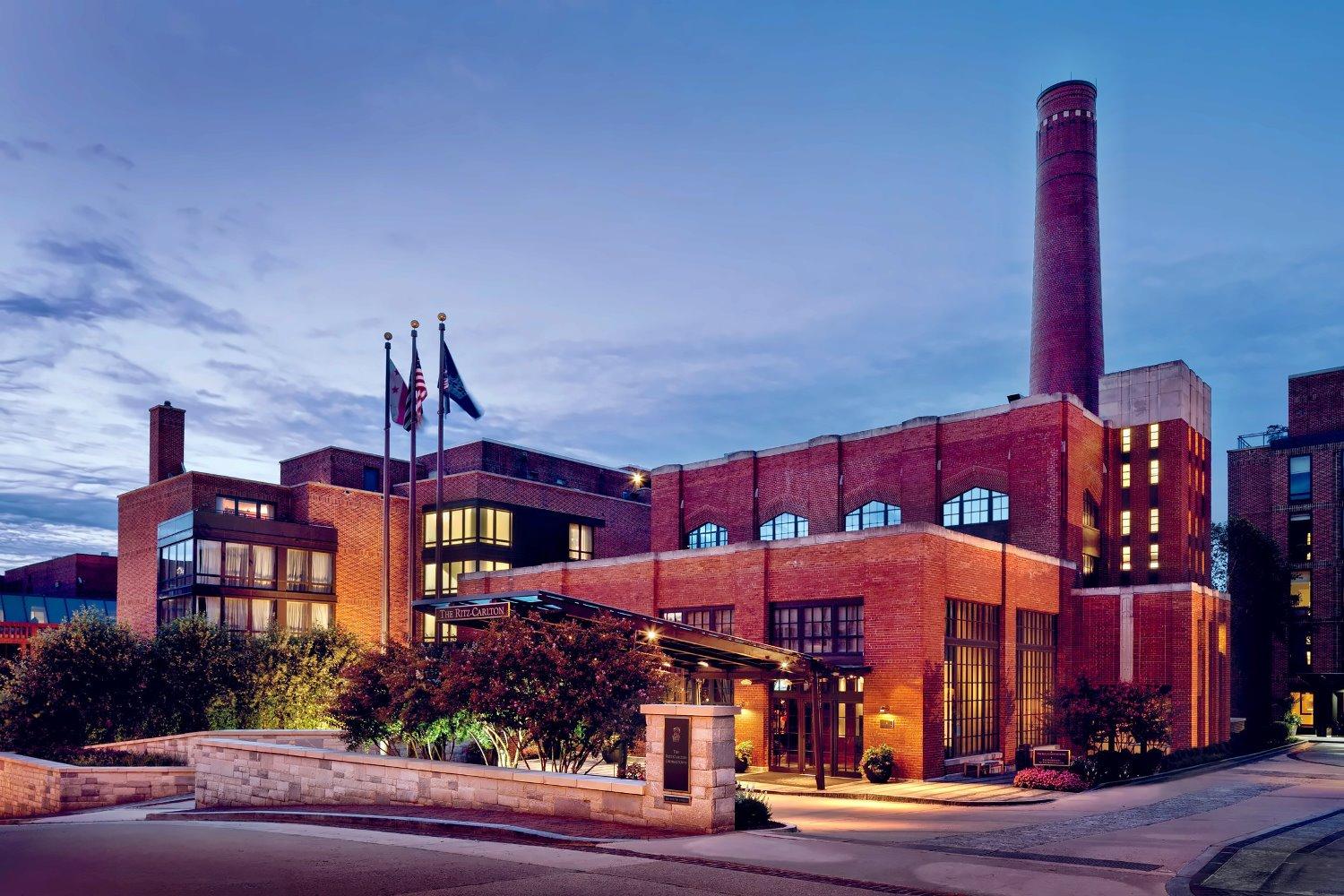
Rosewood and Ritz-Carlton Georgetown place guests beside the canal, historic streets and waterfront. Dupont Circle Hotel faces one of the city’s most recognisable neighbourhood spaces. Park Hyatt and Ritz-Carlton Washington occupy West End between Georgetown and Dupont, a calm position for restaurants, embassies and longer business stays.
The Wharf, Southwest and the Tidal Basin
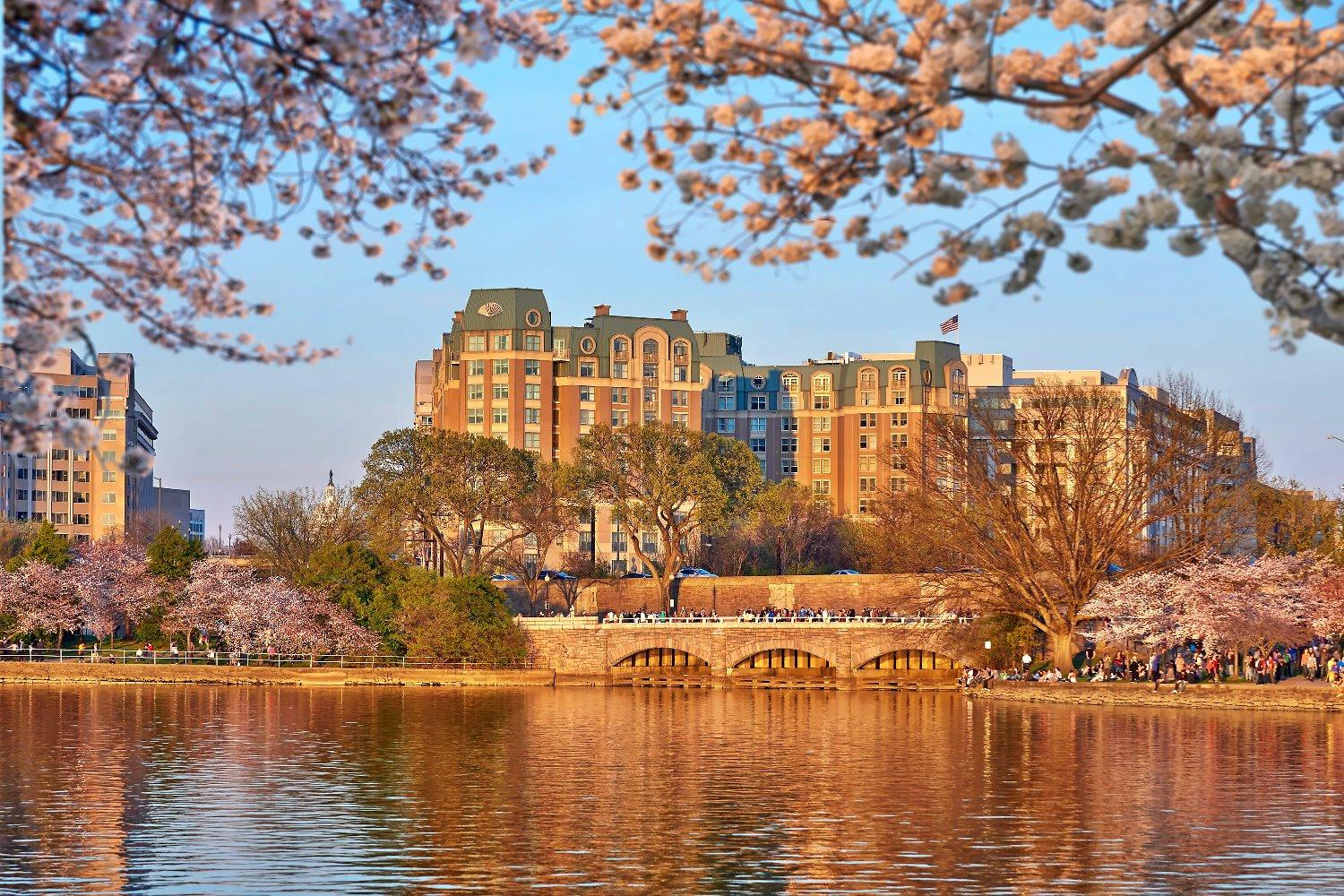
Pendry belongs to the active Wharf with restaurants, marina views and The Anthem. Salamander is set apart near the Tidal Basin and National Mall, with a stronger spa and retreat identity. Choose this area deliberately: it is excellent for waterfront evenings and monument walks but less immediate for Dupont and upper Georgetown.
How the 13 Virtuoso hotels differ
The most useful comparison is not prestige but the kind of Washington each property makes possible.
Political memory and established rituals
Willard, Hay-Adams, St. Regis and The Jefferson make history part of the stay through architecture, collections, bars and afternoon tea. Their signature rooms and venues should be secured with the accommodation.
Rooftops, design and active public spaces
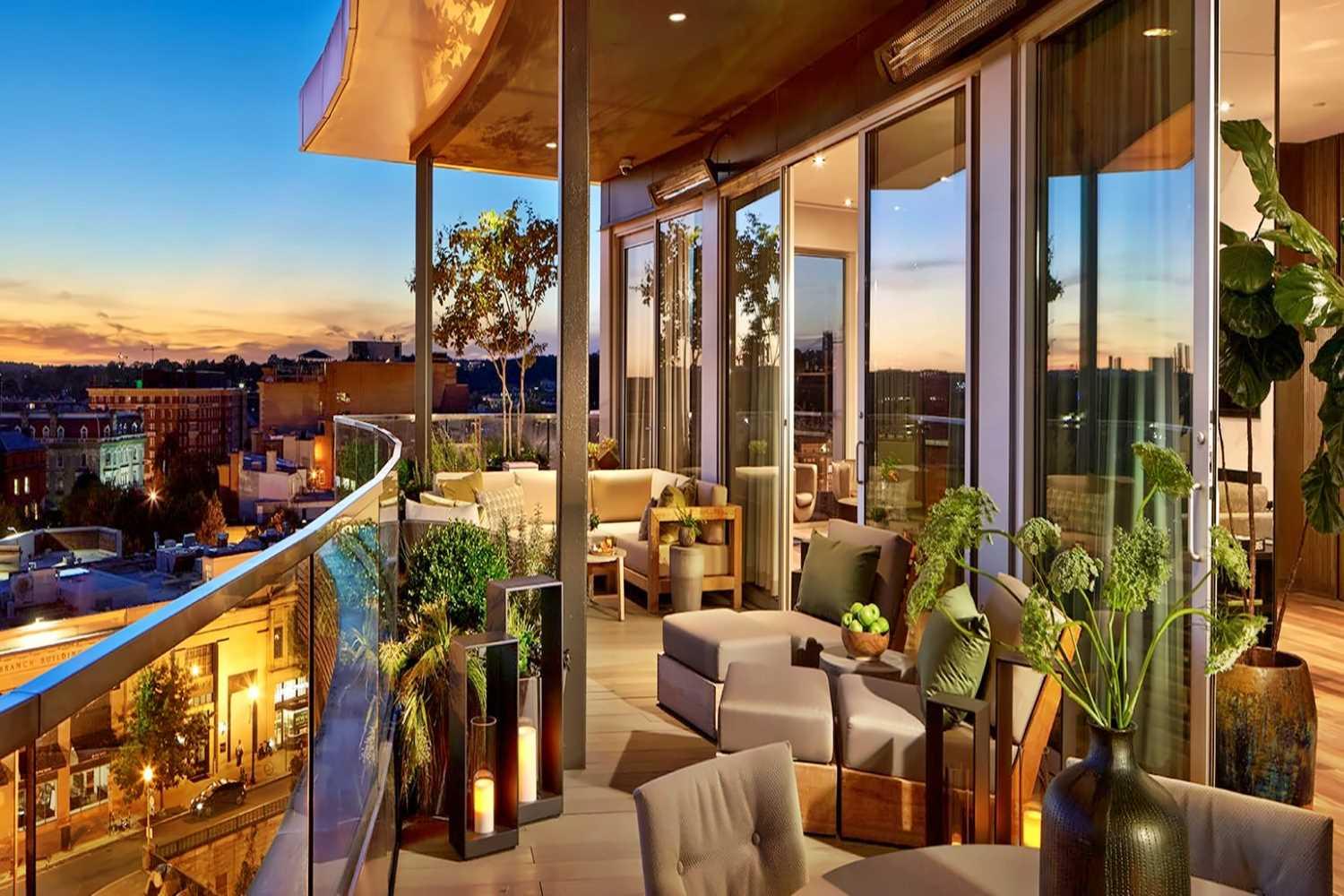
Conrad, Riggs and Pendry bring a more contemporary rhythm. Compare rooftop seasonality, restaurant reservations and weekend energy as carefully as room size.
Calm bases for repeat visitors
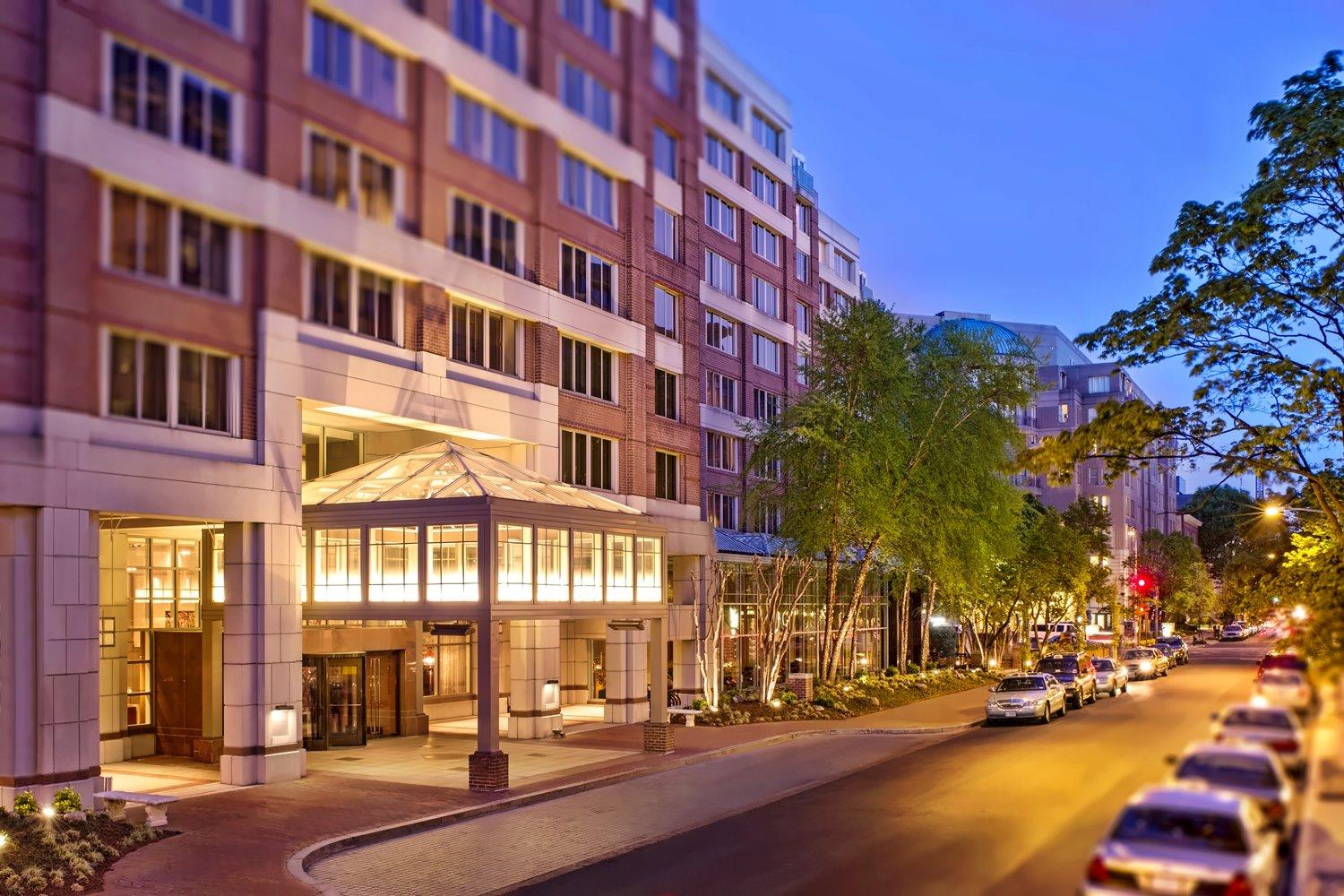
Park Hyatt, Dupont Circle Hotel and Ritz-Carlton Washington work well when dining, embassies or business meetings matter. They feel less ceremonial than Pennsylvania Avenue and more integrated into neighbourhood life.
A different daily perspective
Rosewood, Ritz-Carlton Georgetown, Pendry and Salamander turn the canal, Potomac or Tidal Basin into part of the itinerary. Exact orientation is essential because not every room shares the water relationship.
The National Mall without museum fatigue
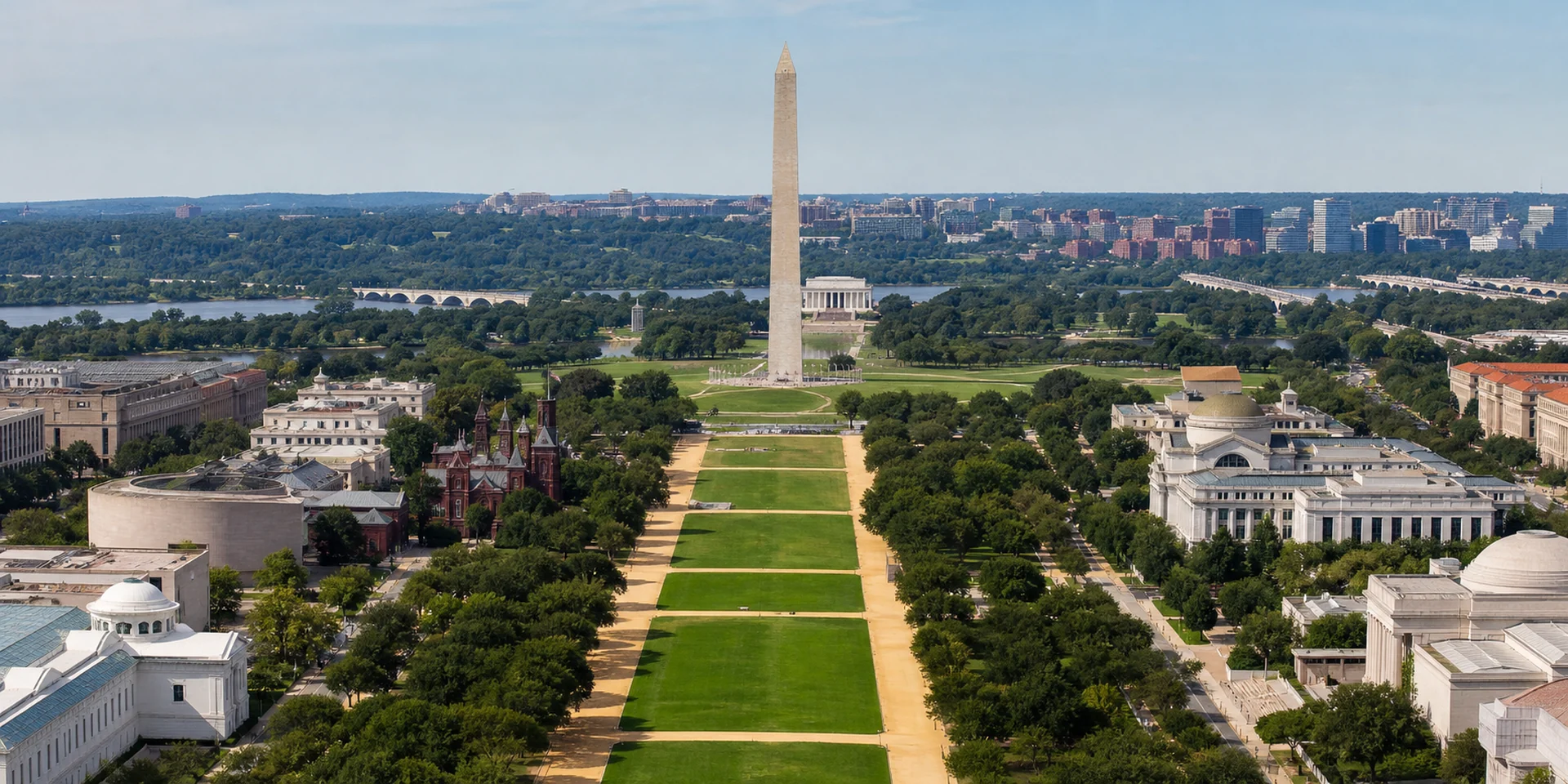
The National Mall stretches from the Capitol through the Smithsonian museums and Washington Monument toward the Lincoln Memorial. It is not one attraction and should not be completed as a checklist in a single exhausted day. Select one or two major museums, combine them with one monument chapter and leave room for gardens, architecture and a proper lunch.
Smithsonian museums have varying opening arrangements. some high-demand sites and special exhibitions require timed entry even when general admission is free.
- Pair the National Museum of American History or Natural History with the National Gallery area rather than every Smithsonian building.
- Keep the Lincoln, Vietnam Veterans and Korean War memorials in one western Mall walk.
- Visit the Washington Monument only with the required reservation and realistic security time.
- Treat the United States Capitol and Library of Congress as a separate Capitol Hill chapter.
- Use an evening monument drive only as a contrast to daylight visits, not as the sole encounter with the landscape.
Capitol Hill, institutions and advance planning
The U.S. Capitol Visitor Center recommends advance reservations for tours. And government buildings maintain their own access and security rules. The Library of Congress, Supreme Court, National Archives and White House should never be approached as interchangeable walk-in stops. Confirm current visitor arrangements from official sources, carry only what is permitted and allow generous time for screening.
Political calendars, demonstrations and official events can alter access with little relevance to normal tourism schedules. A private guide adds most value by connecting architecture, constitutional history and urban planning, not by promising privileged entry that has not been officially confirmed.
Georgetown, Dupont Circle and cultural neighbourhoods
Washington’s identity extends well beyond federal buildings. Georgetown combines the C&O Canal, waterfront, historic houses, university life and independent shopping. its Metro access is indirect. So walking and vehicle planning matter. Dupont Circle connects galleries, embassies, historic homes and restaurants. While nearby Logan Circle brings a livelier dining scene. Penn Quarter offers theatres and museums.
The Wharf creates a contemporary waterfront chapter. Repeat visitors should also consider Phillips Collection, Hillwood, National Cathedral, Dumbarton Oaks or the African American history of U Street. These places add intellectual range without turning the journey into another list of monuments.
Restaurants, hotel rituals and evenings
Washington dining is shaped by neighbourhood and political schedules. Reserve signature hotel venues such as Off the Record, Round Robin Bar, Blue Duck Tavern. Silver Lyan, CUT or a Wharf rooftop when they influence the hotel choice. Georgetown and Dupont suit an evening built around walking. Penn Quarter works for theatre and museums. The Wharf pairs naturally with concerts at The Anthem.
Allow security, valet and traffic buffers around major events. Afternoon tea at Willard or St. Regis is best treated as an appointment. While rooftop bars depend on season and weather. A short stay benefits from one significant dinner and one flexible neighbourhood evening rather than continuous reservations across the city.
Best time to visit Washington, D.C.
Spring
March to May brings gardens, mild days and the famous cherry-blossom period around the Tidal Basin. Bloom dates shift with weather and create exceptional demand. Book hotels early but treat the precise peak as a natural event, not a guarantee.
Summer
June to August is hot and humid, with thunderstorms and busy family travel. Begin monuments early, use museums during peak heat and choose a hotel with a pool or strong air-conditioned public spaces when that changes comfort.
Autumn and winter
September to November often offers clear walking weather, cultural events and strong foliage. Winter can be cold, occasionally snowy and quieter outside holidays. Inaugurations, elections, conferences and government events can override normal seasonal patterns.
Washington in three, four or six nights
Three nights – a disciplined first visit
Plan one National Mall museum day, one western monuments and neighbourhood day. And one Capitol Hill or Georgetown chapter. Reserve only the entries that matter most and keep the arrival evening close to the hotel.
Four to five nights – the best first balance
Extra time allows the Capitol, Library of Congress, Georgetown and a specialist museum without compressing every day. Add one cultural evening, an embassy-area walk or Mount Vernon only with a realistic transport plan.
Six nights or more – Washington beyond the icons
A longer stay supports smaller collections, neighbourhood dining, Alexandria, Arlington or a day beyond the District. A hotel change is rarely necessary unless a Wharf or Georgetown chapter creates meaningful contrast.
Airports, rail and movement within the city
Ronald Reagan Washington National Airport is closest to central Washington and connected by Metrorail. Dulles handles extensive international traffic and has Silver Line access. Baltimore/Washington can suit certain flights and rail combinations but lies farther away. Union Station makes New York, Philadelphia and other Northeast Corridor cities natural extensions. Within Washington, Metrorail and walking cover many major districts.
While Georgetown requires a bus, walk or vehicle connection. Private transfers are most valuable with luggage, formal appointments, families or complex multi-stop days.
- Select the airport from flight quality, arrival time and hotel district rather than distance alone.
- Check WMATA service information before relying on a late or weekend connection.
- Use Metrorail for direct journeys and a private car for Georgetown or multiple timed appointments.
- Leave security buffers for museums, government institutions and airport departures.
- Use Union Station when rail creates a cleaner East Coast itinerary than another flight.
Combining Washington with an East Coast journey
Washington combines naturally with New York and Philadelphia by rail, or with Virginia and Maryland by private vehicle. Mount Vernon and Old Town Alexandria create the easiest historical extension. Middleburg and Virginia wine country add a rural contrast. Annapolis and Chesapeake Bay shift the focus toward maritime culture. A longer journey can continue through the Blue Ridge Mountains or north toward Baltimore.
The sequence should reflect flights, train times and luggage handling. We connect hotels, rail, private transfers and the confirmed Virtuoso benefits into one journey rather than leaving each reservation to operate independently.
What to decide before booking
Confirm the primary neighbourhood, number of timed institutional visits, exact room orientation and importance of a rooftop, spa, pool or historic ritual before comparing rates. White House, canal, river and monument views belong to specific categories and may be partial. Book a room that already meets the essential requirements. upgrade priority remains valuable but availability-dependent.
Assess the eligible Virtuoso rate through total value: breakfast, 100 USD hotel credit or experience. VIP status, arrival and departure priority and Deluxetargets support with the wider itinerary.
Our Washington planning recommendations
- Choose the neighbourhood from the itinerary, not from the hotel name alone.
- Reserve Capitol tours, Washington Monument, high-demand museums and hotel rituals early.
- Limit a Mall day to one or two major museums and one monument chapter.
- Confirm White House, canal or river views as an exact room category.
- Combine rail, Metro, walking and private transfers instead of defaulting to one mode.
Frequently asked questions about Virtuoso hotels in Washington, D.C.
Which area is best for a first visit
Lafayette Square, Penn Quarter or the area between the White House and National Mall provides the simplest access to major institutions. Georgetown is stronger for neighbourhood atmosphere than immediate museum access.
Georgetown or Downtown
Choose Georgetown for historic streets, canal, dining and a residential rhythm. Choose Downtown or Penn Quarter for Smithsonian museums, theatres and more direct Metrorail connections.
How many nights should I plan
Four nights give a first visit the best balance. Three require strict priorities. five or six allow specialist museums and neighbourhoods without museum fatigue.
Do Smithsonian museums require tickets
Many offer free general admission. But selected museums, exhibitions and high-demand sites use timed passes. Verify each institution’s official page before the visit.
Can I visit the Capitol and White House spontaneously
Do not assume so. The Capitol, White House and other federal institutions maintain separate reservation, identification and security procedures that can change.
Which airport is most convenient
Reagan National is closest and has Metrorail access. Dulles often provides the better international flight. BWI may work with a suitable rail and fare combination.
Are Virtuoso benefits identical at all 13 hotels
No. Breakfast, VIP recognition and upgrade priority are typical with the eligible rate. the 100 USD credit or experience and permitted use are confirmed for the specific hotel.
Can the hotels be booked online
Yes. Each hotel card opens the corresponding PrivateUpgrades page with live rates, availability and confirmed benefits for the chosen stay.
Combine your hotel stay with a privately designed journey through United States, with hotels, transfers and experiences planned as one seamless itinerary.