
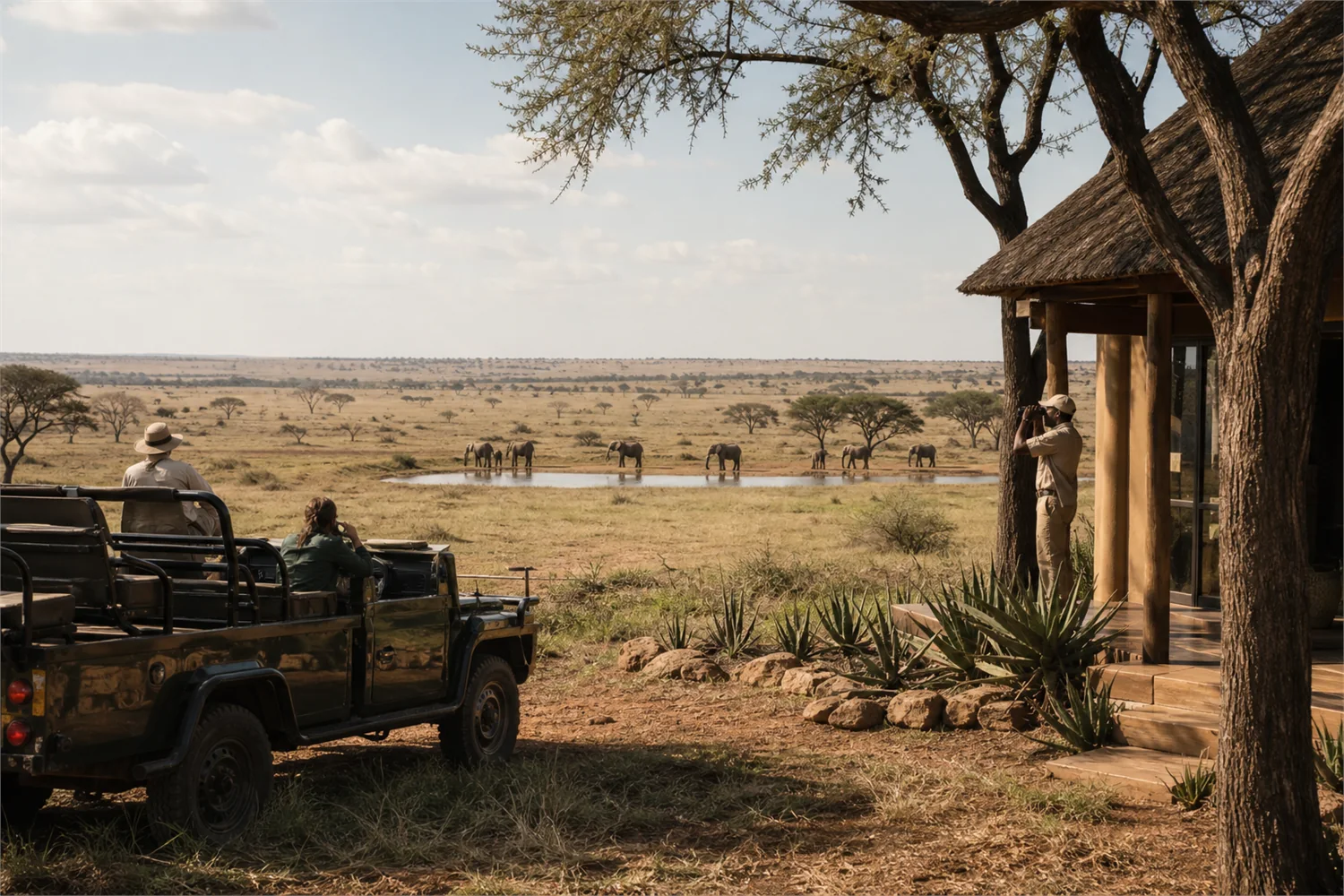
Choose the right private conservation expedition
Conservation trips quickly become superficial if they are only sold as an emotional add-on. A serious expedition first clarifies: What is the real contribution, who benefits, who leads and what a guest can actually experience
Access can lead to rangers, researchers, anti-poaching teams, rewilding, marine protection or community conservation. But not every access makes ethical or operational sense.
Deluxetargets checks impact, partners, security, data protection, sensitivity and whether the trip clearly defines the guest's role, responsibility and boundaries.
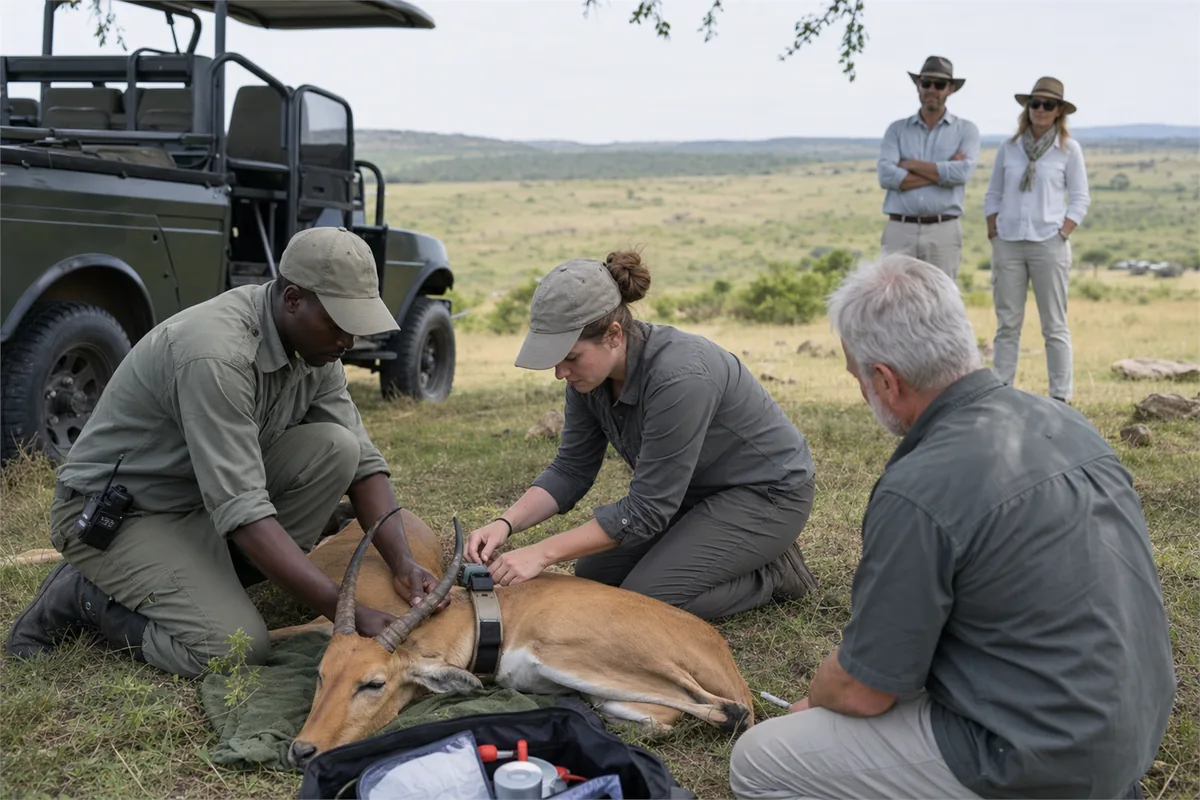
Why this experience is special
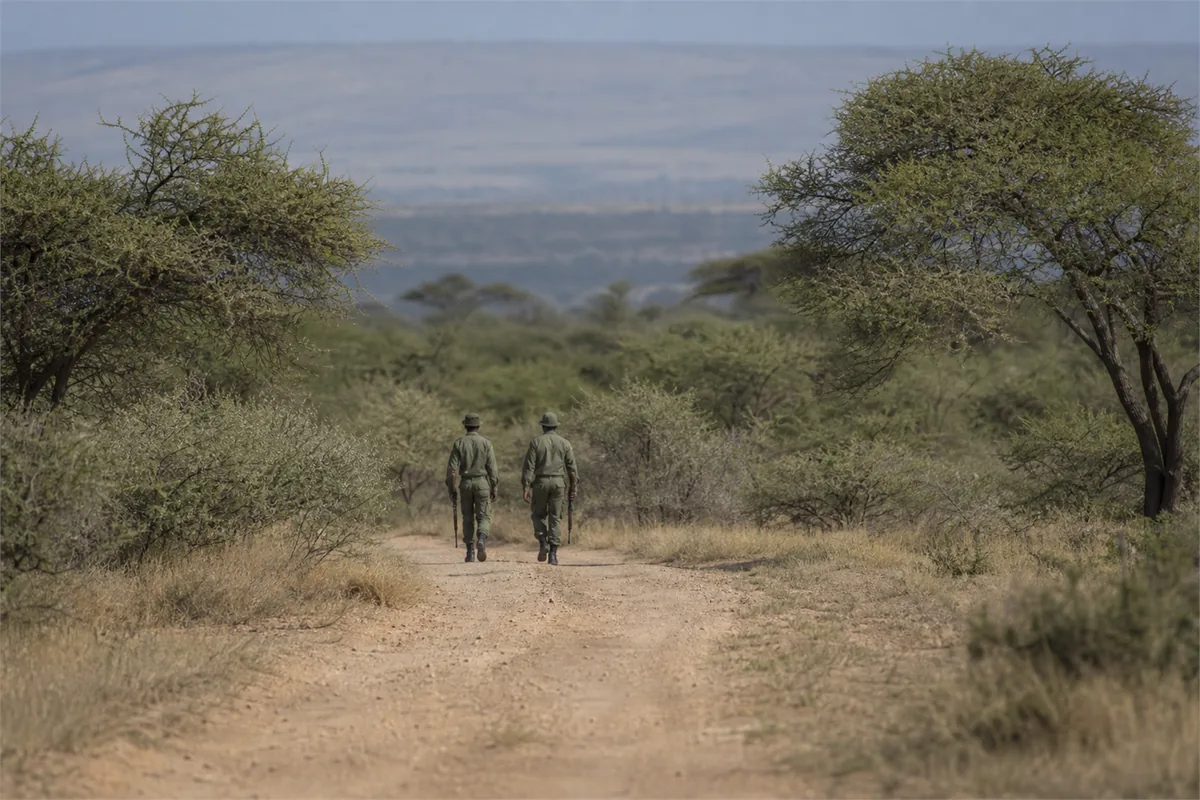
What's special is the proximity to real work: research, protected areas, everyday life as a ranger, wildlife monitoring or community projects.
Luxury here lies in trust and substance, not in staging. Good partners allow guests to learn without disrupting work or exploiting wildlife.
A strong conservation trip has a clear impact, clear boundaries and honest language.
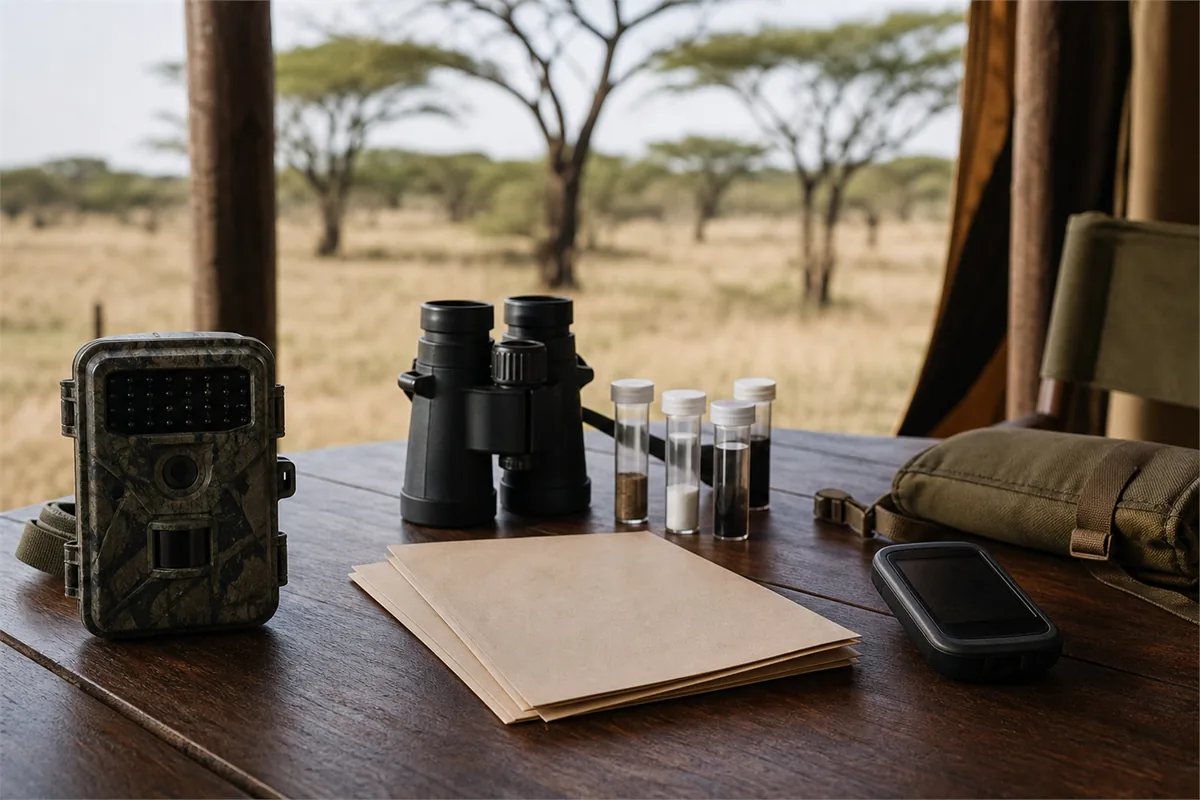
Which option is really right
Conservation trips must be particularly cleanly curated. We check whether the encounters are professional, local and ethical.
| Variant | For whom | Critical point | Do not choose if |
|---|---|---|---|
| Active conservation participation | For guests who are looking for closeness to nature conservation and expect professional substance - with active conservation participation as a conscious focus for private conservation expeditions. | ethical participation: The decisive factor in active conservation participation is whether access, timing, Comfort and reserve options fit together reliably before commitment. | Do not choose if the effect of a private conservation expedition is only claimed and not comprehensibly accompanied. |
| Donor and behind-the-scenes access | For guests who are looking for proximity to nature conservation and expect professional substance - with donor and behind-the-scenes access as a conscious focus for private individuals Conservation Expedition. | NGO/scientist credibility: What is crucial for donor and behind-the-scenes access is whether access, timing, comfort and reserve options fit together reliably before the commitment is made. | Do not choose if the effect of a private conservation expedition is only claimed and not comprehensibly accompanied. |
| Scientifically accompanied Naturalist Journey | For guests who are looking for closeness to nature conservation and expect professional substance - with scientifically accompanied Naturalist Journey as a conscious focus for Private Conservation Expedition. | Guest suitability: What is crucial for a scientifically supported naturalist journey is whether access, timing, comfort and reserve options fit together reliably before the commitment is made. | Do not choose if the effect of a private conservation expedition is only claimed and not comprehensibly accompanied. |
The comparison makes it clear which variant only sounds attractive for private conservation expeditions and which is really viable.
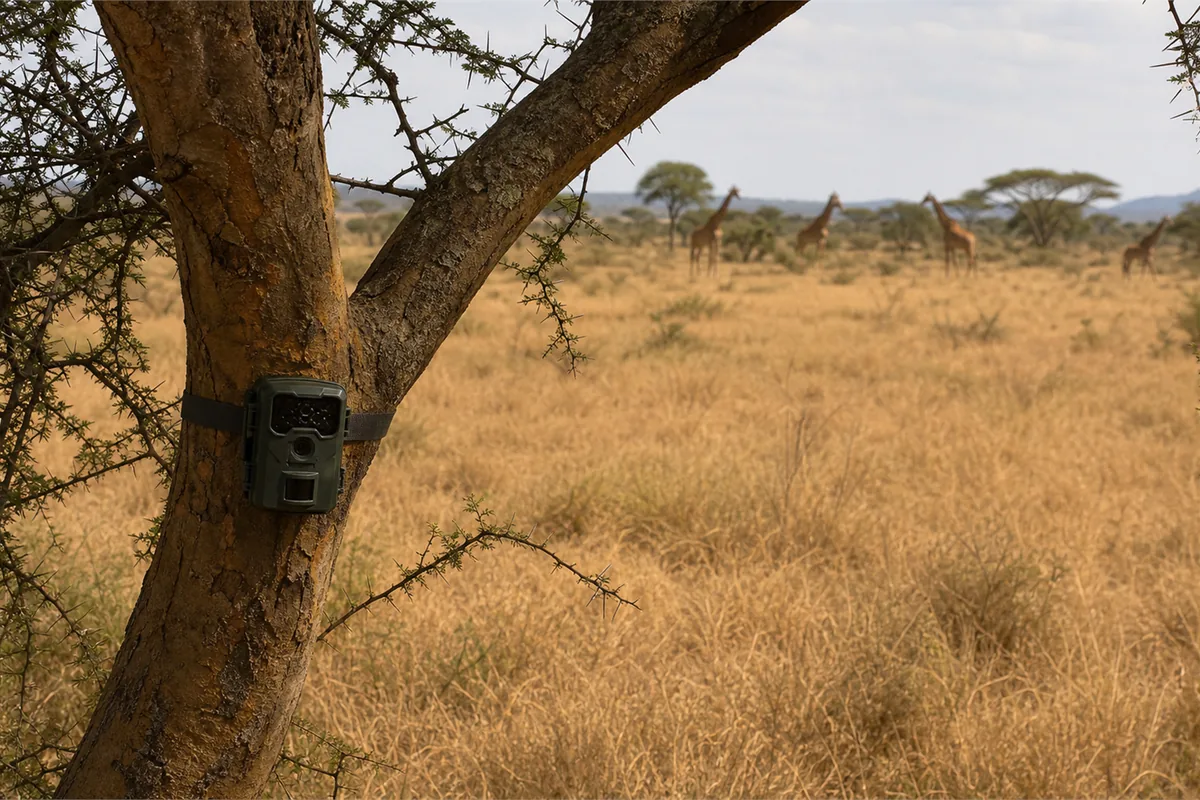
Best travel time and lead time
The best travel time depends on the project: wildlife migration, Research window, rainy season, marine season or community calendar.
We do not plan according to marketing campaign, but according to project logic and partner capacity.
5 to 12 nights often make sense, depending on how much briefing, field time and reflection are necessary.
The concrete travel logic behind Private Conservation Expedition
In Private Conservation Expedition the main building blocks are: anti-poaching, rhino/elephant/gorilla/marine conservation contexts, ranger teams, research protocols. Anything that doesn't suit the travel time, partner network and comfort level is deliberately left out.
The most important directions are active conservation participation, donor and behind-the-scenes access, and scientifically supported naturalist journey. We evaluate which option best suits the occasion and which just sounds more attractive.
Before making a recommendation, we clarify: ethical participation, NGO/scientist credibility, guest suitability, data/privacy, animal welfare. Open risks are not decorated; they lead to a different timing, partner or access.
Feasibility, risk and responsibility
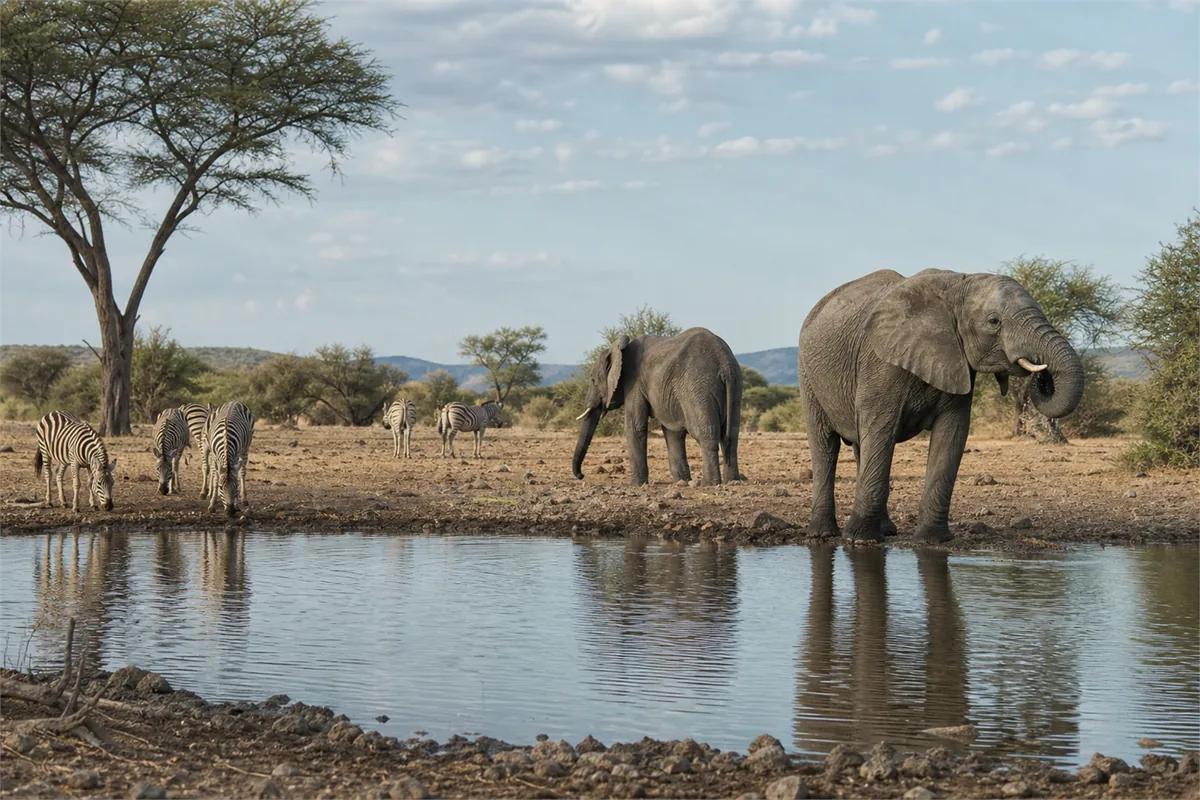
For Private Conservation Expeditions, before recommending, we check the points that actually contribute to this experience: anti-poaching, rhino/elephant/gorilla/marine conservation contexts, ranger teams, research protocols.
Ethical participation, NGO/scientist credibility, guest suitability, data/privacy, animal welfare are crucial. You decide whether the journey seems calm or becomes fragile along the way.
Conservation needs verifiable integrity: project partners, local impact, scientific support and access ethics must be right. If impact is only claimed, we do not recommend access.
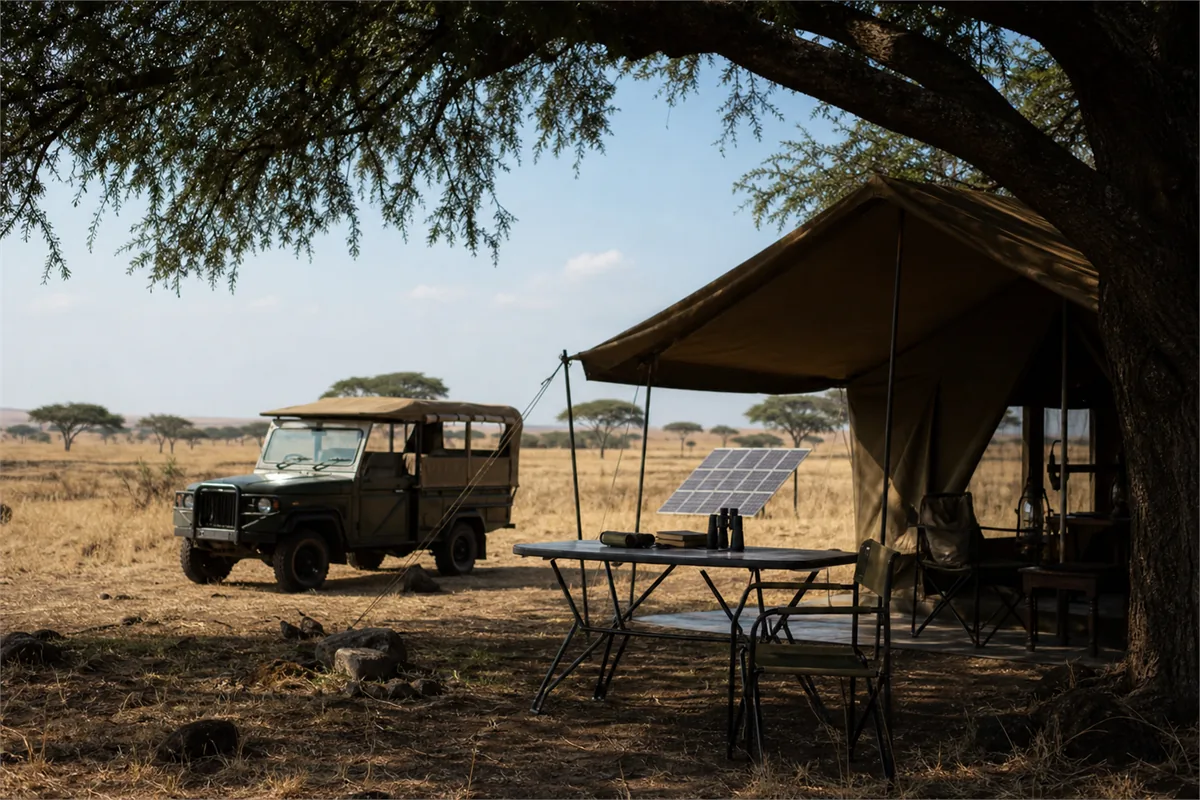
What we check before making a recommendation
Impact Proof
We ask for measurable impact and partner quality.
Ethical Boundaries
Not every access is justifiable or helpful.
Guest Role
The guest needs a clear role: observer, learner, donor or family.
Safety Sensitivity
Ranger work, research and communities require discretion.
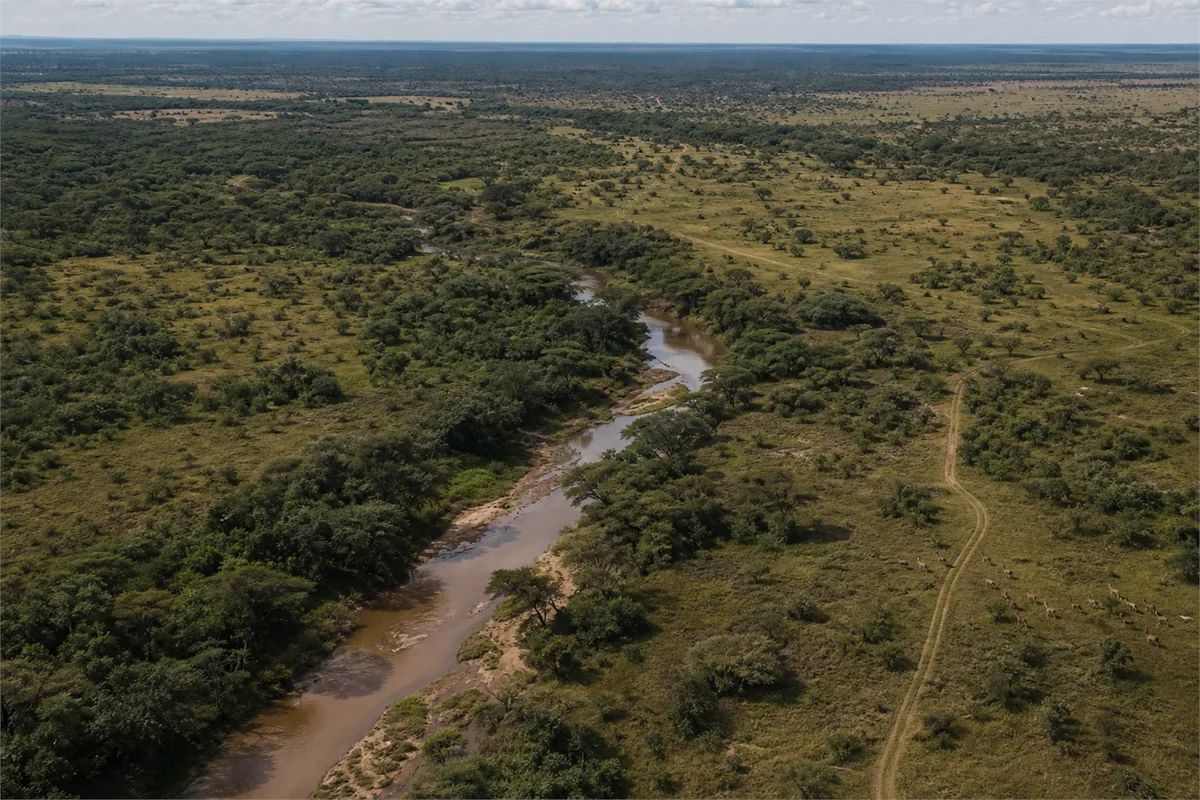
Suitable and less suitable
| Very suitable for | Less suitable for |
|---|---|
| Guests who take learning, impact and responsibility seriously. | Travellers who expect wildlife closeness, heroic stories or impact without examination. |
Sensible combinations
We compare suitable connections with Family Legacy Expedition Palau Marine Expedition Tailor-made Tours. For Private Conservation Expeditions, what counts is the best fit between access, comfort, discretion and professional depth.
What we specifically curate at Private Conservation Expedition
At Private Conservation Expedition, our work does not begin with a well-known provider, but with the right order of decisions. First we clarify the reason, travel style, privacy, resilience and the question of what role anti-poaching, rhino/elephant/gorilla/marine conservation contexts, ranger teams, research protocols should really play in the trip.
We then compare Active Conservation Participation, Donor and Behind-the-Scenes Access, Scientifically Accompanied Naturalist Journey with the available partners, guides, ships, lodges, flights or Access partners. The decisive factors for Private Conservation Expedition are evidence, availability, discretion and the ability to deliver quietly under real conditions.
Only from this does a recommendation emerge. For Private Conservation Expedition we show which route is effective, which building blocks are deliberately missing and how Plan B receives the claim.
Which questions must be answered before booking
Before the approval of Private Conservation Expedition, we define how the success of the trip will be measured: proximity, privacy, professional depth, sporting intensity, family value or rare access.
We then check ethical participation, NGO/scientist, guest suitability, data/privacy, animal welfare and responsibility on site, confirmed services, limits of the promise and an alternative that meets the claim.
If the basis remains too thin, the route will be rethought. For Private Conservation Expedition, a quieter, resilient solution is more valuable than a big picture without operational substance.
Concrete decision logic for Private Conservation Expedition
For Private Conservation Expedition, it is not the number of building blocks that decides. What is crucial is whether project integrity, scientific support, local impact, discretion and access ethics interact in such a way that access makes a credible contribution and is not just presented as a good feeling.
| Concrete building block | Critical point | Our assessment |
|---|---|---|
| anti-poaching | ethical participation | anti-poaching: A conservation component only remains in the draft if project integrity, local impact, Security and access ethics can be verified. |
| rhino/elephant/gorilla/marine conservation contexts | NGO/scientist credibility | rhino/elephant/gorilla/marine conservation contexts: A conservation component only remains in the draft if project integrity, local impact, security and access ethics can be verified are. |
| ranger teams | Guest suitability | ranger teams: A conservation component only remains in the draft if project integrity, local impact, security and access ethics can be proven. |
| research protocols | data/privacy | research protocols: A conservation component only remains in the draft if project integrity, local impact, security and access ethics can be proven. |
So Private Conservation Expedition does not become decorative, but rather part of a serious travel plan.
When Private Conservation Expedition is not the right recommendation is
We advise against this if project integrity, local integration, security, impact or discretion cannot be proven. Good intentions are not enough for Private Conservation Expedition.
Then a different project or a quieter approach is more responsible.
Frequently Asked Questions
What is a conservation expedition
A trip with seriously verified access to conservation, research or community work.
Is impact guaranteed
No, but it must be presented in a plausible, measurable and honest way
Can you donate
Yes, if governance and impact have been thoroughly checked.
Is proximity to wildlife part of it
Only if ethically justifiable and not disruptive.
Plan how long
Usually 5 to 12 nights.
Suitable for families
Yes, if briefing and role are clear.
For whom less suitable
For guests who are only looking for spectacular closeness to animals.
What does Deluxe targets different
We check the impact, partners, ethics, safety and role of the guest.
Check private conservation expedition personally
Send us travel time, people, occasion, desired intensity, comfort requirements and the points that are essential for you are.
We then specifically examine anti-poaching, rhino/elephant/gorilla/marine conservation contexts, ranger teams, research protocols as well as ethical participation, NGO/scientist credibility, guest suitability, data/privacy. This creates a conservation draft with comprehensible project quality, local involvement, professional support and discreet access.