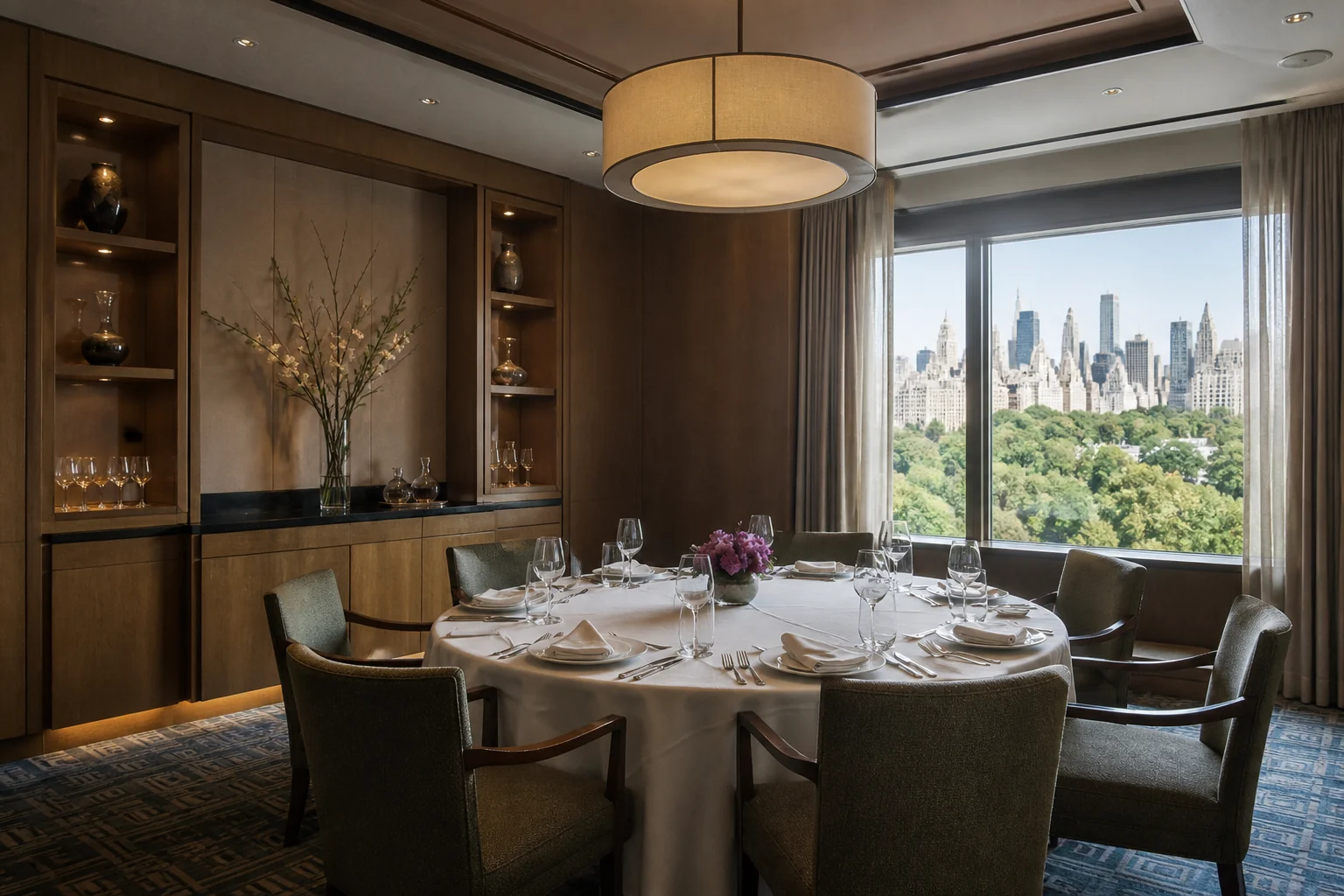
Fine Dining Reservations While Traveling: How to Really Get Top Tables has to do more than inspire. For fine dining reservations while traveling, the proposal must show when Bordeaux really wears, what role Tuscany plays, where additional costs arise and why Napa can be a quieter counterpart.
Specific names that apply to this topic include: Concierge, Waitlist, Chef's Table, Deposit, No-Show Fee, Dress Code, Allergies, Private Dining. They give the text support. They prevent luxury from being described as just a mood.
Quick facts about fine dining reservations while traveling
- Important names
- Concierge, Waitlist, Chef's Table, Deposit, No-Show Fee, Dress Code, Allergies, Private Dining.
- Ideal planning
- Early enough so that the concierge, location, category, access and buffer really fit when making fine dining reservations while traveling.
- Risk
- Too much prestige with fine dining reservations while traveling, too little scrutiny from concierge, times and additional costs.
- Better way
- First clarify the reason and target group. Then select provider, category and timing.
Concierge
only helps if the briefing, timing and relationship are right
Waitlist
is valuable when flexibility and accessibility are clear
Chef's Table
does not suit every occasion and every group
Deposit
must be understood in advance, especially in groups
Private dining
is sometimes stronger than the most famous table
Reservation
Table location, menu, occasion and timing should be chosen just as carefully as the name of the house.
| Concrete choice for fine dining reservations while traveling | When she wears | Better cross-check | Clarify before request |
|---|---|---|---|
| Bordeaux as the first choice | fits if the timing and access are in the desired week | Napa is often the better choice logistically | Clarify season, transfer and cancellation before request |
| Tuscany as a quieter alternative | strong for guests who want less visibility or less turnover | Piedmont can offer more experience | Compare location, target group and daily rhythm |
| Kaiseki with additional costs | makes sense if service really takes the strain off your day | Champagne is easily underestimated | Record costs, waiting times and responsibility in writing |
| Truffles as a risk | only accept if plan B is clear | Private dining needs reserves | Set cutoff point, weather or delay plan |
The offer should specifically include Bordeaux, Tuscany, Napa, Piedmont, Kaiseki, Champagne, Truffle, Private Dining. For fine dining reservations while traveling, the suggestion only becomes strong when Bordeaux, Tuscany, Napa and Piedmont match with date, arrival, cancellation and a realistic alternative route.
Check fit, timing, cost and the quieter cross-check first. When it comes to fine dining reservations while traveling: How to really get top tables, the difference lies in the specific week: Concierge, waiting list, chef's table, budget and plan B must fit together. When it comes to fine dining reservations while traveling, Bordeaux, Tuscany and Napa are the main test marks.
Short answer to fine dining reservations while traveling
Fine dining reservations while traveling: Culinary journeys depend on timing, not lists. When making fine dining reservations while traveling: How to really get top tables, we first check the concierge, waiting list, chef's table, arrival logic and additional costs before deciding on availability or category.
Before availability, fine dining reservations while traveling are first clarified which choice really matters: Bordeaux, Tuscany, Napa and South Africa are read as hard filters for timing, location, cost and alternative.
What must be clear before the request
Before each request, the date, time, number of guests, occasion, budget, allergies, dress code readiness and preferred style should be determined. This also includes the question of whether a menu with wine accompaniment is desired.
The more precise the briefing, the better a concierge or travel designer can work. If you just say that it should be the best table, you often get the most famous one, not the most suitable one.
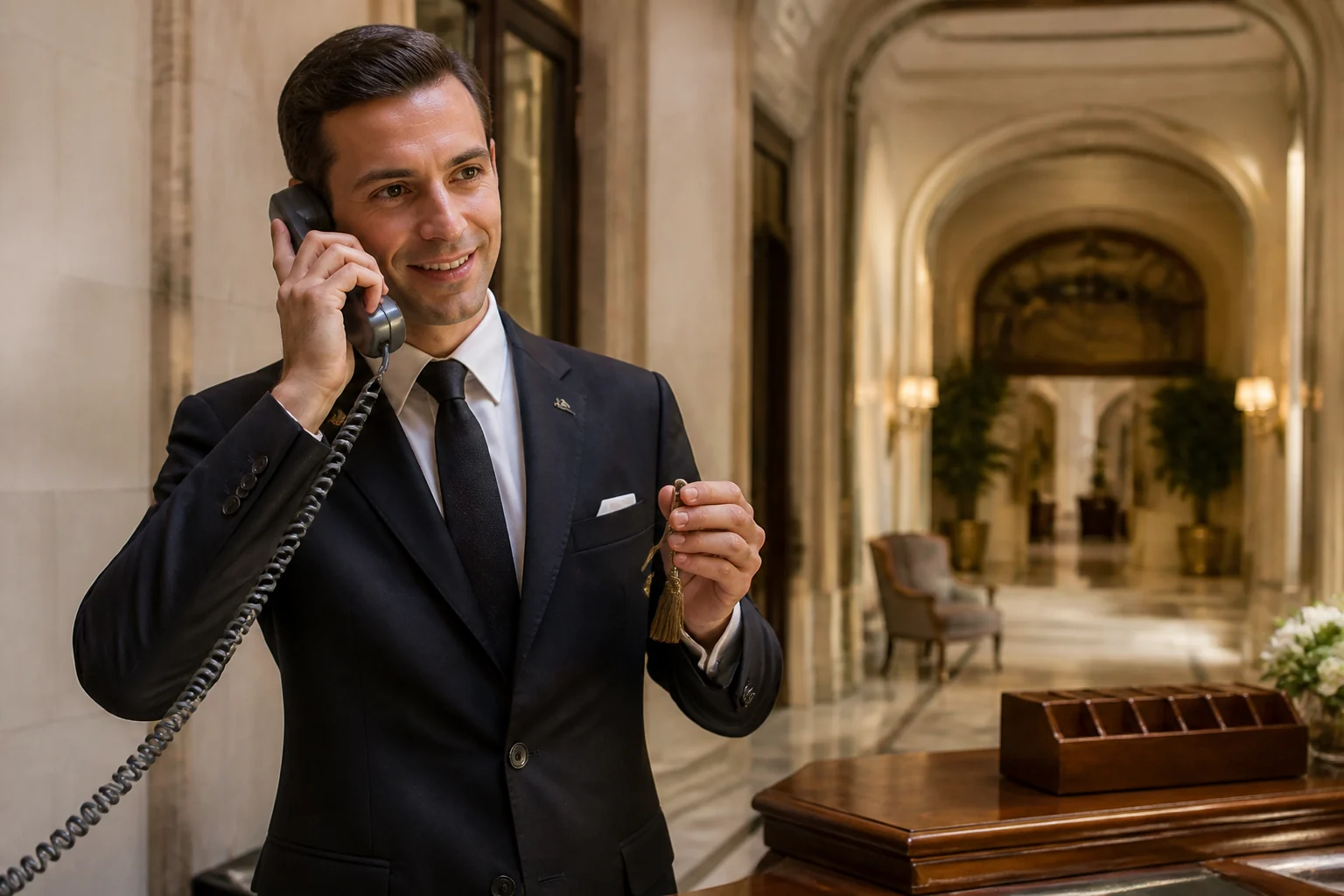
Use concierge correctly
A good concierge can open doors. But he needs clear information and enough advance notice. It cannot change physics if a restaurant is fully booked, is on vacation, or only accepts small tables.

It is also important not to use five channels at the same time. If the hotel, credit card service, assistant and guest make inquiries at the same time, it seems chaotic. A clean channel is more professional.
Waiting list with strategy
A waitlist is not pointless. It works when guests are flexible. Early slot, late slot, bar seating, lunch or other day increase chances. If you only want 8 p.m. on Saturday, you have little leeway.
Accessibility counts. If a table becomes available, you have to react quickly. Minutes are particularly relevant in cities like Paris, London, Tokyo, New York or Copenhagen.
Deposits and no-show fees
Many top restaurants work with deposits, credit cards or no-show fees. This is not distrust, but protection. Small restaurants lose a lot when tables remain empty.
Before booking, the cancellation time, rebooking, number of guests and menu requirements should be clear. When it comes to groups, changes can be expensive. If you don't read these rules, you risk unnecessary costs.
Which time is better?
The best table is not always at 8 p.m. An early slot can be quieter. A later slot can seem more relaxed. Lunch can be stronger if the kitchen and lighting are right. In some countries, dinner very late is normal.

When traveling, the time must match the day. After a long-haul flight, a heavy menu is risky. After a long day at the museum too. Fine dining needs attention.

Chef's table or normal table
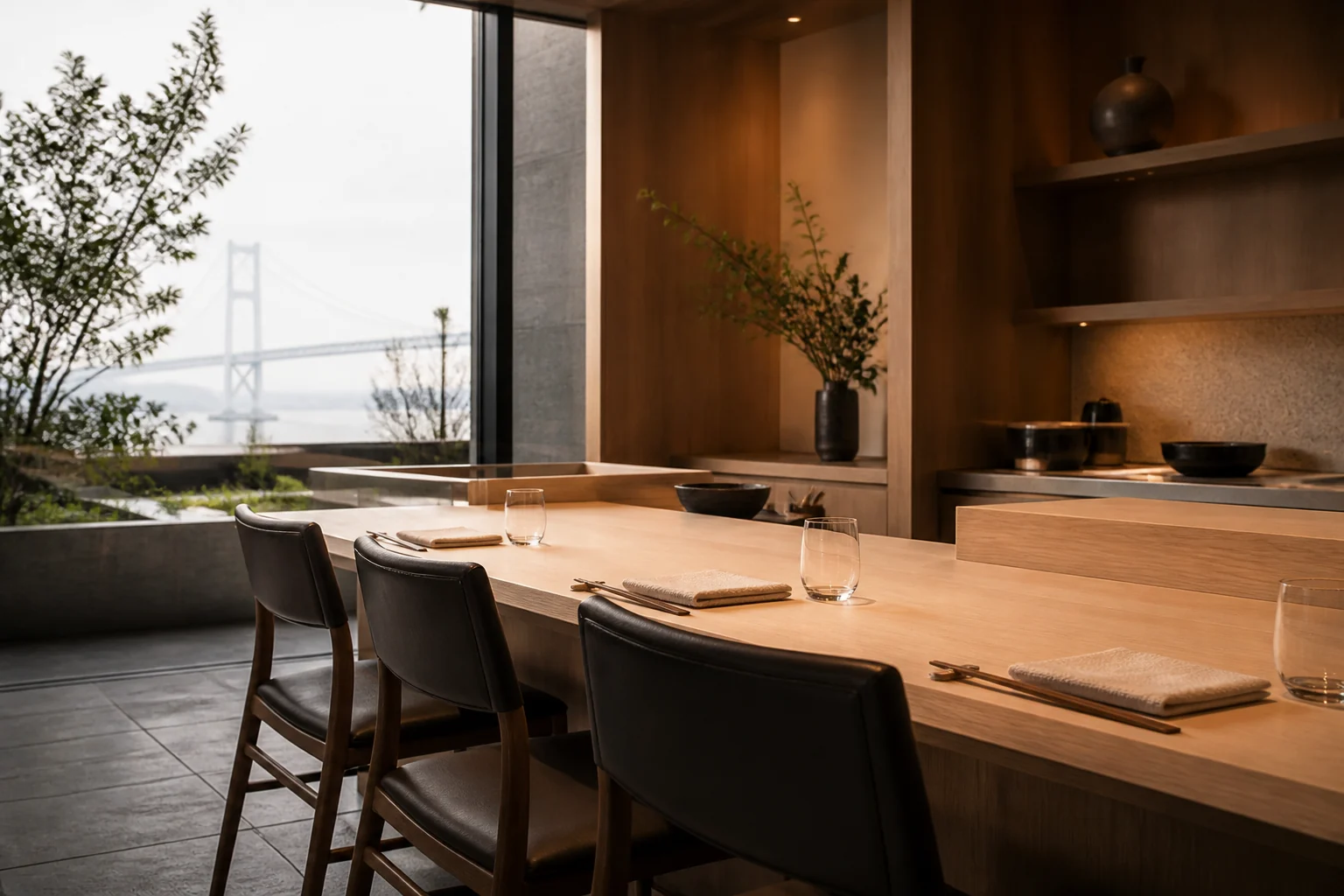
A chef's table is interesting if cuisine, craftsmanship and proximity are desired. It can be too exposed for romantic evenings, confidential conversations or family celebrations.
A regular table with a better location may be more valuable. Even a private room is not automatically better. Sometimes it seems empty and separates guests from the restaurant.
Dress code and cultural rules
Dress code should be clarified in advance. Some houses are relaxed, others are not. Shoes, jacket, children, shorts, sportswear and bags can become relevant.
Cultural rules also count. In Japan, punctuality is key. In France, a long lunch can be normal. In Italy, regional cuisine is more important than rigid formality. Those who understand this appear more confident.
Allergies and preferences
Allergies must be communicated early and in writing. Preferences are something else. A restaurant can often manage medical risks well, but cannot afford spontaneous menu rewrites.
Vegetarian, pregnant, alcohol-free, halal, gluten-free or strong dislikes should be clear in advance. The later this information comes, the worse the experience becomes.
Children and fine dining
Children can fit if the restaurant, time and child match. An early dinner, clear duration and a good briefing help. Some houses are not suitable. That should be respected.

For families, sometimes a private dining setup is better. This ensures quality is maintained without overwhelming other guests or children.
Top table or real table
Many guests want the table that is being talked about. The right table may be different. Acoustics, light, service route, discretion and view decide whether the evening works.
A good travel designer therefore asks for the reason. Business lunches, marriage proposals, birthdays, foodie trips and family evenings need different tables.
If the wish is not available
Not available does not mean failed. A lunch, another day, a sister restaurant, a chef's table, a bar menu or a private dining evening may be better.
The best alternative should be chosen consciously. A forced prestige table is worse than a restaurant that really fits.
Cities with their own logic
Paris, London, New York, Tokyo, Copenhagen, Barcelona, Singapore and Dubai work differently. Some cities open reservations on exactly one date. Others work through relationships, hotel allotments or waiting lists.
If you combine several cities, you should dose restaurant days. Three large menus in a row rarely work well. The palate needs a break.

Costs that are often forgotten
In addition to the menu and wine, there are costs for deposits, cancellations, taxis, tips, wine accompaniment, water, additional courses, private rooms, cakes, flowers or extensions. In some countries, service is included separately.
A serious plan makes these points visible. This prevents misunderstandings, especially in groups.
Private dining as an alternative
Private dining makes sense when the occasion, discretion or group are more important than restaurant prestige. A villa dinner, a boss in the hotel or a private room can seem more personal.
The mistake is to see private dining as a second choice. It is often the better choice for big birthdays, families or confidential conversations.
The first booking mistake when making fine dining reservations while traveling
The first mistake is asking too late. The second is an incorrect number of guests. The third is missing allergy information. The fourth is not a plan B. The fifth is a table based only on ranking.
Too much fine dining is also a mistake. When traveling, not every evening should be a big meal. Otherwise enjoyment becomes a duty.

What counts locally
Punctuality, clear names, a calm approach to service and realistic expectations make a big difference. Anyone who comes late, adds special requests or ignores the dress code weakens the evening.
A good guest doesn't have to be stiff. He has to be prepared. Then the restaurant can do what it does well.
How Deluxetargets checks top tables
Deluxetargets first checks the occasion, date, number of guests, city, style and alternatives. Then it is decided whether hotel concierge, restaurant direct, partner contact or private dining is the best option.
This means there is no hectic hunt for names. The result is an evening that fits the trip.
Checklist for fine dining reservations while traveling
Which date is fixed How flexible is the time What allergies there are Is prestige or conversation more important Is there a plan B What cancellation and deposit rules apply
When these questions are answered, the chances of getting a very good table increase. Even more important: the chances of having the right evening increase.
Hotel concierge: possibilities and limits
A strong hotel concierge has relationships, context and experience. However, he cannot guarantee every table. Some restaurants don't give anything over hotels. Others keep small contingents. Some respond better to direct, precise requests.

Guests should not ask the concierge until the day of arrival. At top tables this is often too late. The briefing before the trip is ideal so that the concierge doesn't have to improvise.
Paris, London, Tokyo
Paris often requires patience, clear politeness and good choice of date. London is more flexible but very competitive for famous houses. Tokyo is particularly sensitive about punctuality, small restaurants, no-shows and language mediation.

In Tokyo, a hotel contact can be crucial. In Paris, lunch may be a better solution. In London, a bar seat or former slot can suddenly work. Every city has its own rules of the game.
New York, Copenhagen, Singapore
New York moves quickly. Reservation windows open hard, waiting lists move, and late slots can be good. Copenhagen needs early planning because many guests travel specifically for individual restaurants. Singapore is strong on precise hotel and credit card channels.
If you combine several food cities, you shouldn't plan to the maximum every evening. A street food lunch or free evening can make the next menu better.
The ideal process
A perfect restaurant evening doesn't start at the table. It starts in the afternoon. Not too heavy a lunch, enough time to change, short journey, correct address, dress code and clear allergy information.
After dinner, no further appointments should be pressed. A good evening needs a ending. Taxi, bar or walk should be easy. Then the menu will remain in your memory.

If it's an occasion
The restaurant needs more information for a birthday, proposal, anniversary or business deal. Should there be a cake A card A quiet table A bottle of wine in advance There will be speeches
Too much staging can be harmful. A small, precise detail works better than a loud setup. Fine dining depends on dosage.
Which restaurants to avoid
Not every hyped restaurant is suitable for every trip. Noisy rooms, hard chairs, long menus, poor acoustics or difficult locations can weaken the evening. Rankings do not show whether the table suits the guest.
A less famous restaurant with better tone, better service and a shorter walk may be a wiser choice. This is exactly the recommendation that a good guide must provide.
Wine accompaniment or la carte
Wine pairings are convenient, but not always ideal. It can mean too much alcohol or interrupting conversations. A single good bottle, non-alcoholic accompaniment or sommelier selection based on tempo may be a better fit.
If you have several menus during a trip, you should consciously drink lighter. Otherwise fine dining becomes exhausting.
Enjoyment requires timing: Fine dining reservations while traveling
Fine dining reservations while traveling don't get better with as many names as possible. For fine dining reservations while traveling: How to really get top tables applies at this point: Bordeaux, Tuscany, Napa and Piedmont need rest days, drivers, light, table position and enough breaks between appointments.
Reservations and Reality: Fine Dining Reservations while Traveling
Top tables, wineries, private dinners and markets follow their own calendars. Some houses are stronger at midday, others in the evening. Some experiences depend on the season, weather or host presence.
Driver logic: Fine dining reservations while traveling
Once wine, truffles, long lunches or multiple locations are planned, a driver is part of the luxury. For fine dining reservations while traveling: How to really get top tables: Driving yourself rarely saves enough to justify the loss of peace, security and enjoyment.
Menu, allergies and occasion: Fine dining reservations while traveling
Private dining is only strong if the menu, lighting, location, service, speech, music and duration suit the occasion. For fine dining reservations when traveling: How to really get top tables applies at this point: allergies, children, dress code and wine selection must be addressed early.
The quieter region: Fine dining reservations while traveling
Often the most famous address is not the best. For fine dining reservations while traveling: How to really get top tables: A secondary region with a strong host, good driver and honest product can bring more depth than a day full of trophy names.
Need for information before making an inquiry: Fine dining reservations while traveling
When it comes to fine dining reservations while traveling, what ultimately counts is not the number of options, but the accuracy of the decision. For fine dining reservations while traveling: How to really get top tables applies at this point: Before making an inquiry, consider the occasion, number of guests, allergies, interest in wine, need for a driver, desired duration, budget, dress code and tolerance for long lunches. Bordeaux, Tuscany and Napa have their own calendars.
What honestly needs to be left open when making fine dining reservations while traveling
Not all private access can be purchased. Not every famous table fits the occasion. For fine dining reservations while traveling: How to really get top tables applies at this point: A good suggestion honestly tells you when another day, another host or a lesser-known address is better.
The better alternative to fine dining reservations while traveling
A single strong lunch can be worth more than three reservations. A driver can be more important than another menu. A secondary region can provide more proximity and less show.

For fine dining reservations while traveling: How to really get top tables, we would only confirm Bordeaux once Tuscany, Napa, cost logic, cancellation and a real plan B have been checked. For fine dining reservations when traveling: How to really get top tables, the following applies at this point: The better solution here is often not bigger, but more precise: fewer changes, clearer responsibilities and an alternative to Piedmont if the timing, audience or journey are not right.
In Fine Dining Reservations While Traveling: How to Really Get Top Tables, we read Bordeaux, Tuscany, Napa and Piedmont against the specific week of travel: arrival, daily rhythm, target group, additional costs and the alternative that makes less work for the guest on site.
When fine dining reservations are not recommended while traveling
Fine Dining Reservations While Traveling: How to Really Get Top Tables should only be confirmed once Bordeaux, Tuscany, costs, timing and the realistic alternative are clarified.
- Rest days, table position, driver, allergies or menu windows are not confirmed
- Too many tastings, lunches and dinners are squeezed into one day
- Children, heat, alcohol limits or long journeys back make enjoyment a requirement
Advisor Note on Fine Dining Reservations While Traveling
With fine dining reservations while traveling: How to really get top tables, we check Bordeaux, Tuscany, Napa, Piedmont, costs, timing and the quieter alternative before making a specific request.
Checklist for fine dining reservations while traveling
- Which travel time or date really suits you?
- Which target group shapes the on-site experience?
- Which category makes sense, not just the most expensive one
- When it comes to fine dining reservations while traveling: How to really get top tables, the difference lies in the specific week: Concierge, waiting list, chef's table, budget and plan B must fit together.
- Which alternative is quieter, more private or logistically more sensible?
How we specifically check fine dining reservations when traveling
Deluxetargets checks fit first, then availability. For fine dining reservations while traveling: How to really get top tables, the suggestion must combine concierge, waitlist, chef's table and the quieter counter-test in such a way that the guest does not have to make adjustments on site. For fine dining reservations while traveling: How to really get top tables applies at this point: Only then will PrivateUpgrades specifically check which category and which next step makes sense. When it comes to fine dining reservations while traveling, Bordeaux, Tuscany and Napa are the main test marks.
This is how a beautiful name becomes a reliable travel decision. Fine dining reservations become strong when traveling when the concierge, waiting list and chef's table do not remain decorative, but rather serve as clear filters for timing, budget and alternatives. When it comes to fine dining reservations while traveling, Bordeaux, Tuscany and Napa are the main test marks.
Before a release Fine Dining Reservations While Traveling: How to Really Get Top Tables We check Bordeaux, Tuscany, Napa, Piedmont and Kaiseki not as decorative words, but against travel date, arrival time, cancellation, target group and budget. For fine dining reservations when traveling: How to really get top tables applies at this point: The decisive factor is whether Champagne really relieves the burden on site or just makes the name on offer bigger.
Not ideal though Fine dining reservations while traveling: How to really get top tables is only read as a prestige decision or Bordeaux is chosen, Tuscany does not bring a clear advantage for the daily rhythm or Napa triggers additional costs that only become visible on site. For fine dining reservations when traveling: How to really get top tables applies at this point: Then truffle or private dining is often the more adult, quieter choice.
Read more about fine dining reservations while traveling
- Caviar tasting while traveling: What to look for in quality and origin
- Fine dining trips: cities that gourmets will love
- Visit champagne houses privately: What can realistically be booked
- Shopping appointment with personal shopper: briefing, budget and discretion
- Matching luxury hotels at PrivateUpgrades
FAQ about fine dining reservations while traveling
How to get top tables while traveling
With early briefing, flexibility, clear number of guests, good concierge channel and realistic alternatives.
A concierge is always helpful
Yes, if he has good information, lead time and a clear mandate. Multiple parallel requests often cause harm.
What is important about deposits?
Cancellation time, number of guests, no-show fee, menu requirement and credit card rules should be understood in advance.
Chef's Table is always better
No. For foodies, often yes. For intimate conversations, romance or family, a regular table may be better.
What is the best alternative when restaurants are fully booked?
Lunch, other day, sister restaurant, private dining or a less famous but more suitable table.
Conclusion on fine dining reservations while traveling
Fine dining reservations while traveling: How to really get top tables requires a clear selection instead of a long wish list. For fine dining reservations while traveling: How to really get top tables applies at this point: A good gourmet trip lets appointments breathe and turns famous names into real moments.