
The best food city is not the one with the longest list of stars. It is the one whose dining language matches the journey you want. Tokyo rewards precision and specialisation; Paris layers haute cuisine with bistros and pastry; Copenhagen turns season and restraint into a point of view; San Sebastián moves between product-led restaurants and pintxos bars; Singapore places hawker culture beside ambitious dining; Lima reads Peru's biodiversity through a modern capital.
The concise answer
- For exacting craft
- Tokyo
- For classical range
- Paris
- For a concentrated contemporary scene
- Copenhagen
- For product and conviviality
- San Sebastián
- For multicultural contrast
- Singapore
- For biodiversity and creative momentum
- Lima
Choose a culinary grammar, not a league table
Restaurant rankings answer a narrower question than most travellers realise. They can identify acclaimed kitchens at a particular moment, but they do not tell you whether a city works for four days, whether lunch is as interesting as dinner, or whether the most memorable meal may cost less than the transfer from the airport.
A serious food trip needs contrast: one major tasting menu, an excellent neighbourhood restaurant, a market or bakery, a bar with a local rhythm and enough unscheduled appetite to follow a recommendation. When every meal is treated as a finale, the journey loses shape.
| City | Dining signature | Ideal stay | Main planning risk |
|---|---|---|---|
| Tokyo | Specialist counters, Japanese traditions, immense range | 5–7 nights | Long transfers and exact booking rules |
| Paris | Haute cuisine, bistros, pastry, markets | 4–5 nights | Overloading the diary |
| Copenhagen | Seasonality, New Nordic legacy, design | 3–4 nights | Closures and expensive repetition |
| San Sebastián | Basque produce, grills, pintxos | 3–4 nights | Ignoring lunch and bar culture |
| Singapore | Hawker traditions, multicultural cooking, fine dining | 3–5 nights | Planning only luxury restaurants |
| Lima | Coast, Andes and Amazon on one table | 3–4 nights | Using it only as a connection |
Tokyo: specialisation and precise planning
Tokyo is compelling because excellence is not confined to one format. A tiny soba shop, a tempura counter, a sushi meal, an izakaya and a formal kaiseki dinner express different crafts. The official GO TOKYO guide organises the scene accordingly: sushi and seafood, noodles, izakaya, yokocho, traditional Japanese cuisine, breakfast, sweets and neighbourhood specialities.
The right itinerary is geographic. Ginza, Tsukiji and Toyosu create one fish-and-market axis; Kanda, Nihonbashi and Asakusa hold long-established tempura and soba traditions; Shinjuku, Shibuya and Ebisu make different evening routes. Crossing the city for every reservation turns appetite into transport.
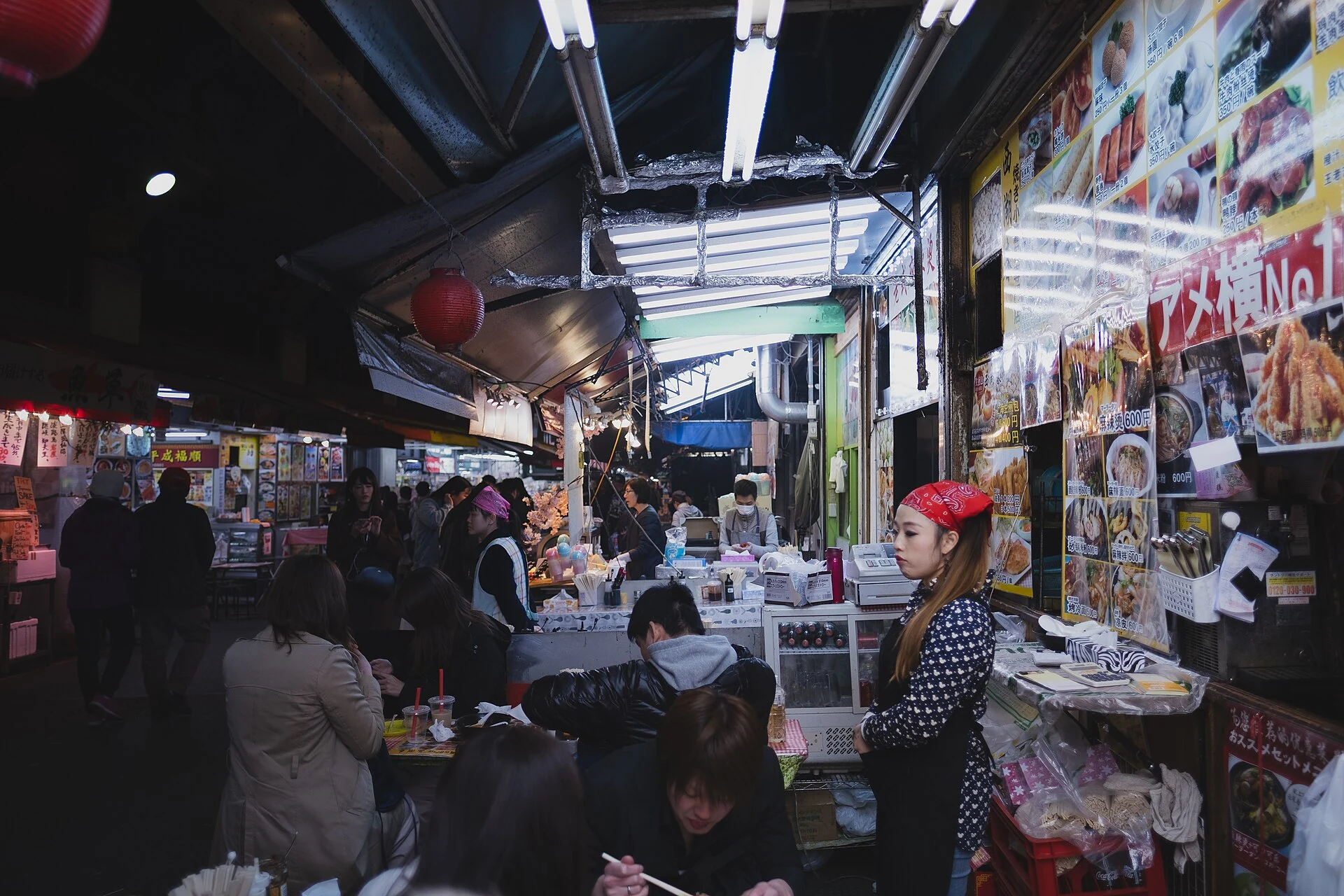
Five nights is a useful minimum for a first food-led visit. Place one demanding counter meal at the centre, then build range around it. Some restaurants release tables on fixed dates, require a hotel concierge or local platform, take full prepayment, or apply strict late-arrival rules. Dietary restrictions must be communicated before confirmation; a specialist counter may be unable to alter its core preparation safely.
Do not mistake informality for spontaneity everywhere. At the same time, leave room for ramen, kissaten coffee and an izakaya evening. Tipping is not customary, and some izakaya charge for seating while serving a small opening dish. These details are part of the culture, not service defects.
Paris: a complete culinary ecosystem
Paris is the strongest all-round choice when travellers want a grand dinner without making the entire trip ceremonial. The official tourist office describes a field that runs from gastronomic restaurants to brasseries, bistros, bistronomy and international cooking. Add pâtisserie, cheese shops, wine bars and markets, and the city becomes a sequence rather than a collection of reservations.
A classical dining room can be followed the next day by a market lunch and a sharp contemporary bistro. That contrast is Paris's advantage. The city also works for mixed-interest couples: art, fashion and neighbourhood walks create natural space between meals.
Four nights allow one ambitious dinner and one serious lunch without crowding out the city. Choose the hotel by the geography of the programme, not by arrondissement prestige alone. A beautiful property on the opposite bank can add forty minutes to every meal.
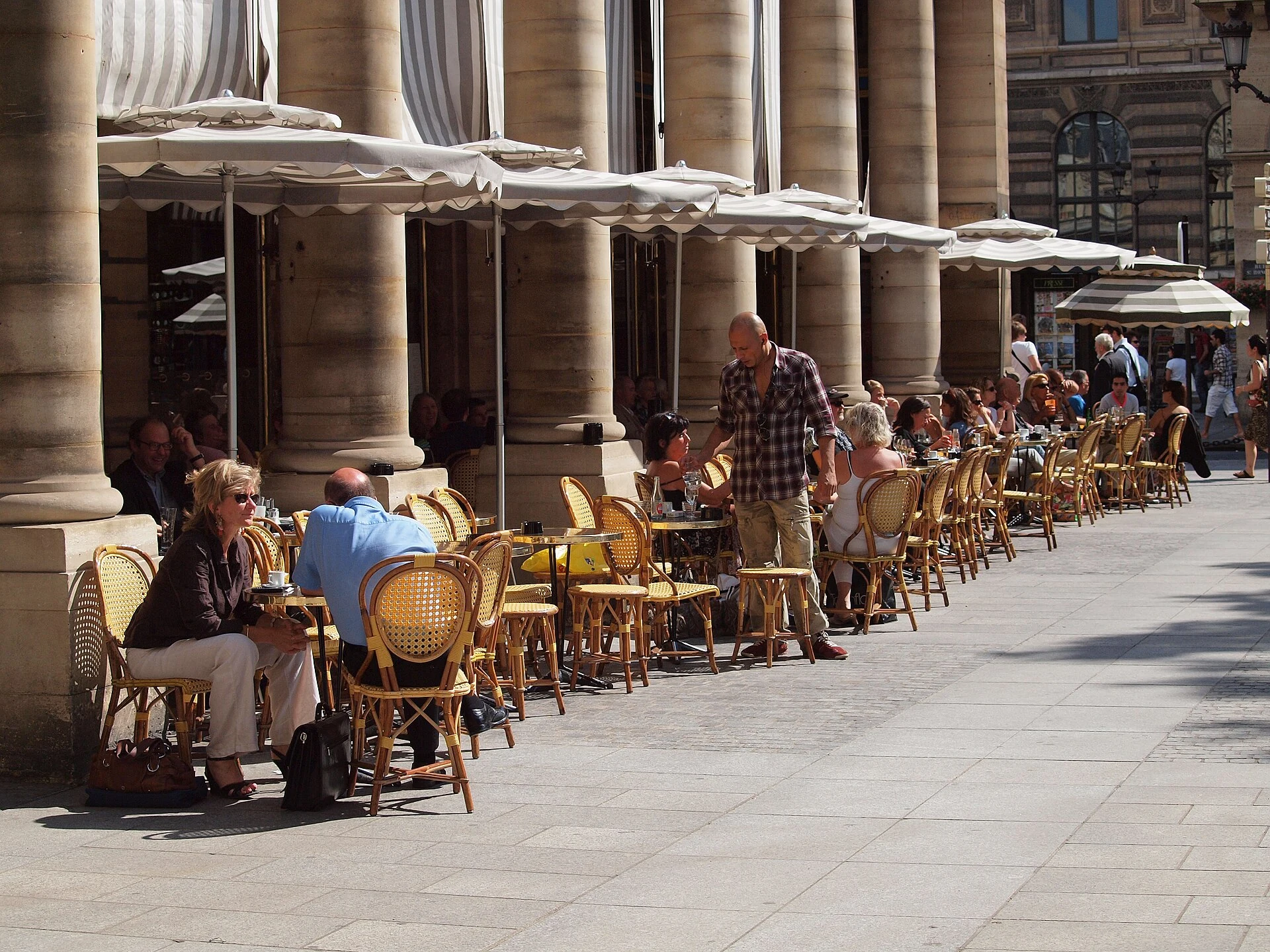
Breakfast strategy matters. If pastry is part of the research, a compulsory multi-course hotel breakfast wastes both appetite and money. Reserve major tables early, verify deposits and cancellation terms, and check weekly closing days. Sunday and Monday require particularly deliberate planning.
Copenhagen: season, ideas and calendar
Copenhagen's influence exceeds its size. VisitCopenhagen connects the city's distinctive restaurant identity to local seasonal ingredients and the New Nordic movement, while also pointing to smørrebrød, bistros and food markets. The best visit therefore does not chase only elaborate tasting menus; it observes how the same season appears at lunch, in bread, in vegetables and in a composed dinner.
Three or four nights are enough. The city suits travellers who value design, sourcing and a clear culinary argument. It is less suitable for guests who want limitless choice at every hour or who dislike long, intellectually structured menus.
Restaurant holidays, seasonal pauses and release dates can shape the entire trip. Confirm the anchor table before buying a non-refundable weekend. One major menu is usually enough; a second should offer a genuinely different format. Smørrebrød at lunch, a bakery morning and a neighbourhood bistro provide more understanding than three consecutive prestige dinners.
Copenhagen is compact, but weather changes the pleasure of walking. A centrally placed hotel and realistic winter transfers preserve the evening. Summer brings long light and demand; winter brings atmosphere and a more delicate closure calendar.
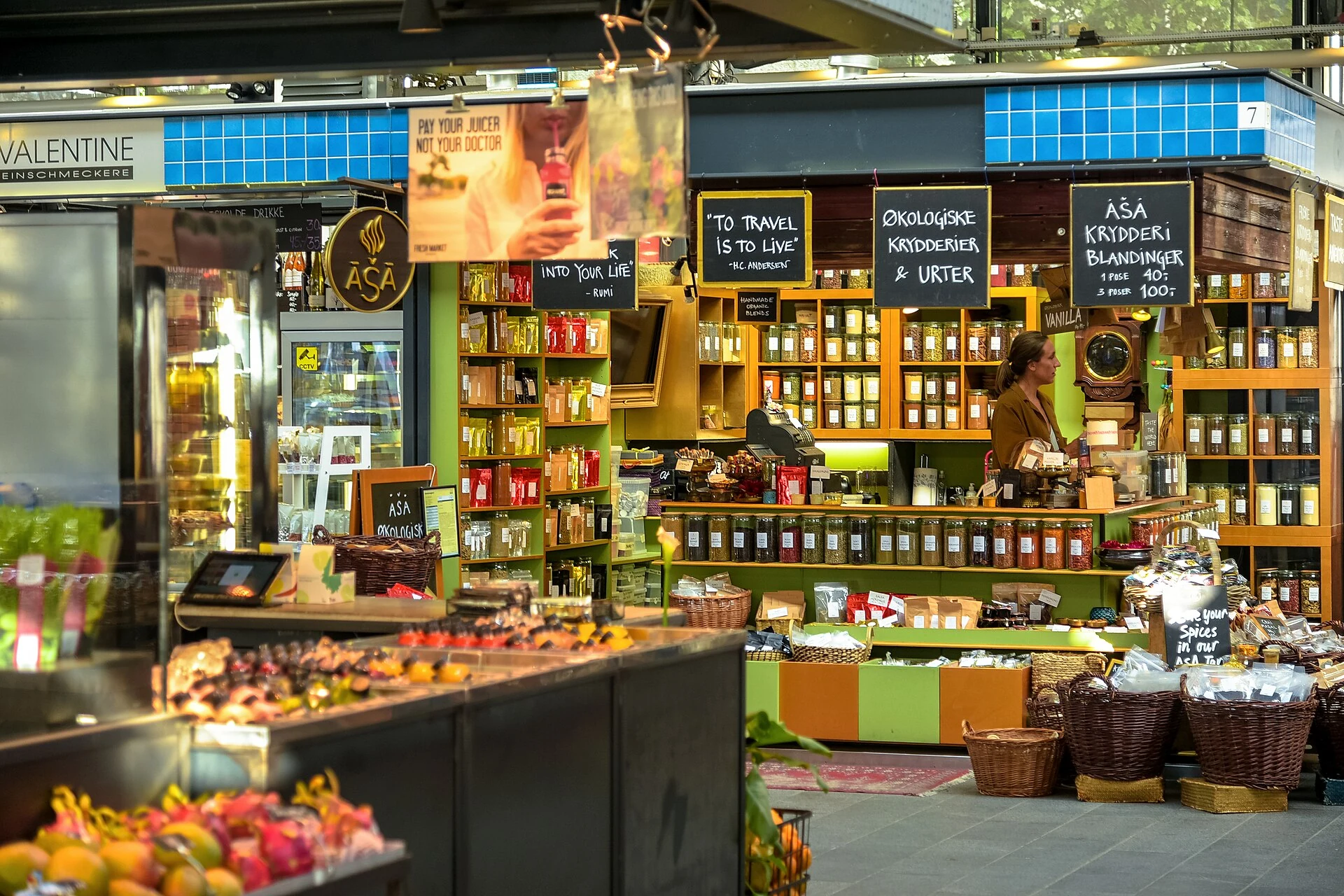
San Sebastián: product and the strategic lunch
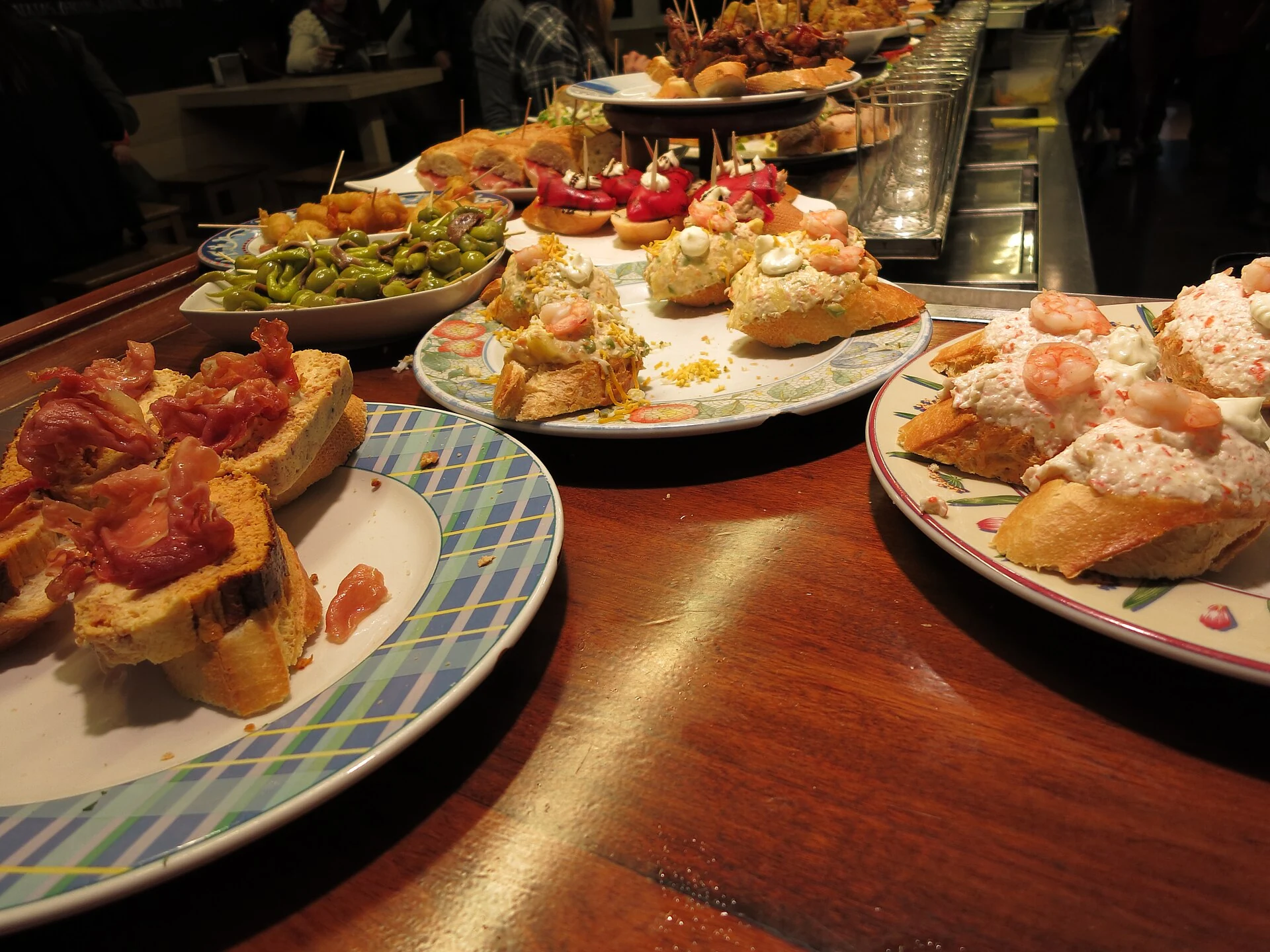
San Sebastián combines ambitious restaurants with a food culture that remains social and street-level. Its tourism office describes Basque cooking through high-quality seasonal produce from the Cantabrian Sea, gardens and pastures. Pintxos are not appetisers before the “real” dinner: going from bar to bar, ordering one or two pieces at each stop, is a complete local ritual.
This is the choice for travellers who want fish, grilling, sauces and produce to feel legible rather than theatrical. The coast and compact centre keep the trip sensual without constant logistics.
Place the longest restaurant experience at lunch, then walk and use the evening for pintxos. A bar route works best with restraint: one speciality, one drink, then move on. Groups should not occupy a crowded counter while debating a large order. The Old Town is only one chapter; Centro, Gros and Antiguo broaden the picture.
Three nights can work, four are better if a coastal excursion or winery is included. Driving after a tasting is not an elegant plan; arrange a vehicle and guide.
Singapore: luxury and hawker culture
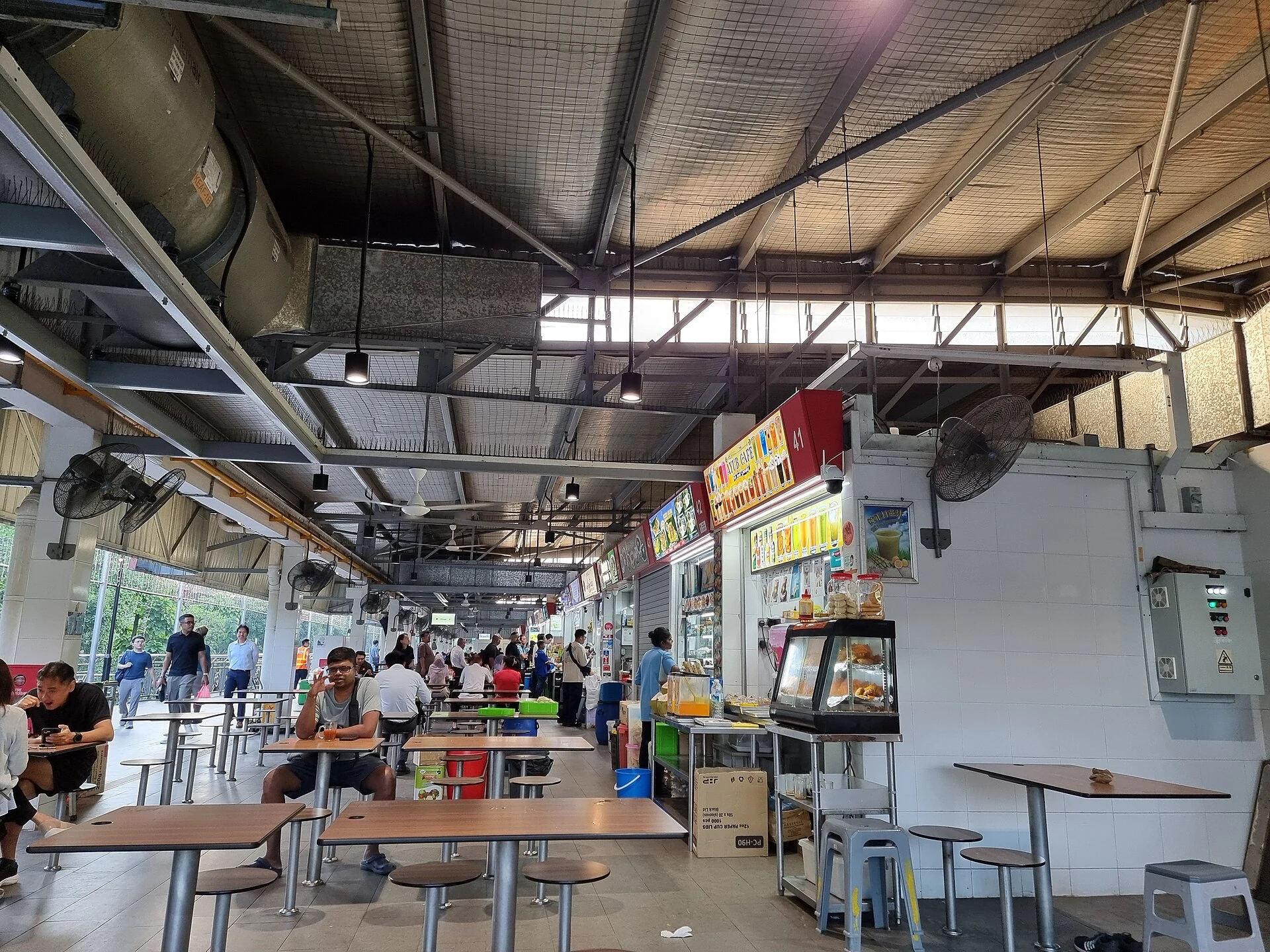
Singapore offers the greatest contrast in a small area. The Singapore Tourism Board presents Michelin-recognised and ambitious restaurants alongside hawker centres, bars and local dishes shaped by Chinese, Malay, Indian and Peranakan histories. Chicken rice, laksa or a hawker breakfast are not budget substitutes for fine dining. They are central to understanding the destination.
Comfort matters in tropical heat. Build each day by neighbourhood, allow a return to the hotel, and do not put formal clothes through a long outdoor transfer immediately before dinner. Dempsey, the Civic District, Chinatown, Little India and Kampong Gelam create distinct combinations of food and place.
Go outside the sharpest lunch rush, carry a small packet of tissues for table reservation customs, and order across several stalls only when the group can finish everything. Queues can signal a speciality, but the longest queue is not automatically the right one for your taste. Hygiene grading, allergies and religious dietary requirements deserve the same attention as in a restaurant.
Three nights reveal the contrast; five allow a more generous pace. The city is also an intelligent stopover because it can deliver a coherent food journey without a domestic flight.
Lima: Peru's landscapes without palate fatigue
Lima's modern cooking draws from the Pacific coast, Andes and Amazon, as well as Indigenous, Spanish, African, Chinese and Japanese histories. That breadth is the point. Ceviche is not merely a fashionable dish: UNESCO inscribed the practices and meanings associated with its preparation and consumption as intangible cultural heritage in 2023, recognising a tradition connected to regions across Peru.
The city suits curious diners who want ingredients, acidity and biodiversity to drive the narrative. It deserves three or four nights rather than a late arrival before an early flight to Cusco.
Ceviche belongs naturally at lunch, when the day and the product are fresh. Place a long contemporary menu on another day. Miraflores, Barranco and San Isidro are the most practical bases for many first visits, but restaurant geography should decide the final hotel. Traffic can turn a short distance into a poor pre-dinner experience.
If the journey continues to altitude, do not schedule the most demanding menu immediately after arrival in Cusco. Lima is not acclimatisation, but it is the better place to eat ambitiously before the body's response to altitude is known.
One major tasting menu every 48 hours
For most travellers, one long menu every two days is the upper useful rhythm. Appetite, sleep, alcohol and attention all deteriorate when prestige dinners are stacked. A restaurant can be excellent and still be the wrong reservation for the third consecutive night.
Alternate intensity: tasting menu, neighbourhood lunch, free evening, market, then another anchor meal. Arrival night should never carry a non-refundable culinary obligation after a long-haul flight. A delay should cost neither the restaurant nor the traveller an anxious start.
Reservations are part of travel risk management
Record release date, local booking time, deposit, cancellation window, dress code, menu length, dietary agreement and late-arrival policy. Reconfirm shortly before travel. A concierge request is not a confirmation, and a famous hotel cannot manufacture inventory.
Allergies require precise written communication and explicit acceptance by the restaurant. “No seafood” is different from a life-threatening shellfish allergy. Never ask a kitchen to promise safety after arrival when it has already said the menu cannot be adapted.
Where the hotel belongs in a food journey
The best hotel protects the programme. It offers reliable concierge follow-through, early coffee when breakfast is elsewhere, a calm room after dinner and a location that shortens the most important transfers. A celebrated hotel restaurant is valuable only if it adds a distinct experience rather than duplicating the rest of the trip.
For a split-city journey, combine places with different grammars and sufficient time: Paris and Copenhagen, Tokyo and Singapore, or Lima with a longer Peru itinerary. Two-night city hopping produces more packing than insight.
The Deluxetargets recommendation
Choose Tokyo for craft and depth, Paris for the most complete range, Copenhagen for a concise contemporary thesis, San Sebastián for produce and sociability, Singapore for multicultural contrast, and Lima for biodiversity and creative momentum. Then reserve fewer tables than instinct suggests.
We would build a four- to six-night programme around one anchor reservation, one product-led lunch, one informal evening and genuine space for the city. The purpose is not to consume the maximum number of famous meals. It is to return with a precise understanding of why this place tastes like nowhere else.