
The honest shortcut
A helicopter can turn an awkward mountain, island or cross-city connection into a clean arrival. It can also replace a comfortable car with waiting, baggage restrictions and a fragile weather plan. The only useful comparison is door to door, operated by an identified and properly authorised carrier.
Flight time is the least interesting number
A twelve-minute sector may sound decisive, yet the guest still has to reach the departure site, report, complete a briefing, load bags, wait for clearance and travel from the landing point to the hotel. The chauffeur alternative begins at the terminal door and may end at reception without another handover.
Build two timelines from the same starting point to the same room. Include realistic airport exit, traffic by day and hour, check-in, security or border formalities, loading, flight, unloading and final car. Only the difference between those totals is the time saved.
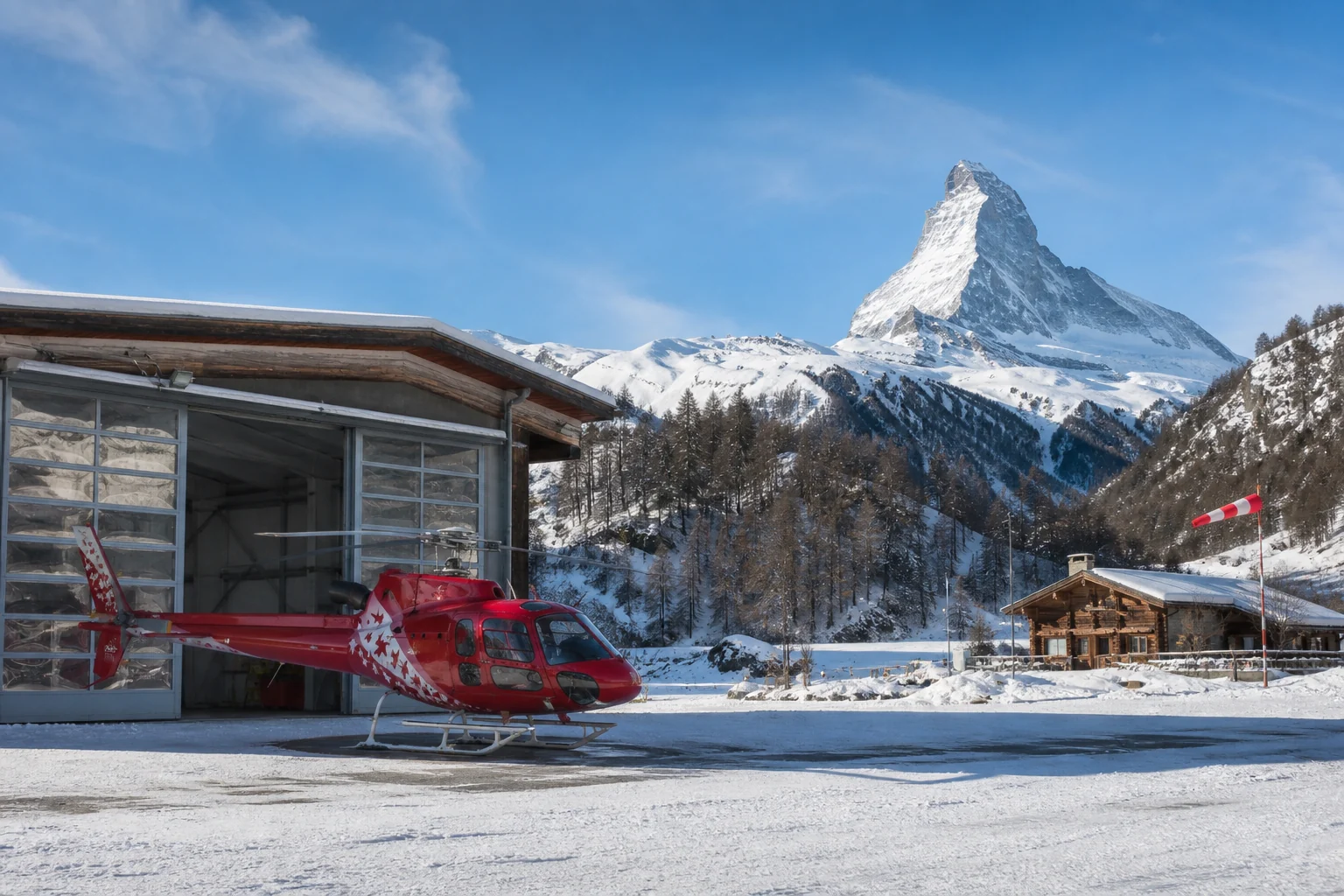
A helicopter is powerful when geography is genuinely difficult
Mountain roads, ferries, peninsulas, islands and congested urban corridors can create disproportionate ground time. If departure and arrival pads sit close to the guest’s real route, a helicopter can protect an afternoon, avoid a tiring switchback drive or make two remote properties fit without losing a day.
The benefit is strongest when the transfer removes friction rather than merely changing its style. A family arriving after a long-haul flight may value forty calm minutes in a car more than three hurried handovers for a spectacular approach.
A resort-branded arrival can look compelling in a brochure even when the helipad sits far from the airport or hotel. Add a dedicated road transfer at each end, early reporting and uncertain weather, and the supposed shortcut may save little. The guest has paid for an image, not time.
The same applies when luggage travels separately and arrives later, or when a group must split into several rotations. A glass of champagne beside the aircraft does not compensate for waiting at the room without clothes or travelling companions.
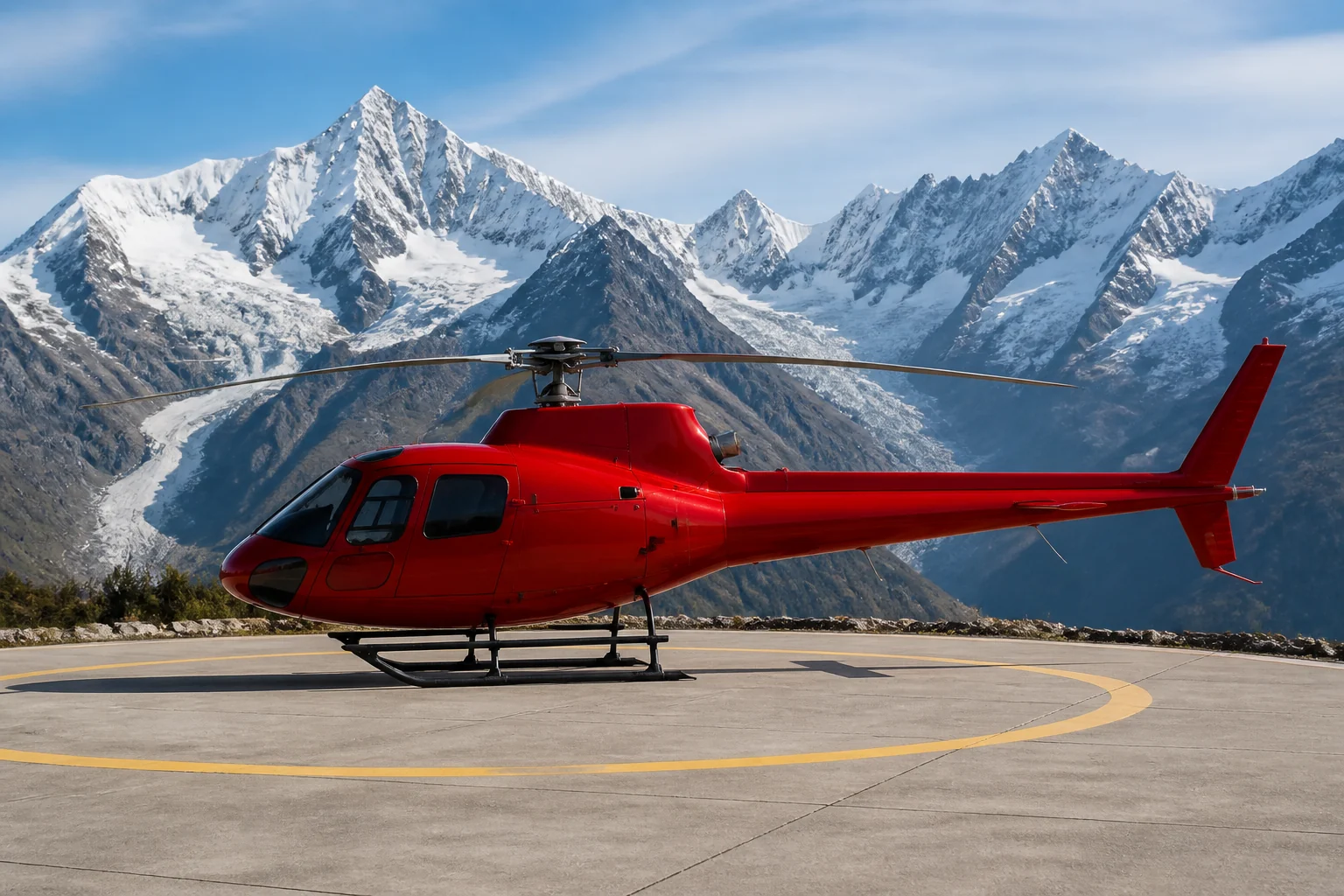
Departure point, helipad, operator and aircraft
“From the airport” may mean an apron position, general-aviation terminal, heliport across the field or an off-airport pad reached by car. Each has different handling, access and reporting. International arrivals may still need immigration, baggage reclaim and customs before transferring to the helicopter.
Request the exact meeting point and host responsibility. Who monitors the inbound flight, escorts the guest, handles a delayed bag and communicates a revised departure A premium transfer is an operational chain, not just an aircraft booking.
Landing permission depends on national rules, site approval, obstacle clearance, noise restrictions, fire and rescue arrangements, aircraft suitability and operating hours. Switzerland’s FOCA distinguishes regulated mountain and off-airport landing contexts; every destination has its own competent authority.
Ask whether the hotel has an approved permanent site, uses a nearby public heliport or arranges a specific off-site landing. “Direct to the hotel” should state where the passenger actually steps out and how many road minutes remain.
A hotel, concierge or charter platform may arrange the journey without operating the aircraft. EASA explains that commercial air transport sits within an operator-certificate framework. The proposal should identify the actual carrier, relevant authorisation, aircraft and contracting party—not only a luxury brand at the top of the invoice.
Insurance, safety oversight, operational control and cancellation responsibility follow the real arrangement. A polished booking interface is not evidence. If the operator can change, the contract should explain the standard that any substitute must meet and whether the guest can decline.
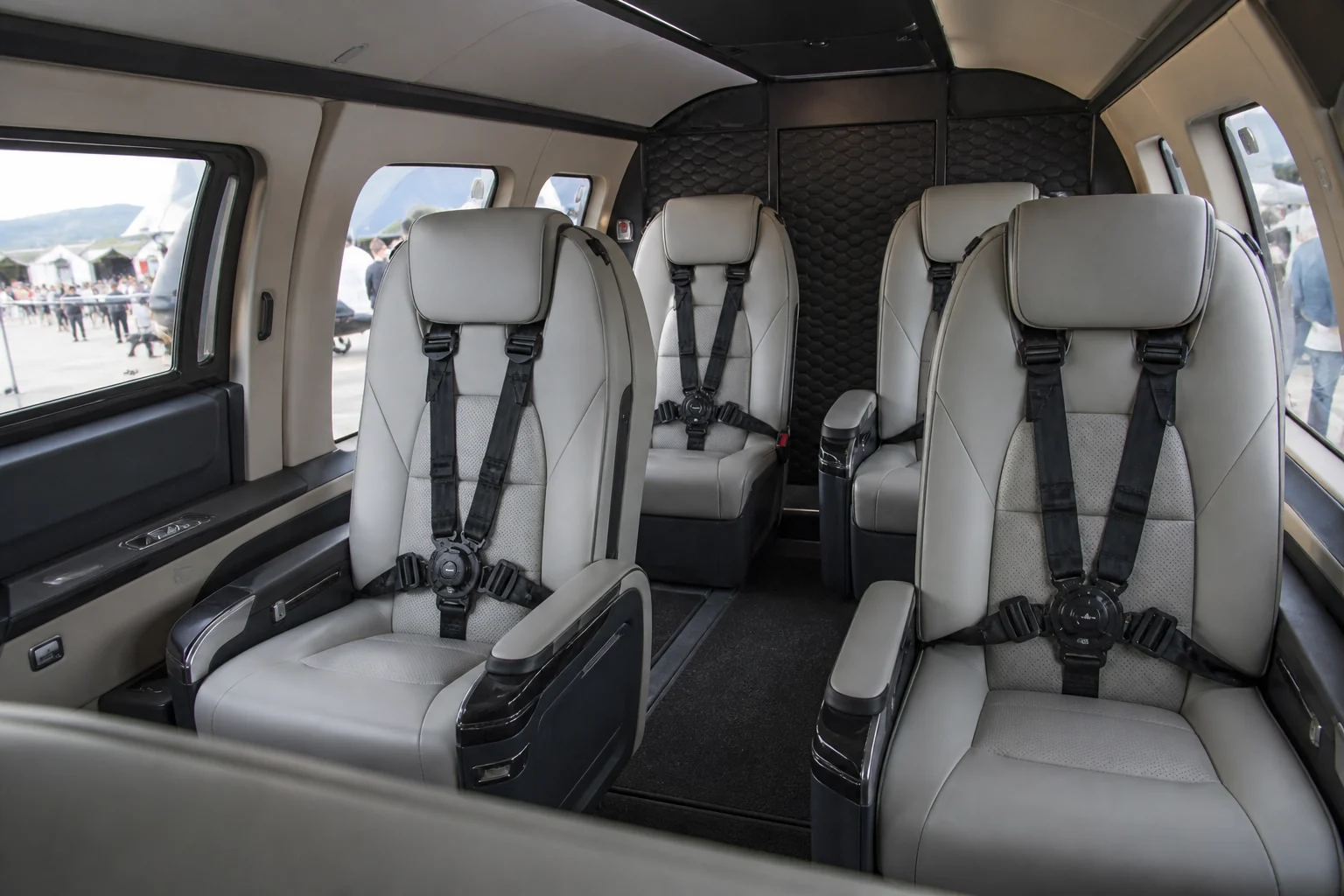
Cabin size, doors, seat layout, noise, baggage volume, range and all-weather capability vary materially. A photograph of one twin-engine helicopter should not illustrate a quote for another type. Even within the same model, configuration can differ.
The operator chooses the aircraft and determines whether it is suitable for route and conditions. An advisor can ask why the type was selected, whether all passengers sit together and how the cabin works for mobility or anxiety. They cannot turn a performance decision into a cosmetic upgrade.
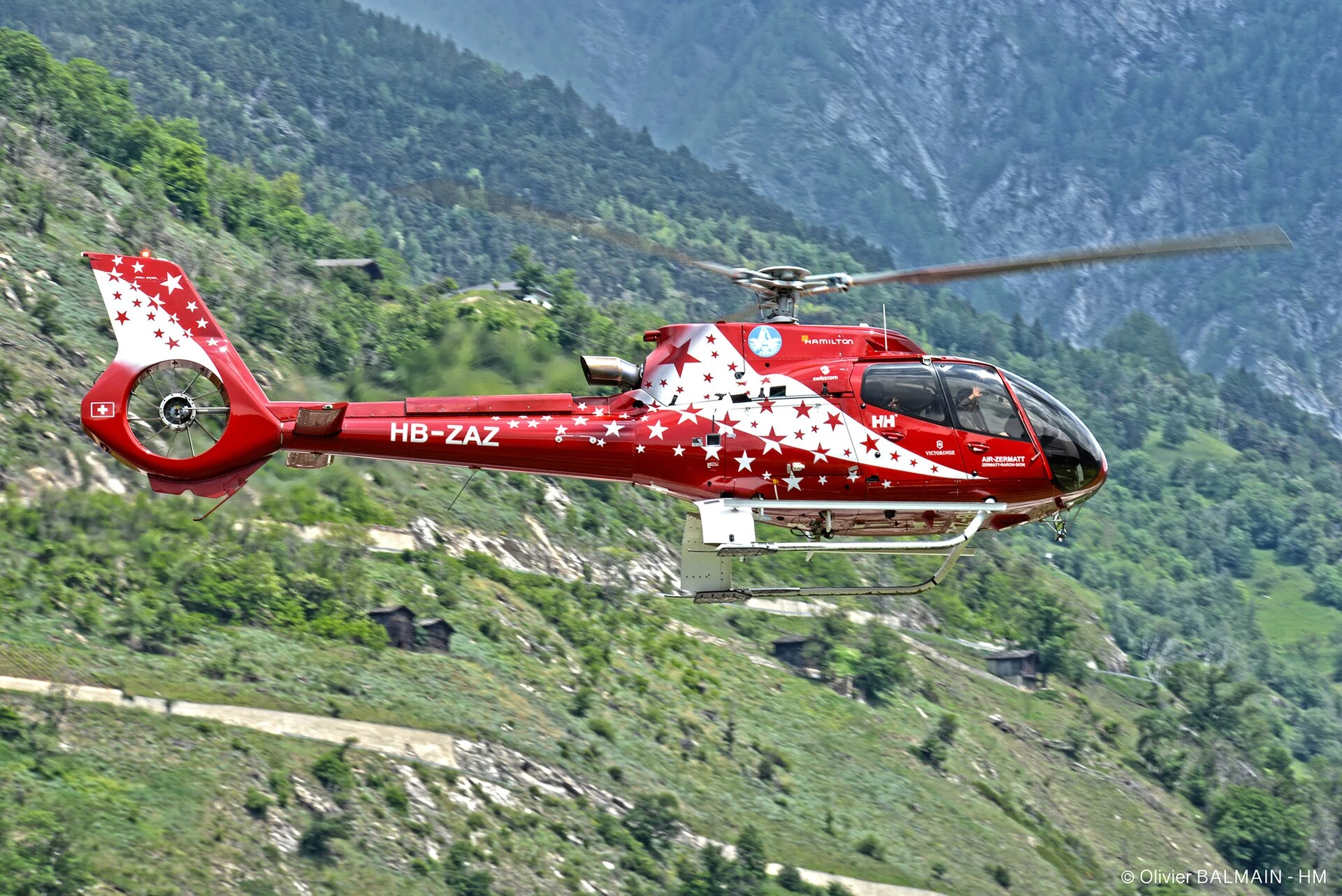
Weight, baggage and group size are flight data
Passenger mass, bags, fuel, altitude and temperature interact in aircraft performance and weight-and-balance calculations. EASA’s work on passenger weights illustrates why mass belongs to operational planning. The operator may require accurate individual weights and can revise load or seating.
Confirm bag count, soft or rigid format, dimensions, camera cases, sports equipment and cabin items. “One suitcase per person” is too vague. If excess baggage travels by road, identify the collection time, custodian and expected delivery to the room.
A couple may fit one movement; a family, friends and staff can exceed seats or payload. Two rotations introduce waiting and a decision about who flies first. Separate aircraft increase cost and coordination, while children may need to remain with a specific adult.
Compare the group’s total arrival, not the first passenger’s landing. If half the party reaches lunch while the rest remain at the heliport, the transfer has not delivered a shared luxury experience.
Weather, mountains, daylight and operating hours
Cloud, visibility, wind, thunderstorms, icing risk and local terrain can alter or cancel a flight. Capability depends on aircraft, operator, route, approvals and infrastructure; it is unsafe to claim that “this helicopter flies in all weather”. The pilot and operator make the decision.
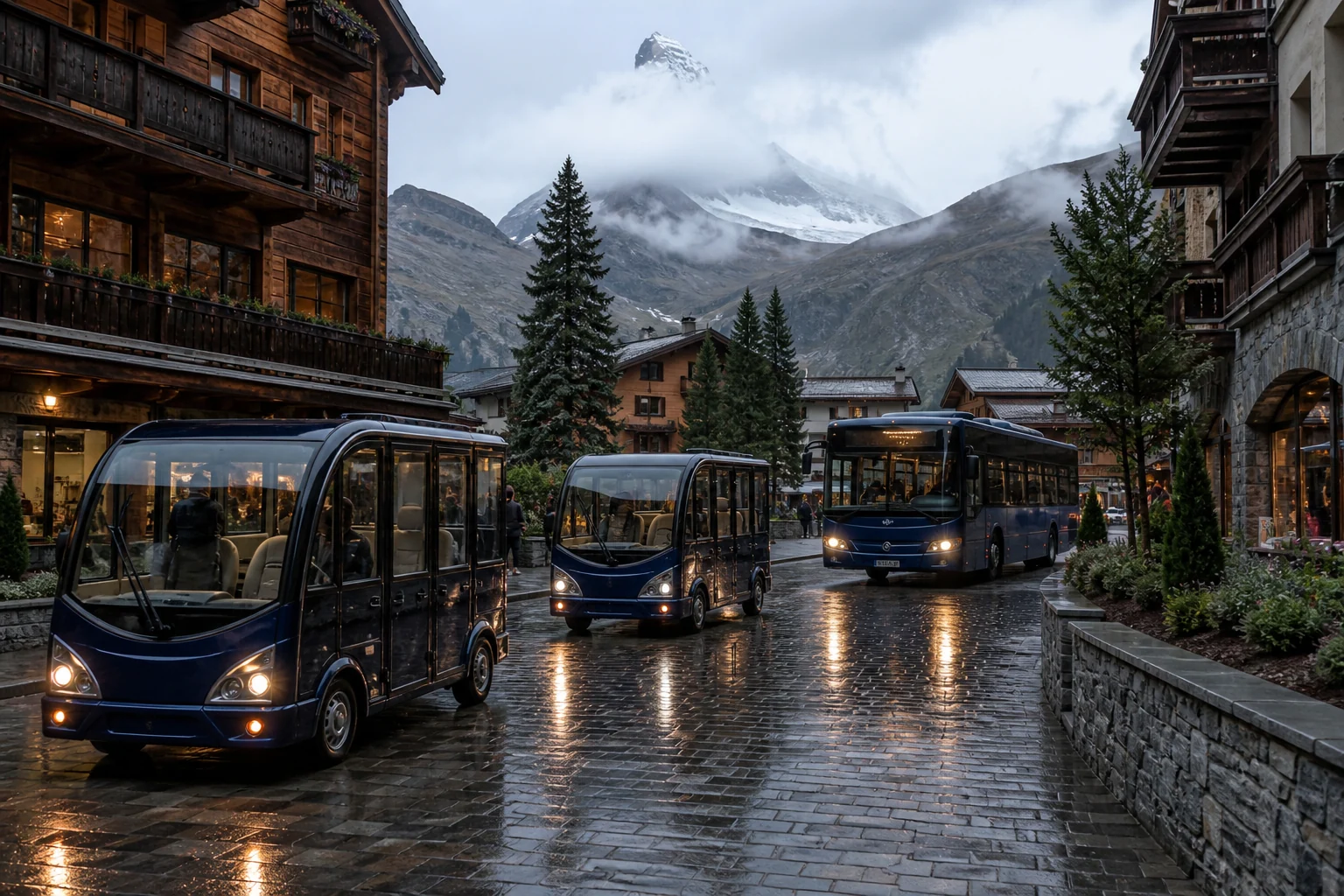
Guests need a useful forecast process and a decision time. When will the go/no-go call be made, who informs the chauffeur alternative and how long does road repositioning take Pressure from a hotel check-in or international connection must never influence the safety decision.
Elevation, heat, wind, valley geometry and rapidly changing cloud make mountain operations distinct. Payload that works at sea level may not be available at a high landing site on a warm afternoon. Luggage or passenger numbers can therefore change after an apparently firm quote.
A mountain panorama is a benefit, not proof of suitability. The operating carrier must plan performance and landing conditions. Guests should understand that an alternate valley heliport followed by car may be the correct professional decision.
A late long-haul arrival, immigration queue or delayed bag can move the sector beyond heliport or hotel operating hours. Some routes and sites may have daylight or noise constraints. These are operation-specific; no universal cut-off should be copied from a previous trip.
The itinerary needs a latest workable handover time and a trigger for ground transport. Waiting until the last possible minute can leave both helicopter and preferred chauffeur solution unavailable.
Border and connection need additional margin
An international helicopter sector may require an approved point for customs and immigration. The ability to fly physically from one hotel region to another does not mean passengers can legally enter there. Passports, visas, declarations and baggage controls remain relevant.
The quote must show where formalities occur and whether the guest disembarks or changes vehicles. A route that looks direct on a map may require an intermediate landing, reducing the advantage substantially.
Private aviation does not make an airline wait. Weather, technical issues, a late incoming aircraft or site restriction can break the chain. A helicopter scheduled to deliver guests just before long-haul check-in creates a high-consequence dependency.
Work backward from the airline’s real acceptance deadline and add a ground fallback that can still reach it. For critical departures, an airport hotel or earlier repositioning may be more luxurious than gambling the final day on perfect conditions.
Ground fallback and cancellation terms allocate risk
“A car can be arranged” is not a plan. The correct vehicle, driver, child seats, luggage capacity and route need to be reserved or contractually callable at the decision time. In snow, island peak season or a major event, last-minute supply may be thin.
Decide whether guests start by road immediately when the flight cancels or wait for a later weather window. The answer depends on what follows. The advisor, operator and hotel must share one chain of communication.
Read weather cancellation, delay, diversion, aircraft substitution and no-show terms. Does the client receive a refund, credit or only the unused portion Who pays for the replacement car What happens when the helicopter operates but the inbound airline is late
Travel insurance should be checked for the actual private-flight arrangement and downstream loss. A generic “trip delay” benefit may not respond as assumed. The financial plan deserves the same attention as the flight plan.
Safety briefing and cabin comfort without theatre
The FAA’s helicopter guidance emphasises passenger briefing and safe ground procedures. Approach, boarding, seat belts, doors, headsets, loose items and emergency actions follow crew instructions. Passengers never walk around the aircraft independently or pursue a better photograph near moving rotors.
Hats, scarves, umbrellas and unsecured phones can become hazards. Hotel staff and photographers also remain outside the operational zone unless directed. A professional arrival may look less cinematic precisely because safety has removed the choreography.
Helicopters can be noisy, compact and subject to vibration and motion. Headsets help communication but do not turn every cabin into a quiet jet. Large guests, anxiety, motion sensitivity and difficulty bending into a seat should be discussed discreetly.
Ask about seating, door width, step height, climate control and whether a forward-facing seat can be requested but not guaranteed. A scenic route is not valuable if the passenger spends it distressed.
Children, mobility and pets need operator confirmation
Child-restraint requirements, minimum ages, seating and adult accompaniment vary with rules and operator policy. Reduced mobility affects approach to the aircraft, boarding and emergency egress. Wheelchairs may exceed baggage space even when the passenger fits comfortably.
Pets introduce carrier, restraint, noise and destination requirements. Nothing should be assumed from a private-car experience. The actual operator confirms each need in writing before the service becomes non-refundable.
Noise and environmental cost belong in the decision
A helicopter uses energy, creates noise and can affect communities, guests and sensitive landscapes. Without route-, aircraft- and occupancy-specific data, neat emissions claims are misleading. The honest position is that a private short flight carries a meaningful impact and should earn its place through substantial utility.
One efficient transfer may be more defensible than a scenic detour or arrival performed only for spectacle. Local restrictions and quiet hours deserve respect even when a wealthy guest would pay to override the rhythm of a place.
Cost should be compared per solved problem
The quote may include positioning flight, landing fees, waiting, handling, taxes, private terminal, ground transfers and empty return. Price per airborne minute hides most of the economics. A one-way request may still pay for aircraft repositioning in both directions.
Compare against chauffeur, train, scheduled flight, fast boat and an extra night. Then value the hours actually preserved. Sometimes the helicopter protects a rare afternoon and is worth every franc; sometimes a first-class train and excellent car create the more civilised journey.
The final decision fits on one operational page
List exact endpoints, door-to-door time, operating carrier and approval, aircraft, passenger and baggage assumptions, formalities, latest departure, weather decision, ground fallback, cancellation terms and total price. Add the time and cost of the best non-helicopter alternative.
Use realistic ranges rather than one perfect-case minute, and name the person who can activate the fallback without asking the guest to coordinate several suppliers.
If the helicopter still saves meaningful time and the fallback protects the trip, it is a legitimate luxury tool. If the case depends on ignoring waiting, luggage or weather, it is theatre. The most sophisticated arrival is not always the one heard from furthest away.