
Marble, hushed corridors and a white coat reveal surprisingly little about how medical a retreat really is. Wellness spas, medical spas and clinic hotels differ in licensing, accountability, diagnostics and follow-up. The discerning choice is therefore not the programme with the longest treatment list. It is the setting whose level of care actually matches the reason for travelling.
The difference lies in accountability and purpose
“Medical spa”, “health resort”, “longevity clinic” and “clinic hotel” are not used consistently across borders. One property may be a licensed healthcare establishment, another may host visiting doctors, while a third simply dresses a wellness menu in medical language. Local law and the services actually delivered matter more than branding. The title alone proves neither authorisation as a healthcare provider nor competence for a particular test or treatment.
A wellness spa supports relaxation and wellbeing. Depending on the jurisdiction, a medical spa may combine natural therapeutic resources or physician-led services with hospitality. A clinic hotel places clinical care closer to the centre and adds hotel comfort around it. The dividing line is not a robe, restaurant or room category. It is medical leadership, indication, informed consent, records, emergency response and continuity after departure.
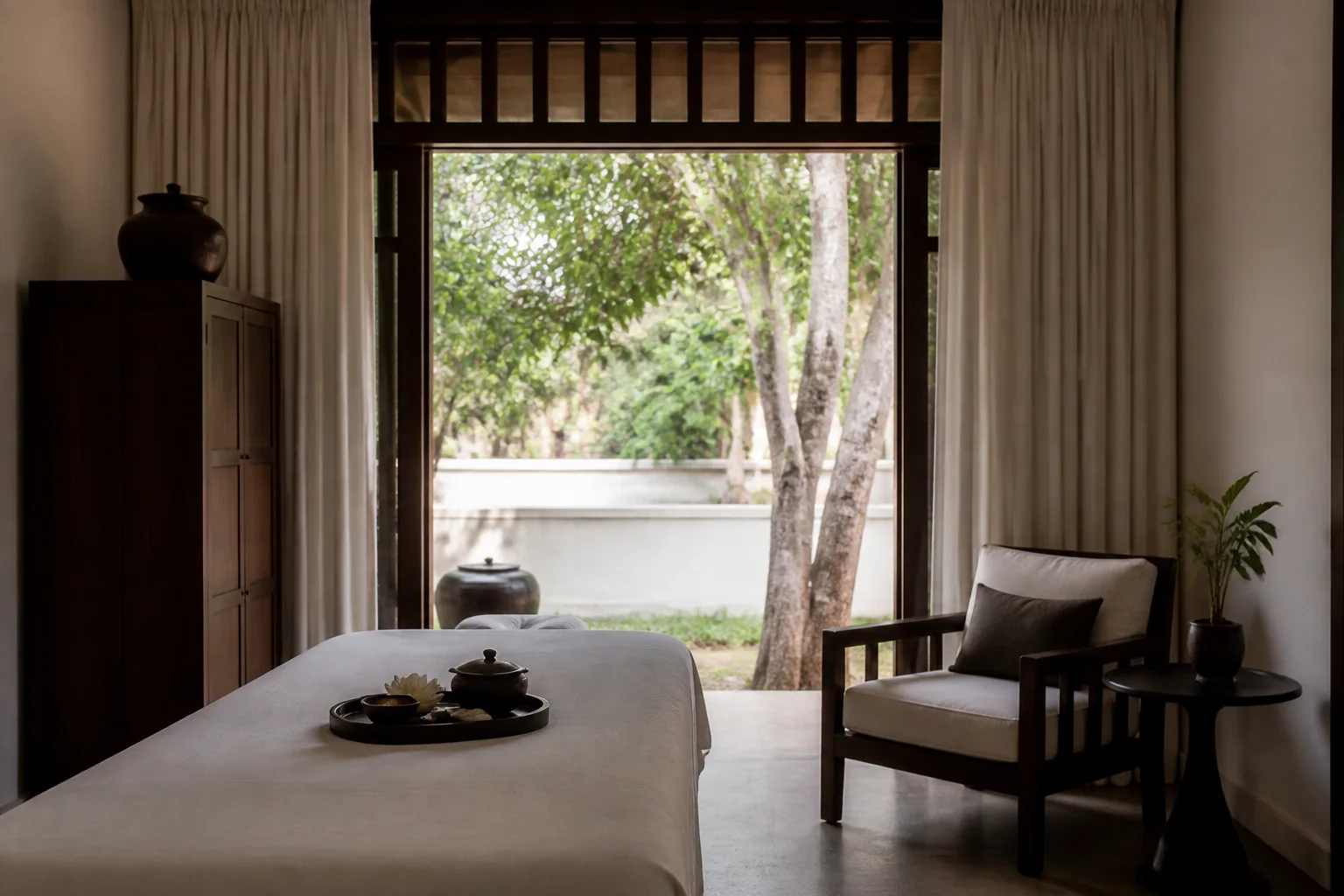
ISO 21426:2018 applies to medical spas using natural healing waters, other than seawater, and other natural resources. It sets service-quality requirements, explicitly excludes decisions belonging to the medical profession, and does not apply to thalassotherapy or wellness centres. That scope is narrower than popular usage, which now covers everything from IV drips to aesthetic medicine. An ISO reference is useful context, not a substitute for examining the actual medical service.
ISO 17679:2016 defines service requirements for wellness spas and distinguishes them from medical spas. A fine wellness hotel can organise sleep, movement, massage, bathing, nature and balanced food exceptionally well without diagnosing disease. For a healthy but depleted traveller, that may be exactly right. The problem begins when comfort is marketed as treatment, or when a retreat suggests that it can replace medical assessment that should happen at home.
“Clinic hotel” is not a universally protected term either. It becomes credible when responsibility is visible: who admits the guest, establishes an indication, interprets results, remains available outside consulting hours and transfers a patient if care escalates Nursing, medication systems, hygiene, laboratory pathways and complete records also matter. Beautiful rooms may make care more humane. They do not create clinical infrastructure.
The first question is not “Which package includes most?” but “Why am I travelling?” Recovery from an intense work period, weight management, a second opinion, rehabilitation and an aesthetic procedure require entirely different systems. The more clinical the objective, the less the trip can be booked like an ordinary resort stay. Acute, unexplained or worsening symptoms belong first with an appropriate clinician close to home.
Preventive programmes range from exercise, sleep and nutrition to laboratory panels, imaging and genetic analysis. More data does not automatically produce better care. Every test should answer a defined question, carry an explanation of its limitations and lead to a clear pathway if it returns an incidental or abnormal result. Serious providers also explain what they do not recommend. A vast diagnostic menu without coherent clinical reasoning is not a mark of quality.
Team, consent and emergency route must fit the intervention
Ask for the names, specialties, licences and actual on-site presence of the doctors responsible. A scientific board, visiting consultant or celebrated medical director may add value, yet says little about who will see a guest during a particular week. Qualifications should be checked in the relevant national or regional professional register.
The important detail is not simply whether a doctor is associated with the property, but who holds responsibility for each proposed service.
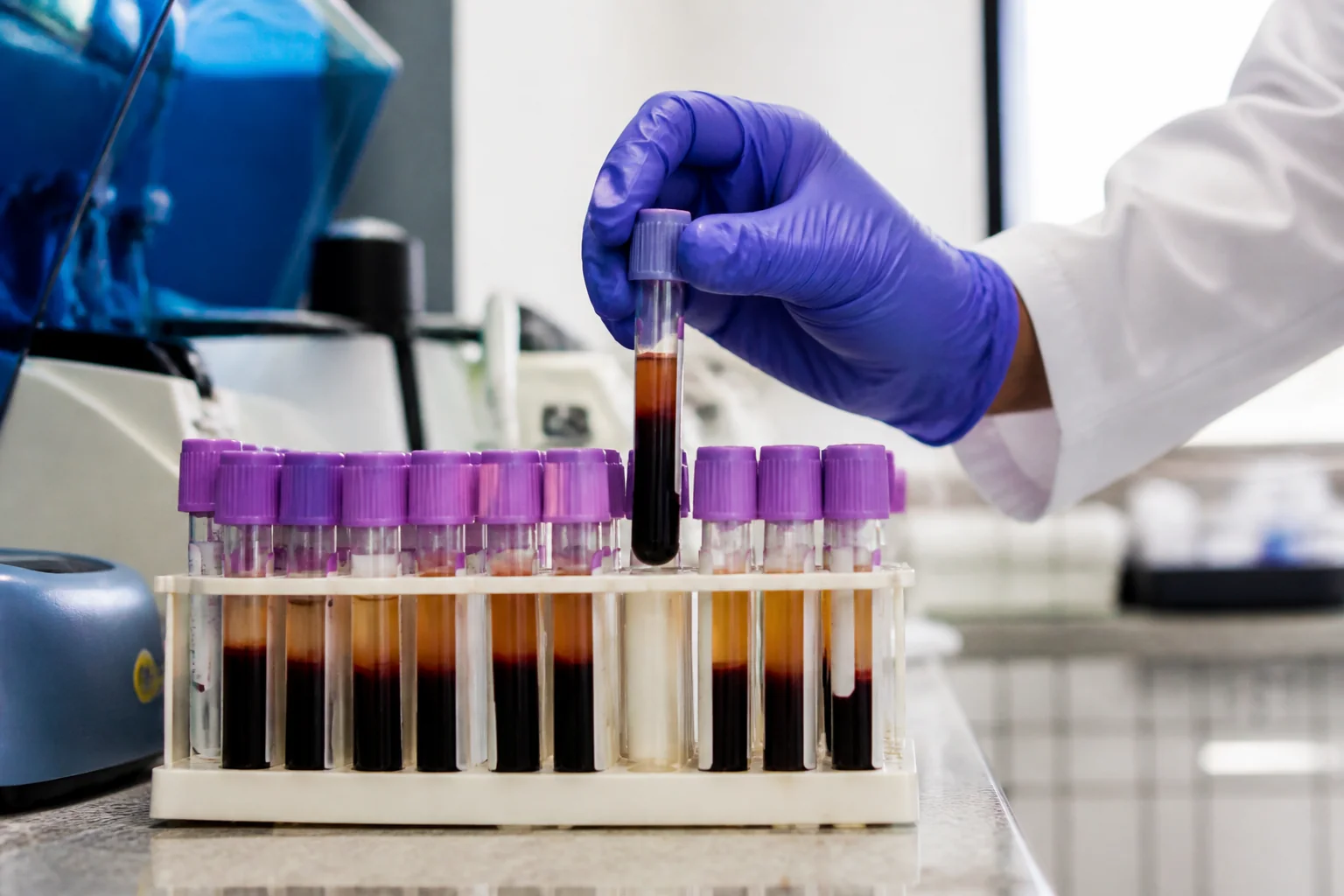
Doctors are only one part of the picture. Nursing, physiotherapy, psychology, dietetics, sports science, coaching and spa therapy have different training and professional boundaries. Who draws blood, supervises an exercise test, administers an infusion or adjusts a plan after an adverse response Strong establishments answer without blurring licensed healthcare professionals, coaches and hospitality staff. Competence should follow the procedure, not the prestige of the building.
A programme should not discover at check-in that medication, pregnancy, cardiovascular disease, disordered eating, psychological distress or recent surgery may be relevant. The more intensive the fasting, heat exposure, exercise or invasive treatment, the more important qualified screening becomes. Screening is not personal medical advice, but it reveals whether a provider takes risk seriously or simply places every guest into the same polished itinerary.
Before a medical service, purpose, alternatives, material risks, limitations and price should be explained in language the guest understands. Complex decisions should not depend on improvised translation or a sales host. There must be time for questions and a genuine ability to decline an intervention without compromising the rest of the stay. Informed consent is an ongoing clinical exchange, not a form slipped into a stack of spa paperwork.
Establish whether laboratory work and imaging are performed on site or externally, under which quality systems, and who takes clinical responsibility for the report. Then ask the harder question: how is an unexpected value confirmed, prioritised and transferred into care An elegant dashboard can display hundreds of markers and still provide little guidance. The value lies in sound interpretation and a proportionate next step, not the volume of collected data.
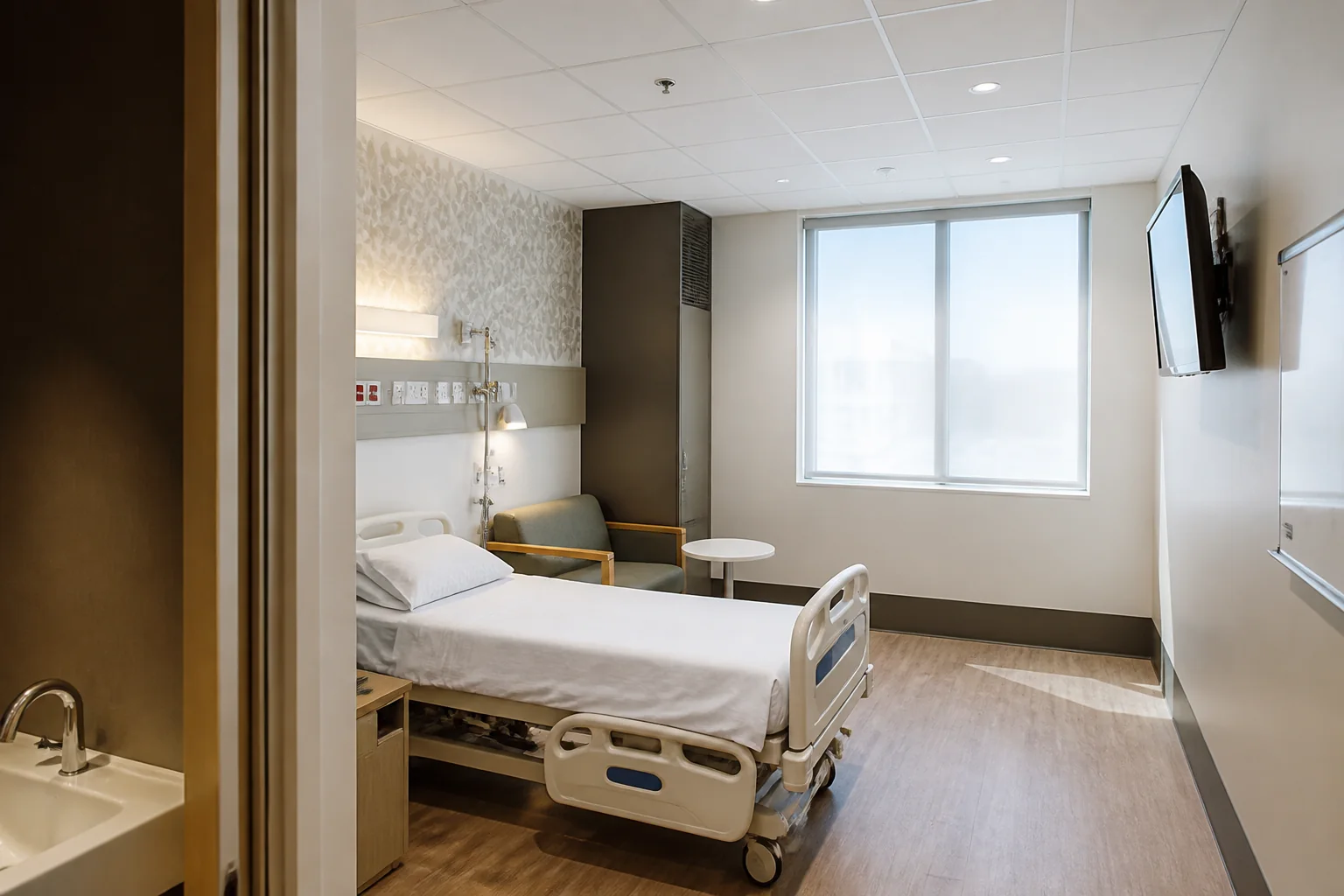
Once skin is penetrated, a drug administered or a medical device used, requirements for competence, hygiene, consent and emergency preparedness rise. The WHO identifies medication errors and healthcare-associated infections among common sources of avoidable harm. IV drips, injections and aesthetic procedures should never be treated as casual menu additions. Suitability, evidence, authorisation and risk belong in an individual discussion with appropriately qualified medical staff.
Where is the nearest suitable hospital How long does transfer take, who makes that decision and is qualified support available around the clock Does the establishment maintain defined escalation protocols, resuscitation equipment and safe medication processes A mountain, island or desert setting may be beautifully restorative while slowing access to higher-level care. Location must therefore be weighed against medical history, programme intensity and regional infrastructure.
Recognised accreditation can show that processes, competence and safety systems have undergone external review. It must be current and apply to the exact site and service in question. The CDC specifically notes that accreditation does not guarantee a positive result in medical travel. Verify the clinician, local licence, infection controls, follow-up and planned intervention as well. A footer badge should open a line of enquiry, not end it.
Privacy and personal limits are clinical quality
Health information is exceptionally sensitive. Before sending records, establish whether data travels through a hotel portal, clinical platform or ordinary email; where it is stored; and who may access it. Can reports be shared securely with a home physician, exported or deleted Will biological samples or data be retained for research or commercial analysis Discretion is more than a private entrance. It is meaningful control over one’s medical information.
Prescription medicine should never be paused, replaced or “cleansed” without qualified medical direction. A responsible property asks in advance for active ingredients, doses, allergies and material interactions, then states who could authorise a change. Brand names vary internationally, so a list of generic names is useful. Sufficient supplies in original packaging, prescriptions and required travel documentation should remain accessible in hand luggage, including an allowance for disruption.
“Detox” is marketing language, not a precise diagnosis. Severe calorie restriction, fasting, laxative regimes, heat or intense exercise may be unsuitable for some people. Serious programmes publish exclusions, monitor response and adapt when tolerance or findings require it. Luxury should not be measured by hardship. For many travellers, sleep, regular meals and moderate movement form the safer and more sustainable reset.
Stress, burnout language and sleep difficulty are often bundled together in wellness marketing, but they are not invariably benign lifestyle concerns. Depression, anxiety, trauma, addiction or acute crisis require qualified psychological or psychiatric care and a clear emergency route. A coach, meditation teacher or spa therapist cannot replace that expertise. Any programme that deliberately opens emotional material should know how to support it safely and when to refer onward.
Injectables, lasers, sedation or surgery turn a spa holiday into medical travel. Sterile practice, product authorisation, specialist qualifications, complication management and realistic recovery time take precedence. Sun, swimming, exercise, sauna and flights may all be restricted. The CDC also highlights infection, communication and post-procedure air-travel risks. A desirable suite and attractive destination must not disguise those practical limits.
Follow-up, liability and price belong together
Who answers questions after the guest returns, in which language and within what response time Will the traveller receive results, images, a medication list and an intelligible discharge summary Is a clinician at home involved The CDC identifies continuity of care as a central risk in medical tourism.
Good planning therefore assigns responsibility for abnormal findings or complications before booking and makes the possible cost of further care visible.
Ordinary travel insurance may exclude planned treatment, resulting complications or a medically necessary extension. Ask specifically about cancellation, emergency care, evacuation and follow-up. Also identify the contracting party, governing jurisdiction and separation between accommodation, travel planning and clinical services. Deluxetargets can examine the travel architecture;
it cannot replace insurance advice or the direct medical disclosure owed by the provider and the traveller’s own physician.
Accommodation, the core programme and medical additions should be itemised. Laboratory work, imaging, specialist consultations, medication, supplements, repeat tests, transfers and extra nights may sit outside the headline rate. Ask what happens if a service proves unsuitable or is stopped, and whether unused appointments are refundable. A high package price does not prove clinical depth. A transparent, reasoned proposal is more valuable than a crowded list of inclusions.
Hotel comfort and empty time remain part of care
Once the clinical structure is sound, hospitality determines how liveable the stay becomes. Room acoustics, blackout, short routes, discreet service, flexible food and space for a companion may matter more than dramatic design. After testing or treatment, few guests want a long walk across a resort.
Restaurant and room service should support the plan without turning every meal into a public performance of being a patient.
Many programmes look impressive on paper and exhausting in practice. Consultation, diagnostics, exercise, heat, treatment and lectures in one day leave little room to register a physical response. Good teams prioritise and adapt rather than delivering every prepaid session regardless of condition. For a luxury traveller, unstructured time is not missing value; it is part of recovery, provided medically necessary appointments remain properly coordinated.
A partner is not automatically patient, carer and entertainment. Clarify which meals can be shared, whether activities may be booked independently and how consultations remain private. On more clinical journeys, visiting rules, overnight arrangements and a reliable contact matter. A thoughtful property includes companions without disclosing confidential information or quietly turning them into an unpaid extension of the aftercare team.
A long weekend may restore energy but rarely supports meaningful longitudinal assessment. Diagnostics require time for results and interpretation; rehabilitation or behavioural work depends on repetition. Yet a ten-day intensive programme is not automatically sustainable. Duration follows the question, clinical need and realistic follow-up. Arrival, departure and jet lag should not be counted as fully productive treatment days.
Some concerns are better assessed by a local specialist, followed by a holiday at an outstanding wellness hotel. That separates diagnosis from rest and keeps continuity nearby. A specialised clinic hotel may be appropriate when genuine expertise, coordinated diagnostics and a suitable environment coincide. The better journey is not the most medical one. It is the one that places the right competence in the right setting.
The questions that make a proposal credible
Who holds medical responsibility Which licence applies Who will treat me What is wellness and what is healthcare How are screening and consent handled Where do laboratory work and imaging take place How are medicines managed What happens in an emergency Which data is retained Who provides follow-up Which costs can vary What happens if a service is unsuitable Precise answers are more useful than awards, testimonials or celebrity names.
We separate hotel, programme and medical service; examine room logic, transfers, duration and companion needs; and request current information for the actual dates. Diagnosis, suitability and treatment decisions remain with qualified clinicians and the guest’s own doctor. Licensing, personnel, emergency pathways, costs, cancellation, data flow and follow-up are recorded as verification points. This creates a defensible shortlist rather than a ranking of supposedly best clinics.
The real difference between a medical spa and a clinic hotel is not aesthetic but organisational: who is accountable for care. As a programme moves towards diagnostics, medication or invasive intervention, licensing, clinical leadership, consent, safety and continuity become decisive. An excellent wellness hotel may confidently remain a wellness hotel. A medical establishment must demonstrate how it carries medicine. Only then should destination, suite and service influence the final choice.
Editorial note: This feature offers travel-planning context, not medical advice. Symptoms, diagnoses, medication and personal suitability for tests or treatment must be discussed with qualified healthcare professionals. Services, licensing, insurance and operational arrangements require verification for the specific establishment, jurisdiction and travel dates.