
There is no best island in the Caribbean. St Barth may be perfect for an energetic couple and entirely wrong for a family seeking uninterrupted beach days. Saint Lucia brings landscape, Anguilla restraint, Barbados a life beyond the hotel. Luxury begins not with a celebrated name but with a precise match between island, accommodation, rhythm and purpose.
The right island is a question of fit
Island lists reduce distinct journeys to beach colour and hotel stars. A more useful question is what the island must do for this trip. Is it meant to restore calm after a demanding year, provide social energy,
open access to nature or bring three generations together An island may contain exceptional hotels and still be wrong when every dinner involves a long drive or the chosen beach faces the prevailing wind. “Best” should mean not objectively superior, but least compromised for the people travelling now.
Imagine a Tuesday, not just an aerial view. Does it begin with a swim, a hike, a long lunch or no obligation at all Will guests barely leave the hotel or seek a different address each evening Does one child need shallow water, one adult tennis and another complete privacy Record three recurring moments that must work.
Flights, coast and accommodation can then be compared. The famous photograph loses its hold over decisions that need to survive daily life.
Ten islands, ten different daily lives
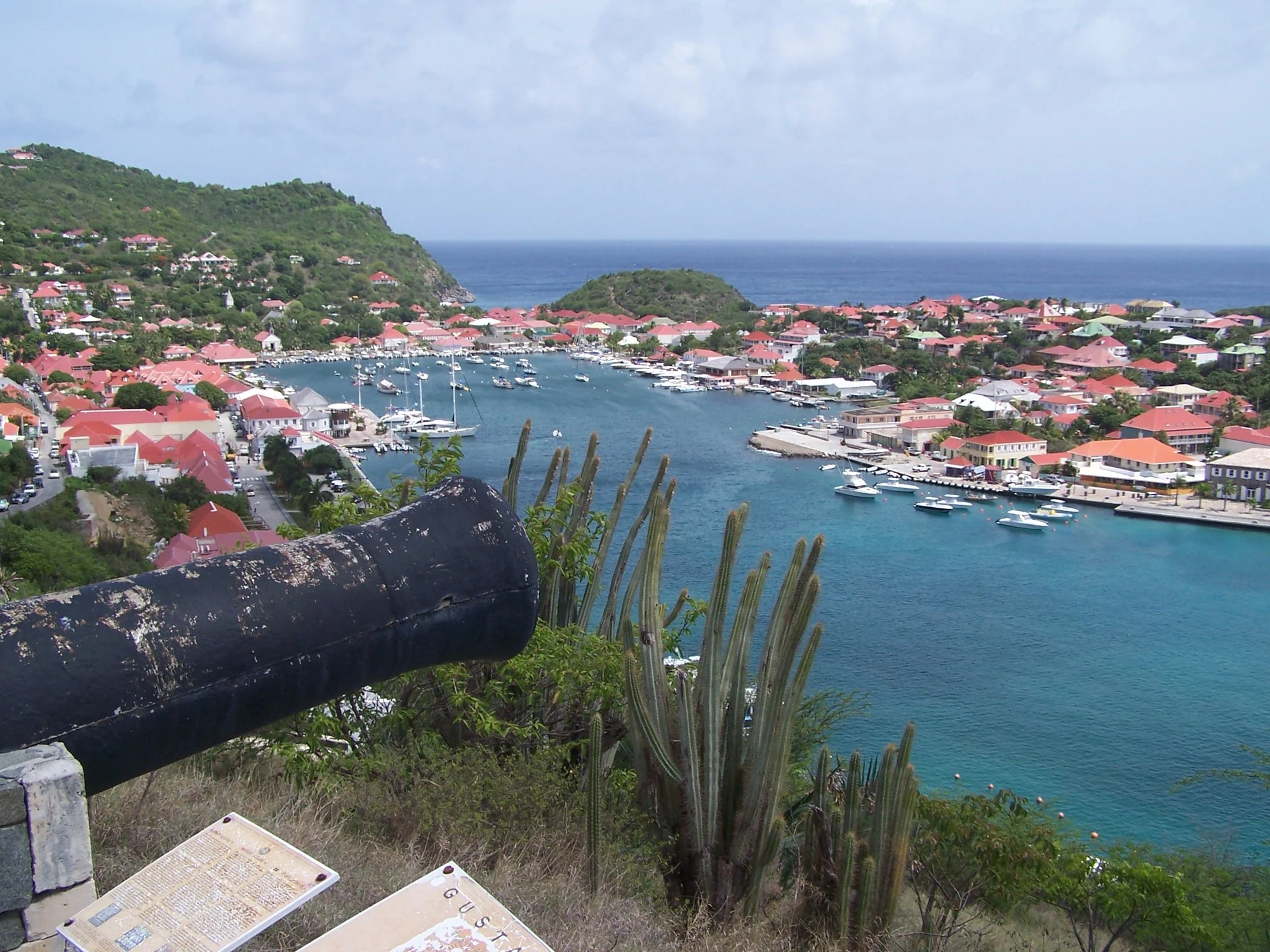
Saint-Barthélemy combines small coves, accomplished hotels, villas, shopping and dense restaurant life. It suits travellers who enjoy privacy in the morning and visible energy by evening. Festive season can be intense, costly and logistically exacting. Reservations structure the day more than the casual image suggests. Guests seeking total seclusion or spontaneous dining may find more calm elsewhere. Those wanting familiar standards, serious food and a compact social ecosystem understand why St Barth occupies its own category.
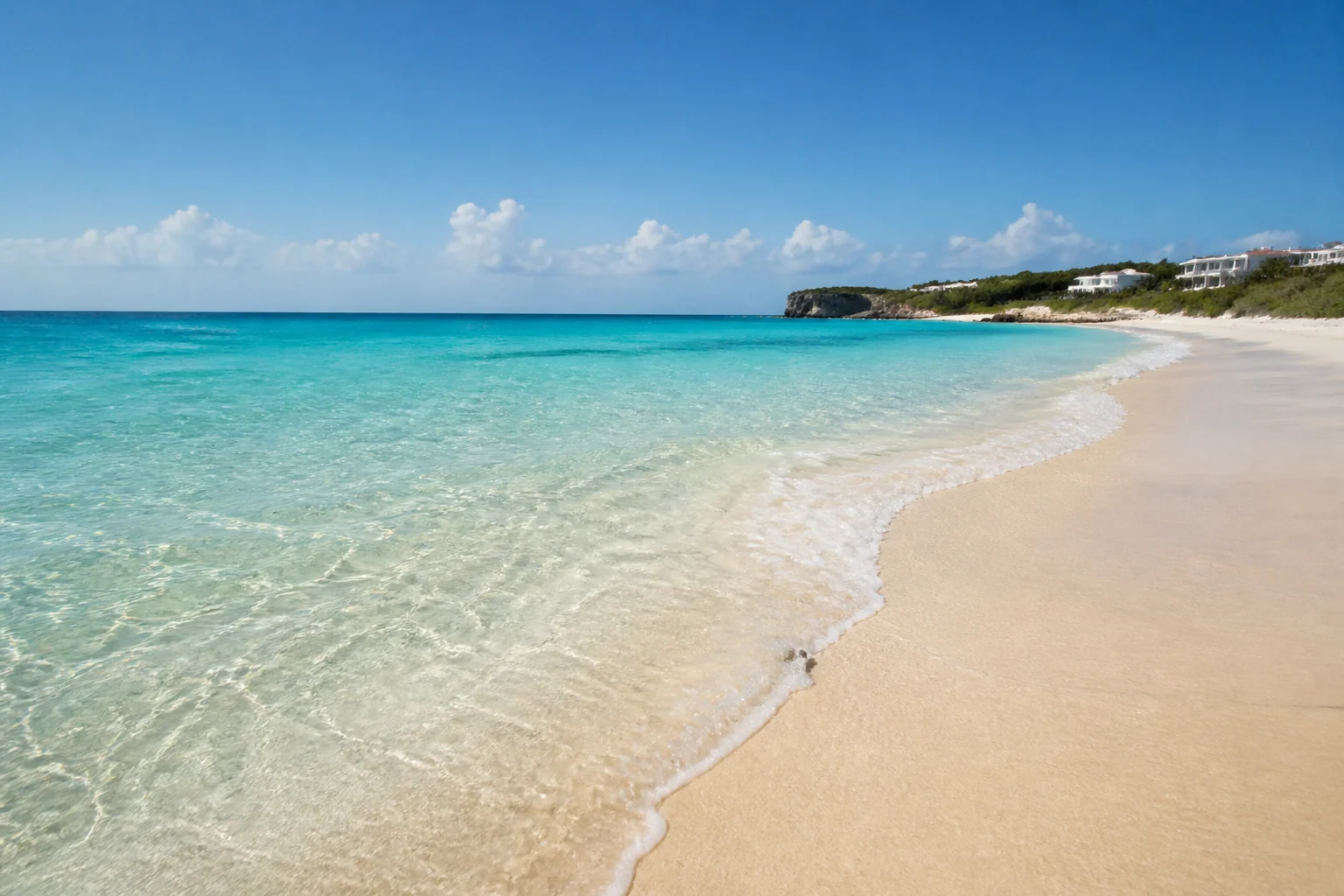
Anguilla feels flatter, quieter and visually pared back. Long pale beaches, low-rise development and a mix of resorts, villas and local restaurants create a relaxed luxury with less theatre. It works well for swimmers, families and couples who value beach quality above a sightseeing list. The appeal is repetition: the same morning walk, another lunch, the sea again. Travellers looking for mountains, rainforest or urban nightlife may mistake that minimalism for emptiness.
Antigua has enough coastline to create markedly different stays. A secluded bay, a larger resort and proximity to English Harbour each produce another rhythm. Sailing culture and historic architecture add substance beyond the beach, while day trips open more of the coast. Exposure and transfer times vary. Antigua suits guests wanting options without repeated flights or hotel changes. Choose the property by coast and intention, not brand alone.
Barbuda offers openness, pale shores and far less density than Antigua. That contrast can transform a journey, but it does not make the island an uninhabited private backdrop. Community, sensitive ecosystems, weather and access rules deserve respect. A stay needs reliable accommodation and transfer logic; a day visit depends on sea and operation.
Barbuda is for travellers who do not confuse reduction with extensive service and who recognise that limits can preserve a place’s greatest quality.
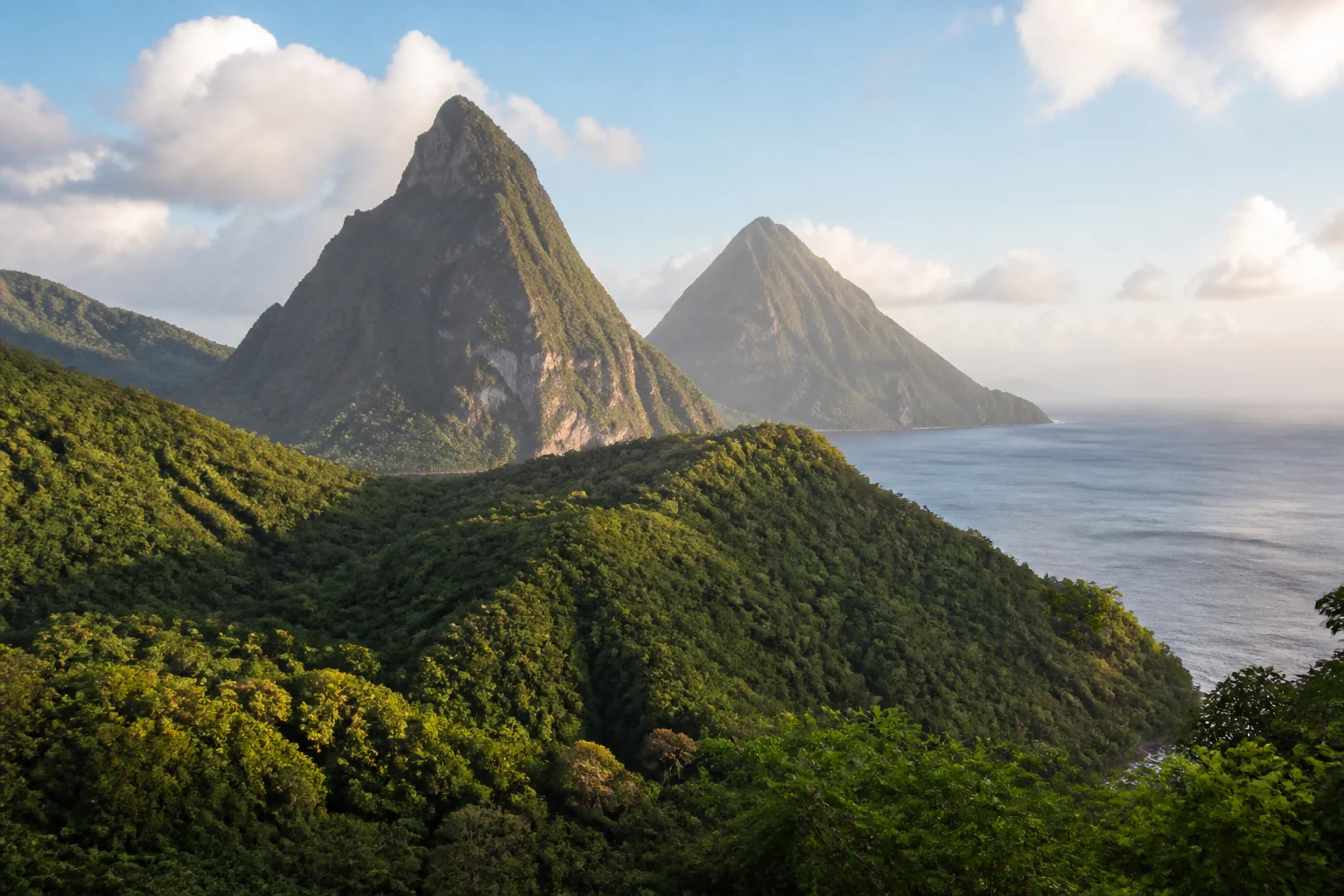
Saint Lucia is vertical: Pitons, lush slopes, bays and winding roads create a different Caribbean from low coral islands. Dramatic hotels often use height and view, which can mean stairs, open architecture and longer transfers. Travellers wanting hiking, sailing, wellness and powerful scenery have a strong stage. Anyone expecting an endless shallow beach outside the suite must choose location carefully. On Saint Lucia, geography influences the experience more than an abstract hotel category.
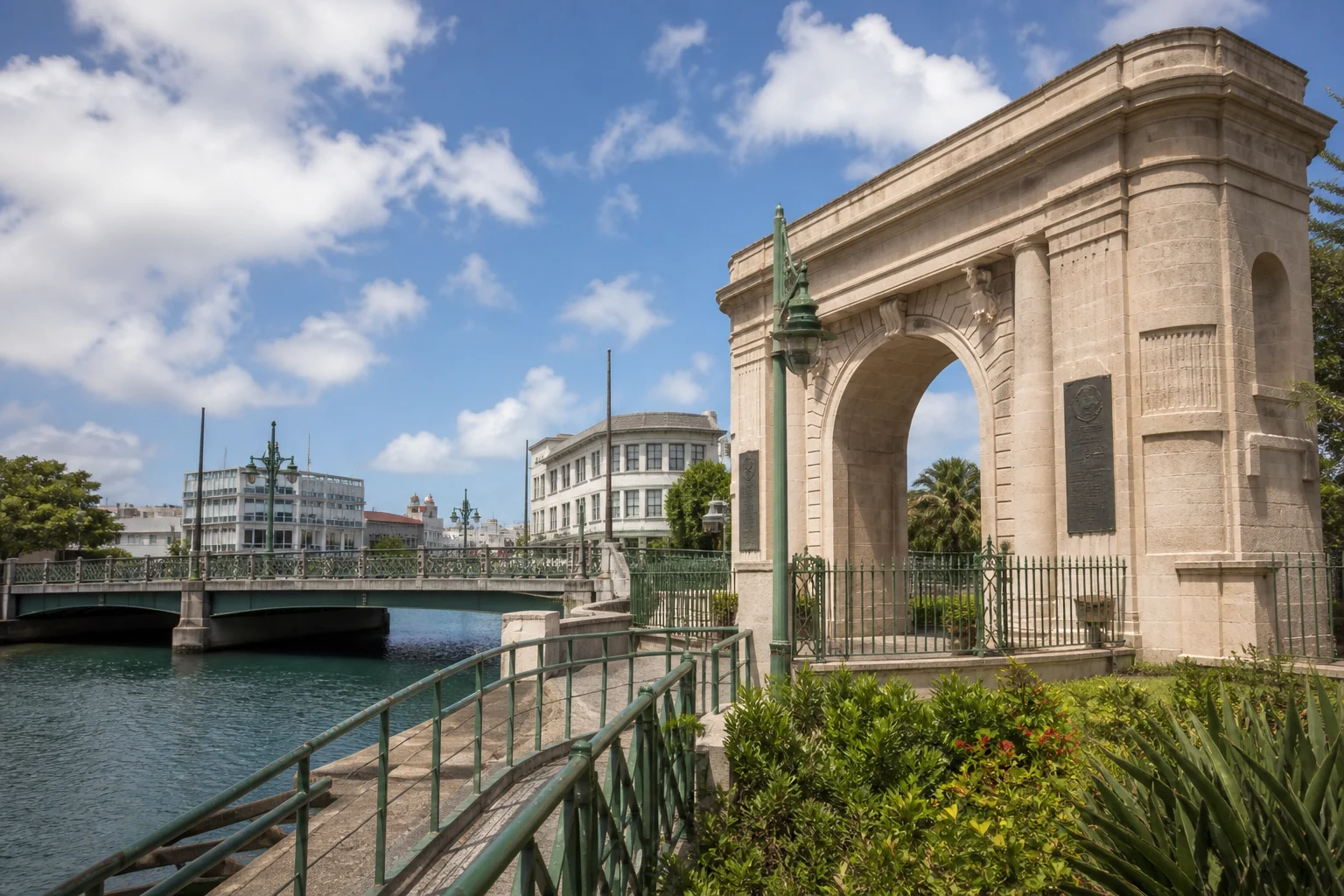
Barbados suits guests who want beach alongside restaurants, history, rum culture, gardens and a confident local identity. The west coast is associated with calmer water and established luxury hospitality; other coasts bring wind, surf and another pace. Bridgetown and historic sites prevent the island becoming only a hotel backdrop. Traffic and distance still need planning. A longer stay works because a pool day and a day beyond the resort can carry equal weight.
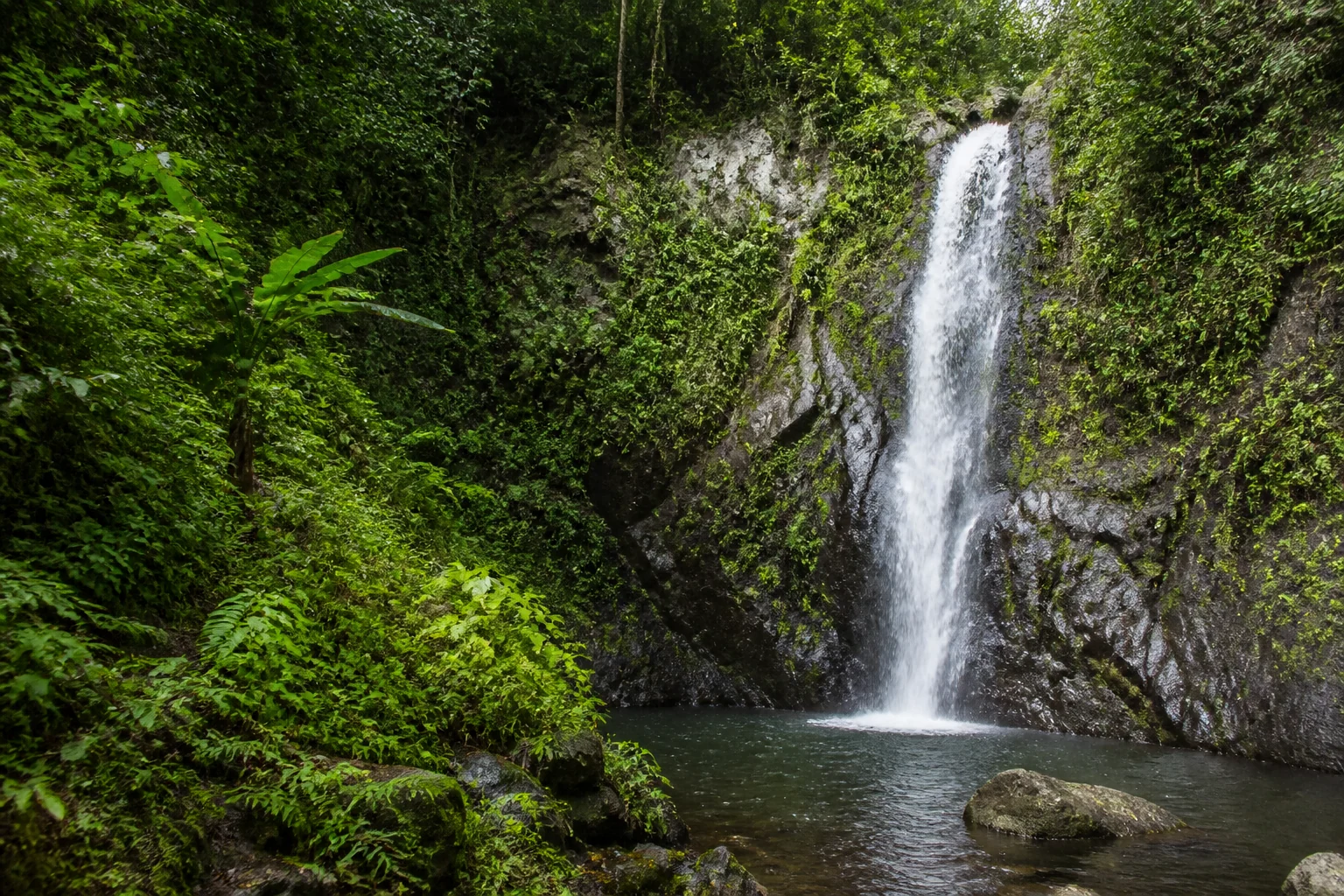
Grenada connects beaches with a green interior, spices, waterfalls and an atmosphere that can feel less polished but more immediate. It suits travellers who value a market, garden or walk as highly as an afternoon by the sea. Carriacou adds an even slower perspective with extra logistics. Grenada is not a substitute for St Barth; that is its value. The right hotel becomes a comfortable base without reducing the island to a pool view.
Mustique revolves around villas, limited infrastructure and a compact social ecosystem. Privacy is not total isolation: beach, club, tennis and a few gathering points create repeated encounters. Families and friends can thrive when villa, staff and transport suit the group. Guests wanting daily restaurant novelty or a broad spontaneous programme may feel constrained. Access, events and availability should never be promised as status. Mustique’s strength is continuity, not a long attraction list.
Often grouped with Caribbean luxury travel, Turks and Caicos is geographically Atlantic. Providenciales combines recognised beaches, villas, resorts and a straightforward daily structure. It works for families or groups wanting generous living space, luminous water and few moves. Beyond the main island, the experience becomes more remote and logistical. Travellers seeking layered culture or volcanic drama will find less contrast. Those making a fine villa and beach the centre may find exactly the desired simplicity.
Nevis combines a defining mountain, historic texture, gardens and restrained hospitality. Life is slower than on many prominent islands, with a smaller, more personal social scene. St Kitts can support access or variety, while adding transfers. Nevis suits guests who value walks, tennis, a good veranda and returning to favourite restaurants. Anyone needing new energy nightly may feel confined. Its strength is the possibility of owning a rhythm after only a few days.
Hotel, villa or private island
A hotel provides restaurants, spa, activities and spontaneous assistance, but may be lively at peak times. A villa offers space, privacy and a personal rhythm; quality depends heavily on staff, kitchen, location and management. A private island maximises seclusion while reducing alternatives and making transfers central. For two guests, a fine hotel can feel more effortless than an oversized villa.
For three generations, shared villa space may achieve what a corridor of suites cannot. Format follows the social architecture of the trip.
Two islands earn their place when the contrast is clear and the connection reliable: social St Barth with quieter Anguilla, Saint Lucia’s landscape with a Barbados beach, Grenada with a slower Grenadine island. Transfer must not consume the gain. Seven nights usually belong on one island. Ten to fourteen can support two when each receives at least four complete days. Two similar resorts on separate islands create movement rather than a new journey.
An extra island flight, boat or long road transfer may be worthwhile, but should never be minimised as a quick connection. Count from international arrival to a ready room, including immigration, luggage, waiting and weather margin. Late flights can require an intermediate night; separate tickets alter protection after delay. Ease often wins on a short stay. Over two weeks, demanding access may become part of a deliberate retreat.
Season, wind and festive dates reshape the trip
Temperature, short showers, trade winds, swell, seaweed, holidays and microclimates all affect the stay. The Atlantic hurricane season officially runs June through November, with NOAA showing the highest climatological activity around September. That is not a weekly forecast. Wind can alter individual coasts even in classic winter months. Diving, sailing, hiking or reliably calm water may each favour different windows. Every live journey needs current information and flexible conditions.
On many islands, the protected coast is calmer while the windward side brings waves, breeze and stronger scenery. This changes swimming, children’s comfort, watersports and temperature. A spectacular cliff villa may have no direct water access; a sheltered beach can feel hotter. Check the exact bay, not merely the island. “Ocean view” answers neither swell nor afternoon sun. Coastal geography is a functional travel feature.
Christmas and New Year concentrate demand, minimum stays, stricter terms and visible social life. Some guests come for precisely that energy; others pay the year’s highest rates for an atmosphere they would avoid. Restaurants, villa staff, drivers and key tables require early coordination, while flights and weather remain operational. A traveller seeking quiet chooses coast and property differently from one seeking the scene. High season is social as well as climatic.
Who the Caribbean genuinely suits
A kids’ club alone does not make a family island. Water depth, waves, shade, connecting rooms, meal times, medical access and distance between villa, beach and activities matter. Teenagers want independence and sport; young children need short routes and reliable routine. Anguilla or Providenciales can excel through beach and villa structure, while Antigua or Barbados offer more variety outside. The exact bay decides. Multi-generational guests should not need one shared vehicle for every choice.
Travellers wanting to hike in the morning and recover by the pool may find more natural tension in Saint Lucia or Grenada than on a flat beach island. Those defining wellness as sleep, quiet and repetition may prefer Anguilla or a private island. Diving, sailing, golf and tennis follow their own infrastructure. A resort spa cannot replace landscape,
and dramatic terrain does not guarantee easy logistics. Decide whether activity is a daily purpose, an occasional option or merely an attractive idea.
Travellers demanding reliably dry midsummer weather, daily cultural programming or a short nonstop flight from every European market should compare alternatives. Guests seeking cool nights, urban density or rapidly changing scenery may be happier elsewhere. The Indian Ocean, Mediterranean, Mexico or a coastal journey can fit the season better. Honest advice does not defend the original idea at any cost. It recognises when “Caribbean” names a longing another place can satisfy more precisely.
The one-page island-selection brief
Record timing, duration, departure airport, ages and budget. Rank beach, privacy, restaurants, landscape, activity and easy access. Describe an ideal day and one firm exclusion: no long transfer, steep paths, social theatre or isolated resort. Add room or villa needs, food, mobility and possible combinations. Three suitable islands can then be compared. The best choice is not the one with the greatest number of advantages, but the one whose unavoidable compromises matter least to this journey.
Compare each candidate against the same measures: genuine door-to-door travel, the property’s exact location, quality of the beach reached without a car, desired variety, probable total cost and the weather character of that coast. Only then does it become clear whether a famous name earns the effort. Record what should sustain a weaker day as well.
A fine hotel, dependable restaurant and comfortable shared space are worth more than ten theoretical excursions when wind or rain changes the programme. Include the group’s appetite for planning: one island rewards reservations, another repetition, another long drives through landscape. Ask which compromise will become irritating by day four and which will barely be noticed.
The correct choice should work not only in its finest photograph but on an ordinary afternoon when nobody wants to perform being on holiday. That ordinary ease is often the most reliable expression of luxury, and the hardest quality to identify from a brochure.