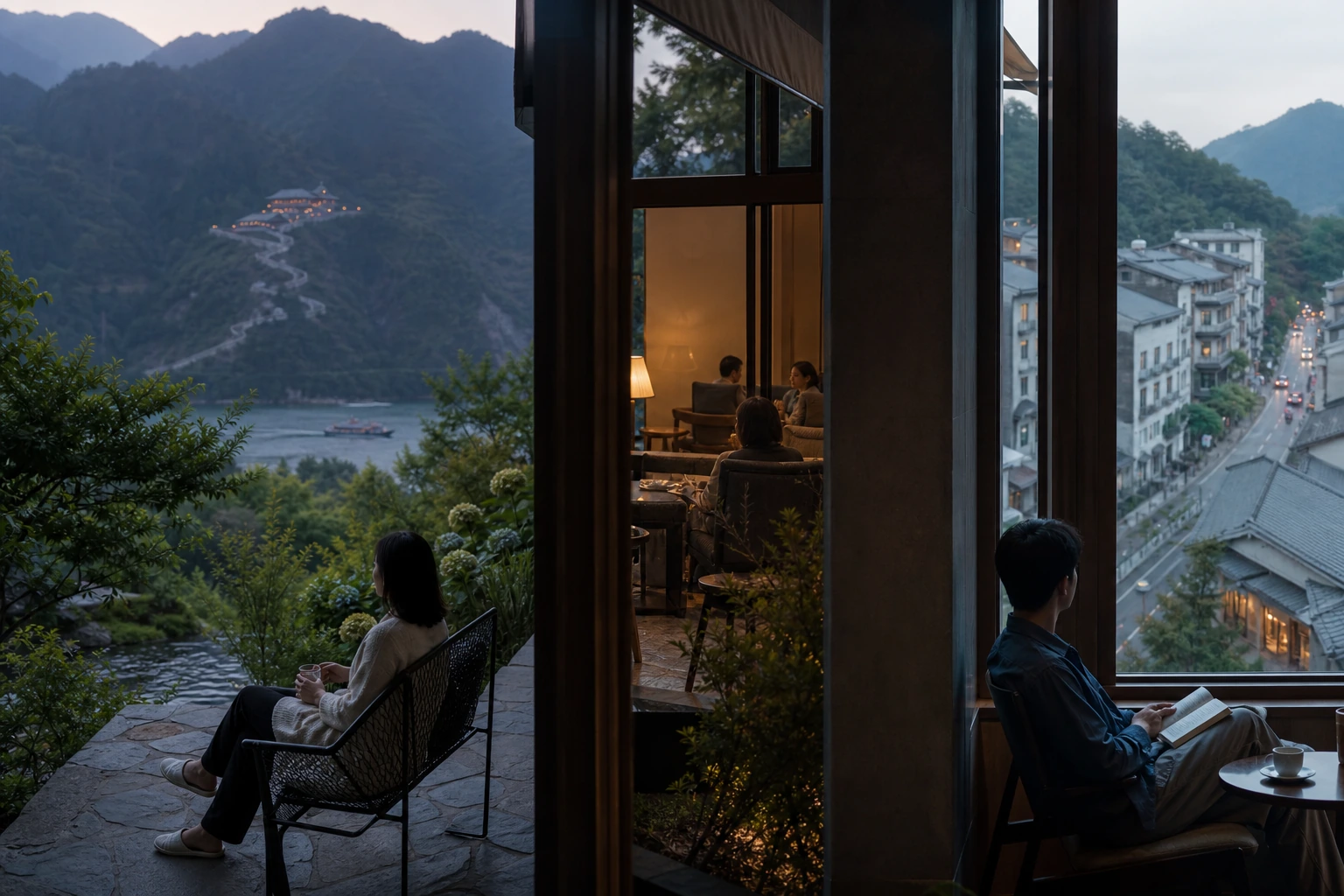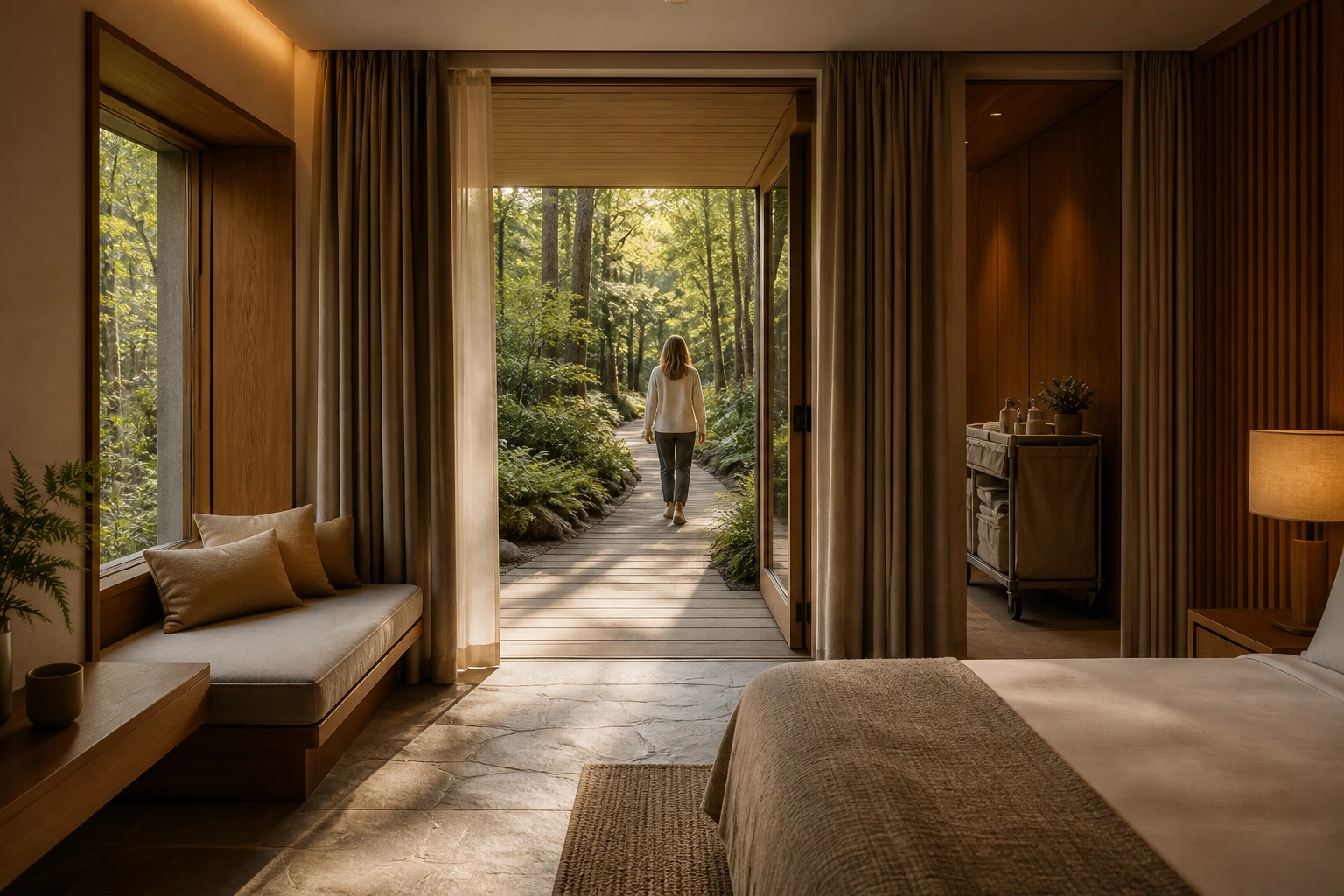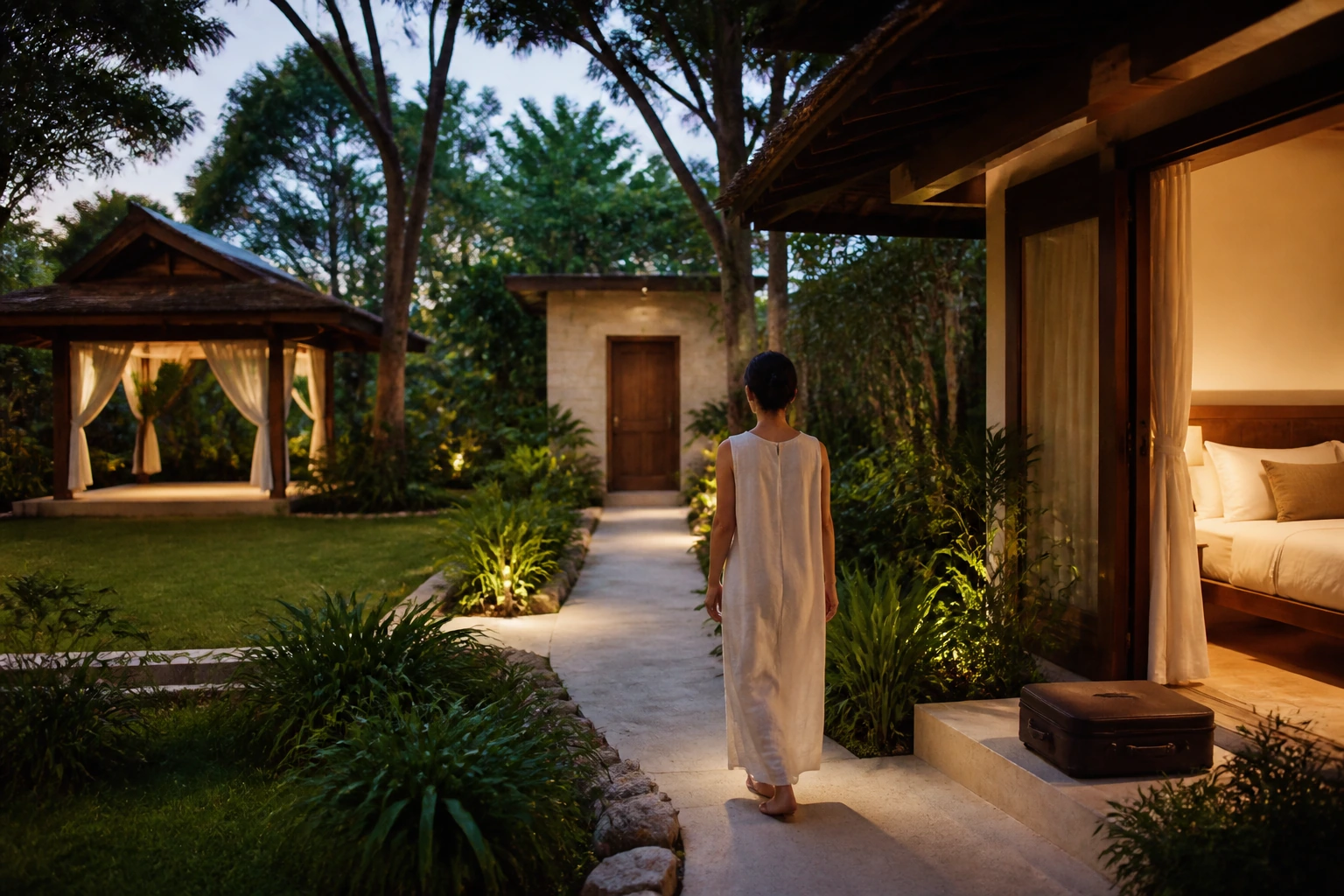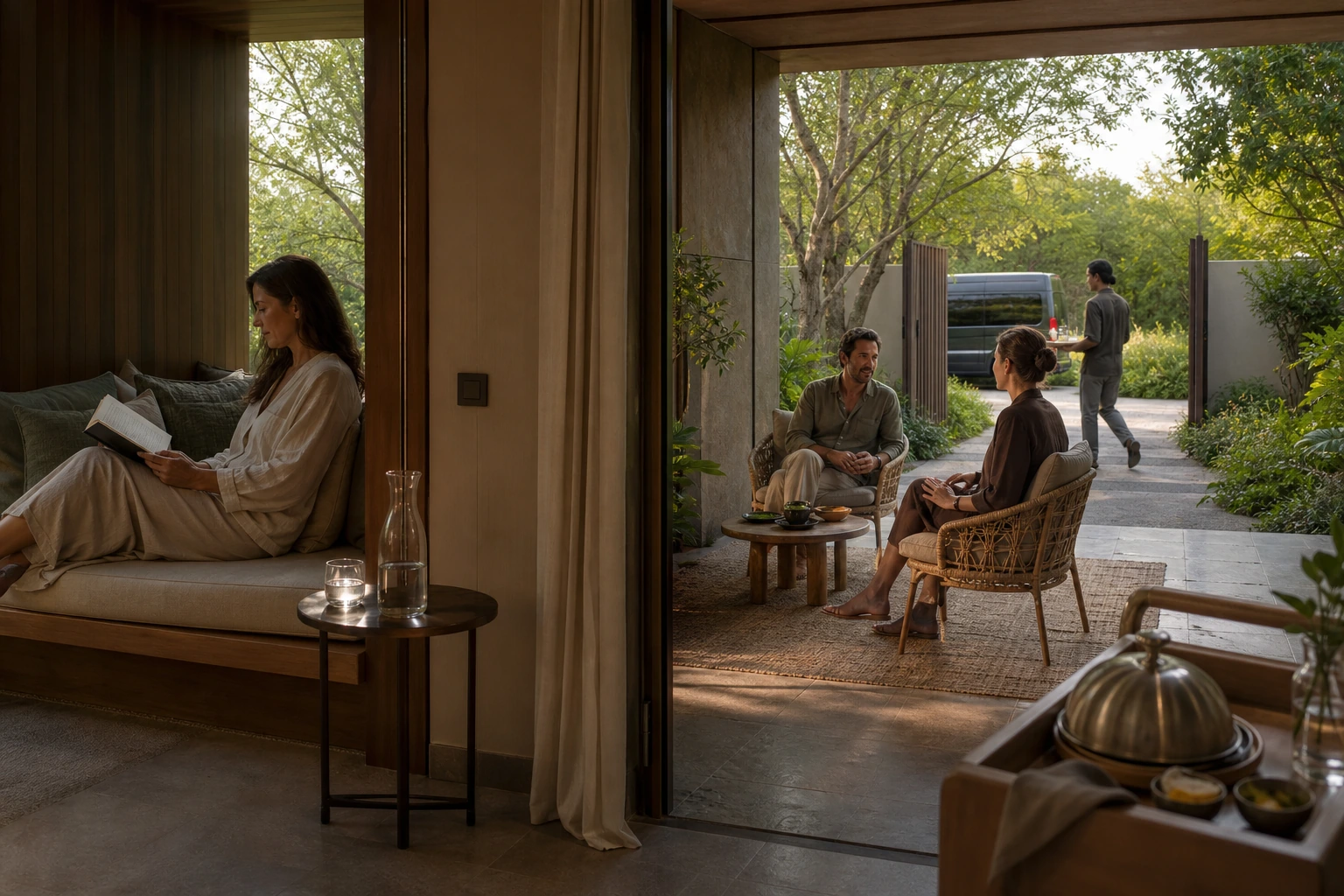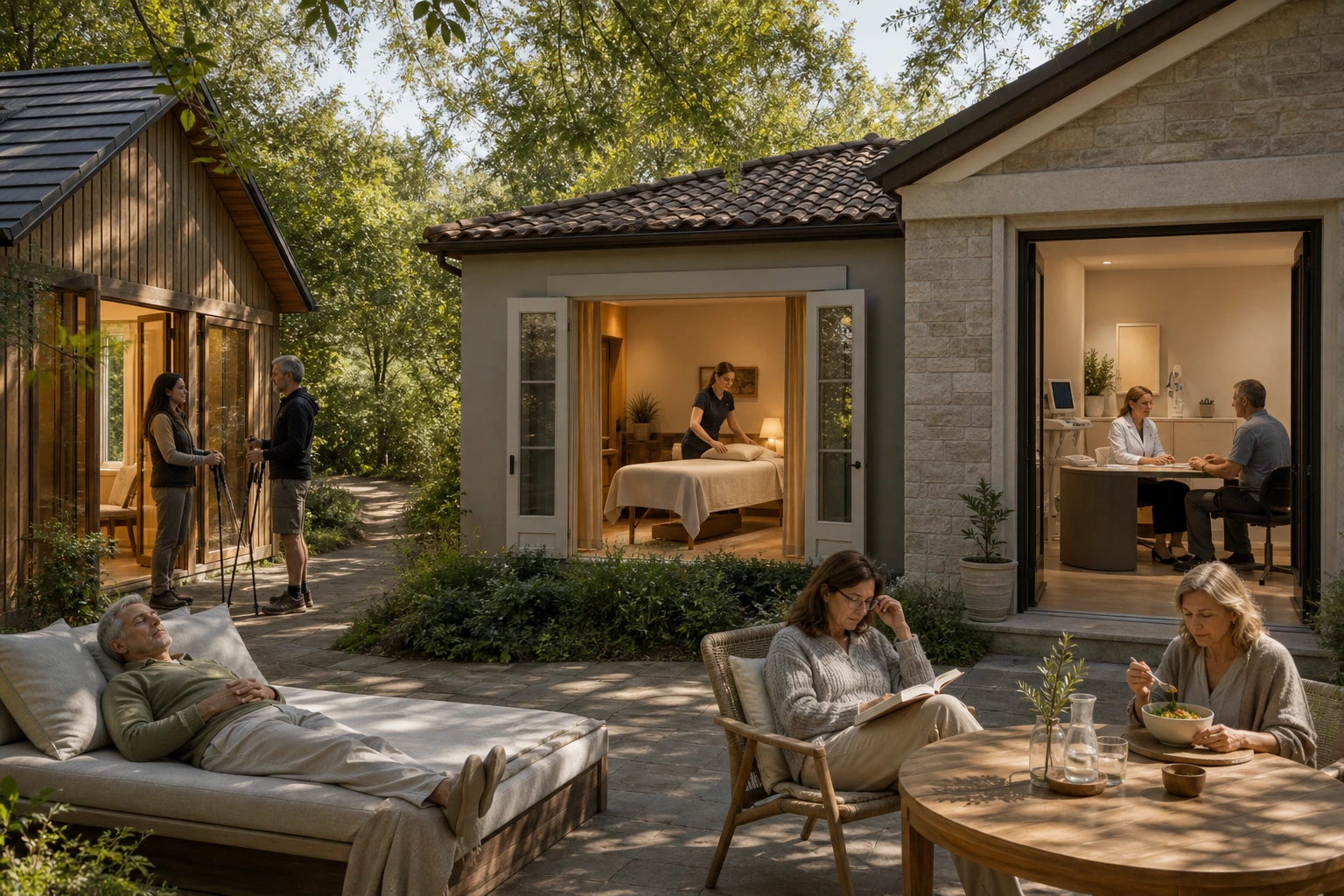
Traveling for mental relaxation: silence, nature and design need more than pretty pictures and big names. The actual decision lies in the route, timing, comfort, target group, costs and the question of which experience really suits the occasion.
Specific names are crucial for this topic: Amanemu, Six Senses Vana, Euphoria Retreat, Kamalaya, Lanserhof, Amanemu, Forestis, Arctic Bath. They make the difference between inspiration and reliable travel planning. If you don't compare these points properly, you often book the best-known offer instead of the best solution.
Quick facts about traveling for mental recovery
- Important names
- Amanemu, Six Senses Vana, Euphoria Retreat, Kamalaya, Lanserhof, Amanemu, Forestis, Arctic Bath.
- Ideal duration
- So long that arrival, main moment and breaks don't work against each other.
- Planning focus
- Timing, location, convenience, cost, alternatives, target group and red lines.
- Before the request
- Which option suits the occasion, which is only known, and which alternative is quieter
Short answer to traveling for mental recovery
Traveling for mental relaxation occurs when route, guide, travel time, season and retreat have the same rhythm.
Before availability, for trips for mental relaxation, it is first clarified which choice really matters: route, guide, hotel location and travel times are read as hard filters for timing, location, costs and alternatives.
The most important options in comparison
Silent resorts
For guests who are looking for a lack of stimuli, little social energy and real quality sleep.
Nature and landscape
For people who need forest, mountains, water, desert or sea as regulation.
| Concrete choice when traveling for mental recovery | When she wears | Better cross-check | Clarify before request |
|---|---|---|---|
| Route as first choice | fits if the timing and access are in the desired week | A quiet room location is often the better choice | Clarify season, transfer and cancellation before request |
| Guide as a quieter alternative | strong for guests who want less visibility or less turnover | Travel times can offer more experience | Compare location, target group and daily rhythm |
| Seasonal window with additional costs | makes sense if service really takes the strain off your day | PrivateUpgrades is easily underestimated | Record costs, waiting times and responsibility in writing |
| Driver as a risk | only accept if plan B is clear | Access requires reserves | Set cutoff point, weather or delay plan |
The offer should expressly include route, guide, hotel location, travel times, seasonal window, private upgrades, driver and access. Good planning for trips for mental relaxation begins where the route, guide, hotel location, transfer times, additional costs and the quieter alternative are openly compared.
Design hotels are the alternative that many travelers only consider late. For guests who experience order, light, materials and space as part of relaxation. Medical or retreat, on the other hand, requires different planning: for measurable programs, diagnostics, stress, sleep and clear routines.
Digital detox also belongs in the comparison. For guests who not only need to turn off WiFi, but also change their daily rhythm. This breadth does not make the decision any more complicated. It makes them more honest.
Best for / not ideal
Particularly suitable for
- Exhausted entrepreneurs, couples after intense months and solo travelers.
- Guests who value sleep and rest more highly than the program.
- People who need nature but don't want an ascetic retreat.
Less ideal for
- Guests looking for entertainment, shopping or a social scene.
- Weekends too short with no travel buffer.
- Retreats without clear rest or digital boundaries.
Timing, season and process
Timing changes quality greatly. A good date can have more value than a higher category. Availability, weather, local events, daylight, transfer window and target group must be read together.

The first day should remain soft. The main moment belongs in the middle of the journey. The last day needs air. When everything is trimmed for efficiency, even a very expensive experience loses its lightness.
The fuller the bar, the better the travel idea works.
Costs, additional costs and limits when traveling for mental recovery
The visible price is only part. Costs arise for category, transfers, private setups, guides, service, tips, cancellation, additional nights, insurance and last-minute changes. Good planning makes these points visible before they become unpleasant.

A cheaper offer may end up being weaker if it contains too little buffer, less comfort or a worse location. Conversely, not every upgrade makes sense. The best value lies where money creates noticeably better travel quality.
Typical mistakes
The first mistake is booking according to myth. The second is too little time. The third is a category that sounds better on paper, but doesn't have the right impact on the ground. The fourth is a lack of plan B.
A good briefing identifies the reason, pace, comfort requirements, red lines and the alternative that is deliberately not chosen. Only then does a nice idea become a recommendation that has local impact.
Specific test questions
Which option suits the occasion best Which alternative is quieter Where are additional costs incurred Which target group shapes the experience How long does the trip have to be so that it doesn't seem rushed Which decision should be made before making the request

These questions are at the core of a premium level article. They turn a beautiful topic into a decision-making aid.
Route by air: Traveling for mental recovery
Traveling for mental recovery wins through rhythm. For trips for mental recovery, the better choice is the one where Amanemu, Six Senses Vana and Euphoria Retreat create less friction than the better known name. Too many stops turn a private trip into a list.
Local rules: Travel for mental recovery
When traveling for mental relaxation, luxury does not mean isolation, but rather the right access at the right time: route, guide and hotel location need tact, not speed.
Hotel as an anchor: traveling for mental relaxation
The right basis for mental recovery when traveling saves energy every day. When traveling for mental recovery: silence, nature and design, we first check Amanemu, Six Senses Vana, Euphoria Retreat, arrival logic and additional costs before deciding on availability or category.
Guide and access: Travel for mental recovery
When traveling for mental relaxation, a strong guide decides whether places are only seen or understood. Traveling for mental recovery becomes strong when Amanemu, Six Senses Vana and Euphoria Retreat do not remain decorative, but rather serve as clear filters for timing, budget and alternatives.
Less is often better: traveling for mental relaxation
Traveling for mental relaxation should be consciously avoided. When traveling for mental recovery: silence, nature and design, we first check Amanemu, Six Senses Vana, Euphoria Retreat, arrival logic and additional costs before deciding on availability or category.
Need for information before making an inquiry: Traveling for mental relaxation
Before requesting travel for mental recovery, we need travel duration, pace, comfort limits, climate, travel time tolerance and priorities; Only then can the route, guide and hotel location be meaningfully weighted.
What honestly needs to be left open when traveling for mental recovery
A good suggestion respects these boundaries and creates a route for trips for mental relaxation in which the route, guide and hotel location do not seem crowded.
The better alternative to traveling for mental recovery
When traveling for mental recovery, an extra night of route or guide can be more powerful than an additional stop. A missed program item can make the trip luxurious.
For trips for mental relaxation: silence, nature and design, we would only confirm the route once the guide, hotel location, cost logic, cancellation and a real plan B have been checked. The better solution for traveling for mental recovery is often more precise rather than larger: fewer changes, clear responsibility and an alternative to Euphoria Retreat if the timing or audience changes.
When traveling for mental relaxation: silence, nature and design, we read the route, guide, hotel location and travel times against the specific travel week: arrival, daily rhythm, target group, additional costs and the alternative that makes less work for the guest on site.
When traveling for mental recovery is not recommended
Traveling for mental relaxation: silence, nature and design should only be confirmed once the route, guide, costs, timing and the realistic alternative have been clarified.
- Travel times, daylight, guide, opening times or permits are only roughly planned
- Too many places are squeezed into too few days
- the most famous hotel is chosen, even though the location, route or retreat speak against it

Advisor Note on Traveling for Mental Recovery
When traveling for mental relaxation: silence, nature and design, we check the route, guide, hotel location, travel times, costs, timing and the quieter alternative before making a specific request.
Mental recovery travel checklist
- Which specific option is the favorite and why
- Which alternative would be quieter, more private or more logistically sensible?
- Which category or route makes sense, not just expensive
- Which additional costs must be visible in advance
- Which red lines must not be violated on site
How we specifically examine travel for mental recovery
What we check before confirming: When traveling for mental relaxation: silence, nature and design, we check the route, guide, hotel location, travel times, arrival time, target group, service routes and the quieter alternative before a category or route is confirmed.
Only then are trips for mental relaxation specifically requested: with a route, guide, appropriate category, realistic budget and an alternative that works more quietly on site.
What should be clear before the commitment
Before accepting, the date, duration, category, cancellation, additional costs, transfer logic, daily rhythm and responsibilities should be clear. Equally important is the question of who decides on site when the weather, availability or mood changes.
A good offer is convincing even without pictures. If the process, limits, alternatives and costs are clear, it has substance.
Sleep instead of program
Mental recovery often begins with sleep. Good resorts protect darkness, noise, temperature and circadian rhythms. An overloaded spa schedule can be counterproductive.
The best trip leaves room. It doesn't force you to constantly self-optimize.
What a calming landscape
Forest, mountains, sea and desert have different effects. Forest provides protection. Mountains provide distance. Sea gives rhythm. Desert gives reduction. The right landscape depends on the guest's stress pattern.
The journey also counts. A quiet resort with complicated transfer can delay recovery.

Design as therapy
Design doesn't heal. But material, light, acoustics and order can relieve the nervous system. Good houses are not decorated, but clearly built.
Few on-site decisions are a luxury. The guest does not have to constantly choose.
Read the retreat duration realistically
Three nights can be a nice weekend. They are often too short for mental relaxation. The body needs arrival, a release of tension, a good first sleep and then real rest.
Five to seven nights is a solid start. Ten nights are better when sleep, stress and digital exhaustion are deeper.
Medical, spa or nature hotel
A medical retreat is suitable if diagnostics, sleep values, blood values, stress markers or nutrition need to be specifically examined. A spa hotel is suitable if touch, warmth, water and good service are enough.
A nature hotel is strong when the guest is not looking for therapy, but for distance. The wrong choice occurs when all three terms are mixed.

Digital detox without theater
Digital Detox is not credible if the guest still has to be reachable for work. It's better to have a clear window: two checks a day, no phone in the bedroom, no meetings on the first morning.
The goal is not asceticism. The goal is less stimulus. Good houses help quietly without turning it into a production.
Plan for rest
The return decides. If you fall into appointments immediately after a retreat, you lose a lot of impact. A half-day buffer at home can be more valuable than an additional treatment.
Diet, bedtime and digital limits after the trip should also remain simple. Otherwise, recovery becomes a memory instead of a change.
Which house for whom?
Amanemu or a silent Japanese house suits ritual and water. Six Senses Vana appeals to guests looking for a retreat and program. Lanserhof is more medical. Forestis or an alpine design hotel works through air, views and reduction.
None of these are automatically correct. The choice depends on whether the guest needs medical clarity, nature, spa, solitude or gentle structure.

The first day
The first day should be almost empty. Arrive, unpack, eat lightly, sleep early. Anyone who plans diagnostics, massage and exercise straight away prolongs the stress in another form.
Good houses recognize this. They start off the first evening softly and only start with real structure on the second day.

Dose treatments correctly
Many guests book too many treatments. Three treatments a day can be impressive, but also overwhelming. Heat, massage, breathing work, sleep advice and exercise require distance.
A good plan puts fewer applications better. The body should be allowed to react.
Alone or as a couple
Traveling alone can be very powerful for mental recovery. It takes social consideration out of the day. It's good for two if both want the same rhythm.
If one guest is looking for peace and the other for program, the trip needs separate tracks. Otherwise, recovery becomes a compromise.
Read costs sensibly
The price is not just in the room. Programs, doctors, diagnostics, transfers, special menus, private sessions and follow-up care can have a powerful impact. This makes sense if it fits the goal.

It becomes pointless if expensive components are only booked because they are available. Mental recovery requires clarity, not abundance.
Common mistakes
The most common mistake is staying too short. The second is too full a plan. The third is lack of digital border. The fourth is a resort that looks nice but is too noisy socially.
A good suggestion identifies these risks. He doesn't just sell calm. He protects her.
The crucial preliminary question
What exactly should be different after the trip? Better sleep, less stimulus, a clearer head, distance from work, physical regeneration or a new daily rhythm. Each answer leads to a different house.
If this question is not asked, wellness quickly becomes decorative. Then there are nice rooms and good massages, but no real decision.
Transfer and return
A very long transfer can delay the effect. A hard return flight can destroy it again. That's why arrival, departure and the first day of work are part of the planning.

Mental recovery doesn’t end at check-out. It only ends when the guest has returned to everyday life.
Not every quiet place is right
Silence can calm. But it can also open up too much space if a guest needs distraction. That's why the preliminary conversation counts.
A good house doesn't just suit exhaustion. It suits the personality.
It is precisely this fit that determines the effect.
Everything else remains just wellness decoration.
That's why the selection must be made honestly.
Before a release Traveling for mental relaxation: silence, nature and design We check route, guide, hotel location, travel times and seasonal windows not as decorative words, but against travel date, arrival time, cancellation, target group and budget. When traveling for mental relaxation, the decisive factor is whether Amanemu really relieves the burden on site or is just on offer as a nice name.
Not ideal though Traveling for mental relaxation: silence, nature and design are only read as a prestige decision or route is chosen, guide does not bring a clear advantage for the daily rhythm or hotel location triggers additional costs that only become visible on site. Then Driver or Access is often the more mature, calmer choice.
Read more about traveling for mental relaxation
FAQ about traveling for mental recovery
How long should a trip last for mental recovery
Five to seven nights is a good start. Ten nights are often more useful for deep regeneration.
What is more important: spa or nature
Nature and sleep rhythms usually carry more weight than many treatments. Spa helps if it supports the rhythm.
Digital detox always makes sense
Only if it is realistically planned. Work availability, family and transition days must be clarified in advance.
Which destination is suitable?
Mountains, forests, desert, quiet islands and minimalist design hotels work well if transfers are short enough.
When is a medical retreat better?
If sleep, stress, blood values, nutrition or exhaustion need to be specifically checked.
Conclusion on traveling for mental recovery
Traveling for mental relaxation: silence, nature and design reaches premium level when the article not only describes but improves a decision. Concrete names, real alternatives, cost clarity, limits and a suitable next step are mandatory.